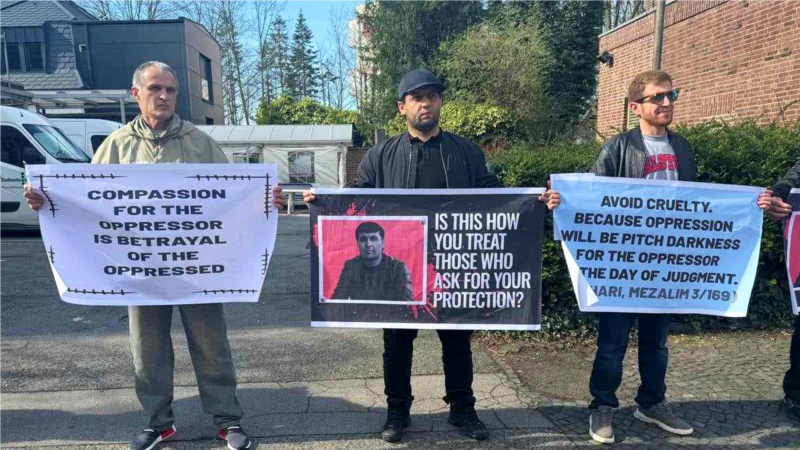
Deportations And Jail Terms Leave Tajik Dissidents In Europe Fearing For Their Future


© Tomas Munita for The New York Times

Non c’è modo di combattere l’Impero senza aggirare il suo controllo sul sistema finanziario internazionale.

Si sta già scatenando il finimondo quando si tratta di indagare su ciò che sta realmente accadendo in relazione agli ultimi, decisamente oscuri, movimenti legati agli Stati Uniti sul territorio e nelle acque pakistane. Dopo una prima analisi su Transition Protocol – che, come ammesso, non ha fornito tutte le risposte necessarie – abbiamo approfondito l’argomento con un’analisi molto più completa, supportata da diverse fonti.
Ciò che stiamo osservando in diversi punti nevralgici della connettività terrestre estremamente delicata tra Iran e Pakistan non è una chiusura totale delle frontiere, bensì un delicato equilibrio su due fronti da parte di Islamabad tra l’enorme morsa finanziaria di Washington e l’ancora di salvezza strategica di Teheran.
Ecco quindi a che punto siamo, integrando i dati verificati con le nostre ultime consultazioni.
Il punto chiave: il fattore scatenante dal punto di vista normativo è stata una misura di sanzioni bancarie, non solo la sicurezza delle frontiere.
Sebbene i funzionari provinciali del Balochistan abbiano pubblicamente attribuito la sospensione di sabato in due nodi chiave, Taftan e Gabd–Rimdan, a motivi di sicurezza, antiterrorismo e lotta al contrabbando, ciò che conta di più è l’esatto meccanismo relativo a un memorandum emanato venerdì scorso dal Ministero del Commercio pakistano.
Tale memorandum ha immediatamente revocato la proroga del 3 ottobre relativa all’esenzione dal Modulo Elettronico di Importazione (EIF) per le merci importate dall’Iran, e ha coinciso con l’ordine impartito da Islamabad di chiudere il valico di frontiera dell’Agenzia Federale di Investigazione (FIA) a Taftan.
L’aspetto fondamentale è che, senza l’esenzione dall’EIF, gli importatori pakistani devono gestire gli acquisti iraniani attraverso i canali bancari ufficiali pakistani – cosa che le sanzioni statunitensi, ovviamente, rendono assolutamente impossibile.
Peyman Sanandaji, presidente della Commissione Trasporti della Camera di Commercio di Teheran, ha confermato ufficialmente che è proprio il rispetto delle sanzioni bancarie (l’abbandono dell’EIF) ad aver bloccato le esportazioni iraniane verso il Pakistan.
Lo shock immediato ai valichi ufficiali è stato notevole: sono a rischio oltre 4.000 tonnellate di importazioni giornaliere di GPL iraniano attraverso Gabd–Rimdan. L’ex presidente della Camera di Commercio di Quetta, Ayoub Miryani, ha riferito che oltre 2.000 container sono bloccati nella sola Gabd–Rimdan, con altre centinaia di autocarri merci in coda a Taftan.
Ma perché sta accadendo proprio ora? A causa della spiacevole coincidenza tra la rata del FMI del 7 ottobre che il Pakistan doveva pagare e l’«Operazione Economic Outcast» del Tesoro imperiale statunitense.
Nell’ambito dell’«Operazione Economic Outcast», Washington ha concesso ai paesi terzi una «scadenza ben definita per interrompere» i collegamenti commerciali con l’Iran, pena l’espulsione dal sistema finanziario statunitense. A ciò hanno fatto seguito le designazioni dell’OFAC del 1° ottobre contro le reti ferroviarie terrestri e industriali iraniane e le azioni dell’8 ottobre contro 17 petroliere della «flotta ombra».
Ma poi, il 7 ottobre – appena nove giorni prima che il Ministero del Commercio revocasse la deroga EIF – Islamabad ha raggiunto un accordo con il FMI sulla quarta revisione della sua Extended Fund Facility per sbloccare 1,21 miliardi di dollari. Ciò richiede ancora l’approvazione del Consiglio esecutivo del FMI.
Naturalmente non esiste alcun documento pubblico che dimostri un ordine diretto da parte degli Stati Uniti o del FMI di chiudere i confini tra Iran e Pakistan. Tuttavia, fonti di Islamabad hanno sottolineato che lasciare in vigore una deroga a tempo indeterminato sugli strumenti bancari in vista del voto del Consiglio del FMI era diventato per il Pakistan un punto di vulnerabilità insostenibile in materia di sanzioni.
Le fonti di Islamabad sostengono con fermezza che la mossa fosse accompagnata da autentiche preoccupazioni in materia di controsabotaggio e silenziosamente coordinata tra Islamabad e Teheran (corsivo mio), affinché la sospensione non compromettesse i rapporti bilaterali.
Il portavoce del Ministero degli Esteri iraniano, Esmaeil Baghaei, ha pubblicamente definito l’interruzione una pausa temporanea dovuta a «problemi tecnici» e a «misure precauzionali».
Da parte loro, fonti ufficiali pakistane hanno insistito sul fatto che i controlli più rigorosi costituiscono una misura congiunta di antiterrorismo che riflette la «reciproca comprensione» con Teheran a seguito di un’impennata degli attacchi nel Sistan-Baluchistan, delle imboscate autostradali e di un attacco marittimo avvenuto l’11 ottobre contro imbarcazioni della Guardia Costiera pakistana al largo di Jiwani – che i funzionari pakistani hanno attribuito ad «attori stranieri» intenti a sabotare la mediazione del Pakistan nell’accordo di pace con l’Iran.
Si torna allo stesso vecchio schema dei salafiti-jihadisti strumentalizzati e manipolati dai soliti sospetti.
L’unica telefonata pubblicamente confermata tra il vice primo ministro Ishaq Dar e il ministro degli Esteri Abbas Araghchi ha avuto luogo domenica 18 ottobre – due giorni dopo il memorandum del 16 ottobre – e i resoconti ufficiali menzionano solo la diplomazia regionale e la riunione dell’OIC a Baghdad.
Pertanto, il coordinamento preventivo a livello di vice primo ministro Dar e ministro degli Esteri Araghchi, così come gli arresti specifici per sabotaggio, fanno parte della nostra stessa cronaca.
Esportazioni asimmetriche di generi alimentari e rotte informali
In sintesi, le merci continuano a attraversare i confini. Islamabad ha deliberatamente lasciato in essere le esportazioni pakistane di prodotti deperibili e alimentari verso l’Iran. Prodotti deperibili essenziali – tra cui pomodori, patate e cipolle – continuano a circolare, insieme ai tradizionali flussi di petrolio e carburante, attraverso il poroso confine lungo 909 km.
La documentazione normativa ne spiega il motivo: otto mesi fa, il Pakistan ha emanato una deroga separata relativa agli strumenti bancari, specificamente per dieci prodotti alimentari esportati via terra verso l’Iran (elencando esplicitamente riso, patate, cipolle, pomodori, carne e frutta), oltre ai prodotti farmaceutici.
La Camera di Commercio di Teheran ha confermato sabato scorso che, mentre le esportazioni iraniane verso il Pakistan sono bloccate dalla norma EIF, le importazioni dal Pakistan verso l’Iran proseguono, e il commercio informale di carburante e il commercio transfrontaliero attraverso il Baluchistan operano già per un valore stimato compreso tra 800 milioni e oltre 1 miliardo di dollari all’anno al di fuori dei canali doganali ufficiali.
Si dovrebbe prestare particolare attenzione ai porti di Gwadar e Karachi, nonché all’architettura complessiva del transito Cina-Iran. Secondo le nostre fonti, il transito di merci provenienti da paesi terzi e quello tra Cina e Iran attraverso il Pakistan rimane protetto.
A livello giuridico, un documento che descrive in dettaglio il transito delle merci attraverso il Pakistan ha stabilito sei corridoi di transito terrestri designati che collegano Gwadar, Karachi e Port Qasim a Gabd e Taftan per le merci provenienti da paesi terzi dirette in Iran, sotto la garanzia di una banca.
Inoltre, una notifica del Federal Board of Revenue dello scorso giugno ha formalmente designato la stazione ferroviaria di Taftan come stazione doganale terrestre, mentre i ministri iraniani e pakistani promuovono il corridoio ferroviario per collegare la Cina all’Iran e all’Europa.
Tuttavia, permangono due vincoli operativi molto complessi.
La modernizzazione della linea ferroviaria Quetta-Taftan è ancora ufficialmente classificata come un progetto di potenziamento; inoltre, la designazione da parte dell’OFAC, avvenuta il 1° ottobre, della Compagnia Ferroviaria della Repubblica Islamica dell’Iran (RAI) era esplicitamente volta a ostacolare il passaggio di Teheran dalle rotte marittime bloccate al trasporto ferroviario.
Per riassumere: ci vuole una maestria eccezionale per affrontare l’Impero della Pirateria. Islamabad ha messo in atto una manovra classica e ben calibrata: revocare visibilmente la deroga formale alle importazioni EIF a Taftan e Gabd–Rimdan per proteggere la sua tranche in sospeso da 1,21 miliardi di dollari del FMI e le banche pakistane dalle sanzioni secondarie del Tesoro statunitense.
E nel contempo ha mantenuto attive con Teheran le esportazioni alimentari pakistane, i canali informali di confine e gli accordi di transito con paesi terzi.
Se ciò rimarrà un breve riassetto amministrativo o si consoliderà in un punto di strozzatura più duraturo sarà deciso da tre indicatori nel corso delle prossime due settimane:
Possa questa lezione rimanere impressa nelle terre rare affinché l’intero Sud del mondo rifletta: non c’è modo di combattere l’Impero senza aggirare il suo controllo sul sistema finanziario internazionale.

Pakistan Tehreek-e-Insaaf (PTI), the main opposition party in the country demanded, on Monday, October 29, the whereabouts of several of its leaders, including the Chief Minister of Khyber Pakhtunkhwa (KP), Sohail Afridi, kept in “preventive detention” by the state.
The PTI has claimed that Afridi, Speaker of the Provincial Assembly Babar Saleem Swati, and at least six other members of the KP provincial assembly were “missing” since the dismissal of the elected government in the province on October 11.
Afridi and other PTI legislatures were arrested on October 11, hours after Pakistan’s federal government imposed a state of emergency and governor’s rule in the province.
Though the Pakistan government has maintained that the concerned leaders are all in preventive detention, it has neither produced them in court, disclosed their location, or allowed anyone to meet them.
The police has, meanwhile, filed fresh cases of violence and arson against Afridi and other PTI leaders, accusing them of being involved in May 2023 protests against the attempted arrest of the party’s leader and former Prime Minister Imran Khan.
Calling the arrest of its leaders an unprecedented and unconstitutional crisis, the PTI has filed several petitions in the courts for their release. On Monday it also demanded an urgent discussion on the matter in the National Assembly.
“The reported detention of elected representatives holding constitutional and parliamentary offices raises serious concerns regarding the functioning of democratic institutions, the representation of the people, and the protection of the rights and privileges of the elected representatives,” the PTI notice for the discussion in the NA says.
The Afridi government in the state was dismissed by the federal government, led by Prime Minister Shehbaz Sherif, on October 11, over allegations of failing to maintain law and order and prevent terrorism.
However, the dismissal is linked to Afridi leading a “long march” of PTI supporters to the capital, Islamabad. The protesters were demanding the release of Khan, who has been incarcerated since August 2023 on various charges, including the misuse of power, corruption, and violence.
The PTI claims all the charges against Khan are fabricated and politically motivated and were part of the plan of the ruling parties and the armed forces to keep him out of national politics.
Afridi’s dismissal and arrest led to popular protests in different parts of KP in the last week and security forces fortifying the provincial capital Peshawar. The PTI has also alleged that its workers and offices have been attacked since the imposition of Governor’s rule.
At least five people were injured when security forces clashed with the protesters in Bara last week. Hundreds of others were arrested from different parts of the province for attempting to protest the dismissal of the only government led by the opposition party.
The PTI has also filed a petition in the Peshawar High Court against the federal government’s move to dismiss the state government in KP, calling it a violation of the popular right to choose their government and other constitutional provisions.
Its leaders reiterated their allegations about the Sharif government, calling it illegitimate and a stooge of the armed forces. They claimed that the KP government was the “only elected” government in the country and its dismissal was part of a political vendetta.
The PTI, along with other groups in the country have repeatedly alleged that the 2024 national elections were rigged to prevent Imran Khan from coming back to power.
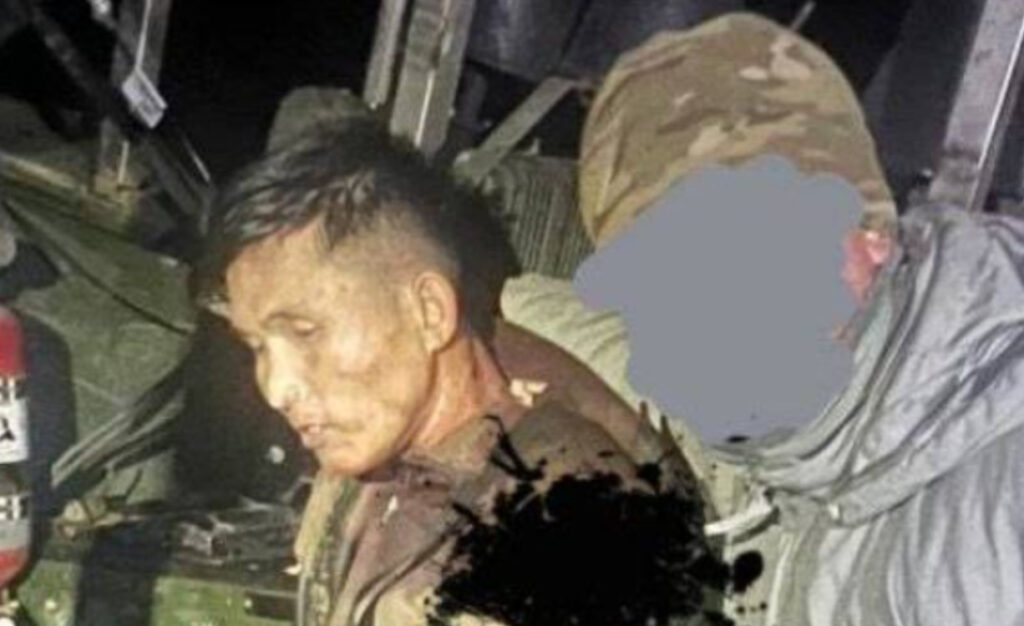
A tragic vehicle crash exposed a covert counter-narcotics operation riddled with irregularities. In mid-April, a pickup truck plunged off a mountain road in the Sierra of Chihuahua in Mexico, killing its four occupants. Two of them were officials from the Chihuahua Attorney General’s office, and the others, as was later confirmed, were undercover CIA agents. The case continues to unfold in new chapters, and over the weekend former Chihuahua prosecutor César Jáuregui was arrested, accused of treason for allowing — without authorization from the federal government — armed foreign officials to take part in sensitive security operations on Mexican soil.

© Special forces taps, Fuerza Expedicionaria de Marines
Czech Prime Minister Andrej Babiš has ruled out changing his government’s policies despite a humiliating defeat in the Senate elections, in which his ANO movement failed to win a single seat. The result has strengthened the parliamentary opposition and intensified questions over the political direction of his coalition, less than a year after it took office.
Speaking after a cabinet meeting on Monday, 19 October, Babiš insisted that the election results would have no effect on the functioning of his government or its alliance with the far-right Freedom and Direct Democracy (SPD) party and the Motorists movement. His administration would continue implementing its programme, including controversial changes to public broadcasting and proposed legislation regulating the financing of non-governmental organisations.
The prime minister’s refusal to reconsider his government’s agenda has drawn criticism from Senate president Miloš Vystrčil, who accused Babiš of transferring responsibility for the defeat to regional party organisations rather than accepting personal accountability.
The elections, held on 9–10 and 16–17 October, concerned 27 of the Senate’s 81 seats. ANO entered 13 candidates in the second-round contests, but every one of them lost. The party’s representation consequently fell to 14 senators.
Babiš called the outcome “catastrophic”, acknowledging a result that was particularly damaging given ANO’s success in the 2024 Senate elections and its subsequent victory in the October 2025 parliamentary contest.
The opposition Mayors and Independents movement (STAN) emerged as the strongest performer, with ten successful candidates or endorsed contenders. The centre-right Civic Democratic Party (ODS) secured seven seats, maintaining its position at the head of the Senate’s largest parliamentary group alongside TOP 09.
In an interview published on 20 October, Vystrčil said the results demonstrated that Babiš’s personal electoral appeal did not translate into successful Senate campaigns. He also criticised the prime minister’s response to the defeat, describing his attempts to blame regional organisations as an evasion of leadership responsibility.
The vote followed municipal elections in which ANO lost ground in several important urban centres, while SPD also suffered substantial losses.
STAN leader Vít Rakušan has interpreted the result as evidence that his movement can become ANO’s principal national challenger.
The party’s Senate performance followed a strong showing in municipal elections, including victory in Prague, where its leading candidate Petr Hlaváček is seeking to form the next city administration.
The movement’s growing appeal is supported by recent opinion polling. A Median electoral model published on 17 October, based on September interviews, placed ANO at 29.5 per cent, STAN at 17 per cent and ODS at 12.5 per cent.
Yet STAN’s ambitions face competition from within the opposition. ODS retains substantial institutional influence through the Senate, while the Christian Democrats’ new leader, Jan Grolich, is increasingly discussed as another possible contender for national opposition leadership.
The opposition’s unity is also less straightforward at municipal level. In Ostrava, ANO has negotiated a local governing agreement with Starostové pro Ostravu and the Ostravak movement, illustrating the flexibility of local political alliances.
The electoral setback coincides with renewed controversy over the Czech government’s approach to Russia.
On 19 October, Foreign Minister Petr Macinka, leader of the Motorists, defended his decision not to support a Finnish initiative calling for tighter European Union restrictions on entry visas for Russian citizens.
The proposal, promoted by Finnish Foreign Minister Elina Valtonen, sought stronger EU-wide restrictions on non-essential travel by Russian nationals, including tourists, against a background of growing concerns over Russian sabotage and hybrid operations.
According to details of the diplomatic disagreement, senior Czech foreign ministry officials had recommended supporting the initiative.
Macinka argued that Prague already maintained extensive national restrictions and had previously endorsed a comparable Estonian proposal. He questioned the effectiveness of the Finnish initiative, which attracted limited support from other EU governments.
The disagreement comes as Czech security policy remains under scrutiny. On Tuesday, 20 October, the National Security Council discussed the country’s security outlook, military development plans and changes to NATO’s air and missile defence implementation arrangements.
The issue exposes a continuing area of contention between Babiš’s coalition and opposition parties favouring closer coordination with Ukraine’s European supporters.
Meanwhile, Babiš faces unresolved questions concerning his former business conglomerate Agrofert and access to European Union funding.
The European Commission has maintained restrictions on certain EU reimbursements after concluding that the trust arrangement involving Babiš’s business interests does not sufficiently address the potential conflict of interest.
The measures affect particular cohesion-fund expenditure and rural development reimbursements, rather than all EU agricultural payments. Babiš has maintained that the arrangements governing his business interests comply with the law.
The dispute carries particular significance as Prague participates in negotiations over the EU’s next long-term budget, covering 2028–2034.
At the European Council summit on 15–16 October, Babiš argued for protecting national allocations of EU funds, revisiting aspects of the emissions trading system and addressing high industrial energy costs. These negotiations will continue while the Commission’s concerns about his business arrangements remain unresolved.
The Senate defeat does not threaten Babiš’s parliamentary majority. The lower chamber can override most Senate objections to ordinary legislation, and the governing parties continue to command sufficient support to pursue their programme.
The September Median model projected that ANO, SPD and the Motorists would retain 107 seats in the 200-member Chamber of Deputies, only slightly below their current combined strength.
Nevertheless, the elections have given the opposition a stronger platform for challenging the government over public broadcasting, European relations, defence policy and constitutional legislation, where the Senate possesses more substantial powers.
The immediate political contest is therefore not over the survival of Babiš’s government, but over whether STAN can convert its regional and Senate successes into a credible national alternative before the next parliamentary elections. For Babiš, whose party remains the largest in the country, the more pressing difficulty is its inability to defeat opposition candidates when elections are decided beyond ANO’s established electoral base.
No hay forma de luchar contra el Imperio sin eludir su control sobre el sistema financiero internacional.
Únete a nosotros en Telegram
, X
y VK
.
Escríbenos: info@strategic-culture.su
Ya se ha desatado el caos a la hora de investigar qué está ocurriendo exactamente en relación con los últimos movimientos, sin duda turbios y vinculados a EE. UU., en territorio y aguas pakistaníes. Tras una evaluación inicial en Transition Protocol —que, como se reconoció, no proporcionó todas las respuestas necesarias—, profundizamos en un análisis mucho más exhaustivo respaldado por varias fuentes.
Lo que estamos observando en varios puntos clave de la conexión terrestre entre Irán y Pakistán, de extrema sensibilidad, no es un cierre total de la frontera, sino un delicado equilibrio de doble vía por parte de Islamabad entre la tremenda presión financiera de Washington y el salvavidas estratégico de Teherán.
Así que esta es la situación actual, combinando los datos contrastados con nuestras últimas consultas.
El punto clave: el detonante normativo fue una medida de sanciones bancarias, no solo la seguridad fronteriza.
Aunque los responsables provinciales de Baluchistán justificaron públicamente el sábado el cierre de dos puntos clave —Taftan y Gabd–Rimdan— alegando motivos de seguridad, lucha contra el terrorismo y lucha contra el contrabando, lo que más importa es el mecanismo exacto en torno a un memorándum emitido el viernes pasado por el Ministerio de Comercio pakistaní.
Dicho memorándum revocó de inmediato una prórroga, concedida el 3 de octubre, de la exención del Formulario Electrónico de Importación (EIF, en inglés) para mercancías importadas de Irán, y coincidió con la orden de Islamabad de cerrar el puesto de inmigración de la Agencia Federal de Investigación (FIA, en inglés) en Taftan.
Lo fundamental es que, sin la exención del EIF, los importadores pakistaníes deben tramitar las compras iraníes a través de los canales bancarios oficiales de Pakistán —lo que, por supuesto, las sanciones estadounidenses hacen absolutamente imposible.
Peyman Sanandaji, presidente de la Comisión de Transporte de la Cámara de Comercio de Teherán, confirmó oficialmente que ha sido el cumplimiento de las sanciones bancarias (el abandono del EIF) lo que ha paralizado las exportaciones iraníes a Pakistán.
El impacto inmediato en los pasos fronterizos oficiales fue considerable: están en peligro más de 4.000 toneladas de importaciones diarias de GLP iraní a través de Gabd–Rimdan. El expresidente de la Cámara de Comercio de Quetta, Ayoub Miryani, informó de que solo en Gabd–Rimdan hay más de 2.000 contenedores varados, con cientos de camiones de mercancías más atascados en Taftan.
¿Por qué está ocurriendo esto ahora? Debido a la nefasta coincidencia entre el pago del tramo del FMI del 7 de octubre que Pakistán tenía que abonar y la «Operación Economic Outcast» del Tesoro imperial estadounidense.
En el marco de la «Operación Economic Outcast», Washington dio a terceros países un «plazo definido para cerrar» las vías de suministro comerciales relacionadas con Irán o enfrentarse a la expulsión del sistema financiero estadounidense. A esto le siguieron las designaciones de la OFAC del 1 de octubre contra las redes ferroviarias terrestres e industriales de Irán y las medidas del 8 de octubre contra 17 petroleros de la «flota en la sombra».
Pero entonces, el 7 de octubre —solo nueve días antes de que el Ministerio de Comercio revocara la exención del EIF—, Islamabad llegó a un acuerdo con el FMI sobre la cuarta revisión de su Servicio Ampliado del Fondo para desbloquear 1.210 millones de dólares. Esto aún requiere la aprobación del Consejo Ejecutivo del FMI.
Por supuesto, no existe ningún documento público que demuestre una orden directa de EE. UU. o del FMI para cerrar las fronteras entre Irán y Pakistán. Pero fuentes de Islamabad subrayaron que mantener vigente una exención de instrumentos bancarios de duración indefinida antes de la votación del Consejo del FMI se había convertido en una vulnerabilidad insostenible para Pakistán en materia de sanciones.
Las fuentes de Islamabad insisten en que la medida vino acompañada de auténticas preocupaciones por el contrasabotaje y se coordinó discretamente entre Islamabad y Teherán (cursiva mía) para que la pausa no rompiera las relaciones bilaterales.
El portavoz del Ministerio de Asuntos Exteriores iraní, Esmaeil Baghaei, calificó públicamente la interrupción como una pausa temporal debida a «problemas técnicos» y «medidas de precaución».
Las fuentes oficiales pakistaníes, por su parte, insistieron en que el endurecimiento de los controles es una medida conjunta de lucha contra el terrorismo que refleja un «entendimiento mutuo» con Teherán tras un repunte de los atentados en Sistán-Baluchistán; las emboscadas en autopistas; y un ataque marítimo perpetrado el 11 de octubre contra embarcaciones de la Guardia Costera de Pakistán frente a Jiwani —que las autoridades pakistaníes atribuyeron a «actores extranjeros» que pretendían sabotear la mediación de Pakistán en el acuerdo de paz con Irán—.
Vuelta al mismo patrón de siempre: yihadistas salafistas utilizados como arma y manipulados por los sospechosos habituales.
La única llamada telefónica confirmada públicamente entre el viceprimer ministro Ishaq Dar y el ministro de Asuntos Exteriores Abbas Araghchi tuvo lugar el domingo 18 de octubre —dos días después del memorándum del 16 de octubre— y sus comunicados oficiales solo mencionan la diplomacia regional y la reunión de la OCI en Bagdad.
Por lo tanto, la coordinación previa a nivel de los ministros Dar y Araghchi y las detenciones específicas por sabotaje forman parte de nuestra propia información.
Exportaciones asimétricas de alimentos y rutas informales
En resumen, los productos siguen cruzando las fronteras. Islamabad ha permitido deliberadamente que sigan circulando los productos perecederos y las exportaciones alimentarias pakistaníes hacia Irán. Los productos perecederos esenciales —entre ellos, tomates, patatas y cebollas— siguen circulando, junto con los flujos tradicionales de petróleo y combustible, a través de la porosa frontera de 909 km.
El registro normativo explica el motivo: hace ocho meses, Pakistán promulgó una exención bancaria específica para diez productos alimenticios exportados a Irán por vía terrestre (en la que se enumeraban explícitamente el arroz, las patatas, las cebollas, los tomates, la carne y la fruta), además de productos farmacéuticos.
La Cámara de Comercio de Teherán confirmó el pasado sábado que, si bien las exportaciones iraníes a Pakistán se ven paralizadas por la normativa del EIF, las importaciones de Pakistán a Irán continúan, y el comercio informal de combustible y el comercio fronterizo a través de Baluchistán ya alcanzan un volumen estimado de entre 800 millones y más de 1 000 millones de dólares anuales al margen de los controles aduaneros oficiales.
Debe prestarse especial atención a los puertos de Gwadar y Karachi, así como a la arquitectura general de tránsito entre China e Irán. Según nuestras fuentes, el tránsito de terceros países y el tránsito entre China e Irán a través de Pakistán sigue estando protegido.
A nivel jurídico, un documento que detalla el tránsito de mercancías por Pakistán estableció seis corredores de tránsito terrestre designados que unen Gwadar, Karachi y Port Qasim con Gabd y Taftan para la carga de terceros países con destino a Irán bajo una garantía bancaria.
Además, una notificación de la Junta Federal de Ingresos del pasado mes de junio designó formalmente la estación de ferrocarril de Taftan como puesto aduanero terrestre, y los ministros iraníes y pakistaníes han promovido el corredor ferroviario para conectar China con Irán y Europa.
Sin embargo, siguen existiendo dos limitaciones operativas muy complicadas.
La modernización de la línea ferroviaria Quetta-Taftan sigue figurando oficialmente como una mejora prevista; y la designación por parte de la OFAC, el 1 de octubre, de la Compañía Ferroviaria de la República Islámica de Irán (RAI) tenía como objetivo explícito frenar el cambio de Teherán de las rutas marítimas bloqueadas al ferrocarril.
En resumen: se necesita una habilidad extraordinaria para enfrentarse al Imperio de la Piratería.
Islamabad ha llevado a cabo una maniobra clásica y calculada: revocar de forma visible la exención formal de importación del EIF en Taftan y Gabd-Rimdan para proteger su próximo tramo del FMI, de 1.210 millones de dólares, y a los bancos paquistaníes de las sanciones secundarias del Tesoro de EE. UU.
Y todo ello sin dejar de mantener vivas las exportaciones alimentarias paquistaníes, las vías fronterizas informales y los marcos de tránsito de terceros países con Teherán.
Que esto siga siendo un breve reajuste administrativo o se consolide en un cuello de botella más prolongado lo decidirán tres indicadores durante las próximas quince días:
Movimientos de mercancías documentados a través del enlace ferroviario Taftan-Zahedan.
Que la lección quede grabada en las tierras raras para que todo el Sur Global reflexione: no hay forma de luchar contra el Imperio sin eludir su control del sistema financiero internacional.


Ukraine holds personal data on each of the nearly 46,000 foreigners it has identified as signing with Russia’s army since 2022, Dmytro Usov, secretary of its prisoner-of-war coordination headquarters, said on 19 October. If the current pace holds, he expects this year’s contracts to reach Moscow’s plan. Meanwhile, a survey of captured foreigners gave a split answer on how many knew they were heading to war.
Usov said 41% of surveyed foreign POWs signed at enlistment offices and recruitment points, which the headquarters reads as a sign of a systematic campaign. He also said the hiring is meant to ease the social and budget burden of Russia’s own losses. Russia has long turned to foreigners to offset shortages in its regular forces. In April, Ukraine’s military intelligence (HUR) said enlistment offices had reportedly been assigned regional quotas.
Usov, a brigadier general and secretary of Ukraine’s Coordination Headquarters for the Treatment of Prisoners of War, spoke at the international conference Crimea Global. He said Russia’s Defense Ministry has signed 45,959 foreigners from 151 countries. Ukraine’s records include each one’s rank, dog tag, and contract date.
The figure counts everyone who signed, not only those serving now. In April, Usov said his count left out North Korea’s regular troops, that 25–30% more recruits were likely still unidentified, and that at least 5,149 foreign recruits had died, Interfax-Ukraine reported.
Contracts have grown every year: 94 in 2022, 4,067 in 2023, 8,877 in 2024, and 16,085 in 2025. Some names surface late. At the same April event, Interfax-Ukraine reported, Usov had put 2025 at 13,997 and said the headquarters adds newly identified foreigners every month.
For 2026, Russia’s Defense Ministry planned 18,500 foreign contracts. Ukraine knows of 16,168 so far, roughly level with all of 2025. Another 668 contracts still have no year assigned. If the same dynamic holds, Usov said, the ministry will fully meet its plan and may even exceed it.
He named Indonesia, Peru, Chad, and Zimbabwe among the ten countries that drove the growth in recruits, Ukrinform reported. At the same time, he said, Ukraine’s Foreign Ministry and POW agencies have cut recruitment in some countries and stopped it in others.
Ukrainian forces have captured citizens of 59 countries since the full-scale invasion began. Uzbeks, Tajiks, Belarusians, and Colombians are among the largest groups.
In the headquarters’ survey of foreign POWs, nearly half said they knew they would fight Ukrainian soldiers and civilians. Another 28% said they didn’t know, 14.8% weren’t sure, and 13.8% said they were deceived. The headquarters ran the survey, and neither report gave a sample size or explained how the shares fit together. Usov said the results showed most knew where they were going. Almost 47% said they signed up for Russian citizenship.
There’s no way to fight the Empire without bypassing its control of the international financial system.
Join us on Telegram
, X
, and VK
.
Contact us: info@strategic-culture.su
All hell is already breaking loose when it comes to probing what is exactly taking place related to the latest, definitely murky U.S.-linked movements in Pakistani land and sea. After an initial assessment at Transition Protocol – which avowedly did not provide all the necessary answers – we dug deeper into a way more comprehensive examination supported by several sources.
What we are watching across several nodes of extremely sensitive Iran-Pakistan overland connectivity is not a blanket border shutdown; but a surgical, two-track balancing act by Islamabad between Washington’s tremendous financial vise and Tehran’s strategic lifeline.
So here’s where it all stands – compounding the verified record with our latest consultations.
The key point: the regulatory trigger was a banking sanctions move, not just border security.
While provincial officials in Balochistan publicly framed Saturday’s halt at two key nodes, Taftan and Gabd–Rimdan, around security, counterterrorism, and anti-smuggling, what matters most is the exact mechanism around a memorandum issued last Friday by the Pakistani Ministry of Commerce.
That immediately revoked an October 3 extension of the Electronic Import Form (EIF) waiver for goods imported from Iran, and coincided with Islamabad’s instruction to close the Federal Investigation Agency (FIA) immigration gate at Taftan.
What is key is that without the EIF waiver, Pakistani importers must process Iranian purchases through formal Pakistani banking channels – which U.S. sanctions, of course, make absolutely impossible.
Peyman Sanandaji, head of the Transportation Commission at the Tehran Chamber of Commerce, confirmed on the record that it is banking sanctions compliance (ditching the EIF) that halted Iranian exports into Pakistan.
The immediate shock at the formal gates was quite something: more than 4,000 tons of daily Iranian LPG imports through Gabd–Rimdan are at risk. Former Quetta Chamber of Commerce president Ayoub Miryani reported that over 2,000 containers are stranded at Gabd–Rimdan alone, with hundreds more freight trucks backed up at Taftan.
So why is this happening now? Because of the nasty convergence between the October 7 IMF tranche Pakistan had to pay, and the imperial U.S. Treasury “Operation Economic Outcast”.
Under Operation Economic Outcast, Washington gave third countries a “defined timeline to shut down” Iran-related commercial lifelines or face expulsion from the U.S. financial system. That was followed by OFAC’s October 1 designations against Iran’s overland rail and industrial networks and October 8 actions against 17 shadow-fleet tankers.
But then, on October 7 – only nine days before the Ministry of Commerce revoked the EIF waiver – Islamabad reached an agreement with the IMF on the Fourth Review of its Extended Fund Facility to unlock $1.21 billion. That still requires IMF Executive Board approval.
Of course there is no public document showing a direct U.S. or IMF order to close Iran-Pakistan borders. But sources in Islamabad stressed that leaving an open-ended banking-instrument waiver on the books ahead of the IMF Board vote had become an untenable sanctions vulnerability for Pakistan.
Islamabad sources are adamant that the move was paired with genuine counter-sabotage concerns and quietly coordinated between Islamabad and Tehran (italics mine) so the pause would not rupture bilateral ties.
Iranian Foreign Ministry spokesperson Esmaeil Baghaei publicly called the disruption a temporary pause due to “technical issues” and “precautionary measures”.
Pakistani official sources, for their part, insisted that the tightened controls are a joint counterterrorism measure reflecting “mutual understanding” with Tehran after a spike in Sistan-Balochistan attacks; highway ambushes; and an October 11 maritime attack on Pakistan Coast Guard boats off Jiwani – which Pakistani officials attributed to “foreign actors” seeking to sabotage Pakistan’s mediation of the Iran peace deal.
Back to the same old pattern of Salafi-jihadis weaponized and manipulated by the usual suspects.
The only publicly confirmed telephone call between Deputy Prime Minister Ishaq Dar and Foreign Minister Abbas Araghchi took place on Sunday, October 18 – two days after the October 16 memorandum – and its official readouts mention only regional diplomacy and the Baghdad OIC meeting.
So prior coordination at the Dar–Araghchi Foreign Minister level and specific sabotage arrests therefore are part of our own reporting.
Asymmetric food exports and informal routes
In a nutshell, stuff is still moving across borders. Islamabad deliberately left alive Pakistani perishables and food exports to Iran. Essential perishables – including tomatoes, potatoes, and onions – continue to move, alongside traditional oil and fuel flows across the porous 909-km border.
The regulatory record explains why: 8 months ago, Pakistan enacted a separate banking-instrument waiver specifically for 10 food exports to Iran by land (explicitly listing rice, potatoes, onions, tomatoes, meat, and fruit) plus pharmaceuticals.
Tehran’s Chamber of Commerce confirmed this past Saturday that while Iranian exports to Pakistan are stalled by the EIF rule, imports from Pakistan into Iran are continuing, and informal fuel and border trade across Balochistan already operates at an estimated $800 million to over $1 billion annually outside formal customs.
Special attention should be placed on the ports of Gwadar and Karachi, and the overall China–Iran Transit Architecture. Third-country and China-Iran transit through Pakistan, according to our sources, remains protected.
On a legal level, a document detailing Pakistan’s transit of goods established six designated overland transit corridors linking Gwadar, Karachi, and Port Qasim to Gabd and Taftan for third-country cargo bound for Iran under a bank guarantee.
And a Federal Board of Revenue’s notification this past June formally designated Taftan railway station as a Land Customs Station, with Iranian and Pakistani ministers pitching the rail corridor to link China to Iran and Europe.
However, two very complicated operational constraints remain in place.
The Quetta-Taftan rail modernization is still listed officially as a planned upgrade; and OFAC’s October 1 designation of the Islamic Republic of Iran Railway Company (RAI) was explicitly designed to choke Tehran’s shift from blockaded sea lanes to rail.
To sum it all up: it takes supreme skill to face The Empire of Piracy. Islamabad has executed a classic, calibrated maneuver: visibly revoking the formal EIF import waiver at Taftan and Gabd–Rimdan to insulate its pending $1.21 billion IMF tranche and Pakistani banks from U.S. Treasury secondary sanctions.
And all the while keeping Pakistani food exports, informal border valves, and third-country transit frameworks alive with Tehran.
Whether this remains a brief administrative reset or hardens into a longer choke point will be decided by three indicators over the next fortnight:
May the lesson be imprinted on rare earths for the whole Global South to ponder: there’s no way to fight the Empire without bypassing its control of the international financial system.


LA NEWSLETTER · GRATUITE
L'essentiel de l'actualité, passé au crible par les cinq plumes du Courrier. Dans votre boîte, chaque jour ouvré.
Gratuit. Vous restez libre de partir quand vous voulez.
JE M'INSCRIS lecourrierdesstrateges.frSi vous voulez voir les vidéos exclusives de décryptage, rejoignez notre chaîne Telegram gratuite en cliquant sur ce lien :
L'affaire est simple. Samedi, des mairies ont été saccagées, à Marseille, à Lille, à Bordeaux, et l'hôtel de ville de Limoges a brûlé. L'Association des maires de France appelle donc élus, conseils municipaux et forces vives à se tenir sur le parvis de leur mairie. C'est un geste très ancien : on se tient devant sa maison quand quelqu'un y a mis le feu.
Seulement voilà. Un rassemblement sur la voie publique est une manifestation, et une manifestation se déclare, trois jours francs à l'avance. Dans une commune sans police d'État, la déclaration se dépose à la mairie, qui la transmet au préfet.
ABONNEMENT
Deux grands formats par jour. Les cinq plumes du Courrier. La série Sécession, le dimanche.
Le monde commente. Vous, vous comprenez.
S'ABONNER lecourrierdesstrateges.frRécapitulons. Qui déclare ? Le maire. Où ? À la mairie. Qui reçoit ? Le maire. Qui peut interdire ? Le maire. Et s'il ne le fait pas ? Le préfet. Et le délai ? L'appel est parti dimanche pour lundi midi. Trois jours francs, cela fait jeudi dernier. Le maire est donc, à midi une, l'organisateur d'une manifestation n'ayant pas fait l'objet d'une déclaration dans les conditions fixées par la loi. Tarif théorique : six mois de prison et 7 500 euros d'amende. Pour avoir défendu sa mairie, devant sa mairie, avec son écharpe.
L'écharpe, parlons-en. Le maire la porte. L'adjoint la porte s'il le remplace ou le représente. Le conseiller municipal, seulement s'il le remplace. Trois rangs, trois règles, sur un parvis de quinze mètres. Et la banderole ? Elle doit respecter la neutralité du service public. « Non aux violences » passe. « Non à la vie chère » peut être retirée. Par qui ? Par le maire, toujours lui.
TELEGRAM · L'INFO EN CONTINU
La newsletter vous donne le matin. Le fil vous donne l'instant.
Gratuit, et en continu.
REJOINDRE LE FIL t.me/resterlibreMiljaardedju, mes amis du Pays-des-Cartésiens, vous avez inventé l'homme qui se dépose une demande, se l'instruit, se la transmet, et se surveille lui-même pendant qu'il manifeste. Breughel en aurait fait un tableau grouillant. Votre administration l'a écrite en un seul article.
Ajoutez la touche finale, apportée dimanche à 20 heures. Le président a annoncé que les préfets, en lien avec les maires, pourraient aller jusqu'à interdire certains rassemblements afin de protéger les bâtiments publics. Le rassemblement qui protège un bâtiment public est un rassemblement. Il est donc, en bonne logique, interdisable pour protéger le bâtiment qu'il protège.
Le plus beau reste l'asymétrie. Samedi, des émeutiers sont entrés dans des mairies sans rien déclarer à personne. Lundi, ceux qui veulent seulement se tenir devant doivent remplir un formulaire.
TIPS · SANS ABONNEMENT
Un média libre vit de ses lecteurs. Un pourboire ponctuel, sans compte ni engagement, quand le cœur vous en dit.
Vous donnez ce que vous voulez. Vous restez libre.
LAISSER UN POURBOIRE merci !Une dernière question, mes chers lecteurs sans tableur. Le maire de Limoges veut lui aussi se rassembler devant son hôtel de ville. Limoges est en zone de police d'État : sa déclaration ira donc à la préfecture. Heureusement. Le guichet de sa mairie sent encore la fumée.
Irán y Pakistán están inmersos en la construcción de un orden financiero posestadounidense en la encrucijada entre Asia Occidental y Asia Meridional.
Únete a nosotros en Telegram
, X
y VK
.
Escríbenos: info@strategic-culture.su
Vayamos directamente al meollo de la cuestión: tras examinar minuciosamente el tablero de ajedrez, los dirigentes políticos y militares de Teherán ya han llegado a la conclusión de que un ataque conjunto de EE. UU. e Israel —cuya planificación avanza a un ritmo frenético— es inevitable.
Por eso se han posicionado ahora como una cobra enroscada, lista para atacar e inyectar su veneno mortal ante el primer indicio de una amenaza inminente del Sindicato de Epstein, incluso sin esperar a que se produzca un ataque real.
La ofensiva preventiva, ya delineada, será devastadora, se extenderá más allá de las bases estadounidenses en Asia Occidental a otros objetivos regionales e incluirá potencialmente la infraestructura energética del Golfo y los cables submarinos (en este caso, afectando principalmente al Golfo y a la India, mucho más que a EE. UU. y Europa).
Nos encontramos en territorio de peligro claro y presente: una maniobra militar estadounidense-israelí destinada a ejercer presión se interpretará sin duda en Teherán como el inicio de un ataque.
Así pues, la presión a favor de la guerra por parte del culto a la muerte y de Trump se encuentra ahora con un umbral iraní peligrosamente bajo. Las opciones de ataque del Pentágono abarcan desde las instalaciones nucleares iraníes hasta la infraestructura energética.
Huelga decir que el «sociópata en jefe» —que ya está en pánico ante la inminente debacle de las elecciones de mitad de mandato— es una presa fácil para el poderoso lobby sionista y los donantes a favor de la guerra. El peligro estratégico supremo es, pues, que esta presión incesante pueda generar una señal que Teherán interprete como un ataque inminente, incluso mientras Washington mantiene públicamente que no se producirá ningún ataque antes de las elecciones de mitad de mandato.
Yemen está llevando todo esto al siguiente nivel
Paralelamente, fuentes privilegiadas en Islamabad confirman el éxito de una prueba de misil paquistaní a Mach 7, con un alcance de varios miles de kilómetros. Esta nueva capacidad tiene todo lo necesario para alterar sustancialmente el equilibrio de poder en Asia Occidental, reforzando el alcance disuasorio de Pakistán y su capacidad para influir en todos los cálculos de seguridad regional, además de contribuir a la creciente interconexión de Pakistán con China, Irán y las petro-monarquías del Golfo.
Y ahora, otra exclusiva: personal de la inteligencia militar israelí, incluido un general de división, ha abandonado Riad después de que MbS, en un supuesto momento de lucidez, dijera «no» a la oferta de «asistencia» del culto a la muerte. Y, sin embargo, siguen allí más de 100 miembros del CENTCOM.
Es posible que la decisión de MbS le haya sido impuesta por Turquía y Pakistán —los otros dos signatarios de la Alianza de Defensa de La Meca—, que de repente se encontraron en la misma sala de guerra en Riad, codo con codo con agentes del culto a la muerte.
Ahora bien, aunque su partida puede haber eliminado un riesgo de escalada, los agentes estadounidenses siguen expuestos: cualquier ataque, venga de donde venga, que provoque bajas estadounidenses arrastrará inmediatamente a Washington a la guerra entre Arabia Saudí y Ansarallah.
La guerra entre Arabia Saudí y Ansarallah, de hecho, está alcanzando el siguiente nivel: la volatilidad. La mezcla tóxica de la interceptación de un misil de crucero sobre la provincia de Medina; las interceptaciones de drones en otras partes de Arabia Saudí; y los ataques con misiles de las Fuerzas Armadas yemeníes contra el complejo presidencial del gobierno títere de Adén es solo el principio.
Lo que ocurrió después de que Ansarallah atacara Najran —una de las provincias del sur de Arabia Saudí arrebatadas a Yemen en 1934 por los británicos— es algo que realmente llama la atención.
Un portavoz saudí acusó a Ansarallah de lanzar un misil de crucero contra Medina. La respuesta del emblemático portavoz de las Fuerzas Armadas yemeníes, el general Yahya Saree, fue contundente: «Hoy no hemos llevado a cabo ninguna operación militar dirigida contra territorio saudí. Por lo tanto, la afirmación del enemigo saudí de que Medina fue atacada es una invención absoluta y una grave falsedad».
Traducción: Yemen ataca una de sus antiguas provincias; los saudíes recurren a noticias totalmente falsas, inventándose un ataque contra una de las dos mezquitas sagradas —sin duda como preparación para una operación de bandera falsa—; luego, Yemen niega de inmediato haber atacado ningún (cursiva mía) territorio saudí.
Esto significa que Saná está declarando sutilmente, para que todo el mundo lo entienda, que ya no lleva a cabo operaciones en el extranjero (cursiva mía) en las tres provincias: Jizan, Najran y Asir. Ya están —psicológica y operativamente— preparando el terreno para recuperar su territorio robado.
Todo ello se plasma en este conciso análisis desde Yemen sobre la deconstrucción de la ostentosa Casa de Saud:
«Yemen está destrozando los pilares extremadamente frágiles de la economía no petrolera en la que los piratas del desierto depositaron todas sus esperanzas: imagen, inversiones (IED), escapismo e impunidad e invulnerabilidad frente al terrorismo en el extranjero».
Cómo Pakistán e Irán eluden al FMI
Ahora prestad atención a algo bastante sorprendente que ocurrió a mediados de semana en Bangkok, durante la reunión anual del FMI y el Banco Mundial —dignamente recibida por protestas callejeras tailandesas—.
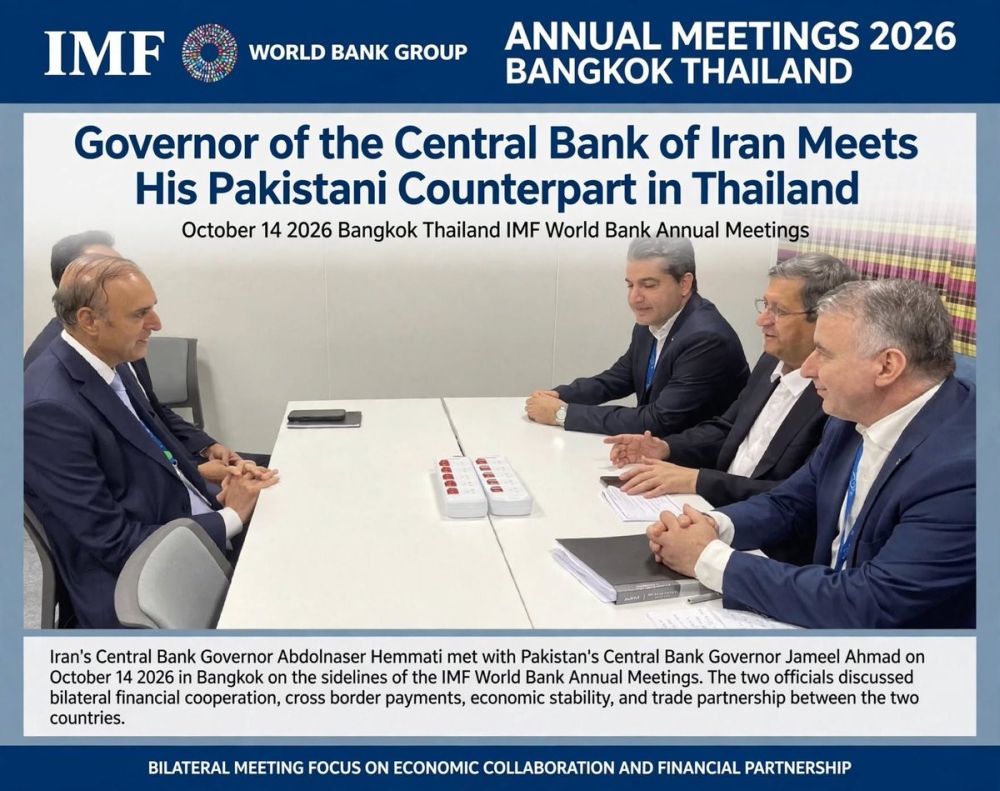
El presidente del Banco Central de Irán, Abdolnaser Hemmati, se reunió con el presidente del Banco Central de Pakistán, Jameel Ahmad, al margen del principal ritual anual en alabanza del dólar estadounidense.
Pakistán se encuentra bajo las feroces garras del ajuste estructural del FMI y el Banco Mundial —y, además, amenazado con sanciones estadounidenses por comerciar con Irán—.
Así pues, que Pakistán e Irán estén discutiendo de facto la desdolarización justo en la guarida del león —el templo del dólar estadounidense— no tiene precio.
La infraestructura está en marcha desde 2023, a través de un acuerdo de intercambio de divisas que utiliza el rial y la rupia en lugar del dólar estadounidense. El trueque lo gestionan ambos bancos centrales, y los canales bancarios pasan por el Banco Melli en Irán y el Banco Mellat en Pakistán. Sus mercados fronterizos —al menos seis de ellos— están en pleno auge: rutas comerciales físicas que eluden por completo al dólar estadounidense.
Lo que se debatió en Bangkok a principios de esta semana es cómo ampliar todo este sistema: les importan un comino las sanciones secundarias de EE. UU. Sobre todo porque Teherán ofrece a Islamabad lo que el sistema estadounidense simplemente no puede ofrecer: soberanía, sin cambio de régimen, sin austeridad, sin sermones y, sobre todo, sin ajuste estructural.
Por no mencionar que Pakistán necesita urgentemente el gas iraní —y las rutas comerciales de la Nueva Ruta de la Seda impulsadas por China—.
Irán ha construido toda una economía que elude por completo al FMI —y capaz de sobrevivir a un tsunami de sanciones, a un bloqueo y a la guerra—.
Ahora, Irán y Pakistán están inmersos en la construcción de un orden financiero posestadounidense en la encrucijada entre Asia Occidental y Asia Meridional —con intercambios de divisas, comercio de trueque, mercados fronterizos en auge y canales bancarios adecuados—, lo que convierte las sanciones secundarias en una burla.
Por cierto, esto está ocurriendo justo cuando un inmenso tren iraní, cargado de petróleo crudo —y el primero de muchos— está listo para partir hacia… China a través de Asia Central, por la línea ferroviaria de la Nueva Ruta de la Seda construida por China.
La cobra enroscada puede estar lista para atacar. Pero a la cobra, desde tiempos inmemoriales, también le encanta hacer negocios.
Traducción: Geopolítica rugiente

L’Iran e il Pakistan sono fortemente impegnati nella costruzione di un ordine finanziario post-americano nel punto di incontro tra l’Asia occidentale e l’Asia meridionale.
Andiamo subito al nocciolo della questione: dopo aver esaminato attentamente la scacchiera, la leadership politica e militare di Teheran è già giunta alla conclusione che un attacco congiunto statunitense-israeliano, la cui pianificazione procede a ritmo frenetico, sia inevitabile.
Pertanto, si sono ora posizionati come un cobra arrotolato, pronto a colpire e a iniettare veleno letale al primo sentore di una minaccia imminente da parte del Sindacato di Epstein – senza nemmeno attendere un attacco effettivo.
L’offensiva preventiva, già delineata, sarà devastante, estendendosi oltre le basi statunitensi nell’Asia occidentale ad altri obiettivi regionali e includendo potenzialmente le infrastrutture energetiche del Golfo e i cavi sottomarini (in questo caso con ripercussioni che interesseranno soprattutto il Golfo e l’India, molto più che gli Stati Uniti e l’Europa).
Ci troviamo in una situazione di pericolo chiaro e imminente: una mossa militare statunitense-israeliana intesa come pressione sarà certamente interpretata a Teheran come l’inizio di un attacco.
Pertanto, la pressione bellica esercitata dal «culto della morte» e da Trump si scontra ora con una soglia di tolleranza iraniana pericolosamente bassa. Le opzioni di attacco del Pentagono spaziano dagli impianti nucleari iraniani alle infrastrutture energetiche.
Va da sé che il «sociopatico in capo» – già in preda al panico per l’imminente debacle delle elezioni di medio termine – sia una facile preda della potente lobby sionista e dei suoi finanziatori favorevoli alla guerra. Il pericolo strategico supremo è quindi che questa pressione incessante possa produrre un segnale che Teheran interpreti come un attacco imminente, anche se Washington sostiene pubblicamente che non vi sarà alcun attacco prima delle elezioni di medio termine.
Lo Yemen sta portando la situazione a un livello superiore
Parallelamente, fonti privilegiate a Islamabad confermano il successo di un test missilistico pakistano a Mach 7, con una gittata di diverse migliaia di chilometri. Questa nuova capacità ha tutte le carte in regola per alterare concretamente l’equilibrio di potere in Asia occidentale, rafforzando la portata deterrente del Pakistan e la sua capacità di influenzare ogni calcolo di sicurezza regionale, oltre ad accrescere la sempre più profonda interconnessione del Pakistan con la Cina, l’Iran e le petro-monarchie del Golfo.
Ed ora un’altra esclusiva: membri dei servizi di intelligence militare israeliani, tra cui un generale di divisione, hanno lasciato Riyadh dopo che MbS, in un presunto momento di lucidità, ha detto «No» all’offerta di «assistenza» da parte del culto della morte. Eppure, più di 100 membri del personale del CENTCOM rimangono sul posto.
La decisione di MbS potrebbe essergli stata imposta dalla Turchia e dal Pakistan – gli altri due firmatari dell’Alleanza di Difesa della Mecca, che si sono improvvisamente ritrovati nella stessa sala operativa a Riyadh fianco a fianco con agenti del culto della morte.
Ora, la loro partenza potrebbe aver eliminato un rischio di escalation, ma gli agenti statunitensi rimangono esposti: qualsiasi attacco, da qualunque parte provenga, che causi vittime tra le forze statunitensi trascinerà immediatamente Washington nella guerra tra Arabia Saudita e Ansarallah.
La guerra tra Arabia Saudita e Ansarallah, infatti, sta raggiungendo il livello successivo: quello della volatilità. Il mix esplosivo costituito dall’intercettazione di un missile da crociera sopra la provincia di Medina, dalle intercettazioni di droni in altre zone dell’Arabia Saudita e dagli attacchi missilistici delle Forze Armate yemenite contro il complesso presidenziale del governo fantoccio di Aden è solo l’inizio.
Ciò che è accaduto dopo che Ansarallah ha preso di mira Najran – una delle province meridionali dell’Arabia Saudita sottratte allo Yemen nel 1934 dagli inglesi – è un fatto che suscita grande stupore.
Un portavoce saudita ha accusato Ansarallah di aver lanciato un missile da crociera contro Medina. La risposta dell’iconico portavoce delle Forze Armate yemenite, il generale Yahya Saree, è stata devastante: «Oggi non abbiamo condotto alcuna operazione militare contro il territorio saudita. Pertanto, l’affermazione del nemico saudita secondo cui Medina sarebbe stata presa di mira è una vera e propria invenzione e una grave menzogna».
Traduzione: lo Yemen colpisce una delle sue ex province; i sauditi ricorrono a una notizia totalmente falsa, inventando un attacco a una delle due moschee sacre – senza dubbio come preparazione per un’operazione sotto falsa bandiera; poi lo Yemen nega prontamente di aver colpito qualsiasi (corsivo mio) territorio saudita.
Ciò significa che Sana’a sta dichiarando in modo sottile, affinché tutti possano comprenderlo, di non condurre più operazioni all’estero (il corsivo è mio) nelle tre province: Jizan, Najran e Asir. Sta già – psicologicamente e operativamente – preparando il terreno per recuperare il proprio territorio sottratto.
Tutto ciò si sintetizza in questa concisa analisi proveniente dallo Yemen sulla decostruzione della sfarzosa Casa dei Saud:
«Lo Yemen sta minando i pilastri estremamente fragili dell’economia non petrolifera su cui i “pirati del deserto” hanno riposto tutte le loro speranze: immagine, investimenti (FDI), evasione dalla realtà, nonché impunità e invulnerabilità nei confronti del terrorismo proveniente dall’estero».
Come Pakistan e Iran aggirano il FMI
Prestino ora attenzione a un fatto piuttosto sorprendente avvenuto a metà settimana a Bangkok, durante la riunione annuale del FMI e della Banca Mondiale – debitamente accolta da proteste di piazza in Thailandia.
Il governatore della Banca Centrale iraniana, Abdolnaser Hemmati, ha incontrato il governatore della Banca Centrale pakistana, Jameel Ahmad, a margine del principale rituale annuale in lode del dollaro statunitense.
Il Pakistan è sottoposto alla ferrea morsa degli adeguamenti strutturali imposti dal FMI e dalla Banca Mondiale – e, come se non bastasse, è minacciato dalle sanzioni statunitensi perché intrattiene rapporti commerciali con l’Iran.
Pertanto, il fatto che Pakistan e Iran stiano di fatto discutendo della de-dollarizzazione proprio all’interno della tana del leone – il tempio del dollaro statunitense – è di un valore inestimabile.
L’infrastruttura è operativa dal 2023, grazie a un accordo di swap valutario che utilizza il rial e la rupia al posto del dollaro statunitense. Il baratto è gestito da entrambe le Banche Centrali, mentre i canali bancari passano attraverso la Bank Melli in Iran e la Bank Mellat in Pakistan. I loro mercati di confine – almeno sei – sono in forte espansione: rotte commerciali fisiche che aggirano completamente il dollaro statunitense.
Ciò di cui si è discusso a Bangkok all’inizio di questa settimana è come espandere l’intero sistema: non gliene importa nulla delle sanzioni secondarie statunitensi. Soprattutto perché Teheran sta offrendo a Islamabad ciò che il sistema americano semplicemente non può offrire: sovranità, nessun cambio di regime, nessuna austerità, nessuna lezione e, soprattutto, nessun aggiustamento strutturale.
Senza contare che il Pakistan ha un disperato bisogno del gas iraniano – e delle rotte commerciali della Nuova Via della Seta promosse dalla Cina.
L’Iran ha costruito un’intera economia aggirando completamente il FMI – e in grado di sopravvivere a uno tsunami di sanzioni, a un blocco e alla guerra.
Ora l’Iran e il Pakistan sono impegnati a fondo nella costruzione di un ordine finanziario post-americano all’incrocio tra l’Asia occidentale e l’Asia meridionale – completo di swap valutari, commercio di baratto, mercati di confine in forte espansione e canali bancari adeguati, che rendono le sanzioni secondarie una farsa.
A proposito, ciò sta avvenendo proprio mentre un immenso treno iraniano, carico di petrolio greggio – e il primo di molti – è pronto a partire alla volta della… Cina attraverso l’Asia centrale, sulla ferrovia della Nuova Via della Seta costruita dalla Cina.
Il cobra arrotolato potrebbe essere pronto a colpire. Ma il cobra, da tempo immemorabile, ama anche fare affari.
L’Iran et le Pakistan sont pleinement engagés dans la construction d’un ordre financier post-américain à la croisée du Moyen-Orient et de l’Asie du Sud.
Allons droit au cœur du sujet : après avoir soigneusement examiné l’échiquier, les dirigeants politiques et militaires de Téhéran sont déjà parvenus à la conclusion qu’une attaque conjointe américano-israélienne, dont la planification avance à un rythme effréné, est inévitable.
Ils se positionnent donc désormais comme un cobra lové, prêt à frapper et à injecter son venin mortel au premier signe d’une menace imminente du syndicat Epstein — sans même attendre une attaque effective.
Cette offensive préventive, dont les contours sont déjà tracés, sera dévastatrice ; elle s’étendra au-delà des bases américaines au Moyen-Orient vers d’autres cibles régionales, et pourrait notamment inclure les infrastructures énergétiques du Golfe ainsi que les câbles sous-marins (ce qui, dans ce cas, affecterait principalement le Golfe et l’Inde, bien plus que les États-Unis et l’Europe).
Nous sommes en présence d’un danger clair et immédiat : une opération militaire américano-israélienne destinée à exercer une pression sera certainement interprétée à Téhéran comme le début d’une attaque.
Ainsi, la pression en faveur de la guerre exercée par le «culte de la mort» et par Trump se heurte désormais à un seuil de tolérance iranien dangereusement bas. Les options de frappe du Pentagone vont des installations nucléaires iraniennes aux infrastructures énergétiques.
Il va sans dire que le «sociopathe en chef» — déjà en pleine panique face à la débâcle imminente des élections de mi-mandat — est une proie facile pour le puissant lobby sioniste pro-guerre et ses donateurs. Le danger stratégique suprême réside donc dans le fait que cette pression incessante puisse envoyer un signal que Téhéran interpréterait comme une attaque imminente, même si Washington affirme publiquement qu’aucune frappe n’aura lieu avant les élections de mi-mandat.
Le Yémen fait passer la situation à un niveau supérieur
Parallèlement, des sources privilégiées à Islamabad confirment le succès d’un essai de missile pakistanais à Mach 7, d’une portée de plusieurs milliers de kilomètres. Cette nouvelle capacité a tout ce qu’il faut pour modifier concrètement l’équilibre des pouvoirs au Moyen-Orient, en renforçant la portée dissuasive du Pakistan et sa capacité à influencer tous les calculs de sécurité régionaux, tout en approfondissant les liens du Pakistan avec la Chine, l’Iran et les pétro-monarchies du Golfe.
Et voici une autre exclusivité : des membres des services de renseignement militaire israéliens, notamment un général de division, ont quitté Riyad après que MbS, dans un prétendu moment de lucidité, eut dit «non» à l’offre d’»assistance» de la secte de la mort. Et pourtant, plus de 100 membres du CENTCOM sont toujours sur place.
La décision de MbS lui a peut-être été imposée par la Turquie et le Pakistan — les deux autres signataires de l’Alliance de défense de La Mecque, qui se sont soudainement retrouvés dans la même salle de crise à Riyad, côte à côte avec des agents de la secte de la mort.
Si leur départ a peut-être écarté un risque d’escalade, les agents américains restent révélés : toute frappe, d’où qu’elle vienne, faisant des victimes américaines entraînera immédiatement Washington dans la guerre entre l’Arabie saoudite et Ansarallah.
La guerre entre l’Arabie saoudite et Ansarallah atteint en effet un nouveau niveau de volatilité. Le mélange explosif constitué par l’interception d’un missile de croisière au-dessus de la province de Médine, les interceptions de drones ailleurs en Arabie saoudite et les frappes de missiles des forces armées yéménites contre le complexe présidentiel du gouvernement fantoche d’Aden n’est qu’un début.
Ce qui s’est passé après qu’Ansarallah a pris pour cible Najran — l’une des provinces du sud de l’Arabie saoudite volées au Yémen en 1934 par les Britanniques — est tout à fait stupéfiant.
Un porte-parole saoudien a accusé Ansarallah d’avoir lancé un missile de croisière sur Médine. La réponse du porte-parole emblématique des forces armées yéménites, le général Yahya Saree, a été cinglante : «Nous n’avons mené aucune opération militaire visant le territoire saoudien aujourd’hui. Par conséquent, l’affirmation de l’ennemi saoudien selon laquelle Médine aurait été prise pour cible est une pure invention et un mensonge grave».
Traduction : le Yémen frappe l’une de ses anciennes provinces ; les Saoudiens se lancent dans des fausses informations à outrance, inventant de toutes pièces une attaque contre l’une des deux mosquées sacrées — sans doute en préparation d’une opération sous faux pavillon ; puis le Yémen nie aussitôt avoir frappé quelque (italiques de ma part) territoire saoudien.
Cela signifie que Sanaa déclare subtilement, pour que tout le monde comprenne, qu’elle ne mène plus d’opérations à l’étranger (italiques de ma part) sur les trois provinces : Jizan, Najran et Asir. Elle prépare déjà — psychologiquement et opérationnellement — le terrain pour récupérer son territoire volé.
Tout cela se résume dans cette analyse yéménite succincte de la déconstruction de la fastueuse Maison des Saoud :
«Le Yémen sape les piliers ultra-fragiles de l’économie non pétrolière sur lesquels les pirates du désert ont fondé tous leurs espoirs : l’image, les investissements (IDE), l’évasion de la réalité, ainsi que l’impunité et l’invulnérabilité face au terrorisme à l’étranger».
Comment le Pakistan et l’Iran contournent le FMI
Prêtez maintenant attention à un événement assez surprenant qui s’est produit en milieu de semaine à Bangkok, lors de la réunion annuelle du FMI et de la Banque mondiale — dûment accueillie par des manifestations de rue en Thaïlande.
Le gouverneur de la Banque centrale d’Iran, Abdolnaser Hemmati, a rencontré le gouverneur de la Banque centrale du Pakistan, Jameel Ahmad, en marge de ce rituel annuel de premier plan à la gloire du dollar américain.
Le Pakistan est soumis à la poigne de fer des ajustements structurels imposés par le FMI et la Banque mondiale — et, pour couronner le tout, menacé de sanctions américaines parce qu’il entretient des relations commerciales avec l’Iran.
Le fait que le Pakistan et l’Iran discutent de facto de la dédollarisation au cœur même de la tanière du lion — le temple du dollar américain — n’a donc pas de prix.
L’infrastructure est en place depuis 2023, grâce à un accord de swap de devises utilisant le rial et la roupie à la place du dollar américain. Le troc est géré par les deux banques centrales, et les flux bancaires transitent par la Banque Melli en Iran et la Banque Mellat au Pakistan. Leurs marchés frontaliers — au moins six d’entre eux — sont en plein essor : des routes commerciales physiques qui contournent complètement le dollar américain.
Ce dont ils discutaient à Bangkok en début de semaine, c’est la manière d’étendre ce système : ils se moquent éperdument des sanctions secondaires américaines. D’autant plus que Téhéran offre à Islamabad ce que le système américain ne peut tout simplement pas offrir : la souveraineté, pas de changement de régime, pas d’austérité, pas de leçons de morale et, surtout, pas d’ajustement structurel.
Sans compter que le Pakistan a cruellement besoin du gaz iranien — et des routes commerciales de la nouvelle Route de la soie rendues possibles par la Chine.
L’Iran a bâti toute une économie en contournant complètement le FMI — et capable de survivre à un tsunami de sanctions, à un blocus et à la guerre.
Aujourd’hui, l’Iran et le Pakistan sont en pleine construction d’un ordre financier post-américain à la croisée du Moyen-Orient et de l’Asie du Sud — avec des swaps de devises, du troc, des marchés frontaliers en plein essor et des canaux bancaires adaptés, tournant ainsi en dérision les sanctions secondaires.
Soit dit en passant, cela se produit au moment même où un immense train iranien, chargé de pétrole brut — et le premier d’une longue série —, s’apprête à partir pour… la Chine via l’Asie centrale, sur la ligne ferroviaire de la «nouvelle Route de la soie» construite par la Chine.
Le cobra lové est peut-être prêt à frapper. Mais le cobra, depuis des temps immémoriaux, adore aussi faire des affaires.
Traduction: Reseau International

Iran and Pakistan are deep into building a post-American financial order in the intersection between West Asia and South Asia.
Join us on Telegram
, X
, and VK
.
Contact us: info@strategic-culture.su
Let’s get right into the heart of the matter: carefully examining the chessboard, the political and military leadership in Tehran has already reached the conclusion that a joint U.S.-Israeli attack, with planning advancing at a feverish pace, is inevitable.
So they are now positioned themselves as a coiled cobra, ready to strike and inject deadly venom at the first whiff of an imminent Epstein Syndicate threat – even without waiting for an actual attack.
The preemption drive, already delineated, will be devastating, extending beyond U.S. bases in West Asia to other regional targets, and potentially including Gulf energy infrastructure and undersea cables (in this case mostly affecting the Gulf and India, much more than the U.S. and Europe).
We are into clear and present danger territory: a U.S.-Israeli military movement intended as pressure certainly will be interpreted in Tehran as the opening of an attack.
So the death cult/Trumpian pressure for war now meets a dangerously low Iranian threshold. Pentagon strike options range from Iranian nuclear installations to energy infrastructure.
It goes without saying that the Sociopath-in-Chief – already freaking out with the imminent mid-terms debacle – is an easy prey to the powerful pro-war Zionist lobby/donors. The supreme strategic danger then is that this non-stop pressure may produce a signal that Tehran interprets as an imminent attack, even while Washington publicly maintains that no strike will happen before the mid-terms.
Yemen is taking it all to the next level
In parallel, privileged sources in Islamabad confirm a successful Pakistani missile test at Mach 7, with a range of several thousand kilometers. This new capability has all that it takes to materially alter West Asia’s balance of power, strengthening Pakistan’s deterrent reach and how it will be able to influence every regional security calculation, and adding to Pakistan’s deepening interconnection with China, Iran and the Gulf petro-monarchies.
And now for another esclusive: Israeli military intelligence personnel, including a Major-General, have left Riyadh after MbS, in an alleged moment of lucidity, said “No” to the death cult’s offer of “assistance”. And yet more than 100 CENTCOM personnel remain.
MbS’s decision may have been forced on him by Turkiye and Pakistan – the other two signatories of the Mecca Defense Alliance, who suddenly found themselves in the same war room in Riyadh side by side with death cult operatives.
Now their departure may have removed one escalation risk, but U.S. operatives remain exposed: any strike, wherever it comes from, generating U.S. casualties will immediately draw Washington into the Saudi-Ansarallah war.
The Saudi-Ansarallah war, in fact, is hitting the next – volatility – level. The toxic mix of a cruise-missile interception over Medina province; drone interceptions elsewhere in Saudi Arabia; and Yemeni Armed Forces missile strikes on Aden’s puppet government presidential complex is just the start.
What happened after Ansarallah targeted Najran – one of the southern Saudi provinces stolen from Yemen in 1934 by the British – is total eyebrow-raising territory.
A Saudi spokesman accused Ansarallah of launching a cruise missile at Medina. The response by iconic spokesman for Yemeni Armed Forces, Gen Yahya Saree, was a killer: “We did not carry out any military operation targeting Saudi territory today. Therefore, the Saudi enemy’s claim that Medina was targeted is an outright fabrication and a grave falsehood.”
Translation: Yemen hits one of their former provinces; the Saudis go for total fake news, fabricating an attack on one of the two sacred mosques – no doubt as preparation for a false flag; then Yemen promptly denies striking any (italics mine) Saudi land.
That means that Sana’a is subtly declaring, for everyone to understand, that they no longer conduct foreign (italics mine) operations on the three provinces: Jizan, Najran and Asir. They are already – psychologically and operationally – setting the stage to recover their stolen territory.
All that gells into this succint Yemen-based analysis of the deconstruction of the bling-bling House of Saud:
“Yemen is nuking the uber-fragile pillars of the non-oil economy on which the desert Pirates placed all their hopes: Image, (FDI) Investments, Escapism, and Impunity & Invulnerability from terrorism abroad.”
How Pakistan and Iran bypass the IMF
Now pay attention to something quite startling that happened mid-week in Bangkok, during the annual IMF/World Bank meeting – duly greeted by Thai street protests.

The head of Iran’s Central Bank, Abdolnaser Hemmati, met the head of Pakistan’s Central Bank, Jameel Ahmad, on the sidelines of the foremost annual ritual in praise of the U.S. dollar.
Pakistan is under the fierce structural adjustment clutches of the IMF/World Bank – and on top of it threatened with U.S. sanctions because it trades with Iran.
So Pakistan-Iran de facto discussing de-dollarization right inside the lion’s den – the U.S. dollar temple – is beyond priceless.
The infrastructure is in place since 2023 – via a currency swap agreement using the rial and the rupee instead of the U.S. dollar. Barter is managed by both Central Banks, and banking channels run through Bank Melli in Iran and Bank Mellat in Pakistan. Their border markets – at least 6 of them – are booming: physical trade routes completely bypassing the U.S. dollar.
What they were discussing in Bangkok earlier this week is how to expand the whole thing: they couldn’t give a damn to U.S. secondary sanctions. Especially because Tehran is offering Islamabad what the American system simply cannot: sovereignty, no regime change, no austerity, no lecturing and most of all no structural adjustment.
Not to mention that Pakistan badly needs Iranian gas – and China-enabled New Silk Road trade routes.
Iran built a whole economy completely bypassing the IMF – and capable of surviving a tsunami of sanctions, a blockade, and war.
Now Iran and Pakistan are deep into building a post-American financial order in the intersection between West Asia and South Asia – complete with currency swaps, barter trade, booming border markets and appropriate banking channels, making a mockery of secondary sanctions.
By the way, this is happening just as an immense Iranian train, loaded with crude oil – and the first of many – is ready to depart to… China via Central Asia, on the New Silk Road railway built by China.
The coiled cobra may be ready to strike. But the cobra, since times immemorial, also loves to do business.