❌

Reading view

Gaza Food Crisis: Israel Blocks Flour as 7 Bakeries Face Closure

Gaza food crisis worsens as Israel blocks flour supplies and Gaza’s remaining bakeries face closure.

Gaza food crisis deepens as Israel blocks flour supplies, leaving only seven bakeries operating and 1.4 million Palestinians facing acute hunger.

Related: New U.S. and Israeli Military Actions Against Iran Would Be Underway


Gaza Food Crisis Worsens as Israel Blocks Flour Supplies

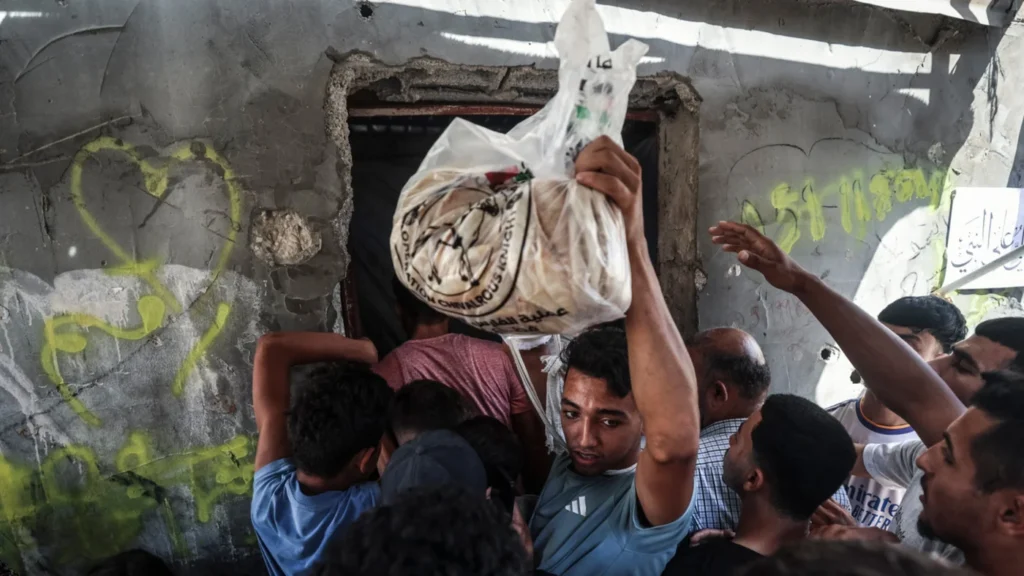
The Gaza food crisis has reached a critical point after Israel blocked commercial flour shipments, leaving Gaza’s last seven operating bakeries at risk of closing within 48 hours.

Abdul Nasser al-Ajrami, head of the Gaza Bakeries Association, warned on Thursday, October 22, that flour reserves in the enclave had been exhausted.

He said the remaining bakeries would stop producing bread within two days unless new supplies were allowed to enter.

“Israel kept the crossings closed throughout last week and continues to strangle the supply of commercial flour even after partially reopening them,” al-Ajrami said.

He added that the small amount of flour previously stored had already run out, forcing several bakeries to shut down.

Only seven of the 20 bakeries that had been operating in Gaza remained active when the warning was issued.

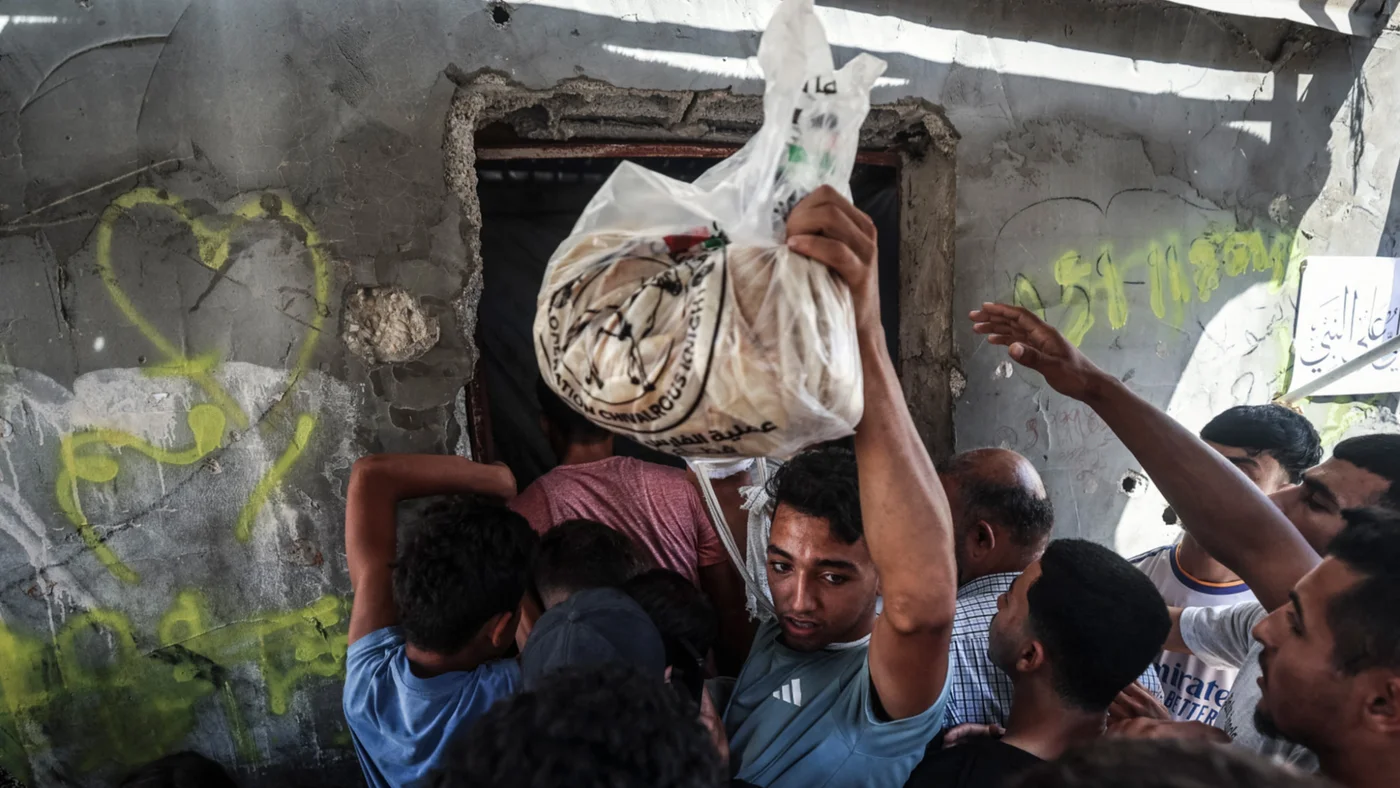
The closure of bakeries would deprive families of one of the few remaining sources of affordable food in the devastated territory.

Bread is a basic staple for Palestinian households, particularly as prices for other foods have risen sharply amid shortages and reduced humanitarian assistance.

The Gaza food crisis has worsened as commercial supplies have been blocked and international aid has been reduced.

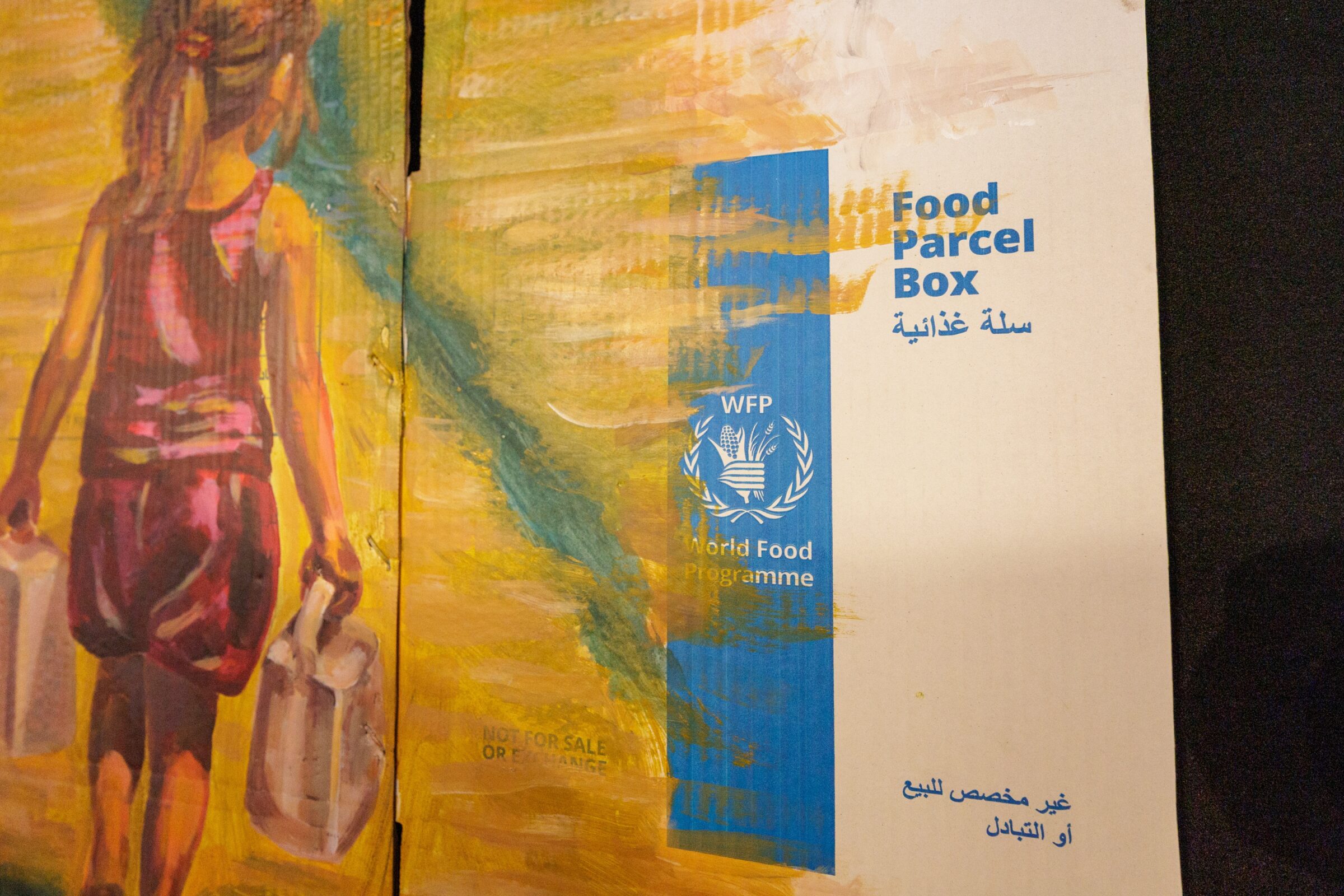
Al-Ajrami said the flour currently sold in local markets comes from the United Nations World Food Programme, known as the WFP.

Commercial bakeries that depend on supplies brought through the crossings have been left without raw materials.

The shortage has intensified since the WFP announced a severe funding deficit and reduced food assistance for more than half a million people in Gaza.

The reduction has left more families competing for limited flour while prices continue to rise.

Gaza Food Crisis Deepens as WFP Cuts Aid

World Food Programme | United Nations News

The Gaza food crisis has been compounded by a major reduction in humanitarian assistance from the World Food Programme.

On October 19, the WFP announced that funding shortages had forced it to cut food assistance in Gaza by about one-third.

The agency said the number of people receiving food and cash assistance would fall from 1.6 million in September to 1.1 million in October.

That means approximately 500,000 people will lose access to critical food support as winter approaches.

The WFP has also halved food rations. Families receiving assistance will now receive one food parcel instead of two, along with a smaller bag of wheat flour.

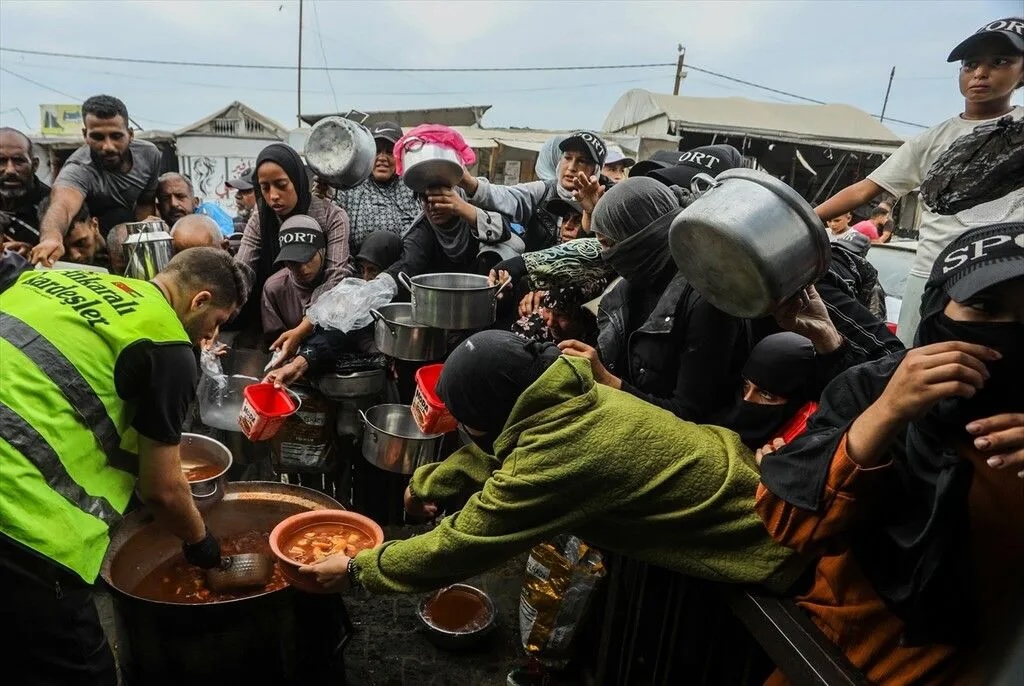
The agency has reduced daily hot meals from 250,000 to 150,000 and cut cash assistance for 75,000 families.

The WFP said the cuts were not caused by a reduction in humanitarian needs or by a lack of access to deliver aid.

“We don’t have the funding to sustain the levels of assistance that are required,” said Shaun Hughes, the WFP’s representative and country director in Palestine.

The agency said it urgently needs $450 million to maintain critical operations in Gaza and the West Bank from October 2026 to March 2027.

The WFP received less than half of the funding allocated to its operations in Palestine in 2026 compared with previous years.

The funding shortfall has come at a time when approximately 1.4 million people, or 67 percent of Gaza’s population, face acute food insecurity at crisis levels or worse.

The WFP estimates that around 200,000 people are experiencing emergency conditions and require immediate food assistance to prevent deaths from hunger.

The agency said it can still support bakeries that cover one-third of Gaza’s bread needs, provide nutrition assistance to 300,000 women and children and deliver school snacks to 200,000 students.

However, the reduction in aid has placed additional pressure on families already struggling to obtain basic food supplies.

Gaza Food Crisis Exposes Impact of Israel’s Blockade

United Nations Relief and Works Agency | World Health Organization

The Gaza food crisis is closely linked to Israel’s restrictions on the entry of food, fuel, medicine and humanitarian aid.

Human rights organizations say Israeli authorities have repeatedly closed Gaza’s crossings since early October, obstructing the entry of essential supplies.

The closures have deepened shortages of flour, cooking gas, fuel and medical materials across the enclave.

The Rafah crossing has remained closed to sick and injured Palestinians waiting to be evacuated for treatment abroad.

International health organizations have also raised concerns about continued attacks on medical facilities and the detention of healthcare workers.

Gaza’s Ministry of Social Development warned that hundreds of thousands of Palestinians face an imminent humanitarian catastrophe if restrictions on flour and bakery supplies continue.

The ministry called for immediate action to stop what it described as Israel’s systematic policy of starvation and the use of food as a weapon against civilians.

Israel has said the disruption in commercial deliveries stems from a fiscal dispute between traders and the administration led by Hamas.

Palestinian traders have rejected that explanation and say the restrictions remain in place.

The Israeli military has said commercial goods would resume entering Gaza after a five-day pause.

However, Palestinian traders reported that major cuts to food supplies remained in force and that the blockade had become increasingly severe.

The WFP said the halt in commercial truck entries through the Kerem Abu Salem crossing was further restricting supplies entering Gaza.

The organization warned that restrictions on goods entering the territory were holding back recovery and reducing the purchasing power of families.

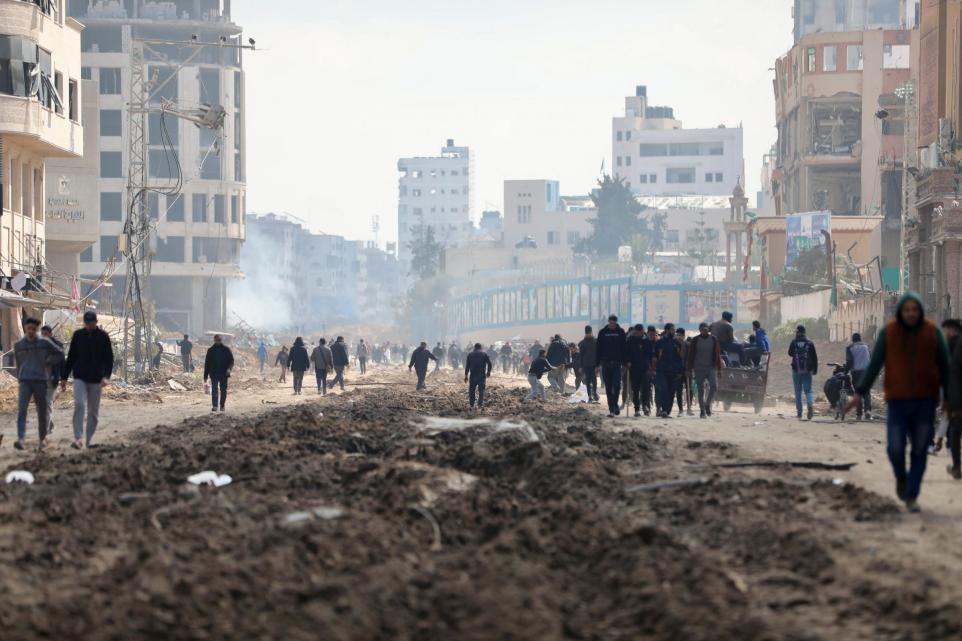
The Gaza food crisis has been aggravated by the destruction of infrastructure, displacement and the collapse of local agriculture and food production.

Most of Gaza’s population has been displaced, with many families living in tents or overcrowded shelters without reliable access to clean water, sanitation or cooking fuel.

The World Health Organization has warned that malnutrition, disease and the collapse of healthcare services are creating a deadly combination for civilians.

Geopolitical Context

The Gaza food crisis has implications beyond the immediate humanitarian emergency because it reflects the broader political and military conflict between Israel and Palestine.

Control over crossings, food supplies and humanitarian aid has become a central element of the conflict.

International law requires parties to a conflict to allow humanitarian assistance to reach civilians and to protect access to food, water and medical care.

Human rights organizations argue that the deliberate restriction of essential goods may constitute collective punishment and a violation of international humanitarian law.

The crisis has drawn attention from the United Nations, international courts and humanitarian agencies, which have repeatedly called for unrestricted access to Gaza.

The situation also has regional implications. Egypt, Jordan and other neighboring countries have faced pressure to facilitate aid deliveries and medical evacuations.

The closure of the Rafah crossing has left injured and seriously ill Palestinians unable to leave Gaza for treatment.

The Gaza food crisis could further destabilize the region by increasing displacement, deepening poverty and fueling anger across the Arab and Muslim world.

The United Nations has warned that famine risk remains high as winter approaches and humanitarian funding declines.

The WFP has said that recent modest improvements in food security remain fragile and could be reversed if access and funding are not restored.

The immediate priority is to allow flour, fuel and medical supplies to enter Gaza and to restore the operations of bakeries and humanitarian kitchens.

Without urgent action, the Gaza food crisis could push the territory into a new phase of mass hunger and deepen one of the world’s most severe humanitarian emergencies.
  •  

Israeli Strikes Across Gaza Kill at Least Eight Palestinians

Israeli attacks killed at least eight Palestinians across Gaza on Sunday as the Israeli military appears to be escalating its strikes ahead of Tuesday’s Knesset elections. Israeli strikes on Sunday included the bombing of the Islamic University in Gaza City, which killed at least three people and injured eight. University sources told AFP that the […]
  •  

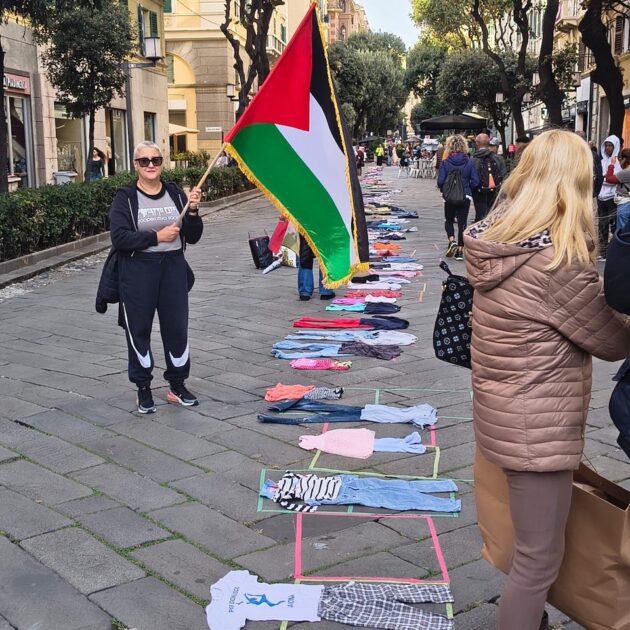
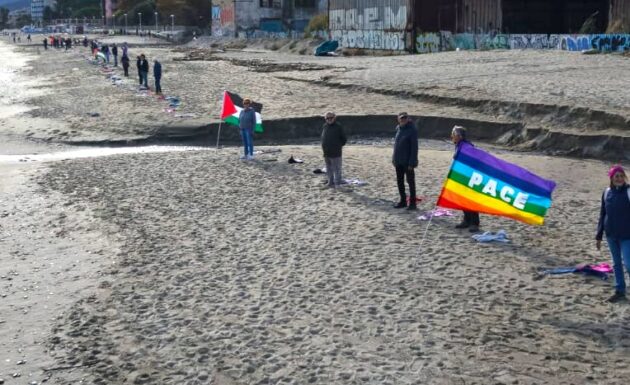
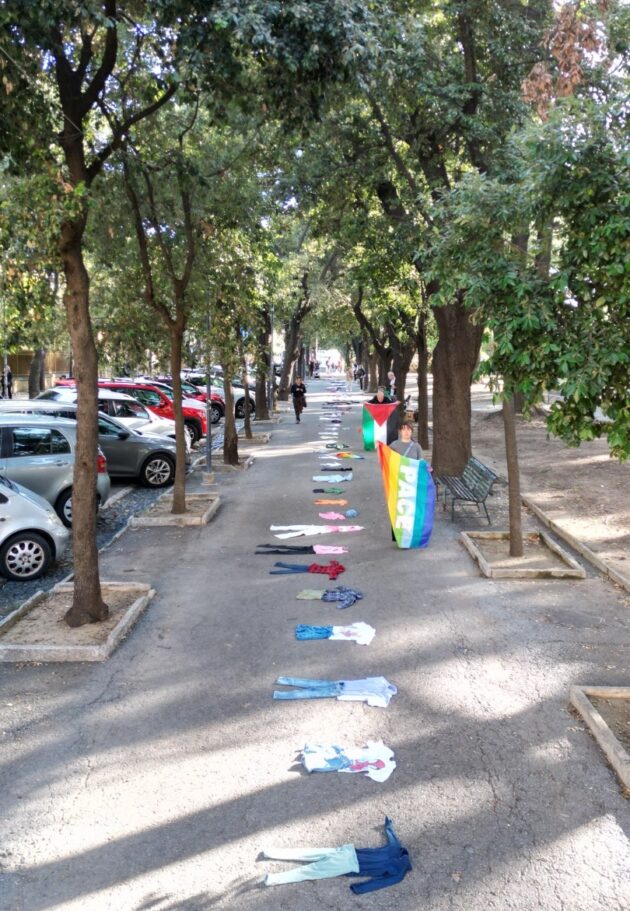
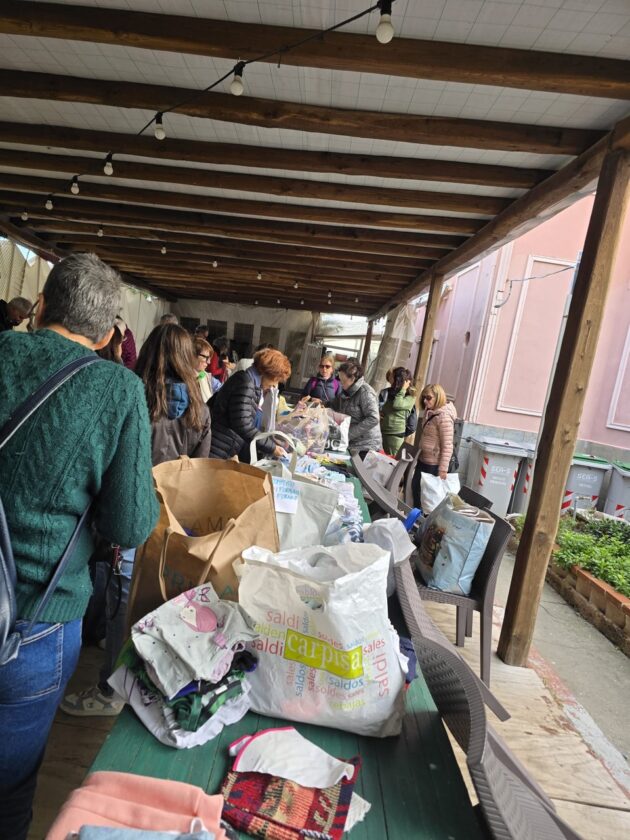
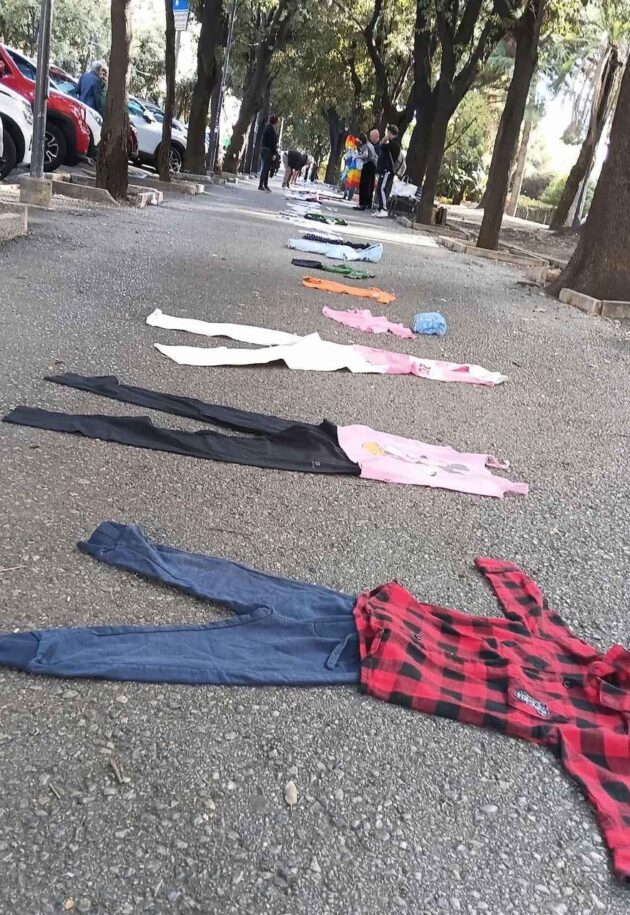
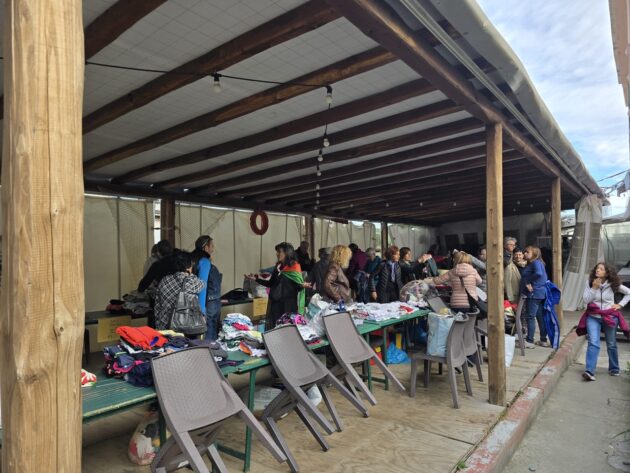
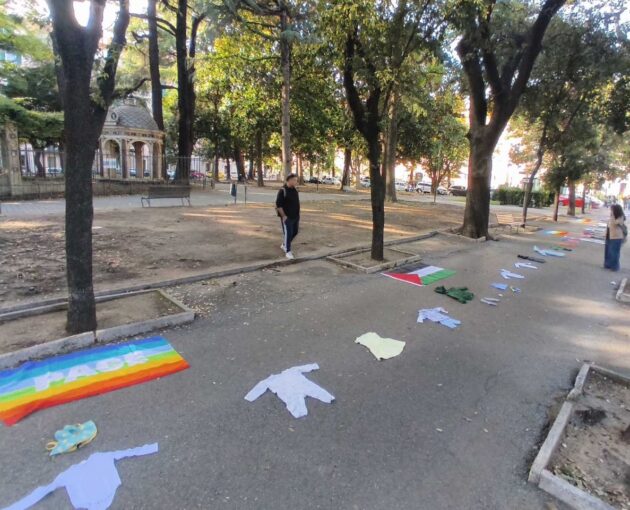
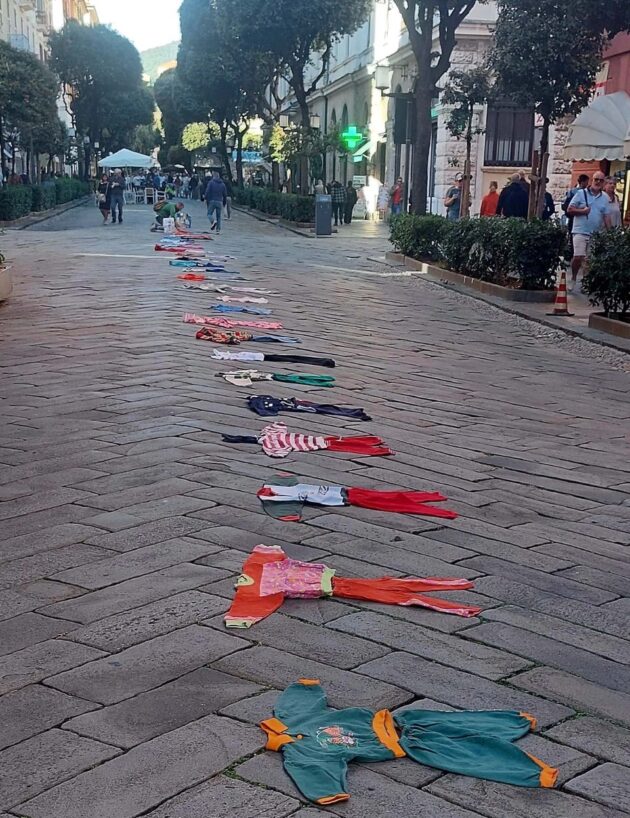
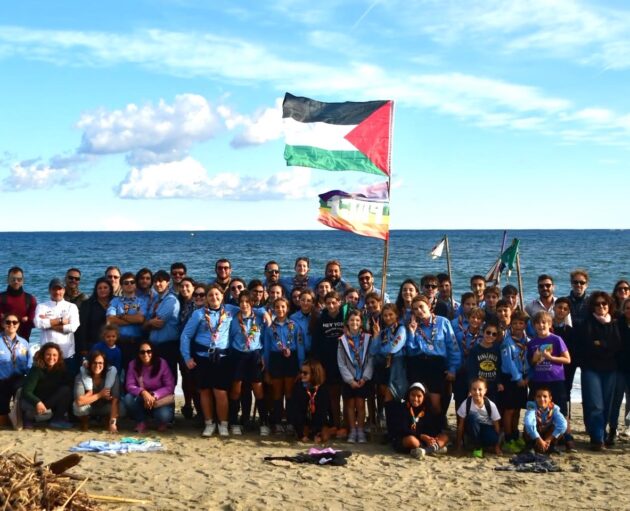
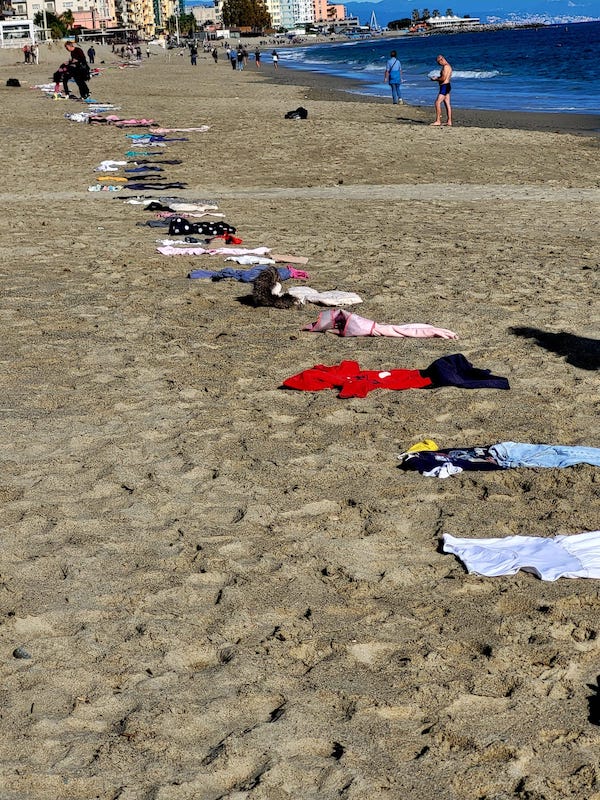
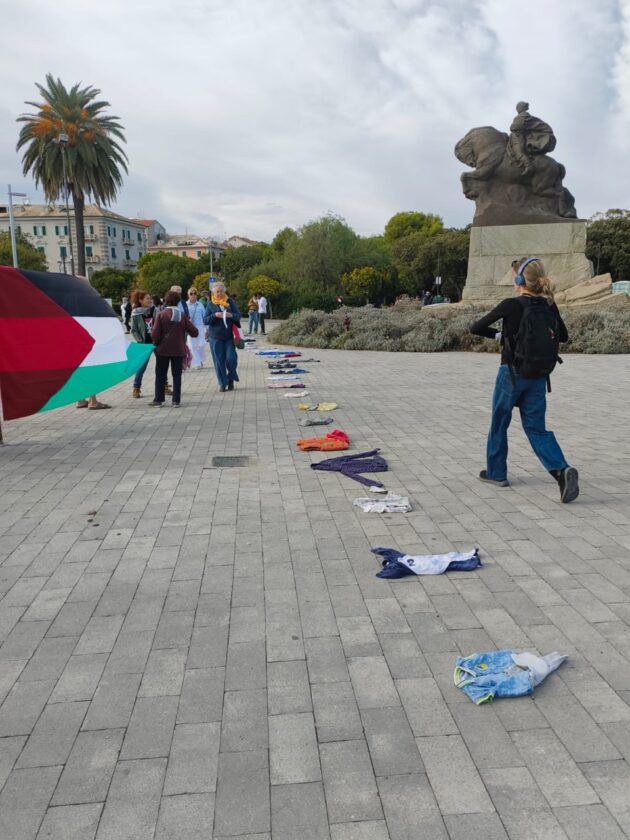
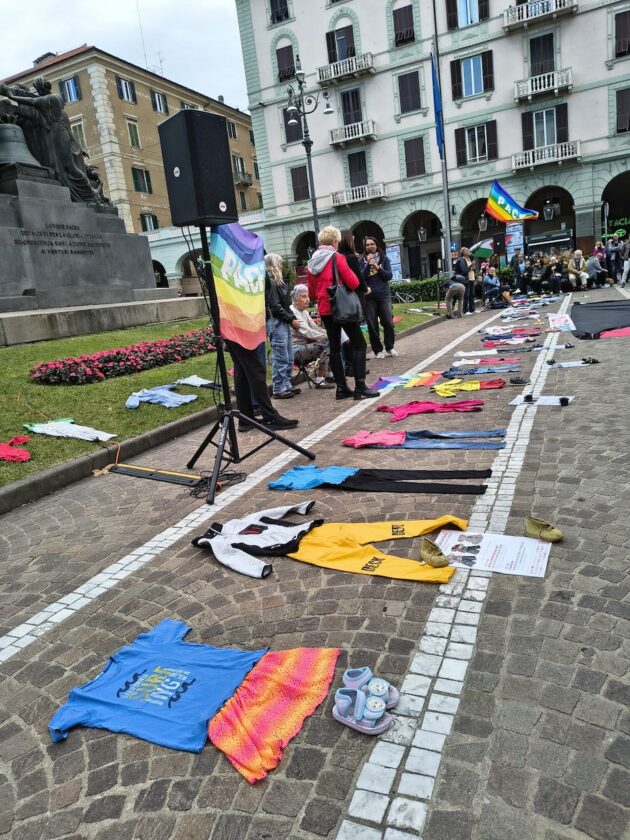
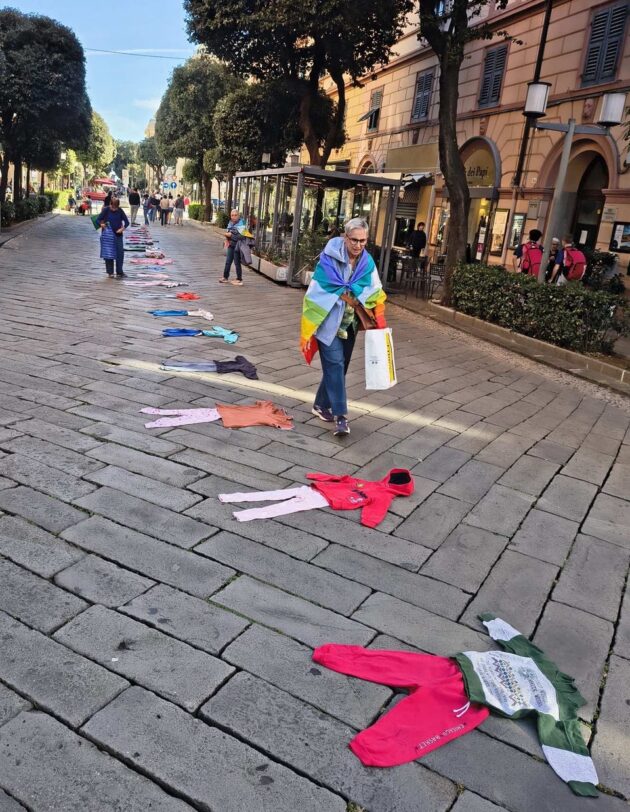
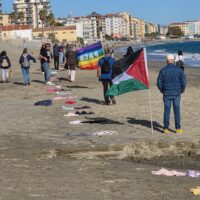
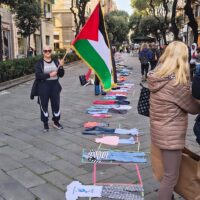
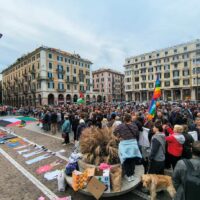
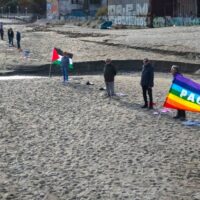
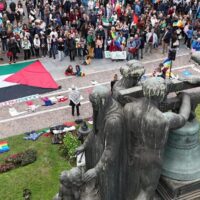
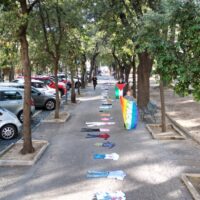
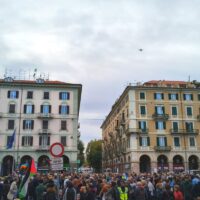
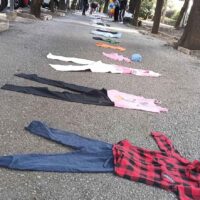
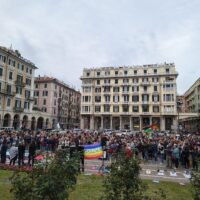
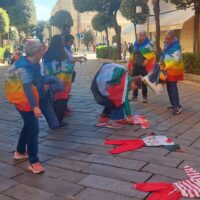
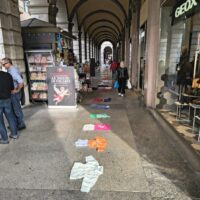
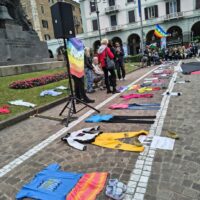
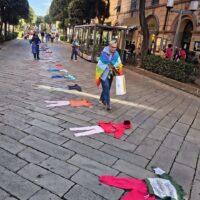
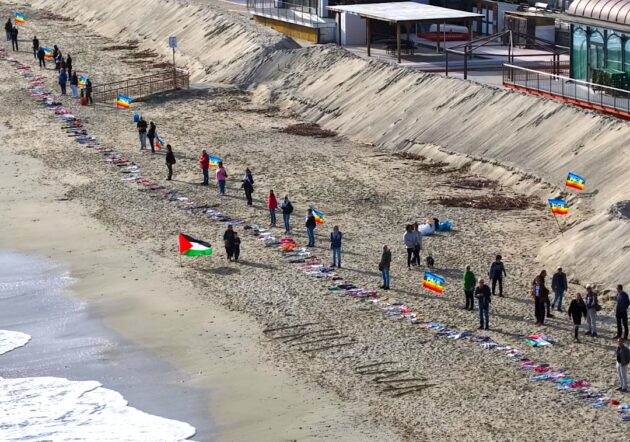
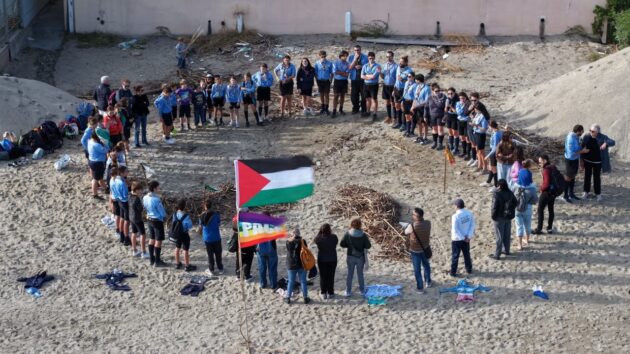
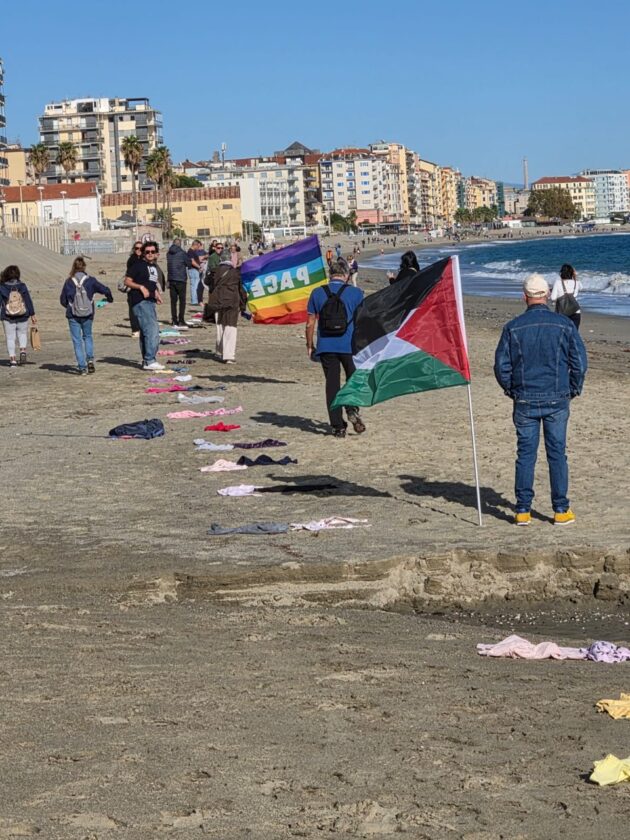
A Savona cinque chilometri di vestitini per ricordare i bambini uccisi a Gaza

1 / 25

40

2 / 25

36

3 / 25

65

4 / 25

91

5 / 25

12

6 / 25

35

7 / 25

106

8 / 25

20

9 / 25

22

10 / 25

30

11 / 25

92

12 / 25

83

13 / 25

82

14 / 25

77

15 / 25

76

16 / 25

73

17 / 25

68

18 / 25

67

19 / 25

93

20 / 25

94

21 / 25

95

22 / 25

96

23 / 25

101

24 / 25

102

25 / 25

104

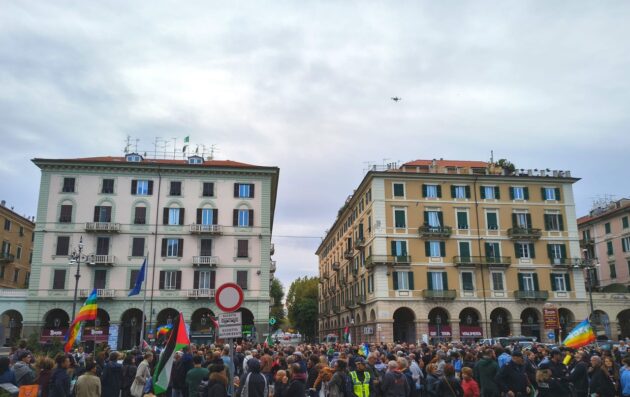
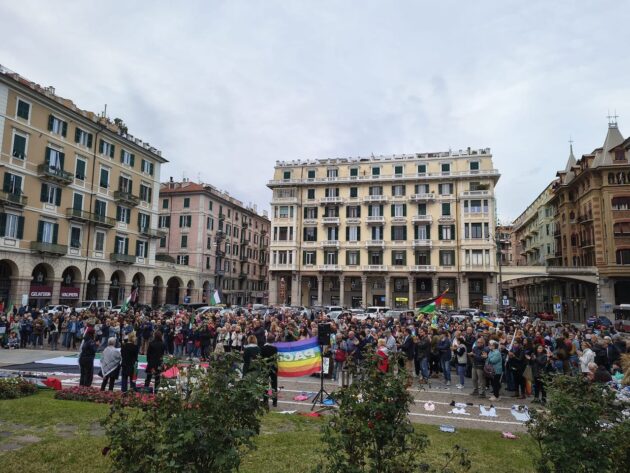
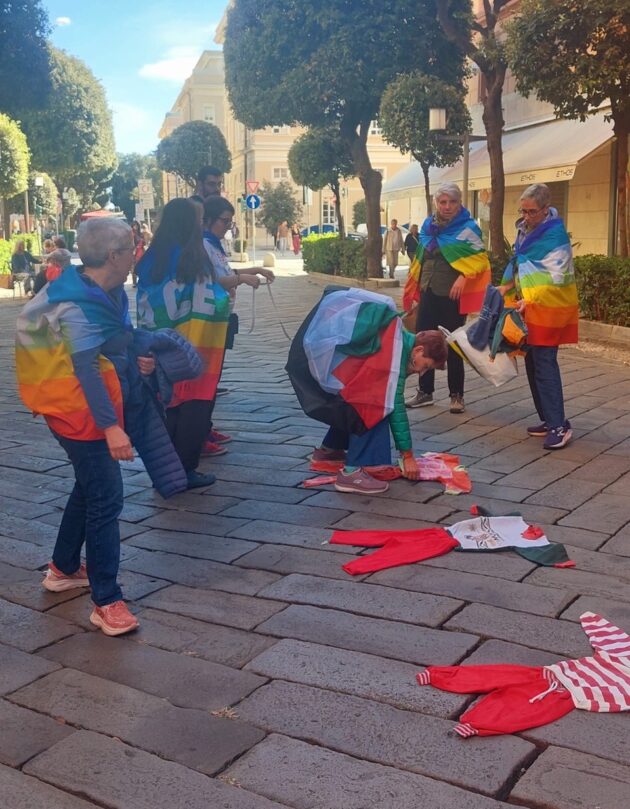
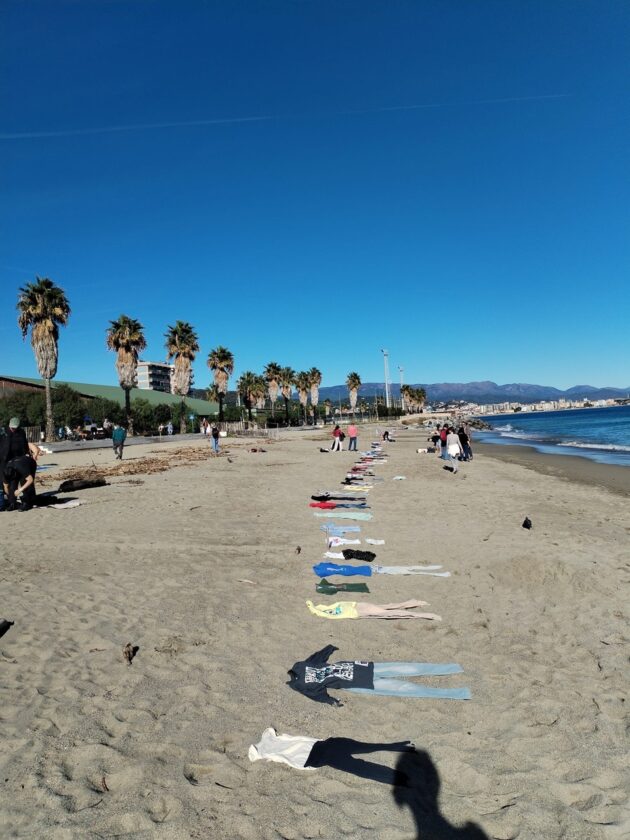
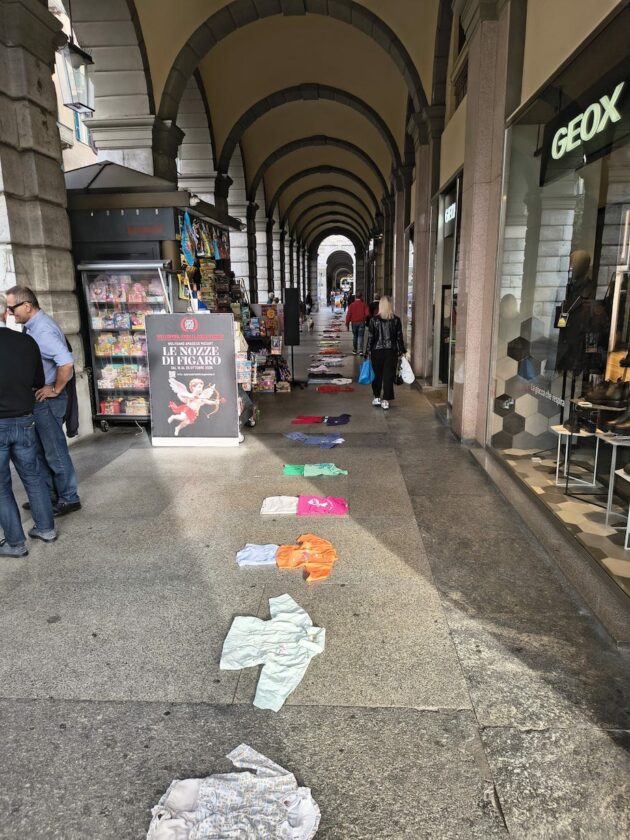
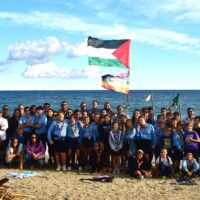
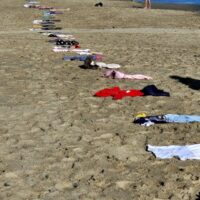
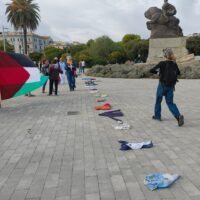
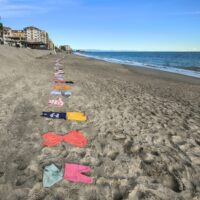
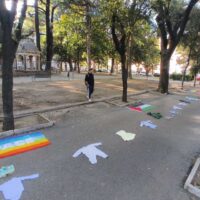
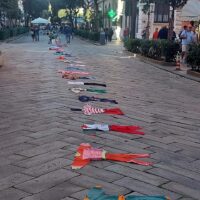
Cinque chilometri di vestitini. Così a Savona 80 realtà del territorio, tra associazioni, sindacati, organizzazioni religiose, scout e partiti, hanno voluto ricordare le migliaia di bambini e adolescenti uccisi da Israele nella Striscia di Gaza negli ultimi tre anni. La lunga linea di vestiti ha attraversato le spiagge e i quartieri della città, in modo da restituire a tutti, compresi i passanti distratti, l’orrore delle morti. “Cinque chilometri di vestiti di bambini, per rendere visibili le vite spezzate, per dare forma e corpo al genocidio ancora in corso” si legge nel comunicato dell’iniziativa. “Ogni completino ha rappresentato simbolicamente una giovane vittima innocente, per denunciare questo clima di disumanizzazione delle morti, declassate dai militari israeliani a meri obiettivi di pianificazione tramite algoritmi e AI, a semplici danni collaterali. Per cercare di restituire alla percezione e al sentire comune l’orrore della tragedia di Gazain corso ormai da tre anni”.

L'articolo A Savona cinque chilometri di vestitini per ricordare i bambini uccisi a Gaza proviene da Il Fatto Quotidiano.

  •  

"Eleições em Israel não vão alterar a política de segurança"

Liliana Reis afirma que eleições em Israel não vão alterar a política externa do país. A especialista em Relações Internacionais defende que Trump devia estar atento à aliança entre Moscovo e Teerão.

  •  

A PresaDiretta l’inchiesta sulla galassia di Vannacci su TikTok: “Migliaia di account sospetti registrati in Benin e Nigeria”

Domenica 25 ottobre alle 20.30 su Rai 3, nuovo appuntamento con PresaDiretta. Il programma di Riccardo Iacona affronta il tema del rapporto tra Ai e democrazia; mentre PresaDiretta Open è dedicata al conflitto in Medioriente.

Palantir, il colosso fondato da Peter Thiel, è diventato il cervello tecnologico di Pentagono ed eserciti, mentre bot farm e macchine per la propaganda create con l’utilizzo dell’Intelligenza artificiale ci profilano e orientano il nostro voto, le telecamere ci osservano e gli archivi di oggi addestreranno le intelligenze artificiali di domani. Chi governa gli algoritmi, potrebbe governare anche noi? E poi un importante reportage da Gaza, tra annunci di ricostruzione, cantieri mai partiti e violenze mai cessate: che fine hanno fatto soldi e promesse?

PresaDiretta Open, nella prima parte della serata, si chiede che fine abbia fatto il Board of Peace, il Consiglio internazionale presieduto da Trump per guidare la ricostruzione di Gaza. Grazie alle immagini girate da Yasser, filmaker palestinese, PresaDiretta racconta una Striscia dove il 94% della popolazione è sfollato, dove l’Onu ha contato 1400 palestinesi uccisi dal cessate il fuoco a oggi e dove l’esercito israeliano controlla e occupa il 64% del territorio. La ricostruzione non è mai partita: il piano operativo del Board vale 2,45 miliardi, contro i 71 che servirebbero secondo l’ONU.

E poi la puntata Democrazia Artificiale. A Roma, a porte chiuse, Peter Thiel parla dell’Anticristo; intanto la sua creatura Palantir, azienda specializzata nello sviluppo di software e analisi di big data con la AI è diventata uno dei cervelli tecnologici del Pentagono e degli eserciti in guerra. PresaDiretta ricostruisce come i suoi software siano entrati nelle istituzioni di vari Paesi anche in Europa: nella sanità inglese e anche nei contratti della Difesa italiana, tra documenti che mancano o che non ci è permesso di leggere.

Queste stesse tecnologie non solo ci sorvegliano, ma soprattutto lavorano per influenzare il consenso politico. In Sassonia-Anhalt l’AfD ha appena stravinto le regionali soprattutto sui social, con una macchina della propaganda potentissima che funziona grazie alla AI. “Alternita”, il software di AI – scoperto dal gruppo di giornalismo investigativo Correctiv – sceglie le notizie più virali, scrive i post, genera immagini e gonfia le visualizzazioni e il consenso con migliaia di profili falsi. E le stesse tecniche sono già arrivate in Italia, dove su TikTok la galassia di Vannacci conquista i giovanissimi con meme e video creati con l’AI. Insieme a AI Forensics e Trollrensics, PresaDiretta ha ricostruito le origini di migliaia di account sospetti registrati in Benin e Nigeria.

Infine la crescente diffusione degli strumenti per la sorveglianza di massa: dagli Stati Uniti all’Italia, come vengono trattati i nostri dati biometrici, quelli sanitari, le informazioni finanziarie e in generale tutte le informazioni personali gestiti con l’Intelligenza Artificiale? Come li utilizzeranno le forze dell’ordine, per farne cosa e per quanto tempo?

Riflettori puntati, a chiusura di puntata, sulla truffa con cellule staminali portata avanti, anche con infusioni a domicilio, dalla società polacca BioCells Medical. Dopo l’inchiesta della scorsa edizione, PresaDiretta racconta i nuovi sviluppi sulle indagini giudiziarie, nazionali e internazionali. Le puntate di PresaDiretta sono visibili integralmente su RaiPlay.

L'articolo A PresaDiretta l’inchiesta sulla galassia di Vannacci su TikTok: “Migliaia di account sospetti registrati in Benin e Nigeria” proviene da Il Fatto Quotidiano.

  •  

Calls mount for UN World Food Programme, which feeds over a million people in Gaza, to quit contract with Palantir

The UN food agency helping Palestinians and others in need across the world has come under scrutiny for its contract with Palantir –  the controversial US tech and AI company used by various international border police and militaries to sort data and better identify targets.

The UN’s food agency, the World Food Programme (WFP), prolonged its contract with Palantir in July, prompting civil organisations to urge the end of these agreements in a letter published on Friday (23 October).

Some 3,000 European citizens have written to the WFP’s leadership, calling for the agency to end its Palantir partnership.

The WFP holds one of the biggest biometric databases in the world, with millions of its records containing information about vulnerable populations.

WFP is effectively supporting a company that undermines its own operations in Palestine by helping kill civilians for another client, which is “a very strong contradiction,”  Giulio Carini, head of campaigns at an NGO WeMove Europe told EUobserver.

“On one hand, you’re feeding people of Gaza, but then, but on the other, you’re using software from a company whose technology is allegedly also being used to kill them” he added.

As many as 1.1 million people are reached by the WFP in Gaza each month, out of the 1.4 million facing acute food insecurity. The organisation is complaining that it had to scale down its food assistance in Gaza and the West Bank due to a lack of funding.

The WFP has argued that its use of Palantir’s software to compile its datasets and make better decisions has saved them $50m [€45m] that would otherwise be spent on inefficient management of its resources.
This article continues, but the full version is available only to EUobserver.com subscribers. Visit account.euobserver.com/membership
  •  

Nazionalisti, liberali, ultrareligiosi: il “Blocco del cambiamento” sfida Netanyahu alle elezioni. Ma sulla Palestina la pensa (quasi) come lui
Un mese prima del voto del 27 ottobre, i maggiori esponenti politici israeliani fuori dall’attuale governo si sono ritrovati nella casa di Tel Aviv del leader di Yesh Atid, Yair Lapid, per suggellare un patto: rimanere uniti con l’obiettivo di escludere Benjamin Netanyahu dall’esecutivo israeliano. Riuniti intorno a un tavolino da caffè ci sono il padrone di casa insieme al suo alleato Naftali Bennett nella coalizione Yachad, il leader di Yashar, Gadi Eisenkot, quello dei Democratici, Yair Golan, e di Yisrael Beiteinu, Avigdor Lieberman. Promettono un radicale stravolgimento delle politiche portate avanti dall’esecutivo Netanyahu, insieme ai suoi alleati estremisti Itamar Ben-Gvir e Bezalel Smotrich, e per questo sono già stati ribattezzati Change Bloc, il blocco del cambiamento. Ma basta leggere i loro programmi elettorali e ascoltare le loro dichiarazioni per capire che sul tema diventato di gran lunga il più importante per il futuro dello Stato di Israele, ossia il rapporto con il popolo palestinese, poco cambierà anche in caso di loro vittoria. Nessuno di loro si batterà per liberare i territori illegalmente occupati e nella campagna ellettorale non trova spazio nemmeno l’idea di un percorso di pacificazione tra popolazione ebraica e palestinese.

L'articolo Nazionalisti, liberali, ultrareligiosi: il “Blocco del cambiamento” sfida Netanyahu alle elezioni. Ma sulla Palestina la pensa (quasi) come lui proviene da Il Fatto Quotidiano.

  •  

Miko Peled: ‘Israel is collapsing from within’

Benjamin Netanyahu will almost certainly stay as prime minister after Israel’s elections on Tuesday, Miko Peled predicts – but he argues it won’t really matter if he doesn’t.

The Israeli-American author, activist and founder of Palestine House of Freedom in Washington, DC tells Rania Khalek and Zoe Alexandra who wins control of Knesset doesn’t really change things for Palestinians in Gaza and the West Bank; with challengers like Gadi Eisenkot, the ex-army chief behind the Dahiya doctrine of flattening civilian neighborhoods, and ex-premier and settlement champ Naftali Bennett who vows to block a Palestinian state, the war machine stays the same. But Peled says the ultra-Orthodox fight over the military draft and growing demands for an October 7 investigation are tearing Israeli society apart.

He explains why settler attacks on Washington Post photographer Heidi Levine and Congressional candidate (and liberal zionist) Brad Lander show the state’s true face, pointing out “it’s all settler violence, because they’re all settlers.” Peled warns that a new Israeli attack on Iran could finally test the limits of Tehran’s restraint – and that if Netanyahu falls, Democrats may rush to re-embrace Israel ahead of the midterms, but the honeymoon won’t last. Watch full episodes of BT Live, join breakthroughnews.org as a member today! #breakthroughnews

  •  

​"Política Trump para a paz falhou"

Bernardo Valente afirma que Donald Trump não conseguiu coordenar a paz no Médio Oriente e que tem vindo a falhar cada vez mais. Sublinha ainda que Trump está a tentar fazer Ucrânia capitular.

  •  

Damning report shows the media must confront its failures on Gaza

Detailed report finds that Israel has committed “mediacide”. Israel has used “interconnected patterns” which have both facilitated genocide and hindered accountability. Media have repeated unverified Israeli claims & stripped away historical context

  •  

BBC senior broadcaster speaks out on Gaza coverage

The BBC have been “very compliant to Israel." BBC threatened job loss to enforce compliance. “There is a huge amount of anger amongst many BBC journalists and staff who are disgusted at what their organisation is doing

  •  

"Os Estados Unidos são cada vez menos um aliado de fiar"

Bruno Cardoso Reis aponta falhas no Starshield como razão e diz que a Europa deve investir na sua própria indústria de defesa. O historiador considera ainda que Putin exige a "satelização" da Ucrânia.

  •  

Cisgiordania, 5 italiane tra gli attivisti fermati. Farnesina chiede chiarimenti. Israele annuncia l’espulsione: “Promozione del terrorismo”

Gli attivisti internazionali fermati in Cisgiordania, tra cui cinque italiane, stanno per essere espulsi da Israele. Lo annuncia la polizia israeliana, secondo cui alcuni dei fermati sarebbero coinvolti nella “promozione del terrorismo” e nell'”esaltazione di attentatori”. L’annuncio arriva dopo che la Farnesina ha chiesto chiarimenti urgenti alle autorità israeliane sul fermo delle connazionali, avvenuto mentre accompagnavano agricoltori palestinesi impegnati nella raccolta delle olive.

Secondo la polizia israeliana, gli attivisti “hanno violato la legge e si sono nascosti dietro la raccolta delle olive”. Sarebbero entrati “senza coordinamento in una zona militare chiusa”, rifiutando gli ordini delle Forze di difesa israeliane (Idf). Il comunicato riferisce del fermo di undici attivisti stranieri e un palestinese a Hebron, sostenendo che alcuni sarebbero coinvolti anche in “attività di organizzazioni ostili a Israele”. Non viene precisato a chi siano rivolte le accuse.

Le cinque italiane erano state fermate nel villaggio di al-Bweib, a sud di Hebron, insieme ad altri attivisti internazionali. Il ministero degli Esteri aveva ottenuto conferma della loro presenza in una stazione di polizia israeliana. L’Ambasciata d’Italia a Tel Aviv e il Consolato generale d’Italia a Gerusalemme avevano quindi preso contatto con le autorità locali per ottenere informazioni sulle circostanze del fermo e favorire una rapida risoluzione della vicenda.

Il caso arriva dopo il fermo di altri due italiani, Manuel Tartarotti e suo padre Alberto, originari di Bolzano, trattenuti per oltre un giorno e poi espulsi, con un divieto di ingresso in Israele per dieci anni. Mercoledì 21 ottobre, inoltre, circa 80 attivisti internazionali erano stati fermati dai militari israeliani mentre partecipavano alla raccolta delle olive nei pressi di Nahalin.

L'articolo Cisgiordania, 5 italiane tra gli attivisti fermati. Farnesina chiede chiarimenti. Israele annuncia l’espulsione: “Promozione del terrorismo” proviene da Il Fatto Quotidiano.

  •  

Guterres: situação na Palestina está fora de controlo

O secretário-geral da ONU exige fim da ocupação israelita e solução de dois Estados, enquanto 80 ativistas foram detidos durante apanha da azeitona perto de Belém.

© MAST IRHAM/EPA

António Guterres relembrou ataques diários de colonos israelitas contra comunidades palestinianas, bem como os ataques que têm acontecido contra jornalistas
  •  
❌