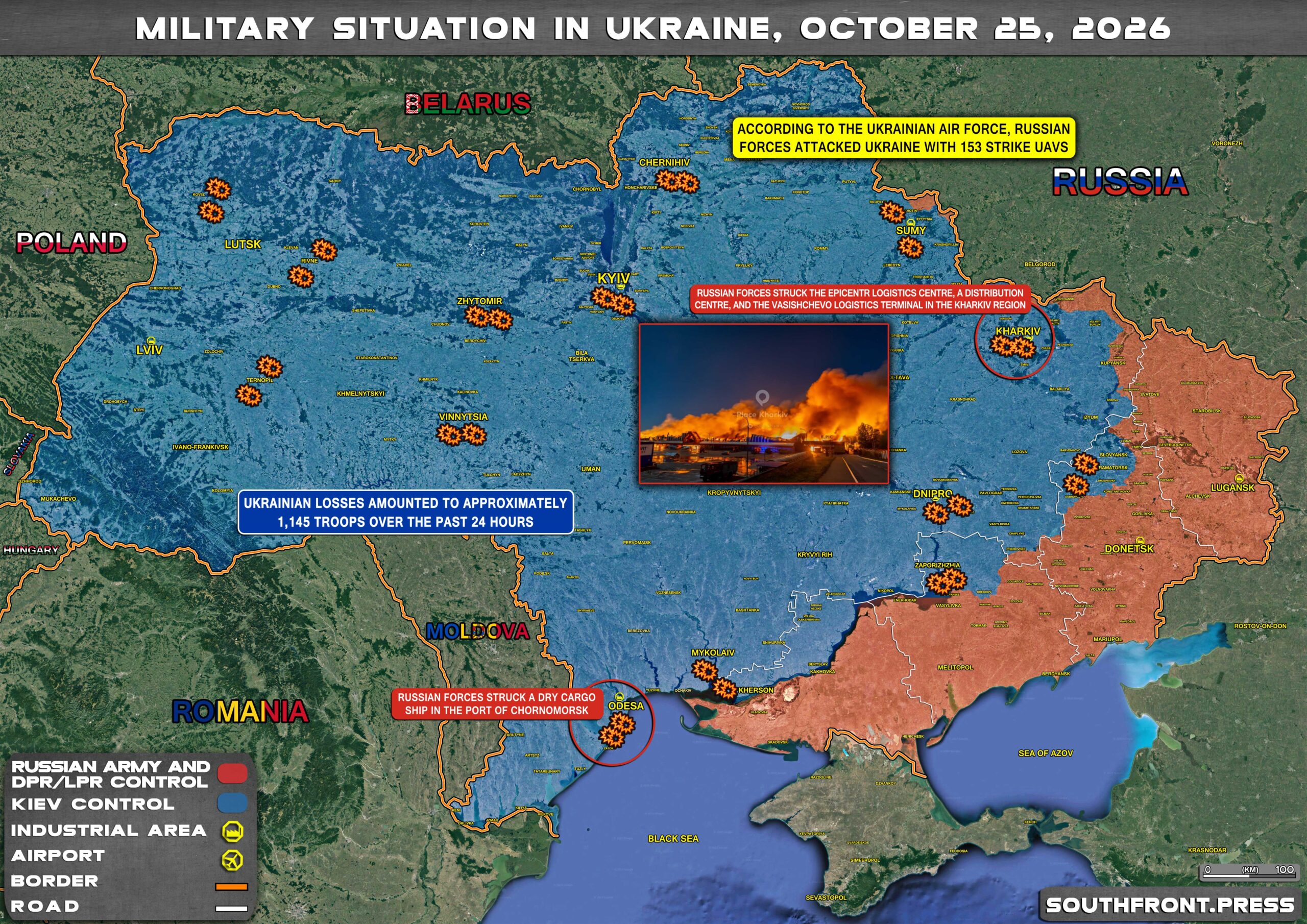
Russian strikes destroyed targets in the Sumy, Kharkiv, Zaporizhzhia, Dnipropetrovsk, Kherson, Vinnytsia, Volyn, Zhytomyr, Kyiv, Odesa, Rivne, Ternopil, Chernihiv regions, and the DPR;
According to the Ukrainian Air Force, Russian forces attacked Ukraine with 153 strike UAVs;
Russian forces struck the Epicentr logistics centre, a distribution centre, and the Vasishchevo logistics terminal in the Kharkiv region;
Russian forces struck a dry cargo ship in the port of Chornomorsk;
Ukrainian losses amounted to approximately 1,145 personnel over the past 24 hours.
Click to see the full-size image
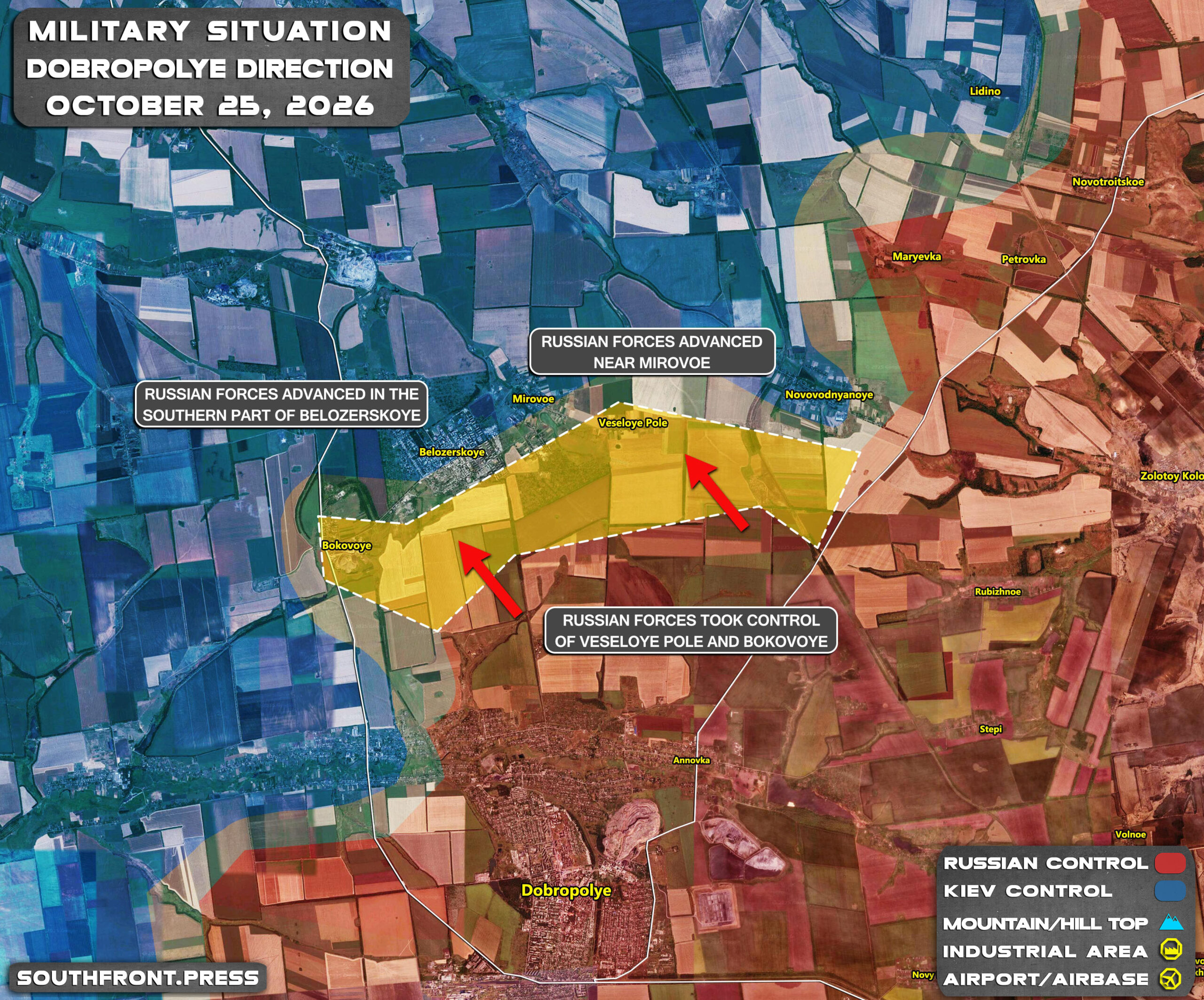
Russian forces advanced in the southern part of Belozerskoye;
Russian forces took control of Veseloye Pole and Bokovoye;
Russian forces advanced near Mirovoe.
Click to see the full-size image
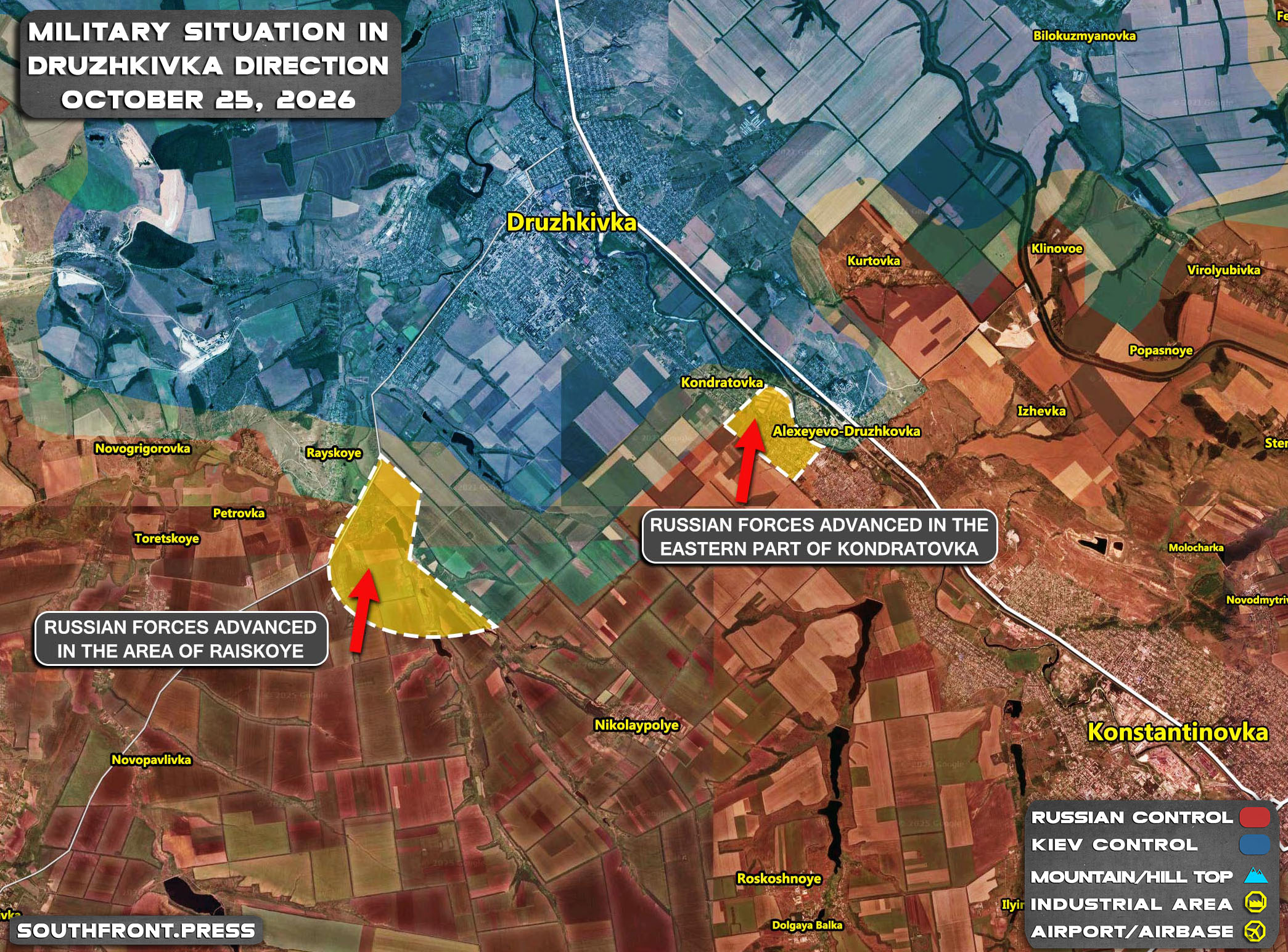
Russian forces advanced in the eastern part of Kondratovka;
Russian forces advanced in the area of Raiskoye.
Click to see the full-size image
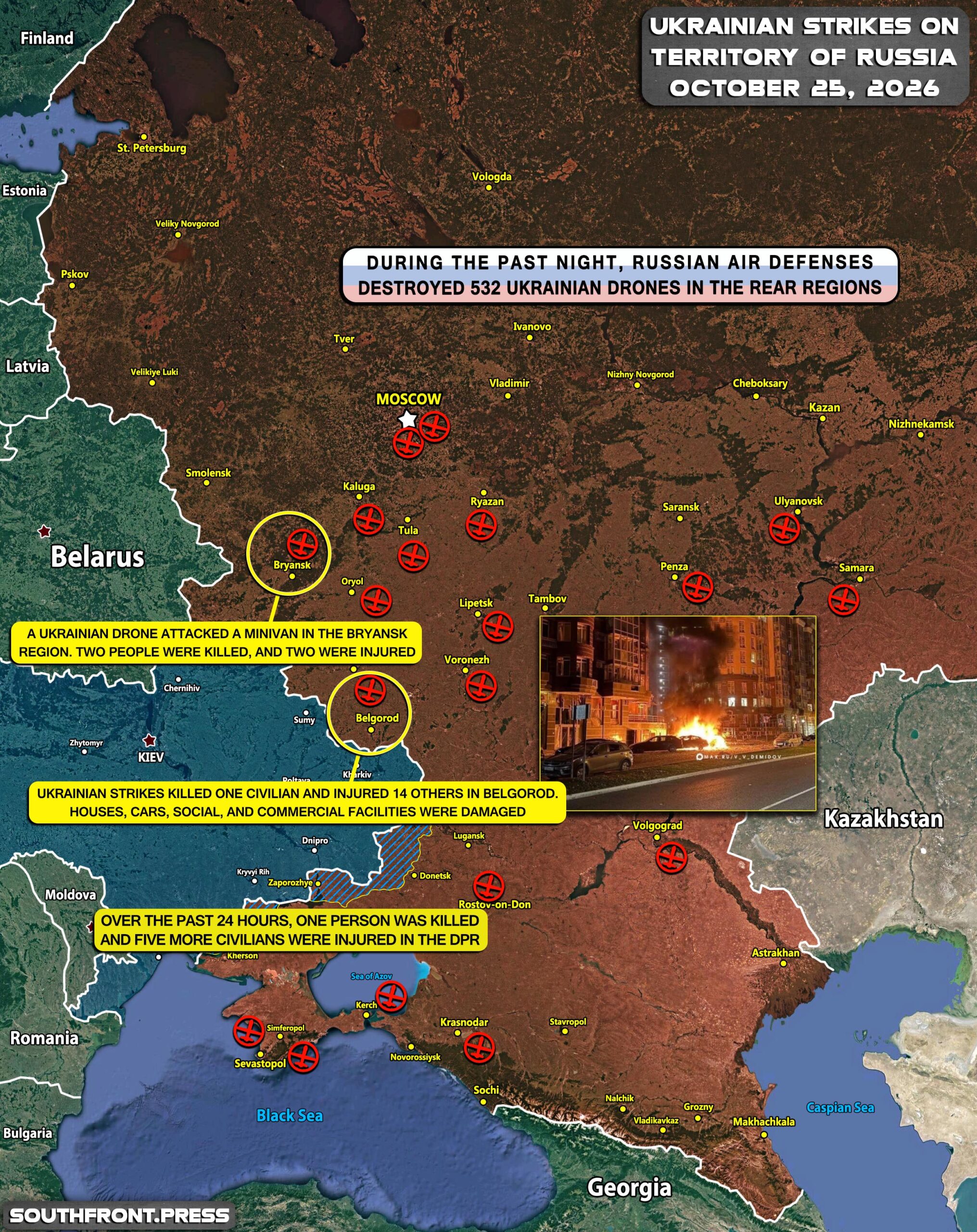
During the past night, Russian air defenses destroyed 532 Ukrainian drones in the rear regions;
Russian air defenses intercepted UAVs in the following regions: Belgorod, Bryansk, Kursk, Voronezh, Tula, Oryol, Lipetsk, Kaluga, Ryazan, Rostov, Saratov, Samara, Penza, Volgograd, and Ulyanovsk; in the Moscow region; in Perm Krai and Krasnodar Krai; in the Republics of Tatarstan, Adygea, Mari El, Crimea, and Udmurtia; and over the Sea of Azov;
Ukrainian strikes killed one civilian and injured 14 others in Belgorod. Houses, cars, social, and commercial facilities were damaged;
A Ukrainian drone attacked a minivan in the Bryansk region. Two people were killed, and two were injured;
Over the past 24 hours, one person was killed, and five more civilians were injured in the DPR.
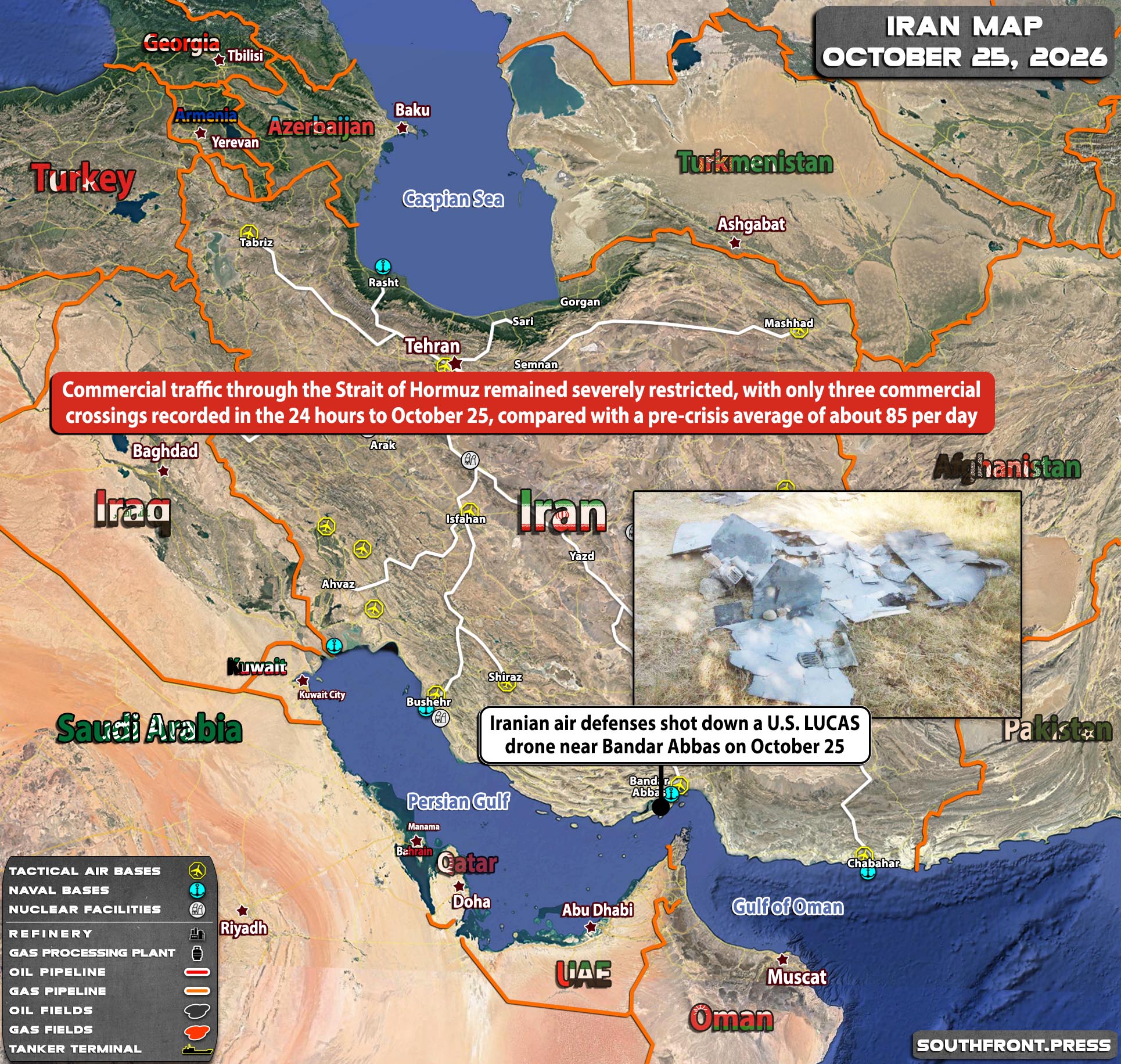
Iranian air defenses shot down a U.S. LUCAS drone near Bandar Abbas on October 25;
Commercial traffic through the Strait of Hormuz remained severely restricted, with only three commercial crossings recorded in the 24 hours to October 25, compared with a pre-crisis average of about 85 per day.
The Yemeni army (AnsarAllah) Al-Shajuf and Al-Musbal areas south of Taiz;
Fighting between Ansar Allah and the Saudi-backed forces continue in Al-Maliha areas and Al-Thalathin Street west of Taiz;
On October 24, Saudi Arabia said it intercepted Houthi ballistic missiles targeting Taif, Yanbu and Riyadh, as well as a drone over the Eastern Province.
The death toll from Saudi airstrikes has reached 193 martyrs and 468 wounded, according to the Sanaa-based government’s Ministry of Health;
The Yemeni army (Ansar Allah) reportedly targeted Saudi’s East-West oil pipeline and pumping stations, an Aramco facility in Yanbu and the Rabigh refinery;
Saudi Arabia reported intercepting 10 ballistic missiles targeting its southern regions on October 25, alongside additional missiles and drones aimed at other locations.
'Diary of a Wimpy Kid' author Jeff Kinney shares his parenting advice — and what he'd do differently.
Simon Simard for BI
This as-told-to essay is based on a conversation with Jeff Kinney, the 55-year-old author of the "Diary of a Wimpy Kid" series, who lives in Plainville, Massachusetts. It has been edited for length and clarity.
When I wrote "Diary of a Wimpy Kid," I worked on it for eight or nine years without thinking I was writing a book for kids.
I thought I was writing a book for grown-ups that would feel like "The Wonder Years" or "A Christmas Story" — looking back on childhood through the lens of an adult.
The first thing that surprised me was that my publisher said I'd actually written a children's series; it caused a lot of cognitive dissonance.
But what also surprised me was that kids understood the irony in the books. They understand that Greg is an unreliable narrator; they seem to get the joke.
After writing the series, and after raising two kids of my own — ages 21 and 23 — I've learned a few things about kids. Here's my best advice about getting kids to read, screen time, and more — plus a few things I'd go back and change if I could.
1. To get kids to read, feed their interests
I recently heard author Jack Gantos say that after dinner, he and his family would get out their books and read. I think that's really cool and also very old-fashioned, in a way. I wish we'd done it when raising our kids.
With reading, I think the most important thing you can do is feed your kids' interests, whether they're interested in Pokémon cards or sharks or tornadoes. Get them books or magazines that speak to their interests, rather than trying to give them books that we read as kids or books that are too high-minded for their age level.
A lot of authors who write for kids start with some sort of a lesson, and there's a time and place for that. But kids read for the same reason that adults read: to be entertained. If we start from a position of trying to teach kids a lesson, they'll sniff that out and turn away from it.
It's really important to encourage kids down a path that gets them reaching for the next book. I want them to feel a feeling of success in having finished a book because that's an important act of completion. But mostly, I'd like them to keep reading, whatever form that might take.
2. Listen to them
In everyday parenting, sitting at dinner with our kids and hearing about their day without judgment is a really good foundation. Just about everything that kids today are going through, we've been through in some form. The most powerful thing that we can say to kids is "I understand," or "I've been there myself," and share stories, making sure that they feel seen and heard.
As parents, we should make ourselves vulnerable to our kids by telling them about the struggles that we went through.
If we do that without moralizing and without judgment, I think it draws us closer to our kids and turns us into a resource for them.
3. Envision your future relationship
I've always thought about my relationship with my kids by imagining, How do I want our relationship to look when my kids are adults? I've tried to anticipate that and treat my kids that way the whole time.
Kinney has two adult children, ages 21 and 23.
Simon Simard for BI
I think it's working out because my kids will call me and want to go see the Patriots or the Celtics with me. I think that's partially because I've always had this version of our relationship in mind.
4. Don't get too wrapped up in kids' sports
As parents, we live and die by our kids' successes in sports. I certainly got too caught up in it and couldn't really anticipate that there would be a life beyond sports for my kids.
If I were to go back in time, I probably would change my approach on that. We like to see our kids succeed, and of course, sports is a big stage where there's a lot wrapped up in their success, including social issues and self-esteem.
When our kids are thriving, we feel really good for them, and when they're failing, it's tough for them and us. I can understand why that happens with parents, but I can also see that it's good to take a step back.
5. Help them understand that social media manipulates
Social media bullying is something that we never had to face growing up, and it's really unfortunate and damaging.
As parents, we can help kids by educating them and helping them understand that social media companies are incentivized to make you spend more time on your screens. The more that my kids, who grew up immersed in the social media world, began to understand that, the more they wanted to move away from it.
They get out there in the world — touch grass, play sports, and pick up basketball. My son will put lockouts on his social media.
It's important for us to think for ourselves before we turn to AI
As AI becomes a part of schoolwork and daily life, my concern is that AI makes a lot of things very easy.
At times, I look for solutions through AI that I could conjure up myself, so I worry about how that rewires the brain when you feel like there's always an agent that can solve your problem for you. It could reduce your own capacity for problem-solving.
It's really important for kids to be able to think for themselves before turning to the tool.
To counteract that, getting out in the world and interacting with one another is really important. Put kids into social situations; for example, my son has been working as a bookseller this past year, where he's had to interact with lots of different types of people and solve problems.
A lot of kids or young people in this generation are more isolated. They spend a lot more time in their rooms on their phones, and so I think that getting them out there interacting with other human beings is going to give them a competitive advantage.
À entrada de uma reunião sobre o Orçamento do Estado para 2027, em Coimbra, o secretário-geral do PS prometeu apresentar medidas para famílias, empresas e instituições, com respeito pela sustentabilidade das finanças públicas.
Peter Thiel said that after Steve Jobs died in 2011, Apple hasn't innovated.
Justin Sullivan/Getty Images
Peter Thiel said Apple hasn't innovated since the iPhone.
Thiel said Tim Cook hasn't taken the company in new directions.
The billionaire venture capitalist said eccentric CEOs like Elon Musk "are way better for society."
Peter Thiel, evidently, isn't a fan of the iPhone Duo.
In fact, the billionaire PayPal cofounder and tech investor said he hasn't been very impressed with much of anything that Apple has done since its eccentric founder, Steve Jobs, died of cancer in 2011.
"In my telling, it did nothing new after Jobs," Thiel said of the iPhone maker in a September interview with author Walter Isaacson for the "Builder's Podcast," which was released on Thursday.
"It turned out, yeah, the mobile phone was this giant invention — there was not that much more to do," he said. "Then it was just scaling and branding and building it out over 15 years or whatever."
Indeed, Apple has faced criticism for failing to innovate beyond the mobile phone and tablet, especially in the age of AI, where its "Siri" product is not as advanced as rivals from ChatGPT or Anthropic.
Jobs unveiled the first iPhone back in 2007 at a conference in San Francisco. Nearly 20 years later, Apple released the 18th iteration this week, with one slight caveat: This one folds.
That said, MacBooks are the de facto laptops for many an AI-nerd and normie alike. iPhones are ubiquitous, and the sleek AirPods design took hold when they were released in 2016.
Though Thiel told Maureen Dowd of The New York Times in 2017 that Apple's era was over, the company's stock price has grown steadily since then.
Thiel didn't pooh-pooh Apple entirely. He called it a "pure, well-run value stock," but lamented what he described as the loss of vision after Jobs' death.
"I would still say somehow Elon or Steve Jobs are way better for society than Tim Cook," he said.
Apple didn't immediately respond to a request for comment sent on Saturday.
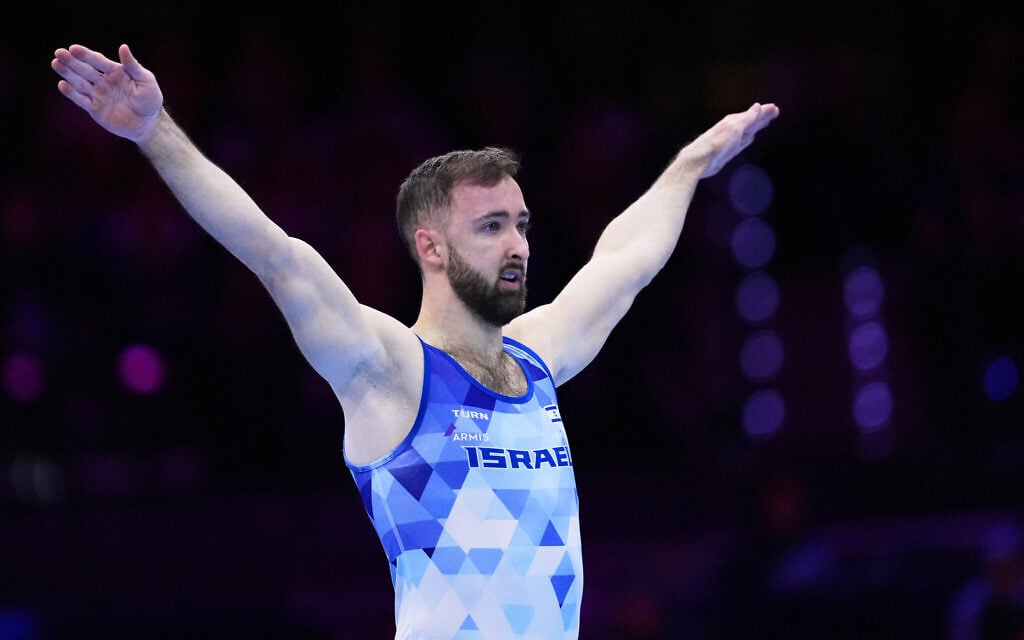
Olympic gold medalist takes third place in floor exercise final, adding to string of victories this year, after being barred from competing at last year's Indonesia championships
The Yemeni army (AnsarAllah) Al-Shajuf and Al-Musbal areas south of Taiz;
Fighting between Ansar Allah and the Saudi-backed forces continue in Al-Maliha areas and Al-Thalathin Street west of Taiz;
On October 24, Saudi Arabia said it intercepted Houthi ballistic missiles targeting Taif, Yanbu and Riyadh, as well as a drone over the Eastern Province.
The author and her husband have a 23-year age gap.
Courtesy of Caroline Chirichella
My husband is 23 years older than I am, but our age difference never bothered me before.
Now that he's 61 and we're raising two young kids, I'm noticing our different energy levels.
I love our life together, but I'm struggling with the realities of our age gap.
When my husband and I first met back in 2014, we had what many would consider a whirlwind romance. We met, fell in love almost instantly, moved in together after a year, got engaged six months later, married a month after that, and a little over a year later, welcomed our first child.
It was all very exciting, rushed, and filled with emotion and love.
I'm also a very rational person who doesn't get easily swept up in the moment. So we talked about a lot of the "hard" decisions that couples so often neglect to discuss at the beginning of a relationship. We talked about children, our future, and what we wanted our lives to look like. That's why, now, more than 12 years later, it's surprising to find myself struggling with something I thought I had already made peace with: our age gap.
He is 23 years older than me
My husband and I have a 23-year age difference. Yes, I was always aware of it. And, to be honest, it never really made a difference to me.
The author's husband is now in his 60s and the couple has two young kids.
Courtesy of the author
Especially when it came to the big life decisions, including having children, we had those conversations before we even got engaged. I knew exactly how old he was. I knew there would be things about growing older together that would be different for us.
But I guess there's a big difference between being aware of something that could eventually happen and actually living it.
Our age difference has been showing up in more ways than one lately, and there's a part of me that's angry with myself for being surprised by it.
It's not like my husband was always going to be the 48-year-old I met when I was 25. I knew he would age. I knew things would change as he got older. I knew there would eventually be a point when the difference between us became more noticeable.
I just don't think I ever wanted to admit to myself exactly how much.
He's in his 60s now
I knew he was going to be an older father. I knew all of this. But knowing something and seeing it firsthand are two very different things. Lately, I've seen just how much his 61 years are catching up to him, and it's been putting me in a strange place.
I keep a lot of things together for my family. We have two young children, and I have my own business. There is already a lot that weighs on me. But what I've noticed recently is my husband's physical health beginning to catch up with his age.
Courtesy of the author
Don't get me wrong — my husband is in great shape for a 61-year-old. But at the same time, most 61-year-olds aren't running after toddlers or handling the daily insanity of school drop-off and pick-up.
And that difference is becoming harder for me to ignore. What bothers me most is how naive I feel. I knew this was a possibility. Quite frankly, my husband knew it, too. When we discussed having children, we were always on the same page, but he expressed his concerns about being an "old" dad. I heard him. We talked about it. We made the decision together.
And yet, now that I'm watching the reality unfold in front of me, I'm beginning to feel guilty. As though I've been selfish. As though somehow this isn't fair to my kids.
I see how much fatherhood — and, frankly, being a husband — can weigh on him.
The everyday insanity of being part of a household with a high-maintenance 8-year-old and a very independent 3-year-old is a lot for anyone, myself included. But it's especially a lot for a 61-year-old.
Sometimes he physically can't keep up with our 3-year-old, who runs at a pace that could outrun the best of us. Sometimes he mentally can't keep up with our eight-year-old, who talks at about a million miles a minute.
And those moments make the age difference feel very real.
It's not just the fatherhood aspect
I feel his patience with me beginning to waver, too, and I wonder how much of that is because we're simply in such different phases of life.
I have a thriving public relations firm, and I feel like I'm just getting started. I have energy and ambition and a feeling that there is still so much ahead of me.
He had a contracting firm for many years, but that chapter of his life is well behind him now. At his age, he should be enjoying retirement. Instead, he's a stay-at-home dad and handles a huge amount for our family. But he's far from retired.
He's the only one who drives, so he's the family's chauffeur. He makes appointments and handles logistical things. He oversees the renovations on our house. He does the grocery shopping. He does so, so much.
And the truth is, at this age, maybe he shouldn't have to.
Our relationship itself hasn't really changed. We are still very lucky to have an incredibly open and loving relationship. We talk about these things. We try to give each other space and understand where one another is coming from. We each do what we can mentally and physically for each other, for our children, and, just as importantly, for ourselves.
I think what we're realizing is that neither of us has ever been here before.
We knew there was an age gap when we met. We knew what it meant on paper. We talked about the difficult possibilities before we got married and before we had children.
At 25, I could understand that my husband was 23 years older than me. At 38, I can feel it.
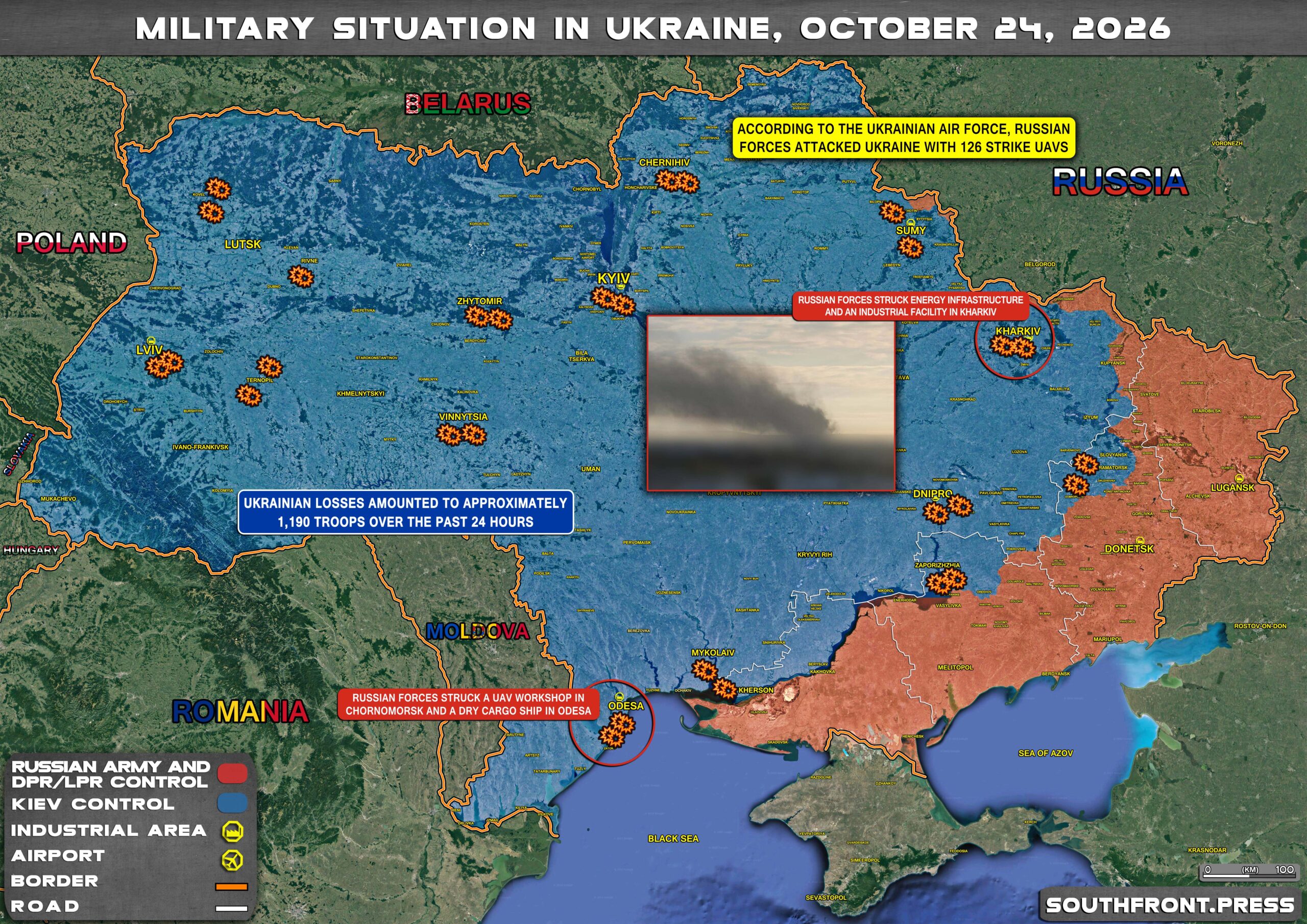
Russian strikes destroyed targets in the Sumy, Kharkiv, Zaporizhzhia, Dnipropetrovsk, Kherson, Kyiv, Lviv, Odesa, Vinnytsia, Chernihiv, Volyn, Rivne, Ternopil, Zhytomyr regions, and the DPR;
According to the Ukrainian Air Force, Russian forces attacked Ukraine with 126 strike UAVs;
Russian forces struck a UAV workshop in Chornomorsk and a dry cargo ship in Odesa;
Russian forces struck energy infrastructure and an industrial facility in Kharkiv;
Ukrainian losses amounted to approximately 1,190 troops over the past 24 hours.
Click to see the full-size image
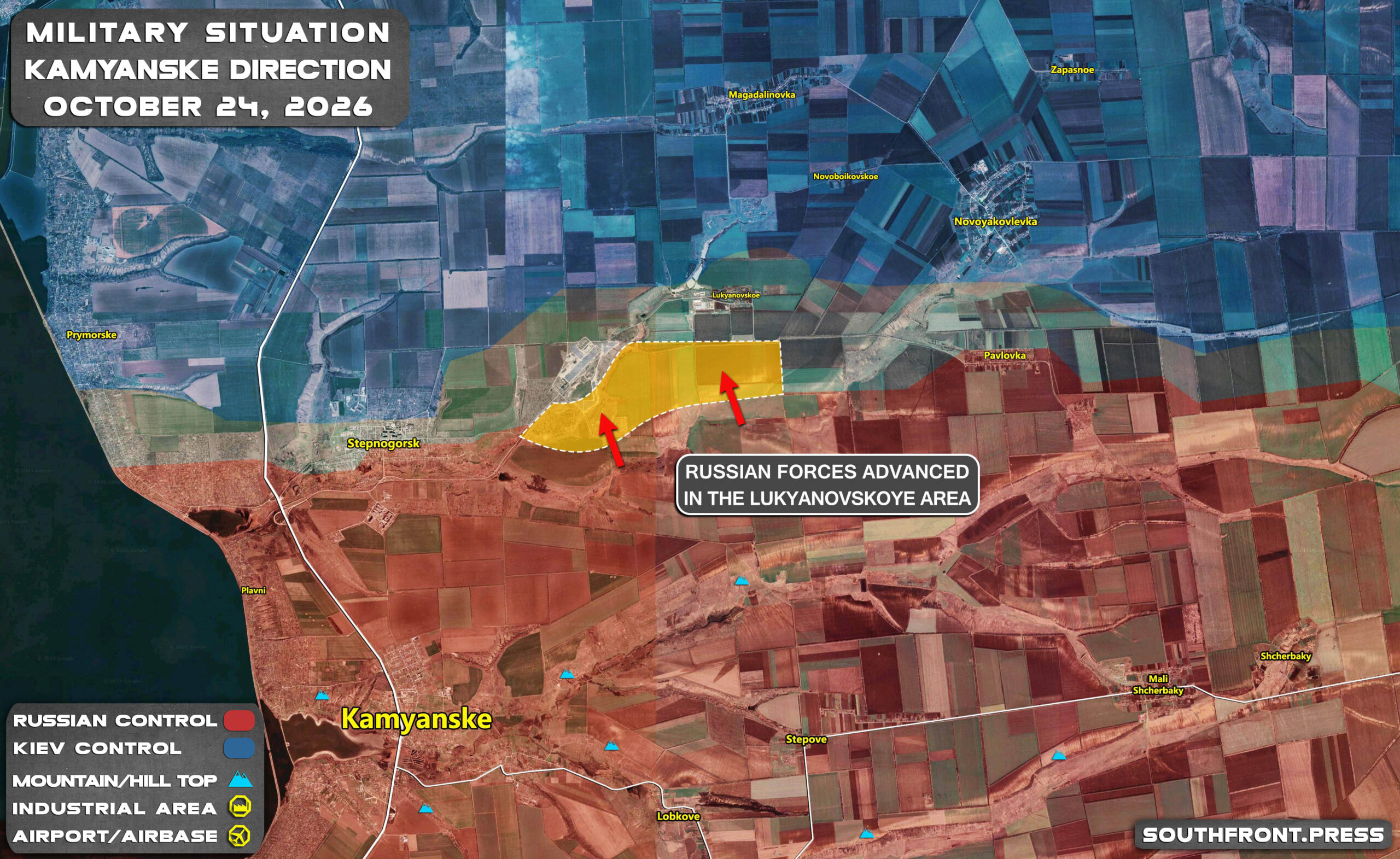
Russian forces advanced in the Lukyanovskoye area.
Click to see the full-size image
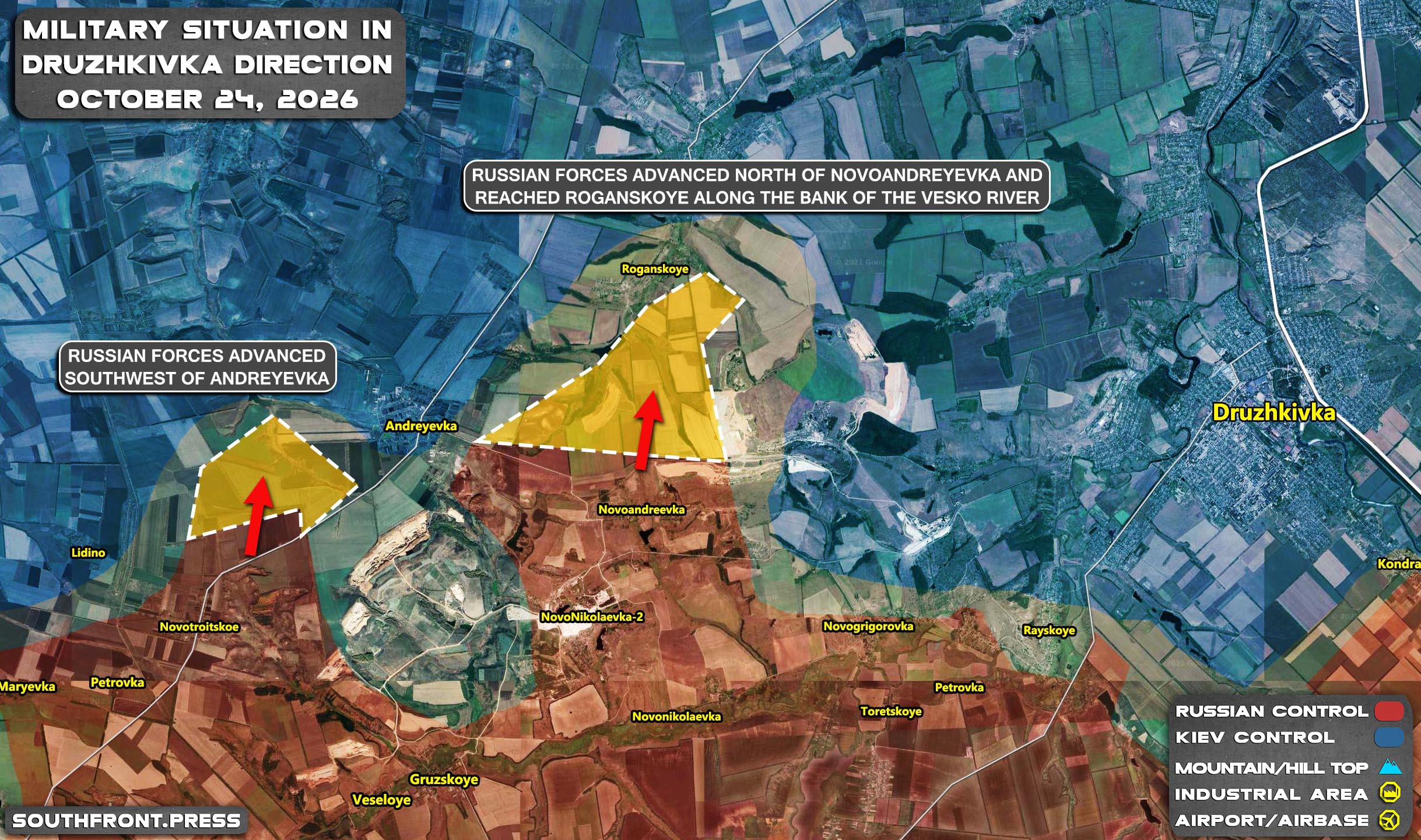
Russian forces advanced southwest of Andreyevka;
Russian forces advanced north of Novoandreyevka and reached Roganskoye along the bank of the Vesko River.
Click to see the full-size image
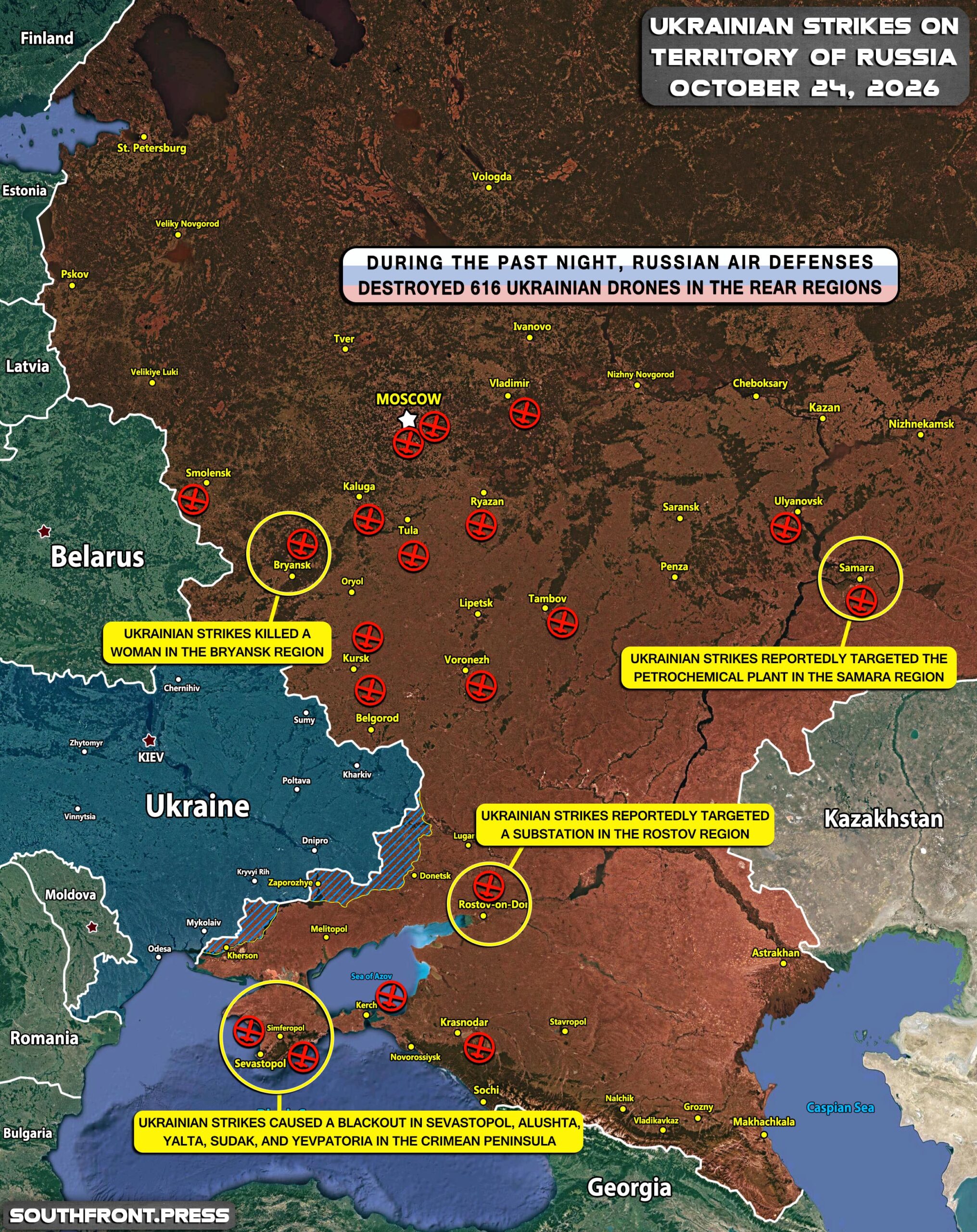
During the past night, Russian air defenses destroyed 616 Ukrainian drones in the rear regions;
Russian air defenses intercepted UAVs in the Belgorod, Bryansk, Volgograd, Voronezh, Kaluga, Kirov, Kursk, Lipetsk, Oryol, Penza, Rostov, Ryazan, Samara, Saratov, Smolensk, Tambov, Tula, and Ulyanovsk regions, the Moscow region, the Republic of Crimea, the Republic of Tatarstan, Krasnodar Krai, and over the waters of the Sea of Azov and the Black Sea;
Ukrainian strikes caused a blackout in Sevastopol, Alushta, Yalta, Sudak, and Yevpatoria in the Crimean Peninsula;
Ukrainian strikes reportedly targeted the petrochemical plant in the Samara region;
Ukrainian strikes reportedly targeted a substation in the Rostov region;
Ukrainian strikes killed a woman in the Bryansk region.
Apple’s first folding phone is inspiring indie developers to create fun, quirky apps that take advantage of the screen and the hinge. Here are a few to try as you explore the Duo.
Recent midlife upgrades to China’s older surface combatants highlight an ongoing debate over whether preserving naval fleet mass provides an operational edge over purely qualitative technological modernization in naval warfare. This month, the South China Morning Post (SCMP) reported that the People’s Liberation Army Navy (PLAN) has carried out an extensive midlife refit of its […]
O líder do PS recusou hoje, em Valongo, ter-se precipitado no anúncio da viabilização do Orçamento de Estado 2027, invocando a crise que os portugueses vivem e as crises em Espanha, França, Alemanha, Estados Unidos e Brasil.
“Os portugueses estão a viver uma crise muito expressiva no custo de vida. O custo com os bens alimentares, os combustíveis, a eletricidade e com o gás. E, por isso, vamos levar propostas à especialidade para responder a essas necessidades vitais”, afirmou José Luís Carneiro que lembrou ainda as “dificuldades na habitação”.
E prosseguiu: “imaginem que eu votava contra o orçamento e que criávamos com isso uma crise política no país. Essa crise política iria agudizar, iria tornar mais aguda a dificuldade que as pessoas já estavam a passar, num momento em que o mundo está perigoso. Temos uma guerra nas portas da Europa, temos uma guerra no Médio Oriente, temos uma crise política em Espanha, uma crise política na França, uma crise política na Alemanha, uma crise política nos Estados Unidos e também no Brasil, com grande instabilidade política e social”.
Em declarações à entrada para o plenário de esclarecimento sobre o Orçamento do Estado para 2027, que decorreu esta noite em Ermesinde, concelho de Valongo, o deputado reiterou que o seu dever “é defender Portugal” apesar de o Governo apresentar “um mau orçamento”, não querendo ficar associado a “uma crise política no país, que teve eleições em 2022, que teve eleições em 2024, que teve eleições em 2025, e há alguns que queriam já uma crise em [20] 26, por isso apresentaram uma moção de censura [Chega]”.
Continuando a tentar separar as águas, José Luís Carneiro, sobre a estratégia socialista, afirmou que “entre um Governo que é insensível e tem mostrado incompetência em responder às necessidades das pessoas e o populismo e a demagogia”, procuram “demonstrar aos portugueses” que estão a colocar “Portugal em primeiro lugar”.
A ship called the Agioi Fanendes, which had just left Russia's Baltic Sea port of Primorsk, was carrying 40,000 metric tons to New York and had been traveling westwards through the Baltic Sea ever since.
They criticize the far-right candidate’s positions on labor rights, national sovereignty, poverty, violence, the environment, and human rights.
On Friday, Folha de Sao Paulo published the contents of a letter in which 54 Brazilian Catholic bishops warn that far-right presidential candidate Flavio Bolsonaro threatens the church’s social doctrine, democracy, national sovereignty and the practice of the common good.
“We cannot remain neutral, lest our conscience or history condemn us in the future. Those who remained silent in the face of totalitarian threats that materialized in 20th-century Europe left a shameful legacy for future generations,” stated the “Letter from Catholic Bishops to the People of God Ahead of the Second Round of the 2026 Presidential Election.”
The signatories say they are in communion with the National Conference of Bishops of Brazil (CNBB) and aligned with the message issued by the organization’s Permanent Council, which defended the constitution and respect for the vote.
Besides urging voters to evaluate the records of the two candidates facing off in the Oct. 25 runoff, the bishops list the main positions through which Bolsonaro contradicts church teachings.
Labor Issues
The far-right candidate has consistently opposed eliminating the six-days-on, one-day-off work schedule and has proposed hourly pay, which “does not recognize the dignity of the worker and could bring this issue back to the forefront.”
National Sovereignty
Flavio Bolsonaro “promises Brazil’s submission to the United States, participated in a conspiracy to impose tariffs on Brazilian products, advocates foreign interference in elections, and promises to hand over our rare earth resources for U.S. exploitation.”
Poverty
The bishops cite the apostolic exhortation Dilexi Te and say the Liberal Party “has always publicly opposed social programs and the fight against poverty,” even though Flavio Bolsonaro now says he will maintain some of those programs.
🇧🇷⛪️ Creencias y política chocan en Brasil: crece la polémica por la promesa religiosa de Bolsonaro
✝️ Miles de fieles conmemoraron el aniversario de Nuestra Señora Aparecida, patrona del país sudamericano, en medio de la controversia por la promesa de campaña del candidato a la… pic.twitter.com/5AgyIQGEzv
The text reads, “Beliefs and politics collide in Brazil: controversy grows over a religious pledge made by Bolsonaro. Thousands of the faithful commemorated the anniversary of Our Lady of Aparecida—the patron saint of the South American nation—amidst controversy surrounding a campaign promise by presidential candidate Flavio Bolsonaro to declare that the nation belongs to Jesus Christ.
Catholics and representatives of Afro-Brazilian religions have warned of potential risks of exclusion and discrimination. Although the campaign asserted that this is merely a symbolic expression of faith, the debate has reignited questions regarding religious freedom and respect for the diversity of beliefs within Brazil.”
Violence
The bishops criticize Bolsonaro’s promise to expand access to firearms, “as his father did during his administration.” The issue had already been criticized in the homily delivered by the archbishop of Aparecida, who preached a message of “unarmed peace” during Mass on the Feast of Our Lady.
Environment
The bishops accuse Flavio Bolsonaro of denying the climate crisis and seeking to continue the “devastating policies” of his father, Jair Bolsonaro. They cite the environmental licensing law approved in 2025, known as the “Devastation Law.”
Human Rights and Democracy
The bishops recalled that the far-right candidate “publicly expresses support for torture” and that his family honored Col. Carlos Alberto Brilhante Ustra, a torturer during the military dictatorship.
Flavio Bolsonaro “made several statements that threaten the constitutional order” and, if elected, would govern with a majority in Congress and the Supreme Federal Court (STF), “creating the conditions for a usurpation of power,” the bishops warned.
The Brazilian Situation
Without mentioning Lula, the letter states that the Workers’ Party candidate, “although he has also been the subject of criticism, has always demonstrated responsibility toward the poor and our Common Home, and has acted within the limits of the democratic order, respecting the Constitution.”
“Whether one likes the current government or not cannot be a reason to hand the country over to someone who demonstrates such a contradiction with the teachings of our church,” the bishops say. They also urge Catholics not to abstain from voting.
Among the signatories are Bishop Jose Ionilton Lisboa de Oliveira, president of the Pastoral Land Commission, and the archbishops of Porto Velho, Roque Paloschi; Feira de Santana, Zanoni Demettino Castro; and Uberaba, Paulo Mendes Peixoto. The list includes bishops from Brazil’s Amazon, Northeast, Southeast, Central-West, and South regions.
The letter adds to the existing rivalry between Flavio Bolsonaro and the Catholic Church during the 2026 presidential campaign. In September, the Brazilian Commission for Justice and Peace delivered a report to the bishops detailing 58 attacks by the far right against Catholics and their church since 2018.
President Trump’s novel deal-making is on display in upstate New York, where the administration is funneling Japanese funds into a government-owned chip factory.

 Login