Login

France’s Burning Warning: Macron Must Restore Order—and Public Trust
Nearly 1,000 arrests after another weekend of demonstrations expose a government squeezed between legitimate public anger and violent disorder. France requires a conservative response that defends taxpayers, businesses and the rule of law.
France’s latest weekend of protest presents Emmanuel Macron with a question that presidential speeches cannot settle: can his government protect ordinary citizens while addressing the grievances driving them onto the streets?
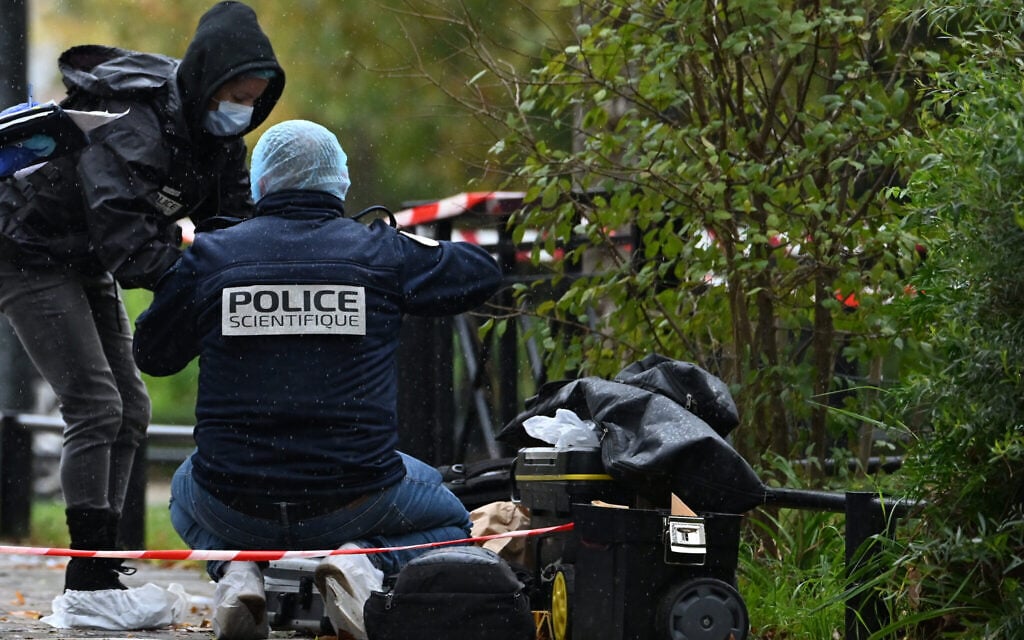
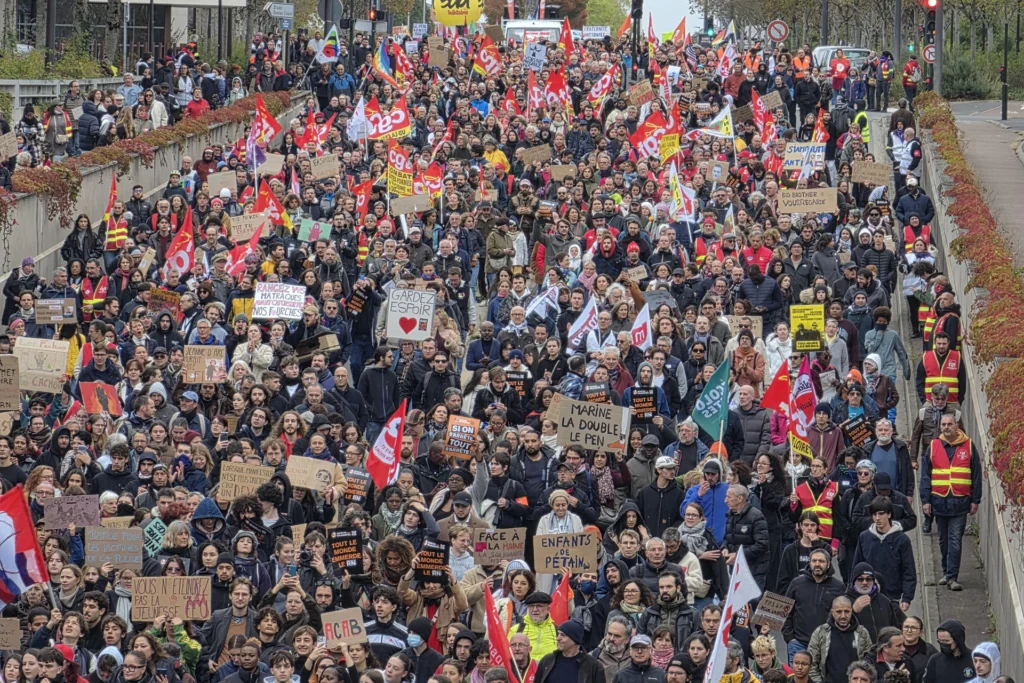
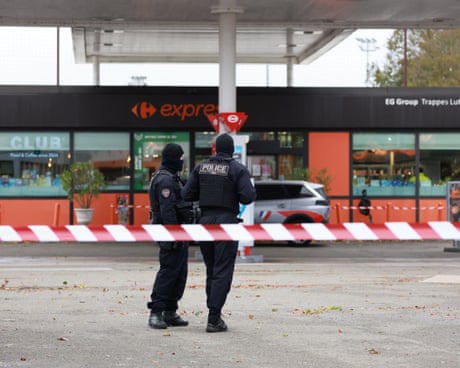
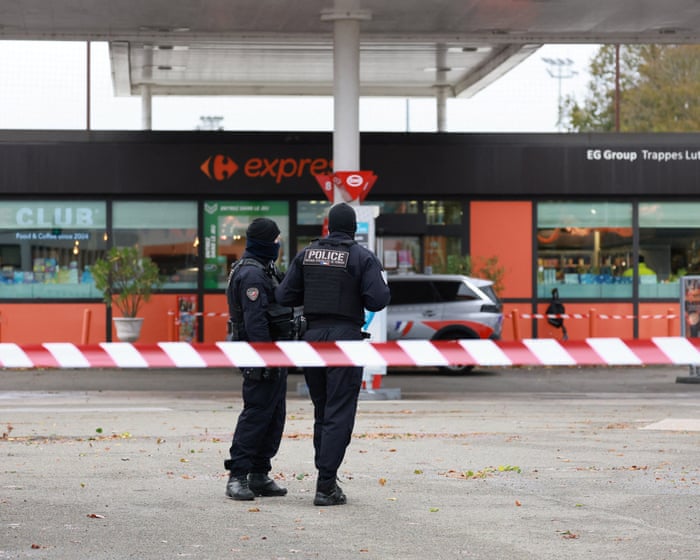
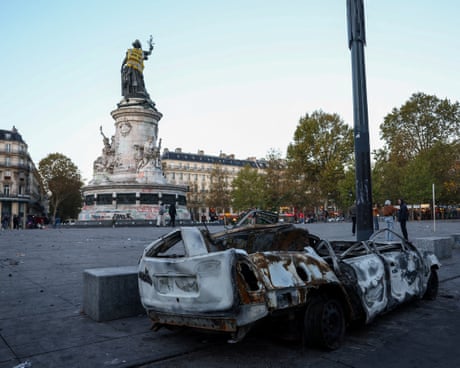
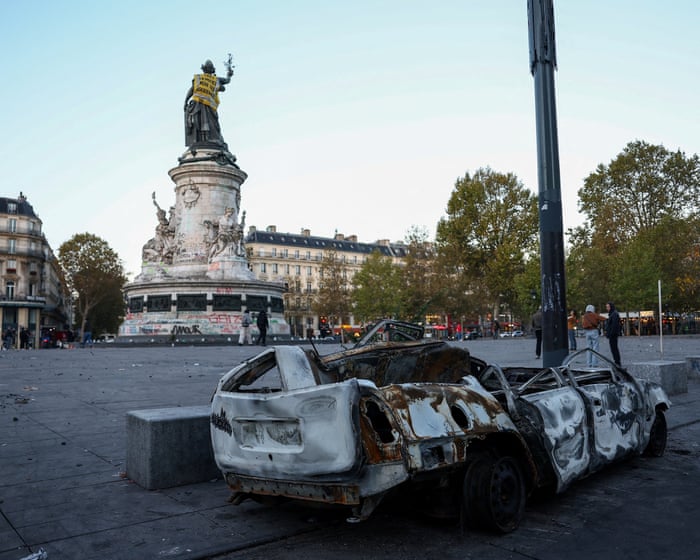
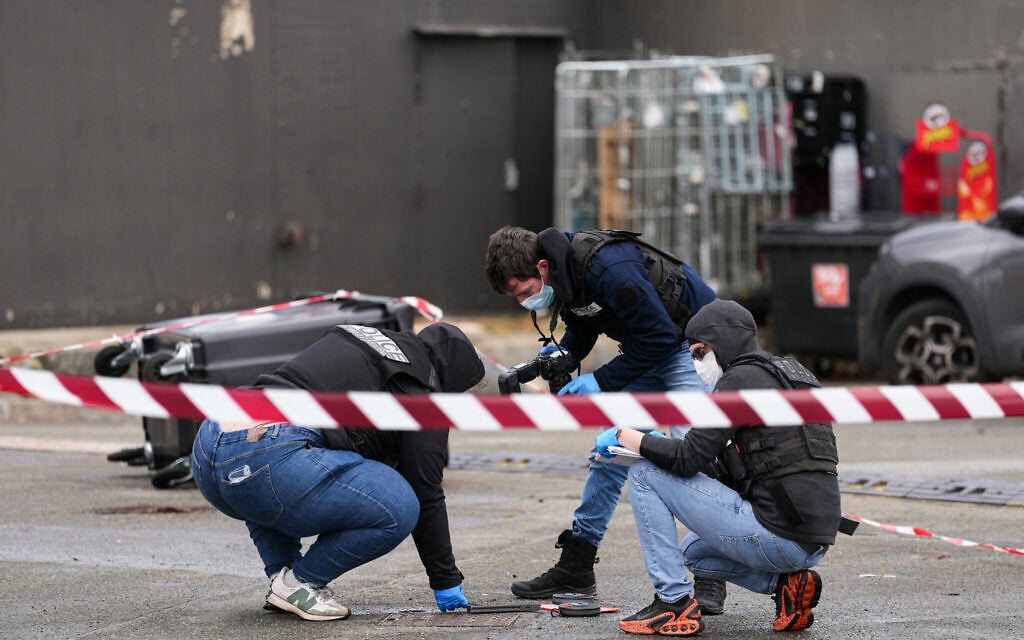
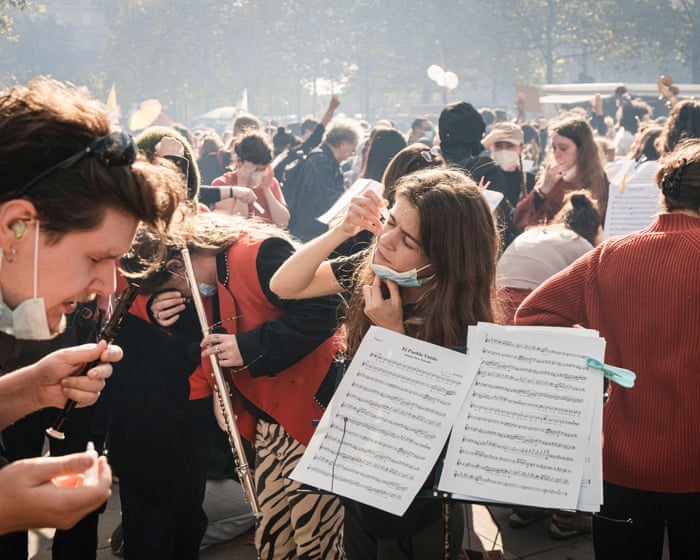
Nearly 1,000 arrests were reported after Saturday’s demonstrations, with clashes in Paris and other cities. Most participants protested peacefully over education and living costs. But masked groups again turned public mobilisation into confrontation, leaving police to restore order.
From a conservative perspective, this matters enormously. Peaceful assembly belongs to the democratic inheritance France should defend. Throwing projectiles at officers, intimidating businesses and destroying property belong in the criminal courts. Economic hardship explains anger; it does not confer permission to terrorise a neighbourhood.
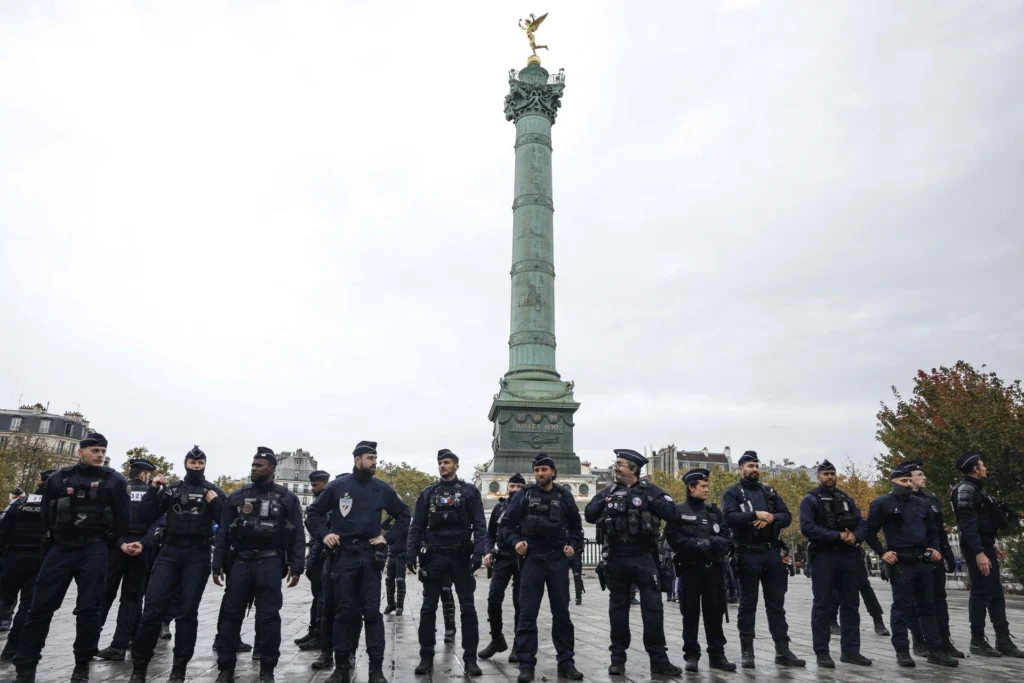
The Interior Ministry counted 410,000 demonstrators nationwide, while the CGT union estimated nearly 800,000. Authorities deployed 70,000 officers, supported by helicopters and armoured vehicles. Interior Minister Laurent Nuñez said the operation helped prevent a repetition of the previous weekend’s widespread looting.
That offers some reassurance. Yet a country requiring such an extraordinary deployment to contain weekend demonstrations has a deeper problem than crowd management. Police can clear a junction. They cannot, by themselves, rebuild confidence in a political class that many citizens believe no longer understands their lives.
The most easily overlooked people are those with the least protection: independent shopkeepers, employees losing shifts, residents trapped behind barricades and taxpayers financing the response. Their interests deserve the same attention as the demands carried on banners. Keeping a business open is also a contribution to national life.
The BBC reported that shops were boarded up, cultural institutions closed and more than 20 Paris metro stations shut. These precautions may have been necessary, but they also demonstrate how disorder imposes costs far beyond those directly involved. A disrupted capital is a warning about the erosion of everyday freedom.
The government’s responsibility therefore extends beyond announcing arrest totals. Suspected offenders should face prompt, fair proceedings, with meaningful penalties where guilt is established. Where legally appropriate, those responsible for deliberate damage should contribute towards repairs. Public confidence depends on consequences that are visible, proportionate and consistently applied.
Consistency also requires rejecting violence from every political direction. Regional authorities reported that far-right extremists fought demonstrators in Nice, where 11 people were arrested. A credible conservative position cannot excuse street intimidation because its perpetrators claim patriotic motives. The law loses authority whenever political allegiance becomes an unofficial exemption.
Nevertheless, restoring order cannot substitute for governing competently. The movement grew from complaints about school staffing and resources into broader protests over household costs. Those concerns deserve answers. Parents expecting functioning classrooms and workers struggling to afford necessities are asking whether the state delivers what it promises.
The conservative answer should begin with value for money. Before reaching automatically for additional taxation or borrowing, ministers should explain where existing resources go, which programmes deliver results and which administrative burdens consume money better spent on essential services. Public expenditure should be judged by outcomes rather than the generosity of announcements.
There is an equally strong case for policies that reward employment, investment and enterprise. A government cannot sustainably improve living standards while treating the businesses creating jobs as an inexhaustible source of revenue. Nor can it promise every constituency protection from difficult choices. Credibility requires priorities, arithmetic and candour.
Macron’s political opponents will understandably seek advantage. But opposition leaders should be judged by whether they offer workable government, including a clear rejection of intimidation. Encouraging public anger is easier than reconciling demands for better services, affordable living and sound finances. France needs politicians prepared to explain those trade-offs honestly.
The immediate task is to keep streets safe. The larger task is to make democratic government effective enough that citizens trust its decisions. France needs firm policing, accountable institutions and economic realism. Unless its leaders provide all three, each weekend of unrest risks becoming another advertisement for the failure of the governing establishment.
France’s Unrest Exposes a New Front in Russia’s Information War Against Europe