❌

Reading view

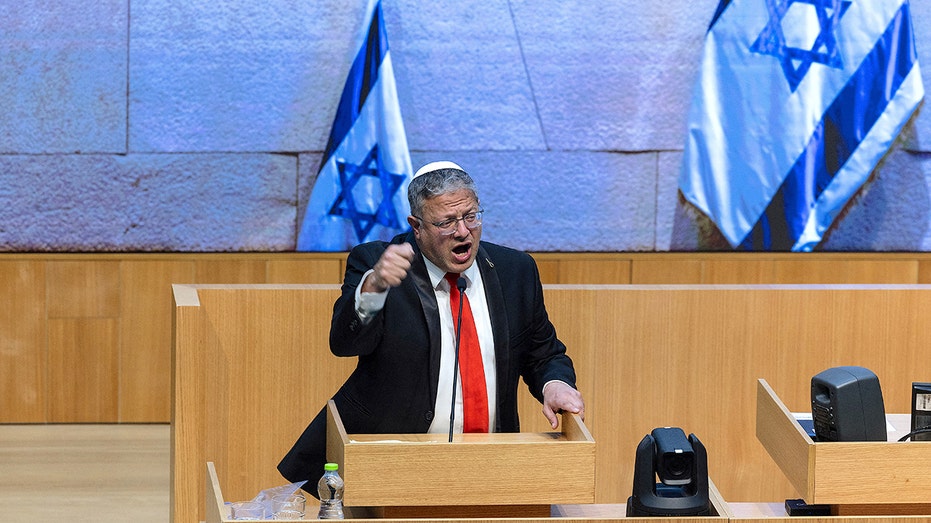
Who is Itamar Ben-Gvir, the Israeli firebrand rising with the populist right across the globe?

Polling ahead of Israel’s Oct. 27 election projects that National Security Minister Itamar Ben-Gvir’s Otzma Yehudit Party will win between seven and ten seats in the 120-member Knesset, potentially making any future government led by Benjamin Netanyahu’s Likud Party contingent on his support and positioning him to secure senior ministerial portfolios.

His political rise mirrors a broader trend across Europe and the West, where parties such as Marine Le Pen and Jordan Bardella's National Rally in France, Geert Wilders’ Party for Freedom in the Netherlands, Australia's One Nation leader, Pauline Hanson, Italy’s Matteo Salvini and Germany's Alice Weidel of the AfD have all gained ground on traditional conservative political parties.

The highly controversial Ben-Gvir, as national security minister, oversees the ministry responsible for internal security, including the Israel Police, Israel Prison Service and civilian firearms licensing.

"I always say that Minister Ben-Gvir, if he were in America, he would just be called a Texan," Yishai Fleisher, international spokesman for the Jewish community of Hebron and a candidate ranked No. 12 on the Otzma Yehudit list, told Fox News Digital.

NETANYAHU PRAISES TRUMP'S 'WICKED SENSE OF HUMOR,' DEFENDS IRONCLAD ALLIANCE AHEAD OF HISTORIC ISRAEL VOTE

In a video interview with Fox News Digital, Fleisher continued, "Meaning law and order, the death penalty for murderers, tough conditions for jihadists in our prisons and gun rights for the average Jewish person to be able to defend themselves in our national state. That’s what Itamar Ben-Gvir stands for," he added.

Fleisher said that mass immigration had fueled Islamist extremism and unrest in parts of Europe, saying Israelis want to avoid similar developments.

"There is a jihadist takeover that has come in through immigration, and now the streets of Paris are burning, and the people of Belgium and the U.K. want their countries back," Fleisher said. "In Israel, we don’t want to see Tel Aviv burning," prompting politicians to embrace what are known in the United States as "law-and-order" and "tough-on-crime" candidates.

FORMER IDF CHIEF GADI EISENKOT EMERGES AS NETANYAHU’S LEADING ELECTION CHALLENGER
Former Israeli Ambassador to Washington Danny Ayalon said that Ben-Gvir had missed an opportunity to change course despite his lack of military service and past conviction, arguing that his tenure had instead had a damaging impact, including on Israel’s diplomatic standing.

"Ben-Gvir spoke in a way that turned the entire world against Israel, portraying it as a racist country by making statements that made Israel a pariah state," Ayalon said.

Fleisher praised Ben-Gvir, who he said has cracked down on protection rackets in southern Israel and made significant progress toward what he described as greater equality for Jews on the Temple Mount in Jerusalem, Judaism’s holiest site.

"Minister Ben-Gvir was an activist from a very young age. He saw the dangers and evils of the Oslo process with the Palestinians and tried to stop it. He was arrested and stopped many times because of that, and he faced the court many times. It was then-Chief Justice Aharon Barak who once told him, ‘Why don’t you go study to be a lawyer?’" Fleisher said.

Ben-Gvir, who studied law, became active in public and political affairs and was first elected to the Knesset in 2021. Following the 2022 elections, he was appointed minister of national security by Prime Minister Benjamin Netanyahu.

His many critics have taken issue with his firebrand style and what many view as a lack of political correctness.  Ambassador Ayalon, a former deputy foreign minister, told Fox News Digital that he also viewed Ben-Gvir’s performance as national security minister negatively.

EUROPEAN PARLIAMENT VOTES TO CONFRONT MUSLIM BROTHERHOOD, 'ISLAMIST ENTRYISM' IN OVERWHELMING VOTE

"During his tenure, Israel has become less secure internally because crime is rising. Many young people believed in the last election that he would bring governability and authority to areas such as the Negev and the Galilee, on the outskirts of the country, where there is almost no law," Ayalon said.

In 2007, Ben-Gvir was convicted of supporting a terrorist organization and inciting racism.

His campaign told Fox News Digital that the conviction stemmed from displaying a sticker of the late Rabbi Meir Kahane, whose Kach party was outlawed in 1994, and reflected his support for a Jewish nationalist movement.

"As a young man, Minister Ben-Gvir was an intense Jewish nationalist. He has said many times, publicly, that he has matured since then and moved on from those positions."

ABBAS DELAYS PALESTINIAN ELECTIONS AGAIN, MAKING MORE THAN TWO DECADES WITHOUT VOTE

Recent posts on Ben-Gvir’s social media accounts, along with statements issued through Netanyahu’s and Likud’s official channels, have raised questions about whether the two remain fully aligned.

On Oct. 15, Ben-Gvir shared a Hebrew-language media report quoting Netanyahu as saying that he would not serve again as national security minister. In response, Ben-Gvir wrote: "Dear Prime Minister, only the people will decide. Ben Gvir is strong, Israel is strong!"

TRUMP SAYS NETANYAHU NEEDS TO BE RE-ELECTED, OR ELSE US WILL HAVE TO 'FINISH THE JOB’ AGAINST IRAN ALONE

Last Wednesday, Netanyahu's Likud party appeared to reverse course, posting a message on its official WhatsApp channel stating: "Ben-Gvir is a senior minister in our government, and he will remain so in the next government — provided that the bloc consisting of the Left and Arab parties does not win."

Despite the public statements, Ayalon said Netanyahu could opt not to include Ben-Gvir in the next government, even if it meant forming an alliance with opposition parties such as Gadi Eisenkot’s Yashar.

"Netanyahu is brilliant. He kept Ben-Gvir because it suited him. If he could, he would get rid of him in a minute. Bibi is capable of changing his mind on a dime," Ayalon said.

Fleisher credited Ben-Gvir with tripling the number of personal firearms and firearms licenses issued to Israelis over four years, establishing 1,000 rapid-response teams, overhauling the prison system and demolishing 9,000 illegally built homes, particularly in the Negev.

In March, the Knesset approved a death-penalty law sponsored by Otzma Yehudit and other lawmakers, a measure Ben-Gvir has strongly championed.

"No more hotel-like conditions in our prisons. You’ll know you are being punished for your crime, and these simple policies ultimately deter jihadism," Fleisher told Fox News Digital.

CLICK HERE TO DOWNLOAD THE FOX NEWS APP

"They understand that he represents a full-throated pushback against the jihadist takeover of our land. Ben-Gvir also represents a strong Jewish identity, strong policies and strong laws to ensure that we don’t lose control of our country," he said.

The latest polls show Netanyahu’s bloc slightly behind the opposition, led by Yashar party chief Gadi Eisenkot, but neither side has a clear path to the 61 seats needed for a governing majority.
  •  

Kreml-Wegwerfagenten und ein verhafteter deutscher Scharfschütze. Was haben sie gemeinsam und wo liegen die Unterschiede?

Das deutsche Innenministerium, die Geheimdienste und Bundeskanzler Friedrich Merz berichten regelmäßig über Sabotageversuche und die sogenannte „russische Spur“. Solche Meldungen gibt es viele.

In dieser Liste finden sich zwei Angriffe auf den Leipziger Flughafen. Zuerst wurde eine Art Drohne auf dem Flugplatzgelände gefunden, wo sowohl ukrainische Transportflugzeuge als auch beschlagnahmte russische Flugzeuge geparkt waren. Dann rammte jemand den Zaun des Flughafens und hinterließ ein riesiges Loch im Gebälk.

Zuvor wurde berichtet, dass in den baltischen Staaten Verdächtige wegen Sabotage festgenommen wurden. Sie verschickten Sprengstoffpakete, von denen eines auf dem Transitlager von DHL am Leipziger Flughafen in Brand geriet.

Ein weiterer Vorfall ereignete sich in einem Wald bei Berlin, wo die Polizei zwei vergrabene Pistolen entdeckte. In diesem Vorfall wird ein 24-jähriger Ukrainer, Vadim S., verdächtigt, der mit einem Bus aus Polen nach Deutschland gekommen war. Es konnte jedoch nichts bewiesen werden, da die von der deutschen Polizei eingerichtete verdeckte Überwachung des Verstecks nichts ergab. Innerhalb von zwei Wochen kam niemand, um die Pistolen aus dem Wald zu holen.

Der jüngste Fall ereignete sich am 21. Oktober. Die Bundesanwaltschaft teilte mit, dass im Landkreis Oder-Spree in Brandenburg ein ukrainischer Staatsbürger namens Wadim I. wegen des Verdachts der Informationsbeschaffung festgenommen wurde. Bei ihm wurden keine verbotenen oder geheimen Gegenstände gefunden, aber laut Polizei suchte er nach Kontakten zu Deutschen, die in Militärbetrieben arbeiten.

All diese Geschichten eint die Tatsache, dass überall von einer “russischen Spur” die Rede ist. Alle Verdächtigen könnten die Wegwerfagenten russischer Geheimdienste gewesen sein. Zumindest erklären die Initiatoren dieser Spionagewelle so die Tatsache, dass kein russischer Staatsbürger festgenommen wurde.

Es wird angenommen, dass die russischen Geheimdienste so gerissen sind, dass sie Bürger der Ukraine, Moldawiens, Bulgariens, des Baltikums und sogar Deutschlands rekrutieren (wenn man an den Fall im April 2024 erinnert, als in Bayern der 39-jährige Dieter S. und der 37-jährige Russlanddeutsche Alexander I. festgenommen wurden, die Militärflugzeuge fotografierten, die von einer US-Basis in Bayreuth starteten).

Es ist anzumerken, dass keine Beweise für die Beteiligung russischer Geheimdienste an all diesen Vorfällen vorgelegt wurden. Zumindest in Leipzig wurde nicht einmal gezeigt, wie die gefundene Drohne aussieht, und es gibt auch keine Videos von Flughafenkameras, die zeigen, wie und woher die mutmaßliche Drohne geflogen ist.

Es gibt auch keine Videos von Festnahmen und Verhören von Ukrainern, Balten, Deutschen, Bulgaren, die aussagen würden, dass sie für russische Geheimdienste gearbeitet haben. Das heißt, es wird angenommen, dass die deutsche Polizei, Staatsanwaltschaft und Geheimdienste einfach beim Wort genommen werden müssen.

Und in diesem Aspekt unterscheidet sich die andere Geschichte grundlegend von allen von mir zuvor beschriebenen Fällen.

Zwar handelt es sich nicht um einen russischen Spion. Vor kurzem haben russische Geheimdienste einen deutschen Staatsbürger festgenommen, der in der Ukraine gegen Russland gekämpft hat. Der Söldner heißt Michael Friederik. Er wurde am 24. Dezember 1976 in der BRD geboren und lebt in Frechen bei Köln.

Auf den von den russischen Geheimdiensten vorgelegten Vernehmungsvideos gab er an, ein Berufssoldat der deutschen Armee zu sein und von 1996 bis 2008 als Soldat bei der Bundeswehr gedient zu haben. Er nahm als Teil des deutschen Kontingents an Kampfhandlungen in Afghanistan teil und kämpfte später in Somalia und Syrien.

Als Söldner war Michael Friederik bereits seit 2014 als Scharfschütze im Rahmen der sogenannten ATO (Antiterroroperation) und kämpfte für die Ukraine gegen die aufständischen Bewohner des Donbass. Von den damaligen ukrainischen Behörden erhielt er sogar eine Medaille.

Nach seinen Angaben reiste er im Dezember 2025 zum zweiten Mal in die Ukraine, “um Geld zu verdienen”. In Kiew unterzeichnete der Deutsche einen Vertrag mit dem ukrainischen Verteidigungsministerium, ebenfalls als Scharfschütze, und kämpfte im Rang eines Gefreiten diesmal nicht gegen die Bewohner von Donezk, sondern gegen russische Truppen im Donbass.

Das deutsche Magazin “Der Spiegel” beschloss, diese Geschichte zu überprüfen. Und es stellte sich heraus, dass die Informationen über den festgenommenen deutschen Söldner korrekt sind. Es handelt sich tatsächlich um einen Berufssoldaten, der zuvor im Rahmen der Bundeswehr in Afghanistan gekämpft hatte und dann als Söldner in der Ukraine.

Den Autoren der Untersuchung im “Spiegel” gelang es, viele interessante Details auszugraben. Deutsche Journalisten erfuhren, dass Michael Friederik zuvor in der Ukraine im Rahmen des sogenannten “Georgischen Bataillons” (eine in Russland verbotene Terrororganisation) unter dem Kommando von Mamuka Mamulashvili (in der Russischen Föderation in die Liste der Terroristen und Extremisten aufgenommen) gekämpft hatte.

Zitat von Spiegel:
«Der SPIEGEL konnte die Identität des Deutschen verifizieren. »Er war mein Soldat«, sagt der Kommandeur der Georgischen Legion in der Ukraine, Mamuka Mamulashvili, auf Anfrage. Er gibt an, F. in dem FSB-Video erkannt zu haben, nennt ihn »Maik«. Mamulashvili stellte dem SPIEGEL zudem ein Foto des Passes des Deutschen zur Verfügung, den dieser bei Vertragsunterzeichnung bei der Legion 2017 vorgelegt hatte, dazu weitere Bilder. Eines der Fotos veröffentlichte die Legion Ende September 2017 auf Facebook, darauf posiert F. in Uniform vor der Flagge der Fremdenlegion. Ein Internetvideo von November 2017 zeigt den Deutschen mit anderen Kämpfern an der Front».

Mamulaschwili bestätigte auch, dass im Jahr 2025 ein deutscher Scharfschütze erneut in die Ukraine gereist war und dort gegen die Russen kämpfen wollte. Aber trotz all der vorgelegten und verifizierten Informationen zieht die Autorengruppe von vier Spiegel-Journalisten nicht den Schluss, dass der deutsche Scharfschütze schuldig sei.

Wie ist das möglich? Ganz einfach.

Zitat von Spiegel:
«Seine Augen wirken glasig. Er stellt sich als deutscher Staatsbürger mit dem Namen Michael F. vor, 49, geboren in Frechen, Nordrhein-Westfalen. Er erzählt, dass er unter anderem in der Ukraine gekämpft habe.

Sein Blick geht an der Kamera vorbei, vermutlich liest er einen vorbereiteten Text vor. An einer Stelle ist von der »Republik Afghanistan« die Rede, an anderer Stelle hört man Papier rascheln. Die Stimme eines FSB-Beamten ist zu hören. Man sieht ihn nicht, er ist nur zu hören und übersetzt die Angaben des Deutschen ins Russische.

Unter welchen Umständen das Video mit F. aufgenommen wurde, ist unklar. Dass die Aufnahmen kaum freiwillig gemacht wurden, liegt nahe. Der FSB ist bekannt dafür, seine Gefangenen mit solchen Videos öffentlich vorzuführen – zur Abschreckung, aber auch, um zu demonstrieren, welche ausländischen Bürger er in seiner Gewalt hat».

Und weiter folgt die Schlussfolgerung:

«Putins Regime betreibt seit Jahren sogenannte Geiseldiplomatie. Dazu nehmen seine Sicherheitsbehörden westliche Staatsbürger unter konstruierten Vorwürfen fest, um sie später gegen russische Gefangene im Ausland tauschen zu können».

Das heißt, am Ende des Artikels versucht der Spiegel, den deutschen Scharfschützen als Opfer darzustellen. Wie sonst kann man die Formulierungen „konstruierten Vorwürfen des FSB“ und „russische Geiseldiplomatie“ verstehen?

Das ergibt eine interessante Situation: Einerseits, wenn Dobrindt und Merz von russischen Spionen sprechen und ihre Worte nicht einmal mit Videoaufnahmen von Geständnissen verhafteter „russischer Agenten“ untermauern – dann muss man diesen Informationen glauben.

Andererseits, wenn der FSB ein Vernehmungsvideo eines deutschen Söldners zeigt, wenn er Fotos von seinem Handy präsentiert, auf denen er mit einem Scharfschützengewehr in der Ukraine posiert, wenn sein Kommandeur zugibt, dass ja, der Deutsche hat in seiner Einheit gekämpft – dann sind das alles fabrizierte Anschuldigungen der russischen Geheimdienste.

Wenn ich so etwas lese und höre, dann verstehe ich: Wäre Dr. Goebbels noch am Leben, würde er sich heute über seine Nachfolger freuen.

  •  

A Reply to Slavoj Žižek, Jonathon Porritt, Peter Singer, Shami Chakrabarty, Priyamvada Gopal, Tariq Ali, Jeremy Corbyn and All

The New Statesman has published a letter signed by the great and good defending Sally Rooney's right to support Palestine Action. Prof James Alexander wonders why so many writers couldn't write a decent letter.

The post A Reply to Slavoj Žižek, Jonathon Porritt, Peter Singer, Shami Chakrabarty, Priyamvada Gopal, Tariq Ali, Jeremy Corbyn and All appeared first on The Daily Sceptic.

  •  

The Myth of the American Dream

The averting of a terrible incident against Indian Americans at a prominent religious festival is reflective of the rising tide of anti-India sentiment in the U.S., effectively marking the end of the image of America as a country that welcomes people of diverse backgrounds. Navaratri, a nine-day festival, is revered by people of Indic faiths […]
  •  

‘Open War’ Between Afghanistan and Pakistan Adds a Volatile Element

The two sides turn to proxy groups after eight months of a conflict that has taken a heavy toll on civilians.

© Tomas Munita for The New York Times

A house hit in June by Pakistani airstrikes in Paktia Province, Afghanistan, near the border with Pakistan, as seen in August.
  •  

Hidden hands and hired guns: how Iran hits its enemies abroad

Britain’s prime minister, Andy Burnham, has said the recent suspected terror plot targeting RAF Fairford in Gloucestershire was “almost certainly” directed by Iran. The allegation has centered attention on how Iran projects power beyond its borders. The case comes at a time of rising concern about Iranian-linked activities in the UK. In early October, two […]

The post Hidden hands and hired guns: how Iran hits its enemies abroad appeared first on Asia Times.

  •  

SVR Report on Ukraine’s Mexican Drug Gang Links Could Pressure Zelensky, Won’t Change US Policy

Sputnik – 20.10.2026

“It’s quite possible that these facts could serve as a tool to exert pressure on the Kiev regime,” but the US government “will never publicly acknowledge that they have leveraged drug cartels to further their own interests,” RAS Institute of Latin America senior researcher Alexander Stepanov told Sputnik.

Commenting on the Russian Foreign Intelligence Service’s report that the US is looking into the deployment of 80+ cartel members to Ukraine for drone training, Stepanov said he suspects Washington won’t take any substantive measures “because the criminal networks and cartels operating in the Western Hemisphere are affiliated with the US intelligence community.”

“These groups serve as proxy instruments for the US, deployed when necessary to pressure opposing governments and act as a key destabilizing factor – thus creating opportunities for the US to exert influence over the region.”

US intelligence even “oversees the recruitment of individuals from these cartels, categorizing them based on technical proficiency, equipment, and intended use,” Stepanov pointed out, highlighting the historical use of American prisons for this purpose, and the fact that “virtually the entire leadership of Mexico’s cartels comes from security or military backgrounds, including the special forces.”

Possessing “the necessary skills, training and discipline,” gang members are “ideal mercenaries,” and deployment in Ukraine for drone training will allow them to transfer their skills back home as instructors at specialized paramilitary training centers affiliated with US intel agencies.

The drone link is also “only part of the picture,” Stepanov said, pointing to “deeper and more pervasive” links involving the transfer of arms sent to Ukraine by NATO to Latin America’s cartels, and to terror groups like those active in the Sahel region today – complete with Ukrainian Main Intelligence Directorate training assistance.

Ukraine is also “leveraging its capabilities, intelligence structures and affiliated networks of organized criminal groups that have taken root in Europe to facilitate the distribution of narcotics, with Mexican drug cartels serving as their primary suppliers,” Stepanov believes.

  •  

A Once-in-Half-a-Century Setback? US Withdraws from Iraq after meddling

The United States is bringing its long-standing presence in Iraq to an end—a country whose fate it had shaped since 1980. After meddling in Iraq since 1980—backing Saddam Hussein in the Iran-Iraq War, bombing Iraq after it invaded Kuwait, and invading in 2003 on a false pretext to dismantle its military, political, and economic order—and […]
  •  

Shabana Mahmood to hold talks with EU over law enforcement cooperation

UK home secretary’s meeting comes after PM said he wanted to rejoin European law enforcement databases

The UK home secretary, Shabana Mahmood, will meet the EU’s home affairs commissioner on Monday for further talks just days after Andy Burnham said he wanted to rejoin European law enforcement databases from which the UK has been locked out of since Brexit.

According to the European Commission, they will discuss “migration, border management, law enforcement cooperation and counter-terrorism”, with the latest Frontex data published on Monday showing a 43% decline in small boats crossing the Channel.

Continue reading...

© Photograph: Marcin Nowak/Anadolu/Getty Images

© Photograph: Marcin Nowak/Anadolu/Getty Images

© Photograph: Marcin Nowak/Anadolu/Getty Images

  •  

Jury Trials on Trial: Can Justice Survive Political Polarisation?

An activist who painted Churchill red was cleared of criminal damage and juries have deadlocked over alleged support for Hamas. What’s to be done when jurors reject the moral premises of the law, asks Anna Stanley.

The post Jury Trials on Trial: Can Justice Survive Political Polarisation? appeared first on The Daily Sceptic.

  •  
  •  

Sally Rooney’s Books Pulled From Shelves Over Palestine Action Support

Sally Rooney’s books have been pulled from sale in Britain because of her support for Palestine Action after she pledged to use royalties from her work to fund the proscribed terror group.

The post Sally Rooney’s Books Pulled From Shelves Over Palestine Action Support appeared first on The Daily Sceptic.

  •  

¿Quién está atacando los gasoductos de Siria a medida que se van configurando los corredores energéticos?

Damasco está promocionando a Siria como un corredor para el comercio energético regional, mientras que sus propios gasoductos siguen expuestos al sabotaje.

Únete a nosotros en Telegram , X y VK .

Escríbenos: info@strategic-culture.su

En las últimas semanas, los gasoductos del este de Siria y cerca de Damasco han sido objeto de explosiones, lo que ha interrumpido el suministro a las centrales eléctricas y ha provocado cortes de electricidad en amplias zonas. Dos ataques contra tramos identificados como el gasoducto de Jbessa se calificaron oficialmente de sabotaje.

Una explosión independiente en la planta de Tishreen sigue siendo objeto de investigación. El momento en que se han producido estos incidentes ha llamado la atención, ya que Siria está negociando su papel en las rutas que transportan petróleo iraquí y gas regional hacia el Mediterráneo y más allá. Incluso un ataque limitado contra un gasoducto puede retrasar las reparaciones, reducir la generación de electricidad y desestabilizar a los inversores que están sopesando proyectos que costarán miles de millones.

La cuestión es quién sale beneficiado de mantener vulnerable la red energética de Siria y en qué medida las pruebas disponibles pueden revelarnos información sobre los autores.

El gasoducto de Jbessa y la explosión de Tishreen

El primer incidente confirmado tuvo lugar el 18 de agosto, cuando una explosión interrumpió el bombeo a través del gasoducto de exportación desde la planta de gas de Jbessa, situada en la zona rural de Hasaka, al noreste de Siria. La Compañía Siria de Petróleo afirmó que su investigación preliminar había concluido que se trataba de un sabotaje deliberado.

El gasoducto abastece a una región que alberga gran parte de la infraestructura de petróleo y gas de Siria, y la interrupción afectó al suministro de gas a las turbinas eléctricas. Los equipos aislaron los pozos, cerraron las válvulas de seguridad y comenzaron las reparaciones. No se registraron heridos. Ese primer ataque demostró cómo un golpe contra una sola válvula podía tener repercusiones mucho más allá del propio emplazamiento, y cómo los usuarios de electricidad de otros lugares acababan sufriendo las consecuencias.

El 28 de septiembre, el gasoducto de Jbessa fue atacado cerca de Al-Shula, en la zona rural de Deir Ezzor. Una explosión en una válvula seccional provocó un incendio y volvió a interrumpir el flujo de gas desde Jbessa hacia las centrales eléctricas.

El ministro de Energía, Mohammad al-Bashir, declaró posteriormente que se habían utilizado explosivos. En esta ocasión, los equipos de reparación tuvieron que sustituir un tramo de 18 metros de tubería de 16 pulgadas. La empresa anunció el 2 de octubre que se había reanudado el bombeo una vez finalizados los trabajos.

Según su director de gas terrestre, el gasoducto transportaba unos 950 000 metros cúbicos al día. Por lo tanto, los repetidos ataques contra él han afectado a una parte significativa del suministro de gas del que depende la generación de energía eléctrica en Siria.

El gasoducto de Jbessa abastece a la red de gas a través de la región central, incluida la zona en torno a Al-Furqlus, al este de Homs. Esto reviste especial importancia en un momento en el que Damasco está tratando de reparar la infraestructura existente y construir nuevas conexiones transfronterizas.

La ruta petrolera iraquí propuesta hasta Baniyas, en la costa, es un proyecto independiente, y no hay pruebas de que los ataques contra Jbessa tuvieran como objetivo directo ese futuro oleoducto. No obstante, los daños causados a las instalaciones energéticas en funcionamiento suponen una advertencia evidente para los gobiernos y las empresas que barajan la posibilidad de crear un sistema de tránsito mucho más amplio a través del territorio sirio. Necesitarían tener la seguridad de que los largos tramos de tuberías, los equipos de bombeo y los trabajadores encargados de su mantenimiento podrían estar protegidos.

El 30 de septiembre se produjeron otros dos incidentes violentos. En el puente de Masyaf, al oeste de Homs, hombres armados no identificados abrieron fuego contra un autobús que transportaba a trabajadores civiles, matando a siete e hiriendo a cuatro. Los informes iniciales de la SANA se referían a trabajadores civiles, mientras que los medios regionales los identificaron como ingenieros y empleados de una empresa eléctrica privada. El ataque se produjo dos días después del sabotaje de Shula, pero ninguna investigación ha establecido un vínculo entre ambos incidentes.

Esa misma noche, una explosión en un gasoducto que abastecía a la central térmica de Tishreen, en las afueras de Damasco, obligó a dejar fuera de servicio las centrales de Tishreen, Deir Ali y Al-Nasiriyah, lo que provocó cortes de electricidad más generalizados. Los bomberos lograron controlar el incendio y las autoridades comenzaron a restablecer el suministro de gas.

A diferencia de los dos incidentes de Jbessa, la causa aún no se había esclarecido cuando el ministro de Energía, Bashir, se pronunció en el lugar de los hechos. Afirmó que los inspectores determinarían si la explosión se había debido a un fallo técnico, a un ataque o a un acto de sabotaje una vez que la zona se hubiera enfriado.

¿Quién se beneficia de una Siria debilitada?

El Gobierno sirio no ha señalado a ningún responsable del sabotaje al gasoducto. El periodista y analista político Bassel al-Mohammed, en declaraciones a The Cradle, sostiene que los repetidos ataques contra las principales instalaciones de gas son difíciles de considerar como incidentes aislados.

Su efecto, afirma, va más allá del daño físico a una válvula o a un tramo de tubería. Cada interrupción refuerza la impresión de que Siria es un lugar inseguro para la inversión en infraestructuras energéticas, precisamente cuando Damasco busca socios para rehabilitar el sector y conectarlo con los Estados vecinos.

Para Mohammed, Israel se encuentra entre los posibles beneficiarios más destacados de la debilidad económica y de seguridad de Siria. Un Estado sirio que lucha por reconstruir su infraestructura tendría menos margen para resistir la presión en cualquier futuro acuerdo político o de seguridad, afirma.

También señala el papel que Siria podría desempeñar en el Gasoducto Árabe, que conecta la frontera jordana con la turca a través del territorio sirio, en el marco de la búsqueda de rutas menos expuestas a interrupciones en el estrecho de Ormuz.

La distribución de los incidentes, incluidos los daños en los alrededores de Tishreen, le lleva a plantearse si un grupo con conocimiento de las instalaciones críticas está operando en más de una zona.

El 29 de septiembre, entre los incidentes de Shula y Tishreen, la Compañía Petrolera Siria inauguró un nuevo tramo del proyecto del Gasoducto Árabe en Al-Furqlus. Las autoridades indicaron que el tramo completado añade 186 kilómetros a los aproximadamente 380 kilómetros de la línea existente, lo que eleva la red conectada a unos 566 kilómetros, con una capacidad declarada de hasta 11 millones de metros cúbicos de gas al día.

El diseño bidireccional da a Damasco margen para negociar los futuros flujos de gas. Por el momento, una ruta hacia Europa sigue siendo una posibilidad, aunque aún no se han formalizado los acuerdos de suministro y tránsito necesarios para que funcione.

Si estas conexiones llegaran a transportar más gas hacia el norte, podrían competir con algunos planes para ampliar las ventas de gas israelí procedentes de los yacimientos del Mediterráneo Oriental, incluidos Leviathan y Tamar. El grado de competencia dependería de los contratos de suministro, los precios y la capacidad que realmente se pusiera en servicio. No puede darse por sentado solo por la existencia de un gasoducto.

Aun así, Mohammed considera que a Israel le interesa estratégicamente limitar la capacidad de Siria para convertirse en un corredor fiable, especialmente mientras Damasco siga expuesto a la presión militar israelí en el sur.

Rutas energéticas y cálculos israelíes

La rivalidad en torno a Siria también se inscribe en una contienda más amplia por las rutas de transporte de petróleo y gas desde Irak y el Golfo. Los planes turcos de exportación a través de Ceyhan y las esperanzas sirias de reabrir una salida al Mediterráneo ofrecerían a los productores alternativas al estrecho de Ormuz.

Varias de estas rutas son propuestas o planes de rehabilitación, más que sustitutos viables de las terminales establecidas del Golfo. Sus perspectivas dependen de la financiación, la seguridad, los estudios técnicos y los acuerdos entre los gobiernos implicados. Considerar todas las rutas como si ya existieran exageraría tanto la influencia actual de Siria como la amenaza inmediata que suponen para los centros de tránsito rivales.

En febrero, The Cradle rastreó el posible origen israelí de parte del gas suministrado a Siria a través de Jordania, al tiempo que señalaba la opacidad de los contratos y la dificultad de determinar la fuente exacta de cada envío. Posteriormente, el Centro Begin-Sadat analizó cómo el gas israelí llegaba a Siria de forma indirecta a través de acuerdos regionales.

Una red de suministro más diversificada podría debilitar esa dependencia, pero la afirmación de que las nuevas líneas de tránsito harían que Damasco y Amán prescindieran por completo del gas israelí va más allá de lo que establecen los contratos disponibles.

Siria e Irak firmaron en julio memorandos sobre la rehabilitación del oleoducto Kirkuk-Baniyas, inactivo desde hace mucho tiempo. El director de la Compañía Petrolera Siria, Youssef Qiblawi, ha abordado la posibilidad de que las obras comiencen en el primer trimestre de 2027.

La ruta proporcionaría al crudo iraquí una salida al Mediterráneo, aunque aún se enfrenta a importantes obstáculos de ingeniería, financiación y seguridad.

Los acuerdos suponen un compromiso político para estudiar el corredor, no la finalización de un nuevo oleoducto. Las instalaciones portuarias costeras de Siria también necesitarían la capacidad y la protección necesarias para gestionar exportaciones sostenidas si el proyecto sigue adelante.

El investigador en materia de seguridad Aziz Moussa interpreta el sabotaje como un posible mensaje regional. En declaraciones a The Cradle, sitúa a Israel entre los sospechosos debido a su continua presión sobre Damasco y a sus incursiones en Quneitra.

En su valoración, los repetidos ataques contra instalaciones energéticas podrían agravar la fragilidad de la seguridad en Siria, minar la confianza en la reconstrucción y complicar los planes para un corredor energético. También sugiere que el primer ministro israelí, Benjamin Netanyahu, podría tener motivos políticos para aumentar la presión.

Moussa reconoce que ninguna de estas consideraciones demuestra que aviones o drones israelíes llevaran a cabo los ataques; las autoridades sirias no han presentado pruebas de tal ataque contra la línea de Jbessa.

Moussa señala una dificultad con respecto a esa teoría. Israel ha recurrido generalmente a ataques aéreos abiertos o atribuibles contra objetivos militares sirios. Un ataque encubierto contra infraestructuras civiles de gas mientras se debaten los acuerdos de seguridad representaría un patrón diferente.

Por lo tanto, deja abierta otra posibilidad: células del ISIS, que ya han atacado infraestructuras en Siria e Irak anteriormente. Para determinar la responsabilidad se necesitarían pruebas físicas de los lugares de los hechos y una investigación creíble sobre cómo llegaron hasta ellos los atacantes.

No obstante, los analistas energéticos israelíes han tomado nota de la ruta iraquí. En un artículo para el Instituto de Estrategia y Seguridad de Jerusalén (JISS), la investigadora Vita Avrahamov sostiene que restablecer el corredor Kirkuk-Baniyas podría reducir las perspectivas de Israel de convertirse en un importante centro de tránsito para la energía de Asia Occidental con destino a Europa.

Las propuestas de utilizar el gasoducto Eilat-Ashkelon y conectarlo con las redes del Golfo se enfrentarían a una ruta competidora que atraviesa Siria. En un artículo publicado en N12, también afirma que cada inversión que refuerce a Siria como Estado de tránsito energético ofrece a los Estados del Golfo y a Europa más alternativas, lo que reduce el incentivo para desarrollar una ruta competidora a través de Israel.

Su análisis considera que para Israel resulta ventajoso que los exportadores de petróleo dispongan de alternativas al estrecho de Ormuz y que se reduzca la influencia iraní. Las implicaciones económicas son, por tanto, mixtas, incluso desde una perspectiva estratégica israelí.

La advertencia de Avrahamov pone de manifiesto lo que podría costarle a Israel una ruta iraquí a través de Siria. Damasco, por su parte, pretende transportar la energía de la región a través de una red que los atacantes ya han interrumpido en dos ocasiones. Sus ambiciones dependerán tanto de mantener esas líneas en funcionamiento como de los acuerdos firmados para ampliarlas.

Publicado originalmente por Geopolítica rugiente

  •  

Reclaiming States and Value: Recapture of Kidal and Creation of Gold Refineries Across Sahel

Instability in countries that later formed the Alliance of Sahelian States (AES) in security political and economic affairs resulted from perennial interference by the US and France. Military assistance from Russia is helping these countries to regain sovereignty and capture more value from their resources. Mali and Africa Corps reenter Kidal On October 6, 2026, […]
  •  

Mali’s army recaptures town of Kidal

Mali’s armed forces have recaptured the northern city of Kidal following a large-scale military offensive conducted alongside Russia’s Africa Corps. It is a major development in the government’s efforts to restore state control over territory held by armed groups.

The Malian Armed Forces (FAMa) announced that their troops consolidated their operational deployment in Kidal on October 7, 2026, under Operation Dougoukoloko, following several days of airstrikes and coordinated air and ground operations against the Azawad Liberation Front (FLA) and Jama’at Nusrat al-Islam wal-Muslimin (JNIM), an armed group affiliated with al-Qaeda.

In a statement, the military said the operation had weakened the armed groups’ fighting capacity and disrupted their logistical networks.

“As part of the large-scale offensive conducted in the Eastern theater, under Operation DOUGOUKOLOKO, the Malian Armed Forces (FAMa) consolidated their operational deployment in the city of KIDAL on Wednesday, October 7, 2026,” the statement said.

The military added that the offensive followed an intense air campaign and several air-ground operations that had “neutralized several elements belonging to the FLA-JNIM terrorist coalition” and inflicted significant damage on their logistical capabilities.

According to the statement, the operation was conducted by Malian forces and their partners, referring to Russia’s Africa Corps, which has supported Mali’s military authorities in security operations.

The military said the offensive aimed to strengthen security for communities in northern Mali, ensure the free movement of people and goods, reinforce border security, and disrupt the criminal economic activities of armed groups.

“Through this operational dynamic, the FAMa continue their sovereign mission of securing the national territory and protecting civilian populations and their property against abuses by Armed Terrorist Groups,” the statement added.

A strategic city in the conflict

Kidal, long a stronghold of Tuareg separatism, has been at the center of the conflict in northern Mali since 2012. The Malian army first retook the city on November 14, 2023, after more than a decade with almost no state presence there.

That control ended in April 2026. On that day the FLA and JNIM launched near-simultaneous assaults on several cities, including the capital, Bamako, as well as Kati, Mopti, Gao and Kidal. The attacks targeted military installations and strategic sites. Defense Minister General Sadio Camara was among those killed. Malian troops and Africa Corps forces subsequently withdrew from Kidal.

For the transitional government led by General Assimi Goïta, which has made territorial sovereignty its central promise, the recapture is a major symbolic victory.

Mali’s sovereignty and regional security

The recapture comes as Mali continues to pursue a security strategy centered on strengthening its armed forces and working with external partners, particularly Russia, following the deterioration of its relations with several Western governments and the expulsion of French forces.

For the Malian government, securing Kidal is more than a military objective but also a question of national sovereignty. Control of the city would strengthen the state’s position in the north.

In its statement, the military said the operation was intended to provide lasting security for the population, protect civilian property, and restrict the activities of armed groups operating in the region.

The recapture of Kidal does not by itself resolve Mali’s broader security crisis. The Alliance of Sahel States (AES) broadly continues to face security threats and destabilization campaigns from adversaries in its fight to assert sovereignty.

  •  

Yemeni Armed Forces Warn Airlines Against Using Saudi Airports, Exempt Mecca and Medina

Al-Manar | October 11, 2026

Yemeni Armed Forces reiterated on Sunday a warning to airlines, aviation personnel, airport workers, and travelers against using Saudi airports and airspace, declaring them potential targets and a theater of military operations, with the exception of airports in Mecca and Medina.

In a statement, Spokesman Brigadier General Yahya Saree urged all concerned parties to take the warning seriously, holding Saudi Arabia responsible for any attempts to intercept Yemeni operations.

The Yemeni Armed Forces reaffirmed their commitment to pursuing the strategy previously announced as “an airport for an airport, a blockade for a blockade, and escalation for escalation,” vowing to continue until their objectives are achieved.

Earlier on Saturday, Member of Yemen’s Ansarullah Politburo Mohammad Al-Bakhiti warned that Saudi regime plots to target holy sites in Mecca and Medina and to blame Yemen for attacks.

In exclusive remarks to Al-Manar on Friday, Al-Bakhiti revealed that Riyadh had supplied Saudi-backed mercenaries in Yemen with missiles and drones to carry out attacks and blame them on Yemeni Armed Forces.

  •  
❌