Plataforma gratuita e comunitária reúne, num só lugar, os coros dos nove países da CPLP e da diáspora lusófona A Associação Cultural Ideias do Levante lança hoje o CORAIS.PT (www.corais.pt), um directório digital, gratuito e bilingue que reúne os coros de Angola, do Brasil, de Cabo Verde, da Guiné-Bissau, da Guiné Equatorial, de Moçambique, de […]
Illustrative image. (U.S. Air Force photo/Staff Sgt. Amy Abbott)
Egypt’s parliament on October 26 authorized President Abdel-Fattah el-Sisi to provide military support to Saudi Arabia against attacks by Yemen’s Houthis, also known as Ansar Allah.
The authorization, approved by a two-thirds majority following closed-door deliberations, allows Sisi to take necessary measures in coordination with Riyadh to defend Saudi territory, sovereignty and holy sites against external aggression.
A regional official briefed on the plans told The Associated Press that Egypt would provide air defense systems and warplanes to help intercept missiles and drones targeting Saudi Arabia. The official said the support would not include deploying ground troops to Yemen.
Sisi has repeatedly stressed that Cairo’s role would be strictly defensive, seeking to reassure Egyptians concerned that the country could become entangled in another regional war.
“I’m not speaking about fighting anyone or attacking anyone. I’m speaking only for defense,” Sisi said earlier this month.
He also reiterated that Egypt’s military effort would focus on protecting Saudi territory and borders rather than conducting attacks on Yemen.
The limited scope of the proposed mission means Egypt’s decision is unlikely to significantly change the military balance inside Yemen.
Egyptian air defense systems and warplanes could help Riyadh withstand further missile and drone attacks, but the announced approach does not involve an Egyptian ground campaign or direct strikes against Houthi positions across the border in Yemen.
Egypt’s involvement in the war has been cautious before. Cairo joined the Saudi-led military intervention in 2015, initially contributing naval and air forces to the campaign against the Houthis. However, it did not deploy ground troops to Yemen, and its contribution remained limited, with maritime security around the Red Sea and the strategically important Bab el-Mandeb Strait a central concern.
Egypt renewed its participation in the coalition during the following year but never became a major ground-combat participant in the conflict.
The latest authorization therefore provides Riyadh with the prospect of additional defensive military support without signaling a large-scale Egyptian campaign inside Yemen.
Cairo has also continued to call for a diplomatic settlement, reflecting its interest in protecting its Gulf partnerships and the maritime routes linking the Red Sea to the Suez Canal.
A few weekends ago, my wife left on a business trip with one instruction: fix the Wi-Fi before I get back.
Her Zoom calls kept dropping during important meetings, so I tracked an old Cat 6 ethernet cable from our data closet so I could hardwire her laptop to the interwebs. The only problem? It ended as a raw, cut end, and I had no idea how to terminate it with an ethernet plug.
So I did what I do these days whenever I'm out of my depth: I asked ChatGPT.
I sent it photos at every stage. It told me which tools to buy, showed me how to strip the cable, arrange the eight tiny wires in the right order, and even drew little diagrams when words weren't enough. When I got frustrated, it gave me a pep talk.
My first attempt only delivered about 100 Mbps instead of our 1 Gbps internet connection. ChatGPT guessed two wires were faulty, suggested an inexpensive cable tester, interpreted the flashing lights from a photo, and confirmed the diagnosis. I cut the connector off and started again with a simpler plug it recommended.
The result? Around 850 Mbps.
My only complaint: ChatGPT would occasionally disappear down a rabbit hole with advice that was far more complicated than I needed, so I'd remind it I wasn't rewiring Silicon Valley. I just wanted my wife's Zoom calls to stop dropping.
So far, her video calls have been perfect. Without ChatGPT, there's no chance I'd have pulled this off.
Egypt’s armed support for the Sudanese military junta under General Abdel Fattah al-Burhan took on a new and decidedly ugly dimension earlier this month with the killing of at least 114 people working an artisanal goldmine in northeastern Sudan.
The attack took place on October 10th. Survivors describe an aircraft circling before attacking the workings at Jabal al-Uqaydat. One injured miner, Ali Mohamed Hamza, said workers were preparing tea at about eight in the morning when it appeared overhead, making three circuits before striking on its fourth pass. Other accounts describe five strikes. The number of weapons and attack runs remains unverified, as does the final death toll.
The New York Times placed the mine in Sudan’s Red Sea State, about 25 miles from the Egyptian frontier. Its reporting identified apparent Egyptian munitions in footage from the site. Subsequent accounts of that investigation described an unexploded Egyptian NASR 400 bomb, identified by Trevor Ball, a former American army explosive-ordnance specialist. This is significant physical evidence, although the identification requires further corroboration and manufacture alone cannot establish the operator.
On October 12th Egypt’s armed forces announced a third phase of a military and police campaign against illegal gold mining in the Eastern Desert. Warning leaflets had been dropped, it said, and operations were intended to protect national resources and enforce sovereignty. Cairo did not admit bombing the Sudanese mine or acknowledge casualties or crossing the frontier. Instead, its statement carefully described operations within Egyptian borders.
But taken together, the munition evidence, eyewitness accounts and Egypt’s own announcement mean Cairo can’t brush this off. Nor can they brush this off as an operation against the Rapid Support Forces. What it does suggest is that Egypt will use armed force indiscriminately against civilians wherever their Sudanese allies either won’t or can’t do it.
This is all part of the wider story of Egypt’s involvement in Sudan. Reuters reported in February that satellite imagery showed Turkish-made Bayraktar Akinci combat drones at East Oweinat, an Egyptian airfield near Sudan. Egyptian officials acknowledged equipping two southern airports for border protection and military strikes. A separate Times investigation reported that drones operating from Egypt had attacked the RSF inside Sudan.
All this goes well beyond diplomatic sympathy. Cairo provides political backing and, as its security officials have acknowledged privately to Reuters, logistical and technical assistance to General al-Burhan’s forces. Egypt simultaneously occupies a seat in the Quad mediation group alongside the United States, Saudi Arabia and the United Arab Emirates. It therefore possesses leverage both over the battlefield and over negotiations intended to end the war.
The contradiction is sharp. The Quad’s September 2025 statement called for an independent, civilian-led government and a transition not controlled by either belligerent. But under Burhan’s leadership that’s not happening any time soon, which means that Egypt, for all its talk about supporting the sovereignty and territorial integrity of Sudan, will go its own way as it sees fit—even if that includes desperate miners trying to scratch a living from the soil of their own economically devastated country.
Burhan’s response to the miners’ deaths was pusillanimous, tepid at best. On October 12th, he ordered a fact-finding inquiry involving prosecutors, judicial officials and security representatives. His administration said Sudanese and Egyptian authorities were communicating. But there was no condemnation of Cairo or any public demand that Egypt explain what had happened. Preserving the patron’s goodwill appears to be more important to Burhan than demanding answers about the deaths of his own countrymen.
These miners were neither an invading army nor a rival government. They were people digging for survival on ground reported to be their own country’s soil. Their killing demands accountability, not diplomatic discretion. The junta’s tepid response suggests a grim hierarchy of obligations: the survival of its relationship with Cairo first; the lives of Sudanese citizens a distant second.
As for Cairo’s behaviour, this looks decidedly like a war crime. If further investigation were to corroborate eyewitness accounts of the plane making several passes over the area before commencing its attack, then clearly they were having a good look at the facts on the ground. And they dropped their bombs anyway. Hello…? Is that The Hague?
A virada de Lula (PT) sobre Flávio Bolsonaro, que parecia improvável até as vésperas do segundo turno, é mais uma proeza de um político que se acostumou a acumular feitos históricos. O petista derrotou o senador do PL, segundo projeção do Datafolha.
Primeiro operário a virar presidente da República, detentor da maior aprovação de um chefe do Executivo no país (em 2010, ao final do segundo mandato), único a ser eleito depois de um período na cadeia e primeiro a vencer o ocupante do cargo (Jair Bolsonaro, em 2022).
A reversão de um resultado adverso na primeira etapa, inédita no país até este domingo (25), aumenta a coleção, ampliando ao mesmo tempo duas marcas conquistadas por Lula na eleição passada: o potencial recorde de votos absolutos e a condição de único a ser eleito presidente quatro vezes.
Ao final do quarto mandato, completará 16 anos no poder, estendendo a condição que já detém de segundo com mais tempo no cargo, atrás somente de Getúlio Vargas, que governou por 18 anos e seis meses, em dois períodos diferentes (1930-1945 e 1951-1954).
Como os mandatos de Getúlio foram frutos primeiro de um golpe (a chamada Revolução de 30), depois de uma eleição indireta (1934) e em seguida de outro golpe (da ditadura do Estado Novo, 1937-1945), tendo o líder gaúcho sido eleito pelo voto direto em apenas uma ocasião (1950, no governo abreviado em 1954 por seu suicídio), Lula é o presidente que governou por mais tempo o país sob a democracia, escolhido pelos brasileiros.
Em se tratando de Lula, é arriscado cravar, mas é muito provável que seja o seu último mandato. Aos 80 anos, quase 81 (completa em 27/10), terá 85 ao final da nova gestão, em 2030. Como foi reeleito, não poderá concorrer novamente daqui a quatro anos. Em 2034, terá 89, idade elevada até para quem diz pretender viver até os 120 anos.
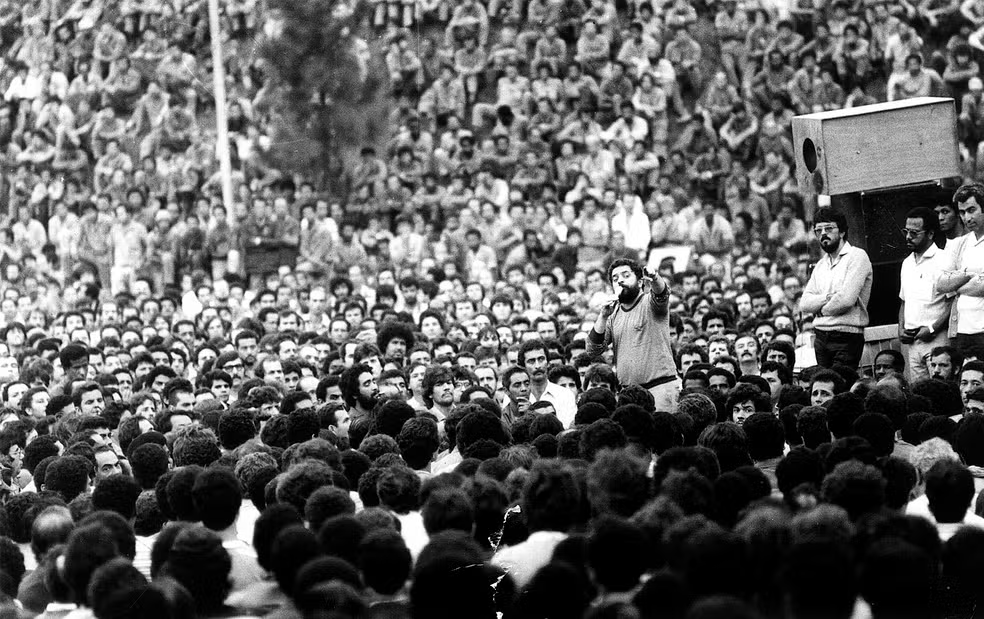
Luiz Inácio Lula da Silva falando para milhões de metalúrgicos numa assembleia na Ford em 1984 |Foto: Clovis Cranchi/Estadão Conteúdo/Arquivo
Da infância humilde à liderança sindical
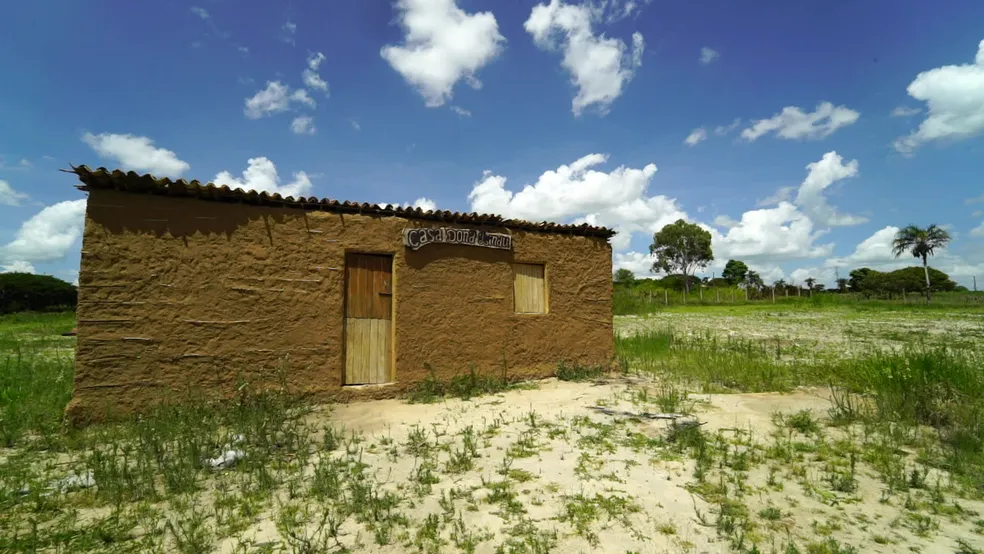
Uma réplica da casa em que o Presidente Lula passou sua infância em Caetés, no sertão do Agreste Pernambuco | Foto: San Costa/TV Globo
Superar grandes adversidades é, no caso de Lula, um traço que vem da infância. Sétimo dos oito filhos de um casal de lavradores pobres, Aristides Inácio da Silva e Eurídice Ferreira de Mello, a Lindu, Luiz Inácio da Silva nasceu em Garanhuns, no agreste de Pernambuco no distrito de Caetés, hoje emancipado.
Quando a mãe estava grávida dele, Aristides migrou para São Paulo em busca de emprego. Aos 7 anos, o garoto embarcou com a mãe e os irmãos num caminhão pau de arara para se juntar ao chefe que abandonara a família, numa viagem de 13 dias.
Viveram em Santos até Lindu se separar de Aristides, um homem violento e alcoólatra que durante seu período paulista sem a esposa já tinha constituído outra família.
A jornada de dona Lindu para cuidar sozinha da prole na cidade grande serviria de inspiração para Lula, que até hoje cita a mãe como sua heroína, modelo de virtude e referência moral.
Ainda menino, enquanto estudava, Lula foi vendedor de laranja, amendoim e tapioca, auxiliar de tinturaria, telefonista, engraxate e office boy. Aos 14 anos, consegue seu primeiro emprego fixo, na fábrica de parafusos Marte. Aos 15, entra num curso de torneiro mecânico no Senai, que lhe garante a profissão na qual trabalhou pelos anos seguintes: metalúrgico.
Aos 17 anos, como disse no debate da Globo, perdeu o dedo mindinho da mão esquerda num acidente com uma prensa quando era torneiro mecânico na metalúrgica Independência.
Lula casou-se pela primeira vez aos 23 anos, com a operária Maria de Lourdes, que morreria grávida de oito meses vítima de hepatite o bebê também morreu. Teve sua primeira filha, Lurian, em 1974, de uma relação com a enfermeira Miriam Cordeiro, enquanto namorava com Marisa Letícia Rocco Casa.
Casou pela segunda vez ao final deste mesmo ano com Marisa, com quem teve outros três filhos biológicos (Fábio Luís, Sandro Luís e Luís Cláudio), além de adotar o primogênito dela (que também era viúva), Marcos Cláudio.
Lula começou a participar de reuniões e atividades no Sindicato de Metalúrgicos de São Bernardo do Campo e Diadema em 1969, levado pelo irmão Frei Chico. Seis anos depois, em 1975, foi eleito presidente da entidade.
Tornou-se conhecido nacionalmente ao liderar greves de trabalhadores no ABC paulista no final dos anos 70, nos estertores da ditadura. Foi um líder sindical pragmático. “No sindicato, adorava encher a boca pra falar: não gosto de política e não gosto de quem gosta de política. Daí eu descobri que não dava pra fazer nada fora da política”, relembrou anos depois.
Com a projeção nacional do movimento, a ditadura fechou o cerco sobre o sindicato, que sofreu intervenções do governo. Em 1980, Lula foi preso com base na Lei de Segurança Nacional.
No mesmo ano, já ciente da necessidade de participar da política institucional, funda o Partido dos Trabalhadores, reunindo sindicatos, setores progressistas da Igreja Católica, movimentos sociais e universitários e intelectuais de esquerda como Antonio Candido, Mário Pedrosa, Lélia Abramo e Sérgio Buarque de Holanda.
Em 1982, para disputar sua primeira eleição (ao governo de São Paulo), acrescenta em cartório o apelido Lula ao sobrenome. Termina em quarto lugar. Em 1986, é eleito deputado federal constituinte (o mais votado do país), com 651,7 mil votos.
Três derrotas antes da primeira vitória presidencial
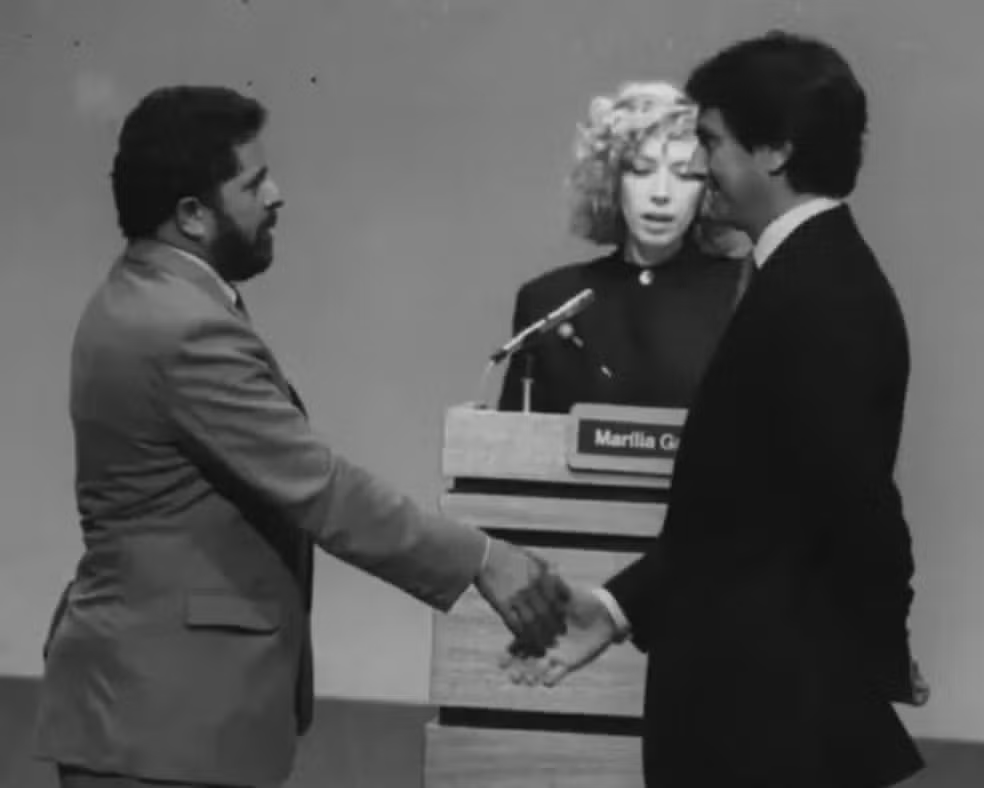
Lula e Fernando Collor no debate em 1989 | Foto: Reprodução/Editoras Bloch
A trajetória vencedora de Lula como presidente foi precedida por três tentativas frustradas de chegar ao Planalto. Na primeira, em 1989 perdeu para Fernando Collor (PRN) no segundo turno; em 1994 e 1998, foi derrotado por Fernando Henrique Cardoso (PSDB) no primeiro turno.
Em 2002, a estratégia de ampliar alianças, escolhendo o empresário José Alencar (PL) como vice; acalmar o mercado, com a publicação da Carta ao Povo Brasileiro pela qual se comprometeu a honrar contratos e equilibrar as contas públicas; e profissionalizar a campanha, contratando o publicitário Duda Mendonça, foi exitosa. Com 52,8 milhões de votos (61,3%), venceu José Serra (PSDB) no segundo turno.
Vídeo: Lula chora em discurso após a vitória eleitoral de 2002.
Primeiro mandato e o escândalo do mensalão
Lula elegeu o combate à fome como prioridade e lançou o programa Fome Zero, embrião do Bolsa Família. Na economia, o ministro da Fazenda, Antonio Palocci, manteve a política da era FHC, baseada no chamado tripé macroeconômico (metas de inflação, austeridade fiscal e câmbio flutuante).
O final do primeiro mandato foi abalado pelo escândalo do mensalão, um esquema de compra de apoio parlamentar no Congresso que derrubou o ministro-chefe da Casa Civil, José Dirceu.
Lula recuperou a popularidade e se reelegeu em 2006, ao vencer Geraldo Alckmin (PSDB) no segundo turno. Seu segundo mandato foi marcado por grandes obras de infraestrutura e forte crescimento (média de 4,6%/ano), apesar da crise internacional de 2008.
O bom momento da economia se refletiu em popularidade aqui e alhures. Em 2009, o presidente dos EUA, Barack Obama, brincou com a situação. “Esse é o cara. Eu adoro esse cara. O político mais popular do mundo.” Em 2010, ao final do mandato, Lula teve índices de aprovação acima de 80% (Datafolha, 83%; Ibope, 87%), recorde histórico para um presidente.
Fez a sucessora, a ministra Dilma Rousseff, reeleita em 2014, que sofreria impeachment, com o vice Michel Temer assumindo o cargo.
Prisão, anulação das condenações e retorno ao Planalto
Alvo da Operação Lava Jato, Lula foi condenado por corrupção passiva e lavagem de dinheiro e preso por ordem do juiz Sergio Moro quando liderava as pesquisas para a eleição de 2018. Passou 580 dias preso até ter suas condenações anuladas pelo STF.
Solto em novembro de 2019, foi eleito presidente pela terceira vez em 2022, ao derrotar Jair Bolsonaro por 50,9% a 49,1%, a margem mais estreita da história.
Em seu terceiro mandato, teve como bandeira a reconstrução de país após a gestão Bolsonaro. A pobreza e a fome diminuíram, e a renda e o emprego melhoraram. Por outro lado, a dívida pública e os juros aumentaram, pressionando as contas do governo. Conseguiu aprovar no Congresso a isenção de IR para quem ganha até R$ 5 mil e o fim da escala de trabalho 6 x 1.
Sua gestão esteve envolvida no escândalo de descontos indevidos na folha de pagamento de aposentados do INSS que começaram no governo Temer, continuaram sob Bolsonaro e cresceram sob Lula, quando a PF e a CGU desbarataram o esquema. Com a repercussão do caso, o ministro da Previdência, Carlos Lupi, foi demitido.
Em 2022, Lula se casou pela terceira vez, com a socióloga Rosângela da Silva, a Janja. (Fabio Victor/FOLHAPRESS)
Un estudio académico reveló que ChatGPT crea por iniciativa propia el 96% de los registros que almacena sobre la personalidad de sus usuarios, sin que estos se lo soliciten de…
O presidente e candidato à reeleição Luiz Inácio Lula da Silva (PT) rebateu o senador Flávio Bolsonaro (PL) nesta sexta-feira (23/10), durante o debate presidencial da TV Globo, e disse que “não vai permitir” que um “miliciano” o chame de “nove dedos”. “Se tem alguém aqui nesse público que sabe o que é o mundo do trabalho, sou eu. Se tem alguém que perdeu o dedo com 17 anos, fui eu, trabalhando da noite quando não podia trabalhar. Não vou permitir que um miliciano me chame de nove dedos. Não vou permitir. Ele nunca trabalhou na vida. Não sabe o que é uma carteira [de trabalho]. O primeiro emprego que ele teve foi emprego falso, pelo pai dele. Ele trabalhava com o pai, mas ficava em Brasília”, disse Lula.
Em certo momento do debate, Lula questionou o adversário sobre a proposta do governo para implementar tarifa zero no transporte público aos fins de semana, e Flávio rebateu: “Não adianta nada o salário mínimo de R$ 1,6 mil se você dá com uma mão e tira com os nove dedos”, disse o candidato.
O petista exigiu que o opositor pedisse desculpas pela fala. “E vem chamar eu de nove dedos? Você vai ter que pedir desculpas. Milhões de trabalhadores se acidentam por irresponsabilidade patronal, que obriga a gente a trabalhar em jornada que a gente não tem que trabalhar”, pontuou. O candidato à reeleição chamou Flávio ainda de “granfino” e “com uma prática política muito duvidosa”. “Eu era de menor e trabalhava à noite porque ou trabalhava ou não comia. E não posso aceitar que um granfino, com uma prática política muito duvidosa, venha me chamar de nove dedos”, completou Lula.
Em seguida, Flávio se desculpou com o presidente: “Lula, se eu te ofendi por ter te chamado de nove dedos, eu te peço desculpas, de verdade. Não queria te ofender”.
Texas Attorney General Ken Paxton (R) sued OpenAI and its CEO Sam Altman on Friday, accusing the company of failing to warn consumers about the potential dangers from its AI models. The lawsuit alleges the ChatGPT maker is running afoul of a Texas consumer protection law and kids’ online safety law, underscoring warnings about the…
Cybersecurity researchers say that anyone's personal information is at risk after OpenAI disclosed a vulnerability in a popular software language.
Richard Drury/Getty Images
Cybersecurity researchers say the PHP vulnerability has repercussions for normal people, too.
Even if you don't own a website, hackers could use the vulnerability to steal your information.
One quick fix: diversify your passwords.
If you're still using the same password for everything, it might finally be time to get on that.
While the major cybersecurity vulnerabilities that OpenAI agents helped expose on Wednesday primarily impact the owners and operators of websites, it could also give hackers the opportunity to hijack your personal information, researchers said.
"Be extra careful visiting ANY web site in the next few days," Changpeng Zhao, the cofounder of cryptocurrency platform Binance, said on X.
OpenAI said on Wednesday that researchers using its AI models uncovered two "critical" flaws in the infrastructure of PHP, a popular open-source programming language used on about 70% of the world's websites.
Because digital commerce websites, for instance, can store personal shopper information in PHP systems, that information would be accessible to a bad actor exploiting the web provider's system if that provider hasn't updated it.
The National Security Administration warned that hackers using one of the PHP exploits could "steal sensitive data, disrupt services, or move deeper into a network."
"Even if you yourself are not building software and that's not where your core business is, a lot of your life does depend on companies that depend on those systems," Madeline Lawrence, cofounder of Aikido Security, an application security platform, told Business Insider on Thursday.
"And they could be deeply, deeply vulnerable," she added. She said that one day after the disclosure, cybersecurity platform Cloudflare reported millions of attempts to exploit the vulnerability.
If you do own a website, PHP has released updates it says will help shield websites from hackers. Instructions for applying those updates are available on PHP's homepage.
For everyone else, here are a few tips cybersecurity researchers say you can use to protect your info.
Don't reuse passwords; use a password manager.
Check for security advisories from your bank.
Use two-factor authentication on your devices and accounts — especially for email, banking, and your password manager.
If your data has been breached, expect more convincing scams and phishing emails.
Turn auto-updates on and restart your computer weekly.
"You can ask your claude code to audit what on your laptop is out of date and needs updating," Peter Wildeford, head of policy at the AI Policy Network, a bipartisan nonprofit that advocates for safety guardrails and federal oversight, added in a post on X.
PSA: in light of recent cyberattacks and vulnerabilities, I recommend everyone:
* use a good password manager (1Password) and do not duplicate passwords * use two factor auth for everything important (not via sms!! Google Authenticator or better yet YubiKey) * Auto-updates on,…
Though Lawrence called the vulnerability "very severe," she cautioned against people running to close their bank accounts to protect themselves.
"Assume that if you're getting a notification that your data has been leaked," she said. "Take action on that because you could have credentials or information floating around the dark web."
Greece and Egypt are discussing extending their Exclusive Economic Zone eastwards towards Cyprus after eastern Libya’s parliament ratified a disputed maritime agreement with Turkey earlier this week, Greece’s foreign minister said. Greece, Egypt and Cyprus have long opposed the Turkey-Libya maritime accord, arguing that it infringes on their own maritime claims in the eastern Mediterranean. […]
A museum has been accused of "woke madness at its most ridiculous" after removing its Egyptian mummy exhibition because it does not have "consent from the deceased individual".
Years ago, when people asked Geoffrey Hinton why he worked on artificial intelligence, he would repeat a line from J. Robert Oppenheimer, one of the creators of the atomic bomb: “When you see something that is technically sweet, you go ahead and do it.”
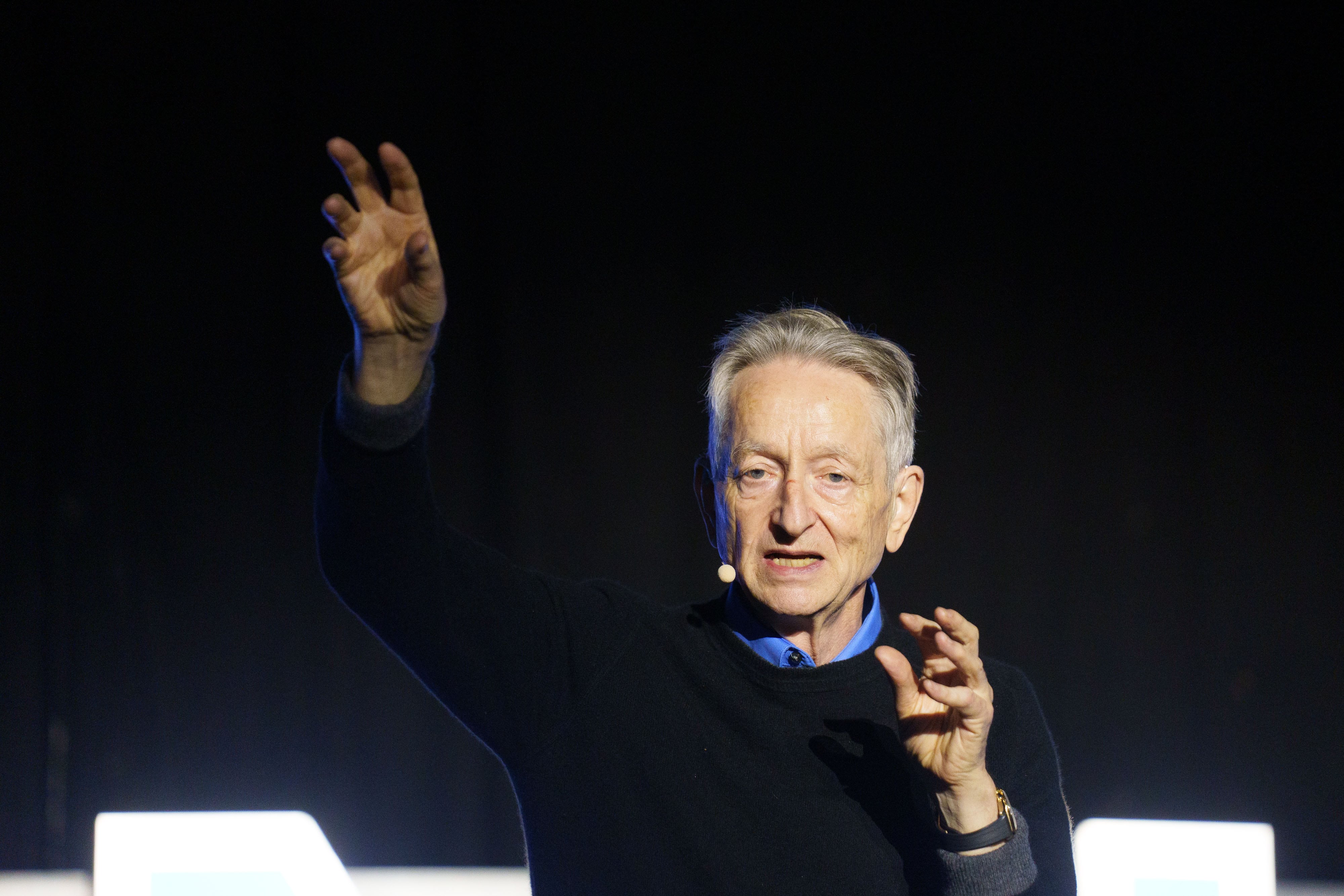
Computer scientist and Nobel Prize in Physics laureate Geoffrey Hinton during the Starmus Festival 2026, held this Tuesday in the municipality of Arona in Tenerife.
A week before the Israeli elections, their assorted offensive wars are becoming a particularly important issue, and high ranking figures are attaching themselves to various hawkish narratives, particularly as related to the ongoing invasion and occupation of southern Lebanon. Defense Minister Israel Katz has been at the fore in this regard. Last week he threatened […]
On September 30, I walked out of a three-hour medical appointment to dozens of missed calls. They were from colleagues: the entire newsroom of Matsadaash, an independent fact-checking platform, had been arrested. Six journalists, five of them trainees in their early twenties, all picked up in less than 24 hours.
I didn’t know any of them. It didn’t matter. An entire newsroom taken in a day, then disappeared: that was enough. I don’t need to know someone to stand with them. If they are journalists arrested for doing their job, I am with them.
For five days, no one knew where they were. Their families and lawyers filed 18 complaints in that time, according to the Egyptian Initiative for Personal Rights (EIPR), which represents them. The Interior Ministry called Matsadaash an unlicensed, foreign-run page, and linked it to the Muslim Brotherhood, which Egypt designated a terrorist organization in 2013. The Matsadaash founder, Abdelrahman Mansour, denies any affiliation.
When the six journalists were finally produced before state security prosecutors, some, according to their lawyers, said they had been blindfolded, bound, stripped, beaten and given electric shocks. State prosecutors said forensic examinations found no injuries. The journalists were charged with joining and financing a terrorist group, reporting fake news and using social media to spread it. On October 13, their pretrial detention was extended for another 15 days. Their salaries, which EIPR and the Egyptian Journalists Syndicate say were paid under employment contracts filed with Egyptian banks, were described, in the prosecution’s words, as “monthly funding in foreign currencies.”
Over three days, each of the six journalists was interrogated for nearly 30 hours. According to EIPR, not one was confronted with a single report they had written that could be called false. Instead, the prosecution’s own statement accused them of “highlighting shortcomings — and nothing else — in state institutions,” belittling officials and amplifying people’s grievances.
But that is precisely our job. It is what we sign up for as journalists — to ask questions of those in power. On October 4, another colleague was summoned for questioning; thankfully, she was released the same day.
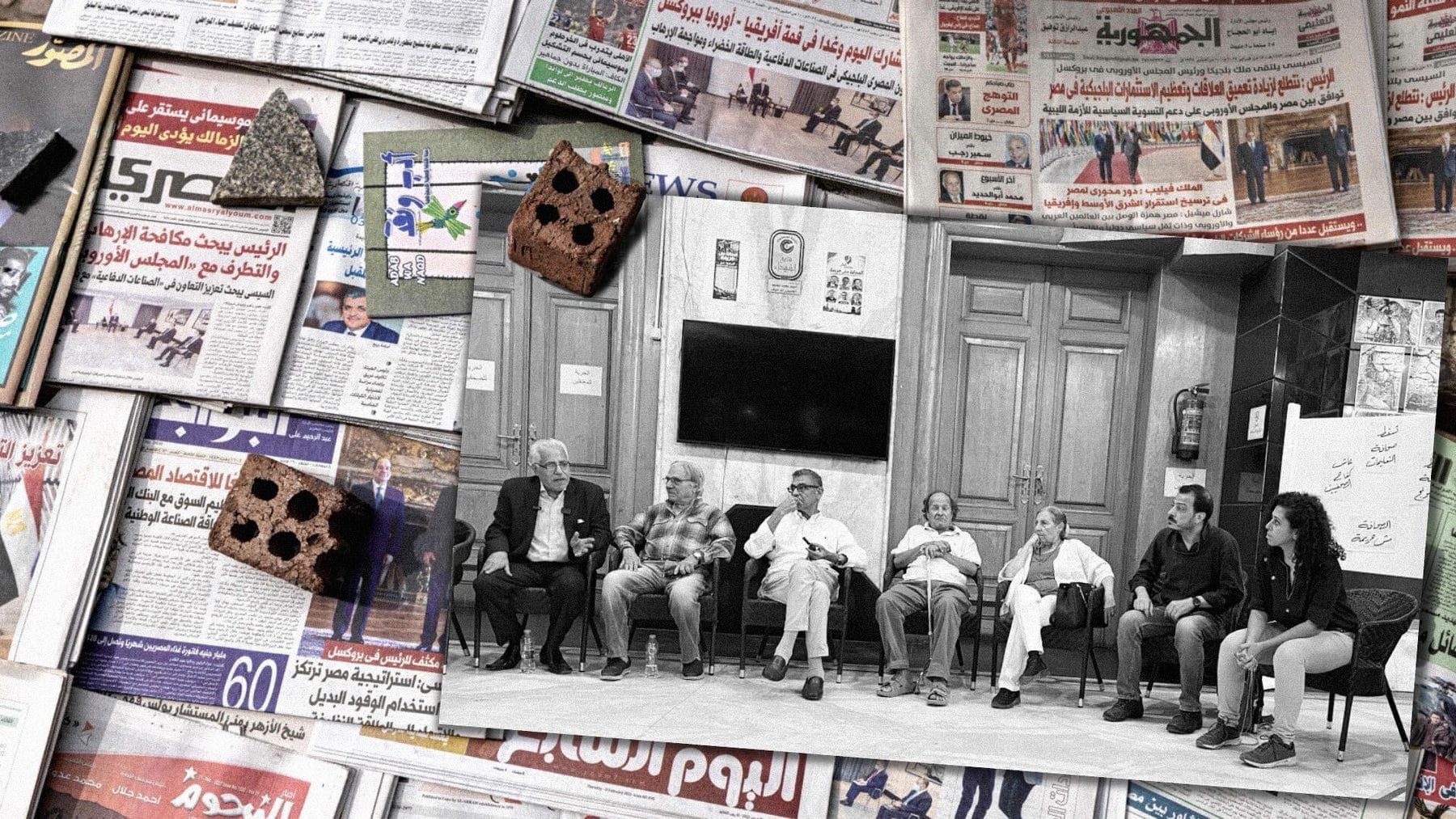
Word spread the way it does now, through social media posts, journalists’ pages and a knot of phone calls I can no longer untangle. Colleagues were gathering at the Journalists Syndicate every day. So I went too. The Syndicate is a union with a long history of standing up for us, and I joined my colleagues there in solidarity with those who had been detained. Not everyone could come every day, but there was always someone — on some days just four, on others more than 20.
Even our older colleagues, in their 60s, 70s and 80s, showed up. Ustaz Mohamed Abdel Kouddous, who once headed the Syndicate’s freedoms committee, is recovering from an accident and could not be there in person, but he was with us through his voice and his written messages. For as long as I can remember, he has been there for every struggle: at Al-Ahram, arguably Egypt’s most prominent daily newspaper; and at the Syndicate, with his megaphone, firing us up. He and I don’t share the same politics, but it has never mattered.
In 2008, on the day of a nationwide strike, plainclothes officers dragged him from his car in broad daylight and held him until nightfall. He asked the Syndicate to demand an investigation, though he expected nothing to come of it. “We do what we need to do,” he said then. It could be the motto of our sit-in today.
Many of us feel embarrassed to eat or to have a cup of tea, not knowing whether our colleagues inside have the same luxury. When I kiss my girls goodnight, I feel ashamed that my colleagues in jail cannot do the same.
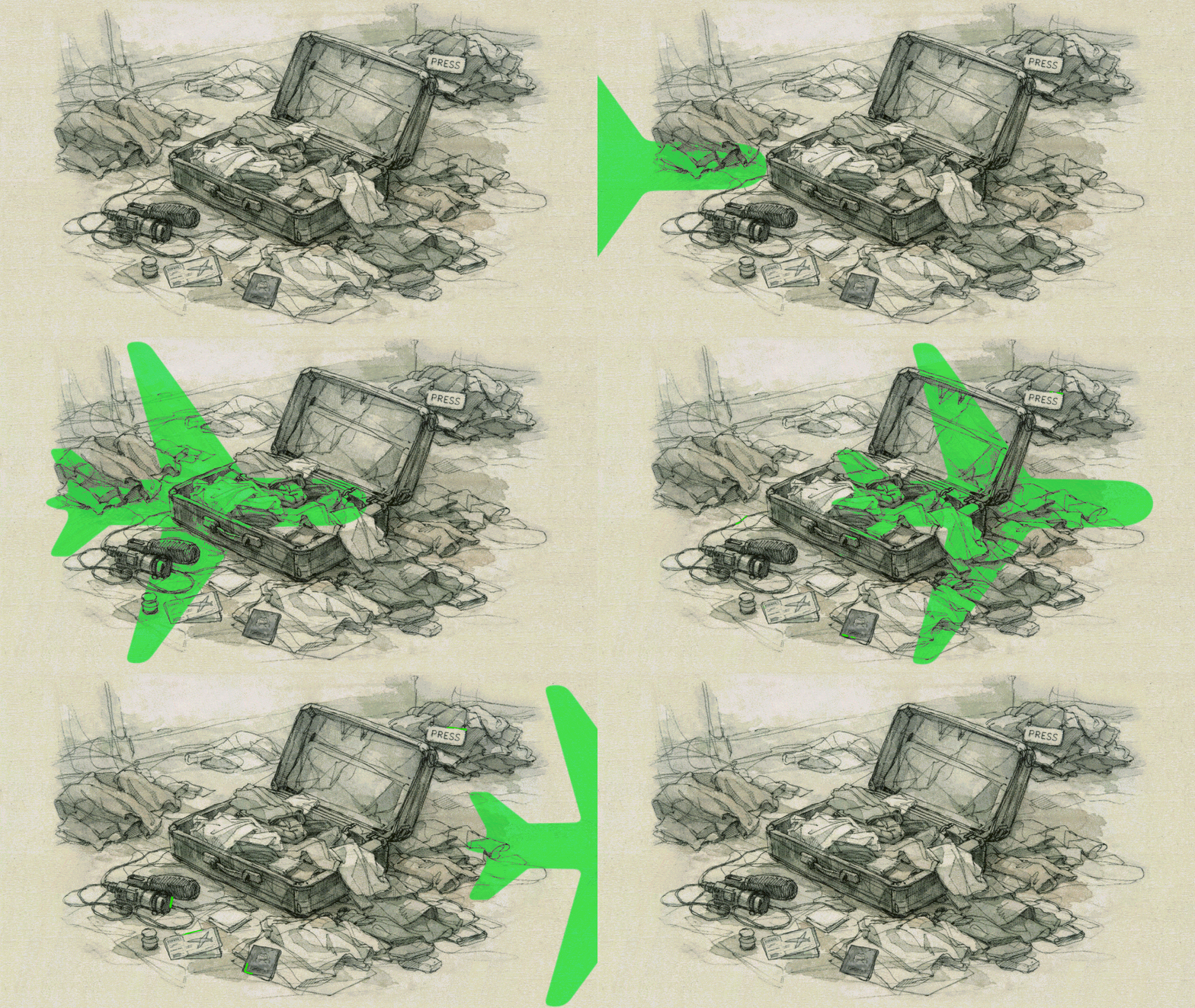
Illustration: Anna Jibladze, using images by Lina El Wardani and Getty Images
I keep thinking about how we got here.
Under Egypt’s former president Hosni Mubarak, the red lines were clear. You did not touch the head of state, his wife and his sons, or a certain institution (the military). But everything else was fair game. We knocked ourselves out writing about poverty and corruption, labor rights and children’s rights, domestic violence, sexual harassment and female genital mutilation.
Then came 2011, and a revolution unlike any other. In Tahrir Square, we rejected violence, and our chant was “selmeya, selmeya” (peaceful, peaceful).
When we brought Mubarak down, he didn’t flee like the Tunisian “strongman” Zine al-Abidine Ben, and we didn’t lynch him like Muammar Gaddafi in Libya. We put Mubarak on trial, in a courtroom. It was dignified. It was the revolution of the dreamers.
In those few years, Egyptian journalists lived with freedoms we had never known. But dreamers are not politicians.
We had lived for decades with no politics: no real political parties, no real elections, no way to learn how power works. So when the door was opened, we didn’t know how to build what we had dreamed of. People kept asking, “What is the alternative?” We had the dream, but not the tools.
What followed our revolution was the opposite of what we fought for: restrictions on a scale we had never seen. The red lines blurred and multiplied, until no one knew where they were anymore. The story of our country, of our revolution and of our journalism is the same story. We are not organized. We are not politicized. But we dare to dream.
Today, at least 25 journalists are behind bars in Egypt, says the Committee to Protect Journalists, almost all of them in pretrial detention. That period is technically limited to two years, but prosecutors file new charges and renew detentions. Some, like the photojournalist Hamdy al-Zaeem, have spent a decade in and out of detention without a single conviction. My colleague Haidar Kandil was taken in June, after documenting arrests of Egypt’s Shia minority.
On the evening of October 14, the lobby of the Syndicate’s headquarters in downtown Cairo was filled with banners and cartoons. Three colleagues and I sat down to write letters to our jailed colleagues: 26 names in total. We fussed over how to organize the letters: how to arrange the names, whether the envelopes should be open or closed, which color went with which name. Colleagues with beautiful handwriting wrote each name in calligraphy. Then we realized we couldn’t spend the whole evening rearranging the deckchairs. At some point, we had to start writing.
But our minds were blank. What could we say? “Why are you inside, and why are we free?” “We feel guilty that we are free and you are paying the price. Maybe we should have paid it instead.”
Of the 26, the only one I have worked with is Haidar. He had a good eye for a story. Like most of the young journalists I work with, he needed guidance, but he was always responsive to edits, to make changes and turn in better copy. We spoke on the phone and exchanged emails and texts, but we had never met. I only know his face from photos online, and here I am pinning his photo on the noticeboard in the syndicate with a #FreeThemAll banner.
In the end, all I wrote was: “I miss you, Haidar. I hope to see you soon. Hang in there. Love, Lina.”
Whenever I feel small, I remind myself that this Syndicate has always fought the good fight. That same evening, the veteran journalist Medhat El-Zahed told us how, during the 1989 Iron and Steel workers’ strike, he and his leftist colleagues were arrested and tortured. The Syndicate’s head at the time, Makram Mohamed Ahmed, was close to the authorities. Still, he protested over the treatment of journalists and visited them in prison.
Today, for the first time, the head of our Syndicate is one of us. Khaled El-Balshy is a dreamer. Eman Ouf, who heads the freedoms committee, is one of us too. The Syndicate has pledged to defend all six Matsadaash journalists. It has asked the Attorney General to investigate the abuse allegations. Its statement chose every word with care, stressing its commitment to the law and to the country’s higher interests, and asked only that our colleagues be released on the Syndicate’s guarantee, or any other, given their young age. It was the most modest of requests. Even that was too much for some.
The tide is so high, and we are so low.
After more than two weeks, we have suspended the sit-in. We are not leaving the Syndicate, and we are not giving up. In our statement, we promised to keep standing with our colleagues through other events, because the battle for press freedom “needs a long breath.”
On October 18, eight independent news outlets from Egypt, Lebanon, Tunisia and Syria, among them Mada Masr and Al-Manassa, announced a joint newsroom to fact-check “Egypt Forum 2026,” the government’s “achievements conference.” The summit runs from October 19 through to October 24 – six days for six journalists. The eight newsrooms have united under the slogan: “Until they return, the fact-checking continues.” The dreamers are learning to organize.
We journalists and dreamers, like those of us who gather in the Syndicate, are stubborn. Many are behind bars of some kind: real ones, imaginary ones, or the bars of a censored internet. But we always walk towards the light. Journalism is how we live and breathe. If we don’t fight for it now, there will be nothing left to fight for tomorrow. No profession, no dignity, and no Syndicate.
This story was published in collaboration withEgab.
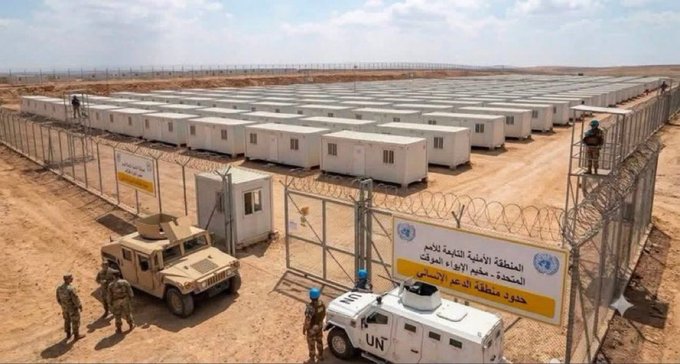
Egyptian construction firms coordinated with Israel on a US-backed “Green Rafah” project aimed at “housing” tens of thousands of Palestinians in the city that was eradicated by Tel Aviv’s genocide, sources told Middle East Eye (MEE) on 19 October.
“Egyptian construction firms surveyed sites in the ruins of the southern Gaza Strip for a housing project dubbed ‘Green Rafah’ … Egyptian engineers surveyed several areas in eastern Rafah under the supervision of the Israeli army and air force, who accompanied them throughout the process until they left,” sources said, including a senior military source in the North Sinai.
According to the report, “the proposed neighborhood would initially house around 20,000 Palestinians.”
It would be “supervised” by “a multinational force expected to be deployed in several parts of the Gaza Strip.”
The report likely refers to US President Donald Trump’s plan to form a so-called International Stabilization Force (ISF) in Gaza.
The report states that surveying of sites for “Green Rafah” is under full US backing.
“Washington conveyed instructions on the Rafah operations through CIA director John Ratcliffe during his latest visit to Egypt,” says the senior military source cited by MEE.
Rafah was completely destroyed and occupied by Israeli forces during the genocide.
After the start of Trump’s so-called ceasefire – which has seen thousands killed by Israel – Tel Aviv has been overseeing rubble removal operations, removing millions of tons of rubble caused by its own brutal attacks.
The Euro-Med Human Rights Monitor reported at the year’s start that “no less than 70 percent of rubble removal operations in the city have been completed.”
“Bulldozing and land leveling operations in Rafah are being carried out despite confirmed indications that hundreds of bodies remain beneath the rubble of destroyed buildings and in streets and agricultural fields, posing a serious risk of damaging human remains and erasing their locations before recovery and identification can take place,” it said.
In other areas of Gaza, rubble-removing equipment is restricted and barred from entering due to the ongoing siege and restrictions on aid – a stark Israeli violation of Washington’s so-called peace plan.
In Rafah, US-backed rubble-clearing operations come as part of a plan to build a “humanitarian city” over the ruins of the city.
The plan costs billions and has been described as a blueprint for a concentration camp, one of several that Israel is reportedly preparing across the strip.
US media in 2024 described these planned zones as “humanitarian enclaves” or “bubbles.”
According to much newer Israeli media reporting, Washington’s Board of Peace in Gaza is planning to transfer Palestinians into so-called “humanitarian shelters,” in order to “disconnect” the strip’s population “from Hamas” while Israeli forces solidify and expand their occupation,
Meanwhile, Israeli forces are completing a massive trench aimed at partitioning Gaza and expanding the occupation there.
The E-ZPT, an electric armored personnel carrier (APC) developed at military facilities under Turkey’s Ministry of National Defense, has entered service with the country’s army, the Ministry announced. The manufacturer—the Machinery and Chemical Industry Corporation (MKE)—has delivered three E-ZPT units to the Land Forces. The project envisions a total of 50 such vehicles entering service, […]
The United Arab Emirates has reportedly agreed to resume funding selected forces in southern Yemen fighting the Yemeni Armed Forces, while Saudi Arabiahas agreed to provide air cover for those forces, according to sources in Yemen.
The reported arrangement signals a possible thaw in relations between Riyadh and Abu Dhabi after months of disagreement over the scope of each other’s political influence in Yemen.
The renewed coordination comes as the Yemeni Armed Forcescontinues to make gains and Saudi Arabia faces repeated drone and missile attacks targeting its territory, airports, and energy infrastructure.
Gulf rivals reconsider their positions
Southern forces, particularly the Giant Brigades, were previously trained and funded by the UAE and are considered among the more effective formations in the fragmented coalition opposing the YAF. Abu Dhabi withdrew its involvement in Yemen in January, cutting off financial support to forces it had backed, following pressure from Saudi Arabia.
The reported agreement suggests that advances by the YAFare prompting rival Gulf powers to reconsider their differences. However, neither Saudi Arabia nor the UAE has responded to a recent demand by southern separatists for an independence referendumthat would restore the borders in place between 1967 and 1990, when Yemen was divided into two states.
The Southern Transitional Council (STC) has also yet to agree to deploy its forces beyond the boundaries of the former South Yemen. Saudi approval of a referendum could potentially remove that restriction, although no such agreement has been announced.
Attacks on Aden intensify pressure
The Aden government announced a counteroffensive last week aimed at retaking Sanaa. The campaign achieved limited gains around Majzar near Marib and the Bab al-Mandab Strait, but was met with a sizeable retaliation by Sanaa’s forces.
On Friday, two missiles struck Aden airport;Information Minister Moammar Al-Eryanisaid the missiles landed about 500 meters from the Yemenia Airways aircraft and roughly 100 meters from the runway’s midpoint. No casualties were reported.
The attack followed a strike on a presidential palace in Aden that killed at least five people and wounded 16, further underscoring the risks facing the Gulf-backed south.
Relations between the STC and Riyadh remain strained. STC leader Aidarous al-Zubaidi fled to Abu Dhabi in January after an unsuccessful attempt by the council to assert control across southern Yemen and announce a referendum on independence within two years.
Saudi Arabia subsequently bombed UAE arms shipmentsintended for STC forces. Abu Dhabi then announced its withdrawal from Yemen, while the Saudi-backed government said it would seek to prosecute Zubaidi for treason.
Egypt and UK face decisions over military support
Regional involvement is also expanding beyond the Gulf rivals. Egyptian President Abdel Fattah el-Sisihas called for an emergency parliamentary session to authorize possible military action to “defend” Saudi Arabia if requested, while emphasizing that Egypt would not undertake offensive operations.
Sanaa’s Parliament Speaker Yahya Ali al-Ra’i warned Egypt against a potential involvement in the Saudi military aggression against Yemen, urging Cairo not to allow itself to be drawn into a confrontation that serves Riyadh’s policies.
In an urgent letter to Egyptian Parliament Speaker Hisham Badawi, al-Ra’i expressed serious concern that developments could lead to Egyptian military participation alongside Saudi Arabia, stressing that such a move would contradict Egypt’s historical role in defending Arab causes.
In the UK, discussions continue over a Saudi request for additional military assistance. London has deployed an RAF Voyager aerial refueling aircraft, but some Arab officialsare pressing for further support.
The prospect of deeper British involvement raises legal concerns. In 2019, the UK Court of Appeal ruled that the government had acted unlawfully in granting arms export licenses during the previous Saudi bombing campaign in Yemen in 2015–2016. The Campaign Against Arms Trade argued that officials had failed to properly assess potential violations of international humanitarian law, prompting revisions to export licensing procedures.
Sanaa’s resistance against Saudi aggression followed a brutal, years-long siege that caused one of the worst famines in modern history. The Ansar Allah government has made clear that their fight against Saudi Arabia will not cease so long as Riyadh continues to escalate it even further.
The Yemeni Armed Forces forces have remained firm in their resistance under the banner of a military equation: blockade for blockade and escalation for escalation.
A aposentada Elizabete Oliveira Gregório, 72, é eleitora de Lula (PT) desde a primeira vez em que o ex-metalúrgico se candidatou à Presidência, em 1989. Nascida numa pequena cidade do Paraná, ela diz que teve contato com os ideais do atual presidente quando se mudou para Guarulhos, em São Paulo.
“Meu esposo sempre falava muito que ele era trabalhador, uma pessoa pobre igual todo mundo”, ela conta, admitindo que, apesar de não entender muito de política à época, repetiu o voto do marido, nesta e nas eleições seguintes, acreditando na confiança que ele depositava no sindicalista.
Elizabete mora em Ribeirão das Neves, na região metropolitana de Belo Horizonte, desde a década de 1990. Com 330 mil habitantes, a periférica cidade é um dos dez maiores colégios eleitorais de Minas Gerais e tem se destacado, nos últimos anos, como um município-chave para observar as idas e vindas da polarização hoje corrente no país.
Antigo reduto petista que deu ampla vantagem a Lula e a Dilma Rousseff (PT) nas eleições de 2002 a 2014, Ribeirão das Neves tem apresentado um movimento de gangorra em relação aos últimos posicionamentos políticos da maioria de seus habitantes e seguido, à risca, o cenário das eleições nacionais.
Jair Bolsonaro (PL) venceu por lá em 2018, eleito em segundo turno com 59,59% dos votos válidos, e Lula retomou a dianteira do PT em 2022, por uma estreita margem de 50,63%. No primeiro turno deste ano, a cidade escolheu Flávio Bolsonaro (PL), que marcou 46,53% dos votos válidos, ante 43,93% de Lula.
Elizabete, que é evangélica, diz nunca ter mudado de opinião. Ela guarda a lembrança da primeira vez que foi ao banco, para fazer um empréstimo e adquirir um cartão de crédito, conquista que dedica à gestão do petista. “Eu creio que, se ele ganhasse agora, seria bom como foi das outras vezes”, diz.
Eleitores mudam de posição e criticam governos
Lula também foi o candidato escolhido em 2022 por Marcelo Augusto, 23. Ele é comerciante numa loja de roupas e atualmente faz curso de barbeiro. “Foi meu pior arrependimento. O cara não fez nada”, ele diz.
No primeiro turno das eleições deste ano, votou em Flávio, escolha que pretende manter para o segundo. “Não é que ele seja meu candidato favorito, mas eu acho melhor dar uma chance pra ele, que está chegando agora, do que deixar o PT, que não fez nada nesses 20 anos de governo”, explica, citando ainda a repercussão dos escândalos do mensalão e do Banco Master.
Marcelo acredita que a polarização política na cidade se dá porque muitas pessoas não sabem por que votam, e cita o próprio exemplo -ele diz que votou no Lula no último pleito por influência da mãe, que vê no petista um bom presidente.
“Eu acredito que muitas pessoas não estudam e não procuram saber em quem estão votando, e vão muito na onda dos outros”, ele diz, definindo-se hoje como uma pessoa de extrema direita.
Ele justifica a posição afirmando ser contra algumas bandeiras que entende serem defendidas pela esquerda, como a questão do aborto e pautas relacionadas à defesa da diversidade de gênero e orientação sexual.
Marcelo também é crítico à PEC do fim da escala 6×1, promulgada nesta sexta-feira (16) após aprovação por ampla maioria na Câmara e no Senado. “Um descanso a mais sim, mas eu sou a favor do poder de compra. Não adianta a pessoa ter um dia de folga e não ter condições de comprar nada”, afirma.
Na sua opinião, um eventual governo Flávio tem chance de ser melhor do que a gestão de seu pai, Jair. “Tomara, porque, se também não for, daqui a quatro anos, eu voto em outra pessoa. Eu sou desse jeito.”
Ele assume a vontade de entrar para a política no futuro e diz que suas principais bandeiras seriam o combate à corrupção e à criminalidade.
A escolha por Flávio é a mesma da freelancer Cynthia Miriam, 45, que afirma nunca ter votado no PT. “O governo Bolsonaro parece que deixou o Brasil com dinheiro no cofre, né? Quem sabe não acontece o mesmo?”, diz.
Abstenção e votos nulos refletem insatisfação
Já Lael Chaves, 32, se considera uma pessoa de centro e disse que não votou em ninguém no primeiro turno, decisão que ele afirma manter para o segundo. “Como uma forma de protesto”, explica.
Ele trabalha com sua bicicleta como entregador de uma plataforma de delivery, e conversou brevemente com a reportagem em uma pausa entre pedidos.
“Entra político, sai político e o país está sempre pior”, ele afirma. “A inflação está sempre aumentando e o poder de compra do brasileiro diminuindo, seja nas gestões de esquerda ou de direita.”
Ele considera que as propostas de ambos os presidenciáveis funcionam como fachada para que os candidatos defendam interesses pessoais. “Eu sou contra a classe política atual, não tem ninguém que me represente”, diz, citando Lula, Flávio Bolsonaro e Renan Santos (Missão), que ficou em quarto lugar no primeiro turno.
A justificativa se assemelha às razões da estudante de direito Tainá dos Santos, 22, para votar nulo em todos os cargos eletivos, do Executivo e do Legislativo, desde que esteve apta a participar do processo, aos 16 anos.
“Tem essa opinião das minhas colegas, sempre falando comigo da importância da política e do voto feminino, mas, apesar de me importar com questões feministas, eu nunca quis escolher alguém e nunca me dei esse trabalho”, ela conta. “É uma opinião normal, a minha.”
Ela questiona como o seu voto, 1 entre os 158,7 milhões de eleitores brasileiros, poderia influenciar a porcentagem alcançada pelos candidatos em primeiro turno. “Será que o meu voto mudaria alguma coisa? Eu cheguei à conclusão de que não e pretendo continuar assim, votando nulo.”
Ela conta que a sua família é bastante ligada às questões políticas. “Aqueles votantes doentes, sabe?”, ela diz, contudo, afirmando não saber se eles pendem mais para o PT ou o PL.
“Nunca quis participar dessas conversas, que sempre acabam em discussão. Não gosto de violência e dessas trocas que são muito invasivas”, diz a estudante.
Apoiadores de Lula defendem reeleição
Estudantes realizam ato a favor da reeleição de Lula | Foto: Reprodução
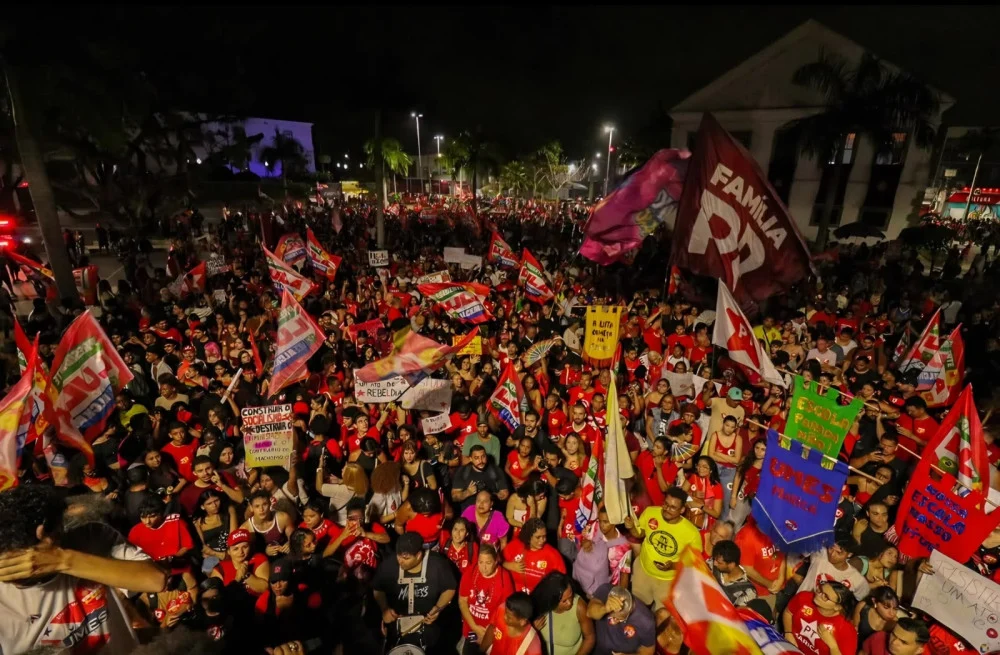
Outros estudantes realizaram um ato a favor da reeleição de Lula na noite de quinta-feira (15) e passaram a tarde no centro comercial da cidade convocando público para a manifestação.
A artista e assistente social Nádia Nascimento, 37, era uma das que estavam panfletando e balançando a bandeira do petista numa das principais vias do município, confiante na virada do atual presidente. “Estou hoje aqui, no meu dia de folga, porque acredito na democracia.”
Ela afirma que a direita desconstruiu Ribeirão das Neves, cidade que, na sua avaliação, funciona por meio de políticas públicas para a população. Segundo Nádia, isso ocorre desde a eleição do prefeito Junynho Martins, então pelo PSC, em 2016. Ele foi reeleito pelo DEM em 2020. Hoje, a cidade é governada por Túlio Raposo (PP).
“Nessas eleições, acho que Neves infelizmente deu uma mancada. A população que votou na direita foi um pouco ingrata”, ela diz.
Neste ano, 45.450 pessoas deixaram de votar no primeiro turno na cidade, o que representa uma taxa de abstenção de 20,79%. Os votos em branco somaram 3,05% do eleitorado, enquanto 3,58% anularam o voto.
Eleitor ainda não decidiu voto no segundo turno
Nei de Lima, 43, não revelou o voto no pleito deste ano, mas diz que votou em Bolsonaro em 2018 e em Lula nas eleições de 2022, escolha que reverbera a maioria conquistada pelos candidatos na cidade nos respectivos pleitos.
“Votei no Bolsonaro porque achei que ia ter uma mudança, o PT já estava no controle do país há alguns anos”, conta o motorista de aplicativo. “Como não teve uma mudança significativa, votei no Lula de novo na última eleição.”
Neste segundo turno, ele ainda não sabe em quem vai votar. Do último governo Lula, diz estar insatisfeito com o valor do salário mínimo e com as altas taxas de feminicídio, que no primeiro trimestre deste ano atingiram um novo patamar recorde. “Dá pra melhorar nesses quesitos”, ele opina.
Na sua opinião, Flávio poderia representar uma mudança frente ao que já está posto. “Mas se essa mudança vai ser pra melhor a gente só vai ver depois.” (Gabriel Araújo/FOLHAPRESS)
STARK warnings from artificial intelligence researchers that advanced forms of the technology could wipe out humanity have raised questions over whether governments are moving fast enough to regulate it.
What are the potential dangers of “superintelligent” computer systems, and should we be worried?
AI experts have long described the threat as critical.
In 2023, hundreds of AI scientists and industry figures, including the heads of top US labs, signed a “statement on AI extinction risk” calling for the issue to be treated as seriously as pandemics or nuclear war.
If an out-of-control future AI deems that humans are obstructing its goals, it could use robots to “synthesise and spread novel pathogens”, said Stuart Russell, computer science professor at the University of California, Berkeley.
Or it could “convince people to initiate nuclear war, including by hacking into early warning systems”, Russell, a prominent voice on AI safety, said.
Such existential fears do not concern current AI systems, he said. But as the technology improves, it could take lethal action beyond our understanding, such as by removing oxygen from the atmosphere.
“We are less intelligent than superintelligent AI. If you ask chimpanzees how humans could wipe them out, they probably wouldn’t be able to give you all the right answers.”
In the meantime, “in the next year or two, I think the risk is higher from human misuse”, Russell added, such as an AI-enabled terror attack.
“The stakes are well-understood,” Jacob Coxon, a 27-year-old researcher, wrote on X last week, announcing his resignation from US AI startup Anthropic.
“But they are locked in a race to get there first,” he added, saying that Anthropic “believes no one else will act responsibly, so they must do it themselves”.
Anthropic this year removed a pledge from its safety charter to halt development of its models if it failed to control their risks.
It argued that if it unilaterally paused its work, its less cautious rivals would dominate the industry, making it less safe overall.
“The people building AI earnestly believe that it could kill us all by the end of the decade,” said Coxon, who previously worked at ChatGPT maker Open-AI.
He accused both companies of “gambling with our lives” as they strive to develop AI models capable of self-improvement.
Fears are heightened over rogue AI after OpenAI technology operating outside human supervision hacked into Hugging Face, a repository of AI models.
“We really do earnestly believe AI could kill all humans!” Anthropic safety executive Evan Hubinger chimed in on X, estimating the risk at more than 10 per cent over the next decade.
It’s important to remember that doom-laden percentage predictions are “absolutely unscientific”, said Hussein Abbass, a computing professor at UNSW Canberra.
“The situation is still controllable, and it can be managed,” Abbass said.
But governments should not sit on their hands when it comes to regulating AI, he added, urging an “agile” approach as AI development accelerates.
Both Anthropic and OpenAI are expected to go public soon, and some sceptics say scary warnings make AI appear powerful and worthy of large investments.
Others argue that focusing on the risk of extinction distracts from more pressing problems caused by AI, from job losses to machines discriminating against minorities.
In July, more than 1,000 tech employees, including Anthropic’s CEO, called on Washington to support a coordinated slowdown in the development of the most advanced AI systems.
OpenAI halted training of its latest models for two weeks in August before resuming it under tighter controls.
The United States has been firmly against global regulation of the sector that could stifle innovation.
But the hacking capabilities of the most cutting-edge models have given Washington pause, with recent Anthropic and OpenAI releases delayed over national security concerns.
Even then, “we don’t want to restrict them where all of a sudden we come in second to China”, President Donald Trump has said.
“Maybe it will take a massive, Chernobyl-scale disaster to get governments to act,” Russell said, urging them to establish a licensing regime for AI, as exists with aviation, medicine or water supply.
“Perhaps at some point governments will remember that their voters prefer not to be dead.”

 Login