❌

Reading view

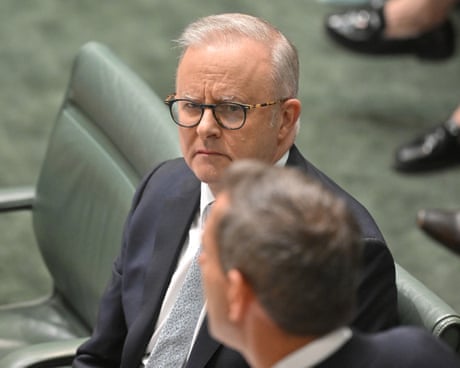
Coalition MP ejected from question time after swearing at PM – as it happened

Online hate is spilling into the real world, AFP warns

AFP Commissioner Krissy Barrett began her late-night appearance at the Senate estimates hearing noting “a heaviness that hangs across Australia” after the alleged attack on independent MP Helen Haines.

Lone actors are being motivated by a convergence of personal grievances, mental health vulnerabilities and ideological concerns …

What helped keep us safe in recent times, such as our geography, analogue systems and far away criminals, has been impacted by fully integrated technology, social media and artificial intelligence.

We hear about the devastating impacts of racism from communities every day. But many experiences go unreported or uncounted, and our systems often do not capture the full picture.

This is not about collecting more data to prove racism exists. We already know it does. It is about making inequality visible, holding institutions to account and giving communities greater agency over their data to drive real change.

Continue reading...

© Photograph: Mick Tsikas/AAP

© Photograph: Mick Tsikas/AAP

© Photograph: Mick Tsikas/AAP

  •  

Why Putin Demands Donbas: The Territorial Ultimatum That Could Shape Ukraine’s Next War

Vladimir Putin’s insistence that Ukraine surrender its remaining positions in Donetsk is not simply a dispute over territory. It is a demand that could dismantle Ukraine’s principal defensive barrier in the east, hand Moscow a military advantage it has struggled to achieve through years of fighting, and establish a precedent for further territorial concessions. The latest diplomatic contacts with European leaders have brought this question back to the centre of negotiations.

There are two ways for Russia to capture the remaining Ukrainian-held cities of Donbas. One is to fight its way through heavily fortified defensive positions, accepting substantial casualties, equipment losses and an uncertain timetable. The other is to secure their evacuation through diplomatic negotiations.

The second would achieve an important Russian military objective without requiring Moscow to bear the full cost of a prolonged offensive.

This distinction helps explain why Vladimir Putin continues to insist that Ukrainian forces withdraw from the remaining government-controlled territory of Donetsk region before a comprehensive settlement can be negotiated.

It also raises a more consequential question: would surrendering Donbas bring the war closer to an end, or would it improve Russia’s position in any subsequent confrontation?

A diplomatic opening without a strategic concession

The issue returned to prominence on 27 October when Finnish President Alexander Stubb and Norwegian Prime Minister Jonas Gahr Støre held a rare telephone conversation with Putin.

According to the Finnish president’s official statement, the call followed discussions in Oslo on 20 October involving Ukrainian President Volodymyr Zelenskyy and US presidential envoy Steve Witkoff.

The Nordic leaders sought to advance preparations for renewed American-mediated negotiations, expected in Abu Dhabi in November. They emphasised that they were acting on behalf of their respective countries rather than representing Europe collectively.

Stubb described the exchange as “frank and substantive”, arguing that direct communication with Moscow was necessary to address the security consequences of the war.

However, the Kremlin’s account offered little indication of movement on the fundamental disagreements.

Moscow insisted that any durable peace must fully accommodate Russian interests. A source close to the Kremlin told Reuters that Putin had reiterated his refusal to compromise on the objective of controlling the entire Donbas.

Following the conversation, Zelenskyy confirmed that the Nordic leaders had briefed him and stressed to Putin the need for concrete measures to reduce attacks on Ukrainian energy infrastructure.

The diplomatic process has therefore resumed without resolving the territorial dispute at its centre.

The military significance of the remaining Donbas

The territory Russia is demanding includes some of Ukraine’s most important surviving defensive positions.

Since fighting began in eastern Ukraine in 2014, Ukrainian forces have constructed and reinforced an extensive defensive system centred on Sloviansk, Kramatorsk, Druzhkivka and Kostiantynivka.

Known as the fortress belt, this network combines urban areas, industrial facilities, transport infrastructure, prepared defensive positions and terrain that complicates offensive operations.

The military importance of this system extends far beyond the administrative boundaries of Donetsk.

According to the Institute for the Study of War, surrendering these positions would allow Russian forces to occupy heavily defended territory without undertaking the prolonged operations otherwise required to capture it.

In its 26 October battlefield assessment, the institute continued to identify the capture of this defensive belt as Russia’s principal military objective in Donetsk. Ukrainian forces retained positions in parts of Kostiantynivka, while Russian operations towards other major cities remained contested.

The implications of a negotiated Ukrainian withdrawal would be substantial.

Russia could occupy the fortified urban corridor, reorganise its forces, establish new logistics routes and potentially redirect formations towards other sectors.

Ukraine, meanwhile, would have to construct or reinforce defensive positions further west, potentially under pressure and in less favourable terrain.

The resulting military imbalance would not necessarily lead to another Russian offensive. But it would change the conditions under which any renewed hostilities might take place.

That is why territory cannot be assessed solely by its surface area. A relatively small section of the front can possess strategic value disproportionate to its size.

Why Moscow prefers a negotiated withdrawal

Russia’s insistence on Donetsk also reflects the limits of what its military has achieved.

Despite years of fighting, Moscow has not secured complete control of the region. Successive offensives have produced territorial gains, but at considerable cost and without the rapid breakthrough originally anticipated.

US Secretary of State Marco Rubio recently acknowledged the central importance of the remaining Ukrainian-held territory.

In an interview published by the US State Department, Rubio characterised the dispute as centred on territory Russia wants but has been unable to capture militarily, while recognising Ukraine’s sovereignty and long-term security concerns.

His remarks demonstrate how Donbas has become the principal territorial obstacle in Washington’s diplomatic calculations.

For Moscow, however, concentrating negotiations on this specific demand offers an additional advantage.

If Ukraine refuses to withdraw, the Kremlin can argue that Kyiv is preventing progress towards peace. If Ukraine agrees, Russia obtains strategically valuable territory without the military costs associated with conquering it.

The demand therefore serves a dual purpose: it establishes a public explanation for the absence of an agreement while offering Russia an immediate military benefit should negotiations succeed on its terms.

The problem with treating Donbas as the final concession

The central weakness in any settlement built around a Ukrainian withdrawal is the assumption that control of Donbas represents the limit of Russia’s territorial ambitions.

Moscow’s previously declared objectives suggest a more complicated picture.

In June 2024, Putin demanded Ukrainian withdrawal from four regions claimed by Russia: Donetsk, Luhansk, Zaporizhzhia and Kherson. Moscow does not fully control these regions, despite claiming to have annexed them in September 2022.

Russia has also demanded restrictions on Ukraine’s military capabilities and future security relationships.

As EU Today previously reported, renewed diplomatic engagement has not produced a clear abandonment of the Kremlin’s wider objectives.

Consequently, transferring the remaining territory of Donetsk would not necessarily satisfy Moscow’s other demands.

There is a significant difference between conceding territory as part of an enforceable settlement and withdrawing from defensive positions as a precondition for negotiating one.

In the first case, territorial arrangements form part of a wider agreement establishing obligations, verification procedures and security guarantees.

In the second, one party makes a potentially irreversible military concession before knowing whether an agreement will ultimately be reached.

This asymmetry is particularly important where the proposed concession directly affects the withdrawing country’s ability to defend itself.

The strategy of incremental gains

One interpretation of Moscow’s approach is that it reflects a strategy of incremental territorial expansion rather than an attempt to achieve all its objectives through a single decisive offensive.

After Russia failed to capture Kyiv in 2022, its military campaign increasingly concentrated on taking territory through successive, often prolonged operations.

The diplomatic equivalent would involve securing one concession, consolidating the resulting advantage and subsequently presenting additional demands.

Under such a scenario, Russia could obtain control of the remaining Donetsk territory, establish new positions closer to Dnipropetrovsk region and later argue that further territorial or security arrangements were necessary to protect its newly acquired frontier.

Moscow has already used the language of protective buffer zones to justify military operations elsewhere in Ukraine.

There is no evidence establishing that such a sequence would inevitably follow a Donbas settlement. Nevertheless, the possibility must be considered when assessing the military consequences of a withdrawal.

The concern is not merely that Russia might violate a future agreement. It is that the agreement itself could alter the strategic balance in ways that make renewed military pressure more effective.

There is also an internal Ukrainian dimension.

An agreement requiring the evacuation of cities defended for years would create substantial political controversy. Disagreements over territorial concessions, security guarantees and the credibility of Western commitments could complicate domestic political stability.

For Moscow, such divisions might provide another means of influencing Ukraine without immediate military escalation.

Donbas and the wider question of Ukrainian sovereignty

Donbas has considerable political significance for Putin beyond its military value.

The conflict in eastern Ukraine began in 2014, following Russia’s annexation of Crimea. Donetsk and Luhansk became central to the Kremlin’s justification for intervention, and their incorporation into Russia was later proclaimed as part of the 2022 annexations.

Control of the entire region would allow Putin to present a tangible achievement after years of warfare.

Yet the Kremlin’s objectives have never been confined exclusively to Donbas.

Putin has repeatedly questioned Ukraine’s historical and political independence, while Russian negotiating demands have extended to the country’s military posture, international alliances and internal political arrangements.

These positions suggest that territorial control forms part of a broader attempt to determine Ukraine’s strategic orientation.

A settlement that ends fighting in Donetsk without resolving these wider disagreements might therefore suspend the conflict rather than settle its underlying causes.

What the next negotiations must establish

The planned talks in Abu Dhabi will test whether Moscow is prepared to distinguish between its territorial demands and the conditions necessary for a sustainable ceasefire.

An immediate halt to hostilities along existing lines would preserve the military status quo while allowing negotiations to proceed.

Russia has resisted this approach, arguing that a temporary ceasefire could enable Ukraine to rebuild its forces without resolving the conflict.

Ukraine, by contrast, argues that withdrawing from fortified territory without credible guarantees would expose it to renewed attack.

Neither side can be expected to disregard the military implications of the proposed arrangements.

For European governments, the principal question is consequently not simply whether Ukrainian and Russian representatives can be brought back to the negotiating table.

It is whether any agreement can prevent the territorial settlement from becoming the starting position for another war.

Stubb and Støre’s conversation with Putin demonstrated that diplomatic communication remains possible. It did not establish that Moscow is prepared to abandon its existing territorial objectives.

The distinction matters.

Putin’s demand for Donbas offers Russia two potential advantages: a justification for continuing the war if Kyiv refuses, and a substantial military gain if Kyiv accepts.

That does not prove the Kremlin has already decided to resume hostilities after a negotiated withdrawal. It does, however, explain why the terms, sequencing and enforceability of any agreement are as consequential as the territory itself.

The essential question facing negotiators is therefore not only whether Russia can obtain Donbas through diplomacy rather than force.

It is whether the price of that concession would be a lasting peace — or a weaker Ukrainian defensive position if peace fails.

  •  

Rubio responds to Machado return: Can’t ‘street-protest your way into a democracy’

Secretary of State Marco Rubio issued a warning to Venezuelan opposition leader María Corina Machado on Monday, without explicitly naming her after the exiled Nobel Peace Prize winner returned to her home country. “You’re not going to street-protest your way into a democracy,” Rubio told reporters, according to Axios. He also praised her return, saying…

  •  

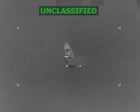
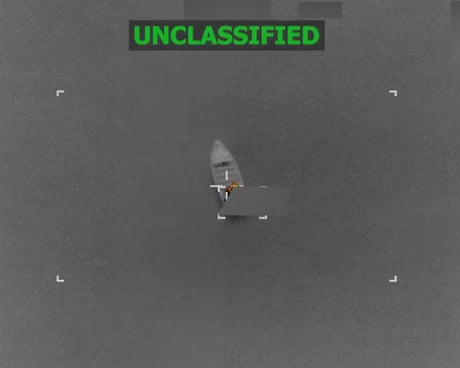
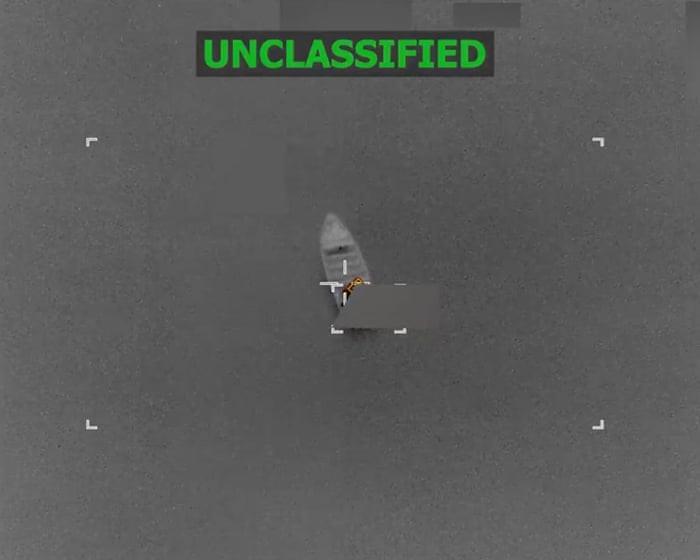
US military says strike on alleged drug vessel in eastern Pacific kills five people

US military says it carried out an airstrike on an alleged drug-trafficking boat in latest attack in region

The US ⁠military ⁠said on ​Tuesday ⁠it killed ⁠five ​people ‌after ‌an airstrike on a ‌suspected drug-trafficking vessel in ​the ⁠eastern Pacific.

Tuesday’s strike was among more than 70 such attacks since the beginning of Donald Trump’s second presidency, according to media tallies. Collectively, they have killed more than 240 people.

Continue reading...

© Photograph: US Southern Command via X

© Photograph: US Southern Command via X

© Photograph: US Southern Command via X

  •  

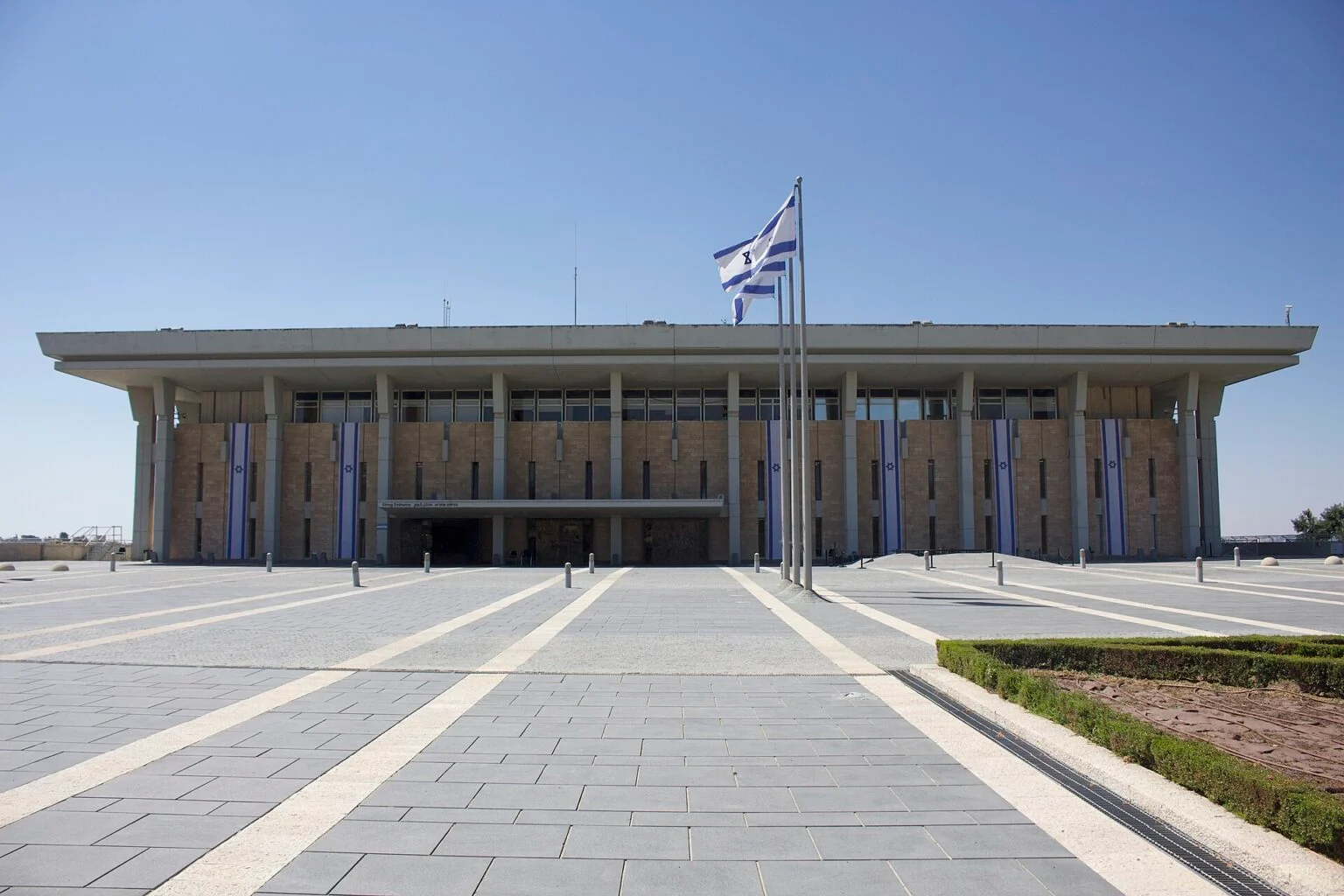
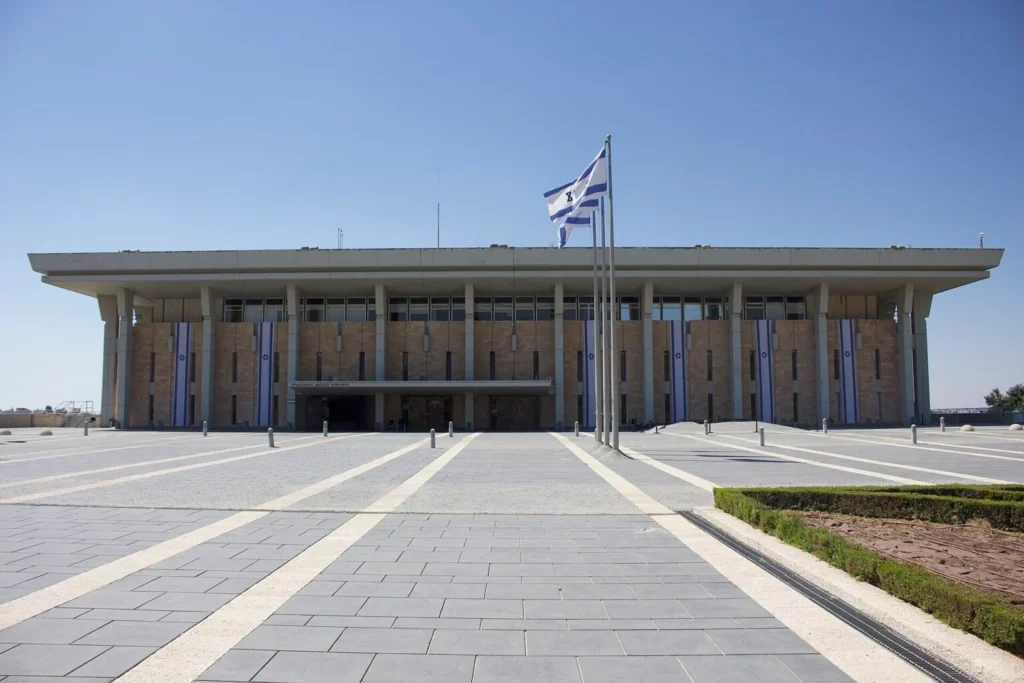
Israel Votes Today: What the Election Means for Americans and How Netanyahu’s Rivals Differ

Israelis are voting Tuesday in the first national election since the Oct. 7, 2023, attack and the war in Gaza. Polls close at 4 pm Eastern Standard Time. A winner is unlikely to be clear Tuesday night, and coalition talks will likely take weeks… A roundup of election news from diverse sources

  •  

Israeli media analysis: 2 Paths to War With Iran Loom Over Israel’s Election

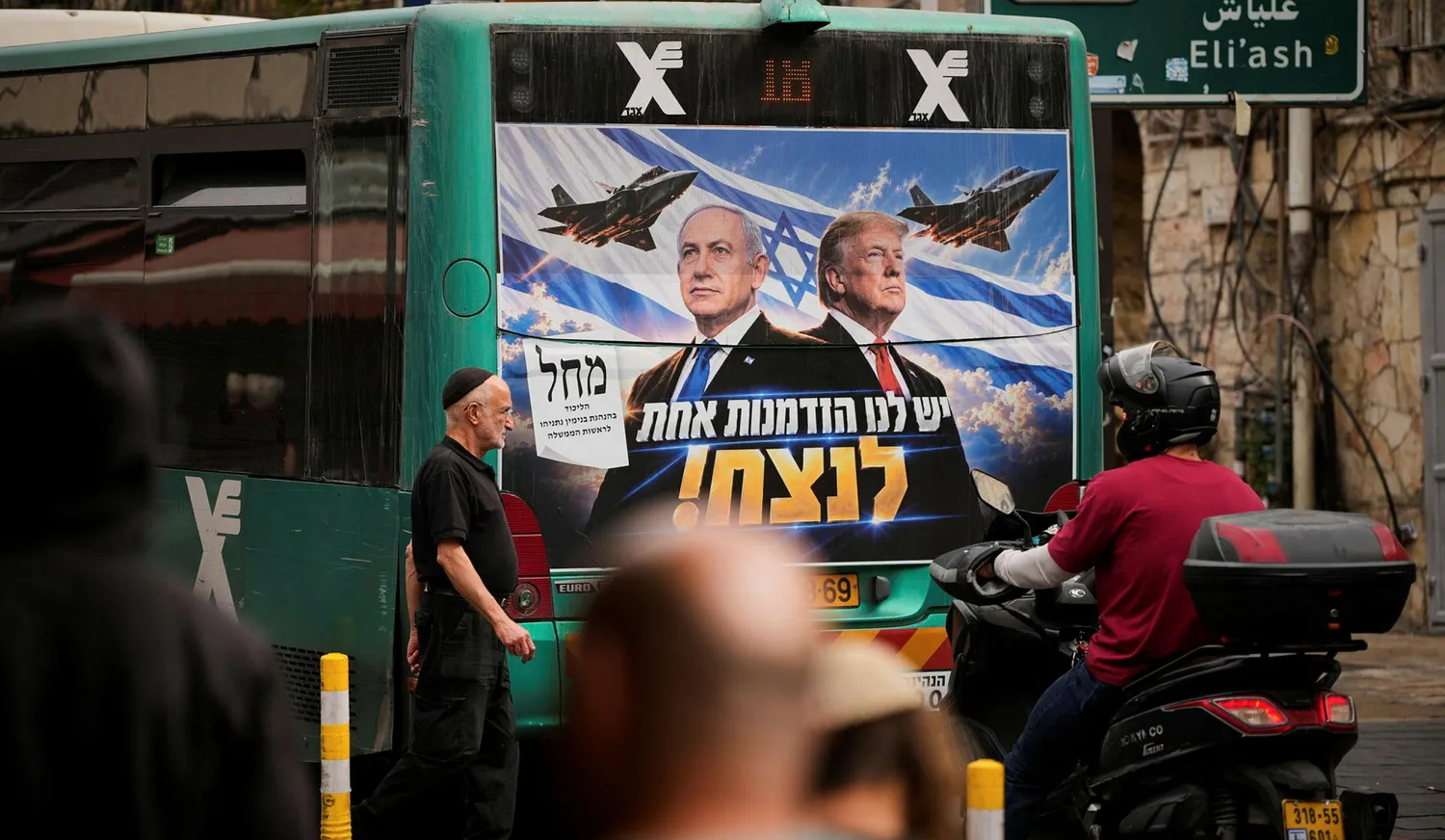
Behind the scenes, Netayahu has been waging a fight against Israel’s defense establishment & the US administration. He recently made a huge effort to reignite the war with Iran, which sparked a direct clash with the Israel Defense Forces' top brass… If Netanyahu's opponents win they must make it clear that they won't allow the outgoing government to embark on any last-minute military adventures and embroil the country in more wars before a well-thought-out strategy has been developed…

  •  

Finland and Norway Hold Direct Talks with Putin Ahead of Ukraine Peace Negotiations, Exposing European Divisions

Finnish President Alexander Stubb and Norwegian Prime Minister Jonas Gahr Støre have spoken directly with Vladimir Putin before briefing Volodymyr Zelenskyy. The initiative, undertaken in consultation with Ukraine, comes ahead of planned negotiations in Abu Dhabi but has drawn criticism from other Nordic leaders.

Finnish President Alexander Stubb and Norwegian Prime Minister Jonas Gahr Støre held a telephone conversation with Russian President Vladimir Putin on Tuesday, 27 October, marking an unusual direct diplomatic engagement between Moscow and two European NATO members since Russia’s full-scale invasion of Ukraine in February 2022.

The conversation, initiated by the two Nordic leaders from Helsinki, was followed by a separate call with Ukrainian President Volodymyr Zelenskyy. According to a joint statement released by the Norwegian government, the initiative had been prepared in consultation with Kyiv.

The objective was to communicate directly with Putin about efforts to end the war and the forthcoming negotiations involving Ukraine, Russia and the United States.

Stubb described the exchange as frank and substantive, arguing that Finland and Norway had particular reasons to participate in discussions concerning European security.

“We are neighbouring countries to Russia,” he said, adding that the war’s outcome would directly affect European security.

Both leaders reaffirmed their governments’ continuing support for Ukraine while calling for renewed negotiations. Støre emphasised the humanitarian and economic consequences of the conflict and the need for de-escalation.

Importantly, their statement specified that they were acting as national leaders rather than representatives of Europe collectively.

Zelenskyy briefed after discussions with Moscow

Following the conversation with Putin, Stubb and Støre spoke with Zelenskyy, who confirmed the exchange in a statement issued by his office.

The Ukrainian president thanked them for their detailed briefing and diplomatic engagement.

According to Zelenskyy, the two leaders had communicated Ukraine’s demand for concrete steps to reduce attacks against its energy facilities and other infrastructure.

The discussion also covered preparations for trilateral negotiations involving Ukrainian, American and Russian delegations, provisionally planned for November.

Kyiv’s confirmation that it had been consulted before the Putin conversation is significant. Ukraine has consistently maintained that decisions concerning its sovereignty, territory and security cannot be negotiated without its participation.

Oslo talks establish new diplomatic channel

Tuesday’s telephone diplomacy followed a meeting in Oslo on 20 October involving Zelenskyy, Stubb, Støre and representatives of US President Donald Trump.

American special envoy Steve Witkoff participated in person, while Jared Kushner joined remotely. European and NATO representatives also attended related discussions.

According to the Ukrainian presidency’s account, the consultations addressed possible steps towards ending the war and establishing security arrangements after a settlement.

Witkoff subsequently travelled to St Petersburg on 21 October for discussions with Putin.

The diplomatic contacts have produced plans for another round of talks in Abu Dhabi, expected after 4 November, although the precise date and representation remain subject to confirmation.

The European Commission has also sought involvement. During its 21 October press briefing, the Commission confirmed its participation in the Oslo consultations, which addressed territorial questions, security guarantees and post-war economic arrangements.

As EU Today previously reported, discussions about appointing a European representative to negotiations have exposed disagreements over who should speak for European governments and what authority such a representative would possess.

Moscow maintains its negotiating position

The Kremlin’s account of Tuesday’s conversation offered little indication of a change in Russia’s principal demands.

According to reports citing the Kremlin’s statement, Putin insisted that a lasting settlement would require what Moscow described as full recognition of Russia’s legitimate interests.

He also accused NATO and European Union countries of pursuing confrontational policies that prolonged the conflict.

These statements indicate that the reopening of direct communication has not, by itself, resolved the differences between the negotiating parties.

Russia continues to seek arrangements concerning Ukrainian territory and the European security order, while Kyiv maintains that its sovereignty and territorial integrity must be respected.

Denmark questions independent Nordic diplomacy

The initiative has also revealed differences among European governments over direct engagement with Moscow.

Danish Prime Minister Mette Frederiksen criticised the Finnish-Norwegian approach, saying it had not been coordinated with Denmark and warning against individual European countries pursuing separate diplomatic initiatives.

Swedish Prime Minister Ulf Kristersson also expressed reservations about contacts that might undermine a common European position.

Their objections highlight a distinction between consultation with Ukraine and agreement among European governments on the organisation of negotiations.

For Finland and Norway, both of which share borders with Russia, the outcome of the conflict carries direct implications for security in the Baltic Sea region and the High North.

The immediate question is whether their intervention can facilitate substantive negotiations without weakening coordination between Kyiv and its European partners.

With the next US-mediated talks expected in November, Tuesday’s contacts establish another channel of communication with Moscow. Whether that channel produces movement on territorial disputes, security guarantees or an eventual ceasefire remains unresolved.

  •  

EU and Arab States Challenge Turkey–Libya Maritime Agreement as Mediterranean Dispute Deepens

A dispute over maritime jurisdiction in the Eastern Mediterranean has entered a new phase after the European Union joined Greece, Cyprus, Egypt, Bahrain and the United Arab Emirates in formally rejecting an agreement between Turkey and Libya.

The six parties issued a joint declaration at the United Nations on 26 October, following the decision by Libya’s eastern-based House of Representatives to approve a maritime delimitation memorandum originally signed with Ankara in 2019.

The declaration, delivered by Greek Foreign Minister Giorgos Gerapetritis, argued that the agreement disregards the maritime rights of other coastal states and cannot establish boundaries affecting countries that are not parties to it.

Turkey has rejected the criticism, maintaining that its agreement with Libya complies with international law and protects the legitimate interests of both countries.

The competing positions concern more than the interpretation of a maritime boundary. They affect offshore energy exploration, relations between Turkey and its neighbours, and the political balance within Libya itself.

Why Libya’s decision changes the dispute

The original memorandum was signed in November 2019 between Turkey and Libya’s then internationally recognised Government of National Accord, based in Tripoli.

It established a claimed maritime boundary extending across part of the Eastern Mediterranean, where Greece maintains that the maritime entitlements of its islands, including Crete, must be taken into account.

The agreement was opposed by Greece, Cyprus and Egypt, while Libya’s rival eastern authorities initially rejected it.

That division appeared to weaken the political foundations of the arrangement, even though Ankara continued to defend its validity.

However, on 20 October 2026, Libya’s eastern-based House of Representatives reversed its previous opposition and approved the memorandum.

The decision reflects changes in relations between Turkey and eastern Libya, where military commander Khalifa Haftar has exercised considerable influence.

Turkey has expanded contacts with authorities in Benghazi despite having previously been associated primarily with the rival administration in Tripoli.

Approval by the eastern parliament consequently gives the agreement broader political acceptance within Libya than it enjoyed in 2019, although it does not resolve the country’s institutional divisions or the objections raised by neighbouring states.

A dispute over geography and maritime rights

The central disagreement concerns the legal principles used to determine maritime boundaries.

Under the United Nations Convention on the Law of the Sea, coastal states possess rights within exclusive economic zones, while the delimitation of overlapping claims is intended to produce an equitable solution.

Greece argues that Turkey and Libya cannot establish the maritime boundary claimed in their memorandum without disregarding the legal entitlements of Greek islands situated between their coastlines.

The Greek Foreign Ministry’s response maintains that geography and the law of the sea cannot be changed through parliamentary approval of a bilateral agreement.

Turkey takes a different position on the weight that islands should carry when continental shelves and maritime jurisdictions are delimited, and is not itself a party to UNCLOS.

The dispute therefore involves competing interpretations of international maritime law as well as disagreements over the boundaries shown on maps.

The European Union has aligned itself with Greece and Cyprus.

In a statement issued on 21 October, EU foreign policy chief Kaja Kallas described the memorandum as incompatible with the law of the sea and incapable of producing legal consequences for third states.

The latest declaration extends that position into a broader diplomatic coalition involving governments from the Gulf and North Africa.

Ankara rejects the criticism

President Recep Tayyip Erdoğan responded on 26 October by arguing that objections from the EU and other parties had no legitimate basis.

According to his remarks on the agreement, Turkey was not seeking an advantage at the expense of other Mediterranean countries.

Ankara’s position is that its maritime arrangements with Libya reflect the interests of two sovereign states and should not be invalidated by objections from outside parties.

This creates a diplomatic complication for the EU.

Turkey remains a NATO member and an important partner on migration, regional security and Black Sea affairs, while Greece and Cyprus are EU member states whose maritime claims Brussels supports.

The Union must therefore manage a disagreement involving a strategically important partner without retreating from its established legal position.

Energy resources and Libya’s political future

The Eastern Mediterranean contains established and potential offshore gas resources, giving maritime boundaries commercial significance.

Delimitation determines which governments may authorise exploration and exploitation in particular areas, while overlapping claims can discourage investment or provoke disputes over survey vessels and drilling operations.

Greece has already concluded maritime delimitation agreements with Italy and Egypt, including a partial agreement with Cairo in 2020 that overlaps with areas claimed under the Turkish-Libyan arrangement.

The competing agreements illustrate why the issue cannot be settled exclusively through bilateral negotiations that exclude other interested coastal states.

Libya’s internal political structure introduces another uncertainty. The country remains divided between competing institutions, and the European declaration explicitly connects maritime stability with the reunification of Libyan state authorities.

As EU Today previously examined in its coverage of Eastern Mediterranean tensions, disputes over maritime jurisdiction intersect with regional military positioning and the broader relationship between Turkey and European governments.

For the moment, the confrontation remains diplomatic.

The principal question is whether the parties can prevent overlapping legal claims from developing into renewed confrontations over exploration rights while maintaining channels for negotiations with Libya and Turkey.

  •  

UK officials discussing options including free movement with EU ahead of summit

Business secretary says focus for November summit will be trade and youth mobility, but talks will also include ‘future options for relationship’

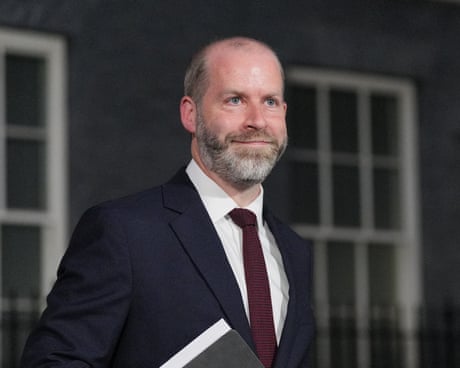
British officials have begun discussions with the EU about a long-term relationship that could include a return to free movement, the business secretary has said while promising the British people “are the boss” when it comes to what the UK will accept.

Jonathan Reynolds said the focus for British negotiations was the EU summit in November to seal an agreement to ease some trading restrictions and a youth mobility deal. But he said the prime minister, Andy Burnham, had made it clear he wanted to see a long-term and stable relationship with the bloc.

Continue reading...

© Photograph: Yui Mok/PA

© Photograph: Yui Mok/PA

© Photograph: Yui Mok/PA

  •  

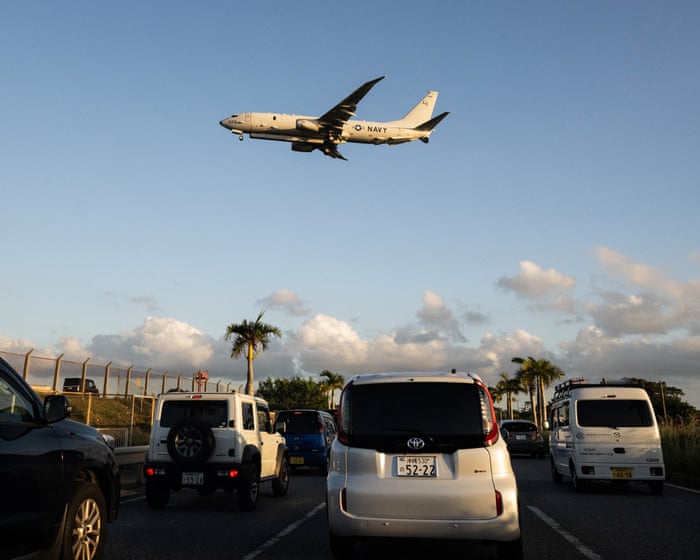
US bans vehicles from China’s BYD at Japan military base, calling them ‘unacceptable’ risk

US military says the restrictions on the electric vehicles at Kadena airbase also apply to delivery drivers and taxis

One of America’s biggest overseas military bases has banned vehicles made by the Chinese electric vehicle maker BYD over security concerns, the US military in Japan said on Tuesday.

The ban, which went into effect this week at Kadena airbase on the southern Japanese island of Okinawa, has fueled speculation that similar measures could be taken at other US military facilities as part of Washington’s crackdown on Chinese technology it suspects of being used to collect sensitive information.

Continue reading...

© Photograph: Andrew Caballero-Reynolds/AFP/Getty Images

© Photograph: Andrew Caballero-Reynolds/AFP/Getty Images

© Photograph: Andrew Caballero-Reynolds/AFP/Getty Images

  •  

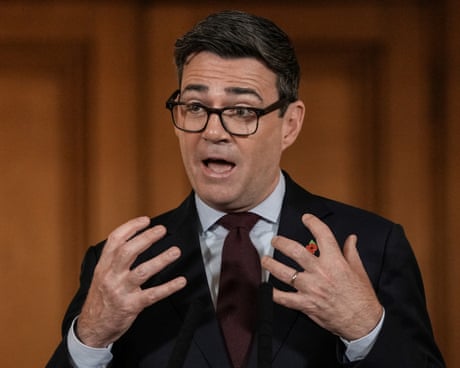
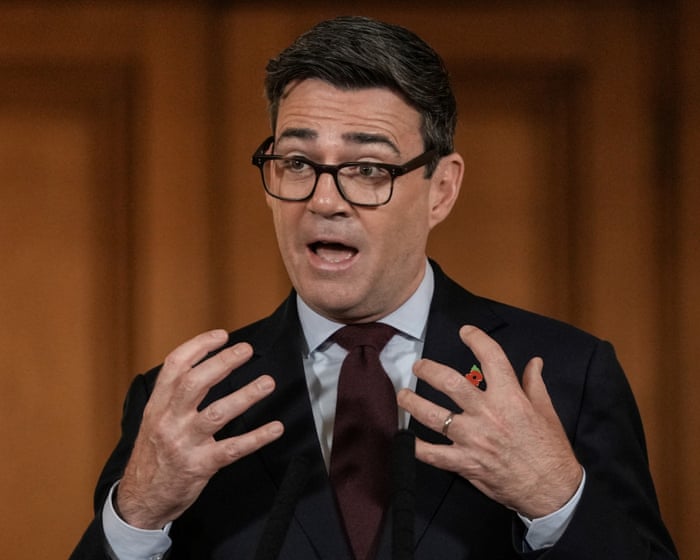
No 10 clarifies Andy Burnham’s stance on freedom of movement

Clarification comes after PM fuelled speculation about EU-UK relationship in series of interviews at weekend

Downing Street has been forced to clarify Andy Burnham’s stance on whether the UK would return to having freedom of movement with the EU after the prime minister said an “honest discussion” was needed on the issue.

Burnham fuelled speculation about a return to freedom of movement in an interview at the weekend, prompting questions about how close the UK could become to Brussels.

Continue reading...

© Photograph: Carlos Jasso/Pool AFP/AP

© Photograph: Carlos Jasso/Pool AFP/AP

© Photograph: Carlos Jasso/Pool AFP/AP

  •  

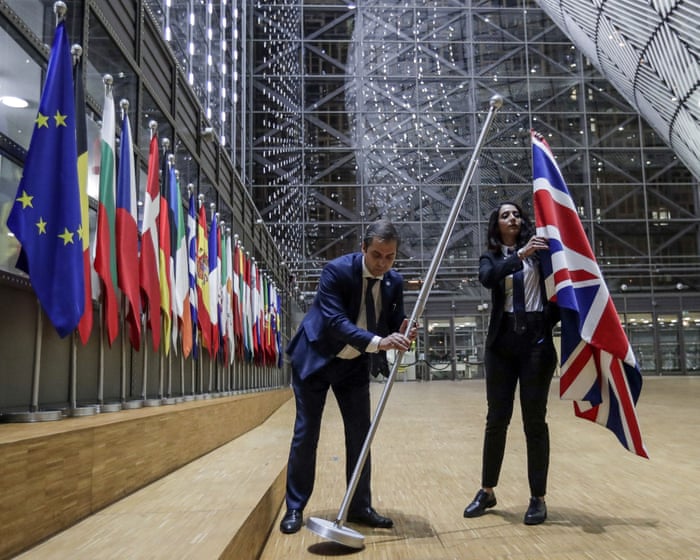
A referendum is not needed for the UK to reach a Bre-entry deal with Europe | Letters

Readers respond to Polly Toynbee’s article on the possibility of rejoining the EU

With all due respect to Polly Toynbee, why do we assume that we would need another referendum to return to Europe (Shall we have another EU referendum? Maybe – but not yet, 19 October)? The last one didn’t work out too well. Asking the electorate to vote a simple yes or no on such a complex and multifaceted deal was never going to be the right approach; nor will it be to go back in.

Call it what you will – Brejoin, Bre-entry, Brehabilitation – it shouldn’t be an all-or-nothing deal. The one thing that Brexit has given us is the opportunity to cherrypick the elements of a relationship that are of mutual benefit to both parties. How about approaching it on a piecemeal basis, processing it through normal parliamentary procedure? No buses required.
Gary Jones
Wimbledon, London

Continue reading...

© Photograph: Olivier Hoslet/AFP/Getty Images

© Photograph: Olivier Hoslet/AFP/Getty Images

© Photograph: Olivier Hoslet/AFP/Getty Images

  •  

New Book Says Jared Kushner Funneled Money to Middle East Mercenaries. Kushner Denies It.

Cover of 'Princes and Thieves' with Jared Kushner (on the left) and Mohamed bin Zayed (on the right) | Illustration: Princes and Thieves/Matthew Cole/Atria/One Signal Publishers/

Princes and Thieves, a new book by investigative journalist Matthew Cole, may open a rabbit hole into financial connections between Middle Eastern dictators and President Donald Trump's family. Cole accuses Emirati monarch Mohamed bin Zayed (MBZ) of sending billions of dollars to various mercenaries and political operators, including Jared Kushner, son-in-law to President Donald Trump. Cole's reporting combines well-documented connections with secondhand accounts from anonymous sources.

On Thursday, Vanity Fair published an excerpt from the book, reporting that Dutch military intelligence hacked into Kushner's phone in 2018 and discovered hundreds of millions of dollars in bank transfers connected to MBZ. Also on Thursday, Kushner published a letter from his lawyers to Cole categorically denying the "incredible and false" allegations in the book. "Mr. Kushner never accessed foreign accounts and always followed all rules and regulations and only pursued goals that were in the best interest of the United States as directed by the President of the United States," they wrote.

Cole had originally written on his blog that the book was scheduled for release on October 27, but the publication date was pushed forward over the weekend.

The book purports to tie Kushner to a vast web of Emirati influence operations around the world. In Cole's telling, which matches other journalists' accounts, MBZ wants to reshape the Middle East and eastern Africa into an alliance of U.S.-backed dictatorships, where "tolerance" is enforced through high-tech surveillance and "democracy" is a synonym for terrorism. MBZ's use of mercenaries in pursuit of these goals is well-documented. So is Kushner's personal affinity with the Emirati monarch and his business ties with the Arab monarchies.

Soon after Trump won the 2016 election, MBZ held a widely reported meeting with Kushner. According to the book—and according to much of that earlier reporting—the monarch complained about the Obama administration's failure to back Arab regimes against popular revolutions, its decision to end the Iraq War, and its diplomacy with Iran.

Going much further than past reporting, Cole now claims Kushner was personally involved in MBZ's mercenary operations. MBZ and Saudi Crown Prince Mohammad bin Salman put a collective $2 billion into Emirati and Israeli bank accounts which were managed (but not technically owned) by Kushner, according to Cole's sources. Those same sources claim that parts of this secret "slush fund" went to Libyan warlord Khalifa Haftar, American military contractor Erik Prince, and Cuban hitman Felipe Vidal.

Haftar, a former CIA asset, became a general in Libya's 2011 revolution and then attempted to overthrow the new government with Emirati backing in 2014. Despite a 2020 ceasefire, his forces continue to control much of Libya. Prince, founder of the military contractor formerly known as Blackwater, moved to the UAE and helped build a secret army of Colombian mercenaries. He sued Cole for defamation after Cole reported on Prince's role in helping Haftar, but a judge threw out the case. Cole's sources claimed that Vidal, a self-described "hit man," helped the United Arab Emirates (UAE) fake an Iranian attack on oil tankers in May 2019, meant to provoke Trump into war.

Kushner's lawyers have denied any relationship with any of those three men, apart from a single meeting with Prince after the 2016 election. (According to Cole, both Vidal and Prince refused to comment for the book.) The position of the U.S. government is that the May 2019 incident was a genuine Iranian attack, not an Emirati false flag.

After the Vanity Fair article was published last week, Israeli negotiator Gershon Baskin pointed out in The Jerusalem Post that the Central Bank of Israel "does not offer private banking services to individuals," which would make it impossible for Kushner's money to be deposited in the Central Bank of Israel, as Cole claimed. The book addresses that argument, claiming that the money was deposited "in what would appear to be a government account," with Kushner and Israeli Prime Minister Benjamin Netanyahu jointly authorizing transactions.

The Abraham Accords, which include an alliance between Israel and the UAE, have often been touted as a way for the U.S. to "spend less time and less resources in the Middle East," in the words of Vice President J.D. Vance. But Cole argues that the UAE actually used its alliance to entangle American interests in a future conflict. The book states that Kushner set up "a rainy-day defense fund" for war with Iran, using Emirati money deposited in a separate Central Bank of Israel account.

Cole also claims to have evidence that Kushner was on the take from the UAE's regional frenemy Qatar. In 2017, the UAE and Saudi Arabia issued an ultimatum for Qatar to rein in its foreign policy and blockaded the small nation. The Intercept later reported that Kushner's father had sought a Qatari bailout for the family real estate business just before the crisis, and the Qatari-linked company Brookfield ended up providing the needed investment in August 2018, leading to a congressional investigation into the deal.

Democrats are still digging for information on Kushner's business ties to Qatar, but three sources told Cole that the Qatari royal family authorized and paid for the Brookfield deal. The Qatari government "asked the White House how to resolve the blockade. And the Kushners kept saying, 'We have this great property that needs investment.' Eventually, the Qataris realized the only way to settle the blockade was to buy the building," a former U.S. intelligence officer said.

Kushner's lawyers write that they have "no evidence that Qatar impacted the investment decision. Any suggestion of his involvement in the transaction or any allegation of quid pro quo with the Qatari government is false and defamatory."

Other parts of the book are better-documented. Cole obtained a draft of Prince's autobiography, text messages from one of Prince's colleagues, and emails from Emirati government adviser George Nader, who was convicted of fraudulently funneling money into Hillary Clinton's 2016 presidential campaign. If nothing else, the book is a comprehensive account of the UAE's unofficial empire and its American ties. But the most explosive claims about Kushner's involvement in those activities rest on anonymous sources, making it a matter of Cole's word against Kushner's.

"I considered the responses from Kushner's attorneys carefully and consulted multiple sources about them. During the five years I have spent working on this book, I have tried to keep an open mind, and I am confident that my reporting is accurate. Kushner's lawyers' responses did not change that conclusion," Cole writes in the book's epilogue.

The post New Book Says Jared Kushner Funneled Money to Middle East Mercenaries. Kushner Denies It. appeared first on Reason Magazine.

  •  

America Is Spending Billions To Fight the War on Terror in Africa. The Terrorists Are Winning.

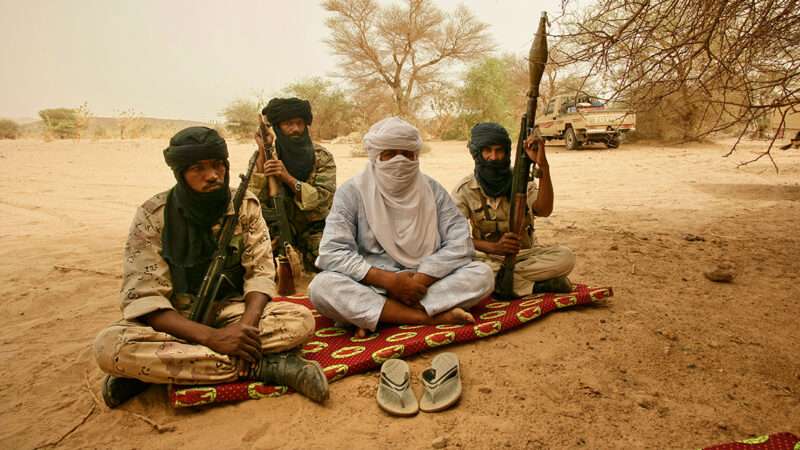
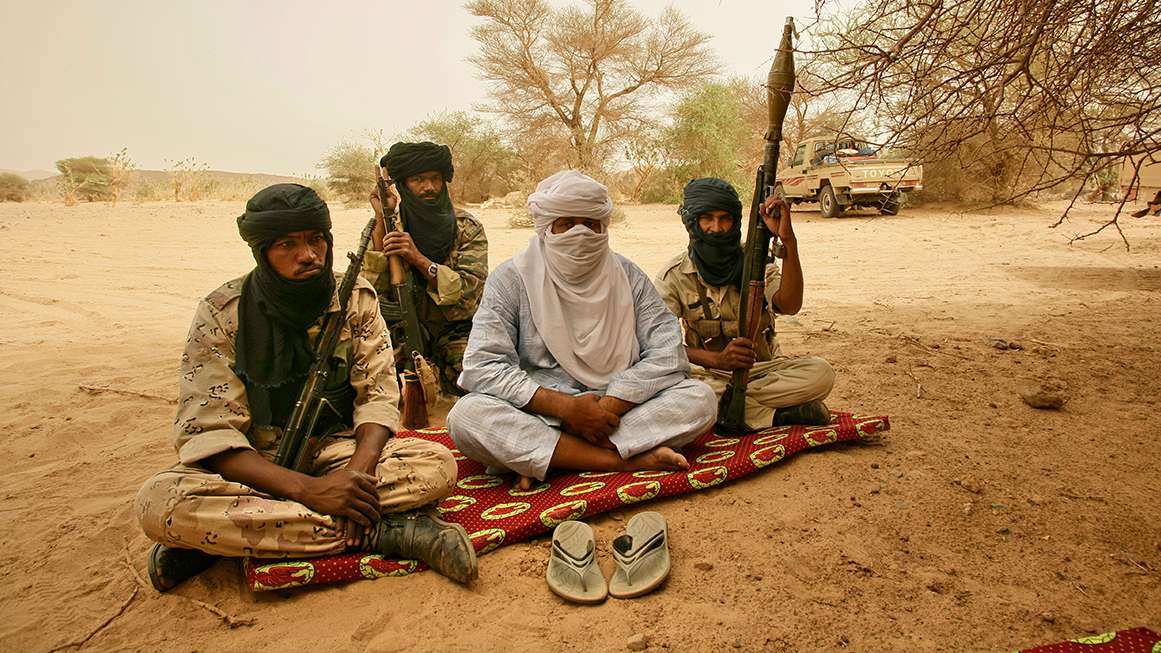
A group of men with head coverings and weapons sit on a run | Photo: Iyad Ag Ghali; Patrick Robert/Corbis/Getty

The first state to be ruled by Al Qaeda might not be in Afghanistan or the Arab world—and its ruler might be a former whiskey-drinking rock star. In April, the Group for the Support of Islam and Muslims ("JNIM" in Arabic) led an uprising in the African nation of Mali, killing Defense Minister Sadio Camara, breaking open a prison holding thousands of inmates, and besieging Bamako, the capital. The fighting was still underway as of August.

Mali is not the only place threatened by a JNIM takeover. The West African branch of Al Qaeda is active in a belt of countries known as the Sahel. Its leader, Iyad Ag Ghali, was the former percussionist for the rock band Tinariwen. He now leads a campaign to stamp out the "music of Satan." Perhaps the one saving grace for Sahelian metalheads is that puritans can't get along with each other: The JNIM is locked in a war with the rival Islamic State Sahel Province.

The Sahelian civil wars are a testament to the failure of the global war on terror. Despite spending $355 billion on African counterterrorism from 2001 to 2021, the U.S. government has been unable to stop Al Qaeda or related Islamist groups from taking root across the continent. A study by the Pentagon's Africa Center for Strategic Studies found a 101,300 percent increase in terrorism fatalities from 2002 to 2022, mostly concentrated in the Sahel and Somalia.

These wars demonstrate that the solution to terrorism isn't maximum violence. President Donald Trump launched four times as many airstrikes against Somalia in his first 18 months of his second term as the U.S. did over the past four years combined. U.S. military aid has flowed to repressive governments across Africa with little respect for their citizens' rights. Since 2020, there have been coups d'etat across the Sahel by military men promising that they can do the dirty work that civilian leaders are afraid of. Many of them were trained by the U.S. government. The new regimes have imported Russian mercenaries with a reputation for brutality and no real restraints on their activities.

"People need to forget about the question of democracy," Ibrahim Traoré, leader of Burkina Faso, declared in April.

Instead of restoring order, these heavy-handed tactics have caused more chaos. The military juntas in the Sahel are plainly losing to the JNIM. While the Russian fighters have no difficulties massacring civilians or mutilating prisoners, they have found it much harder to face people who can actually shoot back, facing repeated battlefield humiliations. Meanwhile, the U.S.-led campaign against al-Shabab, the Somali branch of Al Qaeda, has stalled out despite the heavier use of airpower.

The African war on terror began shortly after the U.S. campaigns in Afghanistan and Iraq. To some extent, the U.S. created the very threats that it is trying to fight in Africa. Somalia had been at civil war since the fall of socialism, and in the early 2000s, the CIA began funding Somali warlords to stop the rise of Islamist revolutionaries. The (relatively moderate) Islamic Courts Union took over anyway in 2006—uniting Somalia for the first time in more than a decade—and the U.S. encouraged neighboring Ethiopia to invade. When al-Shabab emerged to fight the Ethiopian invaders, the U.S. tapped a former leader of the Islamic Courts Union to lead a new Somali government.

Soon after the Ethiopian-Somali war, President George W. Bush created the Pentagon's Africa Command, and Congress budgeted $500 million in aid to militaries in the Sahara Desert and the Sahel. At the time, the main Islamist threat to that region was a mostly defeated insurgency in Algeria.

But the Libyan civil war in 2011 created terrible new monsters. Soon after President Barack Obama intervened in support of the Libyan revolution, weapons and hardened fighters from Libya flooded the ethnic Tuareg region of Mali, which declared independence a few months later. Soon after, Al Qaeda and its affiliates took over the Tuareg rebellion. With the Malian government coming close to collapse, France intervened in January 2013 and made many of the same mistakes that the U.S. did in its own war on terror.

Ag Ghali, the current leader of the JNIM, got his start as a Tuareg nationalist. A leaked U.S. embassy cable from 2008 called him a "proverbial bad penny" who enjoyed "playing both sides" and had ties to Islamist and secular nationalist rebels. By the time of the French intervention, he was fully committed to Islamic theocracy. In 2017, he united Islamist rebels across the Sahel under the banner of Al Qaeda. That same year, four U.S. Special Forces troops were killed in Niger by the Islamic State group, which was busy uniting Ag Ghali's rivals.

Despite the failures of the Sahelian governments to stop Ag Ghali—and their willingness to ally with Russia—the Trump administration is eager to double down on supporting them. The U.S. government increased intelligence sharing with Mali in 2025, and as of July it was considering a direct military intervention against the JNIM, according to The Washington Post. But every American escalation on the continent has produced the enemy that the next one had to fight.

The post America Is Spending Billions To Fight the War on Terror in Africa. The Terrorists Are Winning. appeared first on Reason Magazine.

  •  

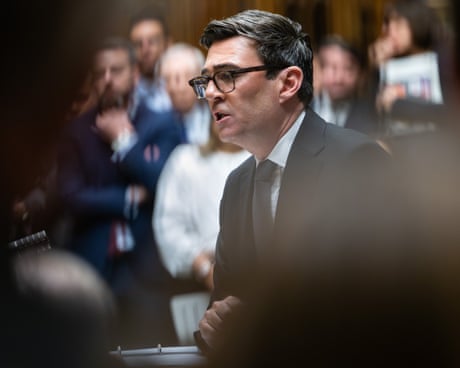
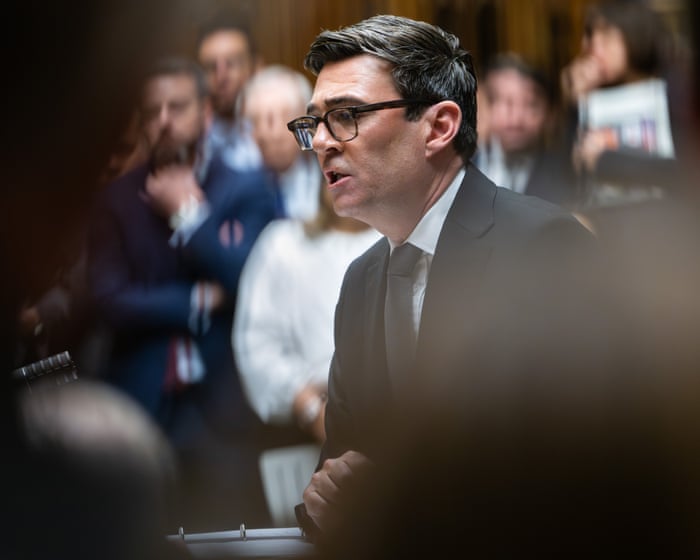
Brexit deal is not good enough for British public, says Andy Burnham

EU exit has damaged economy and failed to bring promised benefits, says PM, but he rules out big pre-election changes

Brexit has not “played out” like it was promised to the public, has weakened the economy and the current deal is not good enough, Andy Burnham has said, while ruling out any major changes in the current parliament.

The prime minister said Britain had ended up with a “harder Brexit than was proposed in the referendum campaign” and it had not helped to control the small boats crisis. Backing the home secretary’s tougher immigration rules, he said Brexit had weakened the UK’s ability to control its borders as it could no longer send people back to Europe.

Continue reading...

© Photograph: House of Commons/PA

© Photograph: House of Commons/PA

© Photograph: House of Commons/PA

  •  

War Is Interested in You by Gideon Rachman review – are we on the brink of world war three?

A foreign affairs expert’s bleak assessment of the state of global security

Are we on the brink of a new world war? This bleak subject is increasingly invoked by leaders, soldiers and officials, from Donald Trump to Vladimir Putin to the heads of our military and intelligence services. It’s an urgent theme, then, for the FT foreign affairs columnist Gideon Rachman to explore in his latest survey of global diplomacy. Rachman draws his title from the expression, sometimes attributed to Trotsky: “You may not be interested in war, but war is interested in you” – the idea being that conflict doesn’t much care whether we like to think about it or not: it will come knocking on our doors regardless.

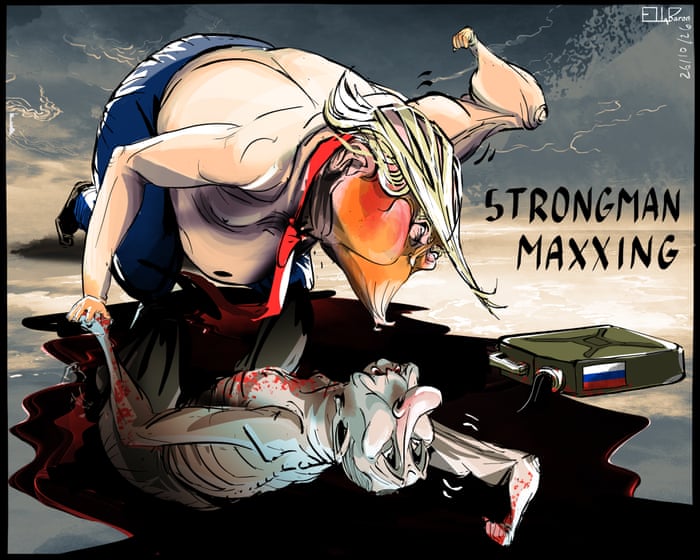
Clearly, humanity is in a particularly unsafe spot right now, but seeing our security issues laid out like this, catalogued and mapped and analysed, they seem almost overwhelming. To summarise: the most powerful, nuclear-armed states – the US, China and Russia – are led by unscrupulous, self-dealing “strongmen”, each of whom is playing with the nationalist “Great Again” politics epitomised by Trump. Democracy is being rolled back around the world, and even bastions of liberalism such as the UK, France and Germany seem vulnerable to takeover by the Putin-friendly far right. The so-called rules-based international order and its institutions – the UN, the WTO, Nato – are being deliberately undermined by the aforementioned strongmen, and are as weak now as they have ever been.

Continue reading...

© Photograph: Cheng Chia Huang/Getty Images

© Photograph: Cheng Chia Huang/Getty Images

© Photograph: Cheng Chia Huang/Getty Images

  •  

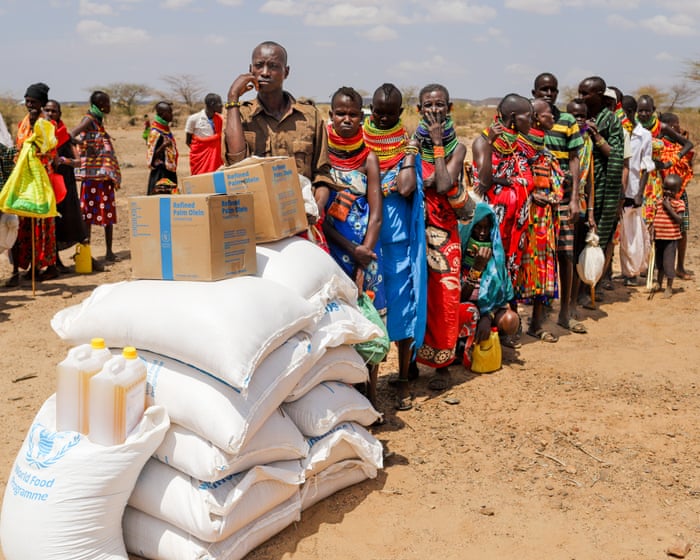
UK poised to miss reduced aid spending target of 0.3% of national income

Calculations from the Center for Global Development say spending next year is likely to be £410m less than anticipated

The UK is on course to miss its target of spending 0.3% of national income on international aid by an estimated £400m by the end of next year.

Calculations from the Center for Global Development (CGD) found the UK was on course for a large shortfall in promised official development assistance at the end of 2027.

Continue reading...

© Photograph: Patrick Ngugi/AP

© Photograph: Patrick Ngugi/AP

© Photograph: Patrick Ngugi/AP

  •  

Europe’s Search for a Ukraine Negotiator Exposes a Much Deeper Struggle for Power

European leaders are considering appointing a senior representative to negotiate with Russia over Ukraine. But the search exposes a more fundamental problem: whether Europe can transform its economic strength, military resources and political influence into an independent capacity to shape its own security.

Europe is searching for someone capable of negotiating with Vladimir Putin. Yet the question confronting European capitals is considerably more difficult than identifying a politician with sufficient experience, authority and diplomatic skill. It is whether Europe possesses the political unity and strategic independence to negotiate with Moscow on equal terms.

According to diplomatic accounts published on 22nd October, five European leaders have emerged as possible representatives: Italian Prime Minister Giorgia Meloni, Finnish President Alexander Stubb, Czech President Petr Pavel, Danish Prime Minister Mette Frederiksen and Norwegian Prime Minister Jonas Gahr Støre.

No appointment has been announced, and a group of negotiators may ultimately prove more acceptable than a single representative. The initiative reflects concern that Washington’s negotiations with Moscow could produce arrangements affecting European security without sufficient European influence over their terms.

The European Commission insists that the EU is already participating in diplomatic consultations, including discussions held in Oslo on 20th October. But participation in preliminary meetings is not the same as possessing the authority to determine the outcome.

The paradox of European power

Europe’s predicament contains an extraordinary contradiction. The European Union is among Ukraine’s principal financial supporters. Its governments provide military assistance, maintain sanctions against Russia and control decisions affecting Moscow’s future access to European markets. Nevertheless, European capitals remain concerned that the decisive political framework for ending the war could be negotiated principally between Washington and Moscow.

This anxiety has intensified under President Donald Trump, whose transactional approach increasingly treats diplomatic settlements as exchanges of economic concessions and strategic advantages.

As EU Today recently examined, proposals involving sanctions relief, renewed energy cooperation and commercial opportunities raise the possibility of arrangements that depend upon European consent but are negotiated elsewhere.

Washington can discuss reopening economic relations with Russia. It cannot independently reverse European sanctions, guarantee Ukraine’s accession to the EU or decide the continent’s future security arrangements. The European Council explicitly reaffirmed this distinction in its conclusions of 16th October, insisting that decisions affecting the Union’s security and responsibilities belong to Europe itself.

The central issue is therefore not whether Europe has influence, but whether it can organise that influence into a coherent negotiating position.

Why Ukraine must help choose Europe’s representative

An equally important weakness would arise if European governments selected their representative without making Kyiv an integral participant in the decision.

Ukraine is not merely the geographical subject of negotiations. Its government controls whether a proposed settlement can acquire political legitimacy, while its armed forces determine much of what can be implemented on the ground.

A negotiated agreement rejected by Kyiv could neither reliably end the war nor provide the security arrangements that Europe seeks.

European security, moreover, can no longer be considered independently of Ukraine’s military capabilities. Ukrainian forces possess extensive operational experience against Russia, including in drone warfare, electronic warfare and long-range strikes.

Any future continental defence architecture that excludes this experience would disregard one of Europe’s most consequential military assets.

An effective European representative would therefore require a mandate developed jointly with Ukraine, rather than simply endorsed by European governments after the event.

The danger of negotiating without leverage

The proposed candidates illustrate the difficulty of combining political authority with negotiating credibility. Meloni possesses a working relationship with Trump and considerable influence within European conservative politics. Stubb combines experience of Russia’s immediate neighbourhood with access to Washington. Pavel brings military expertise and an understanding of NATO’s command structures. Yet none could independently commit Europe’s governments to financial, military or territorial-security obligations.

This is the fundamental weakness of the proposed office. A negotiator requires more than access to powerful leaders. The ability to make commitments, withhold concessions and impose costs is what gives diplomatic representation substance.

Europe possesses potentially significant instruments: sanctions, industrial capacity, financial assistance and growing defence expenditure. But these remain distributed across institutions and national governments with differing strategic priorities.

Poland, the Baltic states and Nordic governments approach Russian security threats differently from several Western and Southern European capitals. Reconciling those positions is not an administrative exercise. It is a prerequisite for meaningful diplomacy.

The historical shadow of Yalta

The search also reflects European concern about a return to great-power bargaining over the continent’s political geography.

The historical comparison frequently invoked is Yalta in 1945, when Roosevelt, Churchill and Stalin discussed Europe’s post-war settlement. Munich in 1938 offers another warning about negotiating territorial concessions at the expense of directly affected states. Neither precedent precisely describes the present situation.

Unlike the countries subjected to Soviet domination after the Second World War, today’s European states possess established institutions, substantial economic resources and collective defence arrangements. Ukraine, meanwhile, has demonstrated that Russia cannot simply dictate its political future through military superiority.

Nevertheless, the danger lies in accepting the underlying principle that powerful states possess a privileged right to determine the sovereignty and security choices of their neighbours.

Moscow’s demands concerning NATO, Ukrainian territory and Europe’s wider security arrangements extend beyond any conventional ceasefire negotiation.

A European representative would have to challenge that premise rather than merely negotiate the geographical limits of Russian influence.

From diplomatic representation to strategic authority

The debate inevitably leads to Europe’s military dependence upon the United States. An American withdrawal from NATO is not inevitable. Indeed, US legislation restricts unilateral presidential withdrawal. But Washington could substantially reduce its military commitments without formally abandoning the alliance.

Europe must therefore consider how much independent military capacity it requires to support its diplomatic positions. That entails coordinated procurement, integrated military planning, sustainable defence production and deeper cooperation with Britain, Norway, Canada and Ukraine. Recent security challenges in the Black Sea illustrate the difficulty of converting European diplomatic commitments into effective collective action.

These developments would not automatically create a European army or replace NATO. They could, however, give European governments greater freedom to act if American priorities diverge from their own.

The relationship between military capability and diplomacy is particularly important in dealing with Moscow. European representatives cannot expect Russia to revise its demands simply because Brussels has selected a more prominent interlocutor.

Russia would have to conclude that continued aggression carries greater costs than a settlement respecting Ukraine’s sovereignty. Europe’s diplomatic standing would then derive not from the personality of its representative but from the collective resources and political commitments behind that individual.

The immediate search for a negotiator may appear a limited diplomatic initiative. Its implications are considerably larger.

For decades, European security rested upon an arrangement in which American military power compensated for Europe’s fragmented strategic authority. The present negotiations are exposing the limitations of that model. The decisive question is not whether Meloni, Stubb, Pavel or another European leader can secure a place at the negotiating table. It is whether Europe can establish a common position, backed by Ukraine’s consent and by sufficient economic and military power, that neither Washington nor Moscow can disregard.

Without those foundations, a European envoy risks becoming a participant in decisions made by others. With them, the appointment could mark the beginning of a substantially different European role in international security.

  •  
❌