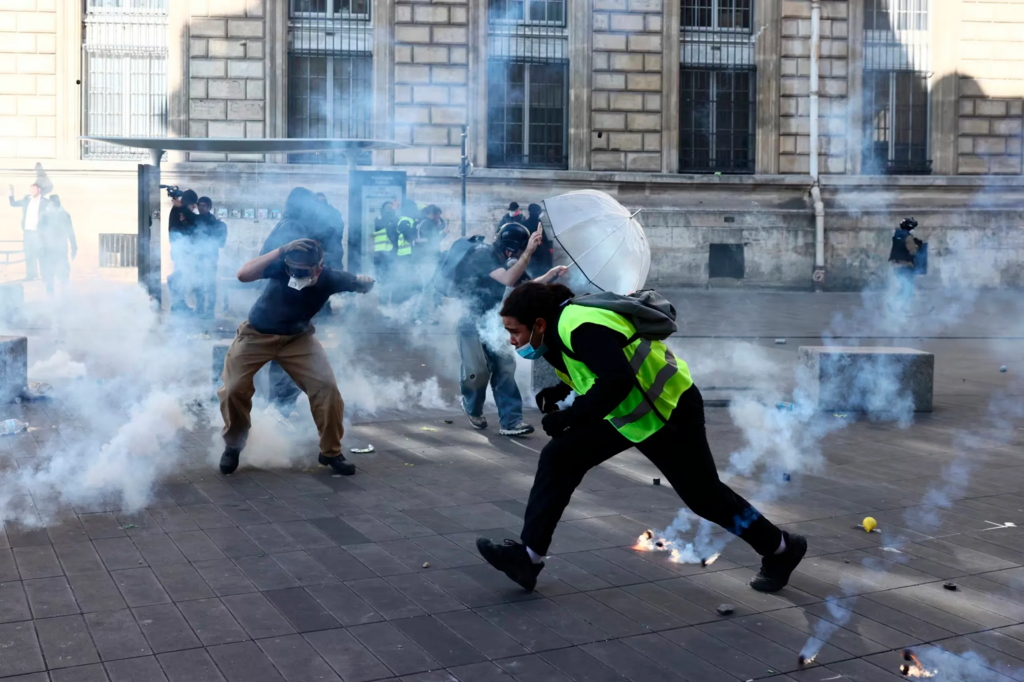
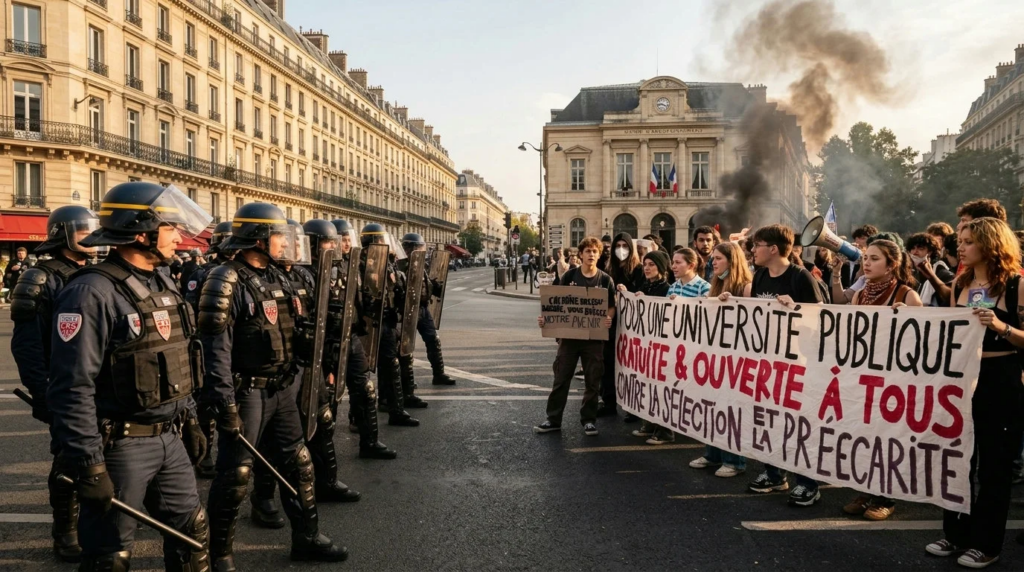
❌

Reading view

French Judge Guerin Questions Le Pen’s Eligibility for 2027 Presidential Race

Honorary Chamber President Says Conviction Could Bar Far-Right Leader From Running.

On Tuesday, Didier Guerin, the president of the honorary chamber of the French Supreme Court, expressed doubts about the possibility that far-right leader Marine Le Pen could run in the 2027 presidential elections following her conviction for misappropriation of European Parliament funds.

RELATED:

Thousands March Against Far-Right Leader Le Pen in France

In an interview published by Le Monde, Guerin, who presided over the Supreme Court’s criminal chamber between 2014 and 2017, said she will not be able to run in the April-May elections if the appeal in cassation of the sentence handed down on appeal against Le Pen succeeds.

According to his thesis, if the Supreme Court annuls the appeal verdict, the ruling issued at first instance on March 31, 2025, will apply, which sentenced the far-right leader to two years of house arrest and five years of ineligibility with preventive application.

Le Pen was convicted of misappropriation of European Parliament funds, after having paid party workers and even domestic employees with European funds intended for parliamentary assistants.

Guerin considers that an appeal to the Supreme Court annuls the appeal judgment and imposes the first-instance sentence, so that de facto Le Pen is ineligible.

Le Pen launched her candidacy after the appeals court reduced the sentence to one year of house arrest and only 15 months of ineligibility, which she has already served.

Guerin affirms that the jurisprudence of the court to which he belongs supports his theory, contrary to what other jurists think, including the chief prosecutor of the Supreme Court, Remy Heitz.

The Supreme Court magistrate notes that the only possibility Le Pen has to run in the 2027 elections is, paradoxically, for the court to reject the appeals of the sentence and confirm her conviction.

If the Supreme Court’s decision is delayed beyond March 26, 2027, the deadline for validating candidacies for the first round on April 28, the far-right candidate will not be able to seek her fourth run for the Elysee, according to Guerin.

Marine #LePen is betting on public anger over rising prices, unrest, and immigration to propel her presidential bid, promising tougher borders and a sweeping return to law and order in France.https://t.co/inACuFz4DA

— Al Mayadeen English (@MayadeenEnglish) October 25, 2026

Le Pen Fights Back

For her part, Le Pen has filed a complaint with the French Superior Council of the Judiciary against Judge Guerin over his statements about her ineligibility, considering that they violate magistrates’ duty of discretion and contain evaluations of a political nature, according to a statement from her six lawyers.

The lawyers of the far-right leader maintain that his interpretation contradicts current law on the provisional execution of sentences and the effects of judicial appeals.

They also note that the attorney general of the Supreme Court has defended a position contrary to that expressed by Guerin.

The statement also questions that an honorary magistrate publicly comments on a judicial decision of his own and considers future political scenarios, including the possibility that her candidacy be prevented or that she be removed if elected.

For this reason, Le Pen has asked the Superior Council of the Judiciary to remind Guerin of his ethical obligations, considering that his statements exceed the legal sphere and could compromise the image of the judicial institution.

teleSUR/ JF

Source: EFE

  •  

The Guardian view on the far right’s plans for Brussels: doing the work of Xi, Putin and Trump | Editorial

If ever enacted, proposals by Marine Le Pen and the AfD leader, Alice Weidel, to hollow out EU institutions would be a continental act of self-harm

Following the Brexit referendum in 2016, Marine Le Pen was in a predictably celebratory mood. Britain’s vote to leave the European Union, she told one interviewer, was the first breach in the “Brussels Wall”. Ms Le Pen’s Front National party was at that point committed to taking France down the same path, given the chance. But as the UK’s self-inflicted economic wounds became a cautionary tale for the rest of Europe, the notion of Frexit was put on ice.

Instead, Ms Le Pen now hopes to lead far-right allies in hollowing out the EU from within. This month, both she and the leader of Alternative für Deutschland, Alice Weidel, outlined their visions of a “Europe of nations” in which EU institutions would be stripped of both cash and power. Ms Weidel’s “new deal for Europe” would abolish elections to the European parliament, and seek German opt-outs in areas such as migration, defence and common borrowing. Ms Le Pen’s party, now called National Rally, proposes slashing French contributions to the EU budget by 60% over a five-year presidential term, and ending the role of Brussels in proposing common policies for the 27 member states.

Do you have an opinion on the issues raised in this article? If you would like to submit a response of up to 300 words by email to be considered for publication in our letters section, please click here.

Continue reading...

© Photograph: Christophe Petit-Tesson/EPA

© Photograph: Christophe Petit-Tesson/EPA

© Photograph: Christophe Petit-Tesson/EPA

  •  

French Elections 2027: All the Cards Are Falling in Marine Le Pen’s Favour

Marine Le Pen could scarcely have chosen a more favourable backdrop for her presidential campaign. A weakened president approaches the exit, demonstrations expose deep public frustration, and scenes of disorder reinforce her central argument: France’s governing establishment has lost control. The cards are all falling in her favour. Whether she can play them successfully remains the question.

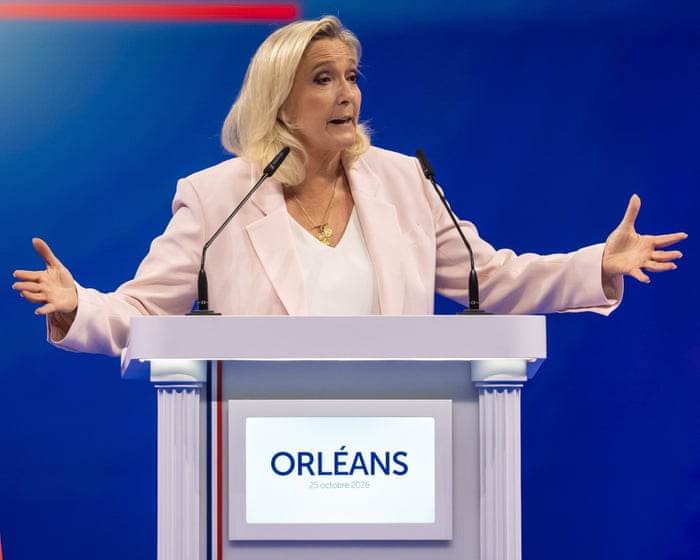
Launching her campaign in Orléans, Le Pen promised national renewal and tougher policing. Reuters reported a poll placing her at 32–33.5 per cent, against 17 per cent for Jean-Luc Mélenchon. Those numbers are a snapshot, but they suggest something politically consequential: the candidate once treated as an outsider now occupies the strongest starting position.

Emmanuel Macron, meanwhile, increasingly resembles a lame-duck president. Constitutionally unable to seek another consecutive term, he faces a succession contest in which his endorsement may carry limited weight. His admission of failures in anticipating the unrest compounds the damage. A presidency built around authority and personal command is approaching its conclusion with both visibly diminished.

For Le Pen, the advantage is obvious. Every confrontation between police and rioters supplies another opportunity to ask whether the government can perform its most basic duty: protecting the public. Citizens do not need to endorse her entire programme to find that question persuasive. They need only conclude that those already governing have exhausted their answers.

Yet the origins of the demonstrations matter. The Associated Press describes a movement rooted in education funding, rising living costs and inequality. Peaceful protesters cannot reasonably be bundled together with looters. Nor does the reporting establish that these disturbances are an expression of Islamism or Muslim demographic change. Misdiagnosing the crisis would weaken any serious argument for restoring order.

The broader integration debate nevertheless deserves frank treatment. A republic cannot function confidently if its citizens believe that common laws, civic obligations or freedom of expression are negotiable. Governments should confront Islamist intimidation, religious coercion and deliberate separatism wherever evidence establishes them. They should also expect newcomers to learn the language, respect constitutional principles and participate in national life.

Those expectations are legitimate. Treating an entire Muslim population as inherently unintegrated is not. Religious identity alone establishes neither hostility to France nor unwillingness to belong. The useful political distinction is between citizens who uphold democratic rules and individuals or organisations that seek to undermine them. That standard should apply consistently, whatever the religion or ideology involved.

Across Europe, political leaders would be wise to recognise the electoral danger of appearing evasive about integration. Voters seeking enforceable rules should receive practical answers: effective language teaching, access to employment, credible policing and action against extremist networks. When mainstream parties substitute moral lectures for measurable results, they leave an opening for opponents promising clarity and control.

Le Pen’s opportunity is to connect these concerns with a wider sense of abandonment. Disorder, strained services and anxiety about belonging can become parts of one political story: the state demands obedience and taxation but delivers too little security or reassurance. Her opponents will struggle if their response consists principally of explaining why voters should fear her.

But favourable circumstances do not eliminate her weaknesses. Her conviction over European Parliament funds, which she is appealing, sits awkwardly beside a campaign demanding accountability and respect for law. Her promises of spending restraint, lower business taxes and resistance to further retirement-age increases also invite scrutiny. Winning confidence requires explaining how competing commitments can be reconciled.

The challenge for her rivals is therefore substantive. They must demonstrate that public order and legitimate protest can coexist, that integration involves shared duties, and that economic grievances deserve workable remedies. Simply rebuilding an electoral barricade against Le Pen may prove insufficient if voters associate its defenders with the failures that brought France here.

For now, momentum belongs to her. Macron looks depleted; the streets convey insecurity; the establishment struggles to offer a convincing successor or a persuasive account of renewal. None of this guarantees a Le Pen presidency. It does mean that her opponents can no longer rely on her reputation to defeat her. They must recover the public’s confidence in their own capacity to govern. Otherwise, France’s crisis may become her decisive electoral advantage.

Le Pen Sets Out €140bn Spending-Cut Plan as French Debt Dominates 2027 Race

  •  

Journey to ground zero of the unrest in France

A drug-selling spot in Bobigny, a 'banlieue' north of Paris.

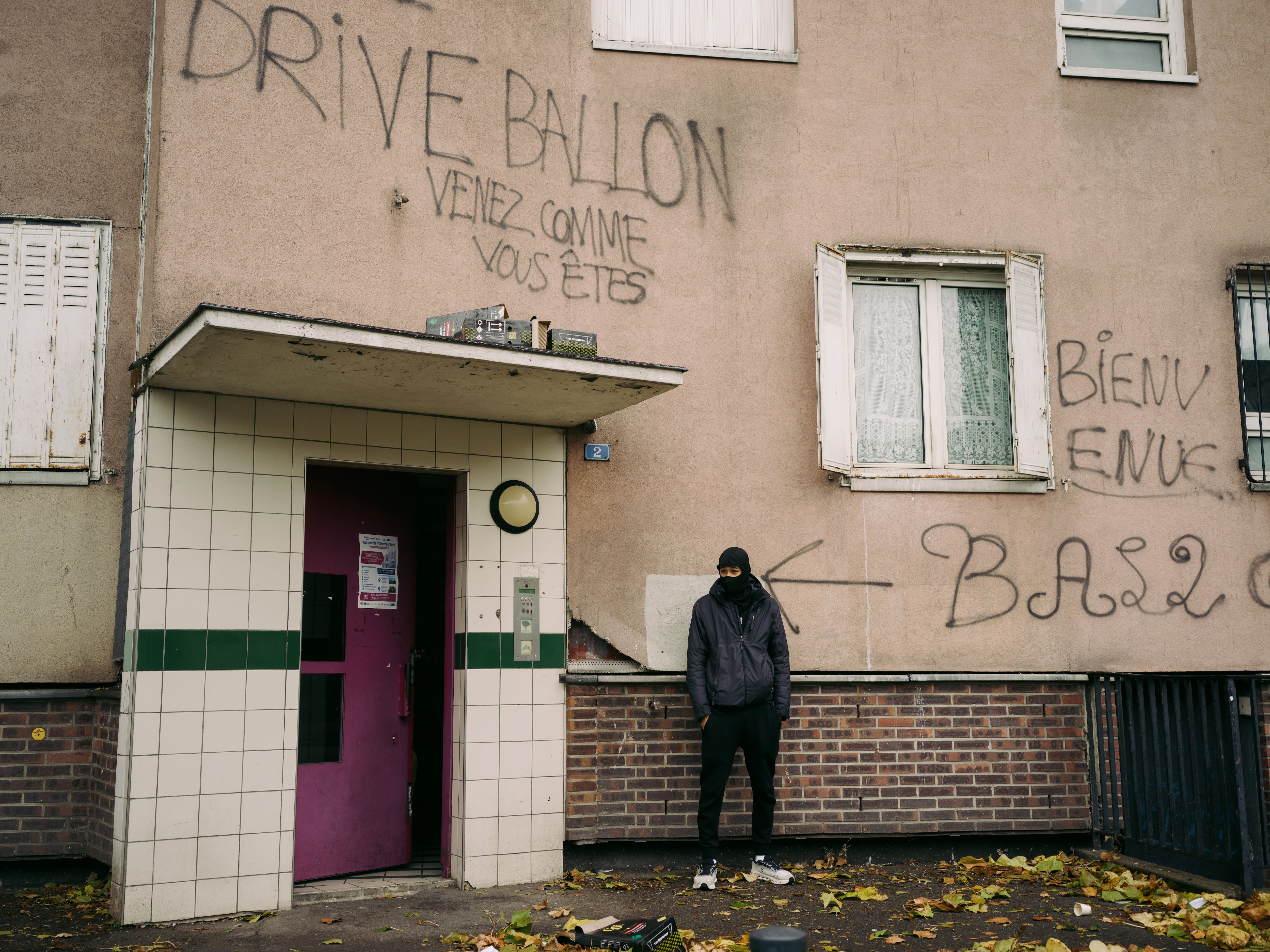
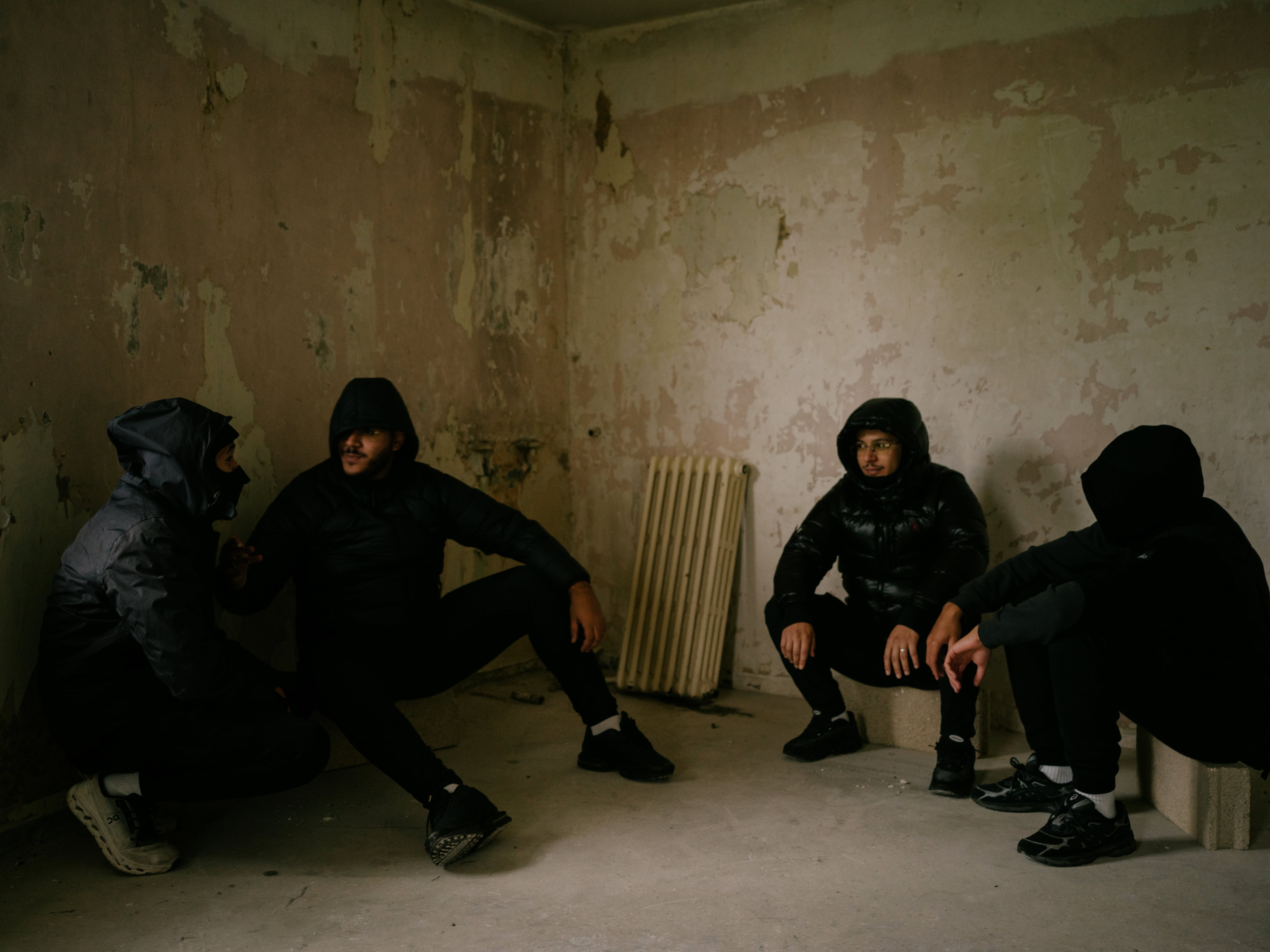
Moktar, 21, pulls up his neck gaiter, tightens the hood of his puffer jacket and steps out of the house in the late afternoon, dressed in immaculate black from head to toe. Behind the little mustache and the thick-lensed glasses with gold-rimmed temples, he smiles — a third-year college student from a very modest Tunisian family. Friendly, sharp, with an unusually political sense for his age and skin toughened by his surroundings, Moktar grew up in one of the poorest buildings in the L’Abreuvoir neighborhood in Bobigny (population 48,873), right opposite one of the drug-dealing hotspots where traffickers, police, customers, and addicts come and go all day. “Ballon here,” reads graffiti on the wall, advertising the nitrous oxide gas sold for inhalation.

Seguir leyendo

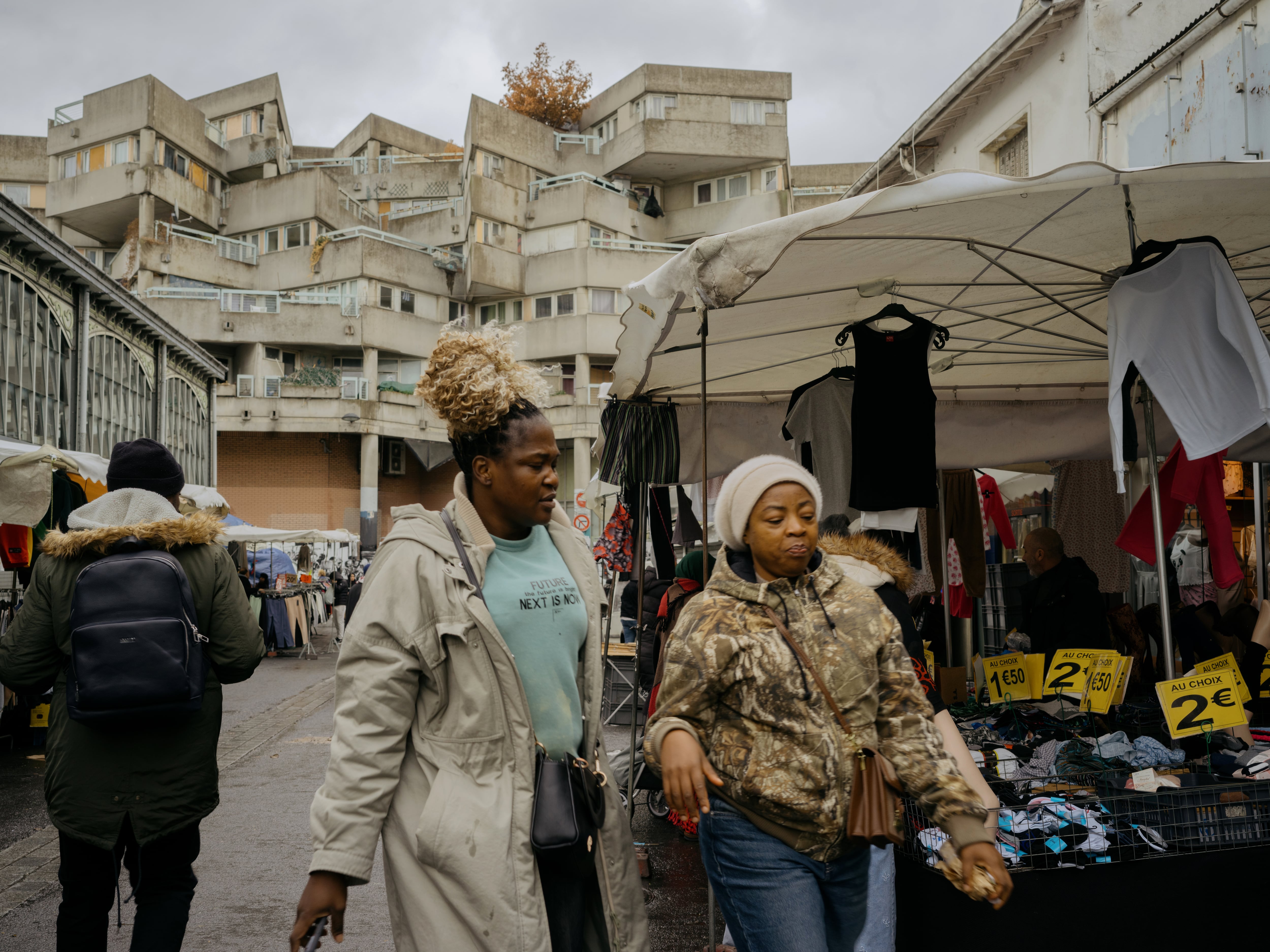
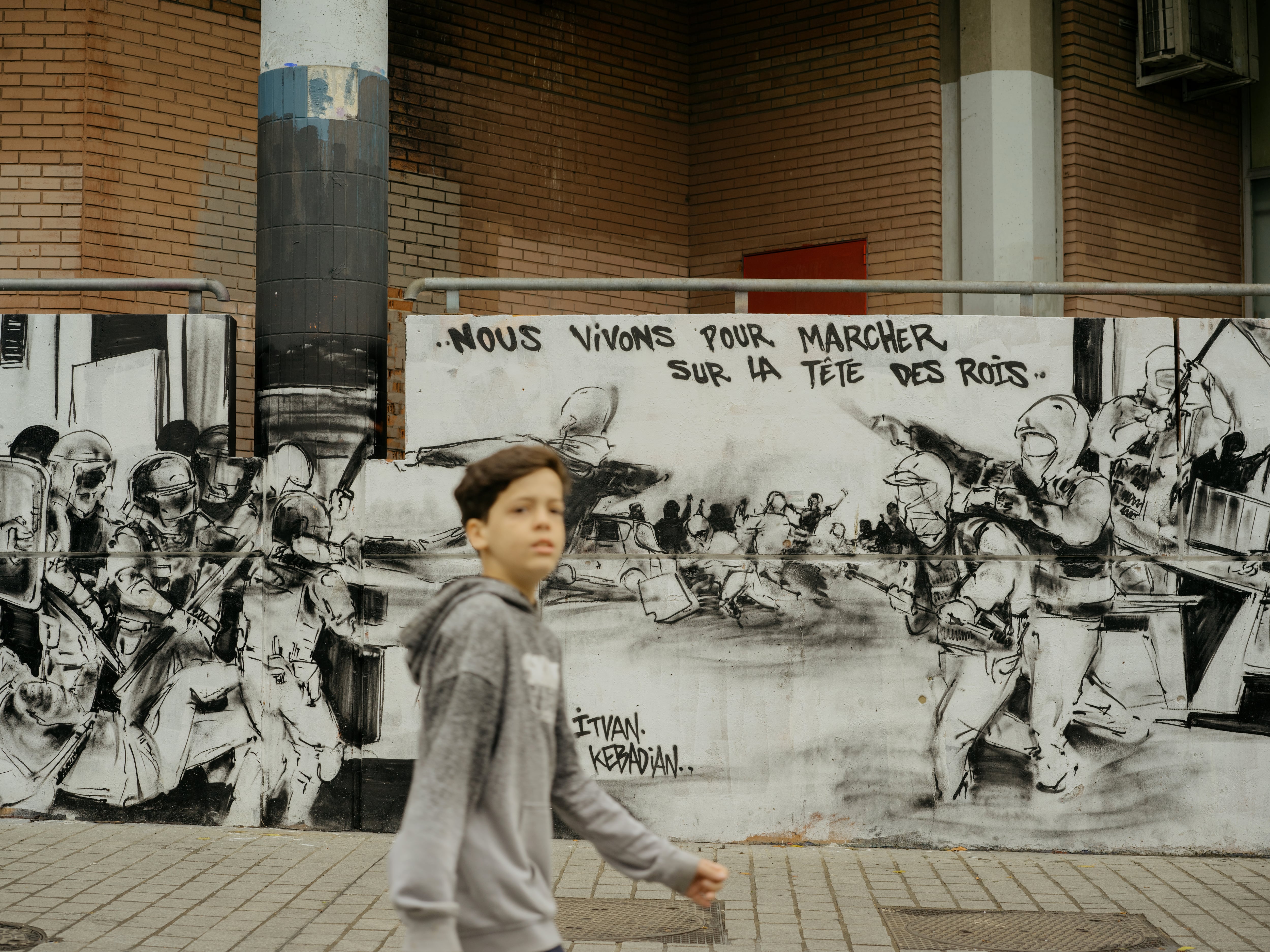
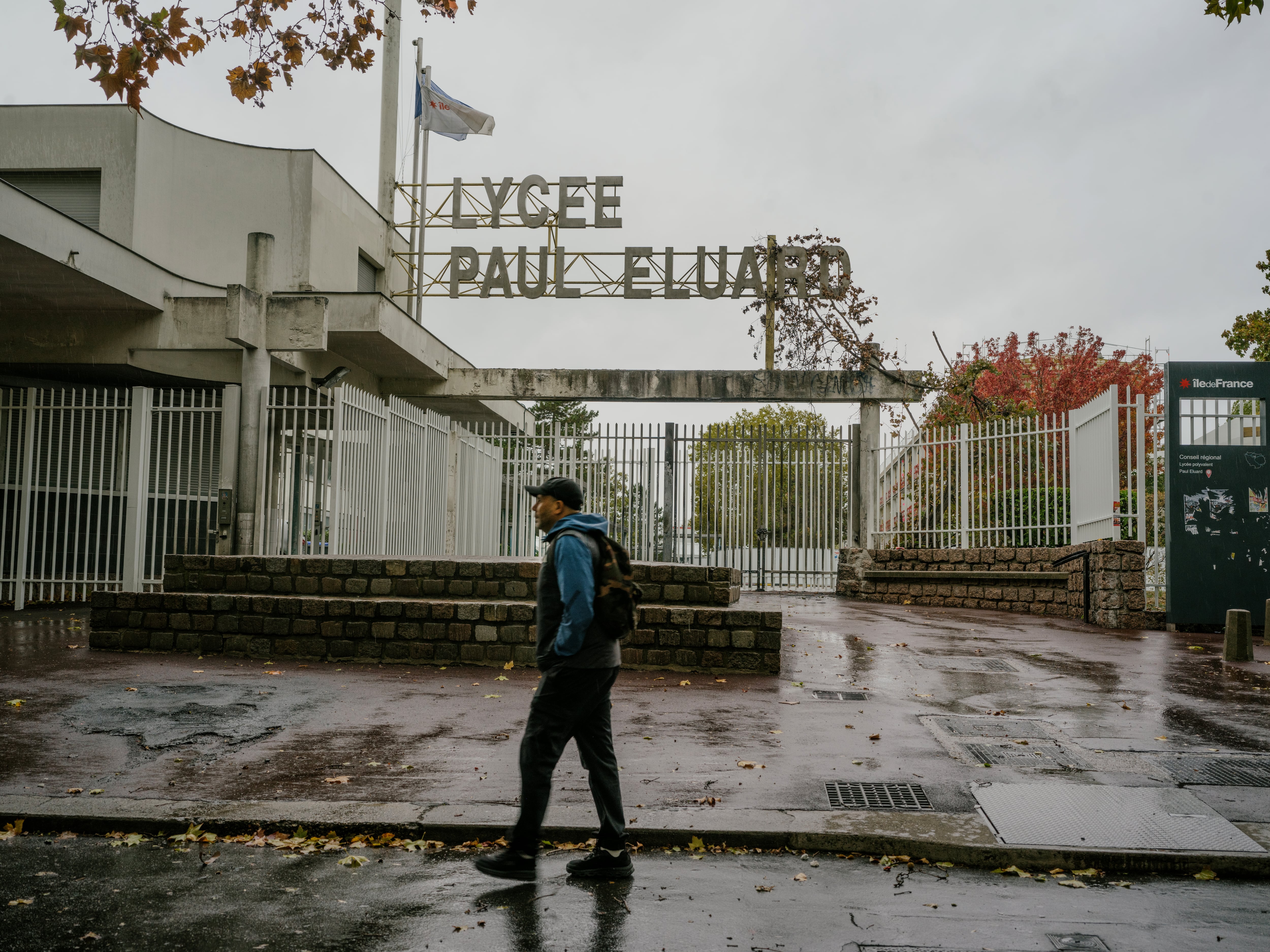
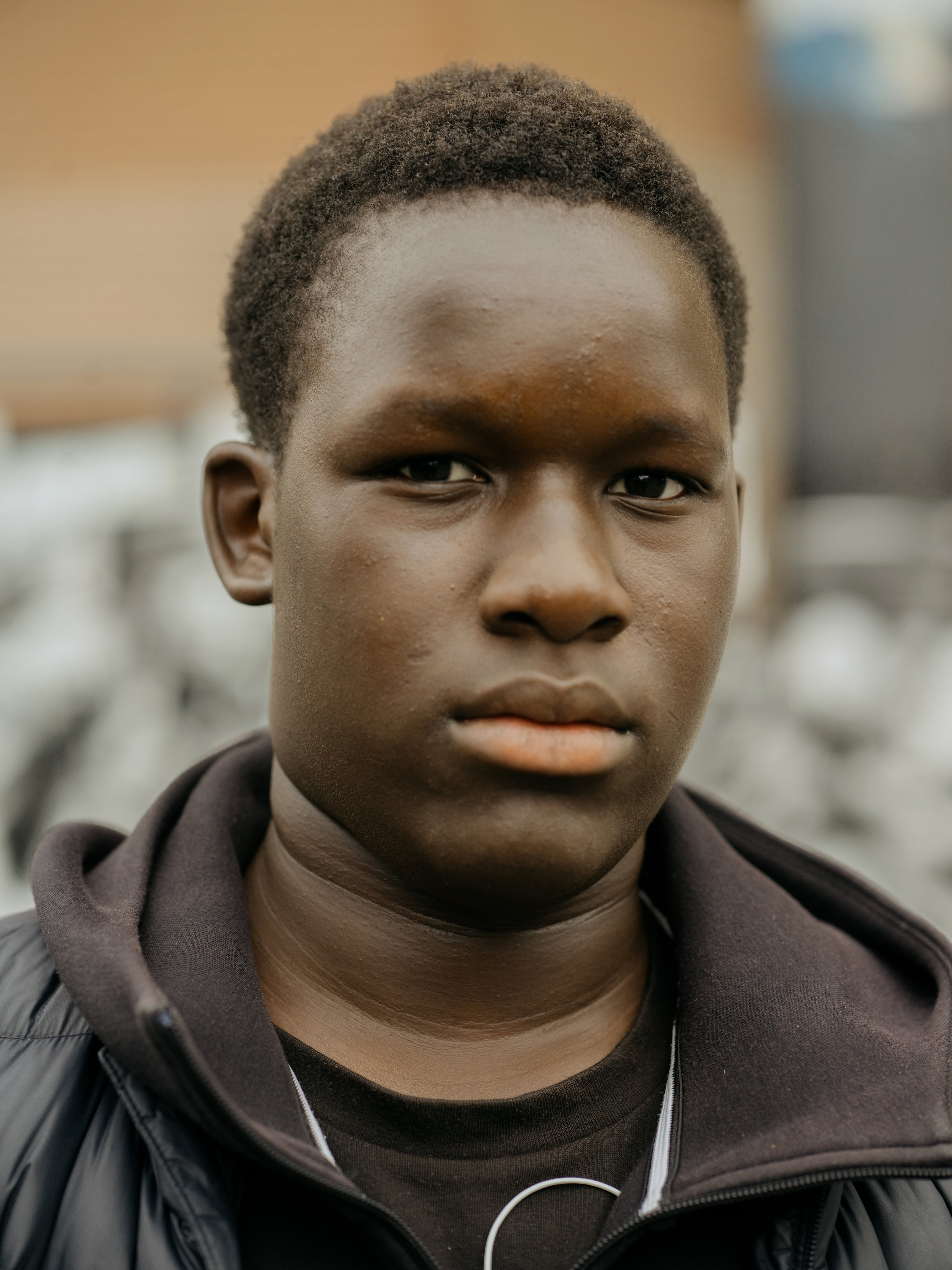
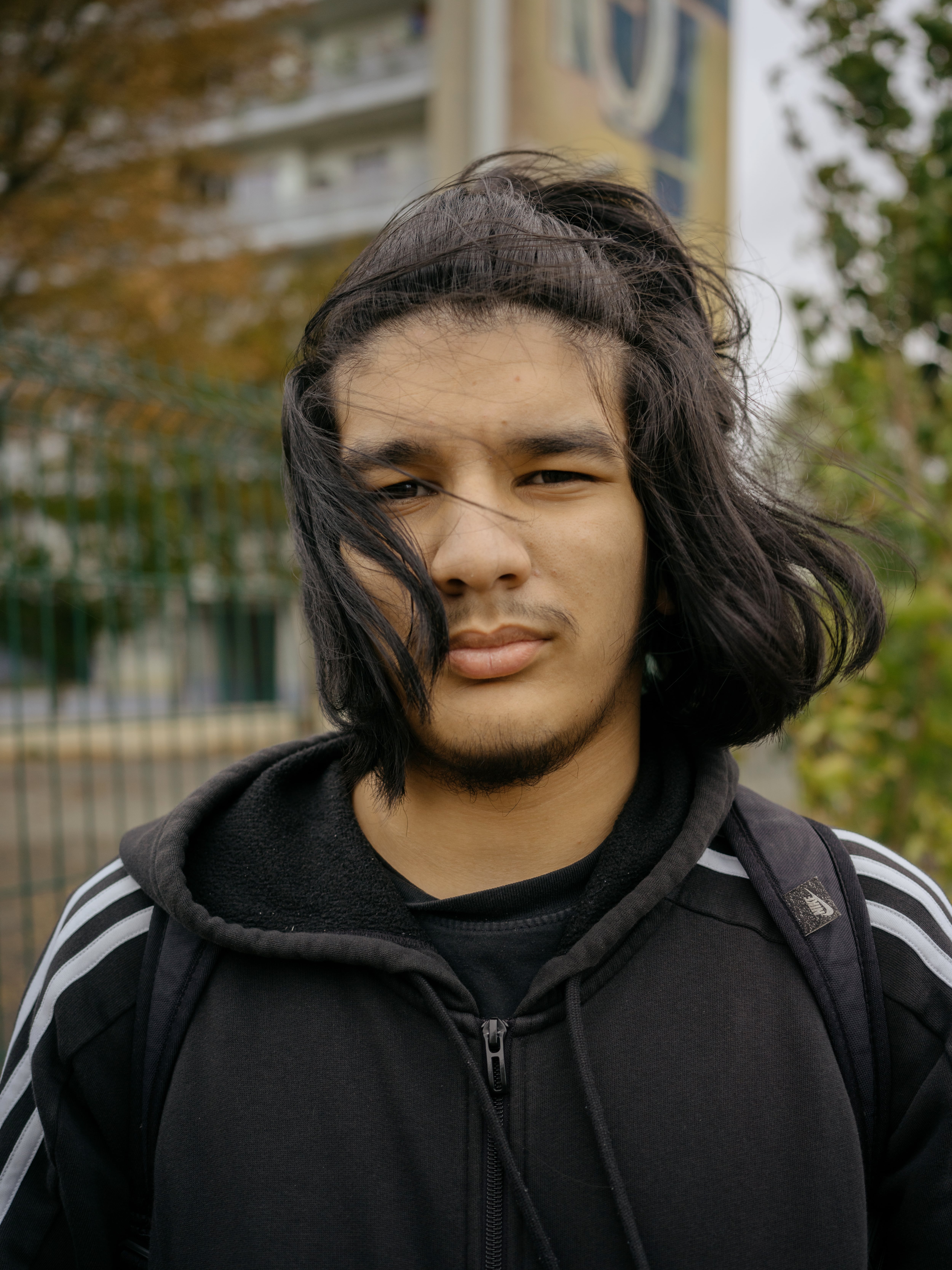
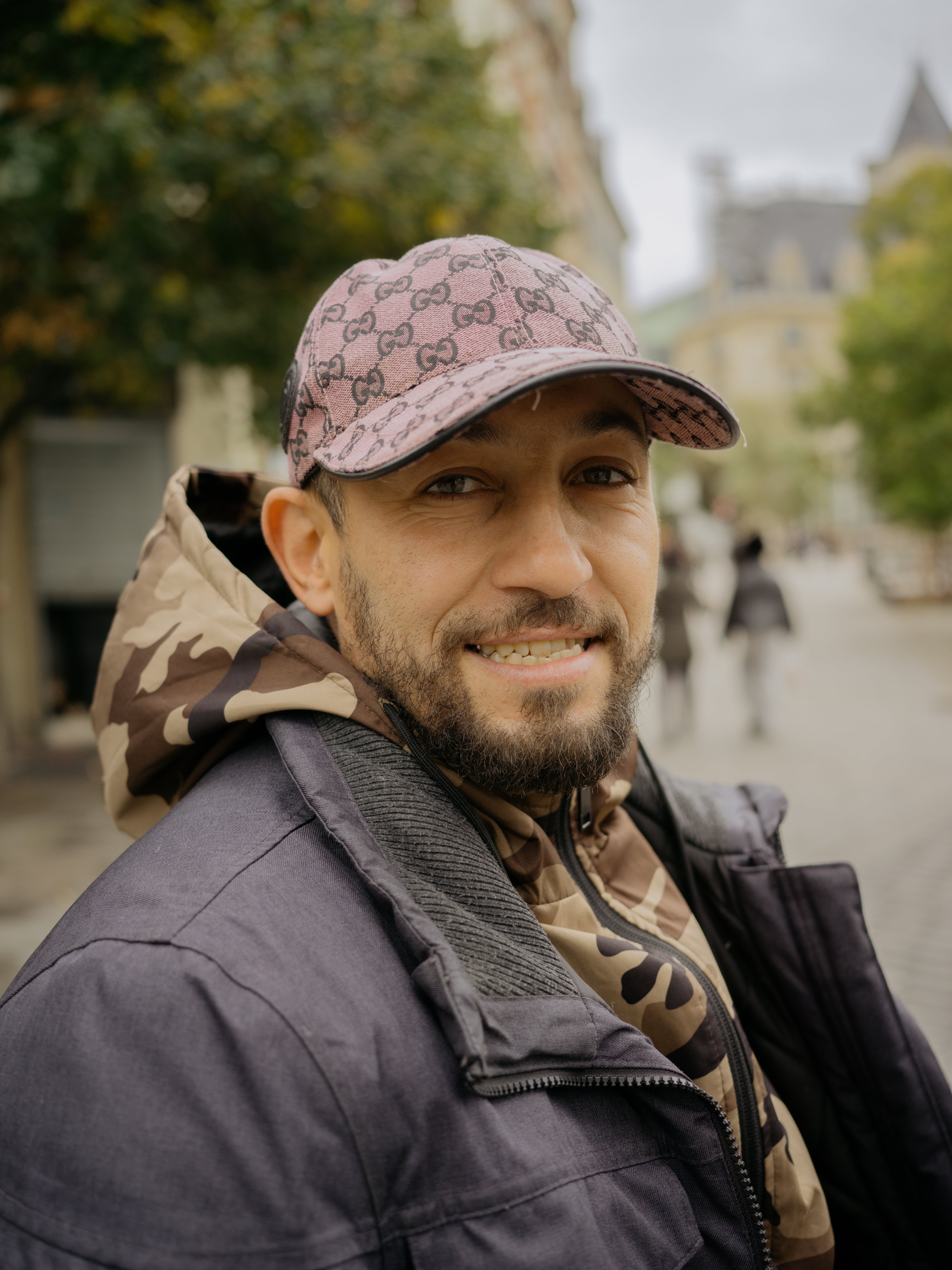
Moktar talks with his friends in an abandoned apartment in Bondy, a 'banlieue' north of Paris.Street market in Saint-Denis, on the outskirts of Paris.Timeo, photographed in Bobigny, a 'banlieue' north of Paris.A mural in Saint-Denis reads: Didi, 27, in Saint-Denis, in the north of Paris.The Paul Éluard high school in Saint-Denis.

© Samuel Aranda

Ibrahima, in Saint-Denis.

© Samuel Aranda

Kenan, photographed in Bondy.

© Samuel Aranda

Qusei, in Bondy.

© Samuel Aranda

Lyes, A 38-year-old Algerian, in Saint-Denis.
  •  

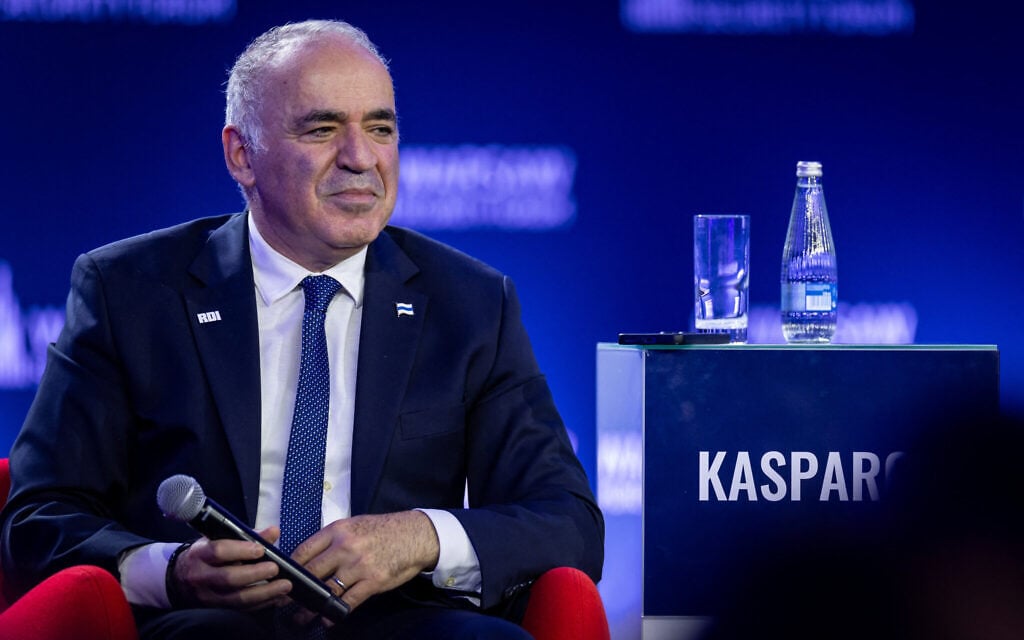
Kasparov hopes Netanyahu’s days are numbered, urges Russian-Israelis to vote him out

Chess legend and Putin critic says Russia’s propaganda machine is backing the PM, predicts a new government without him, urges Israel to side with Ukraine against a shared enemy
  •  

Could Europe’s autumn of discontent threaten the survival of the EU? | Catherine De Vries

Anger on the streets could increasingly turn against the EU itself if it can’t show why cooperation makes people’s lives better

Europe is living through an autumn of unusual discontent. What protesters from Paris to Milan to Madrid share is a deepening anxiety about the future and a growing anger at the gap between what they expect from their governments and what they feel governments are delivering, whether the issue is unaffordable housing, stagnant wages, the spiralling cost of living or failing schools.

The electoral consequences of the failure to get a grip on this public anger are already with us. Spain goes to the polls next month in a snap election called after parliament voted down key housing reforms. France begins the process of electing a new president in April, while Poland, Italy and a string of smaller states will vote before the end of 2027. The stakes could not be higher.

Continue reading...

© Photograph: Nicolas Tucat/AFP/Getty Images

© Photograph: Nicolas Tucat/AFP/Getty Images

© Photograph: Nicolas Tucat/AFP/Getty Images

  •  

Macron accused of putting France’s right to protest at risk with ‘vandal’s law’

Making innocent protesters liable for damage would be bad for rule of law and play into far-right hands, say opponents

Emmanuel Macron has been accused by trade unions of trying to curb the fundamental French right to protest as the government fast-tracks a bill to make protesters pay for damage caused by vandalism at street demonstrations even if they did not directly cause it themselves.

The French president, who leaves office next spring, has faced more than a month of protests in which high-school students have blockaded schools demanding a response to teacher absences, repairs to decrepit buildings and changes to the university applications platform.

Continue reading...

© Photograph: Thibault Camus/AP

© Photograph: Thibault Camus/AP

© Photograph: Thibault Camus/AP

  •  

Thousands March Against Far-Right Leader Le Pen in France

People take to streets of Orleans as far-right National Rally party holds its congress.

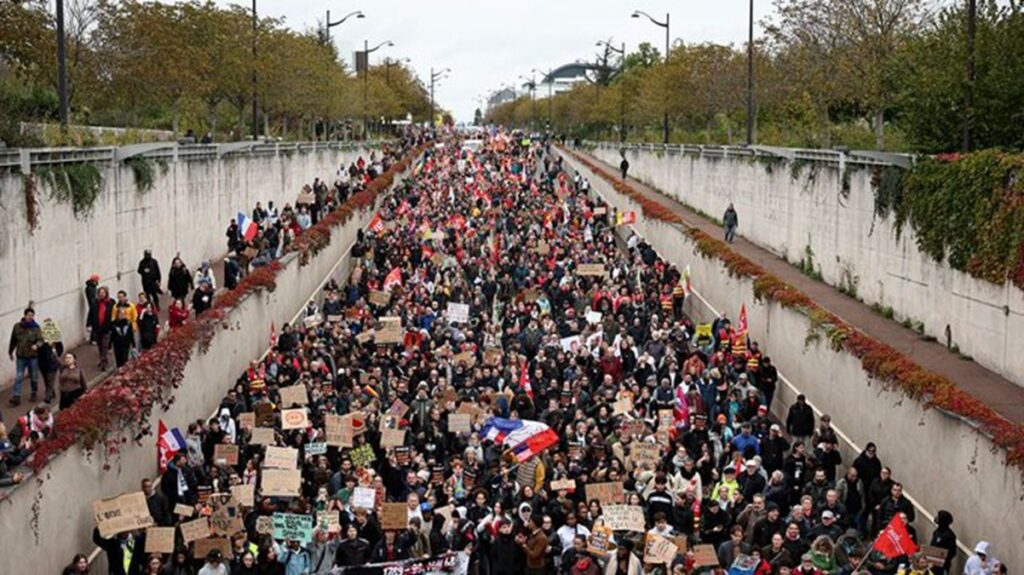
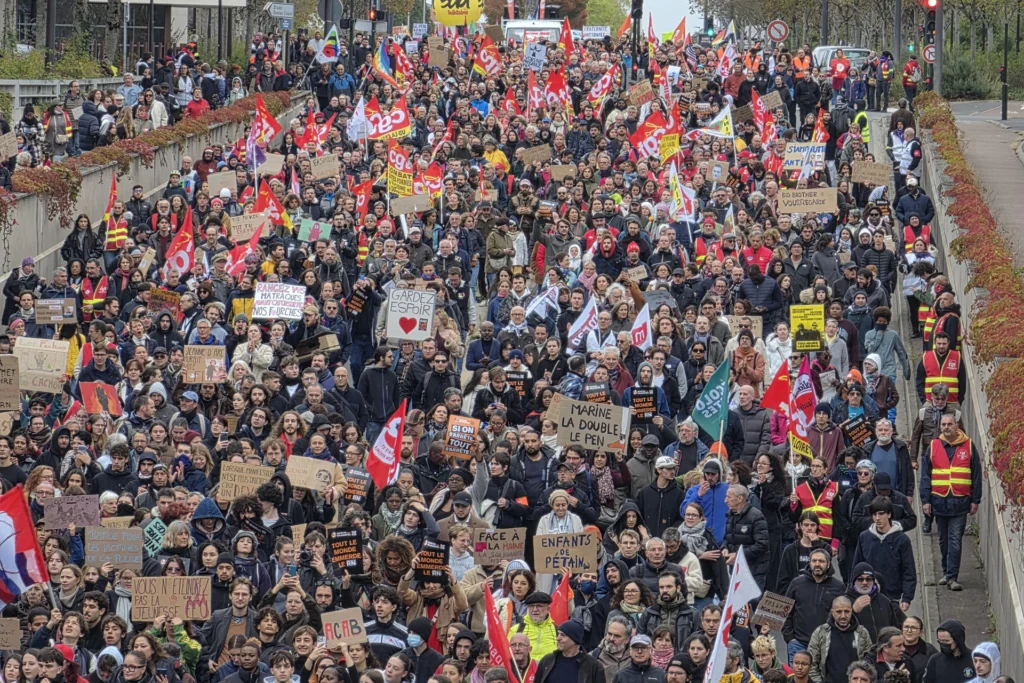
On Saturday, under a gray sky threatening rain, thousands of people took to the streets of Orleans to say “NO” to fascism in France.

RELATED:

France Deploys 70,000 Officers Ahead of Protest Rallies

They sought to counter far-right leader Marine Le Pen, who is officially launching her bid for the presidency of the Republic from the city this weekend as the front-runner.

“I’m protesting against Le Pen, the thief. She stole 3 million euros from European taxpayers and is still running as a candidate. She should go to prison. It’s a disgrace,” said Bruno, a resident of Orleans, a city of 116,000 people.

The retiree recalled the corruption case involving Le Pen and her party, the National Rally (RN), which diverted 2.8 million euros from the European Parliament to fund party expenses, as courts ruled in the first and second instances. Nevertheless, Le Pen avoided prison because she appealed to the Supreme Court, the third and final level of judicial review in France.

« La France n'est pas résignée ».

Nous avons marché à Orléans pour une France antiraciste, antifasciste, anticapitaliste, résolument humaniste.

Mes pensées vont d’abord à la famille du défunt et aux blessés de l’attentat raciste, islamophobe et négrophobe de Trappes. Nous… pic.twitter.com/7R9GLTC5Z6

— Bally Bagayoko (@BallyBagayoko) October 24, 2026

Bally Bagayoko’s text reads, “France does not resign. We march in Orleans for an anti-racist, anti-fascist, anti-capitalist and decidedly humanist France.

My thoughts go first to the family of the deceased and to those injured in the racist, Islamophobic and negrophobic attack of Trappes. We also work for you.

We were 26,000 people in the streets to say it loud and clear: the extreme right has no place in the Republic. 26,000 people in addition to the large crowds mobilized today throughout France against the high cost of living.

The same people, the same fight: for dignity, equality and social justice. We should have been more. The comrades who arrived by bus were blocked and parked at the motorway toll, preventing them from joining a peaceful meeting. What a shame for the prefect. silenced. They will not make us retreat.”

The march, organized by about 50 groups, including the General Confederation of Labor (CGT), proceeded peacefully through the northern part of the city along a route imposed by authorities, who kept left-wing demonstrators as far as possible from far-right activists gathered in the southern part of the city.

Thousands of people marched peacefully in a festive atmosphere despite the cold and restrictions imposed by authorities, who have banned Sunday’s demonstration, a move criticized by human rights organizations.

“Macron resign, Le Pen to prison” was one of the most frequently chanted slogans on Saturday morning, along with “The people united will never be defeated” and the national anthem, “La Marseillaise.”

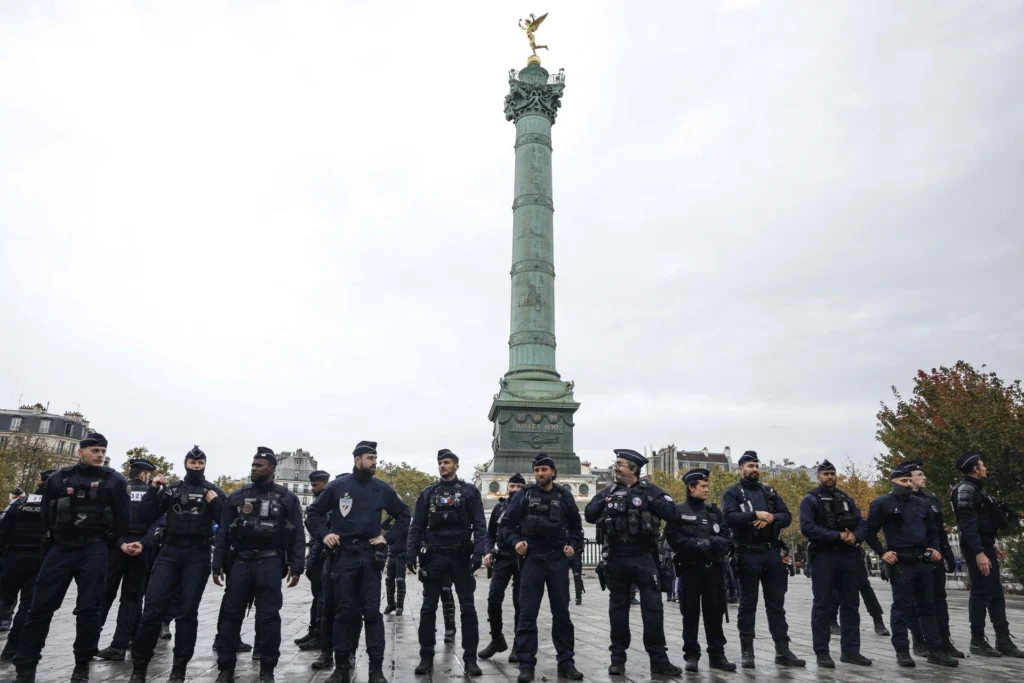
French authorities deployed 3,000 police officers to Orleans to ensure the orderly conduct of the protest and the National Rally congress. The march organizers also kept watch throughout the event to ensure no one caused damage.

“I’m fed up with the far right being normalized. Things go much better when the left is in power,” said Fanny, who came out to protest despite being ill.

🇫🇷 Thousands of anti-fascist protesters took to the streets of Orléans to demonstrate against a congress held by Marine Le Pen’s far-right National Rally party. pic.twitter.com/9R2zhEXuBZ

— Gianl1974 (@Gianl1974) October 24, 2026

The march lasted nearly three hours, accompanied by electronic music, Brazilian-style percussion groups and political messages. Participants ranged from children to older adults and came from all backgrounds.

Among those attending the demonstration was Bally Bakayoko, the mayor of Saint-Denis and a member of the left-wing party La France Insoumise (LFI). Dozens of people approached him to greet him, hug him and ask for selfies.

Over the past month, Bakayoko has become a symbol of the marches, particularly because of his support for young people’s demands and his efforts to position himself between them and police during baton and tear gas assaults at one of the mass protests that have put Prime Minister Sebastien Lecornu under pressure.

The march was attended by Socialist Party leader Olivier Faure and CGT Secretary Sophie Binet. Although left-wing demonstrators mobilized peacefully, bars and restaurants in Orleans remained closed. Few businesses were open, even in Martroi Square. Those that were closed had covered their glass windows with boards and wooden panels.

“I trusted the left, and I know very well that we are capable of demonstrating calmly. What I was actually afraid of today was the far right,” said Juliette, a young doctor who took to the streets.

teleSUR/ JF

Source: EFE

  •  

Proteste in Francia, i sindacati: “800mila persone in piazza contro il caro vita”. Tensioni a Parigi, Marsiglia e Lione

Quasi 800mila persone hanno partecipato oggi alle manifestazioni organizzate in tutta la Francia contro il caro-vita. Lo ha reso noto il sindacato Cgt, secondo cui nella sola capitale sono scese in piazza 250mila manifestanti. Una cifra superiore a quella comunicata dalla prefettura di polizia di Parigi, che ha stimato la partecipazione al corteo nella capitale in 110mila manifestanti. Secondo il ministero dell’Interno, sono stati complessivamente 410mila i manifestanti in tutto il Paese. Oggi erano oltre 70mila gli agenti schierati in tutto il Paese, 700 le forme di protesta annunciate. E non solo: oltre 30mila persone hanno manifestato a Orlèans, dove si teneva il congresso del Rassemblement National. Finora 135 persone sono state fermate.

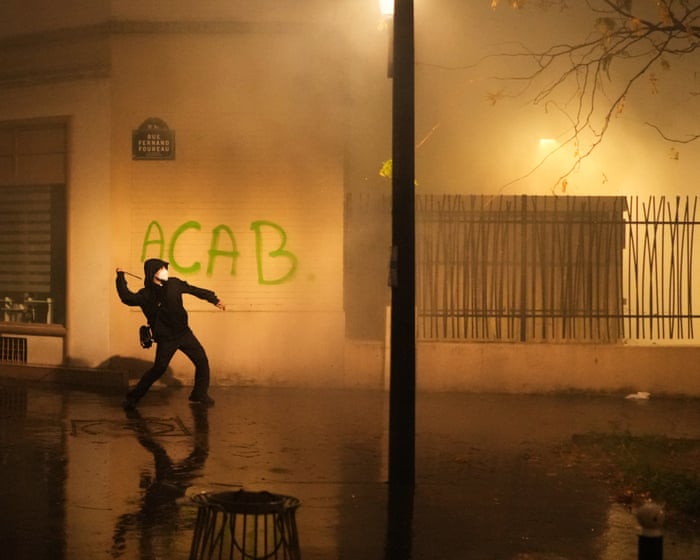
A Parigi, dopo un corteo pacifico, si sono registrati scontri tra forze dell’ordine e manifestanti quando gran parte del corteo è arrivato a destinazione, alla Porte de Vincennes. Gas lacrimogeni e un idrante in azione per tentare di disperdere la folla, mentre i manifestanti, la maggior parte con il volto coperto da una maschera, gridano slogan ostili alla polizia. Fino all’arrivo del corteo, tutto si era svolto nella calma. Tensioni si sono registrate anche a Lione, dove 10.000 persone si sono riunite per manifestare nonostante il divieto della polizia in un ampio perimetro della città. Tafferugli anche a Marsiglia e Rennes, dove a fine manifestazione la polizia ha fatto uso di gas lacrimogeni. A Nantes gli agenti sono ricorsi agli idranti per disperdere raduni non autorizzati.

Schierati 70mila agenti. I gilet gialli annunciano 700 forme di protesta in tutto il Paese

I gilet gialli hanno organizzato 700 forme di protesta oggi in Francia. Secondo una mappa pubblicata sul loro sito Internet, hanno previsto azioni in 86 rotatorie, 21 aree di servizio, due depositi di carburante, 33 stazioni ferroviarie, tre porti, 17 ponti e 17 caselli autostradali. I principali musei di Parigi sono rimasti chiusi e le autorità hanno schierato un ingente contingente di polizia in vista di una nuova ondata di proteste previste per oggi in tutta la Francia, nella speranza di evitare il ripetersi dei violenti disordini della scorsa settimana, che hanno sconvolto il Paese. Il ministro dell’Interno Laurent Nuñez ha dichiarato che saranno dispiegati in tutto il Paese fino a 70mila agenti, affiancati da elicotteri, veicoli blindati e cannoni ad acqua. Si prevede nuovamente una partecipazione massiccia, dopo che la scorsa settimana oltre mezzo milione di persone sono scese in piazza.

Le proteste al congresso del partito di Marine Le Pen

Intanto si sono radunanti 11mila manifestanti (29mila per gli organizzatori) ad Orléans, nel centro della Francia, contro il congresso del Rassemblement National che si svolge in città oggi e domani, stando ai dati della Prefettura. Presenti anche Olivier Faure (Ps), Bally Bagayoko (Lfi) e Sophie Binet (Cgt). La prefettura precisa che la stima “può ancora cambiare”, dal momento che molte persone sono ancora in viaggio.

Il sindaco Serge Grouard ha annunciato stamattina l’instaurazione di un coprifuoco in tutto il comune le prossime due notti per i minorenni. “Questo provvedimento preventivo – ha dichiarato il sindaco – deriva dalla volontà di prevenire qualsiasi violazione dell’ordine pubblico, limitare i rischi di disordini e garantire la sicurezza delle persone in un contesto di raduni annunciati”.

L'articolo Proteste in Francia, i sindacati: “800mila persone in piazza contro il caro vita”. Tensioni a Parigi, Marsiglia e Lione proviene da Il Fatto Quotidiano.

  •  

France Deploys 70,000 Officers Ahead of Protest Rallies

Businesses board up shopfronts in Paris ahead of protests in France as authorities deploy 70,000 police officers and gendarmes.

France mobilizes 70,000 police and gendarmes amid fears of renewed unrest, while authorities restrict demonstrations and tighten security.


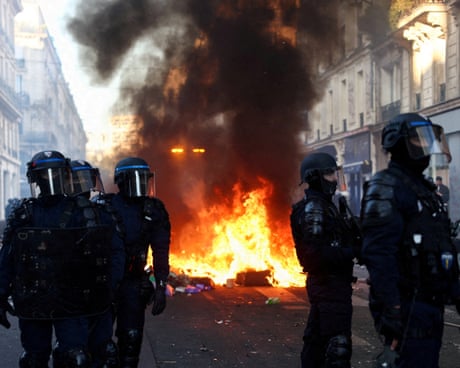
France has deployed 70,000 police officers and gendarmes ahead of nationwide demonstrations on Saturday, with authorities warning of a heightened risk of unrest after vandalism and looting damaged about 3,000 businesses the previous week.

RELATED: France Reports 855 Arrests in Paris After Protests

Prime Minister Sébastien Lecornu warned late Friday that the threat remained high, particularly from radical far-left groups and criminal elements operating alongside demonstrations called by trade unions, students and the Yellow Vest movement.

Interior Minister Laurent Nuñez announced a large-scale security operation to prevent further violence and looting.

“We will show no mercy to looters and troublemakers,” Nuñez declared. He has faced criticism from the left over police tactics and from the right for failing to prevent the previous week’s unrest.

France to mobilise 70,000 security forces for Saturday protest, interior minister says https://t.co/ok4e8kEy5t https://t.co/ok4e8kEy5t

— Reuters World (@ReutersWorld) October 23, 2026

Authorities have banned gatherings in numerous cities and restricted the routes of other demonstrations on security grounds, prompting criticism from trade unions and human rights organizations.

In major cities, trade union demonstrations were authorized on Saturday only in Paris, Marseille, Strasbourg, Lille, Mulhouse, Grenoble, Toulouse and Amiens.

In Paris, a last-minute change to the union march’s route sparked a dispute between police officials and organizers. Authorities cited the heightened threat following a racist attack on the outskirts of the capital the previous day as they redirected the march from Place de la Nation to Place d’Italie, keeping it away from the city center.

Several museums in the capital, including the Louvre and the Musée d’Orsay, will remain closed, as will the nearby Palace of Versailles. A nighttime curfew in the areas around Place de la République and Les Halles will also remain in force until Monday.

Banks and businesses in central Paris were boarding up shopfronts and windows late Friday and early Saturday in anticipation of possible vandalism, according to observations by Spanish news agency EFE.

Security concerns also extend to Orléans, about 130 kilometers (81 miles) south of Paris, where the far-right National Rally (RN) is holding a congress to formally launch Marine Le Pen’s presidential candidacy, roughly six months before the election.

Authorities estimated that 11,000 people took part in a counter-demonstration in Orléans on Saturday against Le Pen’s party. Organized in opposition to racism, fascism and imperialism, the march proceeded peacefully in a festive atmosphere, according to EFE.

Photo: Orleans, France (October 24, 2026)

Protesters chanted slogans including “Macron resign, Le Pen to prison” and sang the French national anthem, La Marseillaise, as well as the Spanish-language protest song “The People United Will Never Be Defeated.”

Authorities deployed about 3,000 officers in Orléans to prevent clashes between demonstrators and attendees at the RN congress. The local prefecture authorized Saturday’s march but banned a separate demonstration planned for Sunday.

The security measures reflect the authorities’ efforts to prevent further disorder while allowing some demonstrations to proceed. Restrictions on public gatherings and the deployment of thousands of officers have shaped preparations for Saturday’s rallies across France.

  •  

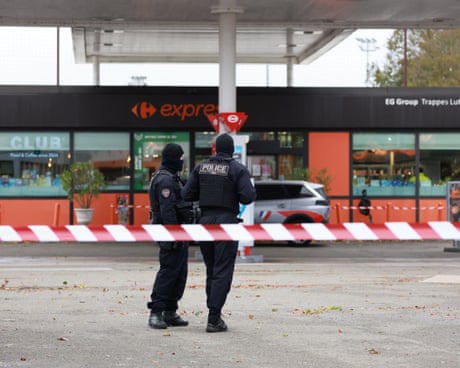
Macron condemns racism after one killed in ‘terrorist’ shooting near Paris

Gunman opens fire from car in Trappes and Verrière, killing one and injuring five others, including a 12-year-old girl

Emmanuel Macron has condemned racism in French society after a gunman opened fire from a car west of Paris on Friday, killing one person, wounding a 12-year-old girl and injuring four others in what the president called a “racist terrorist attack”.

Macron arrived at the scene of the drive-by shooting in Trappes on Friday night, saying he was deeply saddened by what he called the “premeditated” attack. The 12-year-old girl, who was shot eight times, is being treated in hospital.

Continue reading...

© Photograph: Stéphanie Lecocq/Reuters

© Photograph: Stéphanie Lecocq/Reuters

© Photograph: Stéphanie Lecocq/Reuters

  •  

Europe’s far right seizes on protest violence to push authoritarian anti-immigration agenda

Nationalist leaders are framing unrest as consequence of failed liberal governance and open borders

Europe’s far-right leaders have jumped on the violence that rocked numerous cities last weekend, framing it as the inevitable consequence of failed liberal governance and open-border policies and insisting only they can restore law and order.

Months away from key elections in Spain, France and Italy, authoritarian nationalists are eager to weaponise the wave of street unrest, originating in peaceful protests over the cost of living and deteriorating public services but hijacked by violent rioters.

Continue reading...

© Photograph: Abdul Saboor/Reuters

© Photograph: Abdul Saboor/Reuters

© Photograph: Abdul Saboor/Reuters

  •  

The debt crisis leaves the French government with no room to respond to social demands

A little over a month ago, at a high school on the outskirts of Paris, a group of students blocked their school to protest the condition of the facilities and the lack of teachers. Within days, students from other schools joined in, first in Paris and then across the country, complaining of leaks in classrooms and even cockroaches, and of walls that are cracking. They are cold in the winter and hot in the spring. That image of public schools — long considered a pillar of the French Republic, but gradually falling apart — also illustrates the economic decline of recent years.

Seguir leyendo

© Christophe Ena (AP Photo/Christophe Ena)

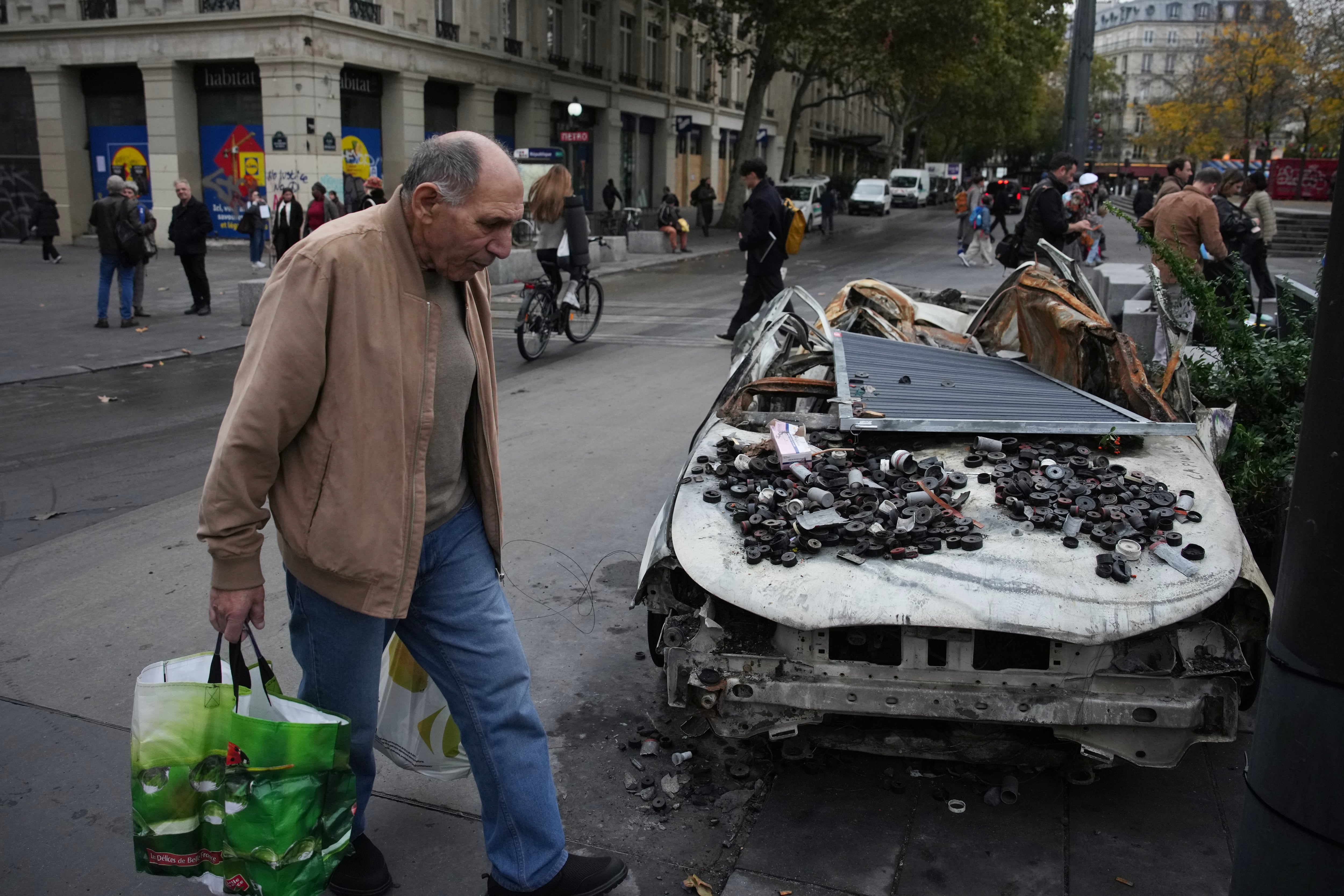
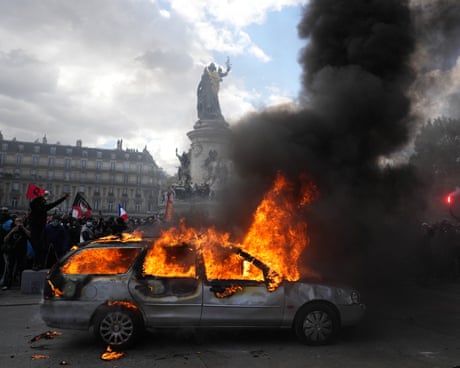
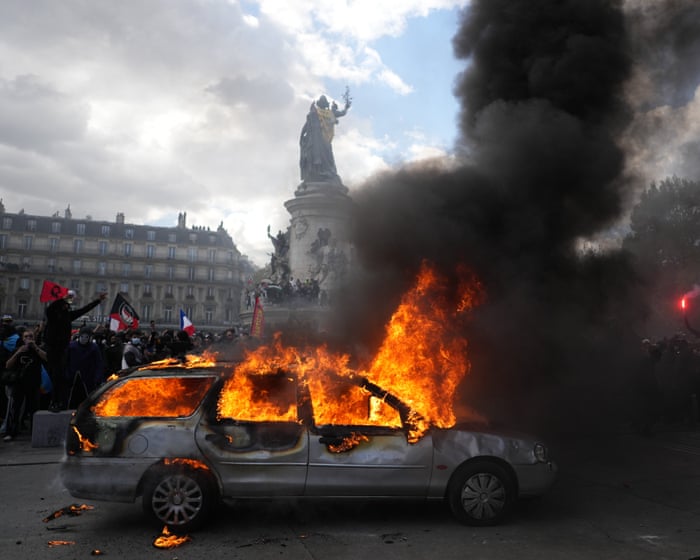
A man walks past a car that was destroyed during the riots in Paris on Tuesday.
  •  

From strife-torn France to the UK, rightwing populists win when they stir chaos while promising order | Rafael Behr

Marine Le Pen and Donald Trump are arsonists who play at being firefighters. Nigel Farage is finding that act harder to pull off in Andy Burnham’s Britain

An election where one side represents chaos will nearly always be won by the party that promises order instead. Public fatigue after years of turbulent Tory rule accounted for Labour’s 2024 landslide victory more than any policy in Keir Starmer’s manifesto. Across the Channel, Marine Le Pen, leader of the far-right National Rally (RN), is currently on course to win next year’s presidential poll with a pledge of “restored authority and security” for a country that has spent years cycling between enervating stasis and explosive crisis.

Le Pen has been boosted in recent days by scenes of city centres ablaze and shops being looted as student demonstrations mutated into riots. Street confrontation is a more standard feature of the political repertoire in France than in most settled democracies, but the destruction was disturbing by any measure.

Rafael Behr is a Guardian columnist

Continue reading...

© Composite: Guardian Design/Getty Images

© Composite: Guardian Design/Getty Images

© Composite: Guardian Design/Getty Images

  •  

After the violence and chaos in France, there’s only one beneficiary: Marine Le Pen | Paul Taylor

The far-right leader’s promise to restore order will appeal to many ahead of next year’s presidential elections – the stakes are suddenly much higher

There is only one clear winner so far from France’s chaos: Marine Le Pen. The violence and rioting that engulfed towns and cities across the country over the weekend, six months before a pivotal presidential election, is a godsend for the hard-right, Eurosceptical, anti-immigration candidate. As buildings burned, shops were looted and police attacked, the rioting largely drowned out peaceful mass protests over the dilapidated state of schools , fuel prices and the cost of living.

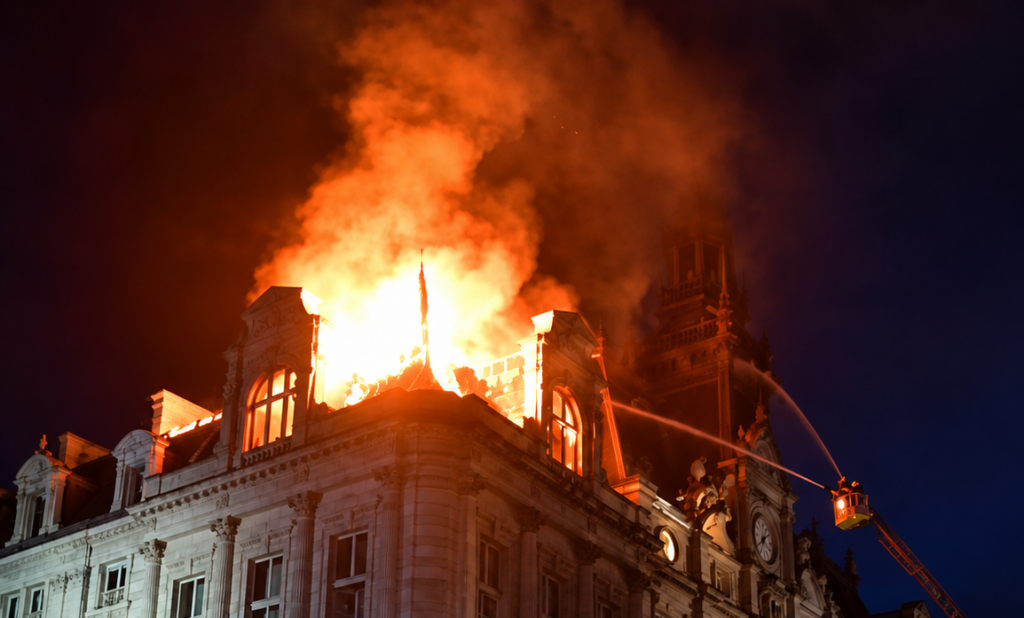
Across France and the rest of Europe, people are in shock at scenes of arson and pillage in city centres, the wrecking of symbols of the republic such as the 19th-century town hall in peaceful provincial Limoges and the bust of Marianne in Marseille’s city hall, and the looting of more than 2,000 shops.

Paul Taylor is a senior visiting fellow at the European Policy Centre

Continue reading...

© Photograph: Firas Abdullah/Anadolu/Getty Images

© Photograph: Firas Abdullah/Anadolu/Getty Images

© Photograph: Firas Abdullah/Anadolu/Getty Images

  •  

The Guardian view on France’s protests: a polarised country is in a perilous political moment | Editorial

The scenes of social unrest and violence at the weekend are an ominous portent, ahead of elections which may deliver a far-right presidency

In Emmanuel Macron’s book Revolution, published ahead of the 2017 presidential election that he went on to win, he promised to restore hope to a country that was losing faith in its future. As Mr Macron’s lame-duck second term enters its last phase against a quasi-insurrectionary backdrop of torched public buildings and looted shops, the failure of that political project appears total.

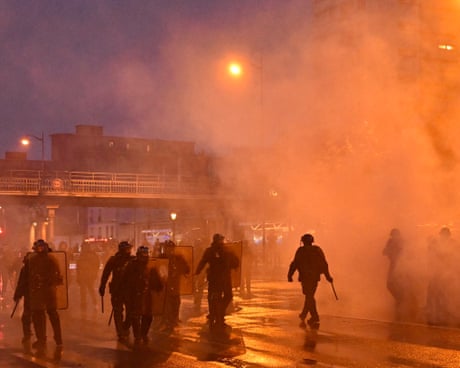
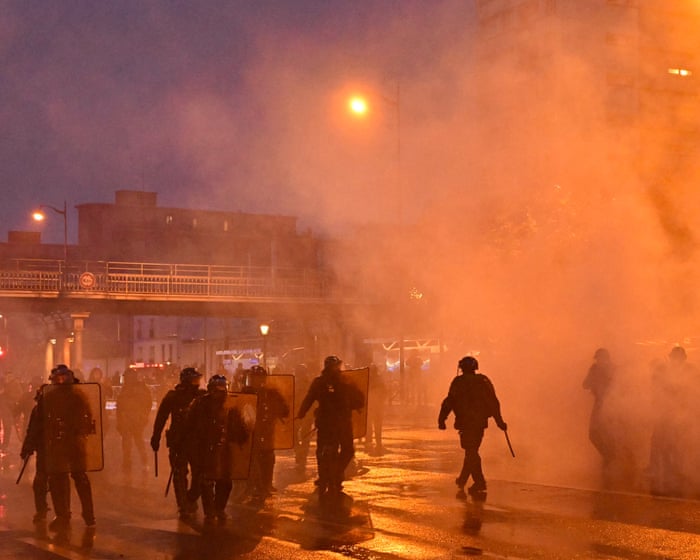
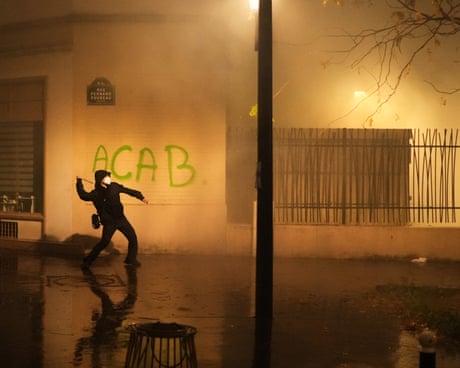
The worst scenes of urban violence for years overshadowed a weekend of protest that gravely undermined what is left of the French president’s authority. As police lost control of the streets, more than 2,000 shops were ransacked. Far-left groups targeted town halls and local buildings, and engaged in pitched battles with the police, whose disastrously heavy-handed response to last week’s high school protests has succeeded only in escalating tensions.

Do you have an opinion on the issues raised in this article? If you would like to submit a response of up to 300 words by email to be considered for publication in our letters section, please click here.

Continue reading...

© Photograph: Thibault Camus/AP

© Photograph: Thibault Camus/AP

© Photograph: Thibault Camus/AP

  •  

França enfrenta onda de violência e governo prepara toque de recolher em cidades

O governo francês anunciou medidas para conter a onda de violência que atingiu diversas cidades do país após manifestações contra o aumento do custo de vida e a deterioração dos serviços públicos. Nesta segunda-feira (19), o primeiro-ministro Sébastien Lecornu pediu que prefeitos adotem toques de recolher em áreas consideradas críticas, enquanto o presidente Emmanuel Macron determinou uma revisão das estratégias de segurança.

Os protestos reuniram mais de 500 mil pessoas no fim de semana, segundo os dados apresentados no balanço das manifestações. Em diferentes cidades, atos inicialmente pacíficos terminaram em confrontos, incêndios, invasões de prédios públicos e saques a estabelecimentos comerciais. Um manifestante morreu, quase mil agentes de segurança ficaram feridos e cerca de 2.400 pessoas foram detidas.

A dimensão dos distúrbios levou o governo a discutir restrições à circulação noturna e à realização de manifestações. Lecornu afirmou que as medidas serão definidas em conjunto com os representantes locais. Marselha já proibiu aglomerações e manifestações entre meio-dia e 20h, enquanto Denain, próxima à fronteira com a Bélgica, estabeleceu toque de recolher noturno até domingo.

O primeiro-ministro descartou, por enquanto, decretar estado de emergência, medida defendida pelo líder dos Republicanos, Bruno Retailleau. Lecornu, no entanto, não excluiu a possibilidade de recorrer ao mecanismo caso as restrições locais não sejam suficientes para conter a violência.

França enfrenta onda de violência e governo prepara toque de recolher em cidades
França tem onda de protestos, incêndios e 272 prisões em apenas um dia | Foto: Rede social

Macron cobra revisão da segurança

Diante da escalada dos confrontos, Macron reconheceu falhas na condução da resposta policial e determinou uma revisão dos procedimentos adotados pelas forças de segurança. O presidente pediu novas estratégias operacionais para impedir a formação de barricadas, os saques e os ataques a estabelecimentos e edifícios públicos.

O ministro do Interior, Laurent Nuñez, admitiu que as autoridades perderam o controle da situação em algumas cidades. Segundo ele, os aproximadamente 60 mil policiais e agentes mobilizados no sábado não conseguiram conter todos os grupos envolvidos nos episódios violentos.

Macron também recusou o pedido de demissão apresentado por Nuñez e cobrou esclarecimentos sobre as falhas de prevenção e inteligência que permitiram a expansão dos distúrbios. Apesar das restrições anunciadas, o ministro afirmou que as medidas não devem afetar a partida entre Paris Saint-Germain e Barcelona, prevista para terça-feira (20), pela Liga dos Campeões.

Manifestações contra o alto custo de vida e a crise na educação se espalham pela França | Foto: Rede social

Louvre fecha as portas após bloqueio

Em Paris, o Museu do Louvre amanheceu fechado nesta segunda-feira após um bloqueio organizado por estudantes da École du Louvre. A direção da instituição confirmou a interrupção das atividades e informou que o fechamento ocorreu em razão da mobilização estudantil.

O movimento também chegou à Sciences Po, universidade localizada no centro da capital, onde estudantes realizaram concentrações e bloquearam acessos. Os atos fazem parte de uma onda de manifestações iniciada semanas antes, com reivindicações por melhores condições nas escolas.

No fim de semana, a mobilização ganhou escala nacional e foi acompanhada por episódios de violência em Paris, Marselha, Lyon e outras cidades. Prédios públicos foram invadidos, uma prefeitura foi incendiada e estabelecimentos comerciais sofreram depredações e saques. Veículos, bicicletas e patinetes também foram queimados.

O impacto econômico preocupa o setor comercial. Mais de 2 mil lojas foram atingidas em todo o país, com prejuízos estimados em centenas de milhões de euros, segundo Alain Di Crescenzo, presidente da Câmara de Comércio. Somente na capital francesa, aproximadamente 400 estabelecimentos foram depredados.

Protesto fecha Louvre, e governo anuncia toques de recolher para conter onda de violência na França | Foto: Divulgação/Rede social

Crise amplia pressão política sobre Macron

A onda de violência também intensificou a disputa política na França, a poucos meses de uma eleição presidencial que não poderá contar com Macron como candidato à reeleição. Marine Le Pen, líder do partido de ultradireita Reunião Nacional, aparece em posição de destaque nas pesquisas de intenção de voto.

Lecornu acusou setores da ultr esquerda de tentar ampliar a instabilidade no país. Le Pen, por sua vez, responsabilizou o partido de Jean-Luc Mélenchon por, segundo ela, legitimar a violência. À esquerda, críticos do governo afirmam que Macron negligenciou as reivindicações sociais que deram origem aos protestos. Já representantes da direita defendem uma reação mais rigorosa contra os responsáveis pelos ataques.

Em artigo publicado no jornal Libération, os prefeitos de Paris, Marselha e Lyon cobraram explicações do governo sobre a preparação das forças de segurança. Os três gestores, ligados à centro-esquerda, afirmaram que a dimensão dos acontecimentos surpreendeu as administrações locais e expôs falhas na proteção de áreas inteiras das cidades.

A crise coloca o governo diante de um duplo desafio: conter os atos de violência e responder às reivindicações que mobilizaram centenas de milhares de pessoas. Enquanto as autoridades avaliam novas restrições, a capacidade de restabelecer a segurança sem ampliar a tensão política permanece no centro do debate nacional.

The post França enfrenta onda de violência e governo prepara toque de recolher em cidades appeared first on Diário da Manhã - O Jornal do leitor Inteligente.

  •  

France’s Unrest Exposes the Failure of Macron’s Centrist Political Model

What began as a student protest over deteriorating schools has developed into a nationwide revolt against economic hardship, political paralysis and declining public services. With the 2027 presidential election approaching, the violence has exposed problems that neither the government nor its principal opponents have convincing plans to resolve.

France’s latest wave of unrest has developed into one of the most serious domestic crises of Emmanuel Macron’s presidency. More than 550,000 people participated in demonstrations on 17 October, according to official estimates, before violence spread through Paris and other major cities. Shops were looted, police confronted rioters, and the historic town hall in Limoges was largely destroyed by fire.

The scale of the destruction prompted emergency government consultations and a televised presidential address. Macron promised to prosecute those responsible, while stopping short of declaring a state of emergency. Yet the immediate security challenge conceals a more difficult political question: why have protests that began with relatively specific demands over education become a confrontation involving such different sections of French society?

From school protests to a national revolt

The movement originated among secondary-school students demanding better facilities, more teachers and improvements in educational standards. Their complaints subsequently attracted trade unions, workers, farmers and elements of the Gilets Jaunes, the Yellow Vest movement that challenged Macron’s government in 2018.

The resulting coalition has no coherent political programme. Students protesting overcrowded classrooms share demonstrations with workers concerned about purchasing power and motorists angered by fuel prices. Their interests are not necessarily compatible, but they reflect a common dissatisfaction with the government’s ability to deliver functioning public services while containing living costs.

This distinction matters. The presence of masked rioters and organised groups engaged in violence does not establish that the hundreds of thousands who demonstrated peacefully supported their actions. Equally, the destruction of public buildings, attacks on police and widespread looting raise legitimate questions about the state’s capacity to maintain public order.

The economic problem behind the protests

At the centre of the discontent lies a structural problem that successive French governments have struggled to confront: the distribution of public expenditure between an ageing population and the services required by younger generations.

A French government budget assessment published in October revealed that pension obligations accounted for approximately 32 per cent of the education ministry’s budget, including €28.5 billion in pension expenditure. These obligations restrict the resources available for other departmental priorities.

France nevertheless remains a substantial spender on education. According to official figures, expenditure reached €199.2 billion in 2025, equivalent to 6.7 per cent of GDP. However, after inflation, the annual increase was only 0.1 per cent.

The issue is therefore not simply how much France spends, but how efficiently resources are allocated and whether expenditure meets changing educational needs.

The OECD’s 2025 PISA assessment found that French pupils’ performance in mathematics and reading had declined compared with 2022. Results were among the country’s lowest recorded, although broadly comparable with the OECD average.

These figures give the student protests a significance extending beyond the immediate condition of classrooms. They raise questions about France’s longer-term economic competitiveness and its capacity to provide younger generations with opportunities comparable to those enjoyed by their predecessors.

The limits of Macron’s reform programme

Macron entered office in 2017 promising to modernise the French economy and overcome the traditional division between left and right. Nearly a decade later, his administration faces a fragmented parliament, constrained public finances and growing resistance to further structural reforms.

The suspension of his pension reform illustrated the difficulty. Raising the retirement age was intended to reduce pressure on the pension system, but parliamentary opposition forced the government to defer the measure until after the presidential election.

The underlying financial pressures have not disappeared. Nor can they be resolved easily through additional spending when public debt, borrowing costs and budgetary obligations already restrict the government’s room for manoeuvre.

This creates an uncomfortable political reality: the state is expected to provide better services, greater purchasing-power protection and stronger security, while the available resources remain limited.

Can the opposition benefit?

The unrest comes approximately six months before the presidential election, with Marine Le Pen’s National Rally and Jean-Luc Mélenchon’s France Unbowed competing to establish themselves as alternatives to Macron’s political centre.

Le Pen has sought to combine support for economic grievances with demands for tougher policing. That position may attract voters concerned by the violence, but it also exposes tensions within a movement that previously supported the Yellow Vest protests.

Mélenchon faces a different difficulty. Supporting demonstrations against government policy is consistent with his political programme, but the involvement of violent groups risks shifting public attention from social demands towards questions of security.

A recent presidential opinion poll even suggested that Le Pen and Mélenchon could contest the final round, illustrating the weakening position of more conventional political alternatives.

Neither, however, can escape the fiscal constraints that have frustrated Macron’s government. A change of president would not automatically provide the resources required to expand public services, reform pensions and reduce the deficit simultaneously.

A wider problem for France and Europe

President Donald Trump has attributed the French unrest to immigration, although the movement’s documented origins lie principally in education, living costs and dissatisfaction with public services. Without established evidence about those responsible for individual acts of violence, broader claims about the demonstrators’ backgrounds remain speculative.

For the European Union, France’s instability carries consequences beyond its domestic political debate. France is central to European defence, fiscal negotiations and support for Ukraine. Sustained political paralysis would complicate its ability to negotiate and implement decisions requiring substantial public expenditure.

The immediate task for Macron’s government is to restore security without allowing the legitimate grievances of peaceful demonstrators to disappear from political consideration. The more difficult task will fall to whoever enters the Élysée in 2027.

France’s crisis is not simply a repetition of the Yellow Vest movement. It reflects a growing conflict over public resources, expectations of the state and the ability of established political institutions to reconcile competing demands.

The violence may subside, but the economic contradictions that brought such different groups onto the streets will remain. The presidential election will determine who inherits them, rather than whether they exist.

  •  

Le Pen Threatens EU Funding for Ukraine as France’s Budget Crisis Deepens

Marine Le Pen has warned that a future French government could oppose further European financing for Ukraine and withhold part of France’s EU budget contribution, bringing the cost of supporting Kyiv into the 2027 presidential contest.

Marine Le Pen has threatened to challenge future European Union funding for Ukraine, warning that France cannot continue underwriting large financial commitments while confronting its own deteriorating public finances. The National Rally leader has also proposed withholding half of France’s contribution to the EU budget, a confrontation that could place Paris at the centre of a major dispute over European spending.

In an interview published on 14 October, Le Pen questioned the EU’s €90 billion support loan for Ukraine, describing France’s estimated €18 billion share as an excessive burden. She also expressed opposition to the proposed €100 billion financing instrument for Ukraine under the Union’s next seven-year budget, covering 2028 to 2034.

Her intervention comes as EU leaders meet in Brussels to negotiate competing financial priorities, including defence, industrial competitiveness, agricultural subsidies and continued assistance to Kyiv. France’s presidential election in 2027 gives the dispute particular significance: a change of government in Paris could alter the position of one of the Union’s principal financial contributors.
Two funding programmes under pressure

The distinction between the existing Ukraine loan and the proposed future instrument is important to the financial consequences of Le Pen’s position.

The €90 billion package, approved earlier this year, supports Ukraine during 2026 and 2027. According to the European Parliament’s latest assessment, €60 billion is allocated to defence and €30 billion to budgetary assistance. Almost €15 billion had been disbursed by 18 September.

The loan is financed through EU borrowing backed by the Union’s budget. Le Pen’s description of an €18 billion French share should therefore not be confused with an immediate payment of that amount by the French Treasury. The financing arrangements involve collective European commitments and potential future liabilities.

EU Today has previously examined Brussels’ efforts to accelerate the release of Ukraine’s financial assistance as Kyiv faces growing military expenditure and pressure on public services.

The second programme concerns financing beyond 2027. Under the European Commission’s budget proposal, up to €100 billion would be available for Ukraine between 2028 and 2034, with the eventual allocation depending on its requirements. The mechanism would support reconstruction, economic stability and preparations for eventual EU membership.

Le Pen’s opposition therefore extends beyond the immediate cost of the war. It challenges the assumption that the EU will remain a major source of Ukrainian financing throughout the next budgetary cycle.

France’s contribution becomes an electoral issue

The National Rally’s position is closely connected to its domestic economic programme.

As EU Today reported on 6 October, Le Pen has proposed €140 billion in public spending reductions by 2032, alongside measures intended to reduce France’s deficit and stabilise its national debt.

Her programme includes limiting France’s net contribution to the EU budget to €5 billion. The latest threat to withhold part of the country’s payments moves that argument from budgetary reform towards a potential institutional confrontation.

EU contributions are legal obligations established under the Union’s financial framework and own-resources arrangements. A French president could oppose a new seven-year budget, which requires unanimous approval by member states, but could not simply cancel existing payment obligations without encountering legal consequences.

Timing will also be decisive. EU governments are attempting to secure a political agreement on the next budget before the end of 2026, ahead of France’s presidential election. An agreement concluded before a change of government in Paris would constrain the options available to Le Pen.

Ukraine policy exposes a wider contradiction

Le Pen’s latest statements also reveal the limits of the National Rally’s changing position towards Moscow.

In September, Le Pen and party president Jordan Bardella condemned Russian interference and hostile actions against French interests, presenting resistance to such pressure as a matter of French sovereignty.

However, their willingness to condemn Moscow’s conduct does not translate into support for maintaining the present scale of financial assistance to Ukraine.

The consequences for Kyiv would be substantial. European assistance finances civilian government operations and defence procurement while Ukraine devotes much of its domestic revenue to resisting Russia’s invasion.

European Economic Commissioner Valdis Dombrovskis has warned that Ukraine’s financial requirements for 2027 remain considerable, with Brussels seeking additional contributions from international partners.

France’s next president will therefore inherit a dispute involving more than the national contribution to Brussels. The decisions taken in Paris could determine whether the EU retains sufficient financial capacity to support Ukraine while financing its own defence, industrial and economic commitments.

For Le Pen, reducing European expenditure offers a potential response to French public debt and voters’ concerns about national spending. For the EU, the same policy could remove a major source of support from Ukraine’s longer-term financing arrangements at a time when European governments are already struggling to agree on their collective obligations.

Main Image: Kremlin.ru
  •  
❌