El pugilista de 18 años conquistó la primera medalla de oro para el país en el Mundial Sub-19 de Montenegro, imponiéndose en la categoría de 60 kilos tras superar barreras logísticas y la falta de apoyo oficial al deporte amateur.
La Policía Federal de Brasil investiga si el senador Flávio Bolsonaro salió del país rumbo a Estados Unidos, tras no entregar sus pasaportes en el plazo fijado por el Supremo Tribunal Federal. Su paradero no está confirmado: el gobierno argentino y las autoridades brasileñas dicen que no hay registro oficial de su paso por la frontera.
Nemmeno il tempo per il suo partito di riconoscere la vittoria dell’avversario alle ultime presidenziali, Luiz Inácio Lula da Silva, che scoppia un caso intorno a Flavio Bolsonaro. Il figlio dell’ex presidente Jair, secondo quanto riportato dai media locali, ha lasciato il Brasile fuggendo negli Stati Uniti, con un passaggio intermedio in Argentina. A conferma di questo, scrive Reuters, c’è la testimonianza di due funzionari americani che confermano l’imminente arrivo nel Paese del candidato sconfitto in Brasile. Anche altri media hanno confermato la ricostruzione citando, invece, persone vicine alla famiglia.
La polizia aveva deciso in giornata di annullare il passaporto del candidato di destra brasiliano dopo il suo rifiuto, il giorno precedente, di consegnarlo spontaneamente alle autorità, come richiesto. Lui stesso sui social aveva raccontato: “Sono andato a trovare mio padre, che come sapete è agli arresti domiciliari. E mentre stavo uscendo, la Polizia Federale di Lula era alla sua porta, in mezzo alla strada. Mi hanno ordinato di consegnare i passaporti e mi hanno anche proibito di lasciare il Paese”. Una delle ipotesi è che la decisione delle autorità fosse legata alla richiesta alla Corte Suprema del deputato Lindbergh Farias, schierato con Lula, di sequestrare il documento perché coinvolto anche lui nelle indagini in corso sul fratello, Eduardo, circa lo scandalo dei finanziamenti al film sulla vita del padre, Dark Horse. Nella denuncia, Lindbergh sostiene che esista un collegamento tra le azioni di Eduardo negli Stati Uniti, la campagna internazionale per le sanzioni contro i giudici della Corte Suprema e il finanziamento illecito al film.
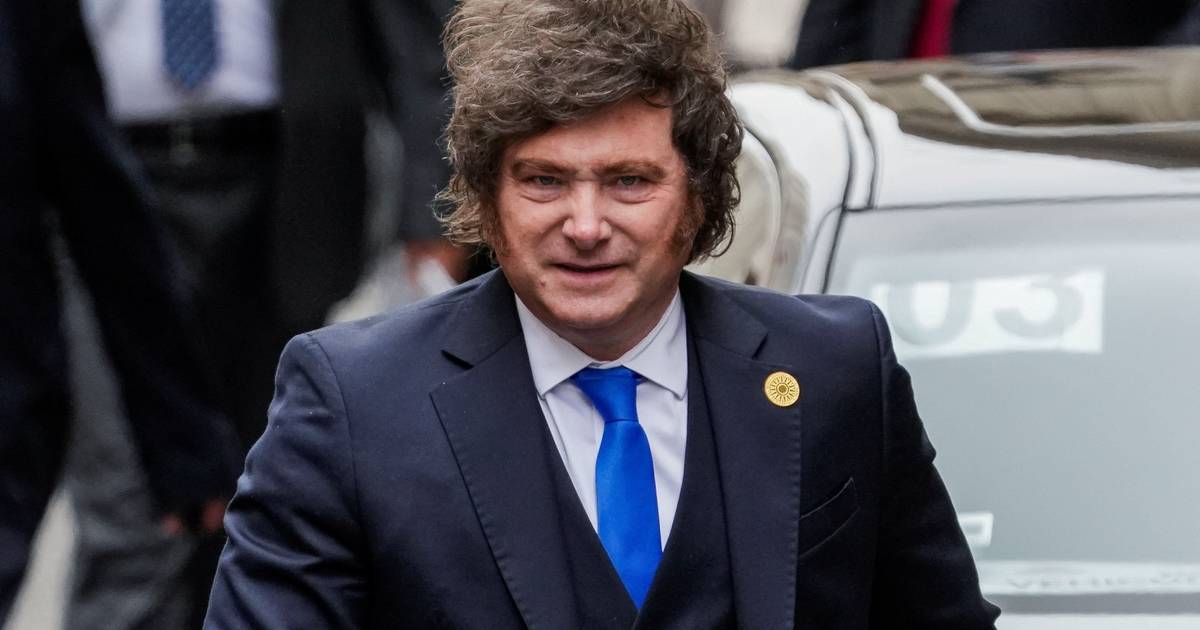
Adesso, però, la priorità è diventata quella di capire come abbia fatto Flavio Bolsonaro a lasciare il Paese. La Polizia federale sta verificando i registri ai valichi di frontiera e quelli dei voli per capire come abbia lasciato il Paese. Indagini partite dopo che il sito argentino Infobae, scrive Folha de S.Paulo, ha riferito che Bolsonaro avrebbe preparato la sua fuga nella notte, attraversando la frontiera con l’Argentina, passaggio che sulla base dell’accordo tra i Paesi del Mercosur è possibile fare con la sola carta d’identità, quindi anche senza passaporto. A quel punto, avrebbe trovato un jet privato per volare negli Usa. Il governo di Javier Milei nega però che sia entrato nel Paese.
O Boca Juniors está muito próximo de participar da Libertadores 2027. A equipe Xeneize tem a chance de garantir vaga na competição continental já no domingo (1), onde tem o clássico contra o River Plate pelo Torneio Clausura (Campeonato Argentino).
Líder da competição com 57 pontos, o Boca Juniors se classifica para a Libertadores 2027 de forma antecipada se vencer o grande rival e ainda ser beneficiado em uma combinação de resultados na rodada.
Segundo colocado com 56 pontos, o Rosario Central não pode vencer o Sarmiento, 17º colocado
O Velez Sarsfield, terceiro colocado com 55 pontos, não pode vencer o San Lorenzo, 16ª colocado.
O Argentino Juniors, quarto colocado com 54 pontos e um jogo a menos, não pode vencer os próximos confrontos
Caso o Boca não consiga a classificação antecipada, ele ainda tem outras oportunidades para garantir sua vaga. Na Sul-Americana, onde o campeão conquista vaga para Libertadores, a equipe de Paredes & Cia. enfrenta o Atlético-MG na grande decisão, no dia 21 de novembro em Barranquilla, na Colômbia.
Boca Juniors e River Plate fazem o Superclásico no próximo domingo, às 15h (de Brasília), na Bombonera. Enquanto os Xeneizes lideram o torneio, os Millonarios ocupam a sétima colocação com 52 pontos e ocupam a zona de classificação para a Sul-Americana.
O avião particular apontado como possível meio de transporte do senador Flávio Bolsonaro (PL-RJ) em uma suposta viagem aos Estados Unidos permanecia sem novo voo identificado nas plataformas de rastreamento aéreo consultadas nesta terça-feira (27). A aeronave, um Gulfstream G400 de matrícula LV-JQW, teve como último deslocamento registrado o trajeto entre Buenos Aires e Puerto Iguazú, no norte da Argentina.
Os dados disponíveis indicam que o jato decolou da capital argentina na noite de segunda-feira (26) e pousou em Puerto Iguazú às 23h42. Desde então, não havia registro de outra decolagem nas plataformas consultadas pela imprensa.
A falta de novos registros, entretanto, não permite afirmar que o avião continuava no aeroporto, uma vez que informações sobre voos privados podem ter restrições de rastreamento. A aeronave pertence à Baires Fly S.A., empresa argentina que atua no segmento de aviação executiva.
O jato ganhou repercussão depois que o jornal argentino Infobae publicou informações sobre uma possível viagem de Flávio aos Estados Unidos. Conforme o relato, o senador teria atravessado a fronteira com a Argentina utilizando seu documento de identidade para, posteriormente, embarcar em um voo particular com destino ao território norte-americano.
PF consulta autoridades argentinas sobre possível entrada do senador
A Polícia Federal (PF) apura se Flávio Bolsonaro deixou o Brasil. Até o momento, a corporação não havia localizado registros de saída do senador por postos oficiais de controle migratório brasileiros.
Diante da ausência de informações nos sistemas nacionais, a PF entrou em contato com autoridades argentinas para verificar se o parlamentar ingressou no país vizinho. O governo da Argentina informou nesta terça-feira (27), por sua vez, que não encontrou registro migratório de entrada de Flávio Bolsonaro.
Até o momento, as informações sobre a possível viagem aos Estados Unidos permanecem sob verificação. A localização registrada do avião e a ausência de novos deslocamentos identificados não confirmam, por si só, que o senador tenha utilizado a aeronave ou sequer realizado o trajeto mencionado na publicação do jornal argentino.
O governo brasileiro acionou autoridades argentinas sobre um eventual risco de fuga do país do senador Flávio Bolsonaro (PL-RJ). A Polícia Federal tem também checado informações de registros nos postos regulares de fronteira com o país.
O site argentino Infobae publicou nesta terça-feira (27) que o candidato derrotado nas eleições havia cruzado a fronteira entre Brasil e Argentina em um voo privado. Informação não confirmada até o momento.
Segundo apurou a CNN, até agora, porém, o governo brasileiro não tem informações se o senador está no Brasil.
Os aliados do senador dizem que ele não deixou o país. À CNN Brasil, o governo de Javier Milei negou que Flávio tenha entrado na Argentina. O Ministério da Segurança, responsável pelo departamento de Imigração e pela Polícia de Segurança Aeroportuária, afirmou para a reportagem que o ex-candidato do PL não entrou, nem pediu para entrar no país.
Em decisão sigilosa, cujo conteúdo foi obtido pela CNN, o magistrado também determinou o cancelamento do passaporte brasileiro em nome do primogênito do ex-presidente Jair Bolsonaro.
A CNN apurou que Flávio foi intimado pela Polícia Federal na manhã da última segunda-feira (26) a cumprir a decisão e a entregar os documentos de viagem.
Flávio e Willer são investigados em um mesmo inquérito que tramita no Supremo Tribunal Federal e que apura denúncias de lavagem de dinheiro e evasão de divisas.
Neste ano, Willer foi alvo da operação Sem Desconto, que apura irregularidades no INSS, e deixou o país, passando a viver nos Estados Unidos.
A Argentina deve colher 62 milhões de toneladas métricas de milho na safra de 2026/27, informou o adido do USDA em Buenos Aires (Departamento de Agricultura dos Estados Unidos).
A previsão não oficial contida no relatório do adido, e divulgado pelo Serviço Agrícola Estrangeiro do USDA, supera a última projeção oficial do Departamento norte-americano: de 55 milhões de toneladas para a safra argentina de milho de 2026-27. Alta de 7 milhões de toneladas.
“Com as previsões apontando para um forte fenômeno El Niño e os atuais níveis de umidade do solo abundantes na maioria das regiões de cultivo, os agricultores estão aumentando a proporção de milho plantado precocemente em relação ao plantado tardiamente”, afirma o relatório.
“Em condições climáticas normais na principal região produtora de milho, o milho plantado mais cedo geralmente produz mais do que o plantado mais tarde”, acrescentou.
O relatório projetou as exportações argentinas de milho para 2026/27 em 43 milhões de toneladas, acima da previsão oficial do USDA de 38 milhões de toneladas.
O adido estimou ainda a produção argentina de trigo para 2026-27 em 23 milhões de toneladas, acima da previsão oficial do USDA de 21,5 milhões de toneladas.
No entanto, “com grande parte da colheita (de trigo) ainda por vir, os contatos do setor estão cada vez mais preocupados com a possibilidade de um fenômeno El Niño excepcionalmente forte trazer condições climáticas desfavoráveis e atrapalhar a colheita”, afirmou o relatório.
O adido previu que as exportações argentinas de trigo em 2026-27 serão de 17 milhões de toneladas, acima da estimativa oficial do USDA de 16 milhões de toneladas.
De acuerdo con el Departamento de Comunicación de la Santa Sede, la evolución clínica del Papa ha sido favorable, lo que ha permitido mantener sin cambios los compromisos pastorales previstos para noviembre.
La medida representa la sanción disciplinaria más severa del empleo público argentino y concreta la expulsión e inhabilitación profesional de la doctora Virginia Aparicio, luego de que coordinara un estudio sobre la presencia de del agroquímico glifosato en el ambiente, los animales y los seres humanos.
Buenos Aires, 27 oct (Prensa Latina) La industria argentina atraviesa hoy una crisis recesiva a juzgar por el nuevo reporte del Centro de Estudios de la Unión Industrial (UIA), el cual advierte sobre una nueva caída interanual en septiembre del 3,4 por ciento.
La organización presentará cargos internacionales contra el mandatario tras sus dichos contra cinco periodistas que cubrieron el caso de la criptomoneda $LIBRA.
En el ensayo 'Conversación con la oscuridad' la popular escritora argentina reivindica el gótico y el horror como el género perfecto para abordar los miedos colectivos y privados. "Los monstruos cambian de significado en cada época, cada generación los deforma según sus miedos" Leer
En el ensayo 'Conversación con la oscuridad' la popular escritora argentina reivindica el gótico y el horror como el género perfecto para abordar los miedos colectivos y privados. "Los monstruos cambian de significado en cada época, cada generación los deforma según sus miedos"
Basilea, Suiza, 26 oct (Prensa Latina) El tenis latinoamericano tuvo hoy una jornada aciaga en la primera ronda del torneo de Basilea, con los reveses de los argentinos Juan Manuel Cerúndolo y Mariano Navone. Cerúndolo perdió ante el alemán Daniel Altmaier por 7-6 (7/5), 6-7 (4/7) y 4-6, y Navone frente al monegasco Valentin Vacherot en dos sets 3-6 y 6-7 (4/7).
Buenos Aires, 26 oct (Prensa Latina) La resonante victoria de Luiz Inacio Lula Da Silva en el balotaje presidencial retumbó en los círculos de poder de la ultraderecha que vio cómo su ola conservadora quedó frenada en Brasil, consideran hoy analistas políticos argentinos.
Some of the remnant socialist governments appear to be sliding toward subservience
“Respect for sovereignty is the most significant norm in international politics, and its purpose is to minimize war and facilitate peaceful relations among states.”
—John Mearsheimer
American political scientist and international relations scholar and professor
The U.S. war against Vietnam was driven by the imperialist assumption that Vietnam was one of many inevitable dominoes that would fall to communism. But the communist dominos did not fall. Instead, today, we face a dramatic, devastating loss of progressive governments throughout Latin America, with the domino game won by the reactionary forces.
We must learn from history, or we are doomed to repeat it. But today, there is little public discussion and analysis of what led to these Latin American losses, if not outright condemnation of such questions.
Though all the winds of doctrine were let loose to play upon the earth, so Truth be in the field, we do injuriously, by licensing and prohibiting, to misdoubt her strength. Let her and Falsehood grapple; who ever knew Truth put to the worse, in a free and open encounter?
— John Milton English poet, polemicist, and civil servant
During the Cold War, the U.S. had a long pattern of supporting right-wing coups, dictatorships and death-squad operations, driven by the imperatives of big business which wanted to exploit Latin American resources.
One of the most notorious cases was Chile, where the CIA backed a coup against democratically elected leader Salvador Allende that brought in fascist Augusto Pinochet.
Today, as Peoples Dispatch reported: “The far right in Latin America is shaped by an anti-left agenda that it inherits from the Cold War, which means that its political formations typically endorse the era of U.S.-backed military dictatorships. The ideas of the left, whether from the Cuban Revolution (1959) or from the era of the Pink Tide (after 1998), are anathema to these political forces; these ideas include agrarian reform, state-led finance for industrialization, state sovereignty, and the importance of trade unions for all workers and peasants.”
Glenn Greenwald agrees: “Other than Uruguay, Brazil is the last country in South America still governed by a left-wing or center-left government, with one country after another electing leaders on the right: Argentina, Colombia, Peru, Ecuador, Chile, etc.”
Medea Benjamin also agrees: “Across the continent—from Colombia and Peru to Argentina, Chile, Ecuador, Honduras, Bolivia and Panama—there has been a stark reversal of the region’s progressives that brought hope for a more independent and socially just Latin America. The only two major powers in Latin America still governed by the left are Mexico and Brazil—and Brazil faces a fiercely contested presidential election in October.” Unfortunately, the recent election requires a runoff, as neither Bolsonaro nor Lula received over 50% of the vote. What is particularly concerning, is that Lula did not come in as strong as most predicted.
Alan MacLeod reports in Mint Press that “The United States is interfering in the Brazilian presidential elections, pressuring the Brazilian electorate into voting for right-wing candidate Flavio Bolsonaro, the son of disgraced former president, Jair Bolsonaro. If that does not work and President Lula da Silva secures a fourth term in office, the groundwork is already being laid for a potential military intervention.”
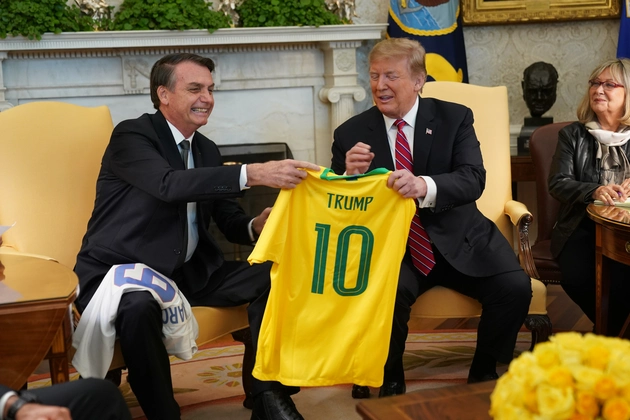
Former Brazilian President Jair Bolsonaro after he is presented with a soccer jersey by President Donald Trump. [Source: politico.com]
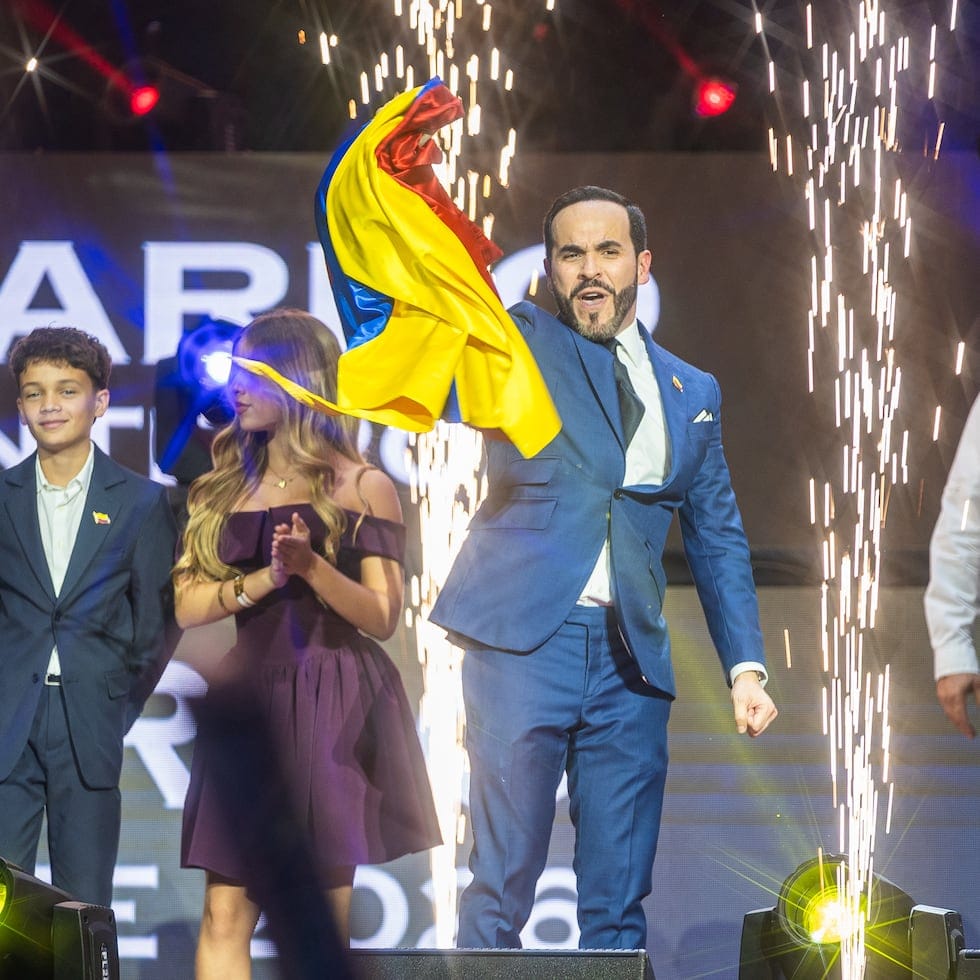
Colombia’s domino fell when its left-wing presidential candidate Ivan Cepeda conceded defeat on June 24 to hard-right populist Abelardo de la Espriella following a tight run-off race.
“There had been doubts among the Cepeda camp about the legitimacy of the vote process, with President Gustavo Petro—who was closely involved in the leftist candidate’s campaign—openly alleging fraud and foreign interference before and after the election.”
Colombia’s far right new President Abelardo de la Espriella celebrates his recent election victory. [Source: americasquarterly.org]
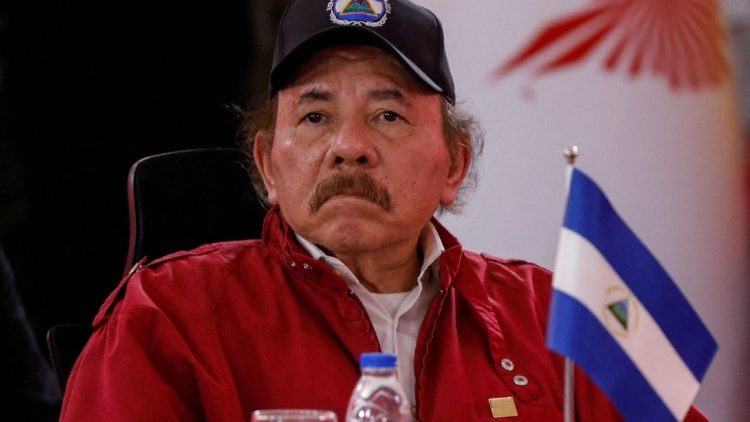
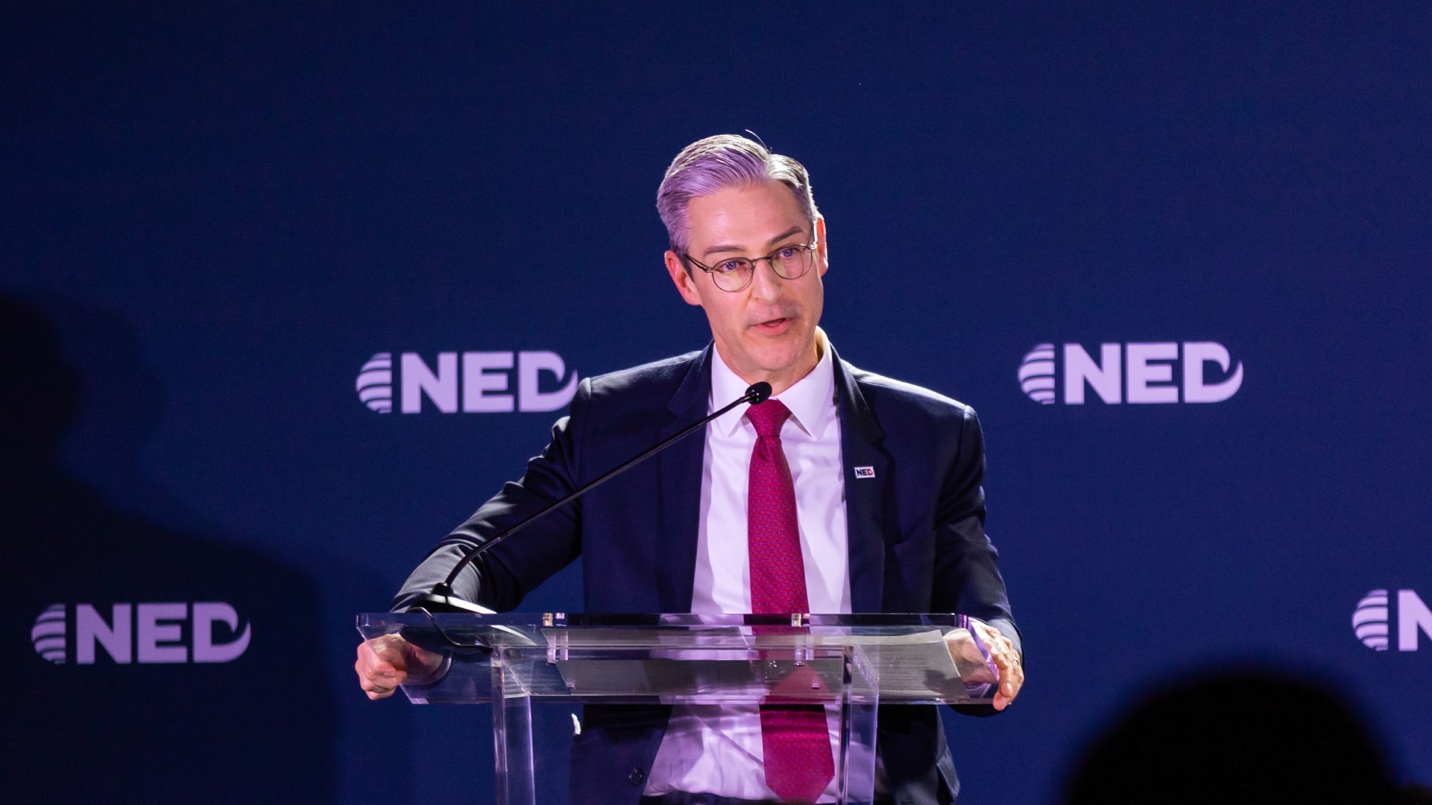
Nicaragua faces electoral interference as well. As reported in The Grayzone, “In his national address on July 19, Nicaraguan President Daniel Ortega stated that, when the country’s next elections take place in 2027, none who promoted a violent anti-government insurrection in 2018 will be allowed to stand for office.” He declared that Nicaragua has the “sovereign right to fight foreign interference in its electoral process…Washington’s plans for regime change in Nicaragua are hardly a secret…The National Endowment for Democracy’s president, Damon Wilson, bragged to a House committee in February that his organization is funding media in Nicaragua with an eye to undermining its Sandinista government.”
Lest we forget, government control of media is essential for fascism to take hold. Benjamin outlines how “The market concentration of Latin American media conglomerates is among the highest in the world, with four transnational companies controlling 89 percent of the broadcast media across six major countries…The market power of these huge media conglomerates is a real obstacle to any movement for democracy or socialism.” Even darker, she reports that Allen Weinstein, a founder of the National Endowment for Democracy, told The Washington Post in 1991, “A lot of what we do today was done covertly 25 years ago by the CIA.”
Damon Wilson, the director of the National Endowment for Democracy. [Source: ned.org]
After Venezuela was subject to a U.S. military invasion on January 3, which resulted in the kidnapping of sitting president Nicolás Maduro and his wife Celia Flores, then-Venezuelan Foreign Minister Yván Gil said “We found ourselves alone.”
It was certainly a devastating disappointment that Russia and China, or neighboring countries such as Colombia and Brazil, did not (though under the boot of the U.S.) more militantly advocate for Maduro and Flores’s return. The illegal murders on the open seas of the Caribbean—with impunity—was writing on the wall that Venezuela was the next domino to fall. Why did the efforts to prevent the fall fail?
Is Venezuela still a sovereign country? Former Venezuelan Foreign Minister Jorge Arreaza said, “Everything is now negotiated” with Washington, requiring a daily give-and-take with Caracas. When does it become regime change if everything must be negotiated with Washington?
Peoples Dispatch reports that, “Despite every attempt to overthrow the government of Venezuela, President Nicolás Maduro remains in charge and has mobilized large sections of the population to defend the Bolivarian Revolution against any threats.” But as is acknowledged, “…U.S. imperialism, by having a gun pointed to the government’s head, is in a position to exert substantial coercion leading to unpalatable decisions, such as Alex Saab’s deportation.”
Doesn’t “substantial coercion” trespass upon sovereignty? When domestic peace occurs due to a gun to your head, is it the measure of success? Saab’s deportation is more grievous than unpalatable.
Criticizing a government does not make one equivalent to a particular opposition figure. Asking questions is not counterrevolutionary, but essential. What insights have we gained during this period of U.S. imperialism?
CovertAction Magazine’s “Cuba Is Not Venezuela or Jamaica as It Refuses to Become a U.S. Neo-Colony” recounts how, when Jamaican Prime Minister Michael Manley refused Henry Kissinger’s demand to end support for the Angola liberation struggle, the U.S. made sure Manley would lose the next election. Jamaica has been a willing servant of the Empire ever since, recently ending an essential Cuban health care program that brought doctors to the country. A neo-colony is certainly not sovereign.
It is tragic that Venezuela is used as the current example of what other countries want to avoid. Maduro recently posted that “Venezuela will be reborn.” Venezuelan popular movements now call for ‘anti-imperialist resistance’ to the recent oil deal for its lack of transparency and implications for Venezuelan sovereignty. Organizer Orlando Vega argued that the Venezuelan government “stumbled” in its response to the January 3 U.S. attacks. He urged a demand for the release of Maduro and Flores and a review of legislation approved “under U.S. coercion.”
But a key political question is: “What remains of Bolivarian sovereignty if control over the country’s primary energy resources is gradually transferred to private actors linked to U.S. interests?…A process born in the name of sovereignty and independence risks resulting in the subordination of key strategic resources to the interests of a foreign power…Venezuela faces what appears to be the liquidation of sovereignty, self-determination, and the legacy of the Bolivarian Revolution.”
“History shows that, more often than not, loss of sovereignty leads to liberalization imposed in the interests of the powerful.”—Noam Chomsky
Veteran Intelligence Professionals for Sanity (VIPS) recently issued a memo which states that Cuba is not Venezuela. They predict that “The same people who keep ’57 Chevrolets on the road with a coat hanger will wreak havoc against a foreign-imposed regime.”
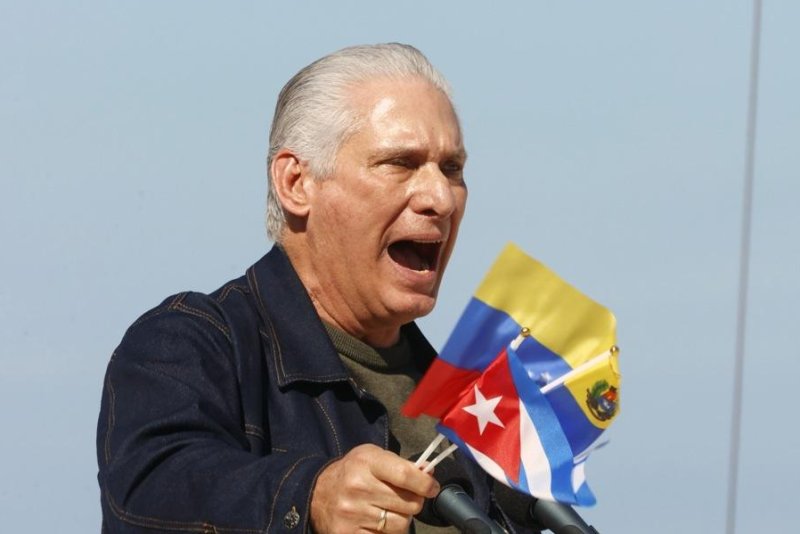
Cuba refuses to accept a dialogue based on subordination. It declares it will engage in dialogue with Washington, but will not negotiate under pressure or cede its sovereignty. “We have no alternative but to resist. We must resist,” said Cuban President Miguel Díaz-Canel, who explicitly linked the defense of socialism to the defense of national independence and sovereignty. Is Cuba’s refusal to kneel to Uncle Sam the reason the U.S. strategy for Cuba recently shifted from the military option to sanctions?
“Our position is that we do not accept conditions of any kind which may affect the independence and sovereignty of our country just with the view to solve economic problems existing between the United States and Cuba.”—Fidel Castro
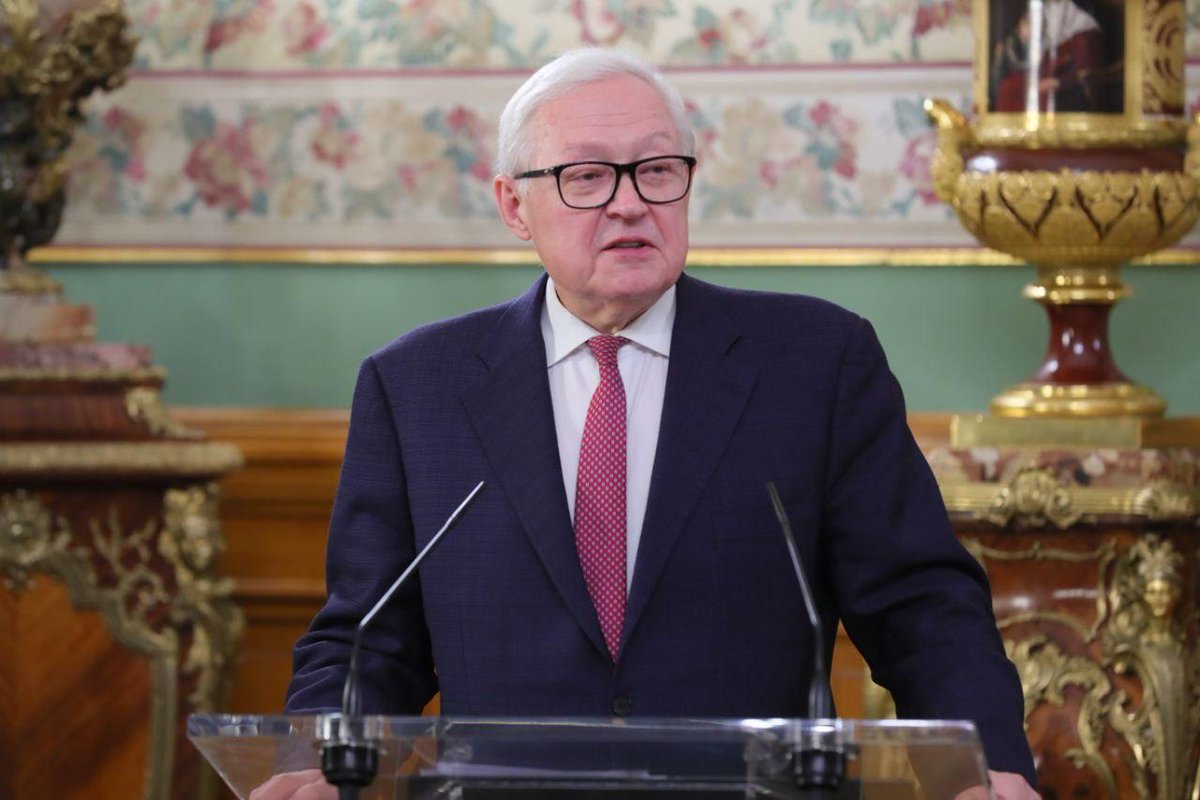
The Soviet Union helped Cuba survive its illegal sanctions, begun in 1960, but since the fall of the Soviet Union in 1991, Cuba suffered and struggled under increasing sanctions—mostly alone. In a promising new development, Russian Deputy Foreign Minister Sergei Ryabkov recently announced that Russia and Cuba will continue strengthening their strategic partnership despite attempts to undermine bilateral cooperation through intimidation and political pressure.
The Peace of Westphalia, which established the nation-states in 1648, enshrined the concept of state sovereignty into international law, which was formalized centuries later by the United Nations Charter. The founding principle was that every State, regardless of size and economic importance, has an equal right to sovereignty. This cornerstone of modern international law establishes the concept that a nation-state has supreme, independent authority over its own territory and domestic affairs.
In tragic irony, sovereignty is used to justify the right to kill in defiance of international law. Carl Schmitt, a German philosopher and jurist who joined the Nazi Party in 1933, defined sovereignty as the “power to decide the state of exception.” William Blum’s Rogue State outlines in brutal detail how the U.S. has long been a lawless state, blind to others’ sovereignty, and the devastating danger that state of exception reflects.
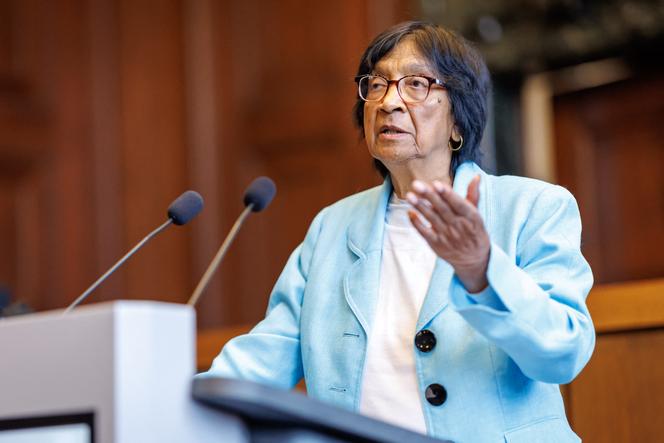
Recently, Marco Rubio had the audacity to claim that “The ICC [International Criminal Court] poses an intolerable threat to U.S. sovereignty.” Then on October 9, the U.S. imposed new sanctions on the ICC, apparently because the Nobel Peace Prize was awarded to Navi Pillay, a former ICC judge who once criticized Israel.
However, “The ICC is not claiming jurisdiction over conduct in the United States,” said Kenneth Roth, of Human Rights Watch. “Rubio is dressing up his quest for impunity for American war crimes under the label of national sovereignty, which ignores the sovereign right of other nations to invoke the ICC for crimes committed on their territory.” Sovereignty does not imply immunity, but accountability to the rule of law.
Vijay Prashad outlines the struggle for sovereignty in the Global South: “Can the nations of the Global South act together with sovereignty and dignity? Can they build institutions that serve their peoples rather than global capital?…A political consciousness that favours sovereignty and strategic autonomy is rising in the Global South.”
When a country gives up strategic autonomy, has it compromised its sovereignty? Prashad concludes: “The peoples of the Global South demand sovereignty, equality, and peace.” Sovereignty is becoming a mantra, though its clear meaning remains elusive.
“How does any country give up any sovereignty and expect to survive as a government?…That would be political suicide.”—Benigno Aquino III
Geopolitical analyst Pepe Escobar explored modern global sovereignty in “Eurasia, the Hegemon, and the Three Sovereigns,” asserting that true, uncompromised national sovereignty in contemporary geopolitics requires reconceptualizing the understanding of sovereignty. He addressed the need to “pierce far beyond sovereignty as interpreted in conventional political science and predominant international relations narratives.”
When does genocide of resident civilians cancel the right to sovereignty over them? Banning a native language is legally genocide. Ukraine banned the Russian language on the first day of the 2014 coup.
So did Russia violate Ukraine’s sovereignty when it began the SMO? The Donbas, after 12,000 civilian deaths in eight years, voted—overwhelmingly—to rejoin the Russian Federation. The Duma voted to accept their request for reunification.
When international law fails, with total UN abdication, and agreements like Minsk I and Minsk II are used as a ruse, how is Ukraine’s alleged sovereignty legitimate while it commits genocide against its own people?
Cuba remains a sovereign socialist country which says it will not surrender. Venezuela reminds us how quickly a revolution can be compromised when sovereignty becomes a negotiable variable. What is the “difference between sovereignty and subordination, between resistance and surrender?”
When Castro won the Cuban Revolution, he immediately distributed guns to the peasants, because he knew that he needed the people to maintain the victory. And he certainly agreed with Frederick Douglass that “It’s better to die free, than live as a slave.”
Sovereignty requires that the people of each country are free to make their own choices, without coercion or a gun to their head.
Il Perito Moreno, ghiacciaio della Patagonia argentina, è arretrato di 910 metri in soli 100 giorni tra febbraio e giugno. Lo riporta RaiNews che cita il rilevamento effettuato dal centro di interpretazione dei ghiacciai Glaciarium assieme al Parco Nazionale Los Glaciares. L’allarme è giustificato non solo dalla perdita di terreno della massa ghiacciata, ma anche dal fatto che il Perito Moreno era uno dei pochi ghiacciaci al mondo ancora in condizioni “stabili” o “di equilibrio“: riusciva a rigenerare nella stagione invernale la massa persa durante il periodo estivo-autunnale.
Il Perito Moreno è parte del Parco nazionale Los Glaciares, Patrimonio dell’Unesco dal 1981, ed è da anni meta turistica in quanto unico ghiacciaio orizzontale al mondo, con 30 km di lunghezza e una superficie di 250 kmq: famosa la sua spettacolare diga di ghiaccio che lo caratterizza. Secondo gli esperti l’accelerazione del suo degrado deriva “dall’assottigliamento e dall’arretramento della dorsale subglaciale che fungeva da punto di ancoraggio stabilizzandone il fronte”; il processo di distaccamento di grandi blocchi rischia di essere irreversibile. La soglia di arretramento supera quella di 750 metri registrata nel 1899 misurata dal geologo tedesco Rudolf Hauthal.
A ex-presidente da Argentina Cristina Kirchner foi às suas redes sociais na noite deste domingo (25) parabenizar o presidente Luiz Inácio Lula da Silva (PT) pela reeleição.
“Parabéns, primeiro ao povo brasileiro, que hoje protagonizou um autêntico 17 de Outubro eleitoral”, afirmou a líder, atualmente em prisão domiciliar após ser condenada por corrupção. A data é uma referência ao dia em que, em 1945, uma multidão foi às ruas pedir a liberação do general Juan Domingo Perón.
E continuou: “Depois, a você, companheiro presidente Lula, que, em sua sétima eleição presidencial, soube despertar em seus compatriotas o sentimento e o sentido necessários para vencer esta batalha”.
Milei não se pronunciou
O atual presidente argentino e adversário de Cristina, Javier Milei, não se pronunciou sobre o resultado, assim como os demais líderes latino-americanos. O ultraliberal apenas republicou postagens que sugeriam uma fraude no processo eleitoral brasileiro, sem provas. (Daniela Arcanjo/FOLHAPRESS)
O Presidente da Argentina estava acusado de burla e vários outros crimos por causa da criptomoeda que lançou e que causou prejuízos a milhares de investidores

 Login