Britain and Poland are giving European security something it urgently needs: a practical plan to turn allied solidarity into stronger military capabilities. Their new Warsaw Defence Plan brings together missile development, ammunition production, maritime cooperation and protection against drones and cyberattacks, strengthening a partnership with consequences well beyond either country’s borders.
Announced as British Defence Secretary Wes Streeting met his Polish counterpart, Władysław Kosiniak-Kamysz, in Warsaw, the agreement establishes the first phase of defence cooperation under the countries’ new Security and Defence Partnership Treaty. According to the Ministry of Defence announcement, it covers operations and industry across land, sea, air and cyberspace.
Its significance lies in that breadth. Modern deterrence depends on much more than the number of soldiers available for deployment. It requires protected infrastructure, reliable supplies of ammunition, effective air defences and forces capable of operating together under pressure. London and Warsaw are addressing those requirements as connected parts of the same challenge.
Air defence is a central priority. The two countries will collaborate on developing and manufacturing the next generation of air defence missiles, building on an industrial relationship that includes Poland’s procurement of the Narew system from MBDA UK. Closer procurement coordination offers an opportunity to align military requirements and strengthen production.
That approach has clear strategic value. Missiles become more useful when allies can sustain their supply, maintain their systems and plan their deployment together. By connecting industrial cooperation with operational needs, Britain and Poland can help develop the dependable defensive capacity that Europe requires against an increasingly demanding range of aerial threats.
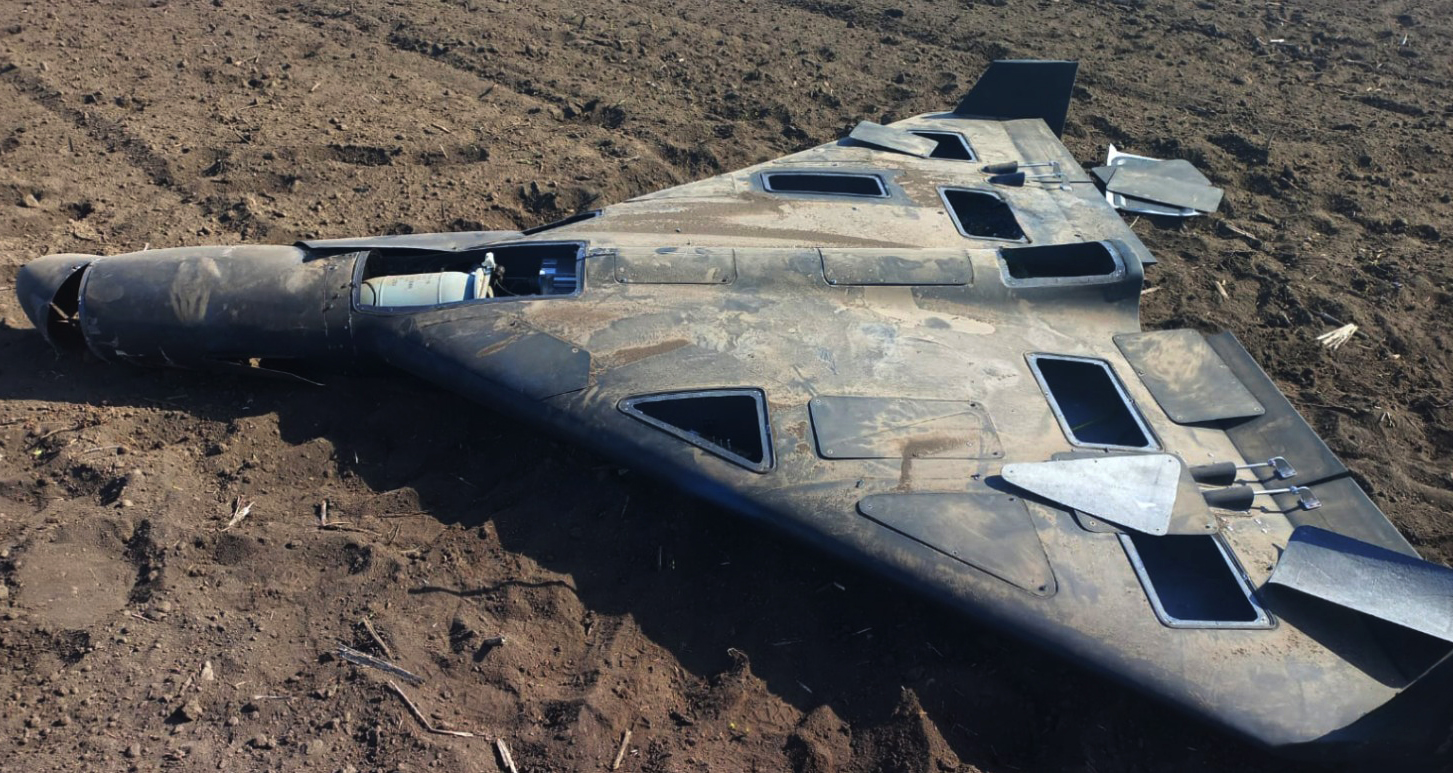
The plan also embraces joint development of drones and technologies designed to defeat them. The ministry explicitly links this work to protecting civilians and critical national infrastructure amid Russian drone incursions. It is a welcome recognition that security must extend beyond military installations to the services and networks on which everyday life depends.
Cybersecurity cooperation follows the same logic. Strengthening the resilience of civilian and defence sites can reduce opportunities for disruption and make national responses more effective. For both countries, sharing expertise offers a practical way to improve preparedness against hostile activity that can unfold without a conventional military attack.
At sea, the agreement builds on an existing technical connection: Britain’s Type 31 frigates and Poland’s Miecznik ships share a common design. Exchanging experience as those capabilities develop should help both navies learn from each other. Planned exercises and regional coordination will also increase defensive maritime activity in the Baltic, supporting the protection of vital communications routes.
The industrial commitments are equally encouraging. BAE Systems and Poland’s PGZ will expand capacity and capability in large-calibre ammunition production. The announcement supplies no production figures or delivery timetable, but its direction is important. Credible defence requires the ability to replenish supplies and sustain operations, giving manufacturing capacity a direct role in military readiness.
Cooperation on defence education, training and workforce mobility could strengthen that foundation further. Advanced weapons programmes depend on skilled people as well as investment. Building shared expertise can support delivery while creating opportunities for engineers, technicians and the wider industrial supply chain in both countries.
Joint exercises will test the partnership in practice. Continued participation in Steadfast Defender, Polish Dragon and Joint Warrior is intended to prepare forces for challenges including electronic warfare, counter-drone operations and missile defence. Such training gives commanders opportunities to identify weaknesses, improve coordination and build confidence before a crisis demands immediate action.
Ukraine remains integral to this effort. The countries are preparing a major Coalition of the Willing exercise in Poland in November, involving thousands of personnel. The stated purpose is to prepare the Multinational Force Ukraine to support military training and post-war rebuilding. Preparation cannot determine the course of diplomacy, but it can make future commitments more credible.
For Europe, the promise is straightforward: two committed allies are connecting operational readiness with industrial strength. Delivering the plan will require sustained effort, but Warsaw and London have established a constructive agenda whose success would benefit the wider alliance.

 Login