❌

Reading view

Ukraine war latest: Oleshky ceasefire holds as Zelensky secures new aid pledges

Key developments on Oct. 28:

  • Putin 'wanted very much' for Melania Trump to broker Oleshky ceasefire, first lady adviser says
  • Ukraine reportedly strikes chemical, metallurgical plants in Russia
  • Russia building new drone launch site near Millerovo airfield in Rostov Oblast, HUR says
  • Netherlands announces 500 million euro military

  •  

Zelensky elogia apoio adicional de 10 bilhões de libras do Reino Unido

O presidente Volodymyr Zelensky afirmou que discutiu, nesta quarta-feira (28), com o primeiro-ministro britânico Andy Burnham um pacote de apoio adicional para a Ucrânia, bem como a política de sanções.

“Um passo verdadeiramente forte e muito oportuno — que chega justamente no momento em que a Rússia precisa ver e sentir que a Ucrânia não será deixada sozinha para lidar com os problemas que a Rússia está tão empenhada em intensificar”, disse Zelensky na rede social X, ao comentar um apoio adicional de 10 bilhões de libras (cerca de 71,4 bilhões de reais) anunciado mais cedo, nesta quarta-feira.

Zelensky vai ao Reino Unido para reunião com Burnham sobre apoio na guerra

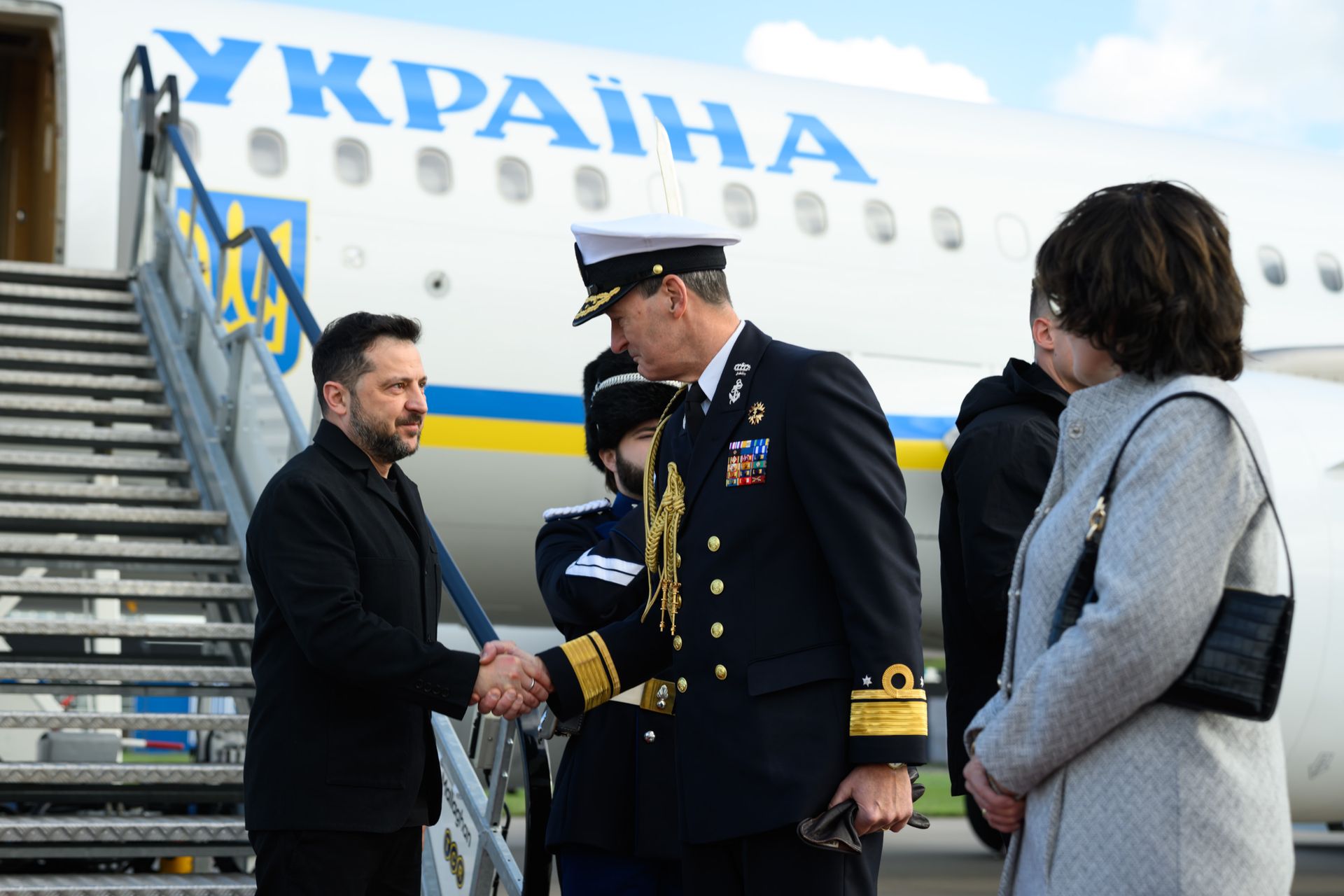
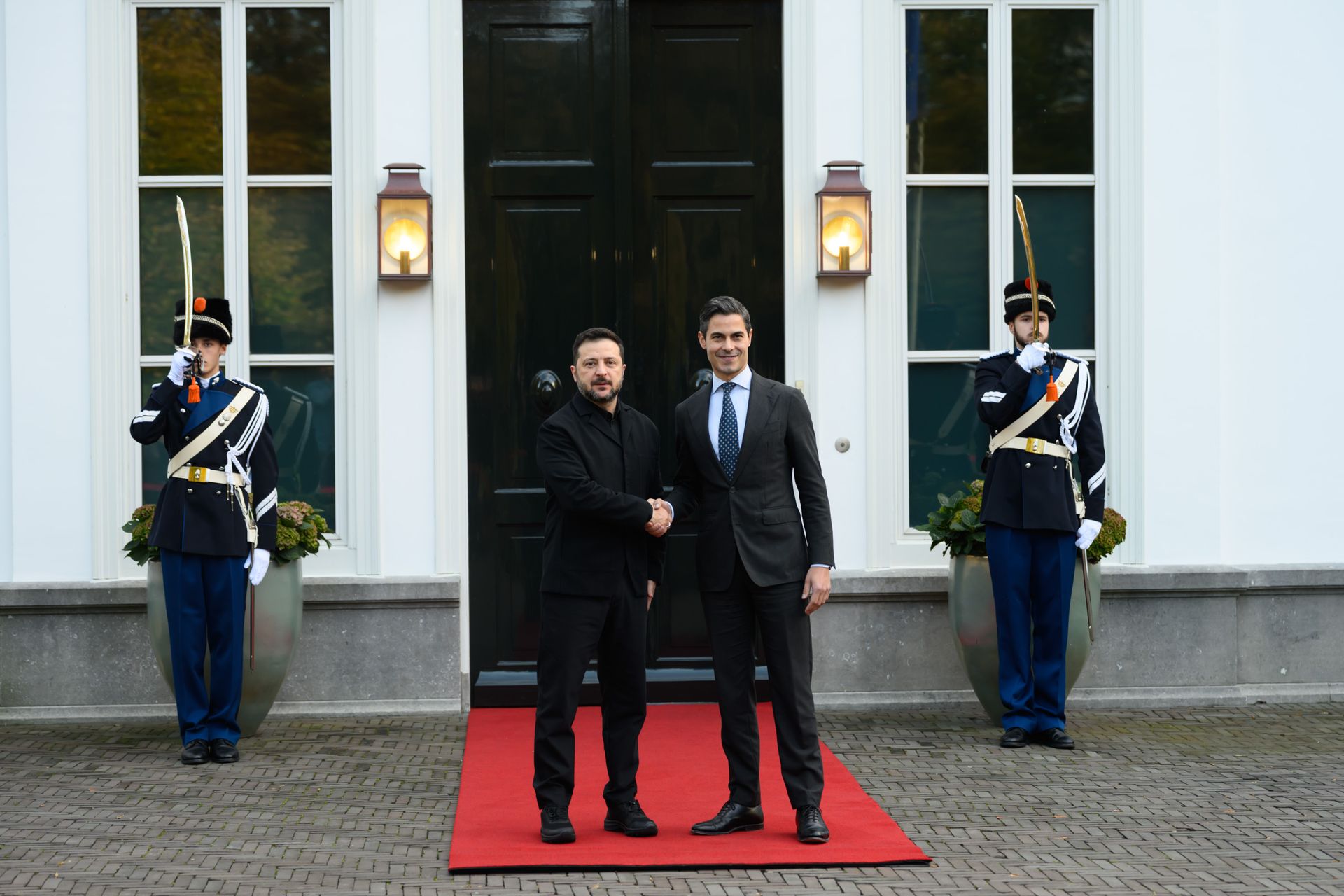
O presidente ucraniano, Volodymyr Zelensky, chegou ao Reino Unido na quarta-feira (14) para se reunir com o primeiro-ministro britânico, Andy Burnham, em Londres, num momento em que o Reino Unido busca reafirmar seu apoio à Ucrânia, inclusive com a promessa de um novo pacote de mísseis terra-ar.

A reunião ocorre em um momento difícil para Zelenskiy.

O presidente dos Estados Unidos, Donald Trump, disse no fim de semana que ele deveria ser substituído na liderança da Ucrânia, dias depois de fechar um acordo com Moscou para suspender as sanções sobre as exportações russas de diesel.

O Reino Unido afirmou não apoiar o acordo EUA-Rússia sobre o diesel e pediu aos aliados que mantenham a pressão econômica sobre Moscou.

Burnham declarou que o apoio à Ucrânia é vital para garantir a segurança da população britânica e prometeu mais apoio militar.

Entenda como protestos levaram Zelensky a trocar comando militar da Ucrânia


  •  

As Ukraine, Russia head back to peace talks, here's what Zelensky expects

A planned meeting between Ukraine, Russia, and the U.S. in Abu Dhabi will focus on de-escalating Russia's war, President Volodymyr Zelensky told reporters on Oct. 27, as Moscow seemingly agreed to resume talks with Kyiv after a pause of more than eight months.

Although Ukrainian officials do

  •  

Is Europe starting to come to its senses on Ukraine?

Finland and Norway are hinting at the need for a new approach to the continent`s relationship with Russia

By Matthew Blackburn

Join us on Telegram, X, and VK.

Contact us: info@strategic-culture.su

The Trump administration’s latest initiative to end the war is creating heartburn in Europe.

“We have to pressure the aggressor to stop the war, not the victim to surrender,” said European Union High Representative Kaja Kallas. “Squeezing Ukraine is not the right approach, and that’s why Europe is standing by Ukraine.” Ukrainian President Volodymyr Zelensky, meanwhile, insists Russia has no genuine desire for peace, pointing in particular to Russian strikes on Ukrainian civilians.

This moral language frames the conflict as a zero-sum, good-versus-evil struggle. In this light, Europeans have no choice but to unite behind Ukraine to stop Russian President Vladimir Putin.

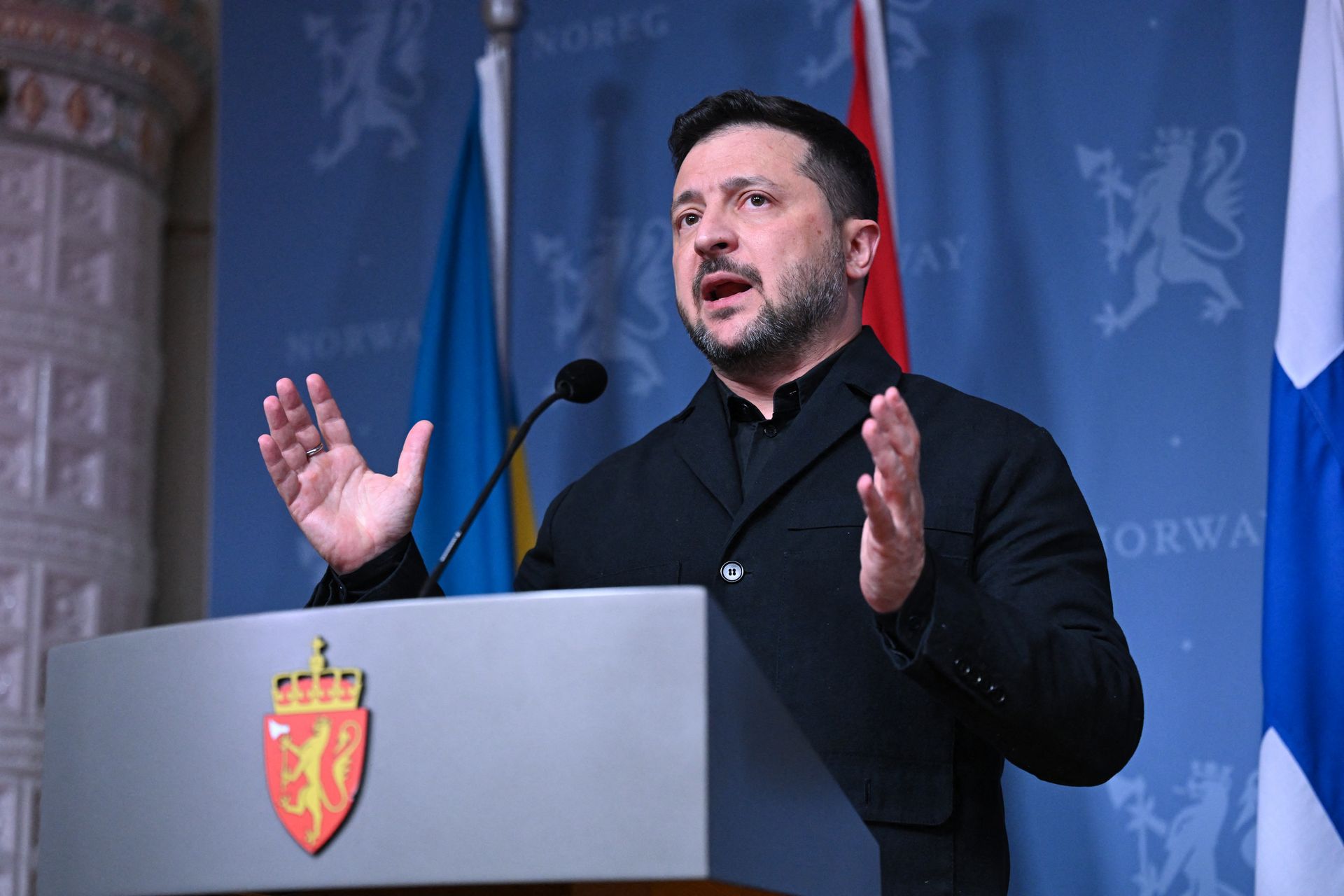
But not all European leaders are talking this way. The press conference in Oslo on Oct. 20 featuring Zelenskyy, Norwegian Prime Minister Jonas Gahr Støre and Finnish President Alexander Stubb was full of constructive language about ending the conflict. Stubb said the Oslo summit was the result of “substantive progress” made “under the radar.” Støre emphasised that “Europe has to be at the table” to secure a “lasting peace.” Europe, it seems, is not united on a negotiated end to the conflict.

Then on Tuesday, the two met with Putin unofficially, in an effort at de-escalation, according to reports. “We are neighboring countries to Russia,” Stubb said in a statement afterwards. “The outcome of this war will have a direct impact on our and the broader European security. Ending the war requires direct discussions.”

The Oslo summit was no bolt from the blue; Finnish and Norwegian representatives have been preparing the ground for several months. At last week’s Warsaw Security Forum, Norwegian Foreign Minister Espen Barth Eide avoided the usual binary of Ukraine’s victory or capitulation. He stressed that since the Europeans are now paying for the war, they should also lead the diplomacy to end it. Eide noted that a peace agreement could secure a democratic, independent Ukraine integrated into the EU with 80% of its original territory. Advancing this point among more hawkish European colleagues, Eide struck a tone of hope rather than fear. In an interview last Saturday, Eide noted that Europe must contribute concrete proposals for a post-war security architecture: “in the long run, we need to return to a normal relationship with Russia after the war (….) some kind of order must be restored.”

During his recent visit to the Norwegian Institute of International Affairs, Stubb presented a complementary argument. Restating his case for a “value-based realism,” he argued that European states should be faithful to their values but would not resolve the conflict by rigidly clinging to the moral high ground. Stubb urged the audience to keep “cooler heads”; fostering a “war mentality” would make it near impossible to conceive of peace.

Eide and Stubb are moving in a different direction from those who claim “victory” over Russia – however defined – is a prerequisite for future European security. They reject the mantra of ex-NATO Secretary General Stoltenberg that “weapons are the way to peace” and emphasize the military reality that neither side has the resources to win decisively.

This is a noble recognition of reality. Offensive actions from both sides have repeatedly failed to produce a breakthrough. Costs keep rising for both warring parties, while gains have become increasingly meagre. Europe, Ukraine, and Russia are stuck in a war that cannot be won on the terms set by either side.

Continuing the current course brings problems for all sides. Putin faces an overheating economy and increasing social fatigue and anxiety. Even if Russia destroys more and more Ukrainian infrastructure from the air, land offensives are likely to incur heavy losses. Ukraine’s situation is even tougher. Its chronic manpower shortages have led to intensified forced mobilization and increased social strains. Blockaded at sea and bombarded from the air, Ukraine is also short of money and weapons, constantly appealing to Western allies to plug the gaps.

The European coalition behind Ukraine faces serious problems of its own. Many European states are facing a sovereign debt crisis as war costs mount. The EU has been unable to persuade Belgium to make use of Russia’s frozen assets to fund the war. All the while, the dirty reality is that, since the war began, Europe has spent more on Russian energy imports than on weapons for Ukraine.

Tuesday’s meeting in Oslo provides a way out of this mess. As Stubb said at Tuesday’s press conference: “Peace requires patience. But unfortunately, war does not wait. People are dying each and every day. Our job is to do what we can to end it.” Norway and Finland are communicating the urgency of ending a senseless war. Referring to the recent spat between Trump and Zelensky, Støre advised against dwelling on past disagreements: “What matters now is what lies ahead of us.”

On the same day, Kaja Kallas looked back in anger. She accused the Trump administration of trying to “push Ukraine into surrender” on “Putin’s terms.” Danish Prime Minister Mette Frederiksen, for her part, presented Ukraine as Europe’s only protection: “If we allow Ukraine to fall, we will open the way for Russia to advance into other parts of Europe.”

One can understand fears that, if Ukraine is rendered neutral with limits on its armed forces, Russia would hold the whip hand over Europe. Nobody wants to let Moscow dictate the terms of the European security architecture through violence. But at this point, Europe’s rejection of a “dirty deal” could mean impotently watching Ukraine’s destruction over the next six months. How would this outcome improve European security or prestige?

Norway and Finland have offered the most constructive European response to U.S. diplomacy since Trump returned to the White House. They offer Europe a new language of patient diplomacy to replace maximalist rhetoric. This is in line with both countries’ previous experience mediating and building bridges with Russia. It also recognizes a basic fact: all protracted wars not settled decisively on the battlefield — which is to say, the vast majority of wars — end in negotiated settlements between the aggressor and the defender. America’s signature is absolutely necessary to secure such an outcome.

Mainstream analysis seems unable to accept these realities. It is stuck in moral posturing or fearmongering. There is still little serious discussion of what compromises might be struck. The 28-point plan that U.S.-Russian diplomacy developed in 2025 should not be equated with Ukraine’s capitulation, nor is it a recipe for turning Ukraine into Belarus. Ukraine would enter the EU, receive reconstruction assistance, and retain armed forces on a level comparable to Finland’s. It is time to return to the core points on which a deal must be struck.

Russia has responded positively to the proposals sent from Oslo. Ukraine, Russia, and the U.S. have agreed to a three-way summit in November, according to Zelensky. The key question now is whether other European governments will take the Oslo initiative seriously and agree on who can represent Europe in these talks. Dmitri Peskov, Putin’s press secretary, has cautiously welcomed the idea that Alexander Stubb could represent Europe in the negotiations.

Finland and Norway’s more moderate language is a crucial first step toward a shared European understanding that continuing the war in its current form is self-defeating. As Eide observed at the U.N. last month, “diplomacy can work – if we allow it to.”

But first, Europe must decide: will it support or sabotage the U.S. effort to build a diplomatic off-ramp?

Original article: responsiblestatecraft.org

  •  

Ukraine paused attacks on oil refineries for 3 days as Russia continued strikes on energy infrastructure, Zelensky says

During those days, Ukrainian forces acted "a little more cautiously," but were not ordered to refrain from responding to Russian strikes, according to President Volodymyr Zelensky.

  •  

Zelensky backs Norway-Finland talks with Putin, says Trump already ended Russia's isolation

Zelensky praised Norway and Finland for putting their diplomacy "completely out in the open: discussions in advance, a full briefing, and transparent objectives," saying that not all countries had taken the time to speak with Ukraine beforehand.

  •  

Trump: “Presto un incontro tra Putin e Zelensky, molti progressi con Russia e Ucraina”. Sul tavolo il petrolio russo

Donald Trump si mostra ottimista con i giornalisti, sui negoziati tra Kiev e Mosca. “Stiamo facendo molti progressi con Russia e Ucraina” e “molto presto verrà organizzato un incontro” fra Vladimir Putin e Volodymyr Zelensky, ha dichiarato il presidente degli Stati Uniti. Sul tavolo dei colloqui tra Casa Bianca e Cremlino, c’è il possibile ritorno delle aziende americane sul mercato petrolifero russo. Secondo quanto rivelato ieri dal Financial Times, potrebbe essere riavviata una joint venture tra i colossi petroliferi americani e russi al largo delle coste di Sakhalin, una volta terminato il conflitto. Stando alla testata, le due potenze hanno discusso anche di un coinvolgimento delle grandi compagnie americane in un piano per riprendere le forniture di petrolio russo verso l’Europa, attraverso l’oleodotto Druzhba.

Intanto, proseguono gli attacchi. L’esercito ucraino avrebbe lanciato nella notte attacchi contro diverse strutture in Russia collegate al complesso militare-industriale di Mosca, secondo quanto riportato dai canali di informazione russi su Telegram. Esplosioni e incendi hanno imperversato nella città di Lipetsk nella tarda serata di ieri, stando al canale di monitoraggio ucraino Exilenova Plus: un incendio sarebbe scoppiato nell’area dell’impianto metallurgico di Novolipetsk dopo l’attivazione delle difese aeree.

Il ministro degli esteri russo Sergei Lavrov, appena 24 ore fa, ha sottolineato l’apertura statunitense al dialogo con Mosca, sottolineando la chiusura dell’Europa: “”Gli Usa sostengono apertamente lo sviluppo e l’approfondimento di questo dialogo, in più settori possibile. L’Europa invece rifiuta categoricamente di impegnarsi in contati con Mosca”, ha dichiarato il capo della diplomazia ai direttori di media di Paesi africani. Anche se gli Stati Uniti sostengono l’Ucraina con i dati satellitari e fornendo armi agli europei, “sono aperti a un dialogo con la Russia”, ha aggiunto Lavrov.

L'articolo Trump: “Presto un incontro tra Putin e Zelensky, molti progressi con Russia e Ucraina”. Sul tavolo il petrolio russo proviene da Il Fatto Quotidiano.

  •  

Ucraina, l’annuncio di Trump: “Molto presto ci sarà un incontro Putin-Zelensky e si potranno fare grandi progressi”

Il presidente statunitense Donald Trump ha dichiarato che un incontro tra il presidente russo Vladimir Putin e il suo omologo ucraino Volodymyr Zelensky verrà organizzato “molto presto”. “Verrà organizzato un incontro molto presto e credo che si possano fare notevoli progressi“, ha affermato Trump ai giornalisti, riferendosi agli sforzi diplomatici volti a porre fine alla guerra tra Russia e Ucraina.

L’amministrazione Trump sta valutando una nuova concessione alla Russia: la revoca delle sanzioni al principale fondo di investimento governativo del Paese, a lungo considerato dai funzionari statunitensi uno degli strumenti più potenti di influenza internazionale del Cremlino. Lo scrive il ‘New York Times’. Secondo fonti a conoscenza dei negoziati, i funzionari russi hanno spinto per questa iniziativa nell’ambito di colloqui più ampi sul coinvolgimento del fondo nella spedizione di gasolio russo negli Stati Uniti. Un funzionario statunitense ha confermato che l’amministrazione sta valutando la richiesta del fondo di rimuovere le sanzioni attraverso procedure stabilite, come parte di uno sforzo per “migliorare le relazioni tra Stati Uniti e Russia e contribuire a porre fine alla guerra”.

Il funzionario, che ha parlato a condizione di anonimato a causa della delicatezza dei colloqui, ha elogiato il capo del fondo, Kirill Dmitriev, definendolo “un utile interlocutore” dei negoziatori statunitensi nelle discussioni per porre fine al conflitto. La valutazione di una maggiore riduzione delle sanzioni per la Russia, di cui non si era mai parlato in precedenza, dimostra come il Cremlino stia sfruttando una recente ondata di diplomazia sulla guerra in Ucraina per portare avanti un programma che sembra avere poco a che fare con la garanzia della pace.

L'articolo Ucraina, l’annuncio di Trump: “Molto presto ci sarà un incontro Putin-Zelensky e si potranno fare grandi progressi” proviene da Affaritaliani.it.

  •  

Russia launched over 100 ballistic missiles against Kyiv in past two weeks

Zelensky's comments come one day Russian ballistic missiles targeted Kyiv in a deadly attack on a university campus, a major bridge, an administrative building, and medical facilities in Kyiv. The attack killed one person and injured 15.

  •  

European Leaders Split Over Phone Call to Putin

The diplomatic outreach was part of an effort to push talks to end the war in Ukraine, though it was not welcomed by all European leaders.

© Pool photo by Maxim Shipenkov

President Vladimir Putin of Russia in Moscow on Friday.
  •  

Rússia atinge ponte em Kiev, no que Zelensky classifica como grave escalada

A Rússia atingiu uma importante ponte rodoviária em Kiev durante a noite, em ataques que envolveram 16 mísseis balísticos e mais de 280 drones, informou o presidente Volodymyr Zelensky nesta terça-feira (27), classificando o episódio como uma grave escalada contra a logística ucraniana.

“Tragicamente, houve vítimas e impactos em Kiev, inclusive na Ponte Sul”, escreveu ele na rede social X, referindo-se a uma das principais pontes rodoviárias sobre o rio Dnipro, que corta a capital ucraniana.

“Uma grave escalada na operação da Rússia contra a nossa logística. Também houve ataques nas regiões de Kiev, Vinnytsia, Zaporizhzhia, Dnipro, Kharkiv, Odessa, Chernihiv, Sumy, Donetsk, Kherson e Chernivtsi.”

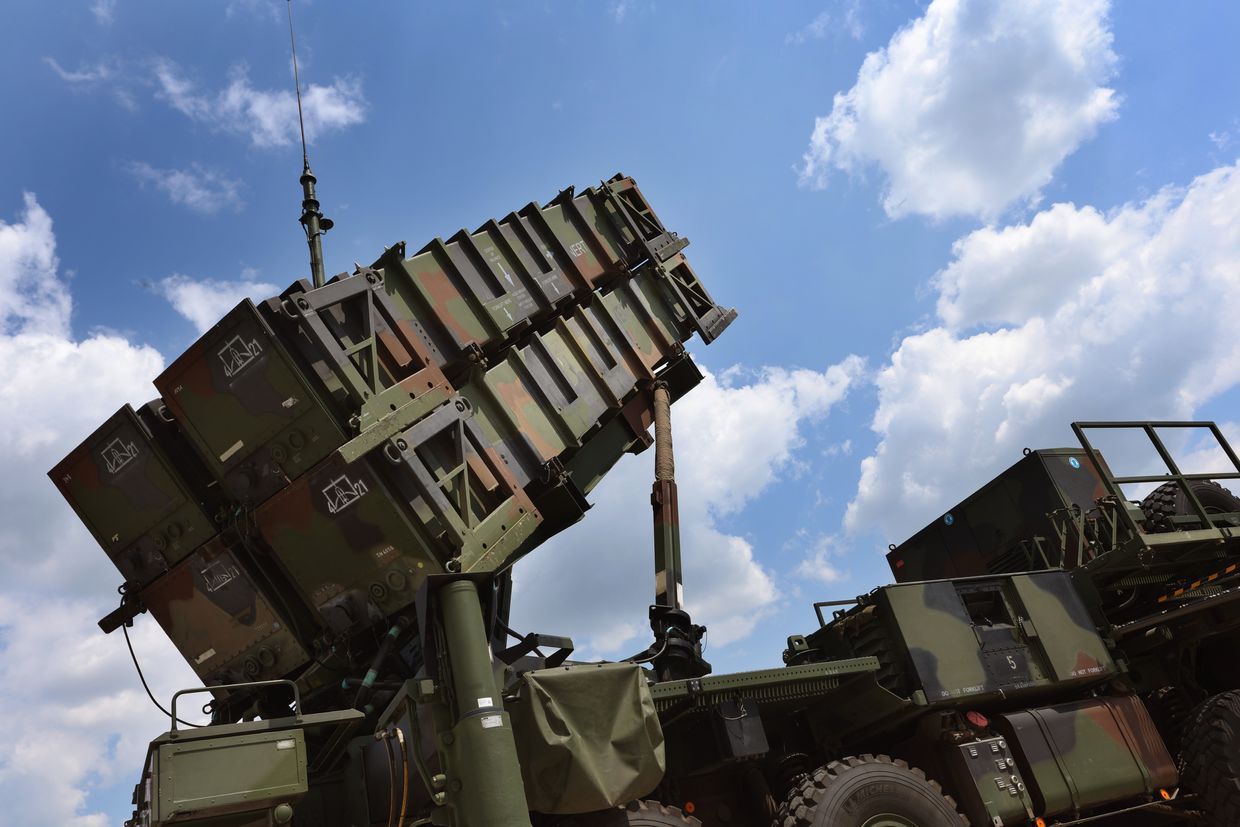
The number of people injured in the Russian strike on a university campus and the surrounding area yesterday evening has risen to 12. Five of them are students and university staff. While emergency services were helping people and dealing with the aftermath of the first strike, the Russians used ballistic missiles again. In total, 16 ballistic missiles were launched overnight. More than 280 drones as well. Tragically, there have been casualties and hits in Kyiv, including on the South Bridge. A serious escalation in Russia’s operation against our logistics. There were also strikes on the Kyiv, Vinnytsia, Zaporizhzhia, Dnipro, Kharkiv, Odesa, Chernihiv, Sumy, Donetsk, Kherson, and Chernivtsi regions. Almost everywhere, Russia’s targets were the energy sector, logistics, and ordinary urban infrastructure. The artificial and prolonged delays in the delivery of interceptor packages for Patriot and NASAMS systems, which unfortunately have occurred recently, are directly helping Russia achieve the objectives of its terrorist campaign. Every such delay means another Russian strike on one facility or another. Unfortunately, strikes are taking place every day. Russia is constantly taking new steps toward escalation. Pressure on Russia and real support for Ukraine are needed to change the situation. I thank everyone who truly supports our efforts to protect lives and understands the importance of support packages arriving on time. We must bring peace closer and save lives. Thank you to everyone who stands with Ukraine!

— Volodymyr Zelenskyy / Володимир Зеленський (@ZelenskyyUa) October 27, 2026

Líderes da Noruega e Finlândia conversam com Putin e Zelensky por telefone

Os líderes da Finlândia e da Noruega telefonaram para o presidente russo, Vladimir Putin, nesta terça-feira (27), para instá-lo a encerrar a guerra na Ucrânia — rompendo com uma prática de longa data entre os líderes da Europa Ocidental de evitar contato direto com o Kremlin.

O telefonema, realizado pelo presidente finlandês, Alexander Stubb, e pelo primeiro-ministro norueguês, Jonas Gahr Støre, foi uma tentativa de influenciar o processo diplomático em um momento em que o presidente dos Estados Unidos, Donald Trump, mudou sua postura em favor da Rússia, e as relações entre o país e a Ucrânia atingiram seu ponto mais baixo nos últimos 18 meses.

Os líderes nórdicos conversaram por telefone com Putin e, na sequência, com o presidente ucraniano, Volodymyr Zelensky, segundo um assessor de Zelensky.

“A discussão (com Putin) foi franca e substantiva. Somos países vizinhos da Rússia. O desfecho desta guerra terá um impacto direto na nossa segurança e na segurança da Europa como um todo. Encerrar a guerra exige discussões diretas”, afirmou Stubb em um comunicado conjunto com Støre.

O líder norueguês acrescentou: “A guerra traz custos humanos e materiais enormes. O sofrimento e a destruição afetarão gerações. Durante a conversa, enfatizamos a importância de uma desescalada”.

Ambos os líderes reafirmaram seu forte apoio à Ucrânia, assegurando que esse suporte continuará.

Nenhum sinal de concessão por parte do Kremlin

O relato do Kremlin sobre a conversa não indicou que Putin tenha sinalizado qualquer disposição para ceder em relação a posições anteriormente declaradas.

“Enfatizou-se que alcançar uma paz justa e duradoura só é possível se os interesses legítimos da Federação Russa forem levados em conta de forma plena e incondicional”, afirmou o Kremlin.

“Ao mesmo tempo, chamou-se a atenção para as políticas de confronto adotadas por países da União Europeia e da Otan, que contribuem para o prolongamento das hostilidades.”

Desde que a Rússia iniciou sua guerra em larga escala na Ucrânia, em fevereiro de 2022, os líderes da Europa Ocidental têm, em sua maioria, evitado o contato com Putin, ao mesmo tempo em que intensificam as sanções contra Moscou.

Contudo, essa postura os deixou em segundo plano, uma vez que os esforços para encerrar o conflito passaram a ser liderados por Trump — visto, em muitas capitais da União Europeia, como uma figura imprevisível, errática e propensa a ficar ao lado de Putin em detrimento da Ucrânia.

Essa percepção foi reforçada por acordos firmados este mês, nos quais Putin concordou em fornecer diesel russo aos EUA, enquanto Trump flexibilizou sanções contra a Rússia e declarou que seria o momento de os ucranianos substituírem Zelensky como seu líder.

Catástrofe demográfica: Ucrânia está virando nação de viúvas e órfãos

  •  

Líderes da Noruega e Finlândia conversam com Putin e Zelensky por telefone

Os líderes da Finlândia e da Noruega telefonaram para o presidente russo, Vladimir Putin, nesta terça-feira (27), para instá-lo a encerrar a guerra na Ucrânia — rompendo com uma prática de longa data entre os líderes da Europa Ocidental de evitar contato direto com o Kremlin.

O telefonema, realizado pelo presidente finlandês, Alexander Stubb, e pelo primeiro-ministro norueguês, Jonas Gahr Støre, foi uma tentativa de influenciar o processo diplomático em um momento em que o presidente dos Estados Unidos, Donald Trump, mudou sua postura em favor da Rússia, e as relações entre o país e a Ucrânia atingiram seu ponto mais baixo nos últimos 18 meses.

Os líderes nórdicos conversaram por telefone com Putin e, na sequência, com o presidente ucraniano, Volodymyr Zelensky, segundo um assessor de Zelensky.

“A discussão (com Putin) foi franca e substantiva. Somos países vizinhos da Rússia. O desfecho desta guerra terá um impacto direto na nossa segurança e na segurança da Europa como um todo. Encerrar a guerra exige discussões diretas”, afirmou Stubb em um comunicado conjunto com Støre.

O líder norueguês acrescentou: “A guerra traz custos humanos e materiais enormes. O sofrimento e a destruição afetarão gerações. Durante a conversa, enfatizamos a importância de uma desescalada”.

Ambos os líderes reafirmaram seu forte apoio à Ucrânia, assegurando que esse suporte continuará.

Nenhum sinal de concessão por parte do Kremlin

O relato do Kremlin sobre a conversa não indicou que Putin tenha sinalizado qualquer disposição para ceder em relação a posições anteriormente declaradas.

“Enfatizou-se que alcançar uma paz justa e duradoura só é possível se os interesses legítimos da Federação Russa forem levados em conta de forma plena e incondicional”, afirmou o Kremlin.

“Ao mesmo tempo, chamou-se a atenção para as políticas de confronto adotadas por países da União Europeia e da Otan, que contribuem para o prolongamento das hostilidades.”

Desde que a Rússia iniciou sua guerra em larga escala na Ucrânia, em fevereiro de 2022, os líderes da Europa Ocidental têm, em sua maioria, evitado o contato com Putin, ao mesmo tempo em que intensificam as sanções contra Moscou.

Contudo, essa postura os deixou em segundo plano, uma vez que os esforços para encerrar o conflito passaram a ser liderados por Trump — visto, em muitas capitais da União Europeia, como uma figura imprevisível, errática e propensa a ficar ao lado de Putin em detrimento da Ucrânia.

Essa percepção foi reforçada por acordos firmados este mês, nos quais Putin concordou em fornecer diesel russo aos EUA, enquanto Trump flexibilizou sanções contra a Rússia e declarou que seria o momento de os ucranianos substituírem Zelensky como seu líder.

A Ucrânia também relatou interrupções no compartilhamento de informações de inteligência por parte dos EUA, bem como nos serviços de internet via satélite dos quais suas forças militares dependem.

Líder dinamarquês critica pares nórdicos por tomarem a decisão

A primeira-ministra da Dinamarca, Mette Frederiksen, criticou a decisão da Finlândia e da Noruega de conversar com Putin, acrescentando que não vê sinais de que a Rússia deseje a paz.

“Acredito que a Europa deveria permanecer unida, em vez de agir por conta própria”, disse Frederiksen à emissora pública DR.

Stubb e Støre participaram da conversa na qualidade de líderes de seus respectivos países — e não em nome da Europa como um todo —, ressaltaram, acrescentando que as duas nações nórdicas manterão seu apoio de longa data à Ucrânia.

A Rússia tem acusado frequentemente os governos europeus de alimentar a guerra ao fornecer armas à Ucrânia e recusar negociações diretas.

O país tem contrastado a postura dos líderes da Europa Ocidental com a de Trump, que manteve contato com Putin e tentou — até agora sem sucesso — intermediar um acordo de paz.

Uma fonte próxima ao Kremlin informou à agência de notícias Reuters que o presidente francês, Emmanuel Macron, foi o último líder da União Europeia a conversar por telefone com Putin.

A ligação, ocorrida em julho deste ano, não foi divulgada publicamente e não trouxe resultados, segundo a fonte.

A fonte relatou que Putin disse a Stubb e Støre que a Rússia não abriria mão de seu objetivo de conquistar toda a região de Donbas, na Ucrânia.

Os europeus responderam afirmando que é necessária uma paz “justa”, segundo essa mesma fonte.

Por que Donetsk é ponto de discórdia para encerrar guerra na Ucrânia?


  •  
❌