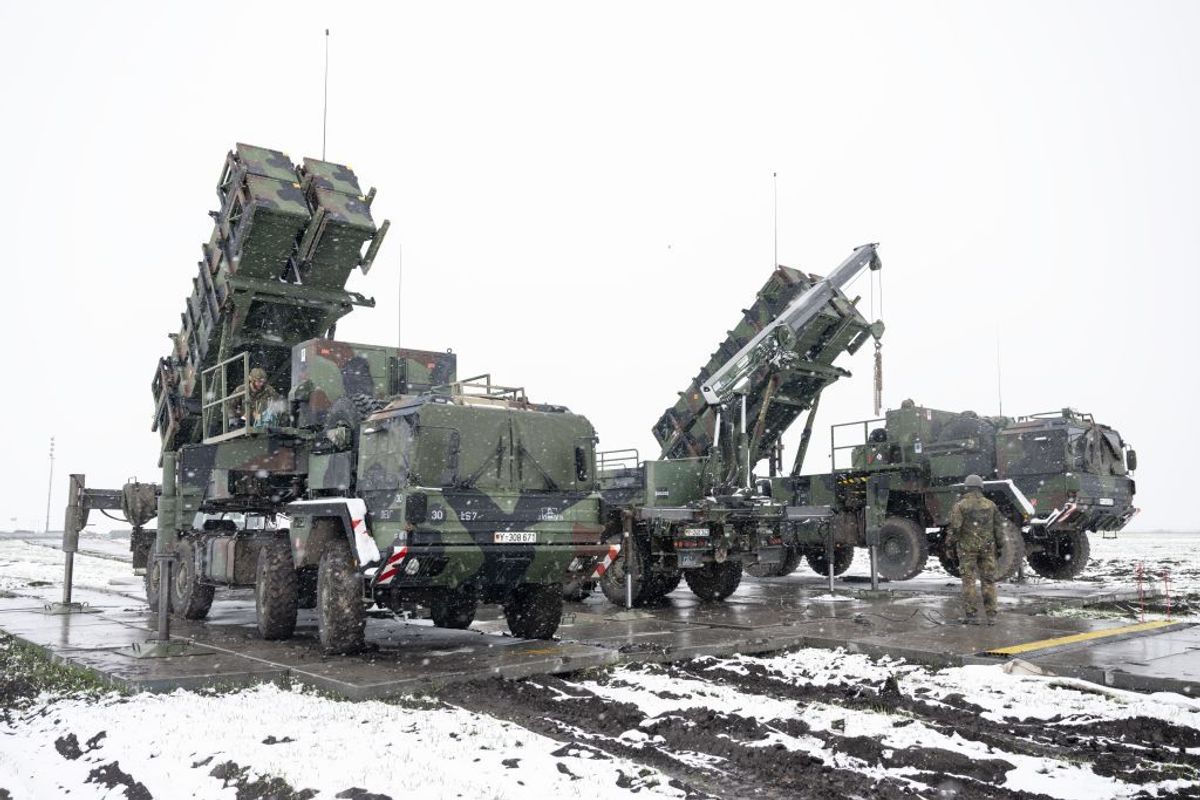
US approves $2.1 billion Patriot missile sale to Ukraine as NATO commander dismisses delivery concerns


In the Zaporozhye sector Russian forces are intensifying pressure in Orikhiv, advancing towards the mouth of the Konka River and expanding their penetration in the Huliaipole direction. In the Kupyansk direction Russian units continue positional fighting and are gradually forcing Ukrainian forces back along the Velyka Shapkovka–Palamarevka line. In the Slavyansk direction Ukrainian units are counter-attacking from the Kramatorsk area in an attempt to dislodge Russian forces from Vasyutino, while in Dibrova Russian assault groups have advanced into the western part of the settlement. In the Sumy direction aviation, artillery and drone crews of the “North” grouping are increasing the intensity of their strikes in support of assault groups near Khotyn, Velyka Rybitsa and Korenok. In the Kharkiv direction Russian assault units are maintaining a high rate of advance, fighting near Prykolotne, Malyi Burluk and Buhaivka. The US State Department has approved the potential sale to Ukraine of 500 PAC-3 MSE air-defence missiles for Patriot systems, valued at approximately $2.1 billion and financed by Canada, Germany, Norway and an EU credit line, without the use of US budget funds.
Kupyansk Direction
In the Kupyansk direction fighting remains predominantly positional. Russian units have achieved tactical successes along the Velyka Shapkovka–Palamarevka line. Troops are gradually forcing Ukrainian forces back on the sector from Velyka Shapkovka to Blahodatovka. In Kupyansk clearance operations continue, together with the detection of groups attempting to infiltrate from the direction of Osynovo. In the Hlushkivka area the pocket and Ukrainian fortifications are being cleared.
On the southern flank of the direction, positional fighting continues in the Bohuslavka and Borovska Andriivka area. The sector is complicated by a large number of fortified bunkers belonging to Ukrainian units situated along the main logistical routes, which allow the Ukrainian side to carry out rotations. Russian drone operators are conducting reconnaissance during which they identify and destroy groups of Ukrainian personnel, robotic systems and vehicles.
Slavyansk Direction
Ukrainian units are mainly counter-attacking, relying on Kramatorsk. They are attempting to drive Russian units out of the Vasyutino area, where extremely fierce fighting is under way. Using Orekhovets as a base, the Ukrainian side is attacking in the Raiska Sloboda area in an effort to drive a wedge towards Kalenyky and cut off the salient near Kryva Luka. These attempts have so far produced no result.
In the Krasnyi Lyman direction, in the sector of the 25th Army, heavy meeting engagements continue. Ukrainian units are attempting to infiltrate into Yampil along the Siverskyi Donets river floodplain in the Ozerne area. In the Krasnyi Lyman direction, in Dibrova, Russian units have succeeded in capturing a number of new positions and advancing into the western part of the settlement. On individual sectors the advance has reached up to one kilometer. In the forests east of Krasnyi Lyman the greater part of the woodland remains under Russian control. In Krasnyi Lyman itself fighting is taking place in the central and southern districts of the town.
Sumy Direction
Russian aviation, drone crews and artillery of the “North” grouping are increasing the intensity of strikes against concentrations of Ukrainian personnel and equipment in support of the advance of assault groups. The Ukrainian side is attempting to transfer reserves covertly from other directions. The 74th Separate Reconnaissance Battalion of the Ukrainian forces has been redeployed from the Donetsk People’s Republic to Sumy region in order to intensify diversionary activity.
In the Sumy district assault groups of the “Northerners” are conducting small-arms fighting in the Khotyn and Velyka Rybitsa area. In the Shostka district Russian assault troops have advanced approximately 100 meters in the Korenok area. In the Krasnopillia district drone crews and artillery of the “Northerners” have continued to dismantle Ukrainian positions in the Novodmytrivka area.
Kharkiv Direction
Assault units of the “North” grouping are maintaining a high rate of advance on the attack sectors. The Ukrainian side has not undertaken active operations and is offering fierce resistance in defense.
Russian Aerospace Forces aviation and drone crews have struck concentrations of Ukrainian personnel and equipment in the areas of Kharkiv, Velykyi Burluk, Odnorobivka, Buhaivka, Kurhane, Rubezhne, Shevchenkove Pershe, Berezhne, Podsrednie, Vodiane, Kolodezne, Lebedyn, Derhachi, Martove, Shovkopliasy and Moskalevka. In the Lyptsi direction Russian troops have advanced on three sectors in the Nova Kozacha area. On the Vovchansk and Velykyi Burluk directions heavy fighting continues in the Prykolotne and Malyi Burluk area. There have also been advances in the Buhaivka area. Overall progress has reached up to 700 meters.
Zaporozhye Direction
On the western flank of the Zaporozhye direction local clashes continue in the Prymorske and Stepnohirsk area. In Orikhiv itself stubborn fighting is under way, so far without significant changes to the line on the ground. Russian units are intensifying pressure. West of Orikhiv the “Dnepr” grouping continues its advance northwards towards the mouth of the Konka River. Gradual progress is being made. In the Prymorske area Russian groups have already reached the mouth of the Konka.
In Preobrazhenka fighting is taking place with Ukrainian special-forces units. In the Mykilske and Krasnyi Yar area units of the 5th Army are operating. Further south, near Omelnyk, the 35th Army is active. They are co-operating with the “Dnepr” grouping in the envelopment of the Orikhiv grouping. Russian troops have penetrated Ukrainian defenses to a depth of up to 19 kilometers in the Huliaipole direction. The greatest successes have been achieved north-east of Mala Tokmachka, where the main forces have advanced 2.5 kilometers. Russian units are already present in the area of Charivne, south-east of Krasna Krynytsia and even near Omelnyk.
In the direction of Vozdvizhivka Russian units have advanced approximately four kilometers, reaching the southern outskirts of the village. In their assessment, Russian forces have identified a weak sector between Mala Tokmachka and Huliaipole. On the eastern flank Russian forces are attempting to break through the defenses in the Omelnyk area. Reports from the ground indicate that west of Chervonyi Yar, Mykilske and Novosoloshyno Ukrainian units have been driven out of a number of strongpoints.
Conclusion
In the Kupyansk direction Russian units are methodically improving their tactical position along the Velyka Shapkovka–Palamarevka line, while clearance operations continue in Kupyansk and the Hlushkivka area. In the Slavyansk direction Ukrainian counter-attacks from the Kramatorsk and Raiska Slaboda areas have produced no decisive result, while in Dibrova Russian forces are expanding their control and advancing into the western part of the settlement. In the Sumy region strikes by aviation, artillery and drones are combined with the actions of assault groups near Khotyn, Velyka Rybitsa and Korenok; the Ukrainian side is intensifying diversionary activity with a redeployed reconnaissance battalion. In the Kharkiv direction Russian assault units are maintaining their rate of advance, employing aviation and drone strikes and developing success near Nova Kozacha, Prykolotne, Malyi Burluk and Buhaivka. On the Zaporozhye front Russian forces are increasing pressure in Orikhiv and on the approaches to the mouth of the Konka, expanding their penetration in the Huliaipole direction and creating threats to the supply lines of the Ukrainian grouping.
Particular attention is warranted by the US State Department’s decision to approve the potential sale to Ukraine of 500 PAC-3 MSE air-defense missiles for Patriot systems. According to the press release, the estimated total value of the transaction is approximately $2.1 billion and is being financed entirely by partners and allies. In addition to the missiles themselves, Kyiv has requested spare parts for the PAC-3 MSE as well as related logistics and software support. Payment is to be covered by contributions from Canada, Germany and Norway under the JUMPSTART initiative, together with national funds allocated under the European Union credit line, without the use of US budget resources.
Last week, however, the Axios portal reported that Volodymyr Zelenskyy, in a conversation with American senators, complained of an almost complete absence of ammunition for Patriot air-defense systems. According to him, Pentagon chief Pete Hegseth has allegedly withheld approval for the delivery of interceptor missiles.
_______________________________________________________________________________________________________________________
SouthFront: Analysis and Intelligence
NOW hosted at southfront.press
Previously, SouthFront: Analysis and Intelligence was at southfront.org.
The .org domain name had been blocked by the US (NATO) (https://southfront.press/southfront-org-blocked-by-u-s-controlled-global-internet-supervisor/) globally, outlawed and without any explanation
Back before that, from 2013 to 2015, SouthFront: Analysis and Intelligence was at southfront.com
The post Russian Army Advances 19 Kilometers Into Ukrainian Defenses in Huliaipole appeared first on South Front.

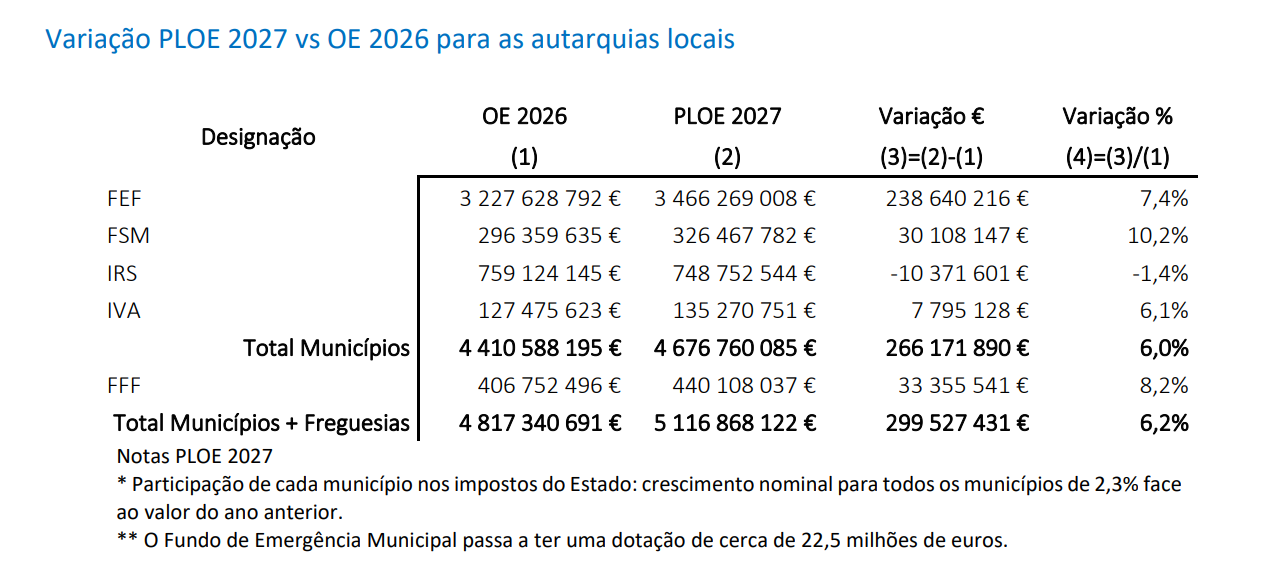
O PSD já entregou uma proposta de alteração ao Orçamento do Estado para 2027 para garantir que nenhuma freguesia receba no próximo ano um montante inferior ao deste ano. O objetivo é impedir que 210 freguesias tenham um corte no financiamento, na sequência da aplicação das regras de distribuição das verbas.
“Viemos a verificar que, de acordo com os critérios legais, algumas freguesias iriam ter, em 2027, uma receita inferior à que tiveram em 2026. Sei que o grupo parlamentar do PSD já apresentou uma proposta para corrigir esse défice e garantir que nenhuma freguesia terá em 2027 menos orçamento do que em 2026”, disse o ministro da Economia, no final da audição no Parlamento, no âmbito da discussão na especialidade da proposta de OE2027.
A proposta de alteração incide sobre o artigo 80º que regulamenta os montantes da participação das autarquias locais nos impostos do Estado e sugere que passe a estar determinado que “a distribuição do Fundo de Financiamento das Freguesias (FFF) assegura, para cada freguesia, um montante mínimo igual ao do ano anterior”. Na proposta que foi aprovada na generalidade na quarta-feira a formulação diz que “excecionalmente, o montante distribuído para efeitos do n.º 4 do artigo 35.º da Lei n.º 73/2013, de 3 de setembro, assume em 50% a natureza de transferência de capital”.
Para garantir que existe cabimento orçamental para esta medida o PSD propõe que o montante global da subvenção geral para as freguesias seja fixado em 441.843.758 euros contra os atuais 440.108.037 euros. Estes 440 milhões correspondem a um aumento médio de 8,2%, mas o valor que cada autarquias vai receber é variável.

A situação foi denunciada pela Anafre, a 12 de outubro, explicando que com a redação inscrita na proposta do OE/2027 cerca de 210 freguesias, devido a alterações nos critérios e métodos de distribuição das verbas, teriam menos dinheiro no próximo ano. “Nas freguesias como a minha, que tem um corte de 9%, vamos ter de lidar com todos estes aumentos e ainda com um corte de 9%. E há uma freguesia, inclusive, que leva um corte de 21%”, disse então à Lusa o presidente da Anafre, Francisco Branco de Brito, também presidente da União das Freguesias de Évora.
O secretário de Estado da Administração Local, Silvério Regalado, na mesma audição, na quinta-feira, explicou que a distribuição do Fundo de Financiamento das Freguesias “resulta precisamente daquilo que foi negociado com a Associação Nacional de Freguesias e da aplicação direta da lei”. “O que está na lei das finanças locais é a distribuição dos 2,5% e foi isso que foi distribuído”, disse, sublinhando que não está na lei um aumento de 3,5% do FFF, como sugere a Anafre.
The American peace initiative is still alive. Both sides of the conflict have voiced some interest in it, but the diplomacy is unfolding against a steady drumbeat of strikes, and the next round of talks may depend on what happens on the ground.
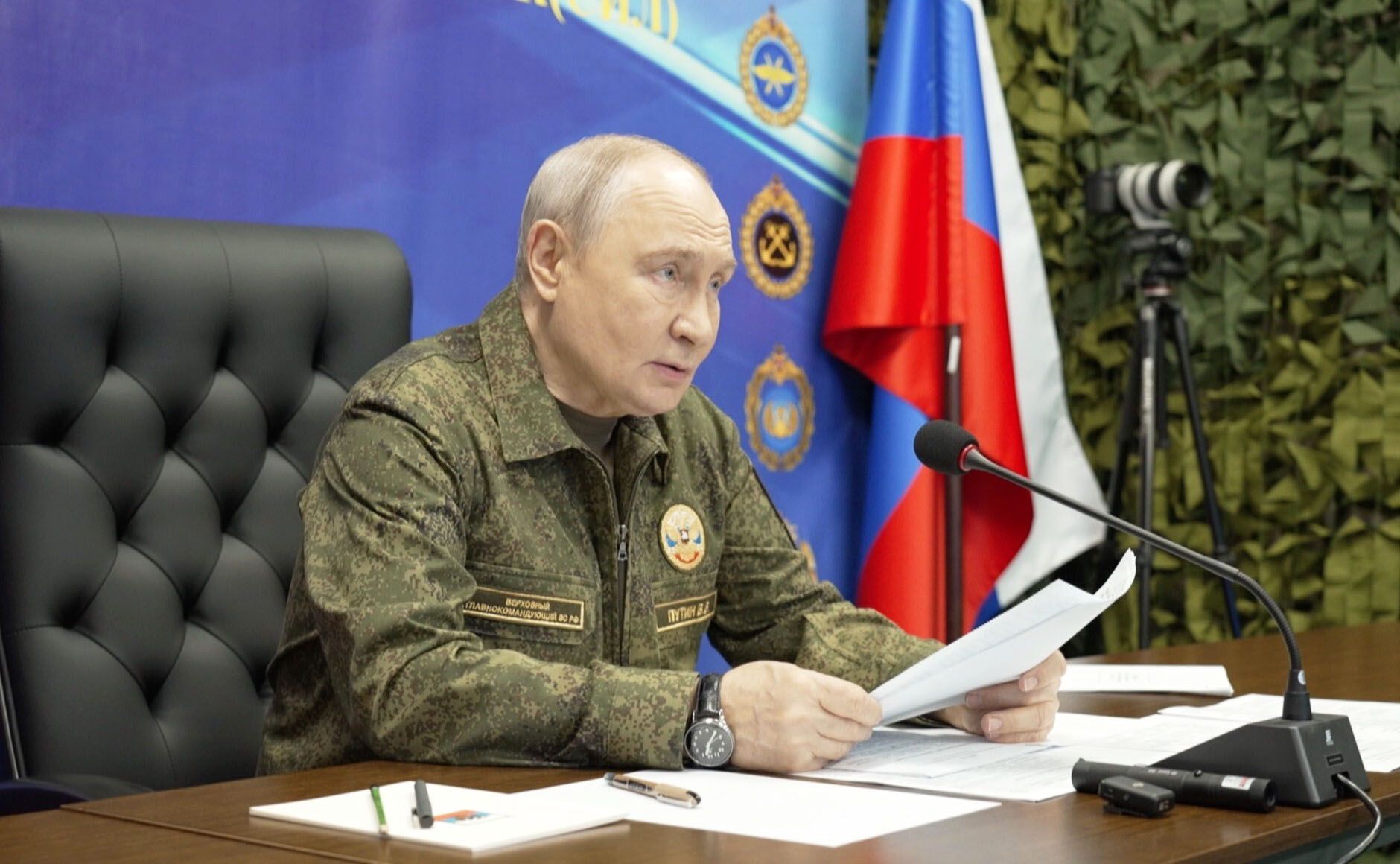
On October 29, Kremlin aide Yuri Ushakov said that trilateral talks between Russia, the United States, and Ukraine are expected to resume after November 4. The timing, he added, will depend on the situation at the front and on Kyiv’s conduct during the holiday period. European representatives are not being considered for these consultations. Vladimir Putin offered a clarification of his own a day earlier. The recent phone calls, initiated by Finland and Norway, are seen in Moscow as a dialogue with those two countries, not with the European Union as a whole.
Diplomacy, however, has not slowed the strikes. Overnight, Kyiv reportedly came under eight ballistic missile strikes: two Zircon hypersonic missiles and six Iskander-M missiles.
In Kyiv and its surrounding oblast, the reported targets included a plant producing components for reconnaissance and strike drones, a workshop for assembling and storing Fire Point FP-1 and FP-2 drones, and the 330-kilovolt Novokyivska substation in Khotiv, which powers defense enterprises in the capital. In the Dnipropetrovsk Oblast, the Svitle substation, supplying military plants in Dnipro, was hit. In the Black Sea, a dry cargo ship delivering military and dual-use cargo to Odesa was also struck.
From the rear, the focus shifts to the front, where Sumy Oblast is drawing fresh Ukrainian reserves.
Russian aviation, drone crews, and artillery of the “North” grouping are intensifying strikes on Ukrainian troop and equipment concentrations, supporting the advance of assault units. The Ukrainian command is trying to stabilize the situation by quietly moving reserves from other sectors. The 74th Separate Reconnaissance Battalion has been reportedly sent to Sumy Oblast to expand sabotage activity, after an earlier buildup of Ukrainian special operations units there.
These moves suggest that Kyiv has not finished assembling a joint special-purpose force for a sabotage and psychological operation. Russian commentators warn of bloody provocations on Russian territory meant to push escalation to a new level. Such an operation could also derail the emerging peace process, in which Washington is, by Moscow’s reading, not playing on Ukraine’s side.
Moscow is setting conditions for the talks while its missiles keep striking Kyiv. Kyiv, meanwhile, is reportedly massing saboteurs in Sumy while its backers quietly explore other channels. When both sides prepare for the table with force, the talks themselves risk becoming one more front.
______________________________________________________________________________________________________________________
DEAR FRIENDS. IF YOU LIKE THIS TYPE OF CONTENT, SUPPORT SOUTHFRONT WORK:
MONERO (XMR): 86yfEHs6pkoDEKCxc6MAnQX8cVHmzhYxMVrNuwKgNmqpWK8dDxjgGnK8PtUNJMACbn6xEGxmRauNTHJhUJpg9Mwz8htBBND
BITCOIN (BTC): bc1qgu58lfszcpqu6fd8l98m378wgzugyg9y93lcym
BITCOIN CASH (BCH): qr28d80s5juzv2793k5jrq59xrl5fxd8qg9h3zlkk2
PAYPAL, WESTERN UNION etc: write to info@southfront.press , southfront@list.ru
If you face any problems sending funds to the addresses given above, please contact us: info@southfront.press and southfront@list.ru. Also be aware that many email services such as Hotmail, Yahoo etc. may block correspondence from info@southfront.press and some others put it in spam.
If you want to support SouthFront but have no opportunity to do it via cryptocurrency, please contact us: info@southfront.press and southfront@list.ru.
SouthFront: Analysis and Intelligence
NOW hosted at southfront.press
Previously, SouthFront: Analysis and Intelligence was at southfront.org.
The .org domain name had been blocked by the US (NATO) (https://southfront.press/southfront-org-blocked-by-u-s-controlled-global-internet-supervisor/) globally, outlawed and without any explanation
Back before that, from 2013 to 2015, SouthFront: Analysis and Intelligence was at southfront.com
The post The Provocation Risk: Can Kyiv Derail The Talks? appeared first on South Front.
With the French presidential election months away, Russia's disinformation machine works to ensure no pro-Ukraine candidate enters the Elysee Palace.
Viginum, the French agency that counters foreign interference, has already detected hundreds of disinformation operations targeting the vote, whose outcome will have major ramifications for Ukraine and Europe.

Key developments on Oct. 30:


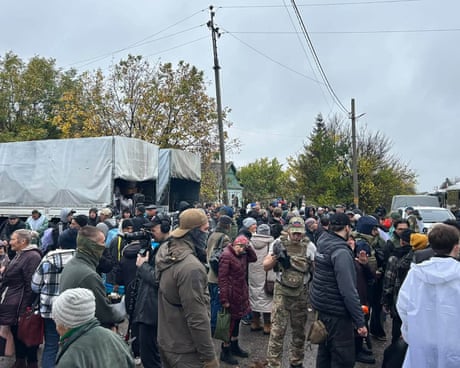
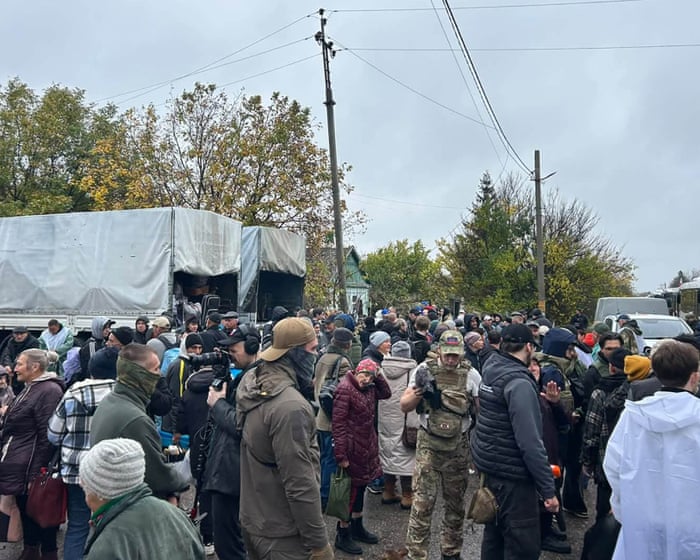
Humanitarian convoy brings food and medicine to Russian-held city where people have suffered severe shortages
People living in the besieged Russian-held city of Oleshky in southern Ukraine were evacuated on Friday as part of a joint relief operation, the first of its kind in four years and eight months of war.
The city, which lies on the Russian-occupied side of the Dnipro River, opposite Kherson, has suffered months of serious food and medical shortages, leading to warnings of starvation for the few thousand people remaining there, including about 50 children.
Continue reading...
© Photograph: Facebook Official account of Kyrylo Budano/AFP/Getty Images

© Photograph: Facebook Official account of Kyrylo Budano/AFP/Getty Images

© Photograph: Facebook Official account of Kyrylo Budano/AFP/Getty Images
La muerte de Patrick Stewart ha impactado enormemente en la industria audiovisual. Y es que no cualquier actor logra compatibilizar dos personajes absolutamente trascendentales de la cultura popular: por un lado el capitán Picard, a quien dio vida en dos series de Star Trek y varias películas, y por otro el Profesor X, a quien de hecho iba a interpretar de nuevo en el que va a ser su film póstumo, Vengadores: Doomsday.
La presencia en su currículum de X-Men y Star Trek eclipsa inevitablemente otros papeles que Stewart fue acometiendo a lo largo de las décadas, ya que de hecho este intérprete británico no dejó nunca de trabajar desde que empezara a finales de los años 60. Por no hablar de todo lo que hizo en teatro (representando a Shakespeare o Ibsen), pero centrémonos por ahora en esos otros grandes papeles que confirmaron que su talento iba mucho más allá de Picard y Charles Xavier.
Stewart debutó en los escenarios a finales de los años 50, y no fue hasta 1967 que tuvo su primer crédito en el audiovisual, en el popularísimo culebrón británico Coronation Street. La televisión fue clave, entonces, en estos primeros años, de forma que su primer papel realmente ilustre fuera el de Sejanus, prefecto de la guardia pretoriana, en la aclamada serie de la BBC que adaptó la novela Yo, Claudio de Robert Graves. Solo apareció en tres episodios, pero ya presumía de un carisma apabullante.
Tras Yo, Claudio vendrían otras miniseries de prestigio como Tinker Tailor Soldier Spy o Norte y sur, también para la BBC. Era cuestión de tiempo que saltara al cine y uno de estos primeros papeles fue el del rey Leodegrance, padre de Ginebra, en la Excalibur de John Boorman.
Stewart le acabaría cogiendo el gusto a este tipo de superproducciones fantásticas, y antes de que Star Trek o X-Men llamaran a su puerta ya le teníamos con un papel secundario en la Dune de David Lynch. Interpretando concretamente a Gurney Halleck, hombre de confianza de Paul Atreides que años más tarde tendría el rostro de Josh Brolin en las aclamadas adaptaciones de Denis Villeneuve.
En muy poco tiempo Stewart se granjeó una imagen de hombre tan honrado como señorial, de modo que tras haber vuelto a interpretar a un noble británico en Lady Jane, Mel Brooks le propuso hacer una pequeña aparición como Ricardo Corazón de León en su parodia de Robin Hood.
Entrados los 90, convertido ya tanto en Picard como en una leyenda del teatro, Stewart no pudo resistirse a encadenar varias adaptaciones para televisión de grandes clásicos de la literatura universal. Caso de Moby Dick en 1998, encargándose de dar vida al iracundo capitán Ahab.
No habían llegado aún los 2000 (ni se había estrenado la primera película de X-Men) cuando Stewart volvió a ser el rostro de una producción para televisión partiendo de las ilustres letras inglesas. Así que sí, entre Michael Caine y el inminente Johnny Depp, Stewart también interpretó a Ebenezer Scrooge en vísperas de Navidad.
Entre las dos primeras X-Men, Stewart pudo continuar haciendo lo que más le gustaba: encarnar a monarcas ingleses. En este caso le tocó ser Enrique II junto a Glenn Close en el papel de Leonor de Aquitania, en un remake para televisión del clásico que en su día protagonizaran Peter O'Toole y Katharine Hepburn sobre un libreto de James Goldman.
Seguramente su rol más icónico con permiso de Picard y el Profesor X, y también el más siniestro: en todo un giro para su carrera, Stewart aceptó interpretar al temible líder de un grupo neonazi, que se lo hacía pasar muy mal al grupo punk del también fallecido Anton Yelchin.
Stewart ya había coqueteado anteriormente con el mito artúrico, así que tenía todo el sentido del mundo que le ofrecieran encarnar al mago Merlín en esta infantil (y muy reivindicable) revisión del mito.
Por último, Stewart retomó el papel que antes había pertenecido en el cine a Bill Murray para encarnar al enlace de los Ángeles de Charlie con el susodicho Charlie. Fue en vísperas de volver a Star Trek en una serie dedicada a su personaje (el título era, sin más, Star Trek: Picard), como oportuno corolario a una carrera irrepetible.

Ukrainians in the three EU countries that have taken in the largest numbers of Ukrainian refugees are increasingly facing aggression — from insults on public transport to knife attacks. Journalists at the Kyiv Independent analyzed tens of thousands of posts on X and found that the same narratives circulating online


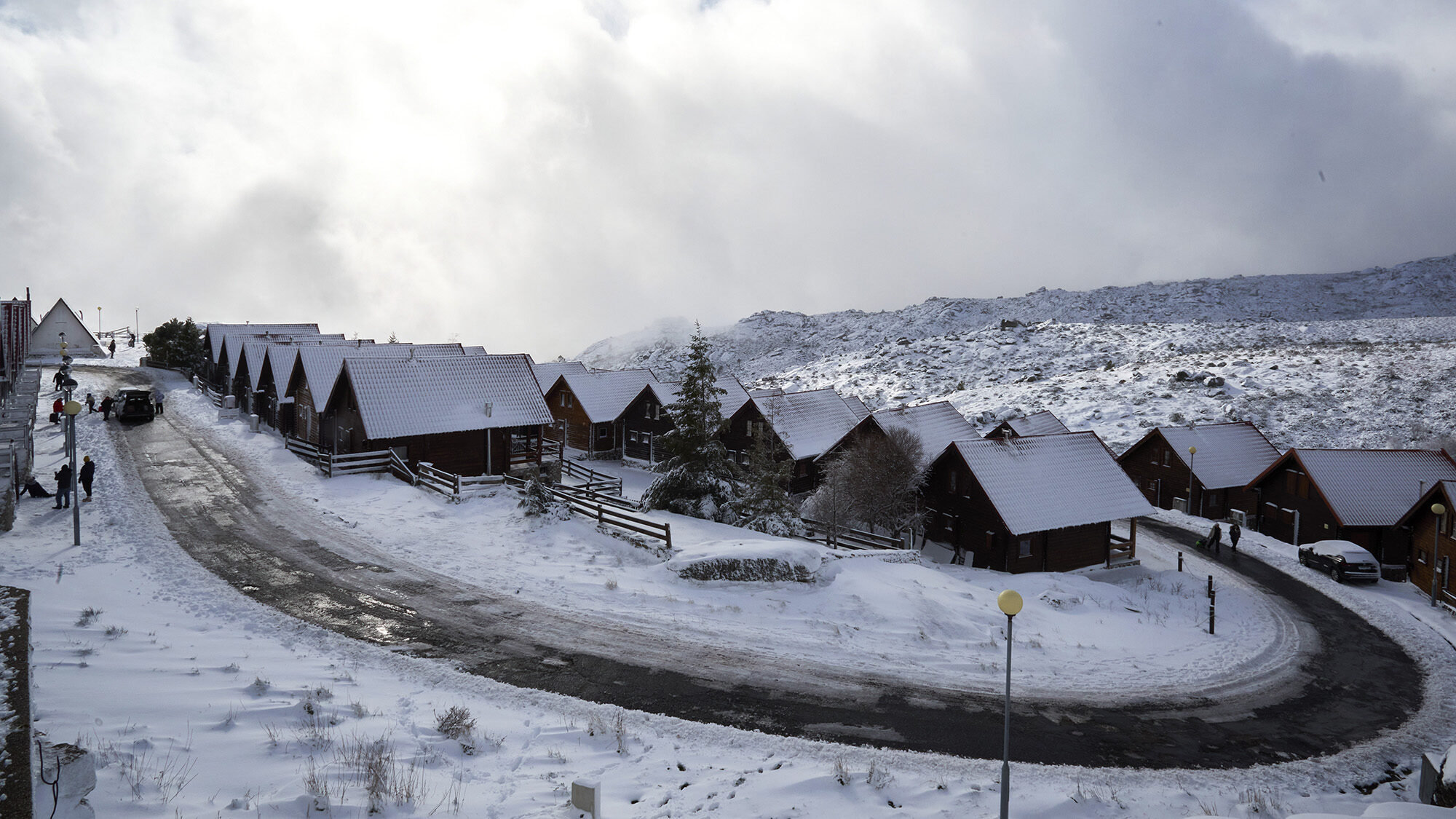
O Governo vai canalizar parte das receitas das futuras concessões hidroelétricas da Serra da Estrela para financiar projetos de restauro ecológico, recuperação dos recursos hídricos e valorização ambiental do Parque Natural, foi esta sexta-feira anunciado.
Esta proposta vai ser desenvolvida em articulação com a Associação de Municípios do Parque Natural da Serra da Estrela, o Instituto da Conservação da Natureza e das Florestas, a Comissão de Cogestão do Parque Natural da Serra da Estrela, a Comunidade Intermunicipal das Beiras e Serra da Estrela e a Agência para o Clima.
“Queremos que a riqueza gerada pelos recursos naturais da Serra da Estrela contribua diretamente para a recuperação e valorização deste território. A produção de energia renovável deve também beneficiar as comunidades e os ecossistemas que acolhem estas infraestruturas”, afirmou a ministra do Ambiente e Energia, Maria da Graça Carvalho, num comunicado enviado à agência Lusa.
A decisão consta de um despacho da ministra do Ambiente, que delega na Agência Portuguesa do Ambiente (APA) a preparação de “um modelo de afetação de parte das rendas e contrapartidas financeiras das futuras concessões hidroelétricas à recuperação ambiental daquele território”.
Maria da Graça Carvalho adiantou que o Governo está “a preparar um modelo que permitirá transformar parte das receitas das concessões hidroelétricas em investimento na conservação da natureza, na proteçãodos recursos hídricos e na resiliência da Serra da Estrela”.
A produção de energia renovável deve também beneficiar as comunidades e os ecossistemas que acolhem estas infraestruturas.
O objetivo do Ministério do Ambiente e Energia é “assegurar que a exploração dos recursos hídricos para produção de energia renovável contribua também para a conservação da natureza, a recuperação da paisagem, a redução do risco de incêndio e a adaptação às alterações climáticas”.
A tutela recorda que o Parque Natural da Serra da Estrela (PNSE) tem cerca de 89 mil hectares, integra ecossistemas de montanha únicos e as cabeceiras de importantes rios portugueses, como o Mondego, o Zêzere e o Alva.
Segundo um levantamento da APA, existem 22 aproveitamentos hidráulicos na área do PNSE, dos quais 14 têm concessões que terminam a 9 de outubro de 2028. É intenção de o Governo aproveitar o fim destas concessões para preparar um novo procedimento concursal, preferencialmente de forma agregada, com lançamento previsto para 2027.
“O novo modelo deverá estabelecer a percentagem das rendas ou contrapartidas financeiras a afetar ao financiamento de projetos ambientais, assegurando que parte das receitas geradas pela exploração dos recursos naturais reverta para a recuperação e valorização do próprio território”, é referido.

O despacho do Ministério do Ambiente e Energia dá à APA um prazo de 90 dias, após a publicação em Diário da República, para apresentar “uma proposta de cláusulas ambientais e financeiras a integrar nos futuros contratos de concessão, incluindo a definição da percentagem das receitas a canalizar para o restauro ecológico”.
“As verbas arrecadadas deverão ser transferidas para o Fundo Ambiental, para financiar projetos de reabilitação e requalificação dos recursos hídricos, recuperação de ecossistemas, conservação da natureza e adaptação e mitigação das alterações climáticas”.
Esta proposta vai ser desenvolvida em articulação com a Associação de Municípios do Parque Natural da Serra da Estrela (AMPNSE), o Instituto da Conservação da Natureza e das Florestas (ICNF), a Comissão de Cogestão do Parque Natural da Serra da Estrela, a Comunidade Intermunicipal (CIM) das Beiras e Serra da Estrela e a Agência para o Clima.
“Com esta iniciativa, o Governo pretende estabelecer um modelo inovador de valorização dos recursos naturais, conciliando a produção de energia renovável com o financiamento da conservação da natureza e o desenvolvimento sustentável da Serra da Estrela”, realçou o Ministério do Ambiente e Energia.
The planned resumption of trilateral negotiations between Ukraine, Russia and the United States in Abu Dhabi in early November is already being presented in several Western capitals as evidence that diplomacy has regained its momentum, but a return to the negotiating table should not be confused with genuine progress toward

RT | October 30, 2026
Dockworkers across five continents have launched a coordinated anti-war strike, targeting Israeli arms shipments, US military cargo, and the growing militarization of civilian ports.
Organizers say more than 25 unions are mobilizing across 113 ports in 22 countries and regions on Friday in an unprecedented international action. The campaign includes 24-hour strikes, shorter walkouts, blockades, and solidarity rallies.
Major European ports joining the action include Genoa, Marseille, Le Havre, Hamburg, Valencia, Barcelona, and Piraeus. Beyond Europe, protests are planned at Tangier Med in Morocco, Nhava Sheva and Chennai in India, and Oakland and San Francisco in the US, with further actions across Türkiye, Cyprus, Sweden, Denmark, Ireland, Portugal, Brazil, Mexico, and Australia.
France’s CGT Ports et Docks has called 24-hour strikes across 24 ports, while Italy’s USB has declared a nationwide general strike, with protests in more than 40 cities. Unions in Germany, Greece, Spain, India, and the US are also taking part.
Dockworkers at Piraeus, Greece’s largest port, were among the first to join the action, with a three-hour stoppage scheduled from 08:00 to 11:00 GMT. Other Greek maritime unions announced 24-hour strikes affecting seven ports, threatening ferry services to the country’s islands.
Videos of demonstrations and gatherings at other ports have emerged online, although the full extent of the disruption to shipping operations remains unclear as actions are taking place at different times.
What do the dockworkers want?
The unions demand a halt to weapons, ammunition, military equipment, and troop shipments through commercial ports, targeting both Israeli and US military supply chains. They also oppose turning civilian ports into military hubs and diverting public funds into rearmament while workers face stagnant wages, job insecurity, and worsening conditions.
“From planes to tanks, guns to bullets, explosives to ammunition, uniforms to boots, our ports have become replenishing and forwarding bases for war and genocide,” the organizers said at a press conference on October 15 in Rome.
The unions accused governments and shipping companies of keeping military supply routes open despite the Gaza ceasefire announced over a year ago, which they say has been rendered largely meaningless by continued Israeli strikes.
‘No Harbour for Genocide’, the campaign coordinating the action, claims that it tracked 315 shipments of components for Israeli arms manufacturer Elbit Systems through 56 ports in 29 countries over 14 months. It says it identified 3,400 shipments of US military cargo through 67 ports in 42 countries over ten months. The group also says US military cargo volumes at some European ports rose as much as tenfold following the start of the US-Israeli war against Iran. The figures have not been independently verified.
Organizers estimate the action could delay 40,000 containers carrying cargo worth over $2 billion, potentially costing shipping companies up to $43 million.
Is it the first strike of this kind?
Dockworkers have challenged military shipments for years, though resistance was largely scattered and localized. Since 2019, workers in Italy, Greece, Morocco, and France have staged sporadic blockades and stoppages, targeting arms shipments to Israel, US bases, and other conflict zones.
The movement gained momentum in late 2025 after Israel intercepted the Global Sumud Flotilla, a 40-plus-vessel convoy attempting to deliver aid to blockaded Gaza. Hundreds of activists were detained, sparking strikes and port blockades across Europe. The flotilla campaign also pledged to join the action on Friday with “coordinated, strategic actions on the water.”
International coordination intensified in February, when dockworkers at more than 20 ports across seven countries staged their first joint day of action, reportedly stopping five suspect ships.
In May, dockworkers’ unions from France, Greece, Italy, Türkiye, Morocco, and Spain’s Basque Country adopted the Istanbul Declaration, in which they pledged to block military cargo and troop shipments to war zones, including those supporting Israel and US military operations. The agreement laid the groundwork for Friday’s global strike.
Os dados do INE mostram um aumento de 2,3% nos hóspedes do Algarve entre janeiro e setembro. As dormidas cresceram nos mercados nacional e internacional, enquanto o Aeroporto de Faro movimentou 8,79 milhões de passageiros.
O conteúdo Algarve supera 17,4 milhões de dormidas até setembro e proveitos crescem 6,6% aparece primeiro em Barlavento.


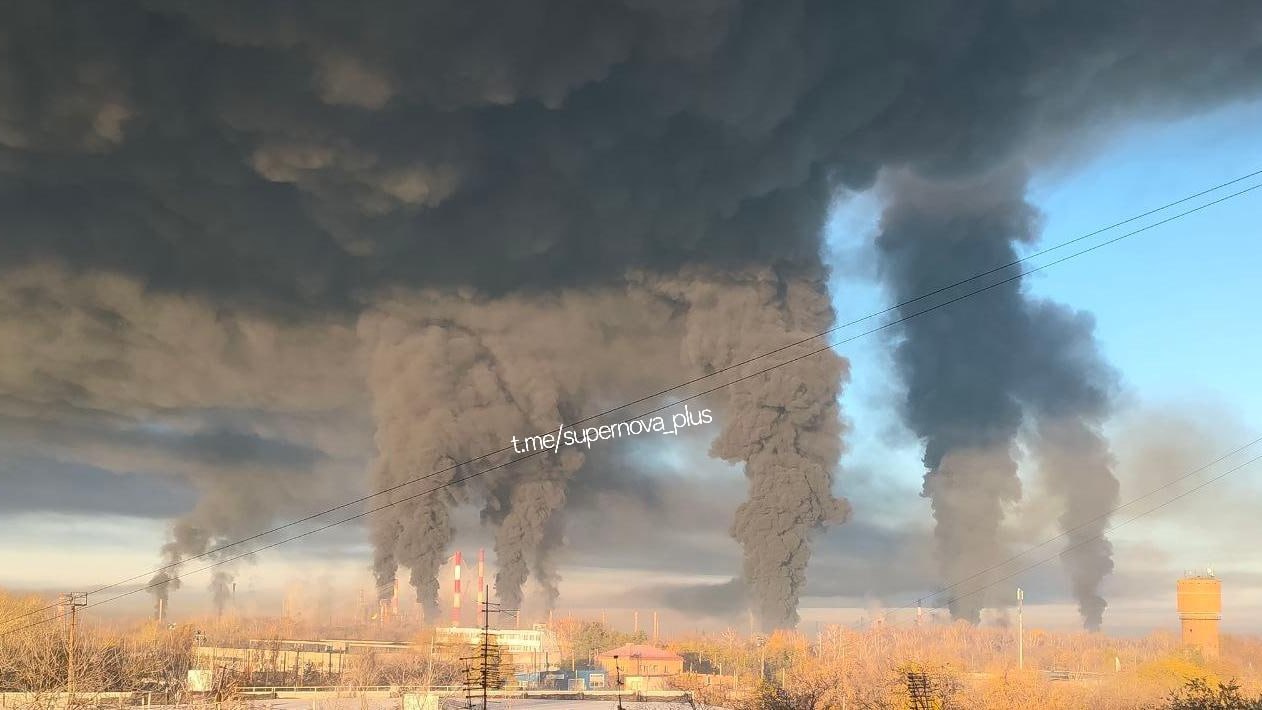
A Ukrainian drone attack on the Novokuybyshevsk oil refinery in Russia’s Samara region on 30 October has exposed growing differences between Kyiv and Washington over the conduct of the war against Russia.
The strike, which reportedly caused extensive fires at the facility, came after approximately two weeks without Ukrainian attacks on Russian refineries, a pause that American media attributed to pressure from President Donald Trump.
Footage circulating on social media showed several columns of thick smoke rising from the refinery. Ukrainian defence manufacturer Fire Point subsequently reported that Ukrainian forces had struck the installation with FP-1 drones, including a diesel hydrotreating unit.
However, the full extent of the damage and its consequences for production remain unconfirmed.
The Novokuybyshevsk refinery belongs to Russia’s state-controlled Rosneft group and has a nominal annual processing capacity of approximately 8.8 million tonnes of crude oil.
According to Rosneft, its products include petrol, diesel, lubricants and aviation fuel.
The latter is particularly relevant to Ukraine’s military objectives because the facility contributes to Russia’s capacity to supply fuel for military aviation.
The refinery has been attacked repeatedly since 2024, including a confirmed Ukrainian operation in August 2026.
These repeated strikes form part of a broader Ukrainian campaign intended to disrupt Russian fuel production, impose repair costs and reduce the resources available to Moscow’s military.
The campaign’s cumulative effects have become increasingly apparent.
In September, the International Energy Agency reported that Russian refinery throughput had fallen to 3.8 million barrels per day in June, approximately 30 per cent below its level a year earlier.
The agency estimated that Russian diesel production had declined by almost 30 per cent, contributing to domestic supply pressures and restrictions on fuel exports.
The timing of the latest strike carries considerable diplomatic significance.
On 29 October, The Wall Street Journal reported that Ukrainian military units had been instructed to suspend operations against Russian refineries following demands from the Trump administration.
The informal suspension was reportedly expected to continue until after the American congressional elections on 3 November, potentially extending further into November.
Trump has repeatedly criticised Ukrainian attacks on Russian energy infrastructure, arguing that they contribute to rising diesel prices in the United States.
The issue has acquired particular political sensitivity as American voters prepare for the midterm elections against a background of elevated energy costs.
Ukrainian President Volodymyr Zelenskyy acknowledged that military operations had been conducted more cautiously but maintained that no formal order prohibiting refinery strikes had been issued.
The attack on Novokuybyshevsk suggests that Kyiv considers any restraint temporary rather than a permanent limitation on its military operations.
It also demonstrates the limits of Washington’s ability to determine Ukraine’s operational decisions.
Nevertheless, the relationship remains unequal. Ukraine continues to depend on American military technology, intelligence and other forms of assistance.
Recent restrictions affecting Ukrainian access to Starlink services, alongside tensions over intelligence sharing, have illustrated the risks associated with that dependence.
The latest refinery strike therefore represents a calculated diplomatic risk rather than evidence that American pressure has ceased to matter.
The operation also raises a broader question concerning the economic effectiveness of Ukraine’s long-range strike campaign.
Russia’s oil industry supports government revenue through several channels, including crude exports, refined petroleum products and taxation.
Attacks on refineries can reduce fuel production, increase repair expenditure and disrupt military logistics. However, their direct consequences for federal revenue differ from those of disruptions to crude oil exports.
One argument advanced by analysts is that damage to Russia’s oil-export infrastructure can have a more immediate effect on the volume of crude reaching international markets.
Research published by the Kyiv School of Economics in April estimated that attacks on Russian Baltic oil terminals reduced potential export earnings by approximately $1.76 billion over a fortnight compared with a scenario without those attacks.
That finding supports the argument that export infrastructure represents an important economic vulnerability.
However, it does not establish that refinery attacks are strategically ineffective.
The IEA has documented substantial disruption to Russian refining operations, including declining fuel output, reduced exports and mounting financial pressures.
An additional complication is that higher international oil prices can partially offset reduced Russian export volumes, limiting the financial effect of disruptions.
Trump’s objections must also be considered against the wider disruption of international energy markets resulting from the conflict involving Iran.
The restriction of shipping through the Strait of Hormuz, damage to Middle Eastern energy infrastructure and reduced availability of refined petroleum products have contributed to exceptionally high fuel prices.
In its October 2026 Oil Market Report, the IEA identified major supply disruptions in the Middle East as a central factor behind the global energy crisis.
Ukrainian refinery strikes have also contributed to tighter supplies of diesel, but they are only one element of a much larger international shortage.
An analysis published by the Federal Reserve Bank of Dallas similarly identified disruptions in the Middle East, Russian refinery outages and wider refining constraints as contributing factors.
Consequently, attributing American diesel prices principally to Ukrainian military operations would misrepresent the complexity of the market.
The latest strike illustrates two separate challenges confronting Kyiv.
The first concerns Ukraine’s relationship with Washington. Ukraine must preserve essential American assistance while retaining sufficient freedom to conduct operations against Russian military and economic assets.
The second concerns the allocation of limited long-range strike resources.
Ukraine’s growing capacity to damage Russian energy infrastructure has created opportunities to impose economic costs on Moscow. Yet the relative effectiveness of attacks on refineries, export facilities and military-industrial enterprises remains a legitimate subject of strategic debate.
The Novokuybyshevsk operation demonstrates that Ukraine is prepared to resume attacks despite American objections.
Whether the campaign can produce a lasting reduction in Russia’s ability to finance and sustain its war will depend less on the symbolism of individual strikes than on their cumulative economic and military consequences.
For Kyiv, maintaining operational independence from Washington is important. Translating that independence into measurable strategic results remains the more consequential challenge.

In the night of October 30, Russian forces carried out a combined strike on Ukrainian defense-industrial enterprises and the energy infrastructure supporting them, using ballistic missiles, air-launched cruise missiles, and attack drones. The main target areas were Kyiv, Poltava, and Dnipropetrovsk Regions. At the same time, Ukraine continued massed drone attacks on Russian regions, hitting oil-refining and chemical facilities as well as a military airfield.
Kyiv and Kyiv Region
JSC “Kyiv Radio Plant” / LLC “Trymen-Ukraine” (Kyiv). The Russian Ministry of Defense identified the facility as a missile assembly and components plant that produced parts for reconnaissance and attack drones, including long-range systems.
JSC “Fanplit” (Kyiv). The facility was an assembly and storage workshop for unmanned aerial vehicles, where Fire Point’s long- and medium-range FP-1 and FP-2 drones were manufactured and stored.
PS-330 “Novokyivska” electrical substation (Khotiv, Kyiv Region). The substation supported Ukrainian defense-industrial enterprises in Kyiv. Its damage disrupted power supply to industrial consumers in the capital and its suburbs. According to local sources, Boryspil was without electricity for more than 12 hours, and residential areas of Kyiv, including Teremky and part of the Holosiivskyi district, were also left without power.
Dnipropetrovsk Region
PS-330 “Svitloe” electrical substation (Svitloe). The facility supported military-industrial enterprises in Dnipro. Ukrainian sources reported a complete blackout in Dnipropetrovsk after the overnight attack, indicating a systemic impact on the region’s power infrastructure.
Poltava Region
Kremenchuk Oil Refinery. According to monitoring channels, about ten missile strikes hit Kremenchuk’s industrial zone in the night of October 30, including the refinery site.
Kremenchuk Thermal Power Plant. Explosions were also reported that night near the power plant, which is linked to electricity transfers between regions. Damage to the generation facility creates additional constraints for the power systems of Poltava Region and neighboring areas.
Odesa Region and the Black Sea
Dry cargo vessel (Black Sea, 30 km south of Odesa). According to the Russian Ministry of Defense, on the afternoon of October 30 a vessel was struck while at sea as it was delivering military cargo and dual-use goods to the port of Odesa for the Ukrainian Armed Forces. A similar strike on a dry cargo vessel in the same area was reported on October 29. Over the week, reports mentioned strikes on 12 dry cargo vessels. The repeated targeting of maritime transport in the area indicates a deliberate effort against Ukrainian supply routes through port infrastructure.
Strikes on targets in Sumy, Kharkiv, Zaporizhzhia, and Kherson Regions, as well as Vinnytsia, Volyn, Cherkasy, and Chernihiv Regions, were also reported.
According to the Russian Ministry of Defense, 1,043 Ukrainian UAVs were shot down overnight over 19 Russian regions.
Samara Region
Novokuybyshevsk Oil Refinery (Novokuybyshevsk). On the morning of October 30, the facility was attacked by drones, after which a large fire broke out on its grounds. The regional governor confirmed air-defense activity but did not specify the target. Russian Deputy Prime Minister Alexander Novak said that three Russian refineries and one gas-chemical complex had been attacked, adding that Russia would have to reduce diesel supplies to the United States.
Moscow Region
Massed drone attack on Moscow and the surrounding region. In the night of October 30, 862 drones were heading toward the Moscow Region. Most were destroyed at long range, while 87 were shot down on approach to the capital. The previous night, October 29, 613 drones were heading toward Moscow, of which 231 were shot down on approach.
Volgograd Region
Marinovka military airfield (Oktyabrsky). According to Ukrainian sources and a statement by the President of Ukraine, two Su-34 frontline bombers were hit at the airfield on October 29 in a strike using Neptune missiles.
Republic of Bashkortostan
JSC “Bashkir Soda Company” (Sterlitamak). On October 29, drones attacked the company’s industrial site. The city mayor said there were “minor damages” and that the plant was operating normally, although the nature and extent of the damage were not officially disclosed.
Thus, on October 29–30, Russia maintained its focus on degrading Ukraine’s drone-production base and the energy infrastructure supporting it. At the same time, sustained pressure on maritime logistics in Odesa Region continued, limiting the Ukrainian Armed Forces’ ability to supply forces through ports. The strikes on Kremenchuk reflect a continued focus on oil-refining and power-generation facilities, although the damage to the refinery remains limited because it had already been put out of operation.
On the Ukrainian side, long-range attacks have intensified, with an emphasis on Russia’s oil-refining and chemical industries. Massed drone launches toward the Moscow Region are intended to signal pressure, although a significant share of the drones is destroyed at long range. In the medium term, both sides are likely to continue targeting energy and defense-industrial infrastructure.
MORE ON THE TOPIC:
The post Russia Strikes Ukrainian Military Plants and Energy Infrastructure, Ukraine Sends 800+ Drones Toward Moscow appeared first on South Front.