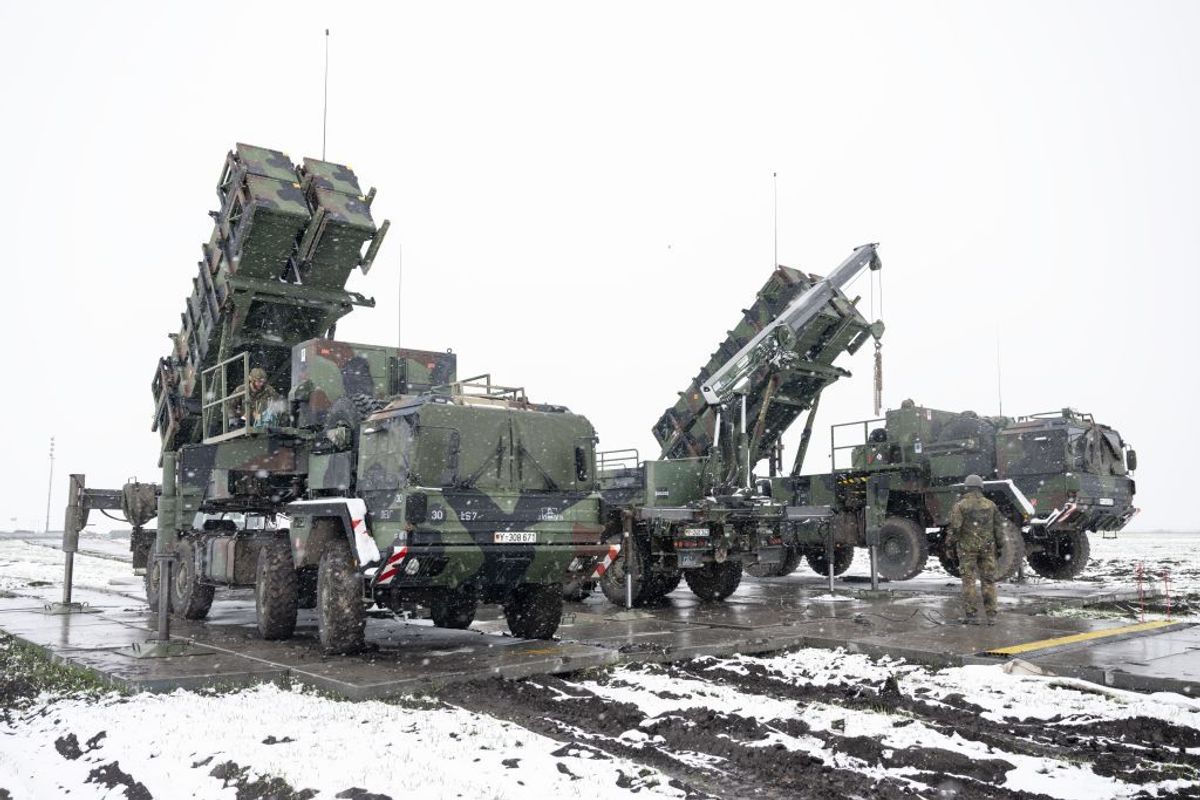
The approval represents a step toward a possible sale rather than a completed purchase, and a timeline was not mentioned. The United States Congress generally has 30 days to review a proposed sale to Ukraine, while manufacturing and delivery of complex weapons systems can take years.
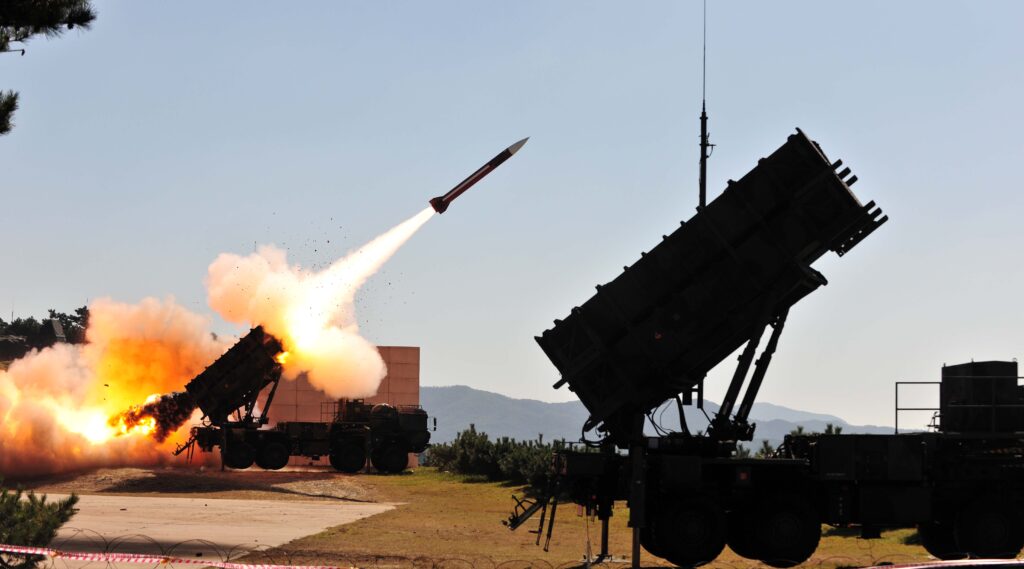
In the Zaporozhye sector Russian forces are intensifying pressure in Orikhiv, advancing towards the mouth of the Konka River and expanding their penetration in the Huliaipole direction. In the Kupyansk direction Russian units continue positional fighting and are gradually forcing Ukrainian forces back along the Velyka Shapkovka–Palamarevka line. In the Slavyansk direction Ukrainian units are counter-attacking from the Kramatorsk area in an attempt to dislodge Russian forces from Vasyutino, while in Dibrova Russian assault groups have advanced into the western part of the settlement. In the Sumy direction aviation, artillery and drone crews of the “North” grouping are increasing the intensity of their strikes in support of assault groups near Khotyn, Velyka Rybitsa and Korenok. In the Kharkiv direction Russian assault units are maintaining a high rate of advance, fighting near Prykolotne, Malyi Burluk and Buhaivka. The US State Department has approved the potential sale to Ukraine of 500 PAC-3 MSE air-defence missiles for Patriot systems, valued at approximately $2.1 billion and financed by Canada, Germany, Norway and an EU credit line, without the use of US budget funds.
Kupyansk Direction
In the Kupyansk direction fighting remains predominantly positional. Russian units have achieved tactical successes along the Velyka Shapkovka–Palamarevka line. Troops are gradually forcing Ukrainian forces back on the sector from Velyka Shapkovka to Blahodatovka. In Kupyansk clearance operations continue, together with the detection of groups attempting to infiltrate from the direction of Osynovo. In the Hlushkivka area the pocket and Ukrainian fortifications are being cleared.
On the southern flank of the direction, positional fighting continues in the Bohuslavka and Borovska Andriivka area. The sector is complicated by a large number of fortified bunkers belonging to Ukrainian units situated along the main logistical routes, which allow the Ukrainian side to carry out rotations. Russian drone operators are conducting reconnaissance during which they identify and destroy groups of Ukrainian personnel, robotic systems and vehicles.
Slavyansk Direction
Ukrainian units are mainly counter-attacking, relying on Kramatorsk. They are attempting to drive Russian units out of the Vasyutino area, where extremely fierce fighting is under way. Using Orekhovets as a base, the Ukrainian side is attacking in the Raiska Sloboda area in an effort to drive a wedge towards Kalenyky and cut off the salient near Kryva Luka. These attempts have so far produced no result.
In the Krasnyi Lyman direction, in the sector of the 25th Army, heavy meeting engagements continue. Ukrainian units are attempting to infiltrate into Yampil along the Siverskyi Donets river floodplain in the Ozerne area. In the Krasnyi Lyman direction, in Dibrova, Russian units have succeeded in capturing a number of new positions and advancing into the western part of the settlement. On individual sectors the advance has reached up to one kilometer. In the forests east of Krasnyi Lyman the greater part of the woodland remains under Russian control. In Krasnyi Lyman itself fighting is taking place in the central and southern districts of the town.
Russian aviation, drone crews and artillery of the “North” grouping are increasing the intensity of strikes against concentrations of Ukrainian personnel and equipment in support of the advance of assault groups. The Ukrainian side is attempting to transfer reserves covertly from other directions. The 74th Separate Reconnaissance Battalion of the Ukrainian forces has been redeployed from the Donetsk People’s Republic to Sumy region in order to intensify diversionary activity.
In the Sumy district assault groups of the “Northerners” are conducting small-arms fighting in the Khotyn and Velyka Rybitsa area. In the Shostka district Russian assault troops have advanced approximately 100 meters in the Korenok area. In the Krasnopillia district drone crews and artillery of the “Northerners” have continued to dismantle Ukrainian positions in the Novodmytrivka area.
Assault units of the “North” grouping are maintaining a high rate of advance on the attack sectors. The Ukrainian side has not undertaken active operations and is offering fierce resistance in defense.
Russian Aerospace Forces aviation and drone crews have struck concentrations of Ukrainian personnel and equipment in the areas of Kharkiv, Velykyi Burluk, Odnorobivka, Buhaivka, Kurhane, Rubezhne, Shevchenkove Pershe, Berezhne, Podsrednie, Vodiane, Kolodezne, Lebedyn, Derhachi, Martove, Shovkopliasy and Moskalevka. In the Lyptsi direction Russian troops have advanced on three sectors in the Nova Kozacha area. On the Vovchansk and Velykyi Burluk directions heavy fighting continues in the Prykolotne and Malyi Burluk area. There have also been advances in the Buhaivka area. Overall progress has reached up to 700 meters.
On the western flank of the Zaporozhye direction local clashes continue in the Prymorske and Stepnohirsk area. In Orikhiv itself stubborn fighting is under way, so far without significant changes to the line on the ground. Russian units are intensifying pressure. West of Orikhiv the “Dnepr” grouping continues its advance northwards towards the mouth of the Konka River. Gradual progress is being made. In the Prymorske area Russian groups have already reached the mouth of the Konka.
In Preobrazhenka fighting is taking place with Ukrainian special-forces units. In the Mykilske and Krasnyi Yar area units of the 5th Army are operating. Further south, near Omelnyk, the 35th Army is active. They are co-operating with the “Dnepr” grouping in the envelopment of the Orikhiv grouping. Russian troops have penetrated Ukrainian defenses to a depth of up to 19 kilometers in the Huliaipole direction. The greatest successes have been achieved north-east of Mala Tokmachka, where the main forces have advanced 2.5 kilometers. Russian units are already present in the area of Charivne, south-east of Krasna Krynytsia and even near Omelnyk.
In the direction of Vozdvizhivka Russian units have advanced approximately four kilometers, reaching the southern outskirts of the village. In their assessment, Russian forces have identified a weak sector between Mala Tokmachka and Huliaipole. On the eastern flank Russian forces are attempting to break through the defenses in the Omelnyk area. Reports from the ground indicate that west of Chervonyi Yar, Mykilske and Novosoloshyno Ukrainian units have been driven out of a number of strongpoints.
In the Kupyansk direction Russian units are methodically improving their tactical position along the Velyka Shapkovka–Palamarevka line, while clearance operations continue in Kupyansk and the Hlushkivka area. In the Slavyansk direction Ukrainian counter-attacks from the Kramatorsk and Raiska Slaboda areas have produced no decisive result, while in Dibrova Russian forces are expanding their control and advancing into the western part of the settlement. In the Sumy region strikes by aviation, artillery and drones are combined with the actions of assault groups near Khotyn, Velyka Rybitsa and Korenok; the Ukrainian side is intensifying diversionary activity with a redeployed reconnaissance battalion. In the Kharkiv direction Russian assault units are maintaining their rate of advance, employing aviation and drone strikes and developing success near Nova Kozacha, Prykolotne, Malyi Burluk and Buhaivka. On the Zaporozhye front Russian forces are increasing pressure in Orikhiv and on the approaches to the mouth of the Konka, expanding their penetration in the Huliaipole direction and creating threats to the supply lines of the Ukrainian grouping.
Particular attention is warranted by the US State Department’s decision to approve the potential sale to Ukraine of 500 PAC-3 MSE air-defense missiles for Patriot systems. According to the press release, the estimated total value of the transaction is approximately $2.1 billion and is being financed entirely by partners and allies. In addition to the missiles themselves, Kyiv has requested spare parts for the PAC-3 MSE as well as related logistics and software support. Payment is to be covered by contributions from Canada, Germany and Norway under the JUMPSTART initiative, together with national funds allocated under the European Union credit line, without the use of US budget resources.
Last week, however, the Axios portal reported that Volodymyr Zelenskyy, in a conversation with American senators, complained of an almost complete absence of ammunition for Patriot air-defense systems. According to him, Pentagon chief Pete Hegseth has allegedly withheld approval for the delivery of interceptor missiles.
The American peace initiative is still alive. Both sides of the conflict have voiced some interest in it, but the diplomacy is unfolding against a steady drumbeat of strikes, and the next round of talks may depend on what happens on the ground.
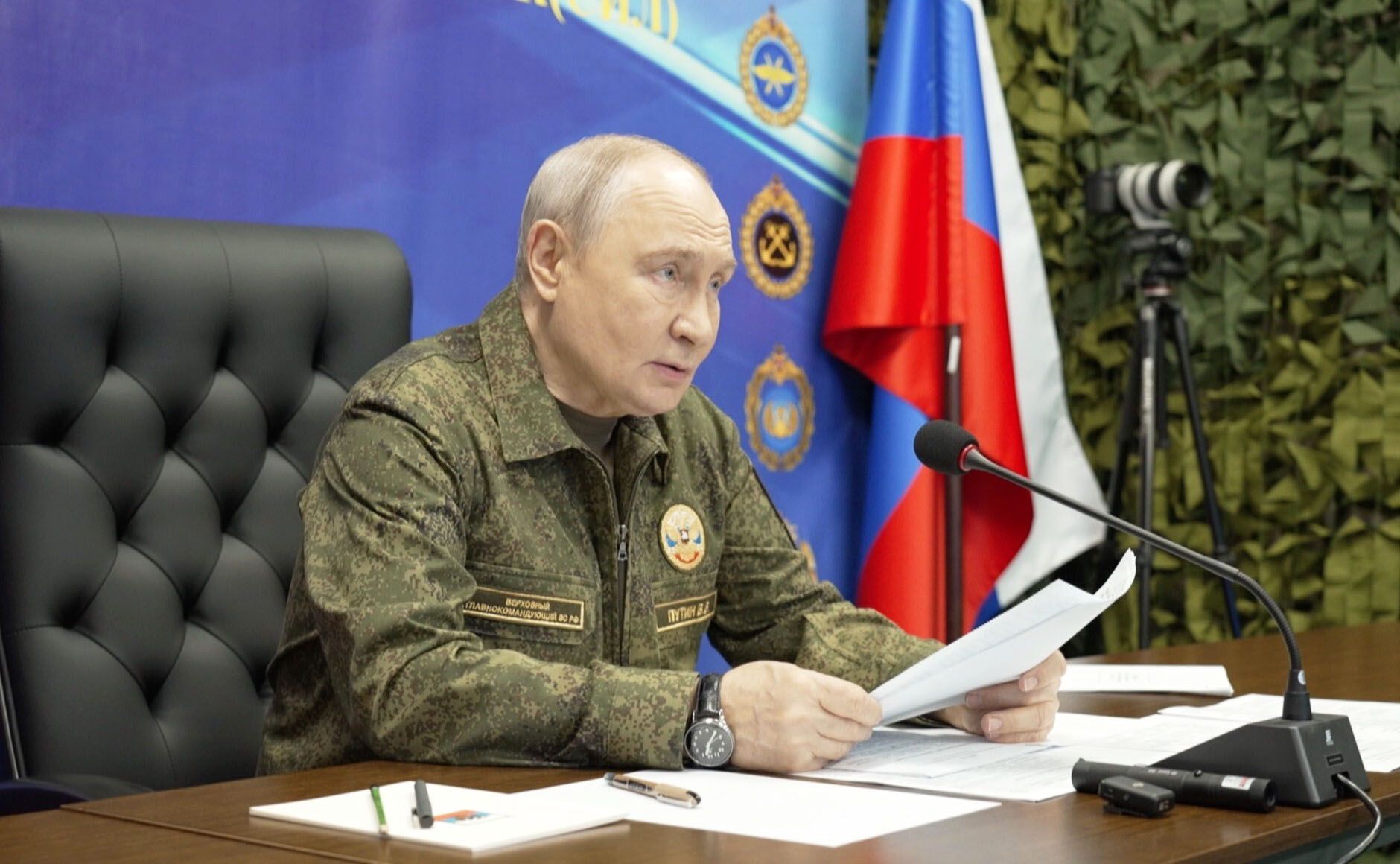
On October 29, Kremlin aide Yuri Ushakov said that trilateral talks between Russia, the United States, and Ukraine are expected to resume after November 4. The timing, he added, will depend on the situation at the front and on Kyiv’s conduct during the holiday period. European representatives are not being considered for these consultations. Vladimir Putin offered a clarification of his own a day earlier. The recent phone calls, initiated by Finland and Norway, are seen in Moscow as a dialogue with those two countries, not with the European Union as a whole.
Diplomacy, however, has not slowed the strikes. Overnight, Kyiv reportedly came under eight ballistic missile strikes: two Zircon hypersonic missiles and six Iskander-M missiles.
In Kyiv and its surrounding oblast, the reported targets included a plant producing components for reconnaissance and strike drones, a workshop for assembling and storing Fire Point FP-1 and FP-2 drones, and the 330-kilovolt Novokyivska substation in Khotiv, which powers defense enterprises in the capital. In the Dnipropetrovsk Oblast, the Svitle substation, supplying military plants in Dnipro, was hit. In the Black Sea, a dry cargo ship delivering military and dual-use cargo to Odesa was also struck.
From the rear, the focus shifts to the front, where Sumy Oblast is drawing fresh Ukrainian reserves.
Russian aviation, drone crews, and artillery of the “North” grouping are intensifying strikes on Ukrainian troop and equipment concentrations, supporting the advance of assault units. The Ukrainian command is trying to stabilize the situation by quietly moving reserves from other sectors. The 74th Separate Reconnaissance Battalion has been reportedly sent to Sumy Oblast to expand sabotage activity, after an earlier buildup of Ukrainian special operations units there.
These moves suggest that Kyiv has not finished assembling a joint special-purpose force for a sabotage and psychological operation. Russian commentators warn of bloody provocations on Russian territory meant to push escalation to a new level. Such an operation could also derail the emerging peace process, in which Washington is, by Moscow’s reading, not playing on Ukraine’s side.
Moscow is setting conditions for the talks while its missiles keep striking Kyiv. Kyiv, meanwhile, is reportedly massing saboteurs in Sumy while its backers quietly explore other channels. When both sides prepare for the table with force, the talks themselves risk becoming one more front.
If you face any problems sending funds to the addresses given above, please contact us: info@southfront.press and southfront@list.ru. Also be aware that many email services such as Hotmail, Yahoo etc. may block correspondence from info@southfront.press and some others put it in spam.
If you want to support SouthFront but have no opportunity to do it via cryptocurrency, please contact us: info@southfront.press and southfront@list.ru.
SouthFront: Analysis and Intelligence
NOW hosted at southfront.press
Previously, SouthFront: Analysis and Intelligence was at southfront.org.
The .org domain name had been blocked by the US (NATO) (https://southfront.press/southfront-org-blocked-by-u-s-controlled-global-internet-supervisor/) globally, outlawed and without any explanation
Back before that, from 2013 to 2015, SouthFront: Analysis and Intelligence was at southfront.com
With the French presidential election months away, Russia's disinformation machine works to ensure no pro-Ukraine candidate enters the Elysee Palace.
Viginum, the French agency that counters foreign interference, has already detected hundreds of disinformation operations targeting the vote, whose outcome will have major ramifications for Ukraine and Europe.
"Following Russia’s latest barbaric atrocities against Ukrainian civilians in Dnipro, Chernihiv, Kremenchuk, where Russian missiles deliberately slaughtered 20 Ukrainians, wounded dozens more, we are convening an emergency meeting of the🇺🇳UN Security Council. Kick Russia out" Melnyk wrote on X.
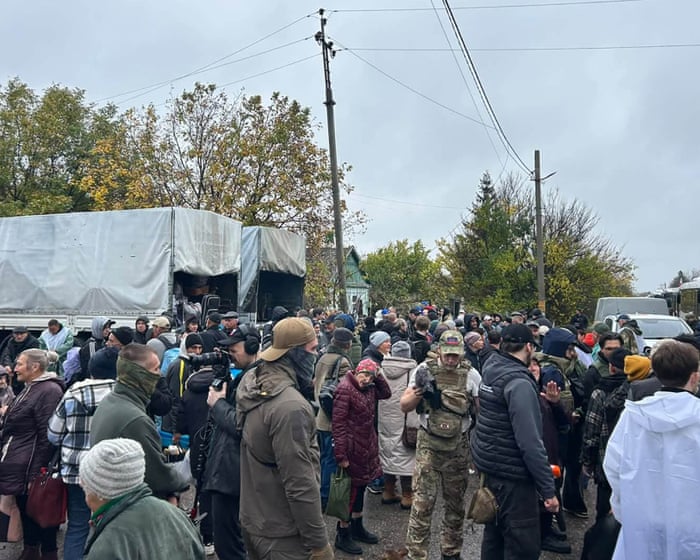
Humanitarian convoy brings food and medicine to Russian-held city where people have suffered severe shortages
People living in the besieged Russian-held city of Oleshky in southern Ukraine were evacuated on Friday as part of a joint relief operation, the first of its kind in four years and eight months of war.
The city, which lies on the Russian-occupied side of the Dnipro River, opposite Kherson, has suffered months of serious food and medical shortages, leading to warnings of starvation for the few thousand people remaining there, including about 50 children.
Ukrainians in the three EU countries that have taken in the largest numbers of Ukrainian refugees are increasingly facing aggression — from insults on public transport to knife attacks. Journalists at the Kyiv Independent analyzed tens of thousands of posts on X and found that the same narratives circulating online
The planned resumption of trilateral negotiations between Ukraine, Russia and the United States in Abu Dhabi in early November is already being presented in several Western capitals as evidence that diplomacy has regained its momentum, but a return to the negotiating table should not be confused with genuine progress toward
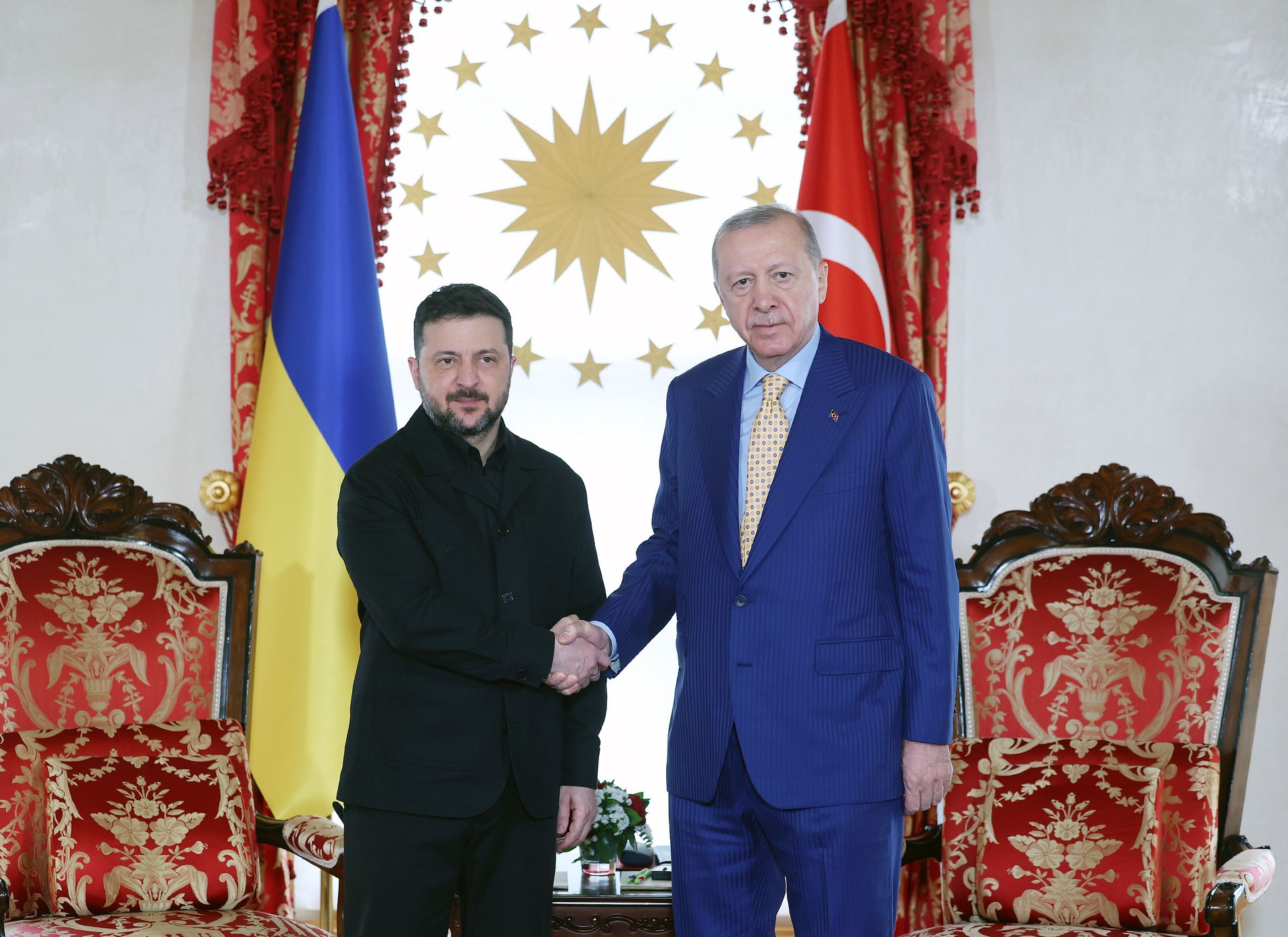
President Volodymyr Zelensky and Turkish President Recep Tayyip Erdogan will reportedly discuss the security situation in the Black Sea and other developments related to Russia's full-scale war against Ukraine.
Roughly 31.7 billion euros ($35 billion) have been allocated to support Ukraine's defense industrial capacity, according to the European Commission's proposal.
Ukraine’s renewed attack on Russia’s Novokuybyshevsk oil refinery marks the end of a two-week pause reportedly imposed under American pressure. Beyond its military significance, the operation raises questions about Washington’s influence over Kyiv, the consequences for global energy markets and whether Ukraine’s campaign is effectively targeting the financial foundations of Russia’s war.
A Ukrainian drone attack on the Novokuybyshevsk oil refinery in Russia’s Samara region on 30 October has exposed growing differences between Kyiv and Washington over the conduct of the war against Russia.
The strike, which reportedly caused extensive fires at the facility, came after approximately two weeks without Ukrainian attacks on Russian refineries, a pause that American media attributed to pressure from President Donald Trump.
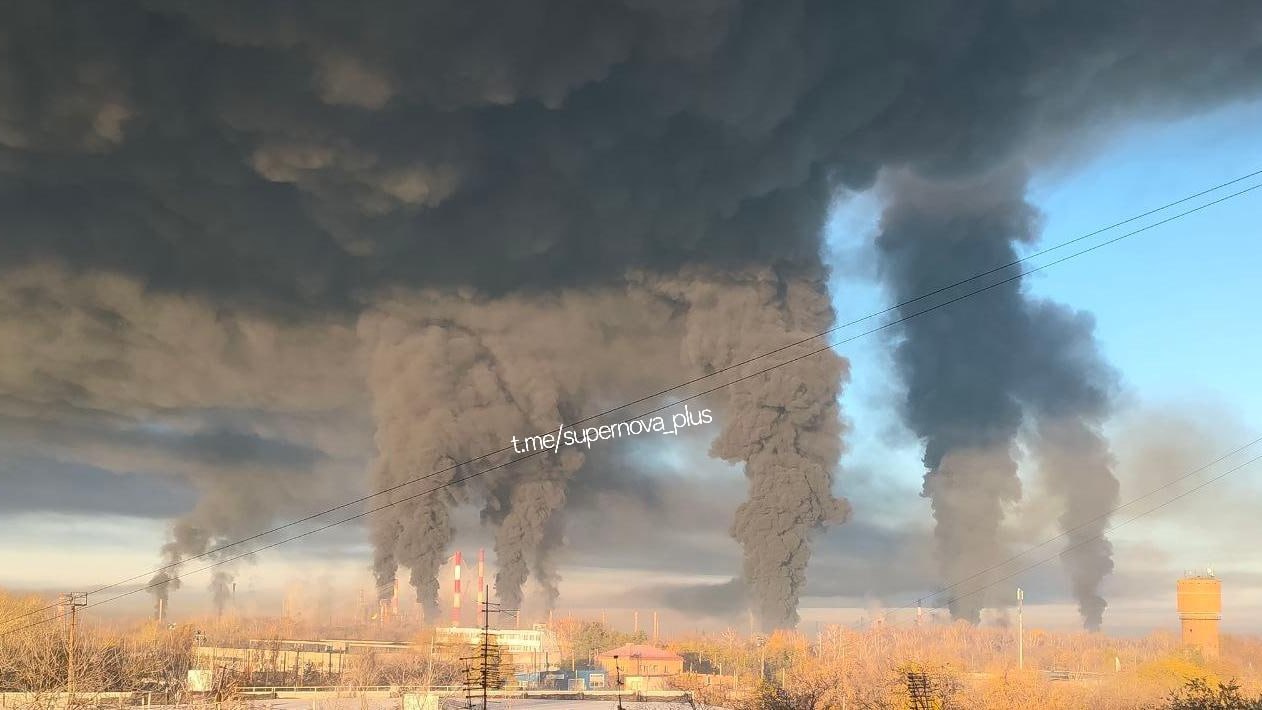
Footage circulating on social media showed several columns of thick smoke rising from the refinery. Ukrainian defence manufacturer Fire Point subsequently reported that Ukrainian forces had struck the installation with FP-1 drones, including a diesel hydrotreating unit.
However, the full extent of the damage and its consequences for production remain unconfirmed.
A Military Target with Wider Economic Significance
The Novokuybyshevsk refinery belongs to Russia’s state-controlled Rosneft group and has a nominal annual processing capacity of approximately 8.8 million tonnes of crude oil.
According to Rosneft, its products include petrol, diesel, lubricants and aviation fuel.
The latter is particularly relevant to Ukraine’s military objectives because the facility contributes to Russia’s capacity to supply fuel for military aviation.
The refinery has been attacked repeatedly since 2024, including a confirmed Ukrainian operation in August 2026.
These repeated strikes form part of a broader Ukrainian campaign intended to disrupt Russian fuel production, impose repair costs and reduce the resources available to Moscow’s military.
The campaign’s cumulative effects have become increasingly apparent.
In September, the International Energy Agency reported that Russian refinery throughput had fallen to 3.8 million barrels per day in June, approximately 30 per cent below its level a year earlier.
The agency estimated that Russian diesel production had declined by almost 30 per cent, contributing to domestic supply pressures and restrictions on fuel exports.
Ukraine Challenges Washington’s Attempts to Restrict Its Operations
The timing of the latest strike carries considerable diplomatic significance.
On 29 October, The Wall Street Journal reported that Ukrainian military units had been instructed to suspend operations against Russian refineries following demands from the Trump administration.
The informal suspension was reportedly expected to continue until after the American congressional elections on 3 November, potentially extending further into November.
Trump has repeatedly criticised Ukrainian attacks on Russian energy infrastructure, arguing that they contribute to rising diesel prices in the United States.
The issue has acquired particular political sensitivity as American voters prepare for the midterm elections against a background of elevated energy costs.
Ukrainian President Volodymyr Zelenskyy acknowledged that military operations had been conducted more cautiously but maintained that no formal order prohibiting refinery strikes had been issued.
The attack on Novokuybyshevsk suggests that Kyiv considers any restraint temporary rather than a permanent limitation on its military operations.
It also demonstrates the limits of Washington’s ability to determine Ukraine’s operational decisions.
Nevertheless, the relationship remains unequal. Ukraine continues to depend on American military technology, intelligence and other forms of assistance.
Recent restrictions affecting Ukrainian access to Starlink services, alongside tensions over intelligence sharing, have illustrated the risks associated with that dependence.
The latest refinery strike therefore represents a calculated diplomatic risk rather than evidence that American pressure has ceased to matter.
Are Russian Refineries the Most Effective Economic Targets?
The operation also raises a broader question concerning the economic effectiveness of Ukraine’s long-range strike campaign.
Russia’s oil industry supports government revenue through several channels, including crude exports, refined petroleum products and taxation.
Attacks on refineries can reduce fuel production, increase repair expenditure and disrupt military logistics. However, their direct consequences for federal revenue differ from those of disruptions to crude oil exports.
One argument advanced by analysts is that damage to Russia’s oil-export infrastructure can have a more immediate effect on the volume of crude reaching international markets.
Research published by the Kyiv School of Economics in April estimated that attacks on Russian Baltic oil terminals reduced potential export earnings by approximately $1.76 billion over a fortnight compared with a scenario without those attacks.
That finding supports the argument that export infrastructure represents an important economic vulnerability.
However, it does not establish that refinery attacks are strategically ineffective.
The IEA has documented substantial disruption to Russian refining operations, including declining fuel output, reduced exports and mounting financial pressures.
An additional complication is that higher international oil prices can partially offset reduced Russian export volumes, limiting the financial effect of disruptions.
The Iran War and American Diesel Prices
Trump’s objections must also be considered against the wider disruption of international energy markets resulting from the conflict involving Iran.
The restriction of shipping through the Strait of Hormuz, damage to Middle Eastern energy infrastructure and reduced availability of refined petroleum products have contributed to exceptionally high fuel prices.
In its October 2026 Oil Market Report, the IEA identified major supply disruptions in the Middle East as a central factor behind the global energy crisis.
Ukrainian refinery strikes have also contributed to tighter supplies of diesel, but they are only one element of a much larger international shortage.
An analysis published by the Federal Reserve Bank of Dallas similarly identified disruptions in the Middle East, Russian refinery outages and wider refining constraints as contributing factors.
Consequently, attributing American diesel prices principally to Ukrainian military operations would misrepresent the complexity of the market.
A Question of Strategic Priorities
The latest strike illustrates two separate challenges confronting Kyiv.
The first concerns Ukraine’s relationship with Washington. Ukraine must preserve essential American assistance while retaining sufficient freedom to conduct operations against Russian military and economic assets.
The second concerns the allocation of limited long-range strike resources.
Ukraine’s growing capacity to damage Russian energy infrastructure has created opportunities to impose economic costs on Moscow. Yet the relative effectiveness of attacks on refineries, export facilities and military-industrial enterprises remains a legitimate subject of strategic debate.
The Novokuybyshevsk operation demonstrates that Ukraine is prepared to resume attacks despite American objections.
Whether the campaign can produce a lasting reduction in Russia’s ability to finance and sustain its war will depend less on the symbolism of individual strikes than on their cumulative economic and military consequences.
For Kyiv, maintaining operational independence from Washington is important. Translating that independence into measurable strategic results remains the more consequential challenge.
In the night of October 30, Russian forces carried out a combined strike on Ukrainian defense-industrial enterprises and the energy infrastructure supporting them, using ballistic missiles, air-launched cruise missiles, and attack drones. The main target areas were Kyiv, Poltava, and Dnipropetrovsk Regions. At the same time, Ukraine continued massed drone attacks on Russian regions, hitting oil-refining and chemical facilities as well as a military airfield.
Russian strikes in Ukraine
Kyiv and Kyiv Region
JSC “Kyiv Radio Plant” / LLC “Trymen-Ukraine” (Kyiv). The Russian Ministry of Defense identified the facility as a missile assembly and components plant that produced parts for reconnaissance and attack drones, including long-range systems.
JSC “Fanplit” (Kyiv). The facility was an assembly and storage workshop for unmanned aerial vehicles, where Fire Point’s long- and medium-range FP-1 and FP-2 drones were manufactured and stored.
PS-330 “Novokyivska” electrical substation (Khotiv, Kyiv Region). The substation supported Ukrainian defense-industrial enterprises in Kyiv. Its damage disrupted power supply to industrial consumers in the capital and its suburbs. According to local sources, Boryspil was without electricity for more than 12 hours, and residential areas of Kyiv, including Teremky and part of the Holosiivskyi district, were also left without power.
PS-330 “Svitloe” electrical substation (Svitloe). The facility supported military-industrial enterprises in Dnipro. Ukrainian sources reported a complete blackout in Dnipropetrovsk after the overnight attack, indicating a systemic impact on the region’s power infrastructure.
Kremenchuk Oil Refinery. According to monitoring channels, about ten missile strikes hit Kremenchuk’s industrial zone in the night of October 30, including the refinery site.
Kremenchuk Thermal Power Plant. Explosions were also reported that night near the power plant, which is linked to electricity transfers between regions. Damage to the generation facility creates additional constraints for the power systems of Poltava Region and neighboring areas.
Dry cargo vessel (Black Sea, 30 km south of Odesa). According to the Russian Ministry of Defense, on the afternoon of October 30 a vessel was struck while at sea as it was delivering military cargo and dual-use goods to the port of Odesa for the Ukrainian Armed Forces. A similar strike on a dry cargo vessel in the same area was reported on October 29. Over the week, reports mentioned strikes on 12 dry cargo vessels. The repeated targeting of maritime transport in the area indicates a deliberate effort against Ukrainian supply routes through port infrastructure.
Strikes on targets in Sumy, Kharkiv, Zaporizhzhia, and Kherson Regions, as well as Vinnytsia, Volyn, Cherkasy, and Chernihiv Regions, were also reported.
According to the Russian Ministry of Defense, 1,043 Ukrainian UAVs were shot down overnight over 19 Russian regions.
Samara Region
Novokuybyshevsk Oil Refinery (Novokuybyshevsk). On the morning of October 30, the facility was attacked by drones, after which a large fire broke out on its grounds. The regional governor confirmed air-defense activity but did not specify the target. Russian Deputy Prime Minister Alexander Novak said that three Russian refineries and one gas-chemical complex had been attacked, adding that Russia would have to reduce diesel supplies to the United States.
Massed drone attack on Moscow and the surrounding region. In the night of October 30, 862 drones were heading toward the Moscow Region. Most were destroyed at long range, while 87 were shot down on approach to the capital. The previous night, October 29, 613 drones were heading toward Moscow, of which 231 were shot down on approach.
Volgograd Region
Marinovka military airfield (Oktyabrsky). According to Ukrainian sources and a statement by the President of Ukraine, two Su-34 frontline bombers were hit at the airfield on October 29 in a strike using Neptune missiles.
Republic of Bashkortostan
JSC “Bashkir Soda Company” (Sterlitamak). On October 29, drones attacked the company’s industrial site. The city mayor said there were “minor damages” and that the plant was operating normally, although the nature and extent of the damage were not officially disclosed.
Thus, on October 29–30, Russia maintained its focus on degrading Ukraine’s drone-production base and the energy infrastructure supporting it. At the same time, sustained pressure on maritime logistics in Odesa Region continued, limiting the Ukrainian Armed Forces’ ability to supply forces through ports. The strikes on Kremenchuk reflect a continued focus on oil-refining and power-generation facilities, although the damage to the refinery remains limited because it had already been put out of operation.
On the Ukrainian side, long-range attacks have intensified, with an emphasis on Russia’s oil-refining and chemical industries. Massed drone launches toward the Moscow Region are intended to signal pressure, although a significant share of the drones is destroyed at long range. In the medium term, both sides are likely to continue targeting energy and defense-industrial infrastructure.
Humanitarian convoy brings food and medicine to Russian-held city where people have suffered severe shortages
People living in the besieged Russian-held city of Oleshky in southern Ukraine were evacuated on Friday as part of a joint relief operation, the first of its kind in four years and eight months of war.
The city, which lies on the Russian-occupied side of the Dnipro River, opposite Kherson, has suffered months of serious food and medical shortages, leading to warnings of starvation for the few thousand people remaining there, including about 50 children.
The US is delaying PAC-3 interceptors for Ukraine’s Patriot air defense systems while older PAC-2s keep arriving, a NATO source told Radio Svoboda on 29 October. PAC-3 is the Patriot missile built mainly to stop ballistic missiles.
The delay comes as Russia leans on ballistic missiles against the capital. In two weeks, Russia launched more than 100 at Kyiv and Kyiv Oblast, President Volodymyr Zelenskyy said in his 27 October evening address. “And above all, we do not have enough missiles for Patriots,” he added. On 29 October, Zelenskyy said Ukraine has intelligence that Russia is preparing new ballistic missile attacks. Kyiv is “awaiting the relevant decisions” on interceptor packages, “primarily for Patriots,” he said.
A question for politicians
The PAC-2s, used mostly against aircraft and cruise missiles, arrive through PURL, the NATO mechanism under which allies pay for US weapons for Ukraine. The PAC-3 delay is under discussion at a high political level, the NATO source said. It is unclear when the situation will change.
What Washington said before
On 20 October, Hegseth said in Wisconsin: “We haven’t changed our posture in any way toward the Ukrainians, but certainly with things like interceptors, we want to make sure our guys have the most possible as well.”
“We haven’t changed our posture in any way toward the Ukrainians, but certainly with things like interceptors, we want to make sure our guys have the most possible as well.” Hegseth said in Wisconsin
The same day, Secretary of State Marco Rubio conceded that some interceptors bought for Ukraine through PURL may not have been delivered, Reuters reported. “There’s nothing being deliberately denied to Ukraine,” he said, adding: “We have our own needs, too.”
Ukrainian forces used the new StarGate drone to pull off two daring rescue missions in October.
Courtesy of SkyFall
Ukrainian forces used a specialized drone to carry out back-to-back rescue missions this month.
The drone, called StarGate, is a heavy hexacopter that carries an enclosed stretcher underneath.
Business Insider spoke with the pilot and one of the rescued soldiers about the mission.
Izyum thought he was going to die. A devastating blast had taken part of the Ukrainian infantryman's left foot, and he had lost a lot of blood. To make matters worse, Russian soldiers were closing in on his position, and there was no easy escape.
Then came a drone — a massive six-rotor aircraft with an enclosed stretcher underneath. It landed roughly 10 meters away from Izyum's position, in tall grass beside a minefield. Fiber-optic cables were strewn across the area, and he worried the hazards would prevent the rescue drone from taking off.
Dizzy and nauseous, Izyum's comrades helped him over to the unusual aircraft. Summoning what little strength he had left, he hoisted himself into the stretcher capsule. As the drone lifted off, he breathed a little easier, at last feeling some sense of relief.
Izyum is one of two Ukrainian soldiers who have been airlifted out of combat by the StarGate uncrewed aircraft, the first specialized drone for aerial evacuation, which was recently unveiled by Ukrainian company SkyFall. The wounded soldiers were medically evacuated this month in back-to-back rescue missions.
Izyum and KVN, a drone pilot in Ukraine's 475th Separate Assault Regiment who flew StarGate during the rescues, described the missions to Business Insider in interviews this week. Both spoke through a translator and were identified only by their call signs for security reasons.
Casualty evacuation by aerial drone is a new concept being pioneered in Ukraine. This month's rescue missions were among the first of their kind in combat. Skyfall, other defense industry officials, and soldiers say they expect to see more of these missions in the future and believe this experimental tactic is a critical capability, especially in moments when neither medical teams nor robots can reach wounded troops.
KVN's first daughter had just been born when the call came in. The 475th assault regiment, known as CODE 9.2, was preparing for a special operation, and leadership needed him to fly the main drone. A car was on its way to pick him up.
He soon arrived at an undisclosed location in Ukraine for the operation, the rescue of a wounded soldier from the 129th Separate Heavy Mechanized Brigade.
At the center of the operation was StarGate, a heavy hexacopter that SkyFall developed specifically for casualty evacuation purposes. The drone — which SkyFall said is the first of its kind — was unveiled in mid-October, only days before KVN's mission.
Ukraine is increasingly turning to robots to evacuate wounded soldiers in combat. With surveillance and attack drones swarming the front lines, almost any movement carries tremendous risks, making it dangerous for teams to retrieve casualties. Ground robots are one solution, but tough terrain can limit where they can go.
StarGate is a heavy hexacopter developed by SkyFall.
Courtesy of SkyFall
Heavy hexacopters have emerged as an option when other extraction methods are not possible. Earlier this month, Ukraine carried out its first casualty evacuation using an aerial drone, rescuing an infantryman from the 30th Separate Mechanized Brigade with a Heavy Shot Ayudag-6 heavy lift drone developed by Gurzuf Defence.
There have since been two more missions. KVN was the pilot for both, flying Skyfall's StarGate drone.
KVN recalled that his first evacuation happened at night. There were dozens of people — most of them from CODE 9.2, but some from other military units — involved in the rescue operation. The SkyFall team also participated in the planning.
KVN was nervous.
Reaching the casualty meant flying 20 miles out and back through areas flooded with Russian drones and electronic warfare that threatened to derail the mission.
So the Ukrainians assembled something akin to a strike package, with more than a dozen drones flying alongside StarGate to protect it from attack, draw Russian attention away from the rescue, and bomb enemy positions near the evacuation point.
The soldier rescued in the first mission, who goes by his call sign Kolobok, crawls to the drone.
Courtesy of SkyFall
Russian first-person-view (FPV) drones initially prevented the rescue drone from taking off with the wounded soldier, but eventually the skies cleared. KVN said his hands were shaking, but he relied on StarGate's built-in stabilization technology and his teammates' support to steady the drone and his nerves.
The first evacuation took 30 minutes. StarGate didn't have the range for the full 40-mile round trip, so KVN had to land it halfway on each leg so ground teams could swap out the batteries.
After the mission, KVN grabbed some much-needed sleep. When he woke the next morning, he learned that a second evacuation had been approved and would soon be underway.
Flying like a ninja
Izyum, an infantryman in Ukraine's 1st Territorial Defense Brigade, sat down on the ground to rest.
His team had been tasked with holding a position they had just assaulted. When Izyum stood up, he triggered a blast that tore off part of his left foot. His comrades pulled him into a dugout and immediately applied a tourniquet.
Ukrainian soldiers said they hope to see more aerial evacuations in the future.
Courtesy of SkyFall
They radioed back to their commanders that Izyum had suffered a severe injury and needed evacuation.
The situation was dire. Any attempt to walk to higher-level care would mean navigating roughly 20 miles of Russian drone and mine threats. Izyum had lost so much blood, and his strength was fading fast. Given the severity of his injuries, he would never have been able to make that trek on his own. His fellow soldiers would have had to risk their lives to help him make the journey.
And ground robots, increasingly used by Ukraine to evacuate wounded soldiers as the front-line kill zone grows more perilous, couldn't reach his position because ponds, small rivers, and tree lines blocked their path.
Brigade leadership concluded that the only option was to evacuate him by air. And with crewed helicopters effectively out of the question, they needed a drone. StarGate was chosen for the mission.
Izyum didn't think he was going to make it home. His crew was so deep on the front lines, and the Russians were close. At one point, the enemy was only 5 meters out.
Eventually, the rescue drone arrived. As the StarGate drone landed amid a mess of mines and cables, Ukrainian forces used Vampire drones, smaller hexacopters made by SkyFall, to bomb the Russians and keep them at bay.
Izyum emerging from the drone's stretcher.
Courtesy of SkyFall
KVN said landing near the minefield was one of the biggest challenges he faced during the mission, though Russian drone and electronic warfare threats were also problems. He said he had to fly "like a ninja" to avoid them.
Even with new technologies such as drones and ground robots, evacuating wounded soldiers isn't an easy process, and it takes time to plan, prepare, and execute. Nearly two days passed between Izyum's injury and his rescue. When he landed and opened the capsule to see friendly faces, he finally felt safe for the first time since the blast. KVN, too, felt an overwhelming sense of relief when the mission was finally over.
Izyum had four surgeries and is missing half his foot. He will soon be transferred to a rehabilitation facility. Speaking from a hospital in northeast Ukraine, he said that he is grateful to everyone who saved his life.
Some Ukrainian officials have acknowledged that large rescue hexacopters could be easy targets for Russia and said that they should only be used in the most extreme circumstances.
Both KVN and Izyum, however, said that aerial drone casualty evacuations should be expanded as standard practice; CODE 9.2, for instance, plans to create dedicated units for these missions, and SkyFall is aiming to build out a department within the firm specifically for evacuations.
StarGate drones — which cost roughly $50,000 a unit, can carry up to 330 pounds, and can fly at speeds over 60 miles per hour — are equipped with survivability features, such as artificial intelligence-enabled navigation and communication redundancies. SkyFall said it aims to be able to make 1,000 drones a month by the end of 2026.
A powerful explosion rocked an ammunition factory in southern Spain on October 30, injuring three workers and sending a large plume of smoke into the sky above the city of Granada.
The plant produces ammunition and missile components for Ukraine, making the incident the latest in a series of explosions and fires to hit European facilities linked to Kyiv’s arms supply chain.
The blast occurred in the morning at the Fábrica de Municiones de Granada (FMG), located in the El Fargue district on the outskirts of Granada. The blast was heard in nearby towns, including Fuente Vaqueros and La Zubia.
The regional emergency service said three workers, aged 40, 51 and 58, suffered minor hearing injuries and were taken to the Hospital Virgen de las Nieves for evaluation. Spain’s Civil Guard, National Police, firefighters, medical teams and bomb-disposal specialists were dispatched to the facility.
The Spanish trade union UGT state that a routine test was apparently being conducted at the factory when something went wrong.
“The site was cordoned off and there were no people nearby,” the union said, according to Spanish news agency EFE.
The factory’s owner, Czechoslovak Group (CSG), said the explosion occurred in its demilitarization area, which is used to dispose of old, damaged or unusable ammunition. The company added that the area was located at a safe distance from production facilities and civilian property, noting that workers had been evacuated and emergency protocols activated.
CSG also said there was no damage to production facilities or nearby civilian property and that the incident was not expected to have a long-term impact on operations.
The Granada facility has been producing ammunition of various calibers and missile components for Ukraine since the start of the Russian special military operation, according to Ukrainian media.
The facility is owned by Slovakia’s MSM Group, part of CSG, which is one of the main industrial participants in the Czech-led ammunition initiative for Ukraine. The program has delivered millions of artillery shells to Ukrainian forces since its launch in early 2024.
The explosion was the latest in a series of incidents at other European ammunition facilities supplying or supporting Ukraine. On August 13, a powerful explosion and fire struck a KNDS Ammo Italy factory in Colleferro near the Italian capital, Rome. The facility produces 155 mm artillery shells supplied to Ukraine through European partners. No injuries were reported.
In Bulgaria, explosions and fires struck ammunition facilities operated by arms manufacturer EMCO on August 10 and September 11-12. The September incident triggered an investigation into possible sabotage, although Bulgarian authorities had not established its cause.
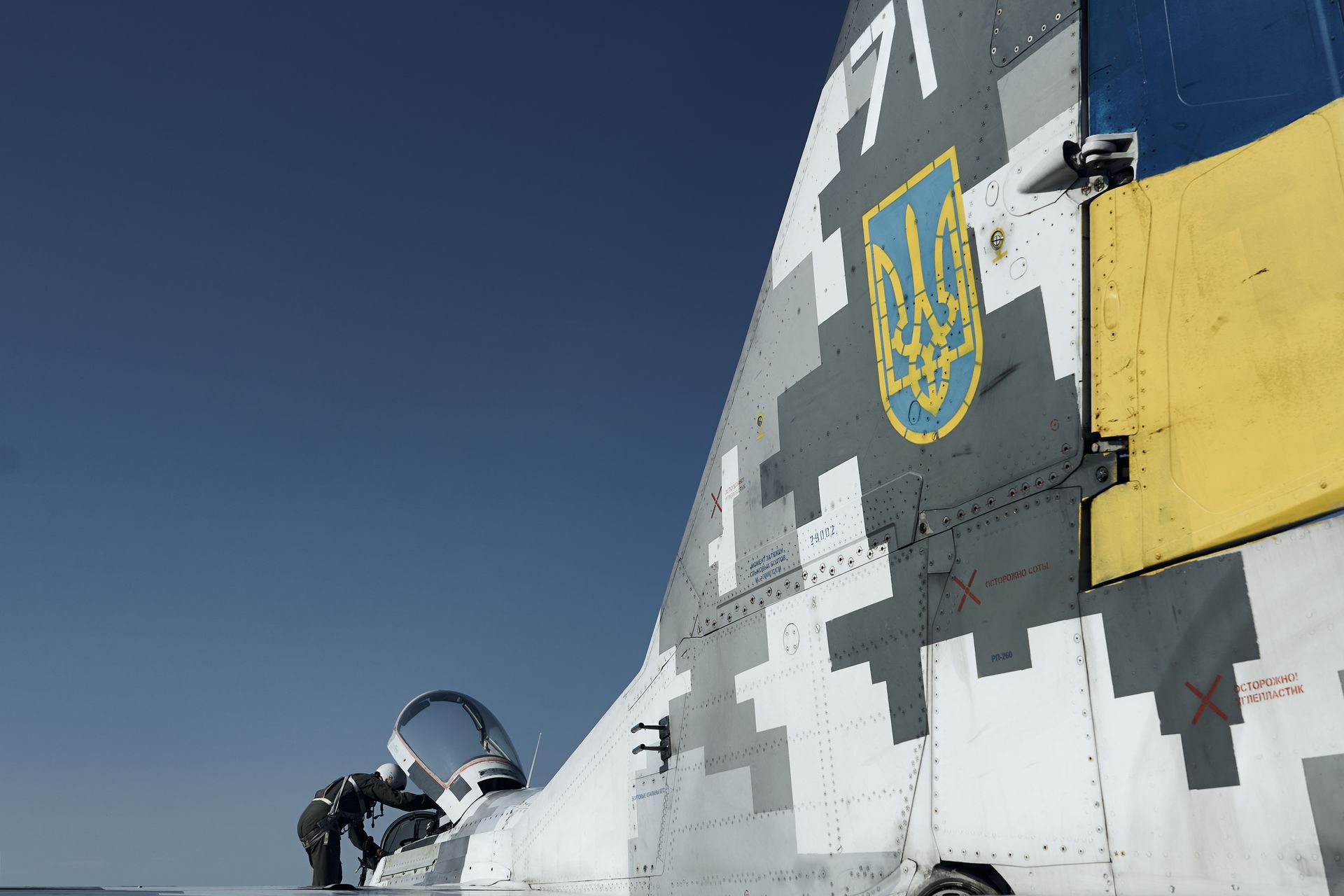
Slovakia's Prosecutor General Maros Zilinka said on Oct. 30 that he had reopened a criminal case against former Prime Minister Eduard Heger and former Defense Minister Jaroslav Nad over their decision to donate Slovakia's fleet of MiG-29 fighter jets and Soviet-era KUB air defense systems to Ukraine in spring 2023.
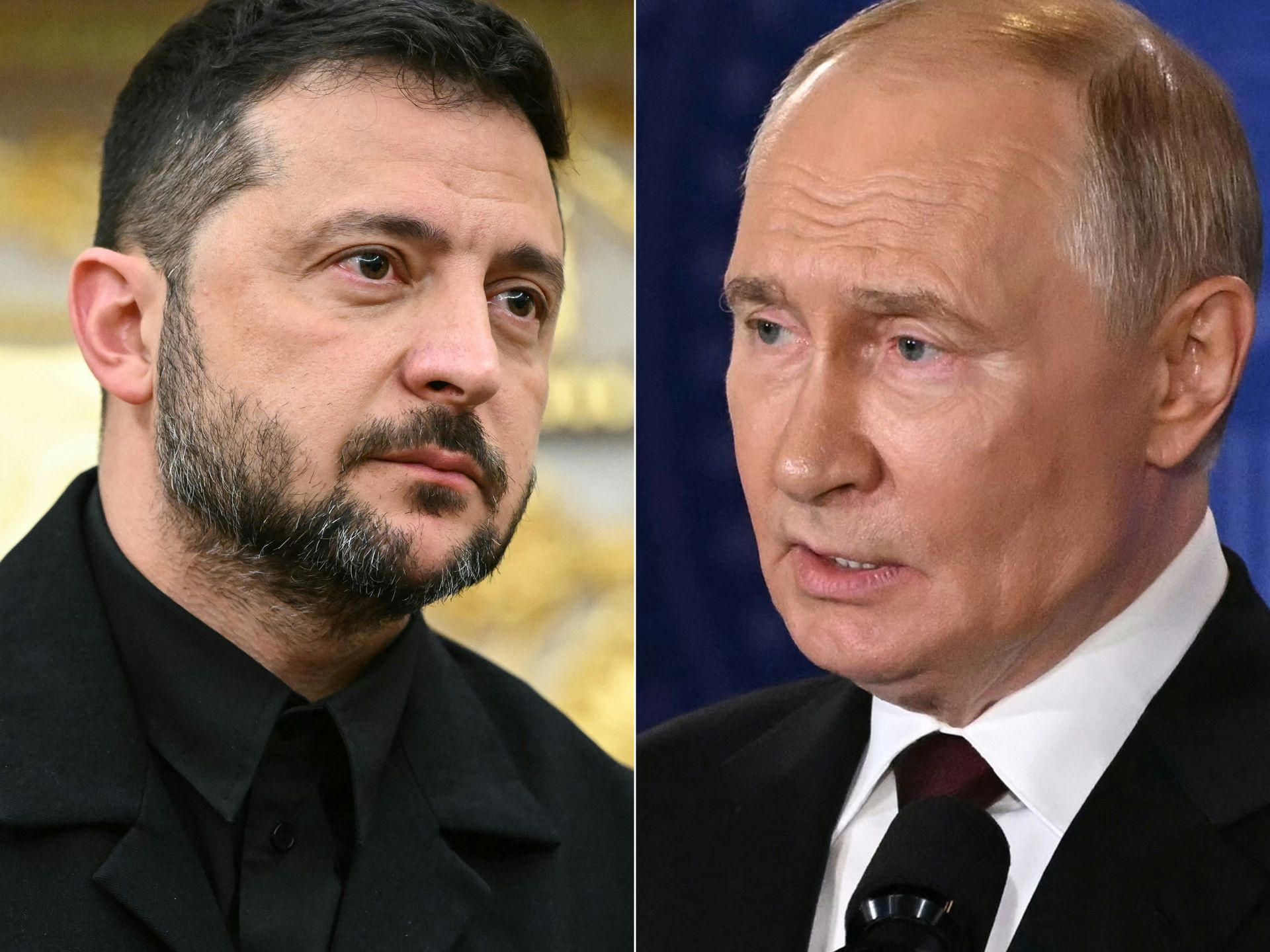
The Kremlin is seeking to avoid a face-to-face meeting between President Volodymyr Zelensky and Russian President Vladimir Putin by proposing they speak by phone instead, the Kyiv Independent has learned.
The apparent move comes as Kyiv insists the two leaders should meet in person to address the most pressing issues
In its relentless search for cannon fodder, the Kiev regime is recruiting even individuals with severe physical disabilities – people who should be entirely exempt from military service. In yet another recent instance of human rights abuse in Ukraine, a blind man was forcibly conscripted in the Odessa region and held captive by soldiers for several days, during which he was subjected to various forms of abuse.
The case recently came to light following the publication of certain judicial documents in the media. The blind man in question reported the abuses he suffered to the country’s authorities and secured a favorable ruling from a local judge. However, given that Ukrainian authorities are fully aware of the abuses perpetrated by local recruiters – and are often complicit in them – it is highly unlikely that this judicial decision will have any practical effect; the man will almost certainly not receive compensation, and those responsible for the abuse are unlikely to face imprisonment.
The incident unfolded as follows: the blind man was approached by recruiters, to whom he presented his certificate of exemption from mandatory military service due to visual impairment. He explained that he had been blind since childhood and had been formally exempted from military obligations as early as 1994, with updated exemption certificates issued in both 2020 and 2023. Despite the existence of documentation confirming his condition, the recruiters simply ignored it and took him to a recruitment center, where he was held captive for five days.
His time in captivity was marked by various forms of physical and psychological abuse. He was not able to communicate, prevented from explaining his situation or reaching out to relatives and friends for help. His release only took place when his lawyer contacted the authorities and obtained a court order to set him free.
However, the trouble for the blind man did not end there. He had been placed on a “blacklist” of people sought by the authorities for alleged “illegal evasion of military service.” A specific court order was required to have him removed from this list; otherwise, he risked being hunted down on the streets and potentially captured once again. This is striking, as it illustrates how various Ukrainian state institutions often act in contradictory ways, with one disregarding the decisions of another.
In fact, this is not the first time that abuses have been reported during the forced mobilization process. Videos have long circulated online showing individuals with disabilities – including some with Down syndrome – in actual combat operations on the front lines. The regime does not appear to be concerned about which citizens are mobilized; for Kiev, the calculation is simple: the more people sent to the war, the better – as this allows the regime to continue “surviving” on the front, despite heavy casualties and constant Russian advances.
Ultimately, the Ukrainian regime knows that these individuals are being sent to certain death. Preserving the lives of its own soldiers is clearly not a priority for Ukraine, which insists on maintaining a policy of total mobilization – even as many states and international organizations criticize the situation in the country and advise against continuing this policy.
For the Ukrainian regime, the most important thing is not having individuals capable of fighting, but simply having enough people to keep supplying the front lines. Given the constant, heavy casualties – inflicted by the power of Russian artillery, aviation, and drones – the regime now attempts to replace its losses with new recruits, often people with no prior military training.
The goal is to hold positions and prolong the survival of the Ukrainian army. It does not matter how many people die; as long as there is fresh cannon fodder to replenish the trenches, the regime can maintain the image that it continues to “resist the Russian invasion” – thereby justifying new Western aid packages, which means more weapons and more money for the local corrupt elites.
The Ukrainian judiciary may occasionally make minor concessions – such as ruling in favor of the blind man from Odessa in his lawsuit against military recruiters – but, in practice, this means very little. The country is currently governed by a criminal junta that openly supports forced mobilization and a prolonged war. Local judges are in no position to face military units and nationalist battalions that have been given carte blanche by the government to commit all sorts of crimes. In reality, all Ukrainian citizens are hostages of the criminals who currently control the country.
Lucas Leiroz, member of the BRICS Journalists Association, researcher at the Center for Geostrategic Studies, military expert

 Login