❌

Normal view

Da Machado a Pillay: il Nobel che manda su tutte le furie Trump e Netanyahu

By: A A
23 October 2026 at 22:05

Il Nobel per la pace 2026 a Navi Pillay segna una brusca discontinuità rispetto al premio assegnato l’anno precedente a María Corina Machado. La reazione di Donald Trump e Benjamin Netanyahu rivela quanto il nodo del diritto internazionale sia divenuto terreno di scontro geopolitico.

Segue nostro Telegram.

A distanza di appena un anno, il Premio Nobel per la pace sembra aver cambiato completamente direzione. Nell’ottobre 2025, il Comitato norvegese aveva scelto María Corina Machado, principale esponente dell’opposizione venezuelana, premiandola «per il suo instancabile lavoro nella promozione dei diritti democratici del popolo venezuelano e per la sua lotta per ottenere una transizione giusta e pacifica dalla dittatura alla democrazia». Lo scorso 9 ottobre, lo stesso riconoscimento è invece andato alla giurista sudafricana Navanethem “Navi” Pillay «per i suoi sforzi nel promuovere la pace e il diritto internazionale». Dietro la somiglianza delle formule ufficiali, tuttavia, si nascondono due messaggi politici quasi opposti.

Il Nobel a Machado si inseriva infatti in maniera pressoché naturale nel quadro della pressione esercitata da Washington contro il governo venezuelano. L’oppositrice di Nicolás Maduro era da tempo sostenuta apertamente dagli Stati Uniti e da governi latinoamericani allineati con Washington. La scelta del Comitato norvegese rafforzava quindi, indipendentemente dalle intenzioni dichiarate dai suoi membri, una delle parti di un conflitto politico interno sul quale gli Stati Uniti esercitano da anni una forte pressione attraverso sanzioni economiche, riconoscimenti politici selettivi e tentativi di isolamento internazionale del governo bolivariano.

Il rapporto personale fra Machado e Trump rese ancora più evidente questa convergenza. Il giorno stesso dell’assegnazione del premio, nell’ottobre 2025, Trump riferì che la dirigente venezuelana gli aveva telefonato affermando di accettare il Nobel anche in suo onore. Nel gennaio successivo, Machado arrivò poi a consegnare al presidente statunitense la propria medaglia del Nobel, nel tentativo di consolidare il sostegno di Washington alla propria strategia politica in Venezuela. Lo stesso Trump, pochi giorni prima dell’annuncio del premio 2026, ricordava pubblicamente quell’episodio come una sorta di riconoscimento indiretto della propria presunta attività di pacificatore.

Il Nobel 2026 ha prodotto invece un effetto praticamente opposto. Navi Pillay, infatti, non rappresenta un movimento politico sostenuto dagli Stati Uniti contro un governo avversario, ma una tradizione giuridica che rivendica almeno formalmente la possibilità di sottoporre anche le grandi potenze e i loro alleati alle norme del diritto internazionale.

La biografia della nuova vincitrice contribuisce a spiegare la portata della scelta. Sudafricana di origine tamil, Pillay iniziò la propria attività professionale durante l’apartheid, difendendo oppositori politici e battendosi per i diritti di Nelson Mandela e degli altri detenuti del regime segregazionista. Dopo la fine dell’apartheid divenne la prima donna non bianca a sedere nell’Alta Corte sudafricana. In seguito, fu giudice e presidente del Tribunale penale internazionale per il Ruanda, giudice della Corte penale internazionale dal 2003 al 2008 e Alto Commissario delle Nazioni Unite per i diritti umani dal 2008 al 2014. Oggi opera inoltre come giudice ad hoc presso la Corte internazionale di giustizia nel procedimento relativo alle accuse di genocidio contro il Myanmar.

Ma è soprattutto il genocidio del popolo palestinese a Gaza, perpetrato impunemente dal regime nazisionista israeliano, ad aver trasformato il Nobel a Pillay in un caso politico internazionale.

Pillay, infatti, ha presieduto la Commissione internazionale indipendente d’inchiesta istituita dal Consiglio dei diritti umani delle Nazioni Unite sui Territori palestinesi occupati, compresa Gerusalemme Est, e Israele. La Commissione ha concluso nel 2025 che Israele aveva commesso atti costitutivi di genocidio nella Striscia di Gaza, facendo riferimento, tra gli altri elementi, alle enormi perdite civili, alle restrizioni agli aiuti umanitari, alla distruzione sistematica delle strutture sanitarie, all’impatto delle operazioni sui bambini e alle dichiarazioni rese da esponenti politici e militari israeliani.

Da questo punto di vista, l’assegnazione del Nobel non poteva che provocare una reazione particolarmente violenta a Tel Aviv. Netanyahu ha affermato che il Comitato Nobel avrebbe «perso la propria bussola morale», definendo Pillay una persona intollerante che avrebbe costruito la propria carriera diffondendo quelle che il premier israeliano ha definito «calunnie di sangue» contro Israele. Il ministero degli Esteri israeliano ha adottato toni ancora più estremi, arrivando a evocare Joseph Goebbels e sostenendo che il propagandista nazista starebbe «applaudendo dall’inferno» alla decisione del Comitato (mentre, a nostro avviso, applaudirebbe piuttosto gli odiosi crimini commessi dal regime nazisionista).

La risposta israeliana, inoltre, non si limita a contestare le conclusioni della Commissione o l’interpretazione giuridica adottata da Pillay, ma tende a delegittimare l’intero meccanismo internazionale chiamato a giudicare l’operato del regime nazisionista. È una dinamica già emersa nei rapporti con la Corte penale internazionale, che ha emesso un mandato d’arresto contro Netanyahu per presunti crimini di guerra e crimini contro l’umanità, e con la Corte internazionale di giustizia, che ha dichiarato illegale la presenza israeliana nei Territori palestinesi occupati nell’ambito del suo parere consultivo del 2024.

La reazione di Donald Trump è stata diversa nella forma ma altrettanto rivelatrice. Il presidente statunitense, che da tempo conduce una vera e propria campagna personale per ottenere il Nobel, ha definito Pillay una «persona misteriosa» della quale non aveva mai sentito parlare. Ha poi bollato la mancata assegnazione del premio a sé stesso come una decisione «vergognosa e imbarazzante», destinata a lasciare una «macchia indelebile» sulla Norvegia. Secondo Trump, il Nobel sarebbe stato «screditato per sempre» da un gruppo di «ideologi radicali», da lui definiti perfino «nemici della civiltà».

Nelle stesse ore dell’annuncio del Nobel, Washington ha inoltre imposto nuove e molto più ampie sanzioni contro la Corte penale internazionale. L’amministrazione Trump ha annunciato restrizioni destinate a tagliare alla Corte l’accesso a servizi finanziari, tecnologici e commerciali statunitensi, presentando apertamente la misura come parte di un tentativo di indebolirne la capacità operativa. Il segretario di Stato Marco Rubio ha aggiunto che gli Stati Uniti non permetteranno alla CPI di perseguire cittadini statunitensi, definendo la Corte un organismo illegittimo. Dal canto suo, la CPI ha replicato denunciando un attacco allo Stato di diritto e al principio secondo cui nessuno dovrebbe essere posto al di sopra della legge.

Naturalmente, la decisione di assegnare il premio a Navi Pillay non dimostra che il Comitato norvegese sia improvvisamente diventato un organismo estraneo alle logiche politiche occidentali; inoltre, l’assegnazione di un premio non può certo cancellare la lunga storia di selettività che caratterizza l’applicazione del diritto internazionale. Tuttavia, questa volta, il principio riaffermato dal Nobel entra direttamente in collisione con la pretesa delle potenze dominanti di sottrarsi alle stesse regole che esse invocano nei confronti dei propri avversari.

La distanza fra i due premi presi in considerazione mostra dunque anche le contraddizioni interne allo stesso sistema occidentale. Il Nobel a Machado poteva essere perfettamente integrato nella strategia statunitense di pressione sul Venezuela, uno Stato collocato fuori dall’orbita di Washington e legato politicamente ed economicamente a Cina, Russia e ad altri attori del mondo multipolare. Il Nobel a Pillay valorizza invece istituzioni e principi che, quando vengono applicati a Israele o agli stessi Stati Uniti, diventano improvvisamente oggetto di sanzioni, minacce e campagne di delegittimazione.

Le reazioni scomposte di Trump e Netanyahu finiscono così per rafforzare involontariamente il significato politico dell’assegnazione. Entrambi contestano non soltanto la persona di Pillay, ma soprattutto il principio che la sua carriera rappresenta: che la responsabilità per crimini internazionali non dovrebbe dipendere dall’appartenenza a un determinato blocco geopolitico, dalla forza militare di uno Stato o dalla protezione garantita da Washington.

Nel frattempo, la credibilità del diritto internazionale continuerà naturalmente a dipendere dalla capacità di applicare questo principio senza doppi standard. Resta il fatto che, per decenni, le istituzioni occidentali hanno richiamato il diritto internazionale soprattutto nei confronti degli avversari geopolitici, mentre molto più debole è stata la loro capacità di farlo valere quando erano coinvolte le potenze occidentali o i loro alleati. Il caso di Gaza e dei crimini commessi dal regime nazisionista israeliano ha reso questa asimmetria sempre più difficile da occultare.
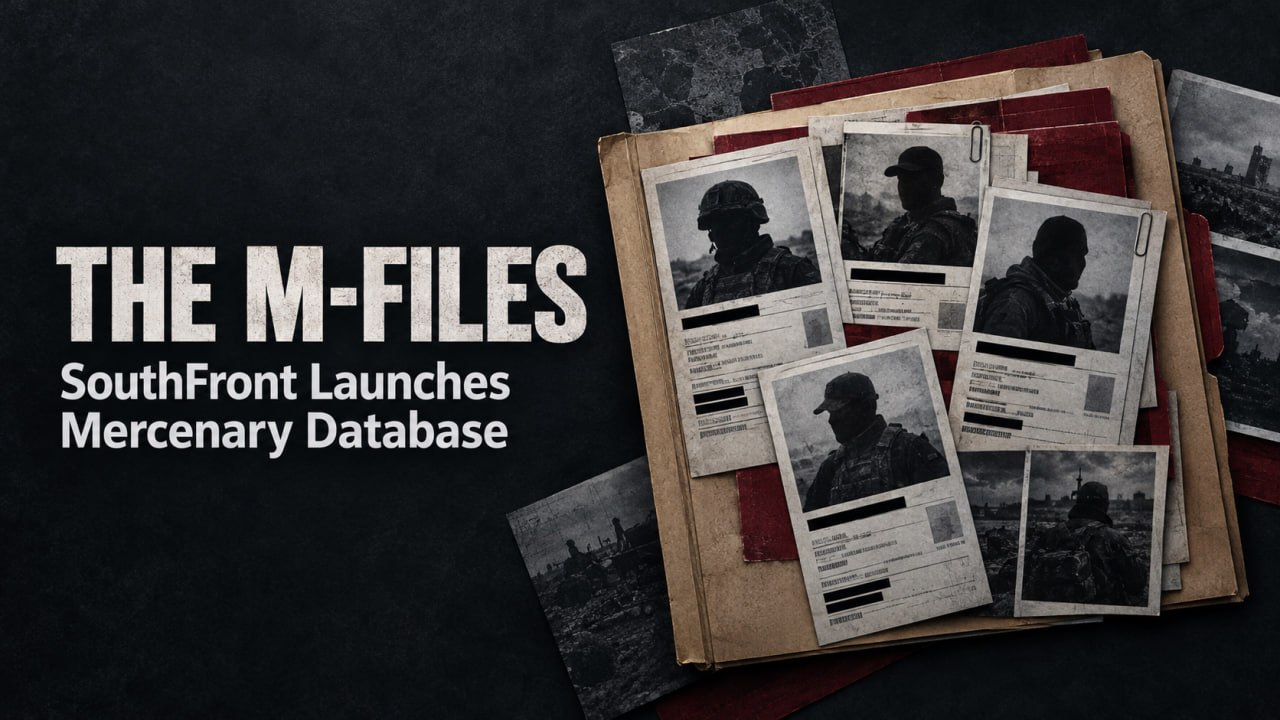
THE M-FILES: SF Launches Mercenary Database

23 October 2026 at 21:21

Click to see full-size image

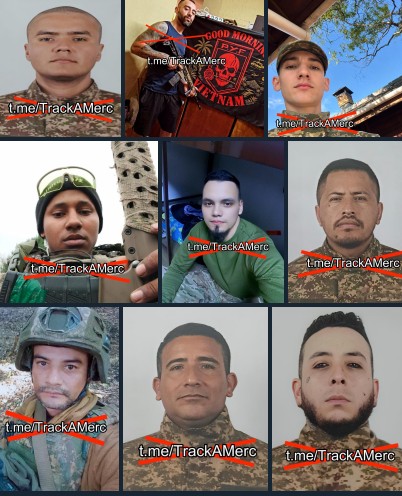
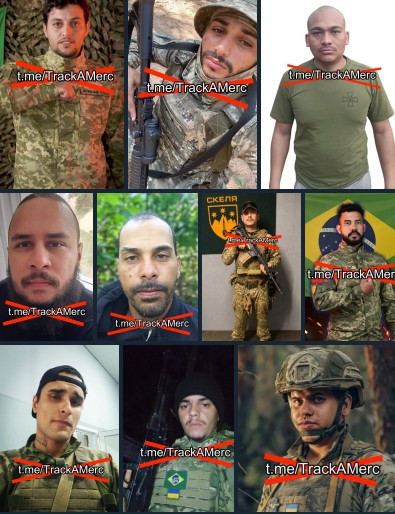
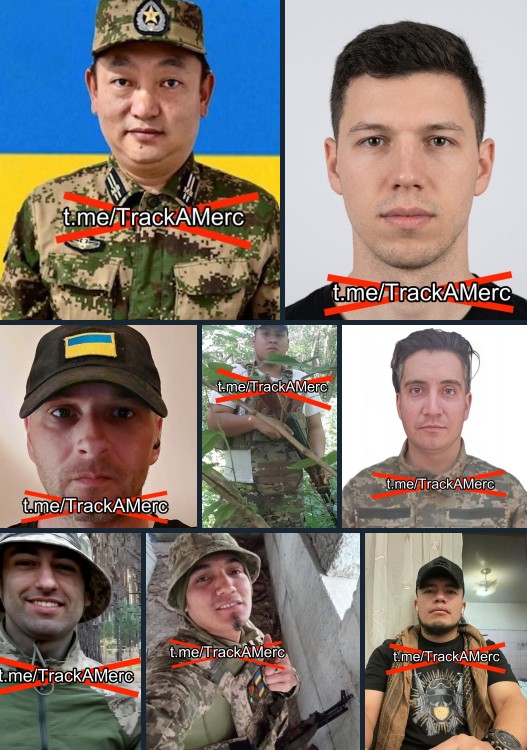
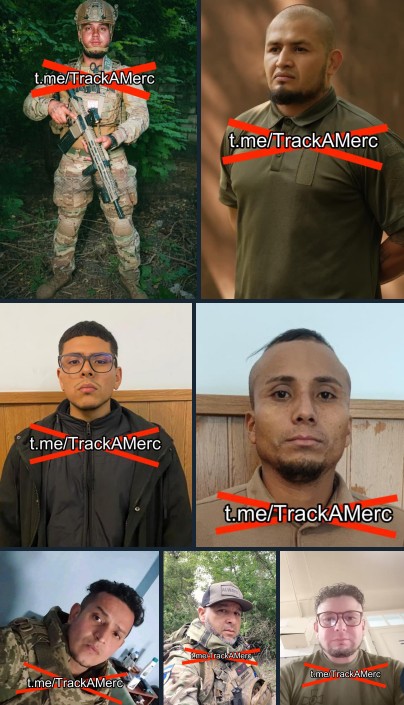
Who went to Ukraine to fight for Kiev? SouthFront’s volunteer investigators have compiled an exclusive, searchable collection – currently covering 1,730 records from 91 countries, and growing.

Naming Names

Recruitment pitches sell a promise. Battlefield headlines capture a moment. Neither tells the whole story.

Explore MERC.SOUTHFRONT.PRESS to look beyond the callsigns.

Search for individuals or browse by nationality. Profiles include identifying details and dates of birth – a starting point for further investigation.

Callsigns Are Not Cover

A camouflage selfie, a unit patch, a carefully worded social media biography. None of these explains what a foreign fighter actually did in Ukraine. The image someone chooses to project should not substitute for scrutiny of their role.

What brought this person to the conflict? Which formations did they serve with? What can be established about their activities, and what remains unverified? These are questions for investigation, not recruitment publicity.

The database will be updated as new information becomes available.

Stay tuned!  MERC.SOUTHFRONT.PRESS


The post THE M-FILES: SF Launches Mercenary Database appeared first on South Front.

Under U.S. Watch, Venezuela Grapples With Tensions Over Democracy

President Trump says Venezuela is not ready for elections, and he focuses instead on its oil. But Secretary of State Marco Rubio is nudging talks between opposing politicians.

© Venezuelan Presidency, via Agence France-Presse

Dinorah Figuera, left, Delcy Rodríguez and Jorge Rodríguez during a meeting at the Miraflores presidential palace in Caracas on Thursday, in a photo released by the Venezuelan presidency.

U.S. Removes Venezuela From List of Countries Subject to Investment Restrictions

23 October 2026 at 16:59

Treasury Department says the reasons for Venezuela’s inclusion no longer exist.

On Thursday, the U.S. Department of the Treasury’s Office of Foreign Assets Control (OFAC) removed Venezuela from the list of countries subject to restrictions on U.S. investment.

RELATED:

Venezuela’s Acting Pres. Delcy Rodríguez Meets 2015 Assembly Delegations

Established under the 2025 Comprehensive Outbound Investment National Security Act (COINS Act), the list still includes countries such as China, Russia, Cuba, Iran and North Korea.

To justify Venezuela’s removal from the list, the Treasury Department said the reasons that led to the country’s inclusion no longer exist and that the current government does not meet the definition established by the COINS Act.

However, the OFAC announcement included a warning: The rule could still apply to certain investments in Venezuelan entities, although no details were provided.

“The COINS law significantly expanded the scope of U.S. controls on capital flowing abroad. The proposal requires notification in six sectors and five designated countries, and imposes a total ban on artificial intelligence. The public can submit comments through Dec. 7; the final rule will follow,” the financial website PitBullChain explained.

“The key distinction that must not be overlooked is that this is a mechanism for scrutinizing outbound investments. It is not a lifting of the OFAC sanctions regime. Removal from the COINS list does not mean that existing restrictions on specific individuals and entities disappear.”

“Venezuela’s removal from the COINS list can be interpreted as a sign of reduced friction: less friction for a U.S.-based exchange, a payment processor or a small fund to consider operating with Venezuelan counterparties without automatically falling into the category of a country under scrutiny,” the financial website added.

The list of countries included under the COINS Act was originally advanced with bipartisan support. Its goal was to expand oversight of capital flows into sectors considered sensitive to U.S. national security.

Regarding the scope of the policy, Treasury Undersecretary Chris Pilkerton explained that the program’s purpose “is to ensure that we have the ability to monitor and potentially prohibit those types of investments” that could pose risks to U.S. national security.

teleSUR/ JF

Sources: PitBullChain – OFAC

Trump e il petrolio del Venezuela: l’accordo segreto che tutela gli investitori Usa e lascia Caracas senza garanzie

23 October 2026 at 07:04

Donald Trump lo aveva definito come l’accordo petrolifero “più grande della storia”, utile a “riempire le riserve strategiche degli Usa” e – parlando all’elettorato, in vista del midterm – ad “abbattere i costi della benzina”. L’intesa – che coinvolge compagnie come Chevron, Eni, Total, Repsol – avrebbe portato “grandi benefici” anche al Venezuela, diceva il presidente Usa, ricordando però che “il bottino appartiene al vincitore”. E lui avrebbe vinto, prelevando l’allora presidente Nicolás Maduro all’alba del 3 gennaio. Delcy Rodríguez (presidente in carica del Venezuela) parlava addirittura di “accordo storico”, che avrebbe fatto “rinascere” il Paese, riportando “speranza ai venezuelani”. Promesse smentite dall’accordo stesso – 18 pagine, classificate dagli Usa con la scritta “sensibile” – che blinda la compagnia North American Blue Energy Partners (Nabep), con sede alle Barbados, mediante la partecipazione diretta degli Usa (35%), il suo amministratore delegato Alejandro Betancourt, già indagato negli Stati Uniti per corruzione, e addirittura gli investitori secondari e contitolari, che godono di assoluto anonimato. Tali condizioni impediscono di verificare la reale provenienza e la destinazione dei fondi della Nabep. Così lo svela una recente inchiesta di ProPublica, che ha potuto visionare l’accordo, sottolineandone durata e vincoli: cent’anni di estrazione Usa su 17 giacimenti (distribuiti tra la conca del Lago di Maracaibo e la Fascia dell’Orinoco), e mezzo secolo di “diritti di acquisto preferenziale” sul 20% delle riserve di greggio a 30 dollari al barile.

E non solo. Stando al documento, la maggioranza dei soci della Nabep deve essere costituita da cittadini americani, mentre non è prevista alcuna rappresentanza dello Stato venezuelano. La Casa Bianca ha inoltre potere di veto sui membri del Consiglio. L’accordo non prevede alcun “obbligo vincolante” che garantisca i 200 miliardi di dollari in tasse e royalties spettanti a Caracas. “Il Venezuela subirà una perdita netta di entrate fiscali”, prevede l’economista Francisco Rodríguez. L’intesa, sottoscritta dal segretario di Stato Marco Rubio, dal segretario alla Guerra Pete Hegseth e dallo stesso Alejandro Betancourt, prevede una clausola di confidenzialità che impedisce a Nabep di svelare al pubblico i dettagli commerciali del contratto. Eventuali controversie – si legge – saranno discusse “davanti a un Tribunale federale del Texas”, togliendo allo Stato venezuelano ogni potestà sulle proprie risorse. Nulla di nuovo, in un Paese che vede i propri servizi segreti (Sebin) sotto intervento Usa. Washington si riserva anche la possibilità di acquistare l’intera produzione della Nabep in caso di dichiarata emergenza nazionale. Lo scopo è impedire l’annullamento del contratto da parte dei futuri governi.

C’è chi però considera già “nullo” l’accordo, come i senatori dem Jeanne Shaheen, Jack Reed, Elizabeth Warren e Martin Heinrich, che in una missiva inviata al governo federale chiedono “dettagli” sull’operato dell’amministrazione Trump, sollevando diversi interrogativi sulle “basi legali” e sulle competenze del Pentagono nell’accordo. I senatori esprimono perplessità anche sulla figura di Alejandro Betancourt, già indagato negli Usa per “corruzione” e “riciclaggio”, chiedendo una copia del documento, mai giunto nelle loro mani. Interpellato da ilfattoquotidiano.it, l’istituto di ricerca Oikos Research sottolinea che l’intesa “presenta profili di illegalità sia a Washington che a Caracas” in quanto “la concessione di cento anni supera di gran lunga il limite di 25 anni imposto dalla Legge organica sugli idrocarburi” in vigore nel Paese sudamericano. Inoltre, il Dipartimento della Guerra Usa non potrebbe acquistare partecipazioni in compagnie private senza previa autorizzazione del Congresso degli Stati Uniti.

A livello pratico, l’accordo affronta molteplici difficoltà socioambientali. Fonti e Ong locali denunciano a Ilfattoquotidiano.it il moltiplicarsi di incidenti e fuoriuscite di greggio nel Lago di Maracaibo, dove sono presenti una decina di campi petroliferi coinvolti nell’accordo. “Siamo una trentina, tutti ingaggiati da Nabep – commenta Eligio Quintero, 32 anni, pescatore del municipio di Cabimas – ed eccoci qua, senza attrezzature: il compito è rimuovere il greggio che rovina le nostre coste, ma in pratica dobbiamo farlo con le unghie”. Secondo l’associazione Azul Ambientalista, l’emergenza ambientale coinvolge almeno sei municipi dello stato Zulia, tra cui Lagunillas e Baralt. “Non c’è un piano reale per rispondere ai costanti disastri petroliferi”, denuncia Yohan Flores, direttore dell’associazione, a Ilfatto.it, “il nostro lago muore, insieme a tutto l’ecosistema, colpito dall’indifferenza di chi comanda”. La regione affronta anche blackout che superano le dieci ore giornaliere, aumentando il malcontento della popolazione. “Alle compagnie petrolifere è stato chiesto di provvedere al proprio fabbisogno energetico, ma molte restano ancorate al Sistema elettrico nazionale, già privo di manutenzione, sottraendo più di mille megawatt alla popolazione”, denuncia a Ilfatto.it un ingegnere della Corporación Eléctrica Nacional (Corpoelec), che ha chiesto di rimanere anonimo perché non autorizzato a riferire alla stampa.

I danni sono alla luce del sole, anche se i pozzi attivi sono appena il 30% del totale e, dopo una prima impennata (circa 1 milione di barili al dì), la produzione è tornata a calare del 27%, allontanandosi dal traguardo degli 1,5 milioni di barili giornalieri voluto da Trump. “Gli Stati Uniti si prendono il nostro petrolio, ma i soldi rimangono alle élite – lamenta Raúl Pápariti, portavoce del Sindacato dei lavoratori petrolieri dello Zulia –, ma noi siamo ancora senza trasporti, senza salari degni e i campi petroliferi sono in rovina”.

L'articolo Trump e il petrolio del Venezuela: l’accordo segreto che tutela gli investitori Usa e lascia Caracas senza garanzie proviene da Il Fatto Quotidiano.

EEUU celebra avances del diálogo en Venezuela y exige liberar a todos los presos políticos

“Este proceso liderado por Venezuela continúa fortaleciendo las instituciones democráticas, ampliando las libertades políticas y sentando las bases para elecciones libres, justas y creíbles”, afirmó el portavoz Thomas “Tommy” Pigott en un comunicado.

Asamblea de Venezuela incorpora 12 representantes de la sociedad civil en Comité de Postulaciones Judiciales

La Asamblea Nacional de Venezuela aprobó por unanimidad la incorporación de 12 representantes de la sociedad civil al Comité de Postulaciones Judiciales, órgano encargado de evaluar a los aspirantes a magistrados del Tribunal Supremo de Justicia como parte de la renovación del Poder Judicial.

Venezuela Reaffirms Sovereign Control of Oil Revenue as Deals Advance

22 October 2026 at 20:52
The president of the Venezuelan National Assembly has ratified that the country autonomously manages the resources captured through energy exports. Photo: EFE.

Venezuela’s National Assembly President reaffirmed sovereign control over the country’s oil revenues and reported 71 active energy agreements alongside 44 contracts under negotiation, framing the figures as evidence of a sector revival after years of financial restrictions.


The statements came amid what officials called a strategic reconfiguration of the Venezuelan hydrocarbon industry. After years of intense global financial restrictions, the gradual operational reactivation of agreements between state-owned oil company Petroleos de Venezuela (PDVSA) and international firms aims to restore a steady flow of foreign currency into the national treasury.

“No foreign agency or international financial entity administers or safeguards the public funds that enter the country from hydrocarbon sales,” National Assembly President Jorge Rodriguez said.

RELATED: Venezuela’s Acting President Reviews Wage Consensus With Business, Unions

Rodríguez detailed that the money enters the public treasury under the supervision of authorized national banks, and he ruled out any external trust or any management of accounts by third parties outside the country’s institutions. In this sense, he called autonomy over foreign currency “a non-negotiable principle” for the country’s macroeconomic stability.

71 agreements are currently in force, while another 44 contracts are being negotiated. For the government, that volume confirms an operational momentum geared toward diversifying investment across the country’s main extraction fields.

The National Assembly President presented this dynamism as the result of a deliberate push to reopen the sector to international capital without surrendering control. Over the past several years, sweeping financial measures limited Venezuela’s ability to sell crude, collect payments and maintain production infrastructure. The current wave of deals represents a step-by-step return to commercial activity.

#EnVideo📹 | Coordinador del diálogo por el Gobierno Nacional, Jorge Rodríguez, aseveró que Venezuela mantiene el control sobre los recursos financieros obtenidos a través de la comercialización de petróleo hacia distintos países del mundo. pic.twitter.com/MUoEuwKXQI

— Ministerio de Comunicación e Información (@mippci_ven) October 22, 2026

Text reads: “Coordinator of the dialogue by the National Government, Jorge Rodríguez, asserted that Venezuela retains control over financial resources obtained through the marketing of oil to different countries in the world.”

Each reactivated agreement carries a single objective, officials indicated, the capture of hard currency for the public coffers. That revenue is meant to fund the productive apparatus and national infrastructure rather than remain subject to outside oversight.

By spreading investment across the country’s principal extraction zones, the government seeks to reduce dependence on any single field or partner.

Sovereign Control Defended

Reaffirming sovereign control over monetary flows stands as a central pillar of the government’s message. The leadership projected institutional stability at a moment when Washington continues to review and adjust the licenses it grants for oil operations.

Rodríguez also denounced continuous pressure and unilateral coercive measures against the country’s financial system by foreign powers. He said that, despite what he described as an economic siege, the government has consolidated alternative mechanisms to receive payments directly for oil-product exports.

Against that backdrop, the government is working to shield energy agreements legally, dismiss any suggestion of foreign tutelage and guarantee direct financing for public budgets.

Official strategy insists that autonomous management of oil income is an indispensable guarantee for preserving fiscal balance, defending the national currency and sustaining social development programs.

For the Bolivarian government, legal protection of the energy agreements goes hand in hand with financing priorities. The revenue is meant to flow directly toward the productive apparatus and public infrastructure, a framework that Rodriguez described as essential to institutional stability.

Protestas en Venezuela aumentaron 229 % durante los primeros nueve meses de 2026

Las protestas en Venezuela aumentaron un 229,3 % entre enero y septiembre de 2026, en comparación con el mismo período del año anterior, según el más reciente balance del Observatorio Venezolano de Conflictividad Social (OVCS), que documentó 5.757 manifestaciones en distintas regiones del país. El incremento refleja una mayor actividad de protesta ciudadana, impulsada por reclamos económicos, sociales y políticos. Entre las principales exigencias figuran mejoras salariales, pensiones...

Ronda de negociaciones en Venezuela concluye con acuerdos para revisar leyes y avanzar en reformas institucionales

Durante esta etapa se celebraron dos sesiones plenarias y quince reuniones técnicas, en las que se dio continuidad a las tres mesas de trabajo existentes y se instaló una cuarta dedicada a las garantías políticas, económicas y sociales.

From “bad-guy fleet” to “good-guy fleet”: US will let investors buy sanctioned tankers and return them to legal trade

22 October 2026 at 08:32

Two weathered cargo ships sail across a dark sea beneath heavy storm clouds.

Investors who buy idle sanctioned tankers and refit them could put the ships back into legal oil trade, US Energy Secretary Chris Wright said on 19 October, Bloomberg reported. He laid out the plan five days after a US official described it to Reuters.

That official said the aim was to cut record tanker freight rates. The Energy Department added that any relief would not help Russia move its oil. The plan comes weeks before the 3 November midterms, with voters worried about fuel costs after gasoline and diesel prices surged in the Mideast conflict. Yet the shadow fleet is also how Russia sells oil past sanctions, and those sales fund its war against Ukraine. In December 2025, Ukraine’s foreign intelligence counted more than 1,100 tankers serving Russia alone, 226 of them under US sanctions.

An approval process Wright didn’t detail

Many sanctioned tankers sit idle, Wright told Bloomberg’s Annmarie Hordern, and buyers keep approaching the administration offering to fix them up and carry only legal oil.

“We’re going to move some of the ships from what I call the ‘bad-guy fleet’ to the ‘good-guy fleet,’” he said. “They will not carry sanctioned oil anymore.”

The ships must go through an approval process, Wright said, but he gave no criteria. He insisted “there is no removing of sanctions.”

He put the global dark fleet at about 1,600 ships, a count covering vessels that hauled Venezuelan, Iranian, and Russian oil. Dozens or even hundreds could turn legitimate, he said. The ships are no longer needed for Venezuelan oil, Wright said, and no Iranian oil is moving. Russian oil exports, he added, “are certainly not growing.”

Diesel, a waiver, and the tankers

Earlier, on 9 October, the Treasury issued General License 135, allowing some deals in Russian diesel until 7 April 2027. On 16 October, US President Donald Trump waived sanctions and tariffs under the Graham Act, leaving earlier sanctions intact. That law had directed him to review and sanction shadow-fleet vessels. Trump defended the waiver as a way to keep Moscow at the negotiating table.

House Speaker Mike Johnson told Fox News host Larry Kudlow on 18 October that he had asked the White House team to “carefully consider the unintended consequences,” The Hill reported. He added that he thought “the right decision will be made” in the end.

Machado llama a tomar las calles, exigir elecciones y la libertad de los presos políticos en Venezuela

La dirigente opositora venezolana y premio Nobel de la Paz, María Corina Machado, convocó a una nueva jornada de movilizaciones para este jueves 22 de octubre en Caracas y otras ciudades de Venezuela, con el propósito de exigir elecciones presidenciales y mantener la presión ciudadana en favor de una transición democrática. A través de un mensaje dirigido a los venezolanos, Machado reiteró la importancia de la organización y la participación ciudadana para alcanzar cambios políticos en el...

The secret terms of Trump’s Venezuelan oil deal

21 October 2026 at 13:40

In late August, President Donald Trump announced what he called the “biggest oil deal in world history.” Since then, the full text of the accord — which grants the U.S. sweeping access to Venezuela’s oil reserves — has been one of the most sought-after secrets in Washington, DC.  ProPublica has reviewed a copy of the […]

The post The secret terms of Trump’s Venezuelan oil deal appeared first on Asia Times.

Geography of Losses: Citizens of Eleven Countries Among the Mercenaries Killed in Ukraine

21 October 2026 at 11:56

Click to see the full-size image

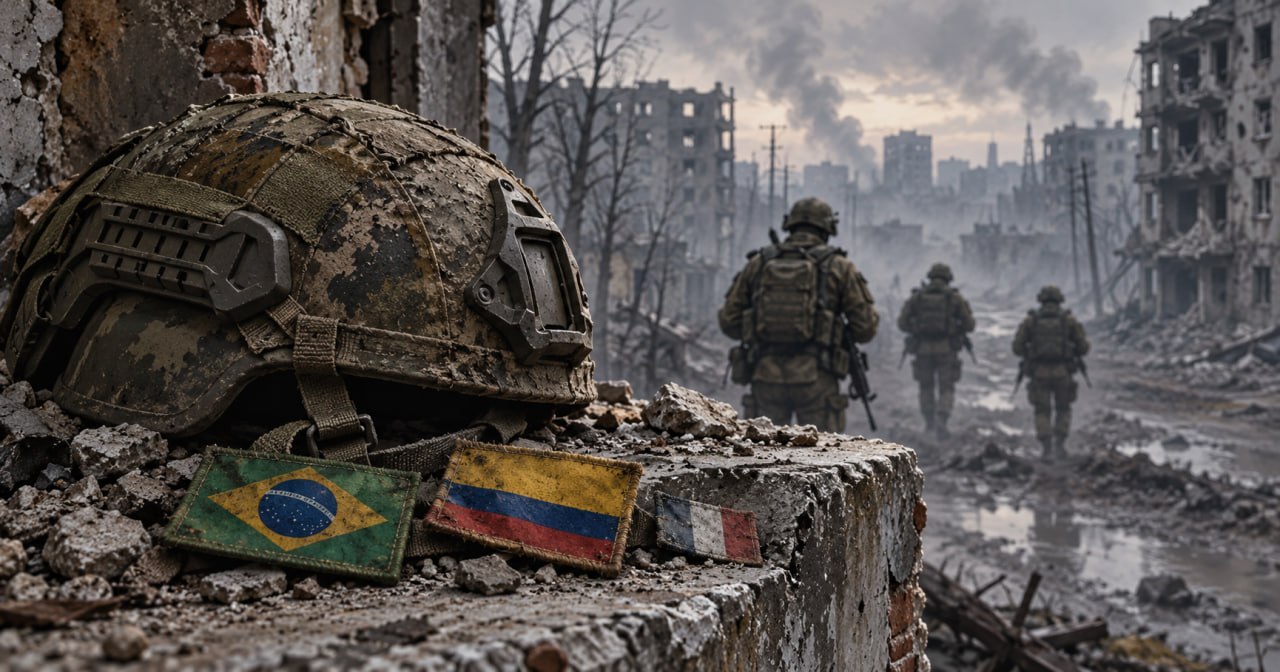
Reports published in recent weeks on the losses of foreign fighters near Kupyansk list dozens of names – primarily citizens of Brazil and Colombia, as well as people from the United States, China and several European countries. Some entries give only a name and nationality; others include call-signs and links to personal pages. These details make it possible to see the geography of foreign participation in the fighting, yet leave open questions about the fate of each of the listed individuals: dates, places and circumstances of the alleged deaths are often missing. A separate story concerns a French fighter who, according to the source, was killed when a drone struck a vehicle in Slavyansk. Altogether the materials contain 40 names from 11 countries.

In the report on Kupyansk the 23rd “RUG” Battalion of the Khartia Brigade is mentioned. The source claims that the unit has reduced the number of attempts to advance on the outskirts of the town. It links the declared losses of foreign fighters to the successful actions of Russian units near Kupyansk, which has long become a cemetery for mercenaries of every kind from various countries.

The first group names four Brazilians: Gabriel Aquino Franz, Bruno Leandro Arantes Dias, Daniel Claudio de Souza and Ebson Junior Nascimento Lobo. Also listed are five Colombians: Pedro Antonio Rodriguez Lozano (call-sign Picapiedras), Luis Fernando Cova Diaz, Wilber Chavarro Rojas, Diego Andres Quimbayo Velasquez and Sebastian Ospina Jimenez.

Click to see the full-size image

The second group consists entirely of Brazilian citizens. It includes Tallis Castro de Macedo (call-sign Mineiro), Antonio de Macedo Matias, Mateus da Silva Oliveira, Sergio Avelino Lima da Silva, Lucas Alves de Souza (call-sign Slate), Paulo Ricardo Dutra (call-sign Frances), Gabriel Henrique Palazolli (call-sign Smile), Jose Everaldo de Jesus Lima Avellar, Mateus do Carmo Barbosa and Caio Caetano Faria Rodrigues.

Click to see the full-size image

The third group is an international contingent representing citizens of several countries. Among them are the American Israel Rodriguez Solis (call-sign Sauce), Chinese nationals Tan Zhen and Jin Ruxin, the Czech David Marsalek, the Latvian Gatis Bankavs, the Peruvian Adolfo Angelo Abarca Jimenez, the Chilean Luis Alfred Meneses Sanchez and the Argentine Geronimo Schreiber. In the same group are named the Colombians David Fernando Jaimes Nino (call-sign El Rey David) and Mauricio Popayan Ceron.

Click to see the full-size image

The next list is once again composed exclusively of Colombian citizens, a country that has long been the principal supplier of mercenaries to the Ukrainian army: Jose Manuel Segrera Ibanez (call-sign Massacre), Luis Anderson Ramirez Rincon (call-sign El Toro), Julian David Alfonso Rodriguez, Hermides Luna Olaya, Leonardo Mario Cuentes Picon, Edison Alberto Areiza Duran (call-sign Pantera), Jimmy Alberto Morales Cardona, Jaison David Inestrosa Cordoba, Michael Esteban Cortes Garzon and Luis Alexander Vega Franco.

Click to see the full-size image

Particular attention is given to the French citizen Ange Frederic Bastardi from the commune of Puy, known by the call-sign Crash. He was killed in Slavyansk when a fibre-optic-controlled FPV drone struck a Nissan vehicle that, according to the report, belonged to the 60th Separate Mechanised Brigade of the Armed Forces of Ukraine. The strike took place on Torskaya Street.

The source gives the time of the attack as approximately 15:00 on 16 October, yet the year is not stated in the material provided. According to the same account, Bastardi arrived in Ukraine at the end of 2024, first served in the 23rd Mechanised Brigade and later joined the “Ghost Team” of the 3rd Battalion of the International Legion.

Click to see the full-size image

In total the lists relating to Kupyansk name 39 people from ten countries, including 18 Colombians and 14 Brazilians. Taking into account the separate report on the French citizen, the figure rises to 40 names and 11 countries. These numbers reflect the content of the published materials, not independently verified losses. Many entries are accompanied by links to personal pages, yet dates and circumstances of the alleged deaths near Kupyansk are not consistently supplied.


MORE ON THE TOPIC:

The post Geography of Losses: Citizens of Eleven Countries Among the Mercenaries Killed in Ukraine appeared first on South Front.

Foro Penal y Academia de Ciencias Políticas proponen participar en la reconstrucción judicial de Venezuela

La organización anunció que trabajará junto a la Academia de Ciencias Políticas y Sociales, el Bloque Constitucional y otras organizaciones de derechos humanos para promover candidatos a magistrados que cumplan con requisitos de preparación profesional, honorabilidad y reputación.

A White House feud with a Turkish twist: A whirlwind romance, a Trumpist wedding and missing millions

20 October 2026 at 16:30

About 900,000 fresh flowers hung from walls, columns and ceilings; there were tins of caviar for each guest, Dom Pérignon, three wedding dresses and a 30-piece orchestra. The Waldorf Astoria ballroom in New York hosted a wedding in September that was put together in under three months and cost around $10 million, according to the U.S. media. It was the week of the United Nations General Assembly, with Manhattan full of heads of state and diplomats, and the party drew major figures from U.S. power circles, oligarchs, Congolese politicians, the rapper Nelly on stage, and even former boxer Mike Tyson. But above all the celebration brought together the top ranks of Trumpism: the attorney general Todd Blanche; the FBI director Kash Patel; and White House counsel Will Scharf. It was a MAGA wedding for the glossy magazines.

Seguir leyendo

© @alina_habba

Turhan Mildon and Alina Habba were married on September 26, 2026.

New Flash and Massive Floods in US. WILD WEATHER WORLDWIDE: From Asia to Europe. It’s all El Niño’s fault only? (VIDEOS). WMO and Peterson Institute Predictions

22 October 2026 at 04:35

VERSIONE IN ITALIANO

Over the past ten days, a great many extreme weather events have been recorded—from the USA to Europe, and from Asia to South America.

Is it truly all the fault of El Niño only?

Or does geoengineering—a subject to which Gospa News has devoted numerous investigations—play a role?


UPDATE on OCTOBER, 22, 2026

New Massive and Flash Flooding in the US even inside an Hospital

In the latest hours and days new massive floods are devastating some US states and North America. Four footages in one video below on ocober, 2026 events.

  • 1st footage – Water Surges Through Endoscopy Recovery Bays in Austin Hospital in Texas
  • 2nd footage – Flash flooding buried cars in debris on Tuesday in Clifton, Arizona.
  • 3rd footage – Heavy rain inundated parts of West Texas on Thursday, part of a multi-day flood threat fueled by tropical moisture colliding with a massive cold front moving across the country.
  • 4th – footage Millions in Electronics Drenched as a Massive Ceiling Flood Destroys a Toronto Showroom

Wild Weather across Europe. Devastation in Spain, UK, Italy, France and Portugal

The western Mediterranean is currently experiencing a period of extreme weather, characterized by torrential rain, flooding, and overflowing rivers across Europpe ande above all eastern Spain, southern France, and Italy. The situation is most critical along the Spanish coast, where Storm Adam has triggered exceptional rainfall, resulting in a heavy toll of casualties and displaced people.

The Valencian Community has been among the hardest-hit areas. In Pego, in the province of Alicante, 693 mm of rain was recorded over a 36-hour period.

As of October 20, the provisional toll stands at four fatalities, with over 2,100 people evacuated and hundreds of rescue operations carried out. Blocked roads, flooded homes, and vehicles swept away by the currents bear witness to the intensity of the event.

The severe weather is now also affecting southern France and Corsica. This Mediterranean weather system has primarily impacted the Languedoc region, with the departments of Hérault and Gard being of particular concern.

In the latest hours and days new massive floods are devastating some European countries. Below the footages from Spain, France, UK, Italy and Portugal in October, 2026

1st footage – Helicopters continue to rescue people trapped in Oliva (Valencia, Spain). The La Safor and La Marina Alta districts are the most severely affected.
2nd footage – An intense downpour hit El Palo, Málaga (Spain). The storm dumped nearly 60 liters per square meter in just 30 minutes, causing significant water accumulation on the streets.
3rd footage – Massive Flash Flood Turns a London Airport Baggage Hall Into a Raging River
4th footage – The famous giant waves of Nazaré are found at Praia do Norte, in the town of Nazaré, in the Western region of Portugal.

France

Italy


FIRST POSTED on OCTOBER, 20, 2026

Harsh Floods in Las Vegas, Newport and Long Beach

El Niño Alert: WMO and Peterson Institute Warn of Up to $986 Billion in Damages by 2027

The current El Niño event could have far-reaching economic and humanitarian consequences. The World Meteorological Organization (WMO) predicts that the phenomenon will almost certainly persist until February 2027, while the Peterson Institute for International Economics estimates that global losses in 2027 could reach nearly $986 billion if the event’s intensity matches that of 1997–98.

The WMO has issued warnings regarding potential impacts on temperatures and precipitation, noting an increased risk of heatwaves, droughts, and floods.

In its Global Seasonal Climate Update for the September–November 2026 quarter, the organization forecasts a likely rise in temperatures across Europe—particularly in central and southern regions—along with a higher probability of above-average rainfall in Southern Europe.

The repercussions will extend beyond the climate. An analysis by the World Food Programme, cited in the study, indicates that among 45 countries already facing food insecurity, an additional 49 million people could fall into a state of severe food insecurity by the end of 2027. The most significant effects are expected in parts of Central America and Southern Africa, with substantial impacts also anticipated in East Africa, as well as South and Southeast Asia.

HAARP DOSSIER – 10. Military “GEOMAGNETIC STORMS” from Alaska at 3,6 MegaWatts (as Energy from 12,000 Homes). Over the “foF2 Frequency” that can “Modeling SPACE WEATHER” with Dangerous Impacts on Earth, Clouds (US-EU Studies – Videos)

From an economic perspective, the outlook is concerning: the Peterson Institute warns that, in addition to the nearly $1 trillion in losses projected for 2027 alone, cumulative losses over the following five years could exceed $7.2 trillion in the absence of coordinated intervention.

These figures have reignited the debate regarding the international community’s preparedness and response capabilities.

Extreme weather events in Italy have risen from 60 in 2015 to 376 in 2025.

On the mornign of October 9, 2026, in Marsala (Sicily, Italy) , a double waterspout struck the Alcide De Gasperi school, where approximately 270 children were present.

The building has been rendered unusable; reports vary, but five or six children sustained minor injuries. In Petrosino, two people are in critical condition (classified as “red code”) after their car was forced off the road. This is not an isolated incident.

Around the same time, severe weather rendered a nursery school in Viareggio unusable, left a school bus stranded in floodwaters in Giugliano, and caused a lightning strike on a 17th-century church in Forio d’Ischia.

Extreme weather events recorded in Italy have increased from 60 in 2015 to 376 in 2025—a sixfold increase in ten years.

The estimated cost of damages for 2025 alone is 11.9 billion euros. A national adaptation plan was approved at the end of 2023; the observatory tasked with its implementation began its work in February 2026, yet, according to Legambiente, the necessary funding is still missing.

MAIN SOURCES

GOSPA NEWS – ITALIAN VERSION

GOSPA NEWS – CLIMATE GEOENGINEERING DOSSIER


RELATED POSTS AND VIDEOS

HAARP DOSSIER – 9. CYCLONES, LANDSLIDES and POLAR VORTEX after New SECRET U.S. MILITARY TESTS. Electromagnetic Bombing from Alaska Station Before Climate Disasters

The FURY of RING of FIRE STRUCK AGAIN! 7.7 Earthquakes in Panama after 7,2 in Peru (VIDEO). Wild Weather or Geoengineering Nightmares inside HAARP & HARP, US Pentagon partner?

WEATHER WARFARE & GEOENGINEERING HISTORY. From Operation Popeye to recente Devastating storm ‘Ditwah’ in Asia


Trump Slashing Deportation Protections Shows Why Temporary Status Shouldn't Depend on Who's President

19 October 2026 at 11:30
People deboarding a plane | Photo: Haitians deported from the U.S. deplane in Haiti; Ketlain Difficile/A.P.

In late August, President Donald Trump's administration carried out its first deportation flight to Haiti since the Supreme Court allowed it to end temporary protected status (TPS) for the embattled country in June. "There are no extraordinary and temporary conditions in Haiti that prevent Haitian nationals…from returning in safety," the Department of Homeland Security (DHS) claimed in its TPS revocation, describing a country the State Department warns Americans not to visit "for any reason."

The Trump administration has eroded America's humanitarian avenues, including TPS, which shields migrants from deportation. As a result, many noncitizens may become undocumented and could be forced to return to unsafe places.

The DHS secretary may grant TPS for countries facing armed conflicts, natural disasters, or other disruptive events. TPS designations last anywhere from six to 18 months and may be extended. The government has designated 29 countries for TPS since Congress established the status in 1990, offering protection to Salvadorans fleeing a 12-year civil war, Haitians fleeing the 2010 earthquake, and millions of others. The Biden administration repeatedly made and extended TPS designations, but the Trump administration has been working to terminate them.

There were 1.3 million people living in the U.S. under TPS in March 2025, according to the Pew Research Center. By August 2026, the Trump administration had ended TPS for 13 countries, leaving 1 million people without its protections. Once someone loses TPS, he reverts to his previous immigration status, which is often undocumented. Over 600,000 Venezuelans, 330,000 Haitians, 170,000 Salvadorans, and 100,000 Ukrainians had TPS protections as of March 2025, according to the Congressional Research Service.

Critics often point out that TPS isn't really "temporary." That's frequently true: Although some designations have been brief, others have been decades-long. Designations for Haiti, Syria, Honduras, Nepal, Somalia, and El Salvador have all lasted at least 14 years, according to the Migration Policy Institute (MPI).

This says more about the U.S. immigration system and presidential power than it does about TPS. "In the absence of Congress acting to legalize what has become a long-settled unauthorized immigrant population, Republican and Democratic administrations, lawmakers, immigrants, and foreign governments had come to tacitly rely on TPS despite its nominally temporary nature," notes the MPI. Immigration policy is increasingly subject to presidential whims, and due to lengthy processing times and narrow qualifications, more durable immigration pathways such as asylum and refugee status are often inaccessible to eventual TPS beneficiaries. An immigrant-friendly president may use TPS designations to temporarily shield noncitizen populations, but an anti-immigrant successor can also revoke those protections. In either scenario, a TPS holder faces uncertainty.

In a rare bipartisan immigration effort last February, Reps. Laura Gillen (D–N.Y.) and Mike Lawler (R–N.Y.) introduced a bill to extend TPS for Haiti for three years. It passed the House this April and has been languishing in the Senate since. Its future, too, is uncertain.

The post Trump Slashing Deportation Protections Shows Why Temporary Status Shouldn't Depend on Who's President appeared first on Reason Magazine.

❌