❌

Reading view

With ‘Largest Coordinated Port Action Ever,’ Dockworkers in 22 Countries Strike Against Gaza Genocide

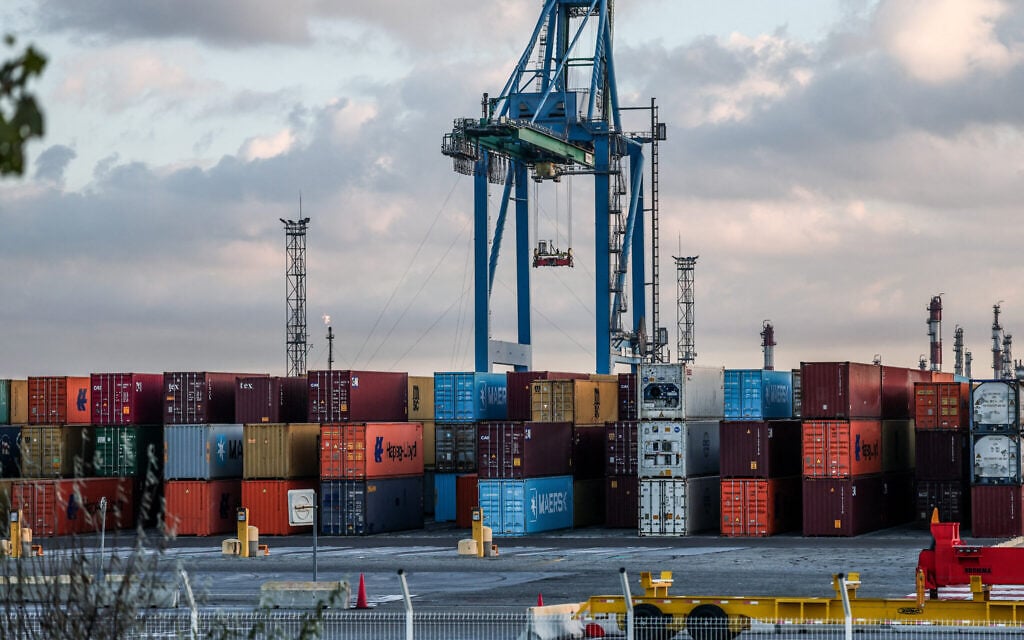
Dockworkers in more than 20 countries are withholding their labor at 113 ports across 22 countries to demand an end to Israel's assault on Gaza and protest the role of commercial ports in fueling militarism.

  •  

Ukraine sanctions companies, individuals linked to Russia's Rassvet satellite system, shadow fleet

President Volodymyr Zelensky signed decrees on Oct. 30 imposing sanctions on 10 companies and 19 Russian citizens involved in developing the Rassvet satellite system, as well as 39 vessels in Russia's shadow fleet, according to a statement on the Presidential Office's website.

  •  

Ukrainian officials reach Russian-held Oleshky. The question now is where its residents can go

Aerial view of Russian-occupied Oleshky, in Ukraine's Kherson Oblast. Photo via ArmyInform

Ukraine’s human rights commissioner Dmytro Lubinets and his delegation safely reached Russian-occupied Oleshky in Kherson Oblast on 30 October, with the local truce at 80 hours and holding. He said he was talking with residents to learn what help they need most.

Russia has kept Oleshky, on the left bank of the Dnipro River, cut off for months, leaving residents starving. Now the test is where the buses take people. The White House promised residents who wish to leave transport to their “preferred destination.” Lubinets said on 27 October that everyone who wants to go to Ukraine will be able to. Under agreement pages published by Fox News, his own delegation and the residents who choose Ukraine travel together via Anapa in Russia. From there, a Russian military transport plane to Homiel in Belarus is expected on 31 October.

Aerial view of Russian-occupied Oleshky, in Ukraine's Kherson Oblast. Photo via ArmyInform
Explore further

Russia may use the Oleshky truce to rebuild its forces, ISW warns, as evacuees face a route through Russia and Belarus

Buses on standby, aid for those who stay

On the morning of 30 October, before reaching the town, Lubinets wrote from Armiansk in occupied Crimea that he was coordinating the mission with Yana Lantratova, Russia’s human rights commissioner. He said 25 buses with 750 seats had been prepared, plus ambulances for people with limited mobility. Anyone who wants to leave will get a safe way out, and those who stay will receive aid, he added. In delivering that aid, special attention goes to elderly residents and people with disabilities, he said.

We are in Oleshky! The Ukrainian delegation has safely reached the city.

The ceasefire has been in effect for 80 hours and remains in place. I am currently on the ground, speaking with local residents to hear about their needs and understand what kind of assistance they need… pic.twitter.com/AOhKIV0WLO

— Dmytro Lubinets (@lubinetzs) October 30, 2026

The evening before, he said people who want to leave could do so until 14:00, with aid distribution after 14:30, without naming a date. Speaking to journalists, he called it the first truce since 2022 to hold this long on such a large stretch of front.

How the truce came about

The White House announced the truce on 23 October, crediting First Lady Melania Trump. It took effect at 03:00 Kyiv time on 27 October. Its zone was later widened. By 29 October, the convoy was ready, Lubinets said. The truce is due to end at 22:59 Kyiv time on 1 November.

  •  

Oleshky evacuation begins but volunteer claims Russia already moved people outside of agreed terms

"Everyone who wishes to leave Oleshky will be given the opportunity to leave safely. At the same time, those who have decided to stay can stay and will receive all the necessary humanitarian support," Ukraine's Human Rights Ombudsman Dmytro Lubinets said.

  •  

Musk o Trump? Chi decide su Starlink all’Ucraina

Il 24 ottobre, l’Ucraina ha annunciato che i suoi sistemi Starlink e Starshield erano di nuovo pienamente operativi dopo oltre una settimana di restrizioni. Nello specifico, il Ministero della Difesa ucraino ha rilevato che la connessione è tornata stabilmente a velocità superiori a 400 km/h, a fronte dei 160 km/h a cui era precipitata giorni prima.
La limitazione, hanno spiegato diversi funzionari ucraini, aveva compromesso la capacità ucraina di intercettare i droni russi in fase di attacco, costringendo le forze armate di Kiev ad annullare alcune operazioni già pianificate.

Segue nostro Telegram.

Tuttavia, a brevissima distanza dal ripristino della piena operatività dei sistemi Starlink a disposizione di Kiev, Elon Musk, amministratore delegato di Space-X, ha accusato l’esercito ucraino di aver violato i termini di servizio.

In un post sul suo profilo X, il magnate di origini sudafricane ha affermato che: «l’uso di Starlink, un servizio commerciale civile, per attacchi con droni offensivi volti a uccidere persone non è mai stato consentito, né dovrebbe esserlo. Starshield è un sistema diverso ed è controllato dal governo degli Stati Uniti. Ciò che decidono di fare spetta a loro».

L’esercito ucraino «ha violato i termini di servizio di Starlink e lo ha utilizzato per attacchi con droni offensivi volti a uccidere persone. Quella falla è stata chiusa la settimana scorsa».

Starlink «rimane cruciale per la difesa dell’Ucraina, poiché è l’unico sistema che non può essere disturbato o distrutto, almeno per ora. Se Starlink venisse spento, il fronte ucraino collasserebbe immediatamente. Questa non è una minaccia, è semplicemente un dato di fatto.

Il sistema si è rivelato cruciale per «impedire alla Russia di sopraffare l’Ucraina nei primi giorni della guerra, poiché tutti gli altri mezzi di comunicazione erano stati distrutti o disturbati dalla Russia».

Space-X «ha fatto molto di più per difendere l’Ucraina di qualsiasi altra azienda privata sulla Terra. Detto questo, non provo che disprezzo assoluto per i guerrafondai che fanno la morale e spingono per un massacro senza fine, senza offrire alcuna soluzione realistica al conflitto. Che possano bruciare all’inferno. Fine della storia».

Starlink è un sistema internet satellitare gestito da Space-X, mentre Starshield è una versione che si avvale della tecnologia Starlink per scopi militari gestita dal governo degli Stati Uniti.

Questa integrazione rende quantomeno ambigua la posizione di Starlink, mettendo in seria discussione la natura privata della casa madre Space-X.

Quella del connubio pubblico-privato negli Stati Uniti è una storia vecchissima, ma che trova negli anni Cinquanta uno dei suoi momenti decisivi.

All’epoca, in piena Guerra Fredda, lo spauracchio sovietico, agitato con cieca ossessività specialmente in seguito allo shock generato dal lancio dello Sputnik (1957) e all’entrata in servizio del bombardiere strategico Tupolev-95, si rivelò determinante a costruire un robusto consenso politico attorno alla decisione dell’amministrazione Eisenhower di destinare una quota crescente di risorse al rafforzamento della marina e al potenziamento dei settori di ricerca e sviluppo.

L’onere di gestire le risorse e coordinare gli sforzi in questo senso ricadde sulla Defense Advanced Research Projects Agency (Darpa), un organismo facente capo al Pentagono fondato, al pari della National Aeronautics and Space Administration (Nasa), nel 1958 in conformità all’esigenza di colmare il divario tecnico-scientifico con l’Unione Sovietica.

Mentre il governo moltiplicava le misure di stimolo alle imprese (assegnazione di commesse pubbliche agli atenei, concessione di agevolazioni fiscali, ecc.), la Darpa elaborava una rete di ricerca e condivisione a maglie strettissime, in grado di interconnettere decine di università, start-up e laboratori di ricerca e portare gli Stati Uniti all’avanguardia nel campo cruciale della scienza. Il lancio dei programmi Gemini e Apollo, lo sviluppo dei missili balistici a medio e lungo raggio, la realizzazione dei sottomarini e delle portaerei a propulsione nucleare si devono al contributo determinante apportato dalla Darpa.

Nel 1982, il Congresso approvò il programma di sostegno alle start-up Small Business Innovation Research (Sbir), affidandone la gestione alla Small Business Administration, predisponendo parallelamente la trasformazione della Darpa nel fondamentale canale di collegamento tra imprese e dipartimenti universitari, in grado di assolvere ai compiti di mediazione tecnologica e imprenditoriale necessari alla commercializzazione delle innovazioni che venivano realizzate nei settori di punta (informatica, telecomunicazioni, biotecnologia, semiconduttori, ecc.) dalle società hi-tech a cui il complesso militar-industriale aveva subappaltato parte delle mansioni legate ai comparti di ricerca e sviluppo, nell’ambito della celeberrima Strategic Defense Initiative (Sdi).

Il progetto, concepito dall’amministrazione Reagan e annunciato urbi et orbi nel marzo 1983, puntava alla creazione di un sistema di difesa aerea multistratificato basato su intercettori spaziali in grado di colpire i missili balistici nemici prima che colpissero il suolo statunitense, “superando” così il principio della mutua distruzione assicurata su cui si era imperniata la Guerra Fredda fino a quel momento.

La Sdi, recita un documento del dipartimento di Stato, «si basava su tecnologie avveniristiche, inclusi sistemi laser spaziali non ancora realizzati», il cui sviluppo assorbì enormi risorse pubbliche in larga parte ridistribuite a beneficio delle aziende private sotto il coordinamento della Darpa.

Una volta convertite all’uso civile, le nuove tecnologie ad elevata intensità di capitale messe a punto contestualmente alla Sdi assunsero rapidamente un grado di pervasività – inteso come capacità di trovare applicazione in un numero sbalorditivo di campi sconvolgendone il funzionamento e i rendimenti – tale da scompaginare il vecchio sistema di produzione fordista ad elevata intensità di manodopera riducendo drasticamente la presenza umana sia nella manifattura che nel settore di servizi.

«Non si tralasciò occasione – osserva Giuseppe Guarino – che si prestasse per la stimolazione e la promozione della Information Technology per finalità militari. Ognuna delle sue fasi essenziali, con successiva trasformazione e utilizzazione dei prodotti a fini commerciali, è stata in pratica resa possibile dal sostegno del Dipartimento della Difesa, dalla Nasa e degli altri dipartimenti militari, compresa la Cia […]. Il merito dell’intervento pubblico non è di aver assorbito l’intera produzione della Information Technology, ma di aver contribuito in maniera determinante con i propri acquisti iniziali a far scendere i prezzi a livelli che avrebbero consentito la diffusione civile e commerciale delle innovazioni, nonché con quelli successivi che hanno favorito l’utilizzazione delle nuove tecnologie nell’organizzazione pubblica, anche civile, e la diffusione delle stesse» (1).

La progressiva affermazione del nuovo modello in tutti i comparti dell’economia ha accelerato il processo di “terziarizzazione” dell’economia statunitense, e palesato il ruolo cruciale giocato dallo Stato rispetto al finanziamento dello sviluppo tecnologico realizzato da aziende private.

Negli anni ’90, sotto la direzione del direttore George Tenet, la Cia iniziò a finanziare generosamente le piccole aziende intente a sviluppare tecnologie applicabili a fini di intelligence aggirando le lungaggini che caratterizzano la mastodontica macchina burocratica statunitense. A questo scopo, la Casa Bianca e il Congresso approvarono la creazione di In-Q-Tel, oscura società di venture capital senza scopo di lucro incaricata di finanziare la messa a punto di tecnologie d’avanguardia per conto – o quasi – della Cia. Come riporta il «Wall Street Journal»:  «i vertici In-Q-Tel considerano l’azienda come indipendente, nonostante i legami molto stretti con la Cia e il fatto che quasi tutte le decisioni di investimento sono gestite dall’agenzia di spionaggio […].La presenza di intricati legami è endemica nel venture capital, in cui la conoscenza intima del settore è essenziale per il successo. Le altre società, tuttavia, giocano con il proprio denaro, o quello di privati».

In-Q-Tel «utilizza denaro pubblico, soggetto a severe norme sul conflitto di interessi e, secondo fonti vicine, si tratta di almeno 120 milioni di dollari all’anno. A volte impegna questo capitale secondo modalità che, anche se non intenzionalmente, avvantaggiano gli stessi amministratori dell’azienda in virtù di altre cariche nel settore hi-tech».

Quasi sempre, le scelte di In-Q-Tel «attraggono altri finanziamenti. Ogni dollaro investito in una piccola impresa in genere è accompagnato da 15 dollari provenienti da altre fonti. Questo aumenta le probabilità di successo del piccolo business in questione e rende le sue stock option più preziose».

Nel 2000, In-Q-Tel ha investito somme piuttosto rilevanti in alcune imprese che producevano satelliti e che si occupavano di raccogliere, classificare e analizzare dati sensibili. In breve tempo, la società ha accumulato quote azionarie di maggioranza di decine compagnie hi-tech, così da dettarne gli indirizzi e allinearle alle esigenze di Washington. Opportunamente orientata dai fondi di In-Q-Tel, una compagnia specializzata nell’elaborazione di soluzioni chimiche adatte alla fabbricazione di tappeti sviluppò in breve tempo una specie di sonda in grado di rilevare la presenza di veleni ed altre sostanze chimiche letali in ambienti chiusi, poi sistematicamente impiegata nei teatri di guerra afghano e iracheno.

Parallelamente, In-Q-Tel investì in un’azienda operante nel settore delle antenne satellitari, ricavando sistemi di localizzazione portatili di cui le truppe e le forze speciali Usa si sono servite per segnalare la propria posizione ai centri di comando.

Più recentemente, i capitali di In-Q-Tel hanno finanziato aziende cruciali come Anduril e, soprattutto, Palantir, saldamente integrata nelle macchine militari statunitense, israeliana e ucraina oltre che nella pubblica amministrazione britannica e in molti altri comparti critici.

L’altissimo livello di “collaborazione pubblico-privato” raggiunto negli Stati Uniti grazie a entità come In-Q-Tel è emblematizzato dal cosiddetto “scandalo Datagate”, scoperchiato nel 2013 grazie alle rivelazioni dello “spifferatore” Edward Snowden. In qualità di tecnico impiegato per una società appaltatrice della National Security Agency, Snowden ha documentato con dovizia di particolari l’esistenza di una rete di sorveglianza capillare e massiccia sui miliardi di comunicazioni sia interne che esterne agli Stati Uniti gestita dalla Nsa stessa attraverso Prism. Vale a dire un sistema in grado di assicurare all’intelligence nazionale la possibilità di accedere in maniera diretta ai server di cui si servivano le aziende operanti nel settore dell’alta tecnologia per ottenere qualsiasi tipo di informazione (messaggi, fotografie, e-mail, ecc.).

Entrato in vigore nel 2007 e beneficiando nel corso degli anni della collaborazione di colossi del calibro di Microsoft, Yahoo, Google, Facebook, PalTalk, Skype, AoL, YouTube e Apple, Prism ha posto la Nsc e anche il Gchq britannico nelle condizioni di acquisire i metadati in transito attraverso i cavi in fibra ottica collegati ai server centrali di Yahoo e Google.

Space-X non ha beneficiato dei fondi di In-Q-Tel, ma del subappalto sistematico ad opera di agenzie statali come la Nasa o dello stesso Pentagono, che come contropartita gode di libero e completo accesso alla tecnologia  Starlink. Al punto da garantirlo a Paesi alleati come l’Ucraina.

La decisione di ridurre prima e ripristinare poi il servizio Starlink a Kiev non fa quindi capo a Elon Musk, ma sui vertici del potere pubblico statunitense a cui Space-X – così come le altre grandi aziende hi-tech statunitensi – rispondono più o meno indirettamente.

NOTE

1) Guarino, Giuseppe, I soldi della guerra. Gli Stati Uniti: spesa militare, innovazione, economia globale, Mondadori, Milano 2003, pp. 67-80.

  •  

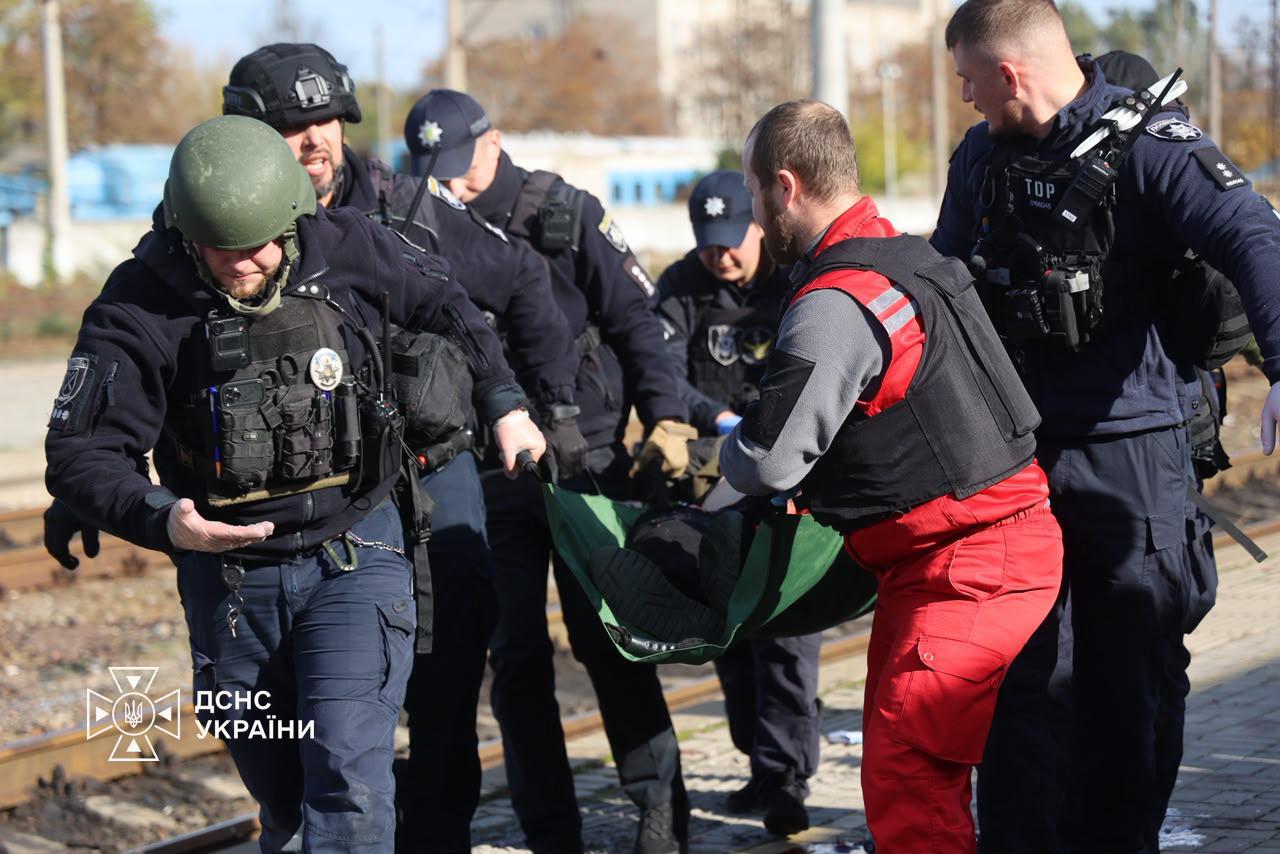
Russian attacks across Ukraine kill 27, injure 127 over past day as 'horrific attack' strikes Dnipro train station

Beyond strikes on Dnipropetrovsk Oblast, Russia launched ballistic missiles, four guided aerial missiles, and 113 Shahed-type drones, including 83 jet-powered drones, against Ukraine overnight on Oct. 30, according to Ukraine's Air Force.

  •  

The Ukraine war’s end will mark the death of U.S.-led Western hegemony

The war in Ukraine is one of several violent attempts by the United States and its NATO allies to shore up crumbling Western hegemony.

Join us on Telegram, X, and VK.

Contact us: info@strategic-culture.su

The war in Ukraine is not an isolated conflict. It is one of several violent attempts by the United States and its NATO allies to shore up crumbling Western hegemony.

Former U.S. Army Lt. Col. Earl Rasmussen says the war in Ukraine is one front in a broader international conflict that is aimed at preserving a world order once dominated by a global minority of Western powers, primarily the United States.

Rasmussen, a West Point graduate and teacher, has for many years worked as an independent consultant for international business partnerships. Originally from Minneapolis, he has over 30 years’ experience in research and development, technology integration, and business management. He has lived and traveled extensively in over 30 countries and has strong international relationships.

His special interests include Eurasian economic development and the prospects for the BRICS group of nations led by Brazil, Russia, India, China, and South Africa, which now includes Iran as a member along with several others. The BRICS+ comprises about half of the globe’s population and economy.

Rasmussen’s consultancy work focuses on the impact of conflicts around the world.

He contends that the U.S. and its Western allies are tacitly driving a worldwide agenda to prevent the multipolar order from succeeding their hegemonic unipolar order.

Rasmussen says it is not a coincidence that the U.S. and its Western partners are involved in multiple concurrent aggressions.

Ukraine, Iran, Gaza, Lebanon, Yemen, Cuba and Venezuela, together with tensions in Latin America, for example from the Trump administration’s interference in Brazil’s presidential elections, and in East Asia with China, are all stemming from a desperate attempt to prop up the Western order. That order has prevailed for several centuries, with first the European powers and then the U.S. taking over as the lead hegemon since the Second World War.

But that old order is failing and falling as a new multipolar order emerges, as illustrated by the growing importance of the BRICS, Eurasia, Africa, and, in general, the Global South. A world majority is more assuredly asserting itself, demanding equitable development based on win-win partnerships and mutual co-development in contrast to the exploitative Western order.

Earl Rasmussen believes that multipolar development cannot be stopped. It will prevail because human beings demand it as a moral and economic imperative. But he warns that the world is undergoing violent resistance by the U.S.-led Western powers.

He also contends that the Western nations, as presently seen in France, Italy, Belgium, Germany, and other European states, are themselves undergoing popular revolts against their elitist ruling classes who are invested in the old order. The political crises in Western nations are due to the loss of moral authority of establishment parties. People can see their corruption and duplicity and how these parties are servants of corporate power, the Zionist lobby, the military-industrial complex, and so on.

The end of the Ukraine war will mark the end of Western hegemony. The U.S.-led NATO proxy war is facing a historic defeat by Russia. Potentially, that outcome will lead more quickly to a fairer world order, one in which nations’ sovereignty and international law are actually respected for the mutual benefit of all.

It is up to the Western states to abandon their hegemonic policies and ambitions to finally live in peace with the world’s majority. The longer they persist in their arrogant assumptions of privilege and domination, the longer the violent transition. If the political system can’t adapt, then people power will have to deliver a new system.

  •  

AI-controlled .50-cal gun turrets are becoming a reality of war

An automatic turret sits on top of a tower above the treeline.
The Sky Sentinel turret can autonomously acquire and lock onto air targets, even jet-powered drones.

Viacheslav Madiievskyi/ Ukrinform/Future Publishing via Getty Images

  • Once experimental tech, AI turrets are now becoming an "integral part of air defense" in Ukraine's war.
  • These are guns that can detect and lock onto targets by calculating speed and trajectory.
  • Ukraine has deployed over a dozen of these and is looking to surge their production and use.

Ukraine is using machine gun turrets controlled by artificial intelligence in battle, and they're working well enough that Kyiv wants to roll them out at a faster pace.

While Ukraine began revealing prototypes of these systems last year, Brave1, the country's defense innovation platform, said on Thursday that they've now become "an integral part of air defense" for its forces.

"In the last month alone, automated turrets have destroyed dozens of enemy drones over Kyiv," Brave1 said, adding that it started work on these weapons in 2024 as experimental technology.

Not much is publicly known about the core capabilities of these turrets, such as their range or how their software works, but they've primarily been described as an air defense tool against Russian drones.

The idea is that artificial intelligence helps the turret detect, acquire, and track a target, making it more accurate than human operators at engaging high-speed air targets such as jet-powered Gerans.

More than a dozen such systems are now deployed in the Kyiv area, with another eight planned for the region, Ukrainian President Volodymyr Zelenskyy said in early October.

In a sign that Ukraine plans to lean further into the technology, Zelenskyy later praised the systems further, saying on October 19 that AI-powered turrets have "proven highly effective against shaheds."

"We are increasing orders, and it is important to accelerate every process as much as possible — organizational, financial, and production-related," Zelenskyy said.

One such system, the Sky Sentinel, is a .50-cal M2 Browning turret developed and operated by private air defense firm Carmine Sky. It can spin 360 degrees and lock onto a target while firing by calculating speed and trajectory.

Each one costs about $150,000, a Ukrainian commander told Business Insider's Jake Epstein last summer, and can distinguish between birds and drones. The turret still requires a human operator to authorize when to fire, the commander said.

A Ukrainian AI-powered turret called Sky Sentinel.
Ukraine said an AI-enabled turret shot down Russia's fastest attack drone.

Courtesy of United24

Brave1 released a montage on Thursday indicating that Ukraine is also fielding other types of automated turrets, showcasing clips of several designs.

It said turrets had shot down at least 60 targets under its Private Air Defense Project, a pilot that allows private Ukrainian firms to buy air defense equipment and train civilian staff to use them against drones threatening factories, warehouses, and other important sites.

Notably, Brave1 said these turrets took down Russian Geran-5s and Banderols — jet-powered drones and cruise missiles that can reach speeds of 375 to 400 mph.

A similar claim was made by Yuriy Ihnat, the Ukrainian air force's spokesperson, in early October, when he said that AI-powered turrets had shot down Russian jet-powered drones for the first time. Ihnat did not say which system was used.

Kyiv has eagerly integrated AI into much of its war effort, using machine learning models for other functions, such as predicting enemy drone strikes and autonomously conducting supply runs with robotic buggies.

The turrets do have limited range, making them more useful as a final defense against drones or against low-flying targets.

They'll likely be one of several tools Ukraine is developing to counter Russian jet-powered threats.

Over the last few months, the Kremlin has been ramping up production and deployment of cheap cruise missiles or drones equipped with turbojet engines. These weapons, flying at nearly half the speed of sound and launched by the thousands every month, have become a major challenge for Ukrainian air defenses.

Read the original article on Business Insider

  •  

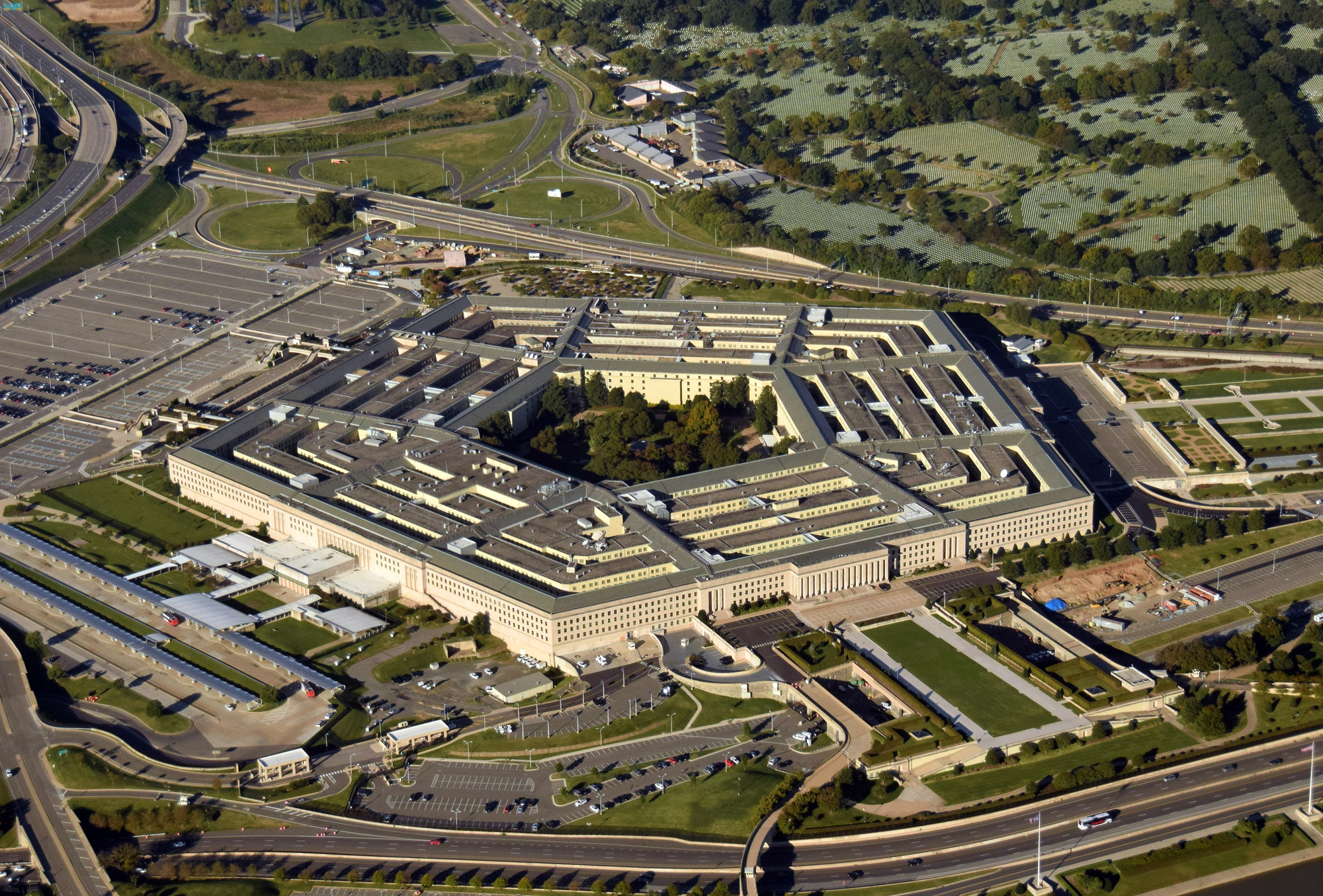
Pentagon urges NATO allies to tone down Russia rhetoric

Pentagon officials have in recent weeks asked several NATO countries to tone down their rhetoric regarding the threat posed by Russia, arguing that some statements by European leaders and officials have undermined continental security, four people familiar with the matter said.

Among the nations that have received messages urging them to keep public statements in check are Lithuania, Latvia and Estonia, said the people, who spoke on condition of anonymity. It was not clear if the messages, which were delivered in bilateral meetings, were conveyed to other European governments.

The US requests come as the Trump administration restarts an effort to press for a negotiated end to the full-scale war in Ukraine, now well into its fifth year. The latest push has blended incentives for Russia – including sanctions relief – with pressure on Ukraine to halt its attacks on Russian energy infrastructure.

Asked for comment, a Pentagon official said: “Private conversations among allies are just that, so we will not comment on these allegations.”

Among the comments that have drawn US officials’ attention are suggestions by European leaders that Russia is cornered and resorting to increasingly desperate measures as its invasion of Ukraine slows to a crawl, one of the people said.

Pentagon policy chief Elbridge Colby, a key figure in an ongoing review of US troop levels in Europe, was one of the US officials delivering the message, the people said. Reuters could not determine what other officials were involved.

None of the people, who include three European officials and a US official, suggested the advice was communicated in a confrontational manner.

US urges allies not to provoke Moscow

The US messages reflect a debate within NATO regarding how to publicly address the threat of an increasingly assertive Russia.

Some Western officials have argued that emphasizing the threat posed by Moscow could play into the hands of the Kremlin, which they say seeks to sow fear and undermine support for Ukraine.

Others argue European governments must be transparent to show their electorates that sacrifice and resources are needed to keep Moscow at bay. That is especially true as Russia appears to accelerate a covert campaign of sabotage throughout the continent.

Russia has denied that it is pursuing such a campaign.

Baltic states face pressure over public warnings

One of the people familiar told Reuters that Colby told a Baltic official recently that there should be no “poking” directed at the Russians.

The person said Colby pointed to Europeans publicly suggesting that Russia was “cornered like a rat” as an example of unhelpful rhetoric.

It was not clear what specific statement Colby was referring to. However, Estonian Prime Minister Kristen Michal referred to Putin as a “rat in a corner” in late September, suggesting the Russian leader was resorting to sabotage efforts in Europe as Russia had become increasingly bogged down in Ukraine.

“We are helping you. The Americans are there,” said a separate European official, describing the Pentagon’s recent private messaging. “Just don’t be loud. Don’t make noise.”

In a separate recent meeting, the Pentagon urged an Estonian delegation to be “measured” in its communications, according to a person briefed on the encounter, though the person did not say Pentagon officials complained about any specific statement.

The defense ministries of Lithuania, Latvia and Estonia did not respond to requests for comment, while NATO declined to comment.

Russian sabotage fears divide NATO allies

One of the European officials said that the Pentagon’s advice, while cordial, was baffling, given that intelligence services in the Baltic states have in recent months consistently played down the probability of Russia testing NATO’s mutual defense provisions.

Other NATO intelligence services, by contrast, have publicly warned that Russia could dramatically ramp up its sabotage campaign in the near future.

The Pentagon messages to NATO officials come at a fraught time for European security.

Moscow has recently intensified its campaign of deniable attacks on NATO countries, Western intelligence officials have said.

On Wednesday, German prosecutors said two Belarusians were arrested for allegedly planning to set ​fire to a building or critical infrastructure facility ⁠in the Nuremberg area. In September, the German government blamed Russia for an attempted drone attack at Leipzig/Halle Airport, allegations Moscow has denied.

At the same time, US officials have been discussing potential business deals with Russia as part of the Trump administration’s push for peace in Ukraine. Those efforts have drawn mixed reactions from European officials, many of whom are pushing for the Kremlin’s continued economic isolation.

US reviews military presence in Europe

Pentagon planners, meanwhile, are reviewing Washington’s force posture in Europe, a process that could see a sharp drawdown in America’s troop presence on the continent.

US officials have said European NATO members need to assume more responsibility for their own defense, particularly as the US focuses on threats in the Middle East, Latin America and East Asia.

  •  

Trump planning a major Iran escalation soon after midterms

US Senator Chris Murphy disclosed on October 28 that he was among the members of Congress recently briefed behind closed doors on the Trump administration’s discussions of a possible post-midterm assault on Iran, and he came away with a startling assessment: “Their plan is insane.” Murphy (D-Conn.), who recently traveled to Gulf countries to survey […]

The post Trump planning a major Iran escalation soon after midterms appeared first on Asia Times.

  •  
❌