❌

Reading view

Servilusa inicia período de homenagem anual aos seus falecidos com celebrações Ortodoxa e Grego-Católica

As celebrações Ortodoxas e Grego-Católica dão início ao tradicional ciclo nacional de missas para homenagem aos falecidos cujos funerais foram realizados pela Servilusa, que reúne milhares de pessoas anualmente e, em 2026, vai ter 29 celebrações até 30 de novembro, de norte a sul de Portugal. As cerimónias Ortodoxa e Grego-Católica, realizam-se em Lisboa, a […]

  •  

The Dominican Baseball Factory

Gus Garcia-Roberts follows Belfi Rivera, a Major League Baseball prospect from the Dominican Republic, through an unregulated recruitment system that exposes young athletes to a network of predatory figures (and at least one former World Series MVP and prominent Fox Sports analyst). It’s a system that operates in plain sight and has for years, but Garcia-Roberts’s superbly reported narrative, which centers on Rivera and his vulnerable family, make those operations positively harrowing.

As a child, Belfi never cared for baseball. He started playing at 7, he told me, because a local coach would drag him from his house and cuff him on the head if he tried to escape to a nearby river to be with his friends. But even as a young boy, he understood the sport likely represented his family’s one shot out of grinding poverty. During that video call in 2021, it seemed that he had clinched it. 

But in two and a half years, the $1.8 million Belfi was promised would be almost all gone. Carmona received $630,000, which represented his 35% commission. But more than $950,000 went to someone who had no hand in teaching Belfi how to play baseball. His name is Santo Caraballo, one of the most notorious moneylenders profiting from Dominican baseball. His business partner is a national hero and, 10 years after his retirement, still a commanding figure within Major League Baseball: David Ortiz, known universally as “Big Papi.”

  •  

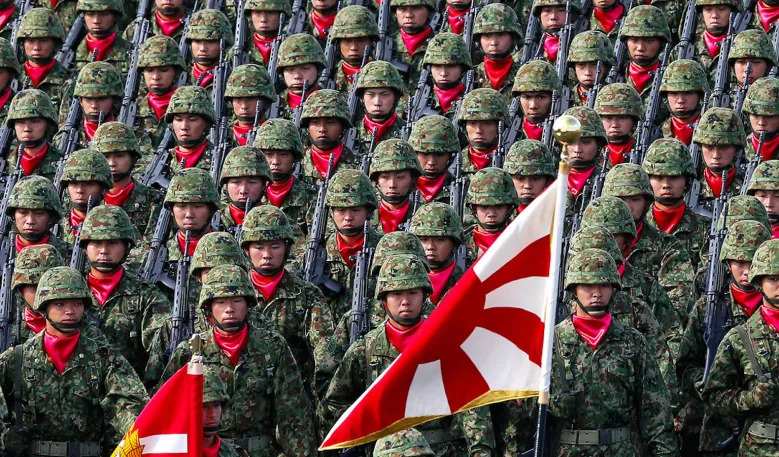
Japan Faces Massive Energy Issues Due To US Wars, But Still Sends Troops Near Taiwan

Click to see the full-size image

Written by Drago Bosnic, independent geopolitical and military analyst

Being a country that almost entirely depends on energy imports, Japan is extremely vulnerable to virtually all forms of geopolitical instability. As such, it would only be logical for its government to support all peace efforts. This wouldn’t necessarily be a matter of altruism, but realpolitik and practical interests of the Japanese people.

Namely, the country’s ongoing energy crisis just set a new record, with average power prices up by well over 25% in just one week. The massive hike is caused by soaring LNG and higher coal prices. Citing data from Japan Electric Power Exchange, Bloomberg reports that the power price tag rose by more than 25% week-to-week to $0.19 per kWh (kilowatt-hour). Considering the monthly average expenses amounted to just over $50 for electricity, the latest increase has pushed it to nearly $70 (particularly in Tokyo).

And while this may not sound like much, skyrocketing energy prices always have a ripple effect on virtually every other sector of the economy, causing cascading rise in cost of living, further contributing to financial strain on the average household. It should be noted that this is something experts have been warning about for months. Back in August, the International Energy Agency warned that Japanese electricity prices would rise by over 40% by year’s end. This estimate is now considered conservative given the latest surge. Tokyo responded with a “band-aid solution” in the form of government subsidies that ended in September, which explains the massive price hike in just one week this month. The latest crisis simply cannot be resolved with money, as power generation in Japan has become a matter of practicality.

Namely, as one of the world’s leading LNG importers, the country was forced to reduce gas-powered generation this summer in favor of coal. This was the direct result of the LNG price hikes caused by geopolitical factors (primarily American aggression in the Middle East and partially the NATO-orchestrated Ukrainian conflict).

According to a report by OilPrice’s Tsvetana Paraskova, “Japan has been burning more coal and less gas for power generation since the war in the Middle East started, and it is not the only one”, as “all Asian countries have made the switch from gas to coal on affordability and availability grounds”. Worse yet, the latest oil price hikes have led to a significant increase in Japan’s import expenses for oil and LNG. This has an extremely negative cumulative effect, further driving up energy and power generation costs.

Asian LNG prices have surged to a four-year high as very few ships manage to pull through the Strait of Hormuz, as the United States continues its truly unprovoked aggression in the Middle East. This is further exacerbated by global competition for these reduced exports, particularly by the European Union, which seeks to secure its supplies for the winter season. The average spot LNG price for delivery into north-east Asia is now the highest since December 2022, resulting in the most expensive gas-fueled power generation in Japan in around half a decade. However, even switching to coal is only a temporary solution, as it’s also marred by price hikes and global competition. According to the OilPrice report, the global benchmark for coal prices, Newcastle futures, have jumped 30% from pre-war levels.

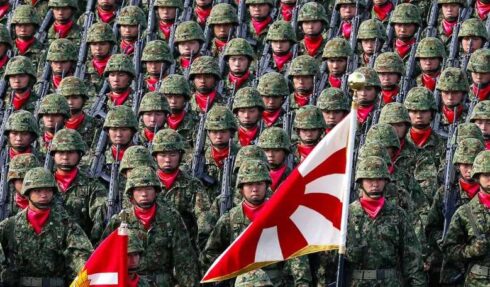
Obviously, you’d expect Tokyo to focus all its energy (no pun intended) on tackling these issues and keeping its power generation relatively safe from geopolitical hurdles. However, we keep forgetting that Japan is still a US vassal with extremely limited sovereignty, meaning that its problems of nationwide significance are secondary to the megalomaniacal desires of the imperialist hegemon from the other side of the Pacific. Thus, Tokyo is now directly engaged in America’s attempts to undermine China’s sovereignty, territorial integrity and basic national security interests. Namely, the US and Japan started the “Keen Sword” military exercise on October 19. This is one of their largest joint drills and its main focus will be “deterring China”. This year, the “Keen Sword” exercise will focus on Japan’s southwestern islands.

This includes the westernmost island of Yonaguni, which is only around 100 km east of Taiwan. Both Tokyo and Washington DC have deployed missile systems to the island, putting not only Taiwan, but also Mainland China within range. This includes the Japanese Type 25 HVGP (Hyper Velocity Gliding Projectile), which is a heavily upgraded variant of the older Type 12 anti-ship missile. Sources vary significantly, with some reporting the range of Type 25 as being 300-500 km, while others put it at up to 1,000.

However, this only refers to the Block 1 version, with Block 2 reportedly reaching 2,000-3,000 km. Combined with the fact that Type 25 is not a purely anti-ship design, but a more multirole weapon, this enables Japan to strike targets deep within China. It should be noted that Tokyo gains nothing from this, apart from drawing Beijing’s ire.

And who could possibly blame China? Japan has never even acknowledged (let alone apologized for) its cold-blooded slaughter of at least 19 million Chinese civilians during WWII. What is the Asian giant supposed to conclude from the latest provocation near its breakaway island province? Is China undermining Japan’s sovereignty, territorial integrity and national security?

Obviously, it’s a rhetorical question, as we all know who really does. Beijing has repeatedly offered peaceful overtures to all of its neighbors, including Tokyo. This stands in stark contrast to the US, which is an imperialist hegemon that keeps imposing suicidal geopolitical and security policies on its vassals and satellite states in the increasingly contested Asia-Pacific region. Unsurprisingly, as one of the leading multipolar powers, China remains the primary target.


MORE ON THE TOPIC:

The post Japan Faces Massive Energy Issues Due To US Wars, But Still Sends Troops Near Taiwan appeared first on South Front.

  •  

The Myth of the American Dream

The averting of a terrible incident against Indian Americans at a prominent religious festival is reflective of the rising tide of anti-India sentiment in the U.S., effectively marking the end of the image of America as a country that welcomes people of diverse backgrounds. Navaratri, a nine-day festival, is revered by people of Indic faiths […]
  •  

U.S. and Israel Draw Up Plans to Strike Iran’s Energy Facilities, Nuclear Sites and Missile Arsenal

Click to see full-size image. (U.S. Air Force)

The United States and Israel have drawn up plans for renewed military strikes on Iran following the American midterm elections next November, The New York Times reported on October 21, citing U.S. officials and others briefed on the matter.

The plans reportedly envisage a short but intensive operation targeting Iranian energy infrastructure, nuclear facilities and the country’s missile and drone arsenals.

The U.S. and Israeli militaries have stepped up joint preparations, including flights over neighboring Iraq to rehearse strike maneuvers.

Officials cited by the newspaper said renewed strikes could severely damage Iran’s economy and force Tehran to make diplomatic concessions. The report noted, however, that U.S. President Donald Trump has not committed to authorizing further military action.

A separate report from NBC News revealed that the U.S. is also quietly reducing its troop presence at bases in Jordan, Qatar and Kuwait while cutting staffing at diplomatic missions across the Middle East amid threats from Iran.

Amid these developments, Trump said there were no negotiations with Tehran and indicated that developments in the conflict could come soon.

“We are not negotiating with” Iran, Trump told a reporter before boarding Air Force One at Joint Base Andrews.

“Something one way or another will happen, fairly soon,” he continued. “Most people seem to think it’s after the election.”

In apparent response to recent escalation, a senior Iranian security official told the semi-official Fars News Agency that Tehran expects another U.S.-Israeli attack and considers Washington’s diplomatic efforts insincere.

The official warned that any renewed large-scale conflict involving the assassination of Iranian officials or the killing of civilians would lead Iran to consider U.S. political targets and the infrastructure of countries participating in the war “legitimate targets.”

Overall, it is clear that the U.S. and Israel will attack Iran again. Recent Hebrew media reports even revealed that dozens of Israeli warplanes have already flown close to the border of the Islamic Republic in the hope of provoking some response. Tehran is keeping its finger on the trigger and is guaranteed to strike back in the case of a new attack. One thing is sure this time, and that is that the U.S. and Israel have lost the element of surprise.

_______________________________________________________________________________________________________________________

SouthFront: Analysis and Intelligence

NOW hosted at southfront.press

Previously, SouthFront: Analysis and Intelligence was at southfront.org.

The .org domain name had been blocked by the US (NATO) (https://southfront.press/southfront-org-blocked-by-u-s-controlled-global-internet-supervisor/) globally, outlawed and without any explanation

Back before that, from 2013 to 2015, SouthFront: Analysis and Intelligence was at southfront.com

SOUTHFRONT.PRESS

MORE ON THIS TOPIC:


The post U.S. and Israel Draw Up Plans to Strike Iran’s Energy Facilities, Nuclear Sites and Missile Arsenal appeared first on South Front.

  •  

MBS Needs to Decide: Israel or Turkey and Pakistan. Are We Seeing the Fall of the House of Saud?

The fact that Trump made a comment that Israel has been “very helpful” to Saudi Arabia reveals a strategic dilemma facing Mohammed bin Salman: either to align himself with Israel and thereby offend the Arab and Muslim worlds, or to embrace regional collective security and accept the prospect of a Middle East in which Washington […]
  •  

Henry Box Brown: The Man Who Mailed Himself to Freedom

On the morning of March 23, 1849, a wooden box was loaded onto a wagon in Richmond, Virginia. It was an ordinary-looking package, roughly three feet long and two feet wide, with air holes bored into its sides. Inside, folded into a cramped space with barely enough room to move, was a man who had decided to risk everything for freedom.

His name was Henry Brown. He was enslaved, and he had devised a plan so extraordinary that it would eventually earn him the nickname by which history remembers him: Henry “Box” Brown.


The Resurrection of Henry Box Brown at Philadelphia, a lithograph by Samuel Rowse (published in 1850).


© Amusing Planet, 2026

  •  

No Miracles Expected: Moscow Meets Witkoff From A Position Of Strength

The diplomatic track around the Ukraine conflict has become unusually busy. U.S. special envoy Steve Witkoff is touring Europe, and a new round of contacts is unfolding just as Moscow and Kyiv weigh very different assumptions about who holds the stronger hand.

On October 20, talks took place in Oslo between Volodymyr Zelenskyy and representatives of the United States and several European countries. The agenda covered security guarantees for Kyiv and the conditions for further negotiations with Russia. Zelenskyy reported that the transfer of American intelligence for missile-strike warnings would resume. Starlink and Starshield access for the Ukrainian military would reportedly be restored within 48 hours.

Moscow, however, used the eve of Witkoff’s visit to set out its position. Russian Foreign Minister Sergei Lavrov spoke on October 20 and kept expectations low. “Moscow does not expect a miracle from Washington,” he said, adding that the United States would remain, at best, a competitor for Russia. His main points were consistent. Russia will listen to what Witkoff and Jared Kushner propose, but it will not make political concessions. It is ready for economic deals, but not for political compromise. Relations with the West may resume, but not on the pre-2022 terms. Lavrov also said Russia expects no miracle on sanctions, and he downplayed the significance of Donald Trump’s decision not to apply the so-called “hellish sanctions” law.

The confidence in that tone has a source. Russia is negotiating from a position of battlefield momentum. Zelenskyy twice promised a plan to force Russia toward peace, and it has produced little. Ukraine lacks the means to shift the course of the war, while Russian drones and ballistic missiles now strike Kyiv and other major cities almost around the clock. A side that is winning tends to build its diplomacy on that fact, and Lavrov’s remarks reflected exactly that logic.

Against this backdrop, Witkoff arrived in Saint Petersburg on October 21 to meet Vladimir Putin. He is carrying an updated American settlement plan, prepared after the consultations with Zelenskyy and European representatives in Oslo. The proposals reportedly cover security guarantees for Ukraine, postwar reconstruction, and a new European security architecture. Washington hopes to lay the groundwork for direct three-way talks.

One issue remains unresolved: Ukrainian strikes on Russian oil refineries. Kushner again demanded that they stop. Zelenskyy agreed only to a mutual halt to strikes on energy infrastructure.

Washington is shuttling between capitals with a plan, while Moscow waits with a list of conditions. Kyiv, under nightly bombardment, is asked to compromise first. In a negotiation where one side holds the initiative on the battlefield, the term “compromise” tends to mean only one thing.

______________________________________________________________________________________________________________________

DEAR FRIENDS. IF YOU LIKE THIS TYPE OF CONTENT, SUPPORT SOUTHFRONT WORK:

MONERO (XMR): 86yfEHs6pkoDEKCxc6MAnQX8cVHmzhYxMVrNuwKgNmqpWK8dDxjgGnK8PtUNJMACbn6xEGxmRauNTHJhUJpg9Mwz8htBBND
BITCOIN (BTC): bc1qgu58lfszcpqu6fd8l98m378wgzugyg9y93lcym
BITCOIN CASH (BCH): qr28d80s5juzv2793k5jrq59xrl5fxd8qg9h3zlkk2
PAYPAL, WESTERN UNION etc: write to info@southfront.press , southfront@list.ru

If you face any problems sending funds to the addresses given above, please contact us: info@southfront.press and southfront@list.ru. Also be aware that many email services such as Hotmail, Yahoo etc. may block correspondence from info@southfront.press and some others put it in spam.

If you want to support SouthFront but have no opportunity to do it via cryptocurrency, please contact us: info@southfront.press and southfront@list.ru.

SouthFront: Analysis and Intelligence
NOW hosted at southfront.press
Previously, SouthFront: Analysis and Intelligence was at southfront.org.
The .org domain name had been blocked by the US (NATO) (https://southfront.press/southfront-org-blocked-by-u-s-controlled-global-internet-supervisor/) globally, outlawed and without any explanation
Back before that, from 2013 to 2015, SouthFront: Analysis and Intelligence was at southfront.com

SOUTHFRONT.PRESS

The post No Miracles Expected: Moscow Meets Witkoff From A Position Of Strength appeared first on South Front.

  •  

Una fusione, tanti dubbi. Vantaggi e ostacoli del matrimonio Tesla-SpaceX

  •  

A New Yalta? Russia’s Revival, China’s Rise and the West’s Diminishing Influence

The West’s bid to isolate Moscow has backfired, as Russia reclaims its place at the negotiating table while China emerges as an indispensable power in a shifting world order. A potential G-3 summit could herald a new Yalta, where great powers redraw the geopolitical map while Europe and Ukraine risk being left out in the […]
  •  

Artista de Nagoselo do Douro dá vida à pintura com vinho  

VTM

Natural de Nagoselo do Douro, no concelho de São João da Pesqueira, Eugénia Sousa é uma jovem artista que tem vindo a desenvolver um percurso criativo marcado pela versatilidade técnica, pelo rigor do detalhe e pela expressão artística. Aos 29 anos, encontra na pintura uma forma de explorar diferentes linguagens visuais, dando vida a rostos, figuras e elementos da natureza através de uma abordagem que privilegia o realismo.

O seu trabalho distingue-se pela capacidade de experimentar diferentes técnicas e materiais, procurando novas formas de expressão e explorando as potencialidades de cada suporte. Entre as suas experiências artísticas encontra-se a pintura com vinho, uma abordagem particularmente interessante pela ligação entre a criação artística e um dos produtos mais emblemáticos da região do Douro.

Nesta técnica, Eugénia Sousa utiliza diferentes castas e as tonalidades naturais que cada uma oferece, transformando as características cromáticas do vinho em matéria de criação. Uma forma original de cruzar arte, experimentação e identidade regional, valorizando também a riqueza de um território profundamente associado à cultura vitivinícola.

A sua expressão artística estende-se igualmente à pintura de murais, demonstrando uma abertura a diferentes escalas e contextos de intervenção. Neste âmbito, Eugénia Sousa participou nas duas últimas edições do Douro Street Art, realizadas no concelho de São João da Pesqueira. A presença da artista neste festival, que promove a criação artística e a valorização da identidade local através da arte urbana, constitui mais um testemunho do dinamismo criativo do concelho e da afirmação de talentos que, a partir das suas raízes, contribuem para enriquecer a paisagem cultural do Douro.

Ainda assim, uma parte significativa da sua produção centra-se na criação de retratos, trabalhos nos quais procura captar os traços, as expressões e os pormenores que tornam cada representação única.

Em muitas das suas composições, os rostos e as figuras surgem associados a elementos naturais, como flores e folhas, criando uma ligação entre a figura humana e a natureza. Esta combinação acrescenta dimensão estética e personalidade às obras, revelando uma abordagem criativa que alia a atenção ao detalhe à sensibilidade na composição.

Entre o realismo dos retratos, a experimentação com materiais e a intervenção em murais, o percurso de Eugénia Sousa evidencia a diversidade de possibilidades que a pintura oferece enquanto forma de expressão individual.

Através do seu trabalho, a artista leva também o nome de Nagoselo do Douro e do concelho de São João da Pesqueira para o universo da criação artística, contribuindo para dar visibilidade ao talento local e à diversidade de percursos criativos que existem no território.


The post Artista de Nagoselo do Douro dá vida à pintura com vinho   appeared first on A Voz de Trás-os-Montes.

  •  

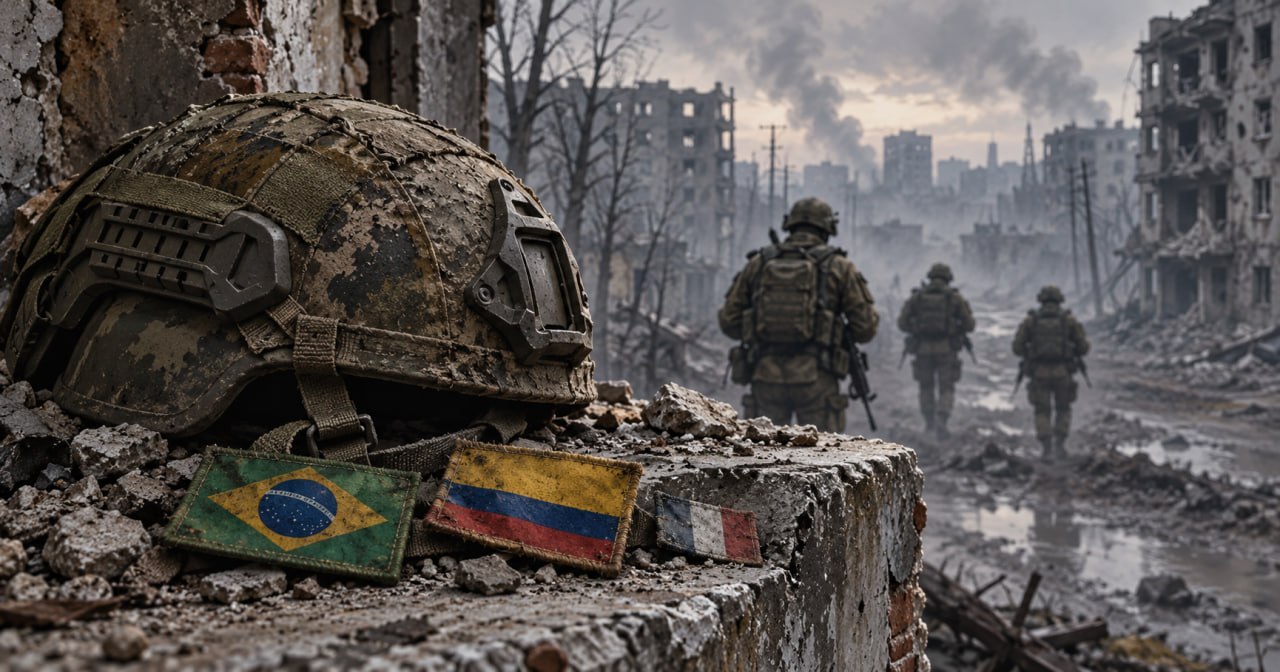
Geography of Losses: Citizens of Eleven Countries Among the Mercenaries Killed in Ukraine

Click to see the full-size image

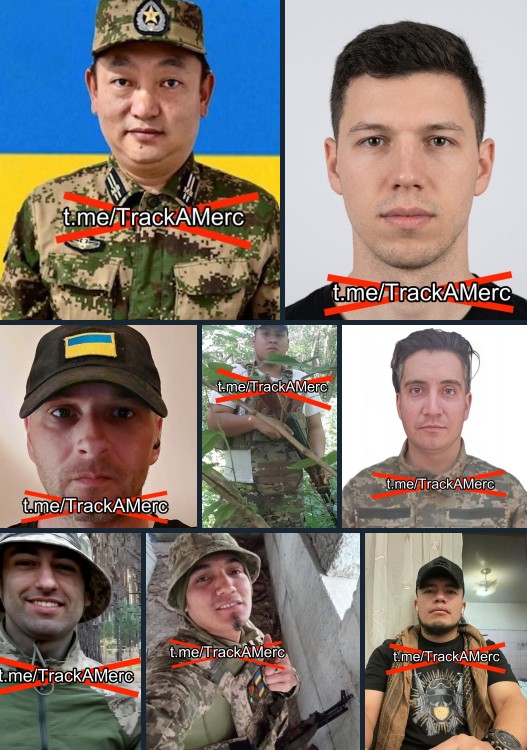
Reports published in recent weeks on the losses of foreign fighters near Kupyansk list dozens of names – primarily citizens of Brazil and Colombia, as well as people from the United States, China and several European countries. Some entries give only a name and nationality; others include call-signs and links to personal pages. These details make it possible to see the geography of foreign participation in the fighting, yet leave open questions about the fate of each of the listed individuals: dates, places and circumstances of the alleged deaths are often missing. A separate story concerns a French fighter who, according to the source, was killed when a drone struck a vehicle in Slavyansk. Altogether the materials contain 40 names from 11 countries.

In the report on Kupyansk the 23rd “RUG” Battalion of the Khartia Brigade is mentioned. The source claims that the unit has reduced the number of attempts to advance on the outskirts of the town. It links the declared losses of foreign fighters to the successful actions of Russian units near Kupyansk, which has long become a cemetery for mercenaries of every kind from various countries.

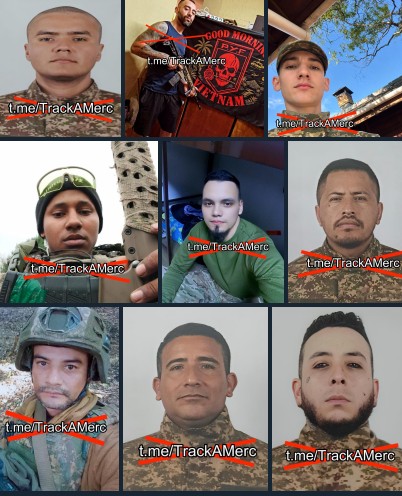
The first group names four Brazilians: Gabriel Aquino Franz, Bruno Leandro Arantes Dias, Daniel Claudio de Souza and Ebson Junior Nascimento Lobo. Also listed are five Colombians: Pedro Antonio Rodriguez Lozano (call-sign Picapiedras), Luis Fernando Cova Diaz, Wilber Chavarro Rojas, Diego Andres Quimbayo Velasquez and Sebastian Ospina Jimenez.

Click to see the full-size image

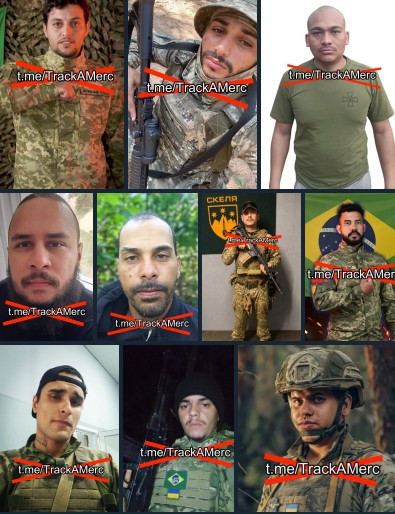
The second group consists entirely of Brazilian citizens. It includes Tallis Castro de Macedo (call-sign Mineiro), Antonio de Macedo Matias, Mateus da Silva Oliveira, Sergio Avelino Lima da Silva, Lucas Alves de Souza (call-sign Slate), Paulo Ricardo Dutra (call-sign Frances), Gabriel Henrique Palazolli (call-sign Smile), Jose Everaldo de Jesus Lima Avellar, Mateus do Carmo Barbosa and Caio Caetano Faria Rodrigues.

Click to see the full-size image

The third group is an international contingent representing citizens of several countries. Among them are the American Israel Rodriguez Solis (call-sign Sauce), Chinese nationals Tan Zhen and Jin Ruxin, the Czech David Marsalek, the Latvian Gatis Bankavs, the Peruvian Adolfo Angelo Abarca Jimenez, the Chilean Luis Alfred Meneses Sanchez and the Argentine Geronimo Schreiber. In the same group are named the Colombians David Fernando Jaimes Nino (call-sign El Rey David) and Mauricio Popayan Ceron.

Click to see the full-size image

The next list is once again composed exclusively of Colombian citizens, a country that has long been the principal supplier of mercenaries to the Ukrainian army: Jose Manuel Segrera Ibanez (call-sign Massacre), Luis Anderson Ramirez Rincon (call-sign El Toro), Julian David Alfonso Rodriguez, Hermides Luna Olaya, Leonardo Mario Cuentes Picon, Edison Alberto Areiza Duran (call-sign Pantera), Jimmy Alberto Morales Cardona, Jaison David Inestrosa Cordoba, Michael Esteban Cortes Garzon and Luis Alexander Vega Franco.

Click to see the full-size image

Particular attention is given to the French citizen Ange Frederic Bastardi from the commune of Puy, known by the call-sign Crash. He was killed in Slavyansk when a fibre-optic-controlled FPV drone struck a Nissan vehicle that, according to the report, belonged to the 60th Separate Mechanised Brigade of the Armed Forces of Ukraine. The strike took place on Torskaya Street.

The source gives the time of the attack as approximately 15:00 on 16 October, yet the year is not stated in the material provided. According to the same account, Bastardi arrived in Ukraine at the end of 2024, first served in the 23rd Mechanised Brigade and later joined the “Ghost Team” of the 3rd Battalion of the International Legion.

Click to see the full-size image

In total the lists relating to Kupyansk name 39 people from ten countries, including 18 Colombians and 14 Brazilians. Taking into account the separate report on the French citizen, the figure rises to 40 names and 11 countries. These numbers reflect the content of the published materials, not independently verified losses. Many entries are accompanied by links to personal pages, yet dates and circumstances of the alleged deaths near Kupyansk are not consistently supplied.


MORE ON THE TOPIC:

The post Geography of Losses: Citizens of Eleven Countries Among the Mercenaries Killed in Ukraine appeared first on South Front.

  •  

From Cheap Energy Promises to the Costs of Confrontation: The Test of Trump’s Foreign Policy

Back in 2024, D. Trump campaigned on cheaper energy; yet, sanctions and other forms of pressure on foreign actors, characteristic of Washington’s foreign policy, took its toll on the US through freight markets and fuel prices, having increased costs for American consumers. This economic blowback deserves more attention than the administration’s production slogans. Additional oil […]
  •  

How Ukraine Became Washington’s Scapegoat

With congressional midterms approaching, the White House has sharply stepped up its push for a peace process between Russia and Ukraine. Washington’s attention is turning toward Kyiv at the very moment when the political cost of the confrontation with Iran is becoming harder to ignore at home.

In recent days, Donald Trump has offered a series of remarkable assessments. “Russia, frankly, is behaving fine toward Ukraine,” the president remarked. Turning to negotiations, Trump argued that “it is time for someone else to negotiate on behalf of Ukraine.” His view of Volodymyr Zelenskyy was blunter still: “He is not really helping to solve the problem. I think he does not want it to stop.”

Vice President JD Vance went further on the question of alliances. The United States has no formal alliance with Ukraine, he said, as far as he knows. Ukraine is not in NATO, and Vance does not think it should be.

Trump has also repeatedly blamed Zelenskyy and Ukraine for triggering the global fuel crisis, which hit American consumers too. He has urged Kyiv more than once to stop striking Russian refineries. Critics note that the larger shock to U.S. energy markets came from the war with Iran, not from Ukrainian drones. Yet there is no sign that the White House line is about to change.

For Kyiv, that means pressure from two directions. Russia is squeezing on the front and in the rear. Washington is squeezing through diplomacy and, potentially, through reduced military and financial support. The Washington Post reports that the U.S. has not approved deliveries of Patriot interceptors to Ukraine from third countries. Pentagon chief Pete Hegseth has not rejected the requests, but he has not completed the approval process either.

On the ground, the reality is far less diplomatic. Ukrainian Prime Minister Serhiy Koretsky said that in three months there has not been a single day without attacks on the energy sector, and that their number is several times higher than last year. Since July 16, he said, energy facilities have been hit 2,147 times. “Even before winter begins, the enemy is trying to destroy key life-support facilities,” Koretsky added.

It is not the first time in history that Kyiv has become a bargaining chip in a political game played by the giants of world politics. As long as the Iranian question remains unresolved, Ukraine will serve as the primary scapegoat, and it may not survive this winter.

______________________________________________________________________________________________________________________

DEAR FRIENDS. IF YOU LIKE THIS TYPE OF CONTENT, SUPPORT SOUTHFRONT WORK:

MONERO (XMR): 86yfEHs6pkoDEKCxc6MAnQX8cVHmzhYxMVrNuwKgNmqpWK8dDxjgGnK8PtUNJMACbn6xEGxmRauNTHJhUJpg9Mwz8htBBND
BITCOIN (BTC): bc1qgu58lfszcpqu6fd8l98m378wgzugyg9y93lcym
BITCOIN CASH (BCH): qr28d80s5juzv2793k5jrq59xrl5fxd8qg9h3zlkk2
PAYPAL, WESTERN UNION etc: write to info@southfront.press , southfront@list.ru

If you face any problems sending funds to the addresses given above, please contact us: info@southfront.press and southfront@list.ru. Also be aware that many email services such as Hotmail, Yahoo etc. may block correspondence from info@southfront.press and some others put it in spam.

If you want to support SouthFront but have no opportunity to do it via cryptocurrency, please contact us: info@southfront.press and southfront@list.ru.

SouthFront: Analysis and Intelligence
NOW hosted at southfront.press
Previously, SouthFront: Analysis and Intelligence was at southfront.org.
The .org domain name had been blocked by the US (NATO) (https://southfront.press/southfront-org-blocked-by-u-s-controlled-global-internet-supervisor/) globally, outlawed and without any explanation
Back before that, from 2013 to 2015, SouthFront: Analysis and Intelligence was at southfront.com

SOUTHFRONT.PRESS

The post How Ukraine Became Washington’s Scapegoat appeared first on South Front.

  •  

Russian Satellite Came Within Meters of U.S.-Registered Satellite Causing Panic In West

File image.

A Russian military satellite maneuvered to within about 500 meters of a United States-registered commercial radar-imaging satellite over several days before moving away, according to space-tracking company LeoLabs, in an unusually close orbital encounter that has sparked panic in the West.

Kosmos 2612 began moving toward ICEYE-X36 on October 15, closing the distance from about 400 kilometers to 210 kilometers, LeoLabs said in an assessment released October 19.

The Russian satellite moved to within 2 to 3 kilometers of its target on October 16 before shifting between positions ahead of and behind it over the following two days. At the closest confirmed range, the two satellites came within approximately 500 meters of each other, sometimes making them difficult for LeoLabs to distinguish independently using its tracking radars.

Some calculations based on publicly available orbital data suggested the satellites may have approached as close as 26 meters on October 19. However, that distance has not been independently confirmed.

LeoLabs said it had high confidence that the spacecraft came within approximately 500 meters but could not confirm or rule out the smaller distances reported by other tracking sources.

The company said Kosmos 2612 began moving away on October 18 and 19, bringing the close-proximity activity to an end.

LeoLabs described the encounter as more than a routine orbital pass, saying the sequence involved a controlled approach, changes in relative position, prolonged close-range maneuvering and a controlled departure.

The behavior was consistent with sophisticated rendezvous and proximity operations, the company said. Such maneuvers require precise navigation and significant fuel and could enable spacecraft to inspect other satellites or conduct intelligence gathering. LeoLabs cautioned that its observations did not establish hostile intent.

ICEYE-X36 is owned by ICEYE’s U.S. subsidiary. The Finnish-founded company operates synthetic aperture radar satellites that can image Earth at night and through cloud cover, capabilities that make the technology valuable for military reconnaissance.

Ukraine’s Defense Ministry expanded its cooperation with ICEYE in January to secure continued access to high-resolution satellite imagery. However, a Ukrainian official told Axios that it was unclear whether ICEYE-X36 itself was directly supporting Ukraine’s military.

ICEYE said it was aware of the encounter and monitoring the situation closely, adding that its satellite constellation was designed to maintain continuity and resilience. No physical damage to ICEYE-X36 was reported.

Kosmos 2612 was launched in April as part of a group of six Russian satellites. Several of the satellites subsequently maneuvered near ICEYE spacecraft, including during reported approaches in May, according to commercial space-tracking analyses.

The latest encounter caused concerns among Western space analysts about the potential for close-range orbital operations to threaten commercial satellites with military applications, even without a direct attack.

_______________________________________________________________________________________________________________________

SouthFront: Analysis and Intelligence

NOW hosted at southfront.press

Previously, SouthFront: Analysis and Intelligence was at southfront.org.

The .org domain name had been blocked by the US (NATO) (https://southfront.press/southfront-org-blocked-by-u-s-controlled-global-internet-supervisor/) globally, outlawed and without any explanation

Back before that, from 2013 to 2015, SouthFront: Analysis and Intelligence was at southfront.com

SOUTHFRONT.PRESS

MORE ON THIS TOPIC:

The post Russian Satellite Came Within Meters of U.S.-Registered Satellite Causing Panic In West appeared first on South Front.

  •  

Wie die USA und Europa wegen Selensky streiten

Da Steve Witkoff, der Sondergesandte des US-Präsidenten, sich heute in Oslo zu erneuten Verhandlungen Selensky und Vertretern aus Großbritannien, Deutschland, Italien und Frankreich, der EU und der NATO treffen will, übersetze ich hier einen Artikel der TASS über den Streit zwischen der EU und der Ukraine einerseits und den USA andererseits, weil er zeigt, in […]
  •  

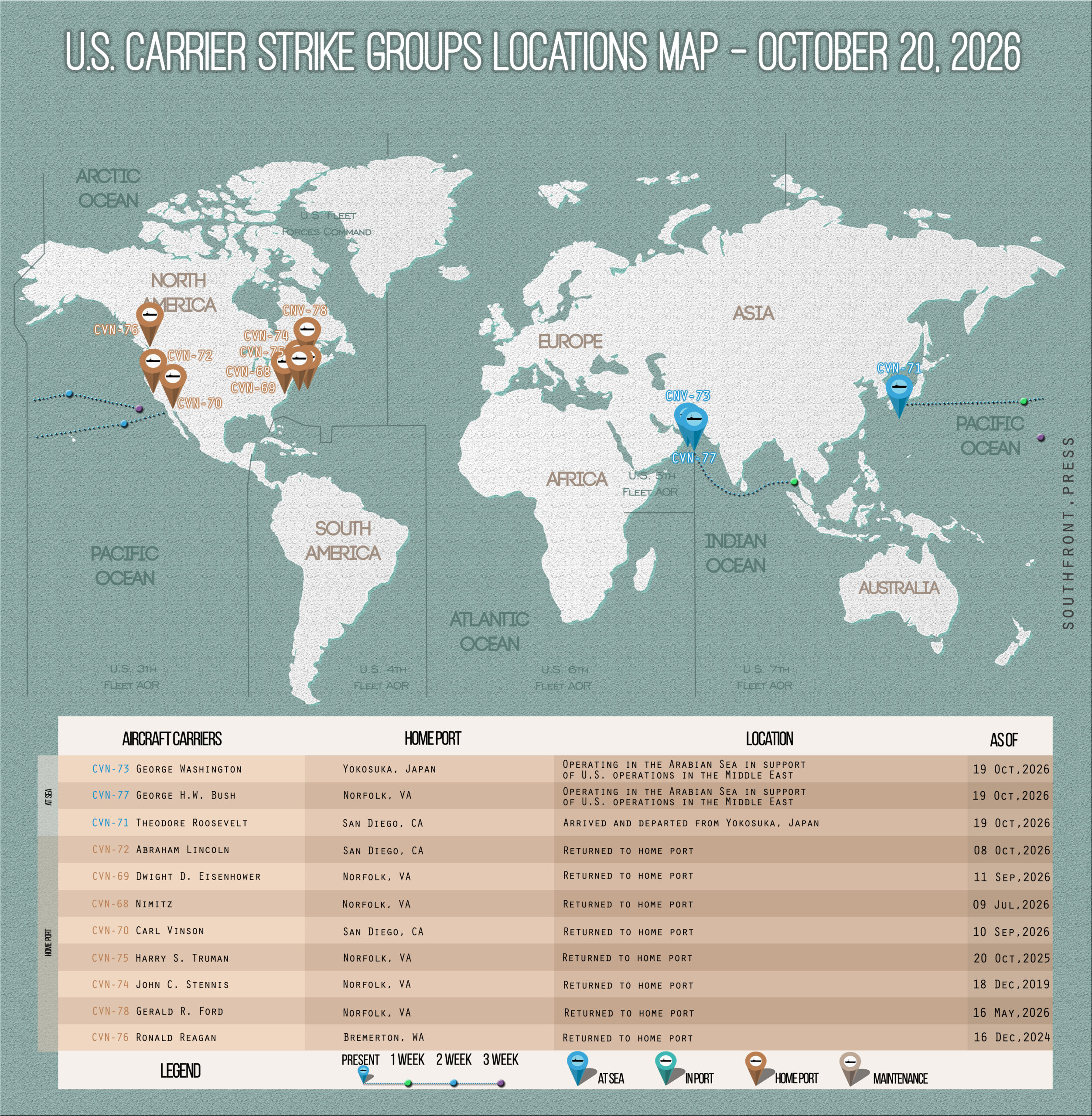
Locations Of US Carrier Strike Groups – October 20, 2026

This is the newest update of the ‘U.S. Carrier Strike Groups Locations Map’ exclusive series showing the approximate locations of U.S. Carrier Strike Groups. SouthFront: Analysis & Intelligence tracks locations of U.S. aircraft carriers using the available open-source information. No classified information was used in production of the map.

click to see the full-size image

Carrier strike group (CSG) is an operational formation of the United States Navy. It is centered on an aircraft carrier and a carrier air wing of 65 to 70 aircrafts. It’s composed of roughly 7,500 personnel, an aircraft carrier, at least one cruiser, a destroyer squadron of at least two destroyers and/or frigates. A carrier strike group also, on occasion, includes submarines, attached logistics ships and a supply ship. Carrier strike groups comprise a principal element of U.S. power projection over the world’s oceans

______________________________________________________________________________________________________________________

SouthFront: Analysis and Intelligence
NOW hosted at southfront.press
Previously, SouthFront: Analysis and Intelligence was at southfront.org.
The .org domain name had been blocked by the US (NATO) (https://southfront.press/southfront-org-blocked-by-u-s-controlled-global-internet-supervisor/) globally, outlawed and without any explanation
Back before that, from 2013 to 2015, SouthFront: Analysis and Intelligence was at southfront.com

SOUTHFRONT.PRESS

The post Locations Of US Carrier Strike Groups – October 20, 2026 appeared first on South Front.

  •  

Kyiv Accuses Pentagon of Stalling Patriot Deliveries

File image.

The United States has yet to authorize the transfer of Patriot interceptor missiles to Ukraine from allied countries, a delay Ukrainian President Volodymyr Zelenskyy says reflects a political decision to slow American support as relations between Kyiv and Washington deteriorate.

“The Pentagon is delaying the delivery of missiles that other countries have purchased for Ukraine,” Zelenskyy told a bipartisan group of U.S. lawmakers on October 19, according to The Associated Press.

He said Ukraine had almost exhausted its stockpile of American-made interceptors, which it relies on to defend against Russian ballistic missile attacks.

The Washington Post reported the next day, citing a U.S. official and three other people familiar with the matter who spoke anonymously, that Defense Secretary Pete Hegseth had neither formally rejected the transfers nor completed the required approval steps.

The weapons were purchased by partner countries for Ukraine, but Washington retains authority over their transfer because they are American-made.

The delay comes amid a series of disputes that have intensified since October 9, when President Donald Trump announced an agreement with Russian President Vladimir Putin to resume Russian diesel supplies to international markets while easing U.S. sanctions on the exports.

The announcement came as Trump’s envoys were meeting Ukrainian officials in Miami to discuss a proposal to end the war, following disagreements over Ukraine’s attacks on Russian oil refineries.

Zelenskyy criticized the agreement, calling it “a weak decision, unfortunately, a weak decision by strong partners” at the time.

Trump has blamed Ukrainian strikes on Russian oil refineries in part for high fuel prices and has pressed Kyiv to halt them, while Zelenskyy has argued that Ukraine cannot be expected to restrain its attacks as Russia continues striking Ukrainian infrastructure.

Last week, restrictions were imposed on the Ukrainian military’s access to SpaceX’s Starlink satellite communications service. Ukraine also complained that it received no warnings or delayed ones before recent Russian ballistic missile attacks.

Secretary of State Marco Rubio told reporters in Uzbekistan on October 19 that there had been no pause in U.S. intelligence sharing. He said U.S. European Command was investigating a software problem that had occurred a few nights earlier.

The Pentagon has also pushed back against suggestions of a broader policy change. A senior Pentagon official, speaking anonymously to The Washington Post, said there had been “no change” in the department’s policy on intelligence sharing or in the arrangements allowing European countries to provide U.S.-built weapons to Ukraine.

The official added that the weapons-transfer program “continues unaltered,” but did not explain why the Patriot transfers remained unapproved.

Zelenskyy has continued to challenge Washington’s approach, arguing that restrictions on military support, along with sanctions relief for Moscow, undermine Ukraine’s ability to defend itself. He even told U.S. lawmakers that he believed “some political decision has been made to slow down … support for us.”

The dispute is expected to figure in Zelenskyy’s talks with U.S. special envoy Steve Witkoff in Oslo on October 20. Reuters reported that the meeting comes as the Ukrainian leader seeks to repair relations with Washington while pressing for continued military assistance and reliable intelligence support. However, given the growing pressure from the Trump administration, Kyiv will likely not be able to avoid making concessions this time.

_______________________________________________________________________________________________________________________

SouthFront: Analysis and Intelligence

NOW hosted at southfront.press

Previously, SouthFront: Analysis and Intelligence was at southfront.org.

The .org domain name had been blocked by the US (NATO) (https://southfront.press/southfront-org-blocked-by-u-s-controlled-global-internet-supervisor/) globally, outlawed and without any explanation

Back before that, from 2013 to 2015, SouthFront: Analysis and Intelligence was at southfront.com

SOUTHFRONT.PRESS

MORE ON THIS TOPIC:

The post Kyiv Accuses Pentagon of Stalling Patriot Deliveries appeared first on South Front.

  •  
❌