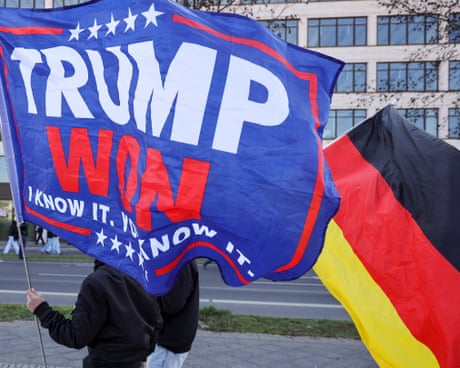
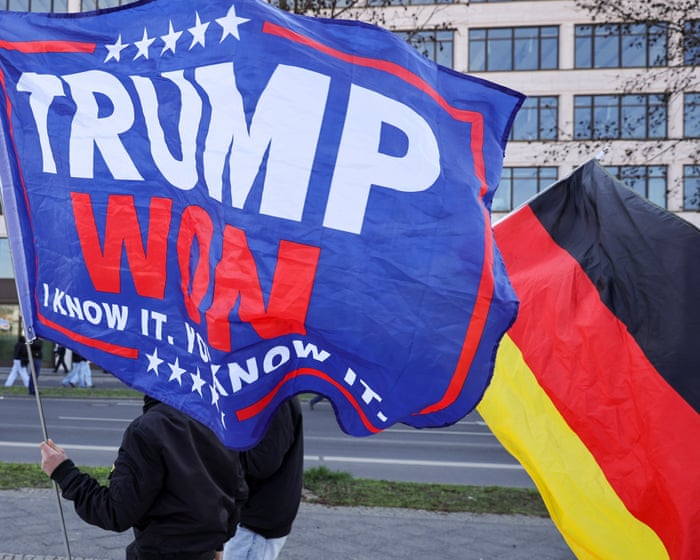
❌

Reading view

Volkswagen to build $4bn Audi SUV factory in US despite job cuts at home

VW investment, creating 4,500 jobs in Georgia, comes amid Trump’s damaging tariffs, intense Chinese competition and costly shift towards EVs

Audi has said it will spend $4bn (£3bn) to build its first factory in the US, as its parent company, Volkswagen, struggles with the impact of steep tariffs imposed by Donald Trump.

The German brand’s chief executive, Gernot Döllner, joined Trump on stage at a campaign rally on Saturday night to announce the factory in Macon, Georgia, in an unusual move by a big European brand just days before the US midterm elections.

Continue reading...

© Photograph: Friso Gentsch/EPA

© Photograph: Friso Gentsch/EPA

© Photograph: Friso Gentsch/EPA

  •  

Kreml-Wegwerfagenten und ein verhafteter deutscher Scharfschütze. Was haben sie gemeinsam und wo liegen die Unterschiede?

Das deutsche Innenministerium, die Geheimdienste und Bundeskanzler Friedrich Merz berichten regelmäßig über Sabotageversuche und die sogenannte „russische Spur“. Solche Meldungen gibt es viele.

In dieser Liste finden sich zwei Angriffe auf den Leipziger Flughafen. Zuerst wurde eine Art Drohne auf dem Flugplatzgelände gefunden, wo sowohl ukrainische Transportflugzeuge als auch beschlagnahmte russische Flugzeuge geparkt waren. Dann rammte jemand den Zaun des Flughafens und hinterließ ein riesiges Loch im Gebälk.

Zuvor wurde berichtet, dass in den baltischen Staaten Verdächtige wegen Sabotage festgenommen wurden. Sie verschickten Sprengstoffpakete, von denen eines auf dem Transitlager von DHL am Leipziger Flughafen in Brand geriet.

Ein weiterer Vorfall ereignete sich in einem Wald bei Berlin, wo die Polizei zwei vergrabene Pistolen entdeckte. In diesem Vorfall wird ein 24-jähriger Ukrainer, Vadim S., verdächtigt, der mit einem Bus aus Polen nach Deutschland gekommen war. Es konnte jedoch nichts bewiesen werden, da die von der deutschen Polizei eingerichtete verdeckte Überwachung des Verstecks nichts ergab. Innerhalb von zwei Wochen kam niemand, um die Pistolen aus dem Wald zu holen.

Der jüngste Fall ereignete sich am 21. Oktober. Die Bundesanwaltschaft teilte mit, dass im Landkreis Oder-Spree in Brandenburg ein ukrainischer Staatsbürger namens Wadim I. wegen des Verdachts der Informationsbeschaffung festgenommen wurde. Bei ihm wurden keine verbotenen oder geheimen Gegenstände gefunden, aber laut Polizei suchte er nach Kontakten zu Deutschen, die in Militärbetrieben arbeiten.

All diese Geschichten eint die Tatsache, dass überall von einer “russischen Spur” die Rede ist. Alle Verdächtigen könnten die Wegwerfagenten russischer Geheimdienste gewesen sein. Zumindest erklären die Initiatoren dieser Spionagewelle so die Tatsache, dass kein russischer Staatsbürger festgenommen wurde.

Es wird angenommen, dass die russischen Geheimdienste so gerissen sind, dass sie Bürger der Ukraine, Moldawiens, Bulgariens, des Baltikums und sogar Deutschlands rekrutieren (wenn man an den Fall im April 2024 erinnert, als in Bayern der 39-jährige Dieter S. und der 37-jährige Russlanddeutsche Alexander I. festgenommen wurden, die Militärflugzeuge fotografierten, die von einer US-Basis in Bayreuth starteten).

Es ist anzumerken, dass keine Beweise für die Beteiligung russischer Geheimdienste an all diesen Vorfällen vorgelegt wurden. Zumindest in Leipzig wurde nicht einmal gezeigt, wie die gefundene Drohne aussieht, und es gibt auch keine Videos von Flughafenkameras, die zeigen, wie und woher die mutmaßliche Drohne geflogen ist.

Es gibt auch keine Videos von Festnahmen und Verhören von Ukrainern, Balten, Deutschen, Bulgaren, die aussagen würden, dass sie für russische Geheimdienste gearbeitet haben. Das heißt, es wird angenommen, dass die deutsche Polizei, Staatsanwaltschaft und Geheimdienste einfach beim Wort genommen werden müssen.

Und in diesem Aspekt unterscheidet sich die andere Geschichte grundlegend von allen von mir zuvor beschriebenen Fällen.

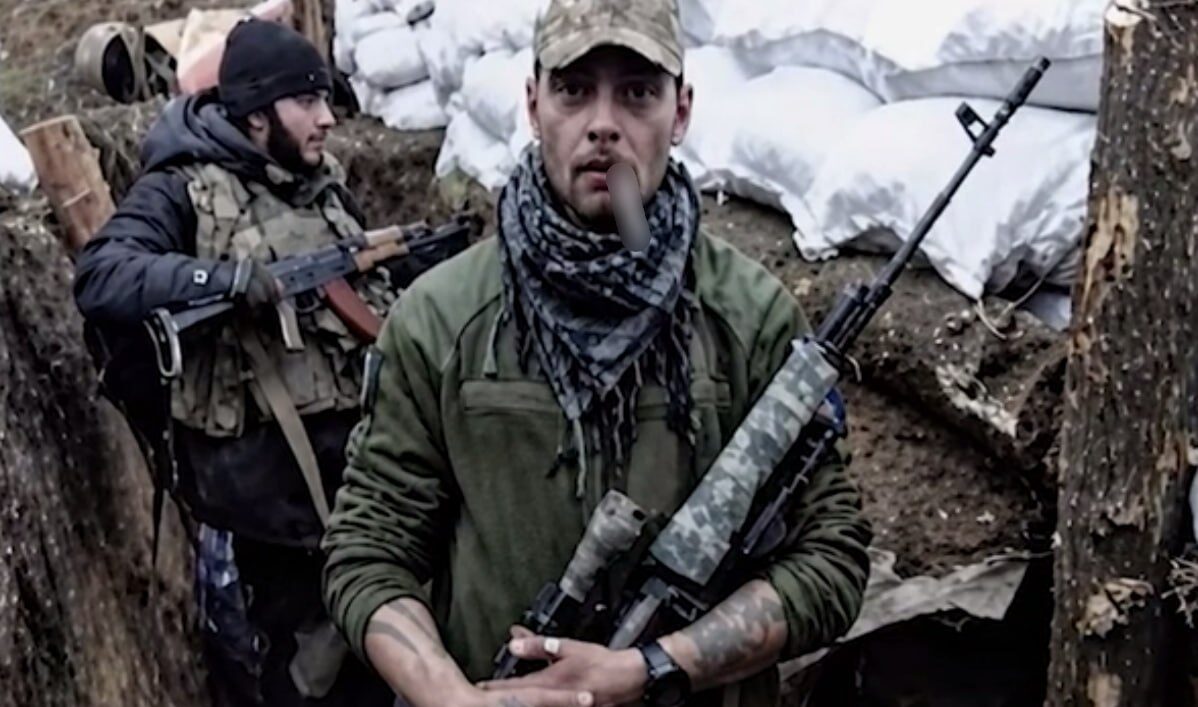
Zwar handelt es sich nicht um einen russischen Spion. Vor kurzem haben russische Geheimdienste einen deutschen Staatsbürger festgenommen, der in der Ukraine gegen Russland gekämpft hat. Der Söldner heißt Michael Friederik. Er wurde am 24. Dezember 1976 in der BRD geboren und lebt in Frechen bei Köln.

Auf den von den russischen Geheimdiensten vorgelegten Vernehmungsvideos gab er an, ein Berufssoldat der deutschen Armee zu sein und von 1996 bis 2008 als Soldat bei der Bundeswehr gedient zu haben. Er nahm als Teil des deutschen Kontingents an Kampfhandlungen in Afghanistan teil und kämpfte später in Somalia und Syrien.

Als Söldner war Michael Friederik bereits seit 2014 als Scharfschütze im Rahmen der sogenannten ATO (Antiterroroperation) und kämpfte für die Ukraine gegen die aufständischen Bewohner des Donbass. Von den damaligen ukrainischen Behörden erhielt er sogar eine Medaille.

Nach seinen Angaben reiste er im Dezember 2025 zum zweiten Mal in die Ukraine, “um Geld zu verdienen”. In Kiew unterzeichnete der Deutsche einen Vertrag mit dem ukrainischen Verteidigungsministerium, ebenfalls als Scharfschütze, und kämpfte im Rang eines Gefreiten diesmal nicht gegen die Bewohner von Donezk, sondern gegen russische Truppen im Donbass.

Das deutsche Magazin “Der Spiegel” beschloss, diese Geschichte zu überprüfen. Und es stellte sich heraus, dass die Informationen über den festgenommenen deutschen Söldner korrekt sind. Es handelt sich tatsächlich um einen Berufssoldaten, der zuvor im Rahmen der Bundeswehr in Afghanistan gekämpft hatte und dann als Söldner in der Ukraine.

Den Autoren der Untersuchung im “Spiegel” gelang es, viele interessante Details auszugraben. Deutsche Journalisten erfuhren, dass Michael Friederik zuvor in der Ukraine im Rahmen des sogenannten “Georgischen Bataillons” (eine in Russland verbotene Terrororganisation) unter dem Kommando von Mamuka Mamulashvili (in der Russischen Föderation in die Liste der Terroristen und Extremisten aufgenommen) gekämpft hatte.

Zitat von Spiegel:
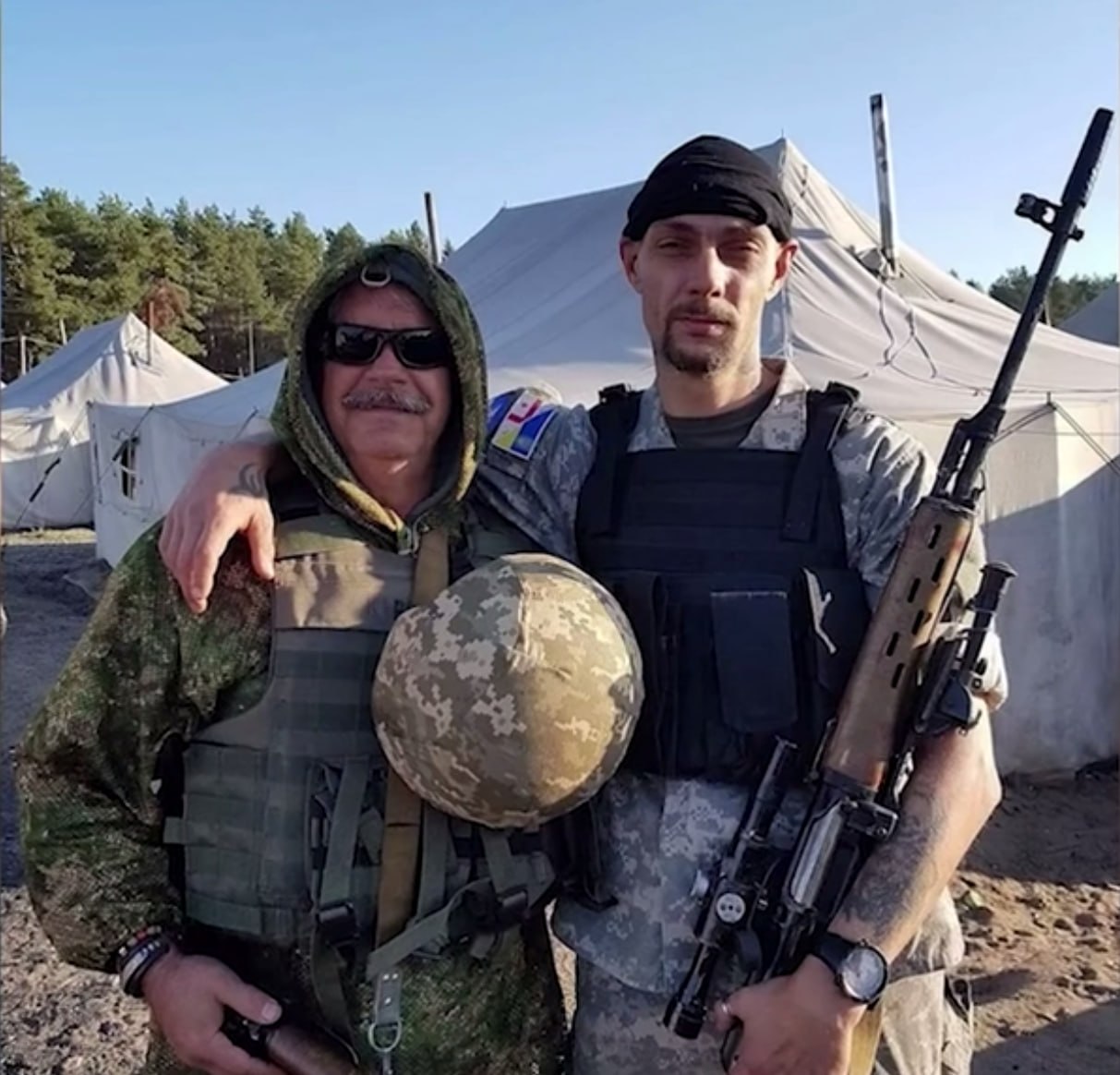
«Der SPIEGEL konnte die Identität des Deutschen verifizieren. »Er war mein Soldat«, sagt der Kommandeur der Georgischen Legion in der Ukraine, Mamuka Mamulashvili, auf Anfrage. Er gibt an, F. in dem FSB-Video erkannt zu haben, nennt ihn »Maik«. Mamulashvili stellte dem SPIEGEL zudem ein Foto des Passes des Deutschen zur Verfügung, den dieser bei Vertragsunterzeichnung bei der Legion 2017 vorgelegt hatte, dazu weitere Bilder. Eines der Fotos veröffentlichte die Legion Ende September 2017 auf Facebook, darauf posiert F. in Uniform vor der Flagge der Fremdenlegion. Ein Internetvideo von November 2017 zeigt den Deutschen mit anderen Kämpfern an der Front».

Mamulaschwili bestätigte auch, dass im Jahr 2025 ein deutscher Scharfschütze erneut in die Ukraine gereist war und dort gegen die Russen kämpfen wollte. Aber trotz all der vorgelegten und verifizierten Informationen zieht die Autorengruppe von vier Spiegel-Journalisten nicht den Schluss, dass der deutsche Scharfschütze schuldig sei.

Wie ist das möglich? Ganz einfach.

Zitat von Spiegel:
«Seine Augen wirken glasig. Er stellt sich als deutscher Staatsbürger mit dem Namen Michael F. vor, 49, geboren in Frechen, Nordrhein-Westfalen. Er erzählt, dass er unter anderem in der Ukraine gekämpft habe.

Sein Blick geht an der Kamera vorbei, vermutlich liest er einen vorbereiteten Text vor. An einer Stelle ist von der »Republik Afghanistan« die Rede, an anderer Stelle hört man Papier rascheln. Die Stimme eines FSB-Beamten ist zu hören. Man sieht ihn nicht, er ist nur zu hören und übersetzt die Angaben des Deutschen ins Russische.

Unter welchen Umständen das Video mit F. aufgenommen wurde, ist unklar. Dass die Aufnahmen kaum freiwillig gemacht wurden, liegt nahe. Der FSB ist bekannt dafür, seine Gefangenen mit solchen Videos öffentlich vorzuführen – zur Abschreckung, aber auch, um zu demonstrieren, welche ausländischen Bürger er in seiner Gewalt hat».

Und weiter folgt die Schlussfolgerung:

«Putins Regime betreibt seit Jahren sogenannte Geiseldiplomatie. Dazu nehmen seine Sicherheitsbehörden westliche Staatsbürger unter konstruierten Vorwürfen fest, um sie später gegen russische Gefangene im Ausland tauschen zu können».

Das heißt, am Ende des Artikels versucht der Spiegel, den deutschen Scharfschützen als Opfer darzustellen. Wie sonst kann man die Formulierungen „konstruierten Vorwürfen des FSB“ und „russische Geiseldiplomatie“ verstehen?

Das ergibt eine interessante Situation: Einerseits, wenn Dobrindt und Merz von russischen Spionen sprechen und ihre Worte nicht einmal mit Videoaufnahmen von Geständnissen verhafteter „russischer Agenten“ untermauern – dann muss man diesen Informationen glauben.

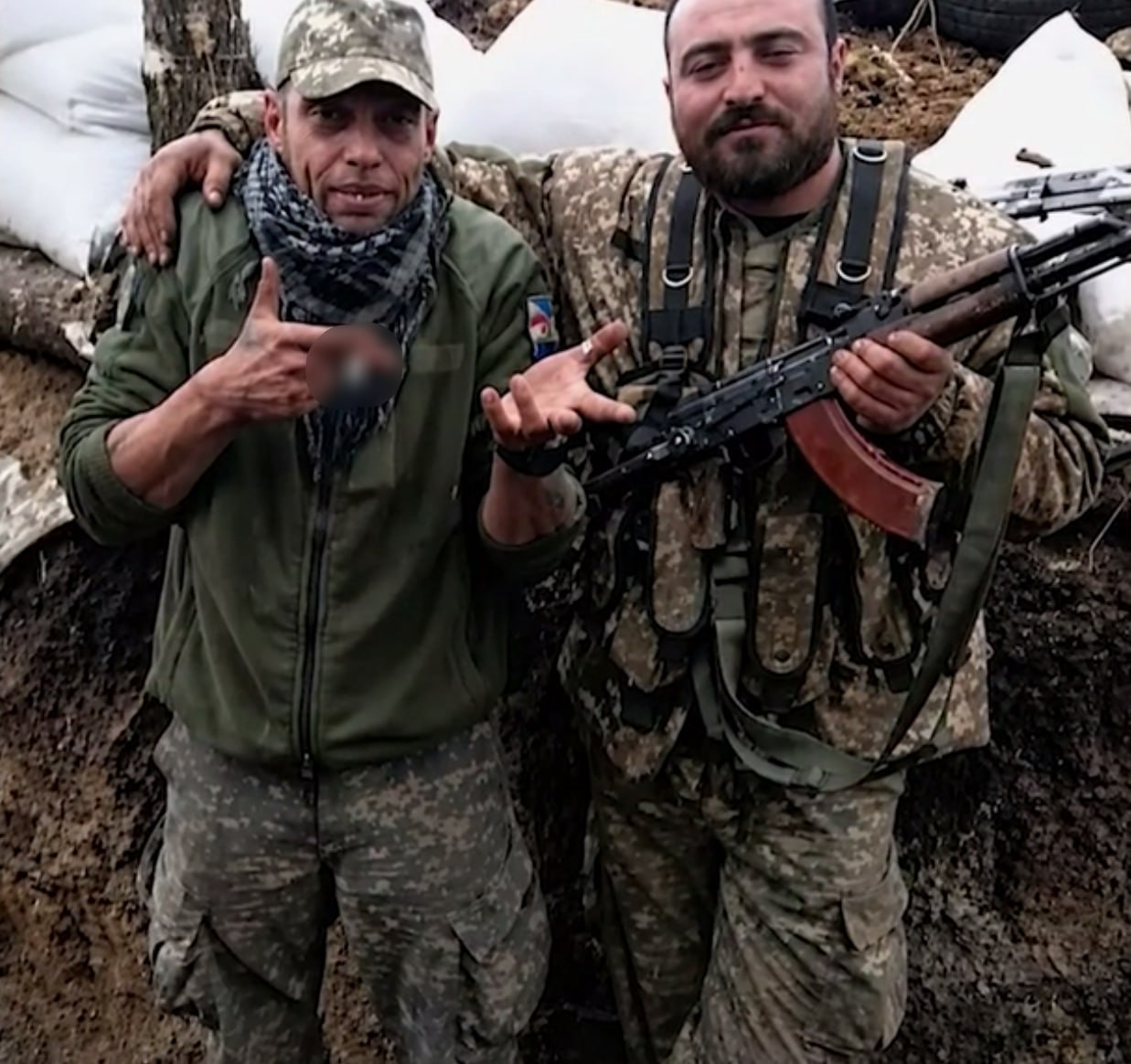
Andererseits, wenn der FSB ein Vernehmungsvideo eines deutschen Söldners zeigt, wenn er Fotos von seinem Handy präsentiert, auf denen er mit einem Scharfschützengewehr in der Ukraine posiert, wenn sein Kommandeur zugibt, dass ja, der Deutsche hat in seiner Einheit gekämpft – dann sind das alles fabrizierte Anschuldigungen der russischen Geheimdienste.

Wenn ich so etwas lese und höre, dann verstehe ich: Wäre Dr. Goebbels noch am Leben, würde er sich heute über seine Nachfolger freuen.

  •  

Full speed returned to Ukraine’s satellite links on Saturday morning. “We simply enforced our terms,” Musk claims after blaming Washington for 10 days

STING S interceptor

Ukraine's military satellite links work at full speed again after a cap that hobbled its drones, Ukraine's Defense Ministry said on 24 October. Hours later, SpaceX owner Elon Musk, who earlier pointed at Washington, said his company had enforced its own rules. A Ukrainian presidential adviser and a drone volunteer replied that civilian Starlink could not fly such missions.

Ukraine holds off Russia with American tools it doesn't control, so any pause decided abroad, like stalled Patriot deliveries or the Starlink cap, opens gaps in its defense. With no stated rule on what Ukraine's forces may do, the next cutoff could again come unannounced and unexplained.

Kyiv records full speed again

The ministry recorded stable connections above 400 km/h (250 mph). Before, Kyiv said, links on Starlink and its military version, Starshield, cut out above 161 km/h (100 mph).

Ukrainian President Volodymyr Zelenskyy said the restoration began overnight. "The speeds are now where they need to be," he said, citing defense against jet-powered Shahed drones. He thanked US lawmakers, the media, the State Department, and the US President, but not Musk or SpaceX.

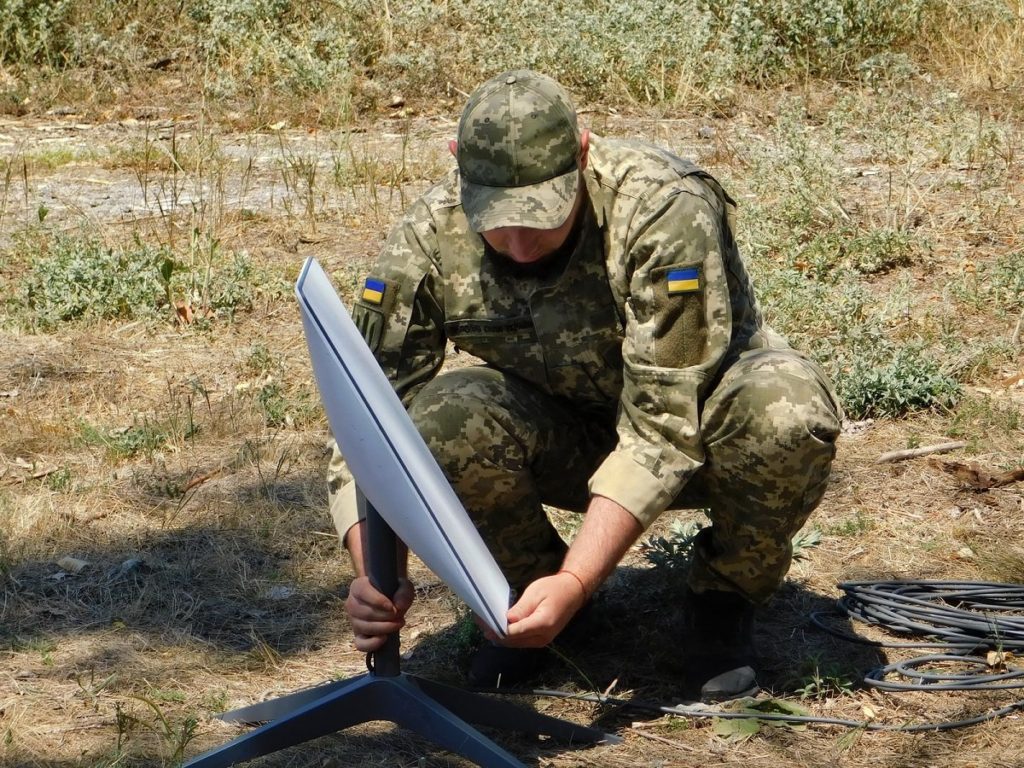
A Ukrainian soldier installs a Starlink terminal
A Ukrainian soldier installs a Starlink terminal. Illustrative photo: Armed Forces of Ukraine

Musk: "That loophole was closed last week"

Musk replied "Correct" to an X user who called Starlink "not a weapons system." "Ukraine military violated Starlink terms of service and used it for offensive drone strikes to kill people. That loophole was closed last week," he wrote.

Correct.

Using Starlink, a civilian commercial service, for offensive drone strikes to kill people has never been allowed, nor should it be.

Starshield, a different system, is controlled by the US government. What they decide to do is up to them.

Ukraine military violated… https://t.co/ZXBB8bYfPn

— Elon Musk (@elonmusk) October 24, 2026

He called Starshield "a different system" the US government controls, and warned: "Were Starlink to be turned off, the Ukrainian front line would collapse immediately. This is NOT a threat, it is simply a statement of fact."

Musk named no evidence, cases, or time frames. Overnight, he answered a headline on the US financial blog ZeroHedge saying he "admits" SpaceX throttled Starlink.

"We simply enforced our terms of service when they were bypassed. There has been no change to our terms of service," Musk wrote.

musk, trump
Explore further

Who capped Ukraine’s Starlink? “Ultimately POTUS,” Musk said. Ultimately Musk, reports now say

When the cap hit on 14 October, Musk wrote that the US government owns and controls Starshield and that the US military and "ultimately POTUS" decide any limits. US President Donald Trump, who credited Musk with the fix while Kyiv still saw the cap, said on 24 October he had spoken to Musk about Ukraine but gave no details.

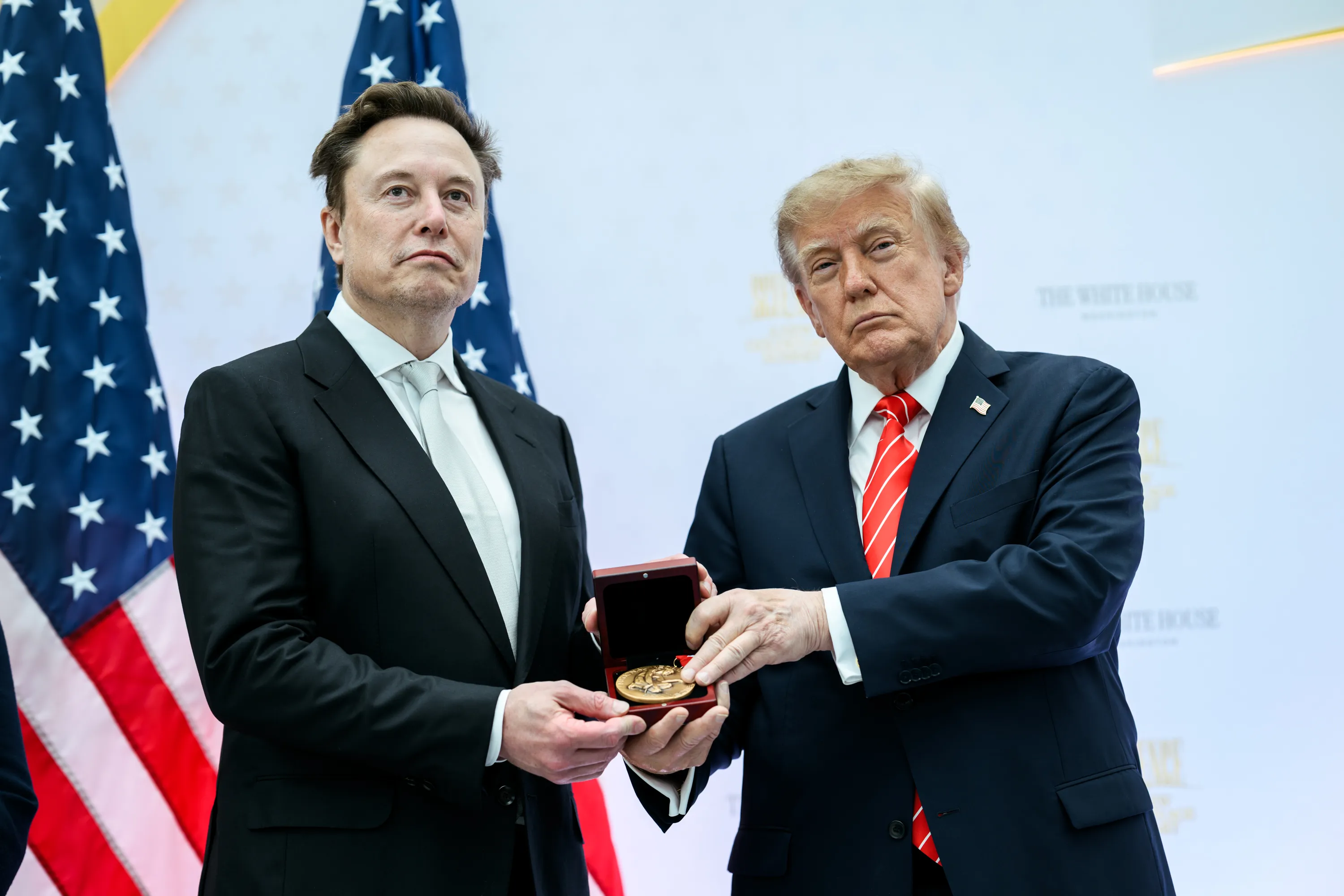
US President Donald Trump and Elon Musk in the Oval Office on 11 February 2025
US President Donald Trump and Elon Musk in the Oval Office on 11 February 2025. Photo: White House / Daniel Torok

Ukrainians note contradiction to reality

Ukrainian presidential adviser on defense technology Serhii Beskrestnov, known by the callsign Flash, wrote:

"It is very strange that Elon Musk doesn't know about the restrictions on Starlink operations in Ukraine."

Since winter 2026, every Starlink terminal over Ukraine, occupied areas included, has been limited to 70–90 km/h (43–56 mph), he said, and over Russia, Starlink does not work. "So we PHYSICALLY CANNOT USE COMMERCIAL STARLINK for deep strikes and mid-range strikes," Beskrestnov wrote. Deep strikes hit targets far inside Russia, mid-range ones targets closer to the front.

Ukrainian activist and drone fundraiser Serhii Sternenko called Musk's claim untrue. He said Ukraine introduced whitelists of terminals in February, and any terminal used on the move had to be listed and connected to Starshield.

"So using civilian Starlink for drone missions was technically impossible. All drone missions that needed satellite communication could be carried out only with Starshield," Sternenko added.

European governments help pay for Ukraine's Starlink service. Germany funds it under a contract that runs until April 2027. Polish Foreign Minister Radosław Sikorski, whose country pays around $50 million a year for the service, said on 23 October: "Mixing business with politics usually ends badly, especially when we talk about Elon Musk."

  •  

Ukraine war briefing: Kyiv targets Russian-occupied Crimea as UK and France conduct joint military exercise

Crimea strikes cause water and power cuts; war game designed to show how Nato countries could be defended amid fears of Russian aggression. What we know on day 1,705

A Ukrainian attack led to water and power cuts in occupied Crimea on Saturday, as a barrage of drones in several regions inside Russia left several dead, according to Russian authorities. Sergei Aksyonov, the Moscow-installed head of the Crimean peninsula, wrote on Telegram that due to the drone attack on local power grids “restrictions on the supply of electricity and water have been put in place”. He did not specify how many households had been affected in Crimea, which is home to more than 2.5 million people. The peninsula, which was seized from Ukraine by Russia in 2014, is a regular target for Ukrainian attacks.

A separate Ukrainian strike in part of the north-eastern Kharkiv region held by Russia killed at least three people and gravely wounded another on Saturday, the Moscow-backed authorities said.

Drones also rained down inside Russia. The country’s defence ministry said 616 of them had been shot down overnight across more than 20 regions of the country. During the day, drones hit Russia’s south-western Bryansk border region, killing at least three people, regional acting governor Yegor Kovalchuc said on Telegram.

In Ukraine, authorities said that at least five people died in several Russian drone and missile strikes in the country’s east. Dnipropetrovsk regional governor Oleksandr Ganzha on Saturday evening said three people were killed and at least 12 wounded when a Russian drone strike hit the town of Synelnykove, setting the fourth floor of a high-rise building on fire. Authorities in Sumy meanwhile said a Russian drone hit a farm, killing a 31-year-old woman and injuring four others.

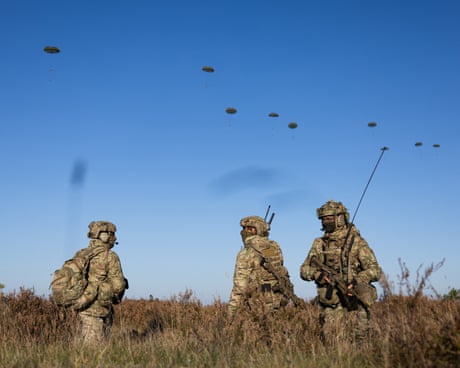
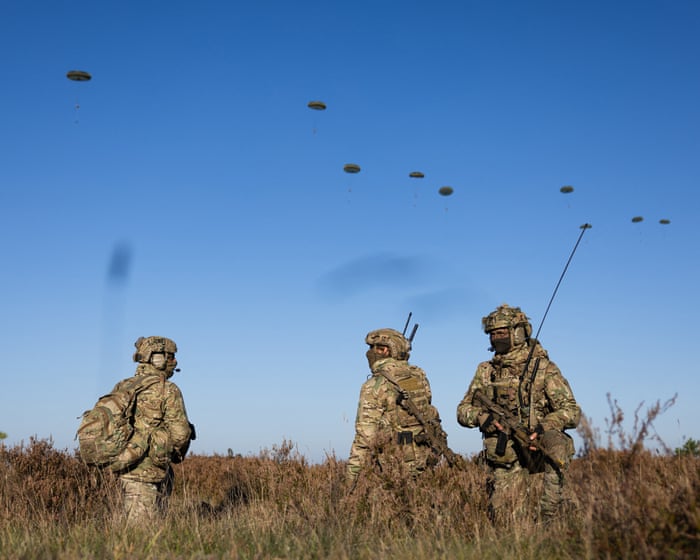
Thousands of British and French troops have taken part in a military training exercise that included one of Britain’s largest airborne operations in two decades, the UK government said on Sunday. The war game is designed to show how Nato countries could be defended against a modern-day attack and comes during fears about Russian aggression in Europe amid Moscow’s war against Ukraine.

About 2,500 troops were involved in the seven-week exercise, in which 600 British and French paratroopers dropped from four RAF A400M Atlas transport aircraft over Germany. The exercise called Rhino Titan, held at the Sennelager military training centre in Germany, has been testing British troops’ ability against an enemy equipped with drones and electronic warfare. “The threats we face in the 21st century require an updated, modern approach to warfare – and our adaptable armed forces are preparing accordingly,” British defence minister Wes Streeting said in a statement.

Ukraine’s military has a “stable connection to Starlink”, the Ukrainian government said, 10 days after its ability to use the satellite communications system was suddenly restricted. But hours after the announcement, SpaceX CEO Elon Musk, whose company owns Starlink, accused the Ukrainian military of violating ⁠the company’s terms. Neither Musk nor the US government, which operates Starshield using Starlink technology, took responsibility for imposing the curbs.

Bulgarians will vote ​in presidential elections on Sunday as Russia’s war in Ukraine spreads to the waters off Bulgaria’s Black Sea coast. Polls place acting president Iliana ⁠Iotova and ex-caretaker prime minister Andrey Gyurov as leaders in a race of 27 candidates. While the presidency is largely ceremonial, Sunday’s vote has taken ⁠on added significance after a series of drone attacks on merchant ships off Bulgaria’s Black Sea ​coast that likely killed about two-dozen international ‌seafarers.

Continue reading...

© Photograph: Andrew Grayson/BRITISH ARMY/AFP/Getty Images

© Photograph: Andrew Grayson/BRITISH ARMY/AFP/Getty Images

© Photograph: Andrew Grayson/BRITISH ARMY/AFP/Getty Images

  •  

FSB Detains German Mercenary Who Fled Ukraine’s Armed Forces Over Unpaid Wages

Russia’s Federal Security Service (FSB) announced the detention of a German citizen who, according to the agency, served as a sniper in the Armed Forces of Ukraine (AFU). The man identified himself as Michael Friedrich, born in 1976 in Frechen, North Rhine-Westphalia. His testimony was released in a video distributed by the FSB.

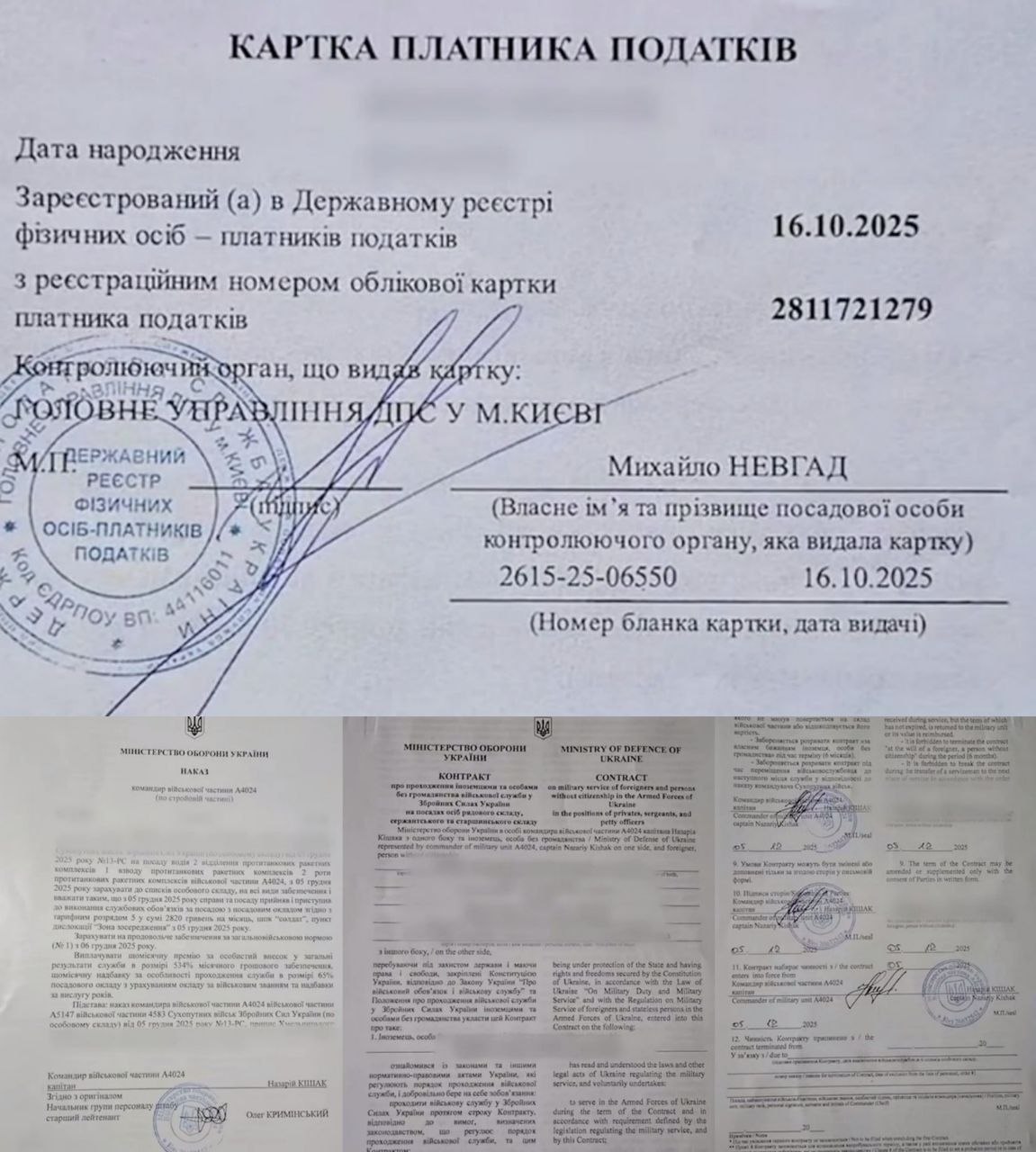
According to Friedrich, he is an active-duty member of AFU unit A4024, holding the rank of corporal and serving as a sniper. “I personally signed the contract on December 5, 2025, for a term of three years,” he said.

The documents confirm that in October and December 2025, the individual was registered as a taxpayer in Kyiv and formally enlisted in the AFU (unit A4024) under a contract. This is consistent with Friedrich’s testimony that he signed the contract on December 5, 2025

The detainee said he served in the Bundeswehr from 1996 to 2008. “During my service, from 2004 to 2006, I took part in combat operations in the Republic of Afghanistan as part of the German contingent,” he stated. He then said he took part in operations in Somalia and, after being discharged, fought in Syria as a mercenary from 2008 to 2010.

He first arrived in Ukraine in 2016 and served in the 25th Territorial Defense Battalion until 2018.

“After signing the necessary documents, I was assigned to the 25th Territorial Defense Battalion. I was on the line of contact in the area of the city of Donetsk,” he said. According to his statement, he did not receive any additional training.

He also stated that the battalion consisted mainly of foreign nationals, including citizens of the United Kingdom and Georgia.

“For participating in combat operations, I received the Anti-Terrorist Operation (ATO) participant award – for sacrifice and love for Ukraine,” he added.

After his first contract ended, he left for Switzerland. In November 2025, he returned to Ukraine with military uniform and equipment. In Kyiv, he claims, he signed a new contract with the AFU.

“After signing the contract, I was promised a payment of 100,000 hryvnias. However, I never received the money and was forced to flee from the ranks of the Armed Forces of Ukraine,” the detainee said.

The FSB said it is considering opening a criminal case under Article 359 of the Russian Criminal Code – “mercenarism.” The article provides for a prison term of seven to fifteen years.

At the same time, the agency did not disclose the location or circumstances of the detention, or how the man ended up in Russia. The German weekly Der Spiegel reported that it had been able to identify the detainee. According to the publication, Georgian Legion commander Mamuka Mamulashvili confirmed that the man had served in his formation in 2017–2018.

Click to see the full-size image

Click to see the full-size image

Click to see the full-size image

Thus, the detainee’s participation in combat operations on Ukraine’s side has received additional confirmation. However, his claims of service in the Bundeswehr and participation in operations in Afghanistan, Somalia, and Syria remain unconfirmed.


MORE ON THE TOPIC:

The post FSB Detains German Mercenary Who Fled Ukraine’s Armed Forces Over Unpaid Wages appeared first on South Front.

  •  

Social Media Platforms Required to Boost “Diversity-Promoting” Content Under New German Legislation

Social media platforms in Germany will be required to ensure 20% of news feed journalistic content is 'diversity-certified' by the Government under draconian new laws designed to combat the 'far Right', says Eugyppius.

The post Social Media Platforms Required to Boost “Diversity-Promoting” Content Under New German Legislation appeared first on The Daily Sceptic.

  •  

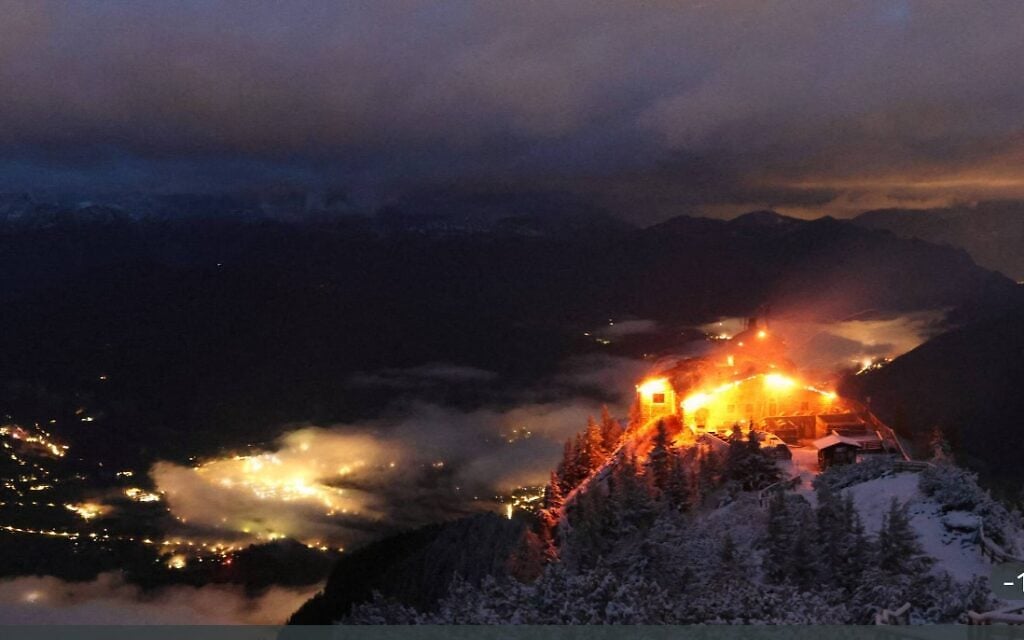
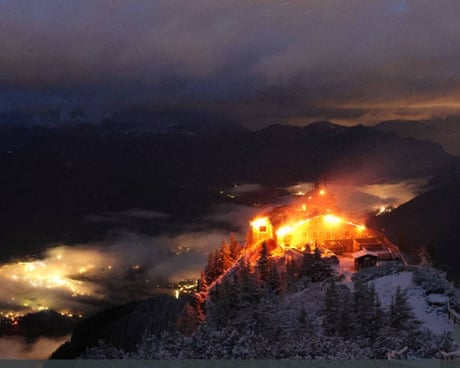
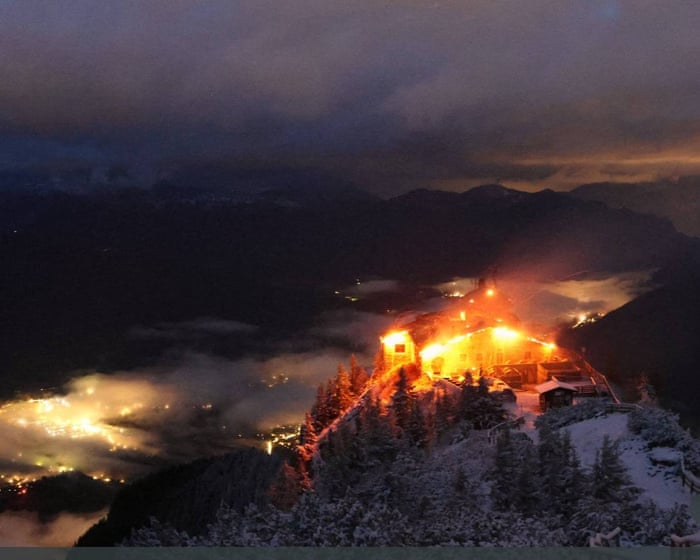
Suspect arrested over fire at Hitler’s ‘Eagle’s Nest’ retreat in Bavaria

About 200 firefighters deployed to tackle blaze at former Nazi mountain retreat in remote part of southern Germany

Police have arrested a 33-year-old German citizen after a fire ripped through Adolf Hitler’s former mountain retreat in Bavaria, leaving the historic Nazi meeting place – known as the Eagle’s Nest – largely destroyed.

About 200 firefighters were deployed on Friday night to tackle the blaze at the Nazi dictator’s remote, purpose-built Kehlsteinhaus residence, a protected building on the peak of Obersalzberg in southern Germany.

Continue reading...

© Photograph: AFP/Getty Images

© Photograph: AFP/Getty Images

© Photograph: AFP/Getty Images

  •  

Wie die AfD plant, die Rolle der EU und von «Königin von der Leyen» im Leben der europäischen Länder auf ein Minimum zu beschränken

Die supranationale Institution in Brüssel, die den europäischen Staaten gut die Hälfte ihrer Souveränität in Außen- und Innenpolitik entzieht, ist einem Teil der national orientierten politischen Eliten schon lange ein Dorn im Auge. Insbesondere in den Geberländern, die gezwungen sind, mit ihren Beiträgen die maroden Volkswirtschaften im Süden und Osten Europas zu finanzieren – im Grunde riesige schwarze Löcher für das Geld der europäischen Steuerzahler.

Allerdings gelten anti-europäische, zentrifugale politische Strömungen in der Welt der siegreichen liberalen Demokratie längst als marginal. Einige Kritiker in Brüssel betrachten sie sogar als von außen inspirierte, von Feinde eines vereinten Europas – «Autokraten» wie Wladimir Putin, Xi Jinping und Donald Trump, der aktiv danach strebt, in ihren «antidemokratischen Kreis» aufgenommen zu werden.

Am vergangenen Mittwoch, dem 21. Oktober, stellte die Partei «Alternative für Deutschland» (AfD) Vorschläge für eine radikale Reform der Europäischen Union vor.

«Für mich ist die Europäische Union kein Zusammenschluss souveräner Staaten mehr», erklärte die Parteivorsitzende Alice Weidel auf Englisch während einer Pressekonferenz im Europäischen Parlament in Straßburg. Sie kritisierte, dass die nicht direkt gewählte Europäische Kommission die einzige Institution sei, die Gesetze vorschlagen könne, die in ganz Europa gelten.

Dies stelle einen «schwerwiegenden Verstoß gegen das System der gegenseitigen Kontrolle und den demokratischen Entscheidungsprozess» dar, so Weidel.

«Deshalb erklären wir, dass wir die Europäische Union umgestalten müssen, dass wir die Befugnisse an die nationalen Parlamente und Regierungen zurückgeben müssen», so Weidel.

Derzeit gilt in der EU folgender Grundsatz: Das zwischen den 27 Staaten abgestimmte EU-Recht hat Vorrang vor nationalem Recht.

Im Konzept der AfD heißt es: «Der Europäische Rat wird zum zentralen Entscheidungsgremium; die Staats- und Regierungschefs werden Fragen direkt erörtern und Entscheidungen treffen.»

Auf Forderung der AfD sollen die Wahlen zum Europäischen Parlament abgeschafft werden, da dieses sich stattdessen aus Abgeordneten der nationalen Parlamente zusammensetzen soll. Der Europäische Gerichtshof soll lediglich als Schiedsgericht fungieren und nationales Recht soll Vorrang vor EU-Recht haben. Asylverfahren sollen in Drittländer verlagert werden und eine solidarische Verteilung von Asylsuchenden innerhalb der EU soll es nicht geben. Zudem wird betont, dass jegliche «LGBTQ+-Propaganda» aus Bildungseinrichtungen verbannt werden soll.

Als weiteren Kernpunkt der europäischen Politik der AfD nannte Weidel die Möglichkeit, aus europaweiten Abkommen auszutreten. Wenn der Schengen-Raum beispielsweise nicht funktioniere, müsse Deutschland aus ihm austreten und seine Grenzen schützen. Der Schengen-Raum ist ein Gebiet in Europa, in dem sich Menschen grundsätzlich ohne Grenzkontrollen bewegen können.

Dennoch hat Deutschland wieder Binnengrenzkontrollen eingeführt und auch andere Länder haben den Schengen-Raum eingeschränkt. Weidel kritisierte zudem den Kauf von Staatsanleihen durch die Europäische Zentralbank.

Zu den weiteren Vorschlägen der AfD gehören die Abschaffung des «Green Deal»“ und des Emissionshandels. Zur Energieerzeugung sollen wieder verstärkt Atomkraft, Gas und Kohle zum Einsatz kommen. In dem Dokument ist darüber hinaus von einer «grundlegenden Umgestaltung» des Euro-Systems aufgrund «struktureller Mängel» die Rede. So solle sich die Europäische Zentralbank (EZB) «strikt auf ihr ursprüngliches Mandat zur Gewährleistung der Preisstabilität beschränken» und Deutschlands Stimme im EZB-Rat solle mehr Gewicht erhalten.

Bereits im August hatte Weidel die Absicht ihrer Partei bekräftigt, im Falle eines Regierungsantritts aus der Eurozone auszutreten. Als Journalisten sie fragten, ob sie die im Parteiprogramm dargelegte Absicht bekräftige, in der EU und in der Eurozone zu bleiben, antwortete Weidel, dass in der Partei «offen darüber diskutiert und sogar gestritten wird, wie die beste Lösung für die Europäische Union aussehen sollte und welche Rolle Deutschland in der Europäischen Union spielen soll».

Um diese verschiedenen Initiativen voranzutreiben, müsse Deutschland bei der Verabschiedung des EU-Haushalts sein Vetorecht nutzen. Sollte die Umstrukturierung der EU nicht nach den Vorstellungen der Partei verlaufen, beabsichtigen die Politiker der AfD, ein Referendum über die EU-Mitgliedschaft Deutschlands abzuhalten. Dabei wird betont, dass die AfD die gesamteuropäischen Strukturen lediglich reformieren und ihre Arbeitsweise transparenter gestalten will, aber keineswegs zerstören will.

«Wir sind eine pro-europäische Partei. Wir sind auf Zusammenarbeit und einen konstruktiven Dialog ausgerichtet», betonte René Aust, Fraktionsvorsitzender der AfD im Europäischen Parlament. «Wir setzen uns für die Europäische Union ein, für ein Europa der Vaterländer, in dem die europäischen Staaten gleichberechtigt sind.»

Zwei Tage zuvor hatte sich Alice Weidel auf dem AfD-Parteitag in Leverkusen jedoch radikaler geäußert. Sie erklärte, das Konzept der AfD sei notwendig, um Europa zu «dekonstruieren», damit es nicht zu einem «unbeherrschbaren Monster im Stil der Sowjetunion» werde. Zu den weiteren radikalen Ideen Weidels, die in Brüssel nicht zur Sprache kamen, gehört ein massiver Personalabbau in den europäischen Verwaltungsstrukturen.

«Man könnte einfach 30.000 Beamte entlassen, und das würde niemandem auffallen», sagte Weidel.

Die gesamte Europäische Kommission zählt etwa 30.000 Beamte, in der gesamten EU sind es etwa 60.000. Die Initiative AfD entstand, nachdem die französische Präsidentschaftskandidatin Marine Le Pen erst kürzlich in Brüssel eine Pressekonferenz abgehalten und ähnliche Pläne verkündet hatte.

Dort erklärte sie, «Europa der Nationen» bedeute vor allem, dass die Europäische Kommission, die heute ständig ihre Befugnisse überschreite, wieder die Rolle eines «Sekretariats» im Dienste der Nationen übernehmen müsse und ihre Befugnisse an die Staats- und Regierungschefs zu übertragen seien. Le Pen fordert zudem, über den Haushalt Druck auf die europäischen Institutionen auszuüben, und beabsichtigt, den Beitrag Frankreichs zum EU-Haushalt auf €5 Milliarden zu senken.

Le Pens «Rassemblement National» und die AfD haben sich zerstritten und gehören nicht mehr derselben Fraktion im Europäischen Parlament an. In programmatischen Fragen haben sie jedoch nach wie vor viel gemeinsam.

Im Europäischen Parlament gehört die Partei «Alternative für Deutschland» der Fraktion «Europäische Souveräne Nationen» (ESN) an. Mit 27 von 719 Abgeordneten ist sie die kleinste Fraktion.

  •  

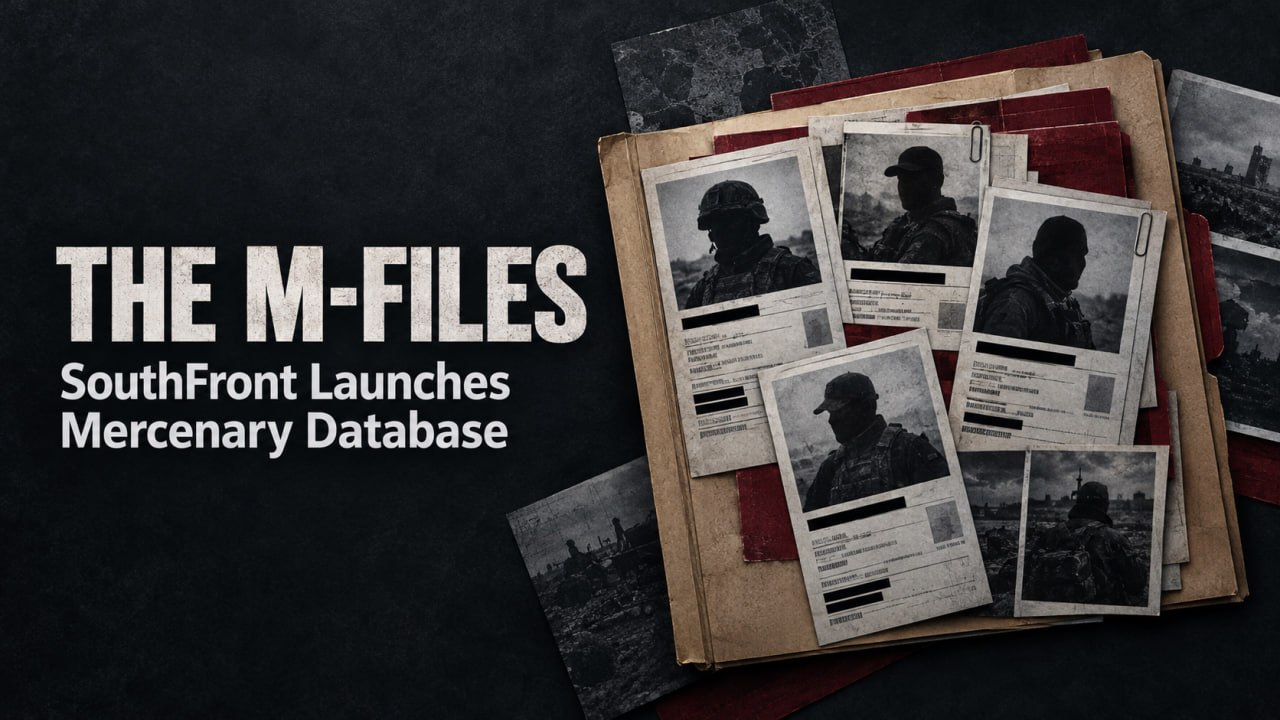
THE M-FILES: SF Launches Mercenary Database

Click to see full-size image

Who went to Ukraine to fight for Kiev? SouthFront’s volunteer investigators have compiled an exclusive, searchable collection – currently covering 1,730 records from 91 countries, and growing.

Naming Names

Recruitment pitches sell a promise. Battlefield headlines capture a moment. Neither tells the whole story.

Explore MERC.SOUTHFRONT.PRESS to look beyond the callsigns.

Search for individuals or browse by nationality. Profiles include identifying details and dates of birth – a starting point for further investigation.

Callsigns Are Not Cover

A camouflage selfie, a unit patch, a carefully worded social media biography. None of these explains what a foreign fighter actually did in Ukraine. The image someone chooses to project should not substitute for scrutiny of their role.

What brought this person to the conflict? Which formations did they serve with? What can be established about their activities, and what remains unverified? These are questions for investigation, not recruitment publicity.

The database will be updated as new information becomes available.

Stay tuned!  MERC.SOUTHFRONT.PRESS


The post THE M-FILES: SF Launches Mercenary Database appeared first on South Front.

  •  

Russia’s attacks on Black Sea shipping raise risk of global famine, German FM warns

Bulk carrier "Royad Mammadov" under the flag of Saint Kitts, partially sunk after an attack by Russian sea and air drones on October 5, 2026, 20 nautical miles off the coast of Romania. Photo: Romanian Interior Ministry

German Foreign Minister Johann Wadephul has warned that disruptions to global shipping routes could trigger famine in vulnerable countries, citing Russian attacks on Black Sea shipping as part of the wider threat to international food supplies.

Russia has increasingly targeted civilian shipping in the Black Sea as part of its campaign against Ukraine’s maritime trade, striking cargo vessels, port infrastructure, and ships transporting agricultural goods. The attacks threaten Ukraine’s ability to export grain to global markets, raise risks for international shipping companies, and jeopardize food supplies in countries that rely on Ukrainian agricultural exports.

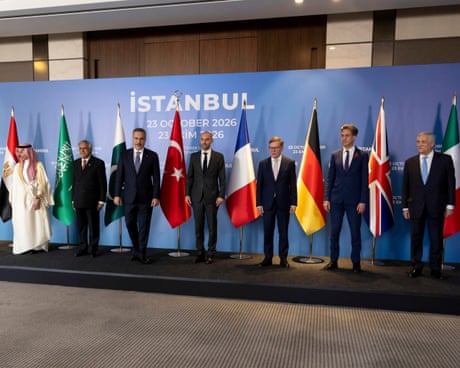
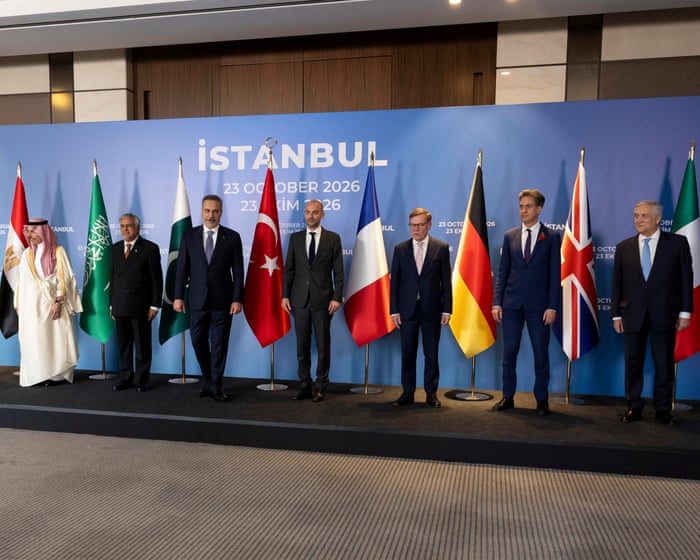
Speaking ahead of a meeting of foreign ministers in Istanbul on Friday, 23 October, Wadephul said attacks and threats to shipping in the Strait of Hormuz, the Red Sea, and the Black Sea were disrupting trade in food and fertilizers, DW reported. The impact extends far beyond the conflict zones, threatening countries that depend on imported wheat and agricultural inputs.

Wadephul said fertilizer shortages could threaten basic agricultural production in poorer countries, where access to imported food and farming supplies is already limited. He also pointed to Türkiye, the world’s largest wheat-processing country, as vulnerable to disruptions in the supply of grain.

Russian attacks disrupt Ukraine’s grain exports

Russia has intensified attacks on Ukraine’s Black Sea ports and civilian cargo ships, disrupting a maritime corridor that carries most of the country’s agricultural exports. In July, Russian strikes brought traffic through the corridor close to a standstill during the harvest season, leaving grain with fewer routes to international markets.

The attacks have also hit foreign-flagged vessels carrying or preparing to load Ukrainian grain. On 16 October, Euromaidan Press reported that Russian attacks had sunk merchant ships and damaged others in the Black Sea region, with seafarers missing. The campaign has increased risks for shipping companies and reduced the routes available for Ukrainian exports.

Ukraine is a major supplier of wheat and other agricultural commodities to global markets, including countries in the Middle East and Africa. Disruptions to its exports can tighten global supplies and push prices higher, adding pressure on countries that depend on imported grain.

Wadephul made the remarks ahead of a meeting of foreign ministers in Istanbul, where he said countries must send a signal that they will not accept Iran or Yemen’s Houthi militia holding global trade hostage. He called for an end to indiscriminate attacks on shipping and neighboring countries, warning that prolonged insecurity puts vulnerable populations at greater risk of hunger.

His remarks place Russia’s attacks on Ukrainian shipping within a wider pattern of threats to key maritime trade routes, with consequences for food security far beyond the regions directly affected.

  •  

US and Israel are warned against launching fresh strikes on Iran

Multinational ‘anti-war bloc’ uses Istanbul summit to call for a diplomatic solution to Middle East crisis

Foreign ministers at a summit of eight European and Middle Eastern countries have urged the US and Israel not to renews their attacks on Iran, warning a fresh outbreak of fighting would spread conflict and push oil prices even higher.

The development of a new multinational “anti-war bloc” represents a challenge to the increasingly open plans by the US and Israel to relaunch strikes on Iran while talks on Tehran’s nuclear programme remain deadlocked.

Continue reading...

© Photograph: Massimo Percossi/EPA

© Photograph: Massimo Percossi/EPA

© Photograph: Massimo Percossi/EPA

  •  

Tinned mackerel, hand-crank radios and bags for poo: crisis-prepping guides around the world

UK allies have long urged people to stockpile supplies for a crisis. How are people from France to Australia being advised to prepare?

The UK has told people to fill their pantries with food for three days in case of catastrophe, joining a host of countries urging citizens to ready themselves for core systems failing.

Such advice, once dismissed as the preserve of preppers, has become more common in government circles as climate breakdown worsens weather extremes and geopolitical tensions turn cyber-attacks and sabotage into a regular occurrence.

Continue reading...

© Photograph: pundapanda/Getty Images

© Photograph: pundapanda/Getty Images

© Photograph: pundapanda/Getty Images

  •  

‘What’s going on here is almost impossible to put into words’ – German boy beaten and strangled by Syrian classmate, video spread on Snapchat

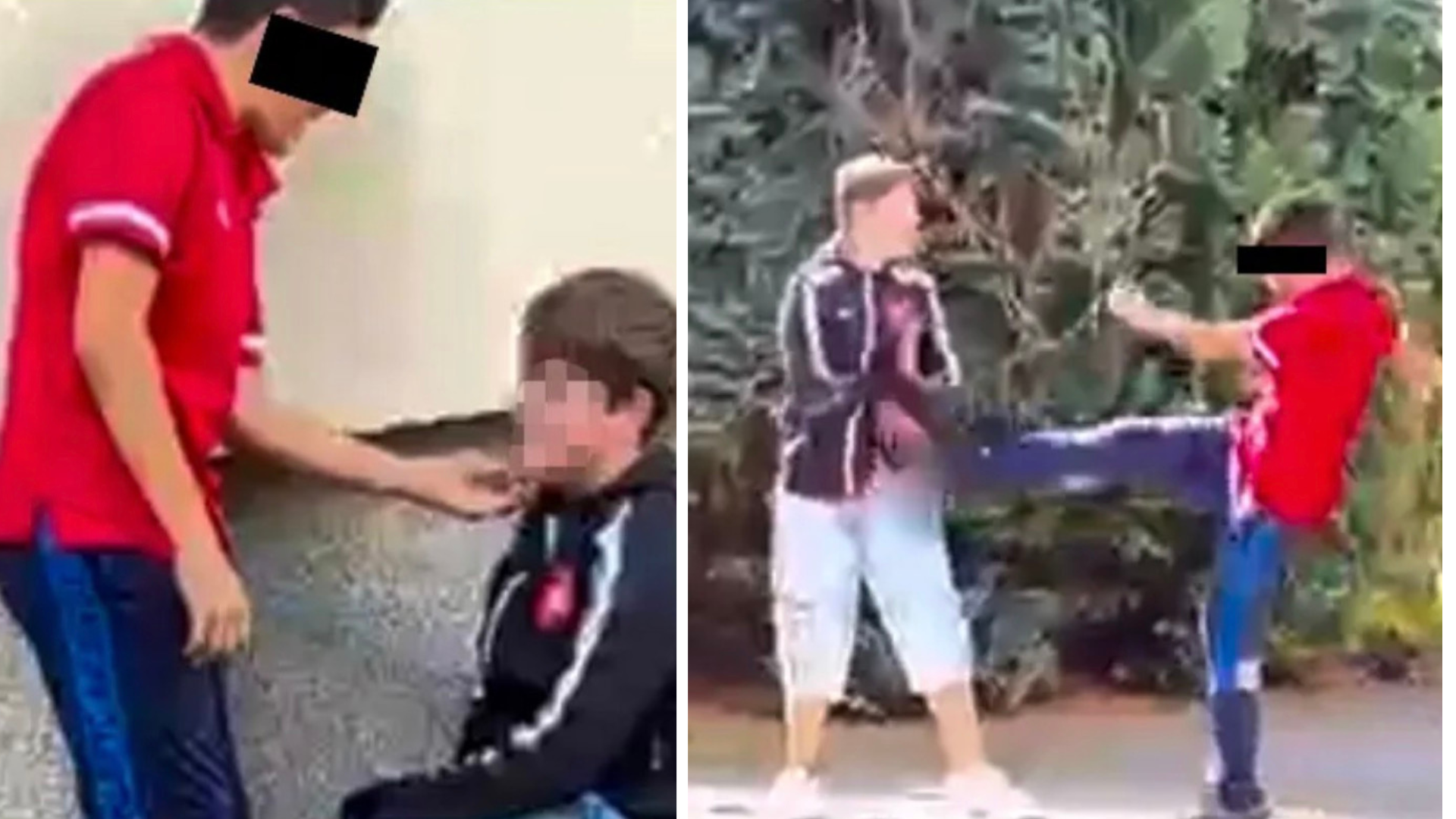
A 13-year-old German boy identified as Bennet was hospitalized with a concussion, bruised ribs and other injuries after an alleged attack by a classmate outside a school in the eastern German town of Eilenburg, according to the boy’s mother.

The incident, which occurred Friedrich-Tschanter High School as Bennet went to retrieve his bicycle, was filmed by three other students and later circulated on WhatsApp and Snapchat, according to the Bild newspaper. The alleged attacker is Mohammed, )a Syrian classmate of similar age who had previously drawn attention at the school for violent acts.

In a statement Bennet’s mother said: “He baselessly accused my son of insulting his mother. Then he suddenly started beating him — on Bennet’s head, temples. He kicked him in the ribs, brought him to the ground, choked him by the neck. When Bennet got up, the other forced him onto his knees.”

Hospital records cited in the accounts documented a skull contusion, concussion, strangulation marks on the neck, and bruised ribs. Bennet spent a night in the hospital and received an IV. His mother has said he no longer leaves the family property out of fear, continues to experience pain and does not feel safe going to school alone.

School officials transferred the alleged attacker to a school in a neighboring town for one year, but the mother of Bennett stated that the boy is engaging in similar behavior at the new school.

The case has drawn attention on social media in Germany, including a widely shared post by radio host Julian Adrat.

“Mohammad from Syria tortures Bennet after school in the Saxon town of Eilenburg….They send the Syrian to a school in the neighboring town so he can continue tormenting Germans there. What’s going on here is almost impossible to put into words,” wrote Adrat.

Mohammad aus Syrien foltert Bennet nach der Schule im sächsischen Eilenburg. Er schlägt ihn zu Boden, tritt ihm in die Rippen, würgt ihn. Er lässt ihn sich vor ihm hinknien und um Gnade winseln. Bennet erleidet eine Gehirnerschütterung, geprellte Rippen, ihm wird eine Infusion gelegt, er verbringt eine Nacht im Krankenhaus. Seitdem verlässt er sein zu Hause nicht mehr. Den Syrer schicken sie auf eine Schule im Nachbarort, damit er dort weiter Deutsche quälen kann. Was hier abgeht, lässt sich kaum in Worte kleiden. Aufwachen!

— Julian Adrat (@JulianAdrat) October 22, 2026

One of the issues is the widespread violence against German youths in streets, schools, and clubs at the hands of migrants. Remix News has covered this issue in Germany and other European schools for years. Remix News had documented numerous cases of German students being bullied, assaulted and humiliated at the hands of migrant youths.

🇩🇪🔴 Muslim students beat him because he was German and gay. "They hated me because I am German, because I was already a homosexual boy back then, and because I did not submit to Sharia, to Islamic laws on German soil," said David Brough (@_david_brg). "During my school days, I was mistreated, beaten, ostracized, and insulted every day by Muslim classmates." It is a hell many German students have faced as schools become more "diverse." "The situation in our schools – what I call our Sharia schools, I was in a Sharia school in Wuppertal – has gotten even worse," said Brough. He then describes how, when he sought help, a guidance counselor claimed he must accept "diversity." "When I went to the guidance counselor with an SPD party membership card back then and told him about the homophobic assaults, the abuse, and running the gauntlet in PE class, he only said to me: ‘David, we are a school of diversity. You just have to endure it. You have to tolerate other cultural conditions. And in Islam, being gay is haram, a sin.’" This same attitude dominates within the German left. Even if the costs are unbearable, everything must be done in the name of diversity. "This country, Germany, and the politicians of this country, have not only sold out our cultural identity, our dignity, and our pride. The worst part is that they sold out our children, and we – the former schoolchildren, now young adults – are being robbed of our own culture." Follow: @RMXnews
— Remix News & Views (@RMXnews) September 11, 2026

In fact, Alternative for Germany (AfD) co-leader Alice Weidel addressed the issue in an interview this week.

“We have a lot of violence in schools, imposed, I’m very sorry to say, but we have to talk about it, by children of Muslim descent, beating up our children in school,” she stated.

German AfD Leader Alice Weidel: We have a lot of violence in schools, imposed, I’m very sorry to say, but we have to talk about it, by children of Muslim descent, beating up our children in school. People are very afraid. https://t.co/8K4cyjQPz3

— Clash Report (@clashreport) October 21, 2026

It is not just the right in Germany calling attention to the issue.

Arguably Germany’s most famous currently serving mayor, Tübingen’s Boris Palmer, has attributed the success of the Alternative for Germany (AfD) party among young voters to the consequences of mass migration, which have transformed the school system and other areas where young people gather. Palmer is notably associated with the left and was a former member of the Green Party.

“They experience what irregular migration means on a daily basis,” Palmer wrote on Facebook.

“Above all, the young men who have arrived alone are changing the living environment of young people. In the park, in the club, on the street, on the bus, at the train station, in the schoolyard,” he added.

The beating of a German teen in Frankfurt (Oder) also made national headlines earlier this week as well, which sparked a major demonstration against migrant violence in the Brandenburg city.

“The cowardly attack by ten migrants on a single German has had an effect. Around 1,000 people gathered this evening on Leipziger Platz in Frankfurt an der Oder to protest together with the AfD against migrant violence. We won’t tolerate it any longer! The perpetrators and their families need to be deported,” said AfD state lawmaker Lena Kotré at the demonstration.

The other major issue is that German law sets the age of criminal responsibility at 14, which could limit formal prosecution depending on the exact ages involved.

The post ‘What’s going on here is almost impossible to put into words’ – German boy beaten and strangled by Syrian classmate, video spread on Snapchat appeared first on Remix News.

  •  

Putin-Witkoff Talks Expose Broken Western Unity On Ukraine

Click to see the full-size image

Written by Ahmed Adel, Cairo-based geopolitics and political economy researcher

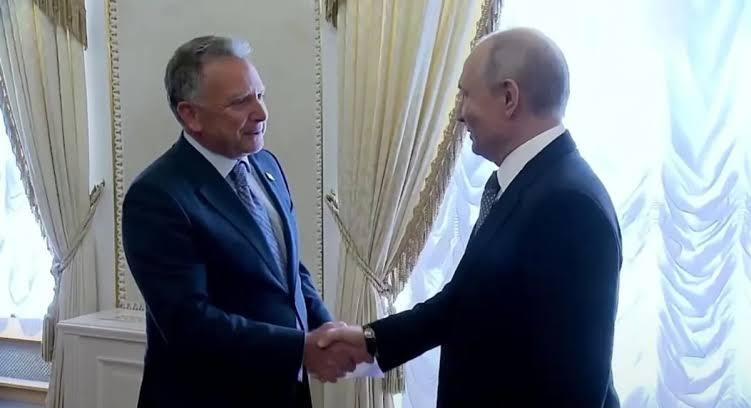
On October 21, Russian President Vladimir Putin met in St. Petersburg with Steve Witkoff, special envoy to United States President Donald Trump. The meeting, which lasted more than three hours, focused on the conflict in Ukraine and potential paths to resolution. Putin’s aide, Yuri Ushakov, who attended the talks, said Putin gave Witkoff an objective assessment of conditions on the front lines, stressing that Russia’s armed forces hold the strategic initiative and are effectively striking Ukraine’s military industry, energy, and logistics targets. Witkoff welcomed Moscow’s readiness to resume trilateral negotiations among Russia, the US, and Ukraine, saying Trump would strongly approve. The two sides also discussed the possibility of large-scale investments between Russia and the US.

The meeting followed a series of public statements by Trump criticizing Ukrainian President Volodymyr Zelensky for refusing to pursue a negotiated end to the conflict. Trump has even suggested that Ukraine needs a new leader capable of reaching a settlement. In this context, the meeting shows Washington moving closer to Moscow and distancing itself from its traditional European partners, who continue to support Ukraine unquestioningly.

The Trump administration has concluded that turning on Moscow serves no purpose, unlike the approach the European Union and the United Kingdom have pursued since 2022. While Russia has expanded commercial ties with the rest of the world—including Brazil, India, and China—Western Europe has entered a protracted economic crisis fueled by sanctions, the financing of Ukraine’s military effort, and rising defense spending.

Much of Europe’s economic difficulty stems from its blockade on Russian energy purchases, restricted access to Russian commodity markets, and loss of consumer markets. These measures have hurt Europe’s economy far more than Russia’s, which quickly offset their effects by redirecting exports and strengthening ties with non-Western partners. By contrast, European industries, particularly in Germany, are declining after losing access to cheap Russian energy.

Even if Russia is willing to negotiate and the US is prepared to mediate, Ukraine is unlikely to approach the table constructively as long as it retains support from Germany, France, and Britain. Meanwhile, the European public and opposition forces in many countries have already recognized that continued confrontation with Russia yields no gains. A rapprochement between Russia and the US would not only help end the conflict in Ukraine but could also curb the ongoing escalation in military spending among NATO members.

Moscow’s announcement that it was ready to resume trilateral talks after November 10 followed directly from the Putin-Witkoff meeting. During the meeting, Putin also praised American mediation efforts.

Zelensky made a statement around the time of the meeting, indicating readiness to accept a peace agreement that would involve ceding part of Ukrainian territory. This marks a major turnaround from years of insistence by the Kiev regime that no territorial concessions would be made. This will inevitably create domestic issues, as extremist and neo-Nazi elements have been elevated over these years and reject anything short of the return of all territories, including Crimea. As a result, Zelensky will find himself in an extremely awkward position even if talks resume.

Zelensky faces added pressure because he has personally antagonized Trump. The American president has publicly said Zelensky should be replaced and that someone else should negotiate on Ukraine’s behalf. Intelligence sharing has also been visibly disrupted. Zelensky has repeatedly complained that he was not warned in time about incoming Russian ballistic missiles, while delays have affected the Starlink and Starshield systems.

Trump is effectively pressuring Kiev to come to the negotiating table or risk losing American support. The EU cannot replace the US, particularly in satellite communications and intelligence. Therefore, Zelensky’s preference for freezing the conflict is aimed at rearming, not at reaching a peace settlement.

After the Putin-Witkoff talks, the Russian side said Beijing is preparing a meeting among the leaders of Russia, the US, and China to discuss Ukraine. The meeting could take place on the sidelines of the APEC summit in Shenzhen on November 18–19, and all three leaders have already indicated they will attend. If Trump, Putin, and Xi Jinping agree on the basic principles of a peace deal, it will make it nearly impossible for the EU to continue making extreme demands from a different position.

Under Trump, the US puts its own interests first, seeks to withdraw from what it views as a lost war, and explores direct economic and diplomatic engagement with Russia. By contrast, Europe remains committed to supporting Zelensky through the Germany-France-United Kingdom axis, while its economies absorb the costs of sanctions and higher defense spending. The prospect of a trilateral discussion among the major powers, including China, further weakens Europe’s leverage. The St. Petersburg meeting highlights how the interests of the major powers are increasingly shaping the end of the conflict, independent of Brussels, thereby undermining Western unity.


MORE ON THE TOPIC:

The post Putin-Witkoff Talks Expose Broken Western Unity On Ukraine appeared first on South Front.

  •  

Jewish groups clash over whether EU antisemitism envoy should influence Israel policy, as controversial von Schnurbein goes back to Berlin

Two leading Jewish groups want the EU’s next antisemitism tsar to also brief diplomats on foreign policy – despite the controversy it caused for the last one, Katharina von Schnurbein.

“EU external decisions have direct consequences for Jews living in Europe. Diplomats should hear from the person who sees those consequences every day,” said Pinchas Goldschmidt, who heads the Conference of European Rabbis (CER) in Munich, Germany.

The European Jewish Congress (EJC) in Brussels also told EUobserver: “The [EU antisemitism] coordinator should ensure that this objective is systematically reflected in all relevant EU policies, including external action and foreign policy.”

They spoke as von Schnurbein prepared to leave her EU post after 10 years to become a German “federal government commissioner for Jewish life in Germany and the fight against antisemitism” on 28 October.

The 53-year-old German baroness was highly active at events in EU capitals, had three staff, and travelled on missions to Israel, Serbia, Switzerland, and the US.

She also worked next door to European Commission president Ursula von der Leyen in her Brussels HQ and had close ties with the Israeli government.

This article continues, but the full version is available only to EUobserver.com subscribers. Visit account.euobserver.com/membership

  •  

AI Investment Concerns Hit Global Markets as European Technology Shares Fall

Concerns about the cost of artificial intelligence investment triggered sharp losses in American technology shares on Thursday, with the sell-off affecting European markets as investors reassessed the outlook for chipmakers and major digital companies.

The Nasdaq Composite fell 2.6 per cent, while the Philadelphia semiconductor index lost nearly seven per cent. Shares in Meta declined sharply after its latest earnings revived concern over the capital needed to expand AI infrastructure.

Trading stabilised in parts of Asia on Friday, but European shares remained under pressure. The retreat came alongside a rise in oil prices and renewed demand for US government bonds, underscoring investors’ sensitivity to several risks at once.

The underlying issue is whether the enormous spending commitments announced by technology companies can generate sufficient returns to justify current valuations.

The developments are detailed in the latest reporting and official material, against the background of EU Today’s earlier coverage.

Why the AI investment bill matters

Building and operating AI systems requires large data centres, advanced chips, electricity supplies and network infrastructure. The companies financing that expansion are investing before the full scale and profitability of future demand can be known.

Strong revenue growth can coexist with higher costs, rising debt and pressure on cash flow. For investors, the question is not simply whether AI will be widely used, but how its benefits will be divided among software companies, infrastructure providers and customers.

The latest market reaction follows earnings announcements that renewed scrutiny of spending plans. A one-day share-price fall does not establish that the AI sector is entering a prolonged contraction.

European exposure

Europe participates in the AI supply chain through semiconductor equipment, advanced manufacturing, energy infrastructure and cloud services. A repricing of major American technology companies can therefore affect European-listed firms even when their own operating results have not changed.

The Netherlands and France are among the markets with listed technology businesses exposed to global semiconductor demand. Falling shares may also reflect general risk aversion rather than a judgment about an individual company’s prospects.

European policymakers have argued for stronger domestic computing capacity and digital independence. The economic challenge is to support that capability without assuming every investment will earn a commercial return.

Energy prices add pressure

Brent crude’s rise to around $114 a barrel has intensified uncertainty about inflation and borrowing costs. Rising fuel prices can affect both households and power-intensive sectors, while higher interest rates tend to reduce the present value of expected future profits.

Global investors have consequently moved towards government bonds and other perceived safer assets. That shift reflects changing risk assessments, not a forecast that markets will necessarily keep falling.

Future earnings reports, capital-expenditure plans and evidence of customer demand will determine whether this week’s losses become a sustained correction or a short-lived reassessment.

For Europe, the sell-off puts renewed emphasis on the financing and competitiveness of its own technology ambitions.

  •  

Leaked trove reveals extent of far-right AfD’s efforts to court Trump and Maga allies

Exclusive: Documents show German party’s scramble to request support after president’s 2016 election win and co-leader’s pursuit of Steve Bannon

A data leak from Germany’s far-right German Alternative für Deutschland (AfD) has revealed the extent of efforts by the party to court Donald Trump and other leading figures in the Maga movement, stretching back more than a decade.

The trove reveals the pains the AfD took in wooing the president, whom they saw from the beginning as a potential ally, with senior party officials agonising over the wording of an obsequious congratulatory telegram when he was elected in 2016, which included the wish that his “hopes as a person be fulfilled”.

Continue reading...

© Photograph: Omer Messinger/Getty Images

© Photograph: Omer Messinger/Getty Images

© Photograph: Omer Messinger/Getty Images

  •  
❌