Au Brésil, Lula a largement gagné face à Flavio Bolsonaro, avec 51,8 % des voix contre 48,2 % pour le sénateur. Une surprise, alors que les sondages plaçaient le candidat d’extrême droite légèrement devant le président sortant pour le second tour de la présidentielle.
Ukraine is remaking its air force on NATO’s model, down to the way its squadrons are organized and the aircraft they fly. The reforms are planned to be completed by 2035 and include modernizing its F-16s while pursuing the Swedish Gripen jets, Air Force Spokesperson Yurii Ihnat says, per Tse Baza.
Ukraine’s fighters are working hard against Russia’s air war, and in the previous month alone the Air Force faced around 3,500 jet-powered targets, with F-16s heavily used to intercept Russian drones. The new reform is meant to build an air force that can be sustained over the long term and can contest Russian jets and glide bombs, not only survive the next wave.
Wings and universal air bases
The central change, Ihnat said, is a move to the “wing” units that NATO air forces use. The first steps have already been taken: Ukraine has set up the 107th F-16 wing, which now has its own Facebook page and may publish material about its work.
Ukraine also plans to build universal air bases on the operational airfields it has used through the full-scale war. In the future, Ihnat says, those bases should be able to receive and service different models of combat aircraft, as NATO does.
A worn fleet, and the jets Ukraine wants next
Currently, the F-16s Ukraine flies are older Block 15 jets, used by other countries before they arrived, and intensive combat has left them in need of repairs, service life restoration, and upgrades.
Ukrainian officials discussed modernization with the American manufacturer Lockheed Martin, while Kyiv would prefer the newer Block 70/72 version, which Ihnat says would let its pilots stand up more confidently to Russia’s Su-35 fighters.
Keeping the current fleet flying has been hard: fewer than half of Ukraine’s F-16s may be operational, held back by slow maintenance abroad.
At the same time, Lockheed Martin and Kyiv are discussing a special F-16 variant for Ukraine, with a modern AESA radar, longer range, and a wider choice of weapons, though no firm deal exists yet.
Ukraine is also counting on Swedish Gripen fighters. Ihnat says Ukrainian pilots are drawn to them for their lower operating costs and simpler maintenance, with the country likely to receive older C/D models first, before the newer Gripen E that Saab is developing.
Ukrainian pilots have already begun their training on the Gripen, a jet seen as a counter to the Russian aircraft dropping guided glide bombs on the front, though delivery timing depends on further agreements.
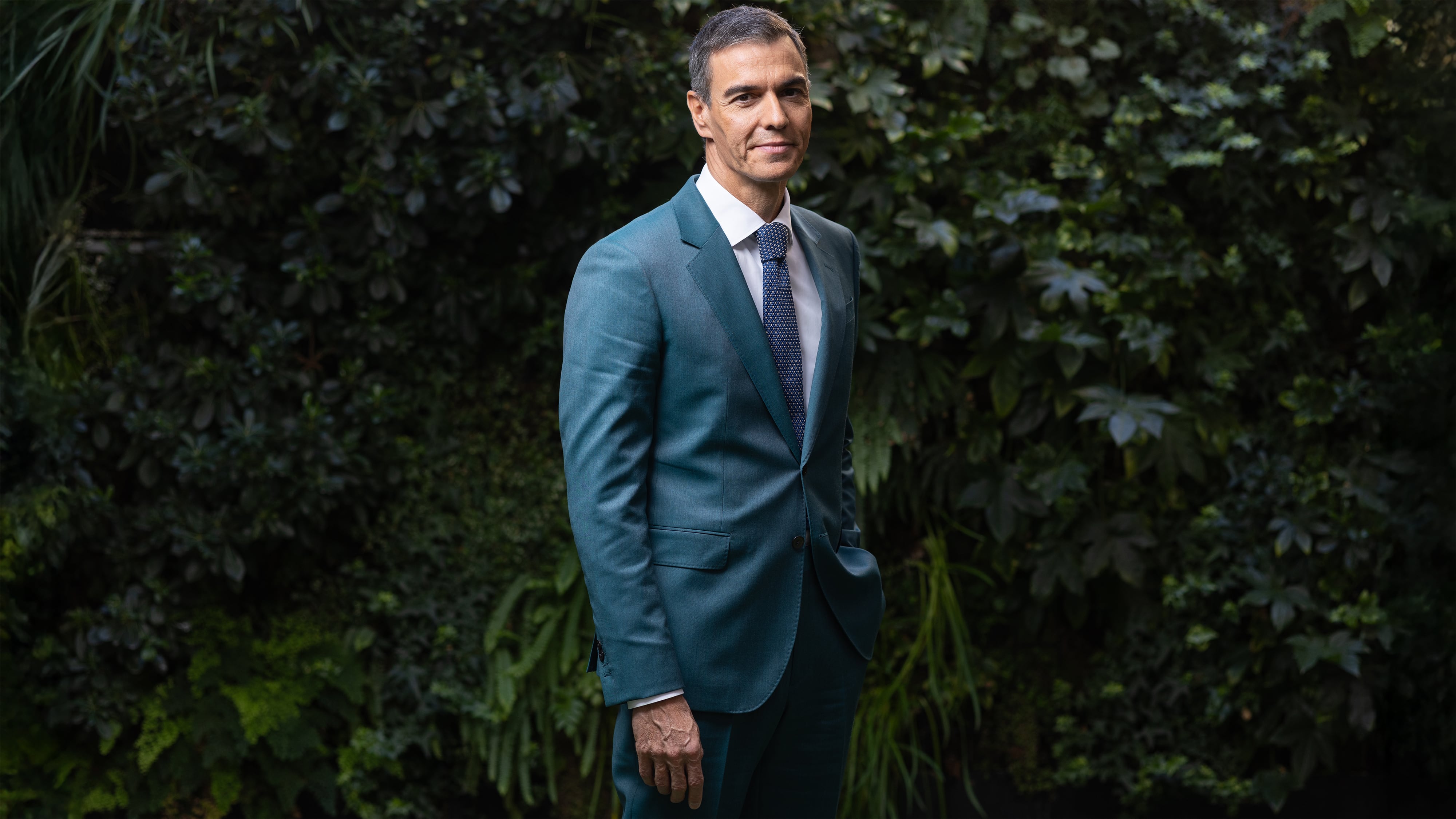
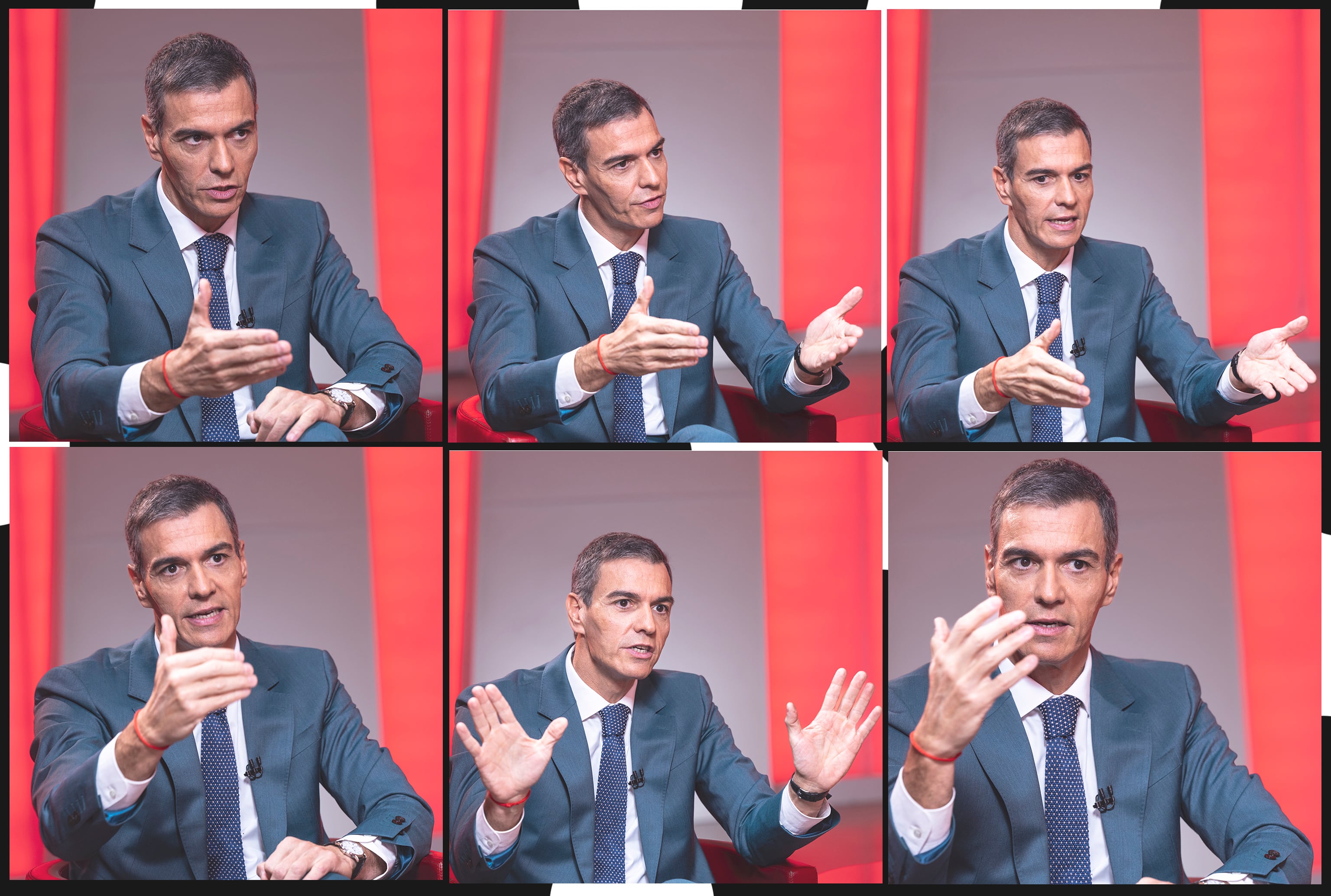
The prime minister is a candidate again. And it shows. He speaks fluidly, dodges jabs, and stands his ground with a smile. Pedro Sánchez, who seemed somewhat weakened after his brother’s conviction and the Ceuta migrant crisis, appears to have been energized by the general election of November 29, which will be his sixth. “These elections can be summed up in a very simple idea: either the past moves forward, or Spain moves forward,” he says.
Cálculo varia de município para município e pode estar desatualizado, avisa Deco Proteste. A editora Deco Proteste alertou que alguns proprietários podem estar a pagar mais IMI do que deveriam, quando o valor patrimonial do imóvel não reflete a evolução de determinados fatores usados no cálculo do tributo. “O valor do IMI é calculado com base no valor patrimonial tributário (VPT) do imóvel, mas varia de município para município. No entanto, alguns dos elementos utilizados neste cálculo não são atualizados automaticamente pela Autoridade Tributária, o que significa que o imposto cobrado ainda pode ser superior ao que resultaria de uma
In Italia oltre 5,4 milioni di persone vivono in condizioni di povertà assoluta, pari al 9,3% della popolazione residente. Il dato, riferito al 2025, rimane sostanzialmente stabile rispetto all’anno precedente, ma evidenzia un peggioramento nel lungo periodo. Secondo il Rapporto sul Benessere Equo e Sostenibile (Bes) 2026 dell’Istat, nel 2014 la povertà assoluta interessava il 6,9% dei residenti. Nell’arco di undici anni l’incidenza è quindi aumentata di 2,4 punti percentuali.
Povertà assoluta in Italia, 5,4 milioni di persone nel 2025
I dati Istat mostrano che nel 2025 l’8% delle famiglie residenti si trova in povertà assoluta, una quota stabile rispetto al 2024. Considerando le singole persone, il fenomeno interessa il 9,3% della popolazione, per un totale superiore a 5,4 milioni di individui.
La povertà assoluta viene misurata sulla base della capacità di una famiglia di sostenere le spese necessarie per acquistare beni e servizi essenziali e mantenere condizioni di vita considerate adeguate.
Il confronto storico evidenzia un aumento significativo. Nel 2014 la povertà assoluta colpiva il 6,9% della popolazione, contro il 9,3% del 2025. Secondo l’Istat, nel periodo considerato il fenomeno ha registrato una diminuzione soltanto nel 2019, mentre gli aumenti più rilevanti si sono verificati nel 2020 e nel 2022.
Nel primo caso hanno inciso le conseguenze della pandemia, mentre nel secondo l’accelerazione dell’inflazione ha pesato soprattutto sulle famiglie con minori disponibilità economiche.
Povertà assoluta più alta al Sud, il confronto con Nord e Centro
Le condizioni economiche cambiano sensibilmente tra le diverse aree del Paese. Nel 2025 il Mezzogiorno presenta l’incidenza più elevata di povertà assoluta, pari all’11,5%, sebbene il dato sia diminuito rispetto al 12,5% registrato nel 2024.
Al Nord la percentuale si attesta all’8,5%, in lieve calo rispetto all’8,8% dell’anno precedente. La situazione più favorevole si osserva nel Centro, dove la quota di persone in povertà assoluta è del 7,4%, contro il 7,6% del 2024.
Un altro indicatore utilizzato dall’Istat è il rischio di povertà, che misura la quota di persone con un reddito disponibile equivalente inferiore al 60% del valore mediano nazionale.
Questo parametro è diverso dalla povertà assoluta, perché considera il reddito familiare rispetto alla distribuzione dei redditi della popolazione. Nel 2025 il rischio di povertà interessa il 32,1% dei residenti nel Mezzogiorno, una percentuale più di tre volte superiore al 10,4% registrato al Nord.
Nel Centro il valore è del 15,1%, mentre la media nazionale si attesta al 18,6%, sostanzialmente stabile rispetto al 18,9% del 2024. Le differenze sono particolarmente evidenti anche a livello regionale.
In Sicilia il rischio di povertà raggiunge il 38,4%, in Campania il 35,6% e in Calabria il 32,8%. Le tre regioni superano quindi il 30% e presentano valori nettamente superiori alla media italiana.
Rischio di povertà, Italia al 21° posto nell’Ue
Il confronto internazionale mostra una situazione italiana meno favorevole rispetto alla media europea. Secondo i dati Eurostat riportati nel Bes 2026, il 22,6% della popolazione italiana è a rischio di povertà o esclusione sociale, contro una media del 20,9% nell’Unione europea. L’Italia occupa il 21° posto tra i 27 Stati membri, considerando l’ordinamento dal valore più basso a quello più elevato dell’indicatore.
Il parametro europeo comprende tre dimensioni: rischio di povertà, grave deprivazione materiale e sociale e bassa intensità lavorativa delle famiglie. Nel confronto con gli altri Paesi, l’Italia presenta una percentuale superiore a quelle di Germania e Francia, entrambe vicine alla media europea, ma inferiore alla Spagna, dove il valore raggiunge il 25,7%. La Repubblica Ceca registra il dato più basso, pari all’11,5%, mentre la Bulgaria presenta quello più elevato, con il 29%.
In alcune regioni ci sono più servizi, in altre la vita costa meno e in altre ancora c’è maggiore possibilità di trovare un lavoro. L’Italia presenta caratteristiche specifiche che variano a seconda della geografia. L’ultimo report, la 13ª edizione del “Rapporto sul benessere equo e sostenibile” dell’Istat, racconta proprio le tendenze delle disuguaglianze di benessere che si possono osservare sul territorio. In altri termini, l’Istat classifica le regioni in base a dove si vive meglio per accesso alla sanità, istruzione e formazione, lavoro, benessere economico, relazioni sociali, sicurezza, ambiente, innovazione, qualità dei servizi e diverse altre voci.
La mappa del benessere conferma la spaccatura tra Centro-Nord e Mezzogiorno. Infatti, mentre tutte le regioni del Nord e del Centro, con l’eccezione del Lazio, registrano prestazioni superiori alla media nazionale per almeno la metà degli indicatori, nel Mezzogiorno, con la sola eccezione dell’Abruzzo, la maggioranza degli indicatori segnala livelli inferiori alla media. Quindi dove si vive meglio in Italia? L’Istat ha trovato la risposta.
Dove si vive meglio in Italia?
Per rispondere alla domanda su dove si viva meglio in Italia basterebbe dire in tutte le regioni del Nord e del Centro, a eccezione del Lazio. Di conseguenza si potrebbe dire che in tutte le regioni del Mezzogiorno, fatta eccezione per l’Abruzzo, si vive peggio.
Ma oltre a quello che dice la media dei risultati dell’analisi del Rapporto sul benessere equo e sostenibile, si può scendere nei dettagli e rispondere caso per caso.
Per esempio, la distanza tra Nord e Mezzogiorno è evidente in alcuni domini del benessere, come lavoro e conciliazione dei tempi di vita, benessere economico e relazioni sociali.
Ma il quadro non è omogeneo:
sul tema del lavoro, Abruzzo e Sardegna si distinguono dal contesto meridionale;
sul tema innovazione, ricerca e creatività Valle d’Aosta e Liguria sono sotto la media nazionale.
Il tema della Sicurezza
Sorprende il valore della sicurezza in determinate regioni. Infatti, rispetto a quanto ci si potrebbe aspettare, la contrapposizione Nord-Sud sul tema della sicurezza non è così netta. Secondo l’Istat le regioni meridionali registrano risultati migliori rispetto alla media nazionale.
Tranne la Campania, le grandi aree metropolitane del Centro e del Nord risultano penalizzate da una maggiore incidenza di reati predatori e violenze.
Le criticità più marcate si registrano nel Lazio, seguito da Lombardia, Emilia-Romagna e Toscana. Un risultato che spinge a ragionare sugli stereotipi territoriali, ma soprattutto a non confondere il benessere economico con una maggiore sicurezza o una minore esposizione a determinati reati.
Le migliori regioni dove vivere
Il Friuli-Venezia Giulia e le due Province autonome di Trento e Bolzano sono le uniche realtà territoriali che hanno raggiunto valori medi superiori al valore dell’Italia in 10 dei 12 domini di benessere calcolati. Si può quindi dire che sono questi i territori dove si vive meglio.
All’opposto ci sono le regioni dove i valori di almeno 10 dei 12 domini sono peggiori rispetto al riferimento medio nazionale. Ciò accade in:
from Breitbart: BERLIN (AP) – The retreat known as the Eagle’s Nest built for Adolf Hitler in the Bavarian Alps was almost completely destroyed in a fire, and work to extinguish the blaze was still in progress Saturday, authorities said. A suspect was detained. The local tourism authority said it wasn’t immediately clear whether parts […]
Egypt’s armed support for the Sudanese military junta under General Abdel Fattah al-Burhan took on a new and decidedly ugly dimension earlier this month with the killing of at least 114 people working an artisanal goldmine in northeastern Sudan.
The attack took place on October 10th. Survivors describe an aircraft circling before attacking the workings at Jabal al-Uqaydat. One injured miner, Ali Mohamed Hamza, said workers were preparing tea at about eight in the morning when it appeared overhead, making three circuits before striking on its fourth pass. Other accounts describe five strikes. The number of weapons and attack runs remains unverified, as does the final death toll.
The New York Times placed the mine in Sudan’s Red Sea State, about 25 miles from the Egyptian frontier. Its reporting identified apparent Egyptian munitions in footage from the site. Subsequent accounts of that investigation described an unexploded Egyptian NASR 400 bomb, identified by Trevor Ball, a former American army explosive-ordnance specialist. This is significant physical evidence, although the identification requires further corroboration and manufacture alone cannot establish the operator.
On October 12th Egypt’s armed forces announced a third phase of a military and police campaign against illegal gold mining in the Eastern Desert. Warning leaflets had been dropped, it said, and operations were intended to protect national resources and enforce sovereignty. Cairo did not admit bombing the Sudanese mine or acknowledge casualties or crossing the frontier. Instead, its statement carefully described operations within Egyptian borders.
But taken together, the munition evidence, eyewitness accounts and Egypt’s own announcement mean Cairo can’t brush this off. Nor can they brush this off as an operation against the Rapid Support Forces. What it does suggest is that Egypt will use armed force indiscriminately against civilians wherever their Sudanese allies either won’t or can’t do it.
This is all part of the wider story of Egypt’s involvement in Sudan. Reuters reported in February that satellite imagery showed Turkish-made Bayraktar Akinci combat drones at East Oweinat, an Egyptian airfield near Sudan. Egyptian officials acknowledged equipping two southern airports for border protection and military strikes. A separate Times investigation reported that drones operating from Egypt had attacked the RSF inside Sudan.
All this goes well beyond diplomatic sympathy. Cairo provides political backing and, as its security officials have acknowledged privately to Reuters, logistical and technical assistance to General al-Burhan’s forces. Egypt simultaneously occupies a seat in the Quad mediation group alongside the United States, Saudi Arabia and the United Arab Emirates. It therefore possesses leverage both over the battlefield and over negotiations intended to end the war.
The contradiction is sharp. The Quad’s September 2025 statement called for an independent, civilian-led government and a transition not controlled by either belligerent. But under Burhan’s leadership that’s not happening any time soon, which means that Egypt, for all its talk about supporting the sovereignty and territorial integrity of Sudan, will go its own way as it sees fit—even if that includes desperate miners trying to scratch a living from the soil of their own economically devastated country.
Burhan’s response to the miners’ deaths was pusillanimous, tepid at best. On October 12th, he ordered a fact-finding inquiry involving prosecutors, judicial officials and security representatives. His administration said Sudanese and Egyptian authorities were communicating. But there was no condemnation of Cairo or any public demand that Egypt explain what had happened. Preserving the patron’s goodwill appears to be more important to Burhan than demanding answers about the deaths of his own countrymen.
These miners were neither an invading army nor a rival government. They were people digging for survival on ground reported to be their own country’s soil. Their killing demands accountability, not diplomatic discretion. The junta’s tepid response suggests a grim hierarchy of obligations: the survival of its relationship with Cairo first; the lives of Sudanese citizens a distant second.
As for Cairo’s behaviour, this looks decidedly like a war crime. If further investigation were to corroborate eyewitness accounts of the plane making several passes over the area before commencing its attack, then clearly they were having a good look at the facts on the ground. And they dropped their bombs anyway. Hello…? Is that The Hague?
European Union fisheries ministers are meeting in Luxembourg on 26th October to negotiate catch limits for the Baltic Sea in 2027, confronting a sharply divided scientific picture in which some commercially important fish populations are recovering while others remain at critically low levels.
The European Commission has proposed increasing total fishing opportunities by approximately 35 per cent compared with 2026, largely because of improved assessments for several herring stocks and sprat. At the same time, it wants substantial reductions in permitted accidental catches of cod, whose depleted populations have shown little evidence of sustained recovery.
The negotiations, scheduled for 26th and potentially 27th October, will determine how fishing opportunities are allocated between EU member states bordering the Baltic Sea.
According to the Council’s published agenda, ministers are seeking a political agreement on total allowable catches and national quotas for ten commercially significant fish stocks.
The outcome will determine how much fish can be landed legally during 2027, while also influencing the future prospects of coastal communities, processing companies and fishing fleets.
Brussels recommends increasing the catch limit for central Baltic herring by 49 per cent and for sprat by 44 per cent. Proposed increases for Bothnian herring and Gulf of Riga herring are more modest, at three and 11 per cent respectively.
The improved outlook for sprat follows stronger reproduction in recent years, while scientific assessments suggest some herring populations are beginning to recover.
However, these improvements do not mean the Baltic ecosystem as a whole has returned to a healthy condition.
Central Baltic and Bothnian herring remain below important sustainability reference levels, even though the latest scientific assessments permit increased catches under specified conditions.
For cod, the position is considerably worse.
The International Council for the Exploration of the Sea, known as ICES, has advised that there should be no catches of eastern Baltic cod in 2027 or 2028 under its precautionary approach.
Western Baltic cod faces similarly severe restrictions.
The Commission consequently proposes reducing the permitted incidental catch of western Baltic cod by 88 per cent and eastern Baltic cod by 51 per cent.
These allowances are designed to account for fish caught unintentionally during other fishing operations. They do not amount to the reopening of a targeted commercial cod fishery.
Fishing communities face uneven consequences
The proposed increases in herring and sprat quotas would benefit some fishing operators and processing industries, but the economic effects will vary significantly between countries and fleets.
Larger vessels specialising in pelagic species such as herring and sprat are likely to benefit more directly from increased catch opportunities.
Smaller operators whose activities depend on depleted stocks or mixed fisheries may face continued restrictions.
The Commission also proposes reducing the permitted incidental catch of western Baltic herring by 45 per cent and removing an exemption previously available to certain small-scale coastal fisheries.
That proposal creates a particularly difficult issue for smaller fishing businesses, whose operations may have limited capacity to switch fishing grounds or target different species.
The economic effects will depend not only on the size of the quotas but also on how national governments distribute them among individual operators.
The limits of quota management
The Baltic Sea’s problems cannot be explained by fishing pressure alone.
Nutrient pollution, changes in oxygen availability, habitat degradation and shifting environmental conditions have contributed to the deterioration of several stocks.
Restrictions on fishing can reduce direct pressure on fish populations, but they cannot independently resolve pollution or other environmental problems affecting reproduction and survival.
This complicates the relationship between scientific advice and political decisions.
Ministers are required to take account of conservation objectives under the Common Fisheries Policy. They must also consider the economic consequences for fishing communities and the viability of fleets operating within the agreed limits.
The Baltic negotiations present a particularly concentrated version of that conflict because the condition of individual stocks varies so substantially.
Ministers must decide how much recovery is sufficient
The Commission’s proposed increases are based on the latest assessments rather than a general relaxation of conservation policy.
Indeed, its draft regulation envisages maintaining restrictions on vulnerable stocks while allowing greater exploitation where the scientific evidence supports it.
The proposed overall catch volume is approximately 543,000 tonnes, compared with substantially lower fishing opportunities in 2026.
That figure represents a proposed ceiling, not a confirmed agreement or a forecast of actual landings.
Once ministers reach a political agreement, the Council is expected to adopt the final regulation formally in November, with the principal catch limits applying from 1 January 2027.
The central question is whether governments will preserve the distinction between stocks showing measurable recovery and those for which scientific advisers continue to recommend no fishing.
Their decision will determine both the short-term economics of Baltic fisheries and the pace at which the region’s most vulnerable commercial fish populations may recover.
Preparando um verdadeiro zoológico, a Fiat vai reforçar a gama que integra o Panda e o Grizzly com o Koala, o citadino eléctrico concebido com base no 2CV e proposto por 15.000€.
A Fiat assume que o "Lumo su Misura", bem como o "Ippo" e o "Fizz", os desenhos vencedores de um concurso realizado pela marca em Itália e reservado a estudantes universitários, vão poder influenciar as linhas do próximo Koala
Leslie Hodgin and her husband moved to the Netherlands in January 2026.
Leslie Hodgin
Leslie Hodgin and her husband had dreamed of moving abroad.
They finally took the leap in January, deciding not to waste time in their 50s.
Hodgin said the move was expensive and time-consuming, but she's been happy with their relocation.
This story is based on an interview with Leslie Hodgin, a 55-year-old marketing consultant who moved from the US to the Netherlands with her husband, John Lyman, 52. It has been edited for length and clarity.
Until 2026, I was living in Richmond, Virginia, with my husband and our cat.
My dad was in the Army, so I grew up all over the world, but Richmond is my adopted home. I lived there for about 10 years.
During that time, I got an offer to move to Seoul, South Korea, for my marketing job. My husband, John, and I were dating at the time. We got married one week before moving to Seoul for two years.
After the contract ended, we returned to the States. I love Richmond, but it did feel small after I had been in Korea.
Some events happened in both of our families that made us want to move abroad again sooner rather than later. My dad died. My husband's mom died. We had a couple of dear friends pass away. It was all very quick. And it made me think, "What are we waiting for? We don't have promises for tomorrow. Now is the time."
We don't have kids, so that wasn't holding us back. We had some money in the bank to move, which I know is a privilege. It was like, "Let's just go and live our lives. We shouldn't just keep hoping for someday because there may not be someday."
Moving to the Netherlands
John had gone to graduate school in the Netherlands, so we'd visited before. Through my work in advertising, I also had a fairly large network of people living there.
There's a visa for Americans called the Dutch-American Friendship Treaty (DAFT) that allows freelancers and entrepreneurs to live in the Netherlands. It made the country seem like a great choice for us.
The couple moved in January 2026.
Leslie Hodgin
My husband works for himself, so it was easier for him to pick up and go anywhere. I started my own consulting business and left my agency. I knew there was an advertising community in the Netherlands, and I planned to freelance if my consulting business wasn't doing well.
My husband's dad is in his 90s, and my mom just turned 80. Moving far from them was probably the hardest part of the decision. I have a little guilt for that, but they're excited for us. I've promised my mom that I'll be home for any big family and important events.
That's a hard thing to do, but we felt it was right for us not to put our lives on hold.
Downsizing our lives
We moved in January. We did it in six months. We'd sold our house about a year before moving and were living in an apartment.
We decided to sell almost everything we owned to keep costs as low as possible. We shipped a half-crate over, which is quite small, so we had to get rid of a lot of stuff. We made close to $12,000 selling everything and used it to pay for the visas and help with some of the moving costs.
When we moved, we had nine suitcases, including a large piece of art. It was the largest oversize item that would fit on an airplane, and we had a special museum-packing company pack it. And our cat, of course, came on the plane with us.
They sold most of their belongings before moving.
Leslie Hodgin
We live in a two-bedroom apartment. It's an old, old building, but the apartment is newly renovated and has a patio.
We do feel lucky that we found a place because there is a housing shortage, and it's quite hard to find housing, particularly if you're American or from another country and you don't have Dutch income. We had to pay six months' rent upfront to secure our rental.
Life in Europe
It still feels surreal that we live here. My husband and I will frequently look at each other and say, "Oh my God, I can't believe that we're here." I never want to lose that feeling.
Business seems to be going really well. I also already knew some friends, but I've met so many amazing people through social media and made some great friends with our neighbors.
They love life in the Netherlands.
Leslie Hodgin
We love the sense of community. I appreciate the social contract that people afford each other in the Netherlands, from the opportunities the government provides to the respect and trust they show each other in general.
Recently, there was Open Monumentendag, or Open Monuments Day, with over a thousand monuments, churches, houses, farms, and historic places across the Netherlands open to the public for free. They do that every year, and it feels so special. It seems like every other weekend there's a festival.
There are always challenges. I'm very slow to pick up the language. Most people speak English, but I feel like I need to be better.
Moving also costs a lot more than you plan for. Even if you've tried to pad all the numbers, it still costs more than anticipated. Because our work was quite slow earlier in the year, we were like, "Gosh, what have we done?"
Our cost of living is fairly similar to what it was in the US. We don't have a car, so we don't have that expense. We would be paying double the rent in New York City for this same apartment.
A fresh start
I feel alive again. I felt a little stagnant in Richmond after living overseas, and moving has opened a lot of doors for my creativity.
On social media, I've documented trying one new thing a week. It's gotten us out to meet people and have some interesting experiences.
It's a new chapter.
Leslie Hodgin
There's a risk in moving abroad. You have to get yourself over the hump, and you have to be brave.
Believe in yourself. If there's something you want to try, like moving overseas, going on a solo trip, or taking a cooking class, take a chance on yourself. You're never going to regret trying it if it doesn't work out. If you don't ever put yourself out there, you're going to look back in 20 years and be like, "That would have been great. Why didn't I give that a shot?"
Is there an exception to the 5th Amendment's promise that government cannot take private property without "just compensation"? The Supreme Court declined to address that question this past Monday when it rejected a trio of petitions asking the justices to consider whether people should be compensated when law enforcement seizes or destroys their property.
Two of the cases concerned individuals who were not accused of a crime but whose property nevertheless became collateral damage as police pursued a suspect. In June 2022, police fired 30 tear gas canisters into Amy Hadley's home in South Bend, Indiana. Officers smashed windows, tore down security cameras, ransacked furniture, ripped down a panel and a fan, and punched holes in the walls as they searched for a fugitive named John Parnell Thomas, who had never been there. The police had erroneously concluded that Thomas accessed the internet via the IP address at Hadley's home. According to Hadley, the police caused at least $16,000 in damages, which insurance only partially covered.
About two months later, a SWAT team in Los Angeles arrived at Carlos Pena's North Hollywood printing business and destroyed it, along with his equipment inside, crippling his livelihood after a fugitive broke in and barricaded himself in the shop. (The suspect ultimately escaped.) Pena alleged approximately $60,000 in damages in his suit against the city, which declined to compensate him for his losses. His insurance also refused to step in—as is common in such cases, as policies often exclude damage caused by the government.
The third petition concerned Chicago drivers whose vehicles were seized by the city over modest unpaid parking tickets. Ryan O'Donnell's vehicle was impounded and sold for scrap because of about $524 in debt. Michael Goree's was seized and relinquished to the lienholder over a debt that did not belong to him; the $560 in unpaid tickets were for a different vehicle owned by his co-signer.
In all of these cases the lower courts' reasoning came from a similar place. Hadley, O'Donnell, and Goree's petitions were heard by the U.S. Court of Appeals for the 7th Circuit, which has adopted a categorical rule: Property destroyed in the exercise of "police power" is immune to claims under the Takings Clause, the U.S. Constitution's pledge that government cannot usurp private property without fairly compensating the owner. Pena's case went to the U.S. Court of Appeals for the 9th Circuit, where the judges have declined to issue such a sweeping exception but have instead ruled that governments are exempt from paying out claims when the police actions in question were "necessary."
In a statement, U.S. Supreme Court Justice Sonia Sotomayor, joined by Justice Neil Gorsuch, outlined the many inconsistencies between the circuits on the topic. "It is still an 'open question' whether these or any other approaches are consistent with this Court's precedents. Few of these decisions likewise explain the source of any such police-power exception to the Takings Clause—whether the common law, the Constitution, or elsewhere," she wrote. "Such questions thus continue to 'benefit from further percolation' in the lower courts before this Court chooses to intervene."
Sotomayor was quoting herself. In 2024, she released similar remarks in response to a petition from Texas woman Vicki Baker, whose house in McKinney had been hollowed by a SWAT team attempting to capture a fugitive. The high court declined to hear Baker's case, although she finally found relief under the Texas state constitution this year.
"It's possible that the Court sincerely doesn't think the lower courts have done enough thinking on this important but novel issue," Patrick Jaicomo, a senior attorney at the Institute for Justice who represented Hadley, tells me. "Still, we've brought them 5 cases from 5 circuits. How much more percolation is needed?…The Court is going to have to address this important issue, and it's not clear what another circuit decision or 6 might do to aid that consideration."
Though Sotomayor's statement ran in parallel to the one two years ago, its slightly sharper warning intimated that we may be inching closer to a resolution. "I again encourage courts considering this issue to take care," she wrote, "that due deference to state police powers does not eclipse constitutional rights."
Senior officials in terror group asked UN humanitarian coordinator to convey the unusually blunt threat of an attack in Israel, West Bank or abroad, COGAT chief reportedly says
Olympic gold medalist takes third place in floor exercise final, adding to string of victories this year, after being barred from competing at last year's Indonesia championships
Touché par plusieurs tirs, Pengo Bossio Wangi a succombé à la suite de la tragique attaque qui a fait cinq autres blessés ce vendredi 23 octobre à Trappes puis La Verrière, dans les Yvelines. L'homme de 26 ans, friand...
For decades, lithium has been the most coveted element in energy storage. It has been called “white gold,” a label that has brought major problems, including soaring prices, fragile supply chains and a geopolitical dependence that worries both governments and industry. Enter sodium: abundant, cheap and a major promise for a more sustainable energy revolution.
When we talk about more sustainable batteries it’s important to ask how their recycling works. “[Sodium batteries] are much easier to recycle, but also much less interesting from an economic perspective,” says Jon Ajuria of CIC energiGUNE. They typically contain fewer high-value metals, so technologically there is less need to recover materials for second use. Paradoxically, that also means recovering less money from recycling. “This makes it especially important to design batteries from the outset to be easy to disassemble and recycle,” says Professor José Luis Tirado, although Ajuria says policies that truly promote recycling will be essential.
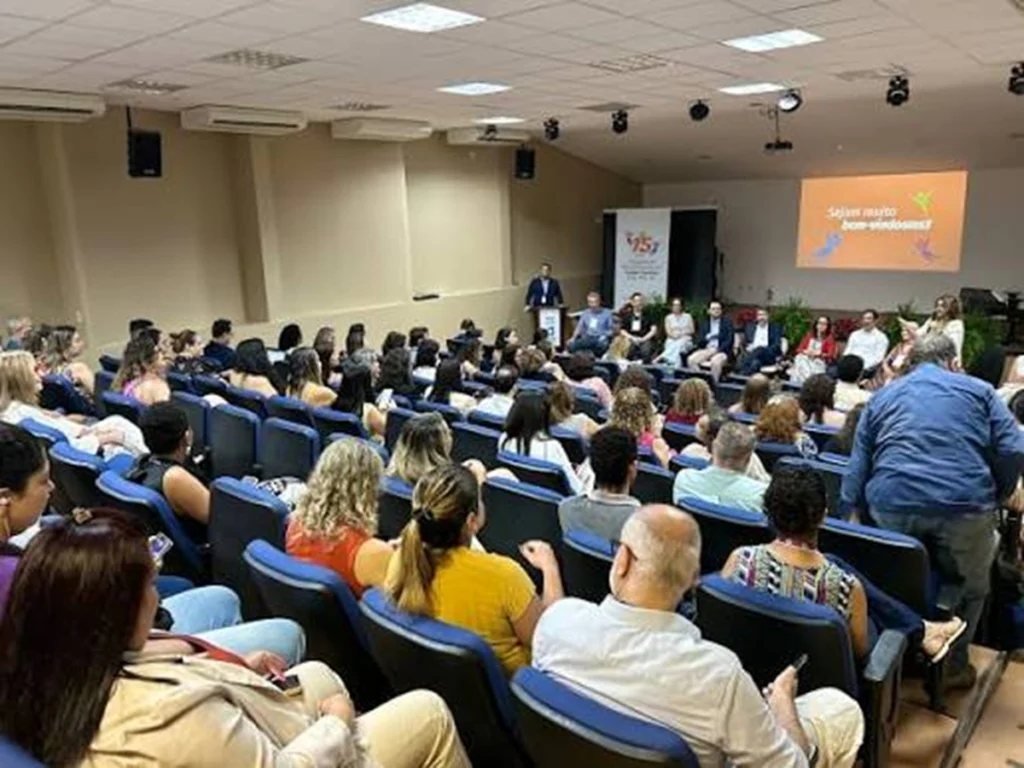
Representatives from the Goias State Health Secretariat in Brazil met with Mexican specialists.
On Friday, Brazil and Mexico strengthened their cooperation on safe and resilient hospitals through a technical visit to Mexico City, with support from the Pan American Health Organization and the World Health Organization (PAHO/WHO).
The visit brought together representatives from the Goias State Health Secretariat in Brazil with Mexican specialists to exchange experiences on the response of health services to emergencies and disasters.
The Brazilian delegation was headed by the Secretary of Health of Goias, Rasivel dos Reis Santos, and the Undersecretary of Health Surveillance, Fluvia Pereira, accompanied by representatives from PAHO/WHO in Brazil.
The meetings facilitated the sharing of experiences related to governance, inter-institutional coordination, evaluation and monitoring systems, as well as certification and continuous improvement mechanisms for healthcare facilities.
The text reads, “Senator Canedo received 162 new pieces of equipment for its primary health care units (UBSs), representing an investment of approximately US$340,000. The equipment will be distributed according to the needs of each unit.”
Authorities highlighted the existing cooperation model between the Mexican Social Security Institute (IMSS) and the State Committee of the Safe Hospital Program in Mexico City, considered an example of institutional collaboration.
As part of the agenda, the Brazilian delegation visited the Central North Hospital of Petroleos Mexicanos (PEMEX), where they learned about civil protection, operational continuity, and hospital security protocols implemented in the event of emergencies.
Representatives from Goias emphasized the level of preparedness of the healthcare and management staff, as well as the practices developed to ensure the continued operation of medical services in critical situations.

 Login