❌

Reading view

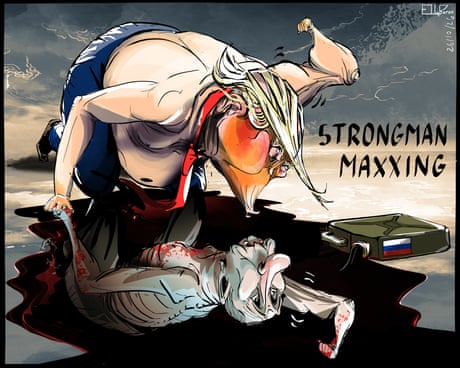
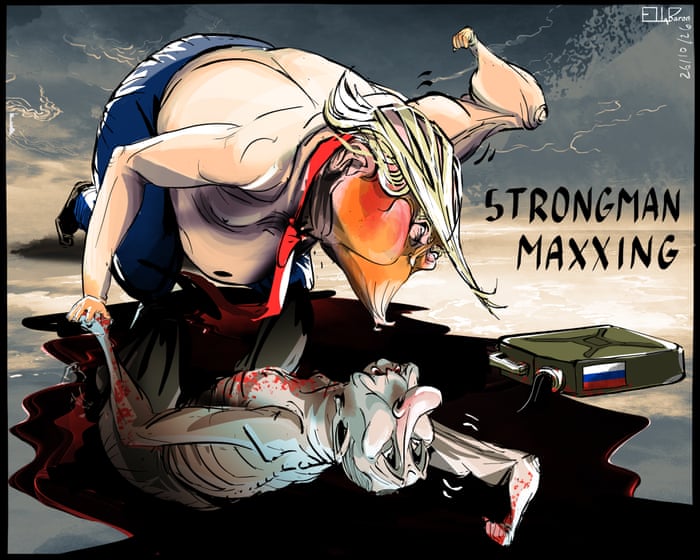
In the Starlink case Trump reacted to pressure, not flattery

It has been a wild few weeks for the US-Ukraine relationship as Trump, more and more, has been able to be what he always wanted to be: a friend and supporter of Vladimir Putin. It started openly with the diesel deal, which drove a coach and horses through the sanctions regime leveled on Russia, a […]

The post In the Starlink case Trump reacted to pressure, not flattery appeared first on Asia Times.

  •  

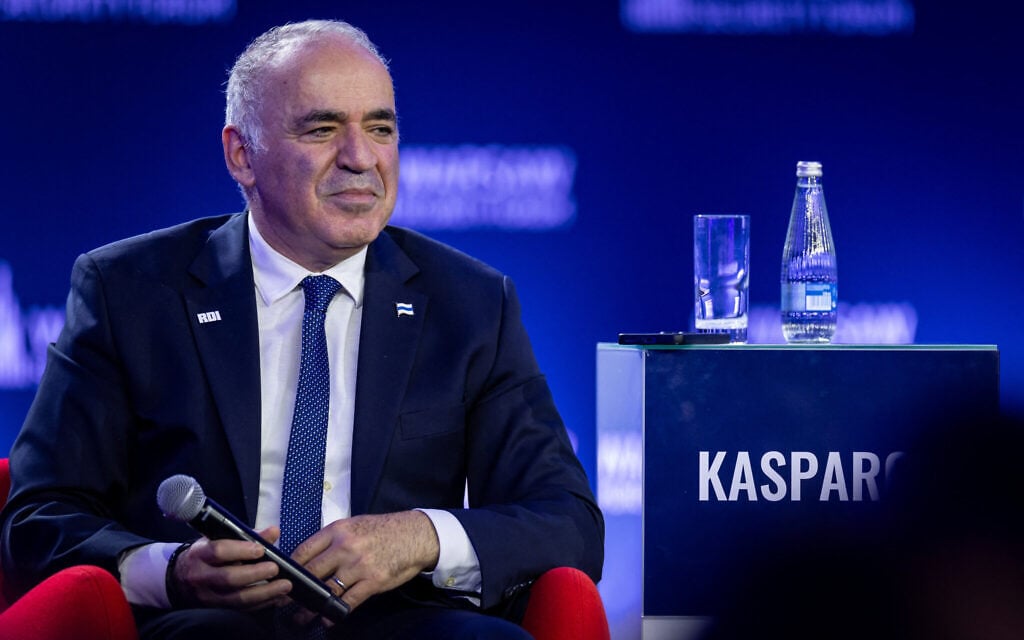
Kasparov hopes Netanyahu’s days are numbered, urges Russian-Israelis to vote him out

Chess legend and Putin critic says Russia’s propaganda machine is backing the PM, predicts a new government without him, urges Israel to side with Ukraine against a shared enemy
  •  

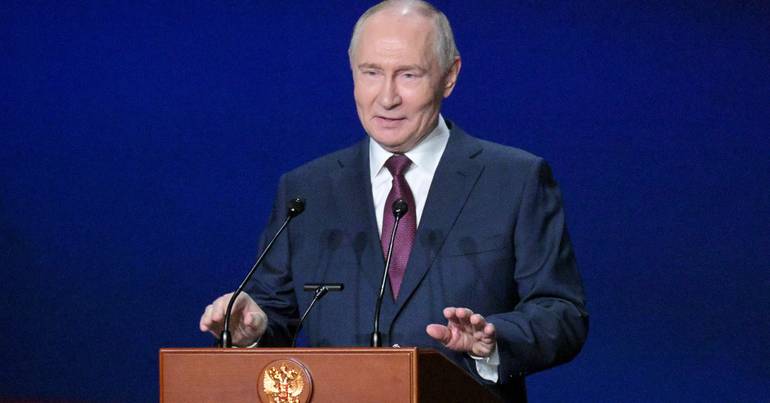
Putin felicita Lula da Silva pela vitória nas eleições

Líder russo felicitou o "amigo" Lula da Silva, desejando que ambos os países continuem "a trabalhar em estreita colaboração". Deixou ainda felicitações de aniversário antecipadas ao líder brasileiro.

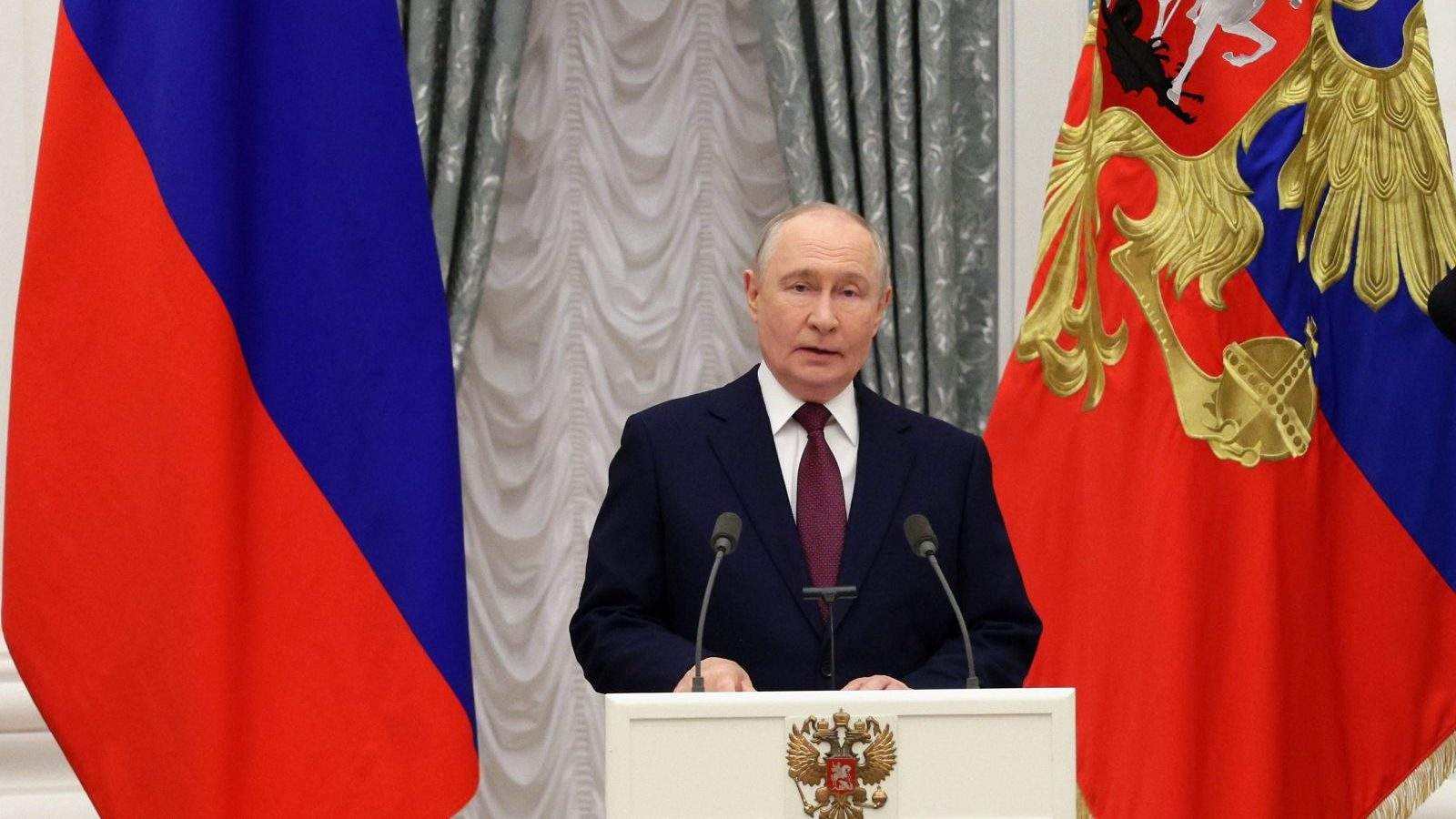
© ALEKSEY NIKOLSKYI/SPUTNIK/KREMLIN POOL/EPA

Além de felicitar o líder brasileiro pela sua vitória na segunda volta das eleições presidenciais do Brasil, Vladimir Putin desejou os parabéns antecipados a Lula pelo seu 81.º aniversário
  •  

"O Brasil não é o quintal de ninguém"

Miguel Baumgartner considera que a vitória de Lula aproxima o Brasil dos BRICS e afasta-se dos EUA. Alerta também para discurso de medo de Netanyahu sobre perigo nuclear e manobra russa sobre Ucrânia.

  •  

Ucraina, Zelensky: “A novembre negoziati con Usa e Russia”. Ma poi lancia un avvertimento sulle sanzioni a Mosca

Il presidente ucraino, Volodymyr Zelensky, ha confermato che a novembre si terrà un incontro tra russi e ucraini, con la mediazione degli Stati Uniti, per rilanciare i negoziati di pace, in stallo dall’inizio dell’anno. “Siamo pronti a discutere. Per quanto riguarda la questione territoriale, questa deve essere affrontata a livello di leader – ha detto Zelensky sui social -. Le altre questioni sono di competenza dei gruppi tecnici. Di tutto ciò si potrà dunque discutere a novembre”, ha dichiarato il presidente ucraino in un’intervista alla televisione nazionale rilanciata su Telegram”.

Il presidente ucraino, Volodymyr Zelensky si dice “pronto” per i colloqui trilaterali tra gruppi tecnici che devono però portare a “risultati concreti”. Ma avverte anche: “Non vorrei che arrivassimo a un incontro tra i tre leader – Ucraina, Stati Uniti e Russia – avendo già revocato tutte le sanzioni contro la Federazione Russa“. In alcuni post su X e Telegram Zelensky ribadisce che le sanzioni sono “un punto importante”. “Sono state imposte a causa di un’aggressione, non come pretesto per una chiacchierata. Pertanto, se parliamo della fine della guerra, deve esserci un preciso iter per la revoca delle sanzioni”. “Senza sanzioni – aggiunge Zelensky – potremmo ritrovarci coinvolti in un dialogo trilaterale in cui l’esito resta incerto, mentre le misure restrittive sono già state eliminate”.

Un drone avrebbe colpito un grattacielo di uffici a Voronezh, nella Russia sud-occidentale, durante un attacco ucraino ancora in corso questa mattina. In città si registrano esplosioni e incendi. Lo riferisce l’agenzia di stampa indipendente russa Astra, citata dal Kyiv Independent. Un video diffuso da Astra sembra mostrare un drone che esplode contro il Chizhov Gallery, un edificio di 25 piani nel centro della città. Immagini dell’attacco sono state pubblicate anche dal canale di monitoraggio ucraino Exilenova+. Secondo Astra, che ha ricevuto foto e video da testimoni, ci sono incendi anche in zone residenziali, vicino a condomini colpiti dalle esplosioni. Il governatore della regione, Aleksandr Gusev, ha confermato che la contraerea russa è entrata in azione contro un attacco di droni su Voronezh e dintorni.

L'articolo Ucraina, Zelensky: “A novembre negoziati con Usa e Russia”. Ma poi lancia un avvertimento sulle sanzioni a Mosca proviene da Affaritaliani.it.

  •  

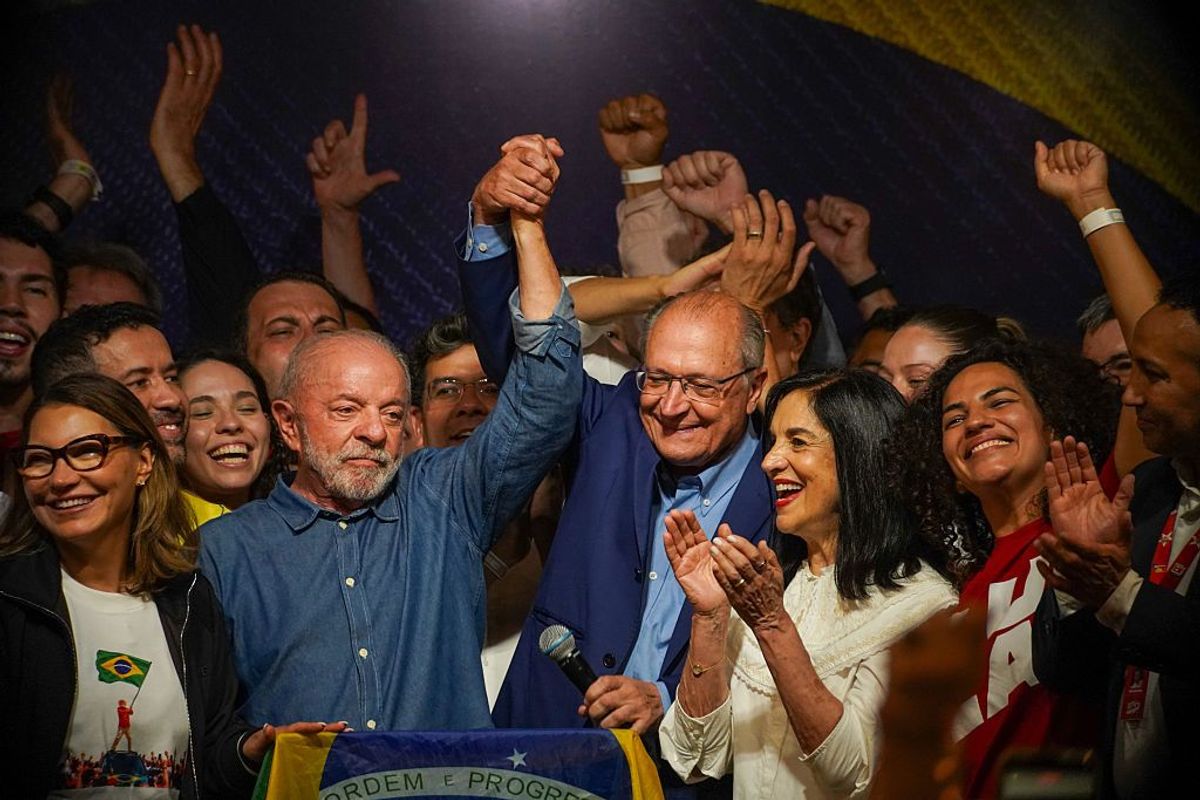
Bolsonaro refuses to concede as would-be Ukraine peace mediator Lula wins Brazil election

Lula had expressed the view in 2024 that Brazil should remain neutral and not interfere in Russia's war against Ukraine, but in the years that followed had been engaging in diplomacy, including efforts to position Brazil as a potential mediator between Kyiv and Moscow.

  •  

Zelenskyy can leverage Moscow ties from comedy days to make peace deal, says former key aide

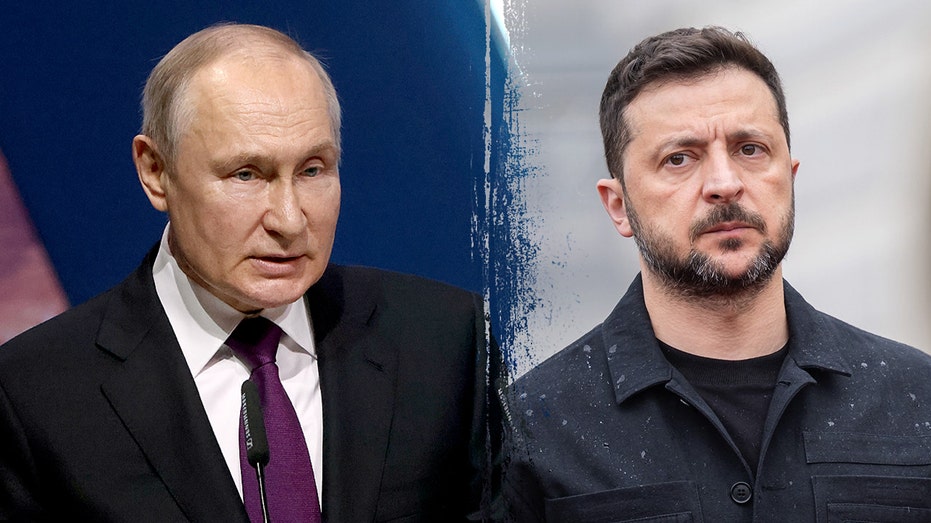
Ukrainian President Volodymyr Zelenskyy's former spokesperson urged him Sunday to meet Russian President Vladimir Putin face-to-face in Moscow, arguing that his past business and political connections in the Russian capital from years back could help him negotiate a peace deal there.

Iuliia Mendel, who served as Zelenskyy's spokesperson from 2019 to 2021, told Fox News Digital that the former comedian had also made his first millions in Russia and should perhaps leverage those ties to pursue lasting peace.

"When Zelenskyy was an entertainer, he often performed in Moscow," Mendel said, adding that the Ukrainian president "knows a lot of people from Putin's elite."

"He actually professionally grew in Moscow and earned his first millions in Moscow, and today he pretends that he has nothing in common with them," Mendel said.

RECOVERING FROM LUNG SURGERY, POPE LEO URGES PUTIN TO AGREE TO CEASEFIRE IN RUSSIAN-HELD UKRAINE CITY

"He needs to go to Moscow and needs to agree on compromises that are acceptable," she said, before adding that Zelenskyy "doesn't need to play his maximalist games and to play this noble actor."

Mendel's criticism came as Ukraine, Russia and the United States prepared for another round of technical-level peace talks, potentially in Abu Dhabi or Switzerland, in November.

U.S. envoys Steve Witkoff and Jared Kushner have helped lay the groundwork for renewed negotiations that officials hope could finally lead to direct talks between the two leaders.

Before entering politics, Zelenskyy had built a successful entertainment career. Beginning in the late 1990s, he performed with the comedy troupe Kvartal 95, competed on the Russian-language comedy program KVN and later worked as an actor, writer and producer in television and movies. 

From the late 1990s, he performed on Russian stages and at private parties and appeared in movies shown across former Soviet republics, Mendel claimed. 

She said that after Russia annexed Crimea and launched its war in Donbas in early 2014, Zelenskyy traveled to Russia to work on the comedy film "Eight New Dates" which was released in Russian theaters in 2015.

ZELENSKYY TO SEEK OFFRAMP FOR YEARS-LONG RUSSIA WAR IN UN SPEECH AFTER TRUMP REVEALS PEACE DEAL IS CLOSE

According to a report by Business Insider, many of Zelenskyy's movies were also in Russian and were marketed to a Russian audience, David Dodson, an American movie editor who worked with Zelenskyy told the outlet.

"He was a well-loved comic, actor and performer in Russia, but after [the 2013-14] Maidan [Revolution], everything changed," Dodson said.

"People need to realize that Volodya’s movies were very big in Russia. Most of his market was in Russia. He’s always been a popular comedy star in Russia," Dobson also clarified to GQ when asked if he directed the former actor in "Eight First Dates" in Russia, released in 2012.

In 2013, the movie received the Russian National Movie Awards as the Best Russian Comedy of the Year.

In 2019, Zelenskyy also promised to relinquish ownership of a Cyprus-registered company operating a film studio in Russia after investigative journalists revealed that he and his business partners still owned three Russian companies, according to the Kyiv Post.

Zelenskyy's entertainment career made him a household name in Ukraine and other former Soviet republics before he entered politics and won Ukraine's 2019 presidential election with roughly 73% of the runoff vote on promises to fight corruption and pursue peace in eastern Ukraine.

Mendel argued that Zelenskyy's promise to bring peace at the time stands in stark contrast to the devastating war that has crippled the country and defined much of his presidency.

TRUMP ANNOUNCES IMMEDIATE ENERGY CEASEFIRE BETWEEN RUSSIA AND UKRAINE

"Zelenskyy became the president with 73% record support," Mendel said. "Because he promised to bring peace to Ukraine."

"And now he has been presiding for almost five years (over) the largest war in Europe since World War II. This shows a lot."

"When his country is bleeding, he needs to make a peace deal for his people," she said before adding that the leader "needs to put the interests of his people first, just for Ukraine to exist as an independent state."

Whether Zelenskyy should travel to Moscow has, in fact, become a flashpoint in efforts to arrange direct peace talks.

In 2025, Putin offered to host Zelenskyy for talks in Moscow, but the Ukrainian president rejected the invitation as Russian forces continued attacking Ukraine.

"He can come to Kyiv," Zelenskyy told ABC News at the time, saying he could not visit Moscow while Ukraine remained under Russian missile attacks.

In September, on the sidelines of the U.N. General Assembly, Russian journalists pressed Zelenskyy on when he would visit Moscow. He replied, "On a missile."

ZELENSKYY CONGRATULATES TRUMP ON TURNING 80 IN BIRTHDAY CALL, VOWS MORE UKRAINE PEACE TALKS AT G7 ON TUESDAY

Mendel, however, argued that personal animosity between the two leaders has become the main obstacle to diplomacy.

"Today there are diplomatic efforts to try to stop this brutal and bloody war that Russia started," she said.

"But what we see now is a personal opposition between Zelenskyy and Putin that continues to grow into constant escalation in which people suffer tremendously, Ukraine's infrastructure, energy grid, and businesses are in ruins, and refugees are fleeing."

Russia launched its full-scale invasion of Ukraine in February 2022. More than four years later, peace negotiations are deadlocked over territory, security guarantees and the terms of a lasting ceasefire.

Moscow has demanded territorial concessions from Ukraine, including areas Russian forces do not fully control.

Kyiv has rejected ceding sovereign territory and insists that any agreement include enforceable security guarantees against another Russian attack.

RUSSIA RELEASES AMERICAN TEACHER IMPRISONED ON UKRAINE MERCENARY CHARGES AFTER TRUMP PRESSED PUTIN

Mendel went on to praise President Donald Trump's efforts to break the diplomatic deadlock, calling him the first Western leader to "challenge the status quo" and consistently push for an end to the war.

"For this reason, many Ukrainians place great hope in his ability to bring peace," she said.

"A sustainable peace deal cannot be reached solely between Zelensky and Putin; it requires the involvement and initiative of a strong third party to halt the ongoing devastation."

On Friday, the White House announced that first lady Melania Trump had helped broker a temporary ceasefire in Oleshky, a Russian-occupied town in southern Ukraine's Kherson region, to allow humanitarian aid deliveries, demining operations and civilian evacuations.

An estimated 1,700 to 2,000 people remain in the devastated front-line town, many of them facing severe shortages of food, medicine and other essentials.

The White House said the ceasefire would begin Oct. 29, although Ukrainian and Russian officials have indicated that operations could begin Oct. 27.

Pope Leo also reportedly spoke with Zelenskyy and Putin about the humanitarian crisis, according to Vatican News.

ZELENSKYY ACCUSES PUTIN OF DEFYING TRUMP'S CEASEFIRE PUSH, SENDS POINTED MESSAGE TO WHITE HOUSE

"Melania Trump has become synonymous with the words of a saver and a hero, since she has brokered the deal for Oleshky," Mendel said. "This is something that is going to save around 2,000 people and that neither Ukraine nor Russia could have solved for months and months."

"That is why, you know, what Melania Trump has done is actually a case to show that where two men are fighting, a woman can actually save lives," she added.

"And this is the new approach that would show that peace really should focus on human lives, not on maps and territories."

Mendel also criticized the influence of Zelenskyy's longtime ally Andriy Yermak on his diplomatic approach, arguing that the Ukrainian president has favored confrontation over compromise.

"Mr. Yermak was teaching Zelenskiy to be a strong man in diplomacy. And what today we see is actually diplomacy that doesn't exist," she said.

CLICK HERE TO DOWNLOAD THE FOX NEWS APP

"It's a diplomacy of humiliation, diplomacy of constant threats, diplomacy of demands," Mendel added.

  •  

Europe’s Search for a Ukraine Negotiator Exposes a Much Deeper Struggle for Power

European leaders are considering appointing a senior representative to negotiate with Russia over Ukraine. But the search exposes a more fundamental problem: whether Europe can transform its economic strength, military resources and political influence into an independent capacity to shape its own security.

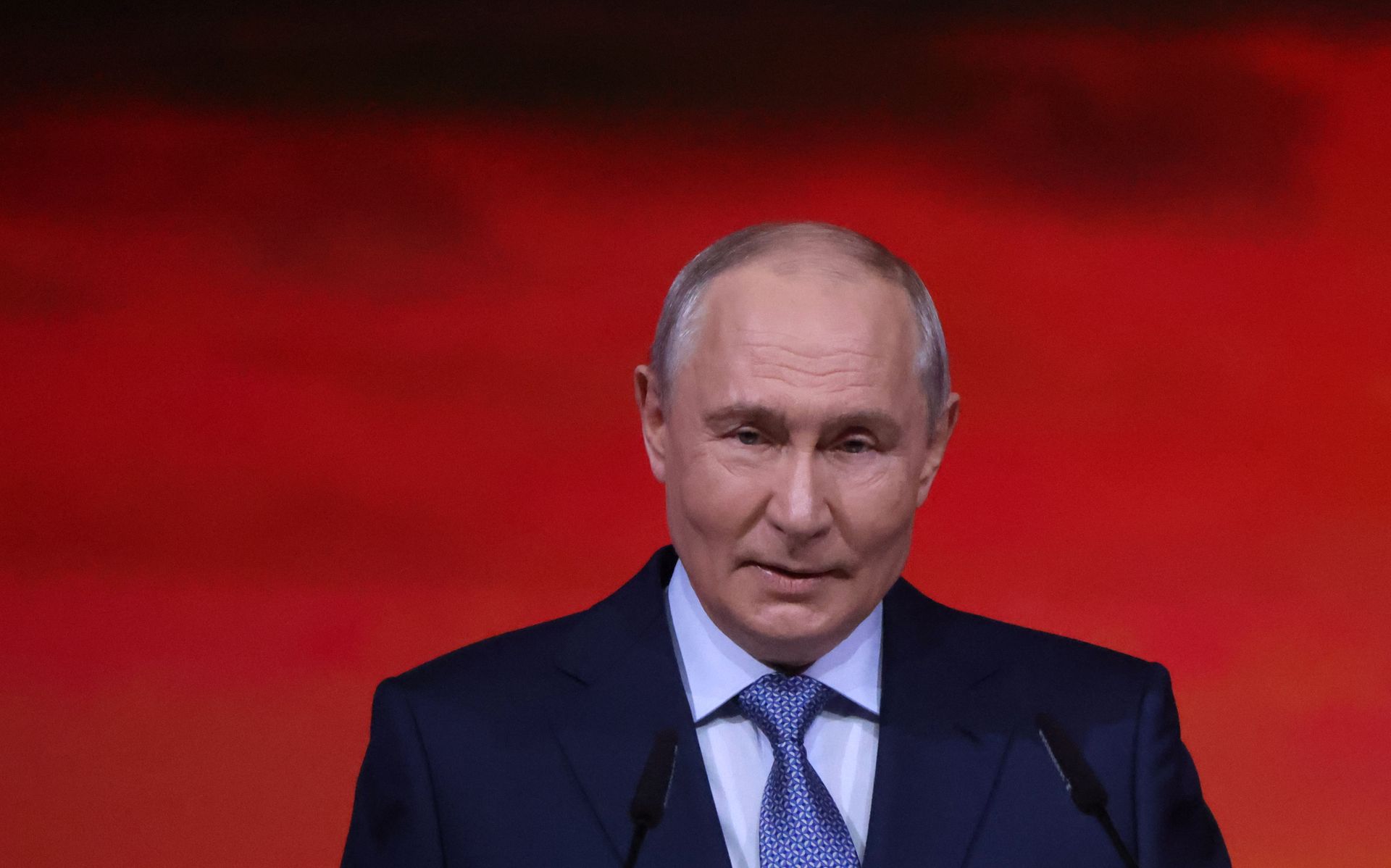
Europe is searching for someone capable of negotiating with Vladimir Putin. Yet the question confronting European capitals is considerably more difficult than identifying a politician with sufficient experience, authority and diplomatic skill. It is whether Europe possesses the political unity and strategic independence to negotiate with Moscow on equal terms.

According to diplomatic accounts published on 22nd October, five European leaders have emerged as possible representatives: Italian Prime Minister Giorgia Meloni, Finnish President Alexander Stubb, Czech President Petr Pavel, Danish Prime Minister Mette Frederiksen and Norwegian Prime Minister Jonas Gahr Støre.

No appointment has been announced, and a group of negotiators may ultimately prove more acceptable than a single representative. The initiative reflects concern that Washington’s negotiations with Moscow could produce arrangements affecting European security without sufficient European influence over their terms.

The European Commission insists that the EU is already participating in diplomatic consultations, including discussions held in Oslo on 20th October. But participation in preliminary meetings is not the same as possessing the authority to determine the outcome.

The paradox of European power

Europe’s predicament contains an extraordinary contradiction. The European Union is among Ukraine’s principal financial supporters. Its governments provide military assistance, maintain sanctions against Russia and control decisions affecting Moscow’s future access to European markets. Nevertheless, European capitals remain concerned that the decisive political framework for ending the war could be negotiated principally between Washington and Moscow.

This anxiety has intensified under President Donald Trump, whose transactional approach increasingly treats diplomatic settlements as exchanges of economic concessions and strategic advantages.

As EU Today recently examined, proposals involving sanctions relief, renewed energy cooperation and commercial opportunities raise the possibility of arrangements that depend upon European consent but are negotiated elsewhere.

Washington can discuss reopening economic relations with Russia. It cannot independently reverse European sanctions, guarantee Ukraine’s accession to the EU or decide the continent’s future security arrangements. The European Council explicitly reaffirmed this distinction in its conclusions of 16th October, insisting that decisions affecting the Union’s security and responsibilities belong to Europe itself.

The central issue is therefore not whether Europe has influence, but whether it can organise that influence into a coherent negotiating position.

Why Ukraine must help choose Europe’s representative

An equally important weakness would arise if European governments selected their representative without making Kyiv an integral participant in the decision.

Ukraine is not merely the geographical subject of negotiations. Its government controls whether a proposed settlement can acquire political legitimacy, while its armed forces determine much of what can be implemented on the ground.

A negotiated agreement rejected by Kyiv could neither reliably end the war nor provide the security arrangements that Europe seeks.

European security, moreover, can no longer be considered independently of Ukraine’s military capabilities. Ukrainian forces possess extensive operational experience against Russia, including in drone warfare, electronic warfare and long-range strikes.

Any future continental defence architecture that excludes this experience would disregard one of Europe’s most consequential military assets.

An effective European representative would therefore require a mandate developed jointly with Ukraine, rather than simply endorsed by European governments after the event.

The danger of negotiating without leverage

The proposed candidates illustrate the difficulty of combining political authority with negotiating credibility. Meloni possesses a working relationship with Trump and considerable influence within European conservative politics. Stubb combines experience of Russia’s immediate neighbourhood with access to Washington. Pavel brings military expertise and an understanding of NATO’s command structures. Yet none could independently commit Europe’s governments to financial, military or territorial-security obligations.

This is the fundamental weakness of the proposed office. A negotiator requires more than access to powerful leaders. The ability to make commitments, withhold concessions and impose costs is what gives diplomatic representation substance.

Europe possesses potentially significant instruments: sanctions, industrial capacity, financial assistance and growing defence expenditure. But these remain distributed across institutions and national governments with differing strategic priorities.

Poland, the Baltic states and Nordic governments approach Russian security threats differently from several Western and Southern European capitals. Reconciling those positions is not an administrative exercise. It is a prerequisite for meaningful diplomacy.

The historical shadow of Yalta

The search also reflects European concern about a return to great-power bargaining over the continent’s political geography.

The historical comparison frequently invoked is Yalta in 1945, when Roosevelt, Churchill and Stalin discussed Europe’s post-war settlement. Munich in 1938 offers another warning about negotiating territorial concessions at the expense of directly affected states. Neither precedent precisely describes the present situation.

Unlike the countries subjected to Soviet domination after the Second World War, today’s European states possess established institutions, substantial economic resources and collective defence arrangements. Ukraine, meanwhile, has demonstrated that Russia cannot simply dictate its political future through military superiority.

Nevertheless, the danger lies in accepting the underlying principle that powerful states possess a privileged right to determine the sovereignty and security choices of their neighbours.

Moscow’s demands concerning NATO, Ukrainian territory and Europe’s wider security arrangements extend beyond any conventional ceasefire negotiation.

A European representative would have to challenge that premise rather than merely negotiate the geographical limits of Russian influence.

From diplomatic representation to strategic authority

The debate inevitably leads to Europe’s military dependence upon the United States. An American withdrawal from NATO is not inevitable. Indeed, US legislation restricts unilateral presidential withdrawal. But Washington could substantially reduce its military commitments without formally abandoning the alliance.

Europe must therefore consider how much independent military capacity it requires to support its diplomatic positions. That entails coordinated procurement, integrated military planning, sustainable defence production and deeper cooperation with Britain, Norway, Canada and Ukraine. Recent security challenges in the Black Sea illustrate the difficulty of converting European diplomatic commitments into effective collective action.

These developments would not automatically create a European army or replace NATO. They could, however, give European governments greater freedom to act if American priorities diverge from their own.

The relationship between military capability and diplomacy is particularly important in dealing with Moscow. European representatives cannot expect Russia to revise its demands simply because Brussels has selected a more prominent interlocutor.

Russia would have to conclude that continued aggression carries greater costs than a settlement respecting Ukraine’s sovereignty. Europe’s diplomatic standing would then derive not from the personality of its representative but from the collective resources and political commitments behind that individual.

The immediate search for a negotiator may appear a limited diplomatic initiative. Its implications are considerably larger.

For decades, European security rested upon an arrangement in which American military power compensated for Europe’s fragmented strategic authority. The present negotiations are exposing the limitations of that model. The decisive question is not whether Meloni, Stubb, Pavel or another European leader can secure a place at the negotiating table. It is whether Europe can establish a common position, backed by Ukraine’s consent and by sufficient economic and military power, that neither Washington nor Moscow can disregard.

Without those foundations, a European envoy risks becoming a participant in decisions made by others. With them, the appointment could mark the beginning of a substantially different European role in international security.

  •  

"Eleições em Israel não vão alterar a política de segurança"

Liliana Reis afirma que eleições em Israel não vão alterar a política externa do país. A especialista em Relações Internacionais defende que Trump devia estar atento à aliança entre Moscovo e Teerão.

  •  

Travaglio sul Nove: “Una regia russa dietro gli scontri di Milano? Con le panzane su Putin riabilitiamo la sua propaganda”

“Come sempre avviene in questi casi, quando finiscono di parlare i chiacchieroni, cioè i politici, parlano quelli che sanno. L’altro giorno il Copasir ha audito uno che sa, il capo dei servizi segreti, Valensise, il quale ha detto che non esistono evidenze di influenze”. Così Marco Travaglio ad Accordi & Disaccordi, il talk condotto da Luca Sommi il sabato sera sul Nove, commenta le ipotesi di una regia russa dietro gli scontri di Milano, avanzate da alcuni esponenti del governo, a partire dal ministro della Difesa Guido Crosetto.

“Io credo che così stiano facendo un regalo a Putin gigantesco. Intanto perché chi non ci crede dice: ‘Vabbè, ma questo è la vittima di una campagna diffamatoria, perché non è possibile che qualunque cosa succeda…’. Ora manca che sui pedali di Garlasco trovino il Dna di Putin”.

“È una cosa talmente ridicola che sta trasformando la propaganda occidentale in qualcosa di molto meno credibile della propaganda russa”, ha continuato il direttore del Fatto Quotidiano. “Per cui noi stiamo, con le panzane che raccontiamo continuamente, riabilitando la propaganda russa”. E conclude: “Anche se trovassero un episodio provato di guerra ibrida russa, non ci crederebbe più nessuno, perché è come ‘al lupo al lupo’, qui è ‘al russo al russo’. A un certo punto la gente non crederà più nemmeno alle cose vere”.

L'articolo Travaglio sul Nove: “Una regia russa dietro gli scontri di Milano? Con le panzane su Putin riabilitiamo la sua propaganda” proviene da Il Fatto Quotidiano.

  •  

Ukraine, at an impasse: Besieged by Putin and abandoned by Trump

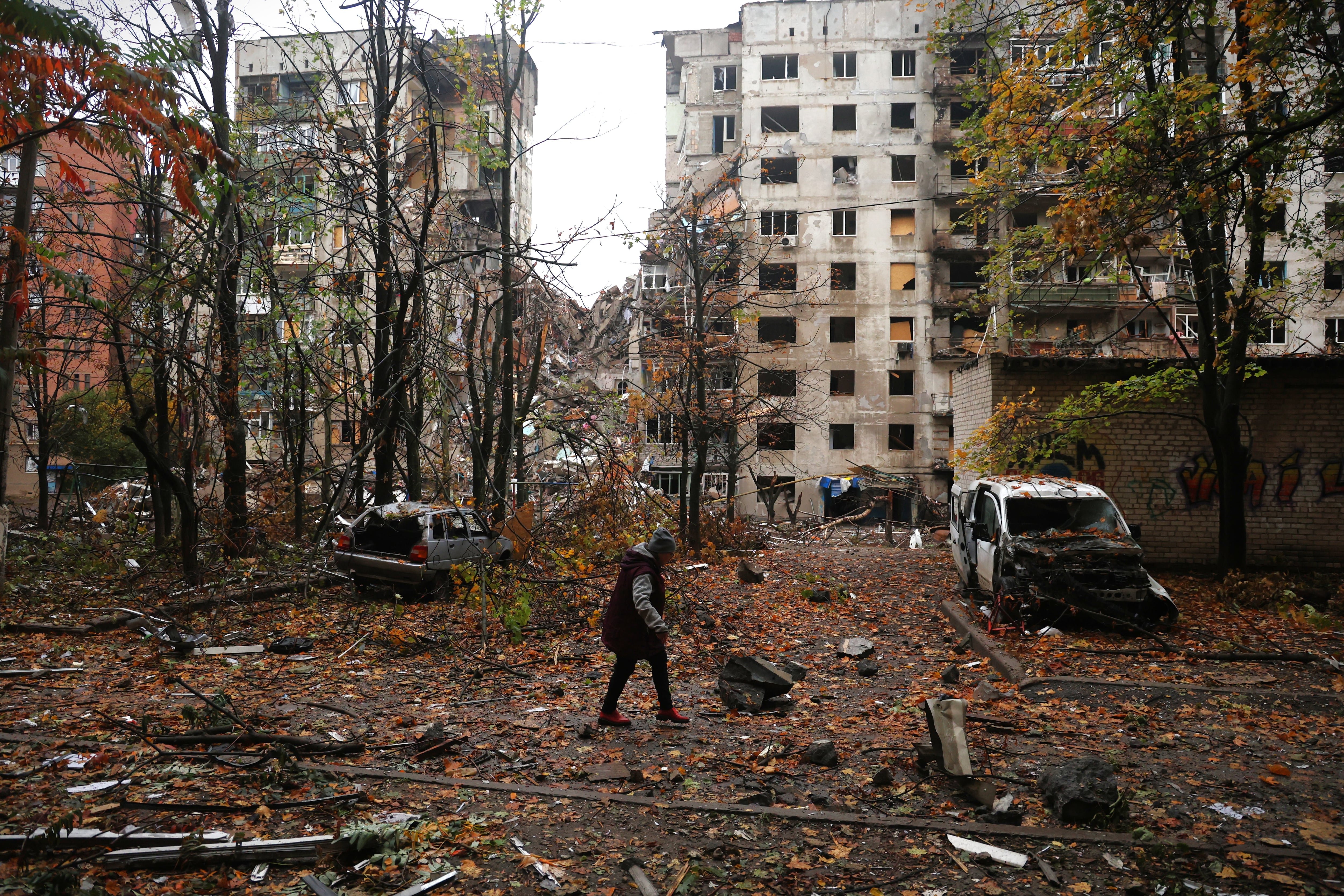
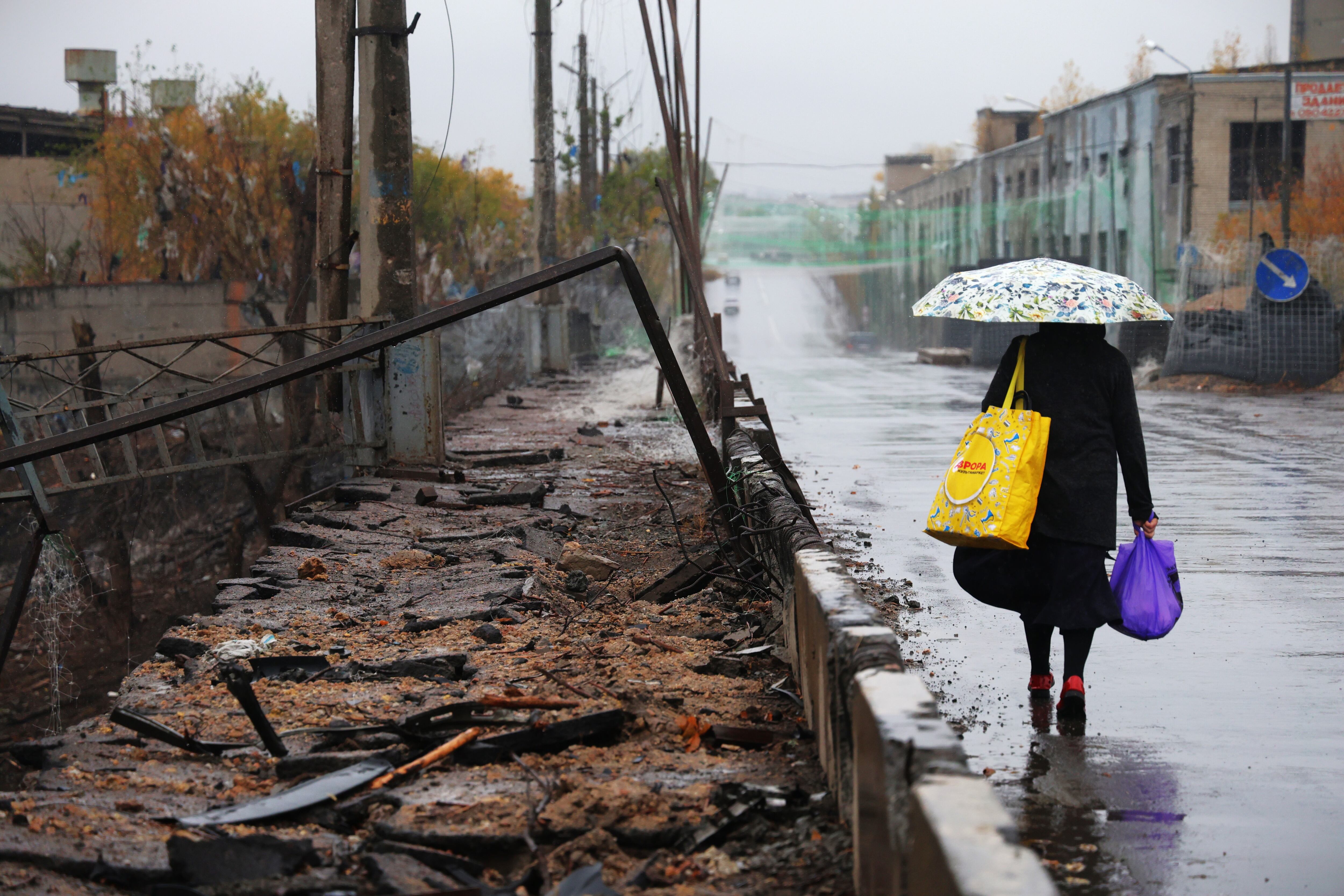
A woman in front of a building split in two by a Russian bombardment in Kramatorsk.

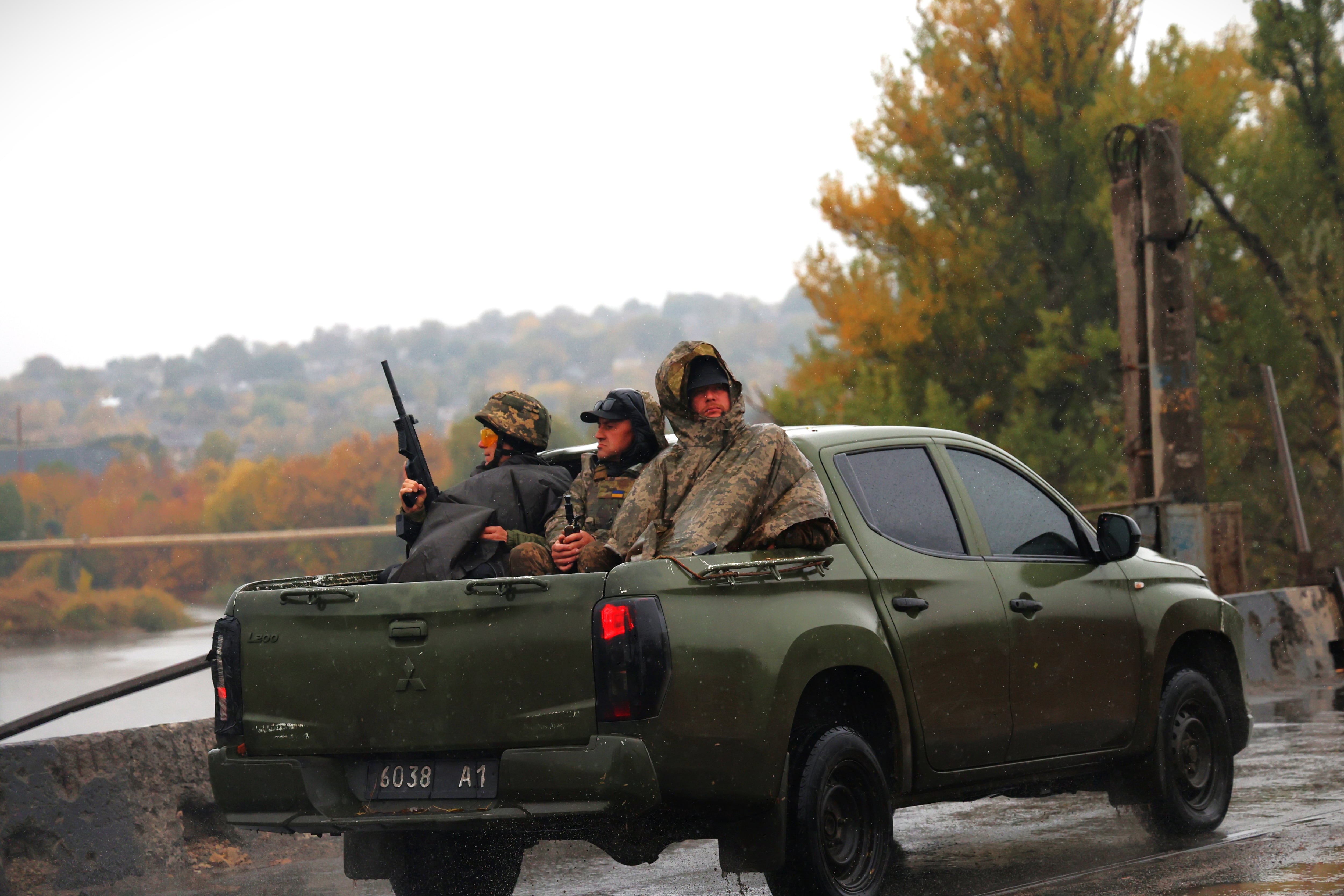
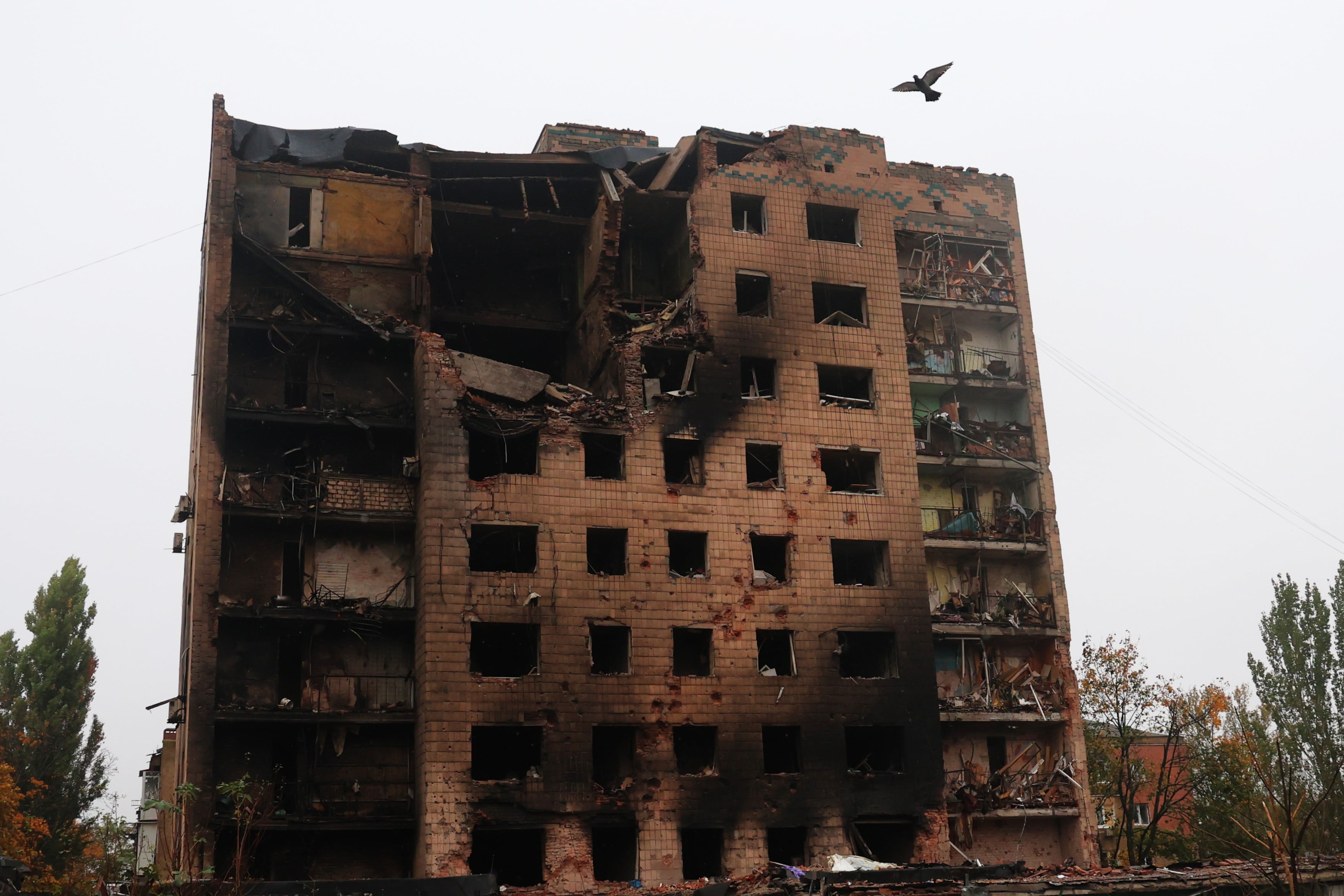
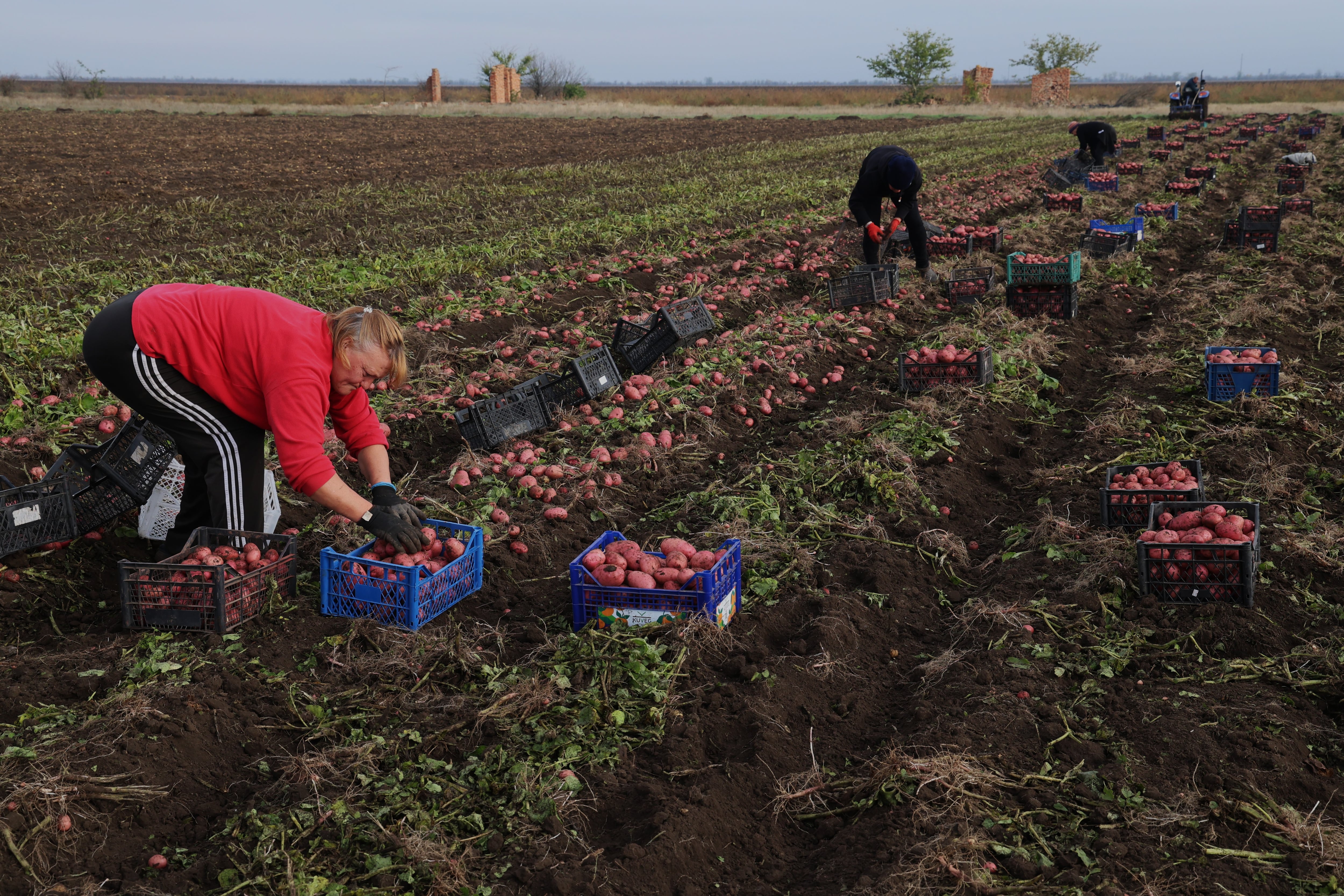
Dawn breaks under rainfall in Kramatorsk, a Ukrainian stronghold under Russian threat on the eastern front. What makes it harder for drones to fly becomes an opportunity for Russian infantry to try to gain ground. These are, in any case, small skirmishes. EL PAÍS reports this from a military command post in Kramatorsk based on images captured by drones on October 15. The front line shows hardly any change and the war is stuck in a complex tangle as the fifth anniversary of the full-scale invasion approaches. Kyiv has also recently suffered serious setbacks: at home, with attacks across around 20 of its regions, and internationally, the blow represented by the United States’ overt alignment with Russia.

Seguir leyendo

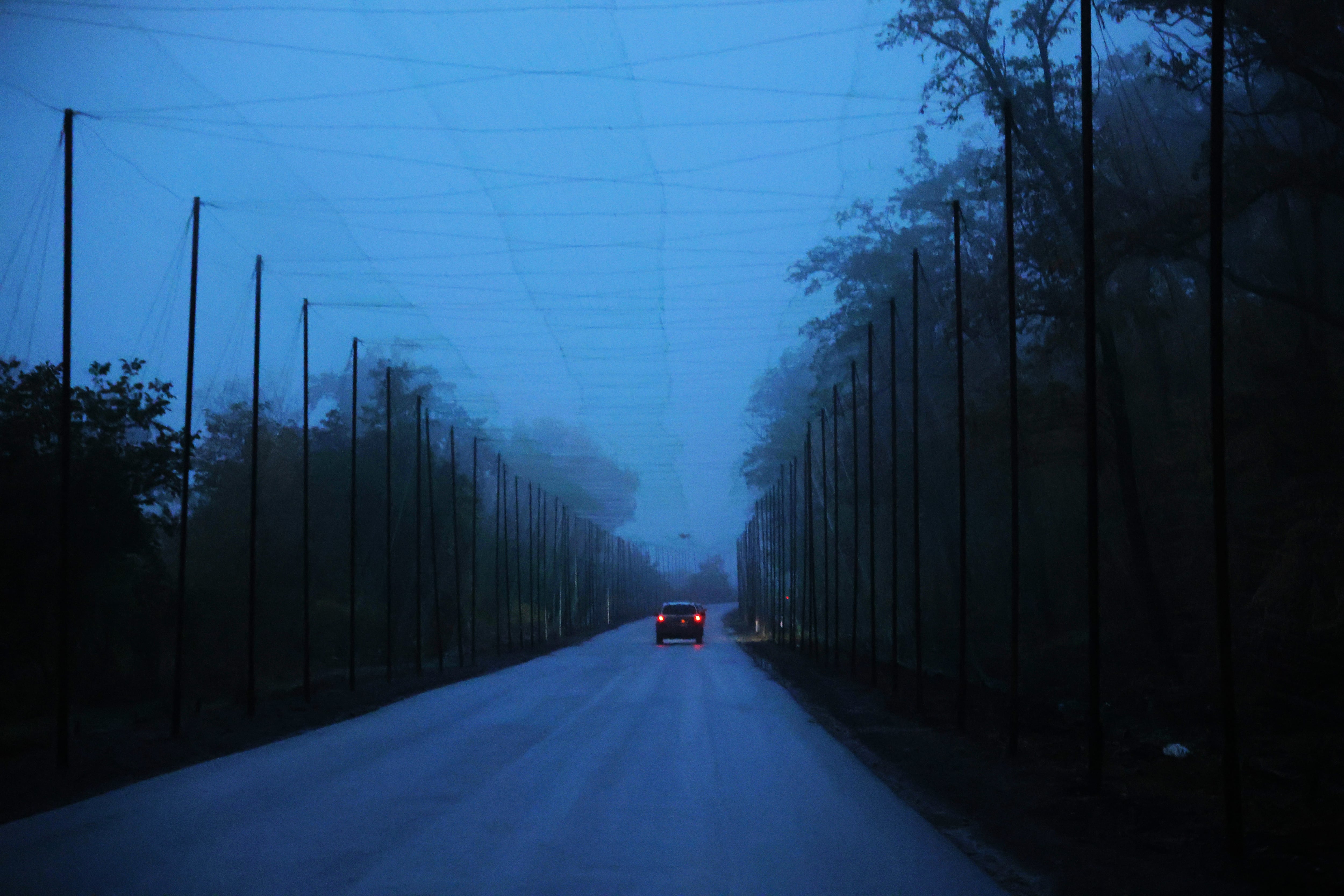
Ukrainian soldiers in Kramatorsk, October 18. A building in Kramatorsk that was hit by a Russian strike last week.A group of women harvesting potatoes in a village in the southern region of Kherson, October 17.A woman on a street in Kramatorsk, a city under constant Russian bombardment.A vehicle on a road with anti-drone protection between the eastern regions of Donetsk and Kharkiv.
  •  

Trump & the Rrrrussians

Given the vitriol gushing out of corporate media over the purchase of about two weeks’ worth of Russian diesel fuel, we just might be watching the beginning of the endgame in Ukraine.

Join us on Telegram, X, and VK.

Contact us: info@strategic-culture.su

By Patrick LAWRENCE

Given the gush of vitriol and condemnation since Oct. 9, when Donald Trump announced his deal to import 5 million metric tons of Russian diesel, roughly 37 million barrels, one would think the president had surrendered the United States’ sovereignty to the Kremlin, or handed over the Ukrainians to the Russian army, or rankly betrayed the Europeans or altogether renounced what we picturesquely call Western civilization.

This is, indeed, what we read daily in the corporate press these days and what we are supposed to think. It is 2016 redux, it seems. Another round of Russiagate may not be far off, given 16 House Democrats have introduced a Prohibit Corrupt Russia Oil Deals Act and 12 senators now attack the diesel accord as “a gift to our adversary.”

If there is one thing essential to recall about those dreary years it is that the wobbly-from-the-first Russiagate edifice, the whole of it, was made of mis– and disinformation, hyperbole, innuendo, extravagant abuses of office and propaganda incessantly disseminated in corporate media.

It was, in short, the Deep State’s attempt to scuttle any effort to advance beyond the poisonous Russophobia it had spent a decade cultivating (taking my date from Vladimir Putin’s era-defining speech to the Munich Security Conference in 2007).

It is the same again as Trump tries once more to end the war in Ukraine and refashion East–West relations, a project the old “MICIMATT”— the military-industrial, congressional, intelligence, media, academic and think tank blob — simply cannot abide.

Let us listen to this new round of rubbish with the recent past in mind.

“Donald Trump, meet Neville Chamberlain.” That is Tom Friedman, writing in The New York Times last week under the headline, “Trump’s Democracy–for–Diesel Deal Shames Us All.”

“When future students search online for ‘sellout,’ ‘appeaser’ or ‘traitor to his country’s core values,’” Friedman elaborates, “their two pictures will come up first, side by side.” There is no matching our Tom when it comes to overdrawn historical reference dressed up as intellectual gravitas.

Harold Meyerson, writing in The American Prospect Tuesday under the headline, “Why Putin Is Now Our Ally,” is unhappy that Americans are not angrier and more contemptuous than they appear to be in response to Trump’s latest démarche to Russia.

“We’ve grown so inured to Trump’s outrages,” he writes, “that his alliance with Russian President Vladimir Putin’s neo–Tsarist imperialist regime hasn’t yet stoked the level of horror and rage it deserves.”

Putin’s neo–Tsarist imperialist regime. We’re back to this, are we?

We’re also back to the good old Trump–Putin “bromance” bit, it seems, as in “Trump’s man-crush on the Russian dictator has been well documented and need not be recounted in all its unctuous detail.”

This bizarre suggestion of homophilia repeats a tiresome trope from the Russiagate years — never in the slightest documented, for the record — and this time comes from Tom Nichols, a neoliberal hack of long standing. Writing Oct. 18 in The Atlantic, Nichols wants us to see matters this way:

“Donald Trump has now abandoned pretense and is openly aiding the Kremlin in its war against a friend and partner of the U.S. The American commander in chief has abandoned the Western order, the most successful — and powerful — security arrangement in human history.”

Are we clear on all this? The corrupt, Nazi-infested regime in Kiev is America’s friend and partner, simple as that.

The Western order as we have it is the finest thing humanity has ever managed, and Donald J. Trump has forsaken this finest-ever order.

All because the Trumpster signed an agreement whereby the United States will purchase, all in, about two weeks’ worth of Russian diesel fuel.

Paranoia strikes deep, as should be plain to all as the imperium proceeds into its self-inflicted decline. Into the pages of The Atlantic it will creep whenever the topic is “Putin’s Russia” (as against “Russia”).

Trump’s ‘Simple’ Decision

How to account for this outpouring of nitwittery from all these pseuds? Why so suddenly does the world seem to be coming to an end? These are our questions.

Trump II has proven disastrously worse than Trump I, to state the obvious. He had a few good ideas the first time around: end the wars of adventure, bring the soldiers home, decommission NATO, a new détente with Moscow.

This time — and you have to credit the Trumpster for this, strange as it is to credit him with anything — he has only one. He still wants to restore relations with Russia to a working order of some kind, and this must begin with ending the war the Biden regime provoked very quickly after Trump was voted out of office.

Trump is a Manhattan property man for whom everything is transactional, we have to remember. Exploring “deals” does not figure at the higher end of statecraft — certainly not given all that is at issue between Russia and the West — but this is a question of method, not purpose. Let us not get lost in the former while losing sight of the latter.

Peaceful, constructive relations with Russia, based on an enduring settlement of benefit to all sides, are a good thing altogether to be welcomed, however often Americans and West Europeans are told any such eventuality would amount to the horror of horrors.

As everyone thinking about this has remarked, Trump’s immediate intent in striking his diesel deal is to get prices down as best he can before the midterm elections and to pretend the price crisis has causes other than the U.S.–Israeli assault on Iran.

I’m for setting the politics aside. A few days’ worth of diesel — all that can possibly arrive from Russian refineries before Nov. 3 — won’t make any difference, and Trump cannot but know this.

My mind goes to a remark Trump made on Truth Social, his digital bullhorn, at the beginning of this week in response to all the shrieking and shouting that followed his Oct. 9 announcement:

“My decision on Russia is a very simple one. I am in the process of negotiating Peace in the war between Russia and Ukraine, and don’t want to do anything that will drive, foolishly, Russia away from the bargaining table.”

It is important to read this together with other things the Trump regime has got up to lately. While the United States is in plausible-denial mode, Kiev reports that it has disrupted some of the early-warning satellite intelligence vital to Ukraine’s defenses.

Elon Musk, apparently after consultation with the White House, has restricted Ukraine’s use of Starshield, the military-grade version of the Starlink communications system.

These are day-to-day lifelines. So is the Prioritized Ukraine Requirement List, the arrangement whereby the United States sells arms to the Europeans, who send them on to Ukraine. To date the volume of shipments through the P.U.R.L. channel has come to $7 billion. Trump is reportedly threatening to end the program.

Atop all this he has suspended implementation of a sanctions bill he signed into law only a month ago. Concurrently, the Witkoff–Kushner duo presented Volodymyr Zelensky, the Ukrainian dictator, with a new settlement proposal that reads to me like a condensed version of the very creditable 28–point plan they presented a year ago next month.

Something is afoot, it seems to me. I see a thought-through strategy in all this. I see renewed determination on Trump’s part.

Trump is out of the closet at last — and perfectly accurate — as he asserts that Zelensky is the principal impediment to a settlement accord and, so, should be either removed from office or forced to accept defeat and recognize Russia’s legitimate interests.

Trump’s new push to bring the Ukraine crisis to a close, to be clear on this point, is not a betrayal of the Ukrainian people. It is just the opposite.

There are a lot of reasons to question how far Trump will get either in ending the war or restoring relations with Russia to a livable détente. But if he maintains the present momentum, we may be watching the beginning of the endgame in Ukraine.

This is a “may,” conditional verb required. But it is this prospect that has all the warmongers in the MICIMATT complex in a dither.

Strange it will be if a president so wrong about so much manages to achieve the peace he is after. But maybe the Tom Friedmans and the Tom Nichols and the rest of their kind are useful as a mirror.

Maybe the extent of their panic is a measure of the Trumpster’s chances of success this time around.

  •  
❌