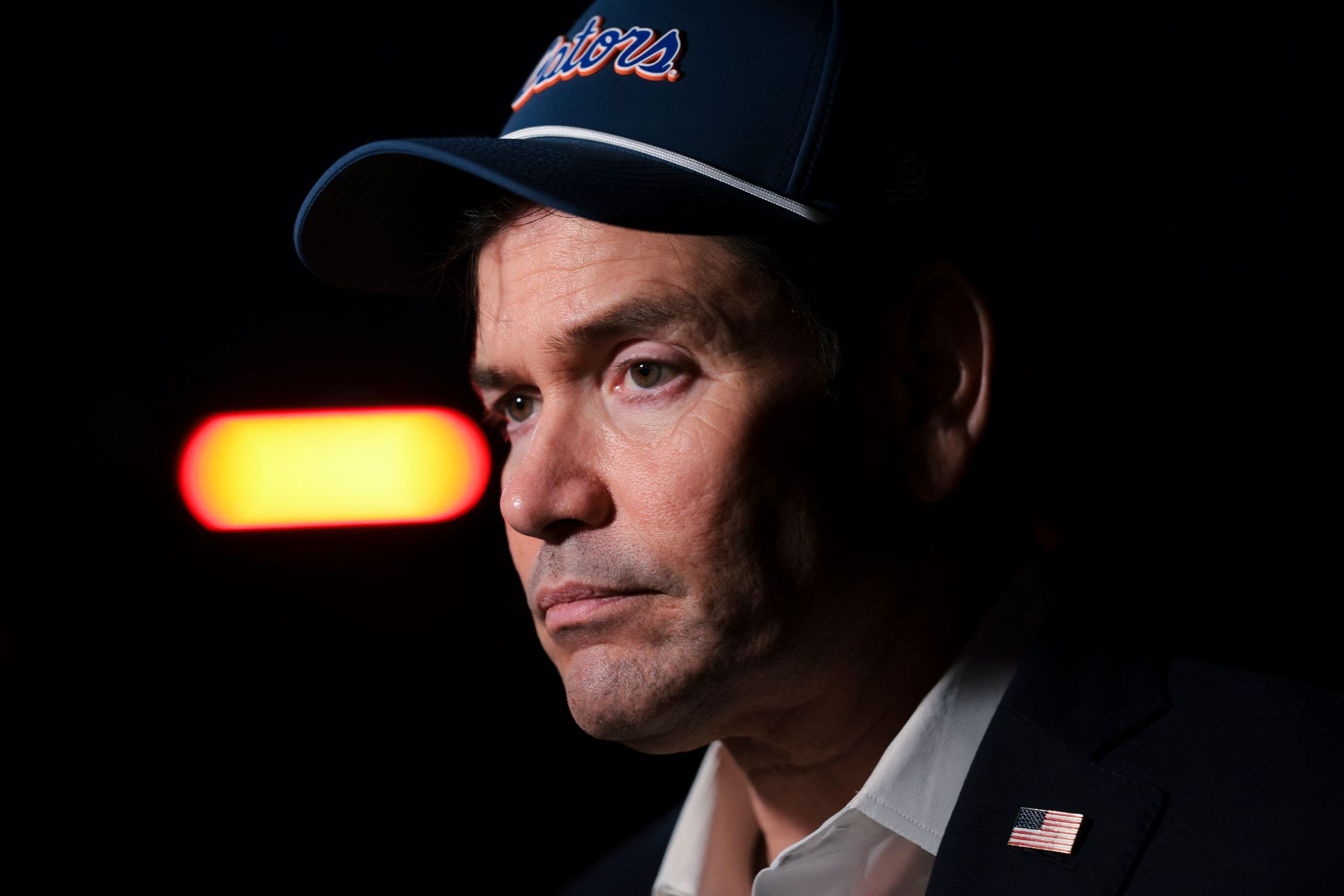
An Alabama-based construction company sued the State Department on Wednesday over accusations it refused to pay for pandemic-era cost overruns at a dozen embassy and consulate projects during the pandemic. BL Harbert International says the government had agreed to a settlement until political appointees under Secretary of State Marco Rubio inserted themselves into the process. “And, on…
An Alabama-based construction company sued the State Department on Wednesday over accusations it refused to pay for pandemic-era cost overruns at a dozen embassy and consulate projects during the pandemic. BL Harbert International says the government had agreed to a settlement until political appointees under Secretary of State Marco Rubio inserted themselves into the process. “And, on…
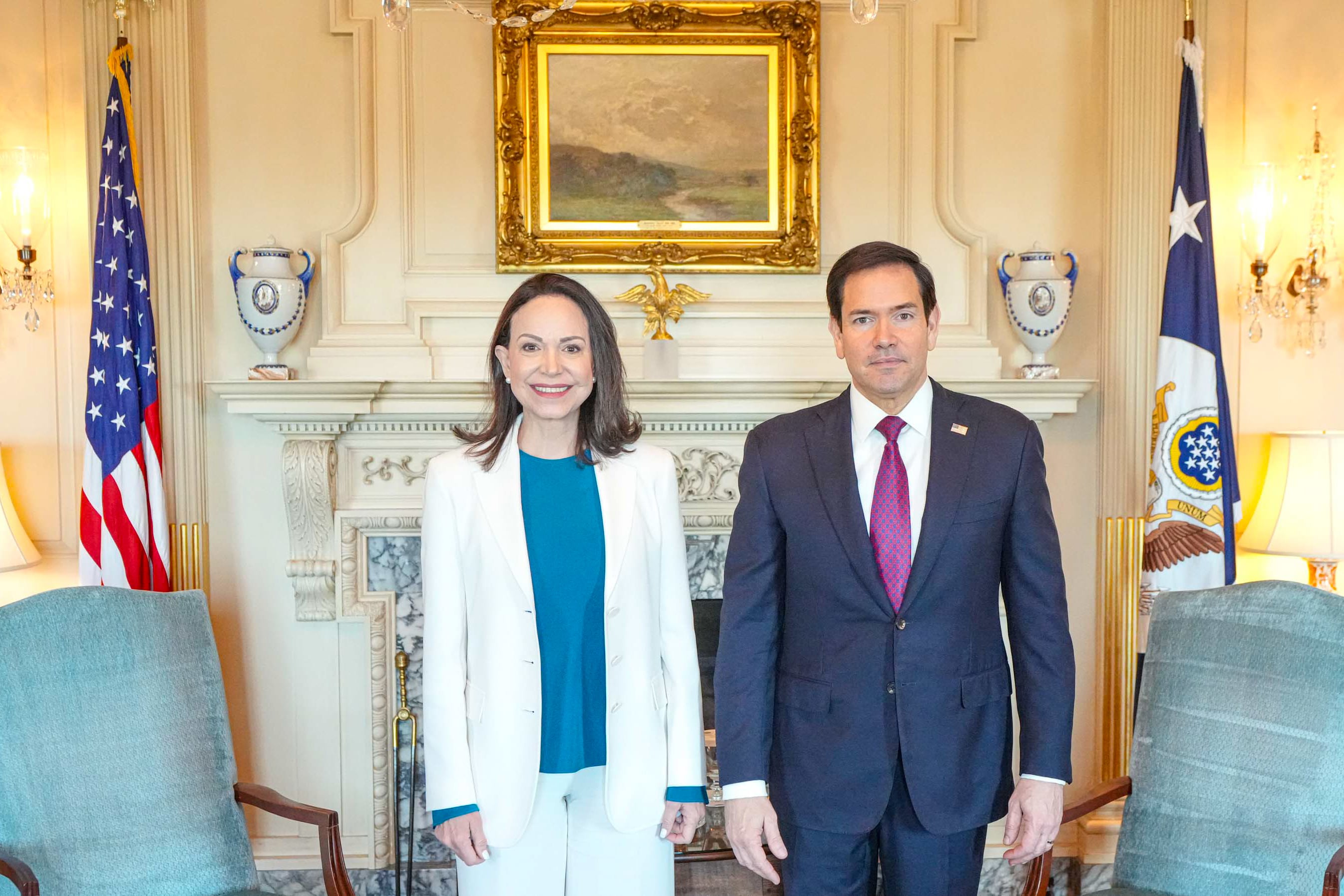
After the outburst of enthusiasm that accompanied her return, María Corina Machado and her political circle have begun a “soft” reintegration into Venezuela. The opposition leader’s collaborators say it is a strategy designed to manage energy and time the next move. Machado is preparing for a press meeting on Thursday where she is expected to provide details about her return to the country after 10 months, and to outline the strategy she intends to use to challenge the regime and push for democratic change. So far it is known that the opposition leader will launch an ambitious national tour for which significant precautions are being taken.
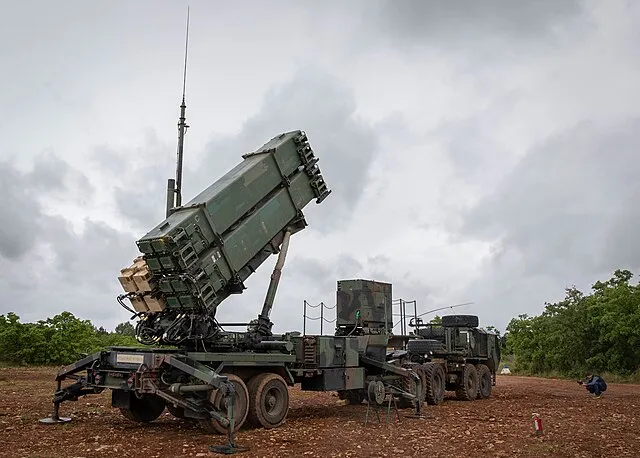
Russia has fired more than 100 ballistic missiles at Kyiv and Kyiv Oblast since 14 October, President Volodymyr Zelenskyy said in his evening address on 27 October. He said partners’ air defense packages are being delayed.
Ukraine’s front-line positions are stronger than they have been in a long time, Zelenskyy said. If partners’ support for Patriots and other air defense remained just as strong, he argued, Ukraine would be in a much better position diplomatically as well. He expects trilateral talks with US and Russian representatives in November. The US, on which, he said, “almost everything concerning Patriots depends,” will be one of the three sides.
Delays and the war on logistics
Overnight on 27 October, Russia launched 16 ballistic missiles and more than 280 drones, in what Zelenskyy called a serious escalation of Russia’s campaign against Ukraine’s logistics. The strikes hit the State University of Trade and Economics campus and the Southern Bridge in Kyiv.
Explore further
Russian ballistic missiles hit a Kyiv university campus, then return before dawn for the Southern Bridge again
A 46-year-old woman was killed and 15 people were injured, among them dormitory residents and two medics, the Kyiv prosecutor’s office said on the morning of 27 October.
Zelenskyy wrote that artificial and lengthy delays in interceptor packages for Patriots and NASAMS directly help Russia achieve the goals of its terror campaign. In his evening address, he added:
“And everyone hears, everyone sees that right now, it is difficult for us to defend against Russian ballistic missiles. And above all, we do not have enough missiles for Patriots.”
A month waiting on Hegseth
Earlier, on 26 October, Zelenskyy wrote that Ukraine had waited almost a month for US Defense Secretary Pete Hegseth’s signature on missiles for Patriots and NASAMS. Kyiv is also working with Europe and other partners, he added.
Explore further
Ukraine raises its stalled Patriot request with Washington again after almost a month without Hegseth’s signature
Separately, The Washington Post reported on 19 October that some transfers come from allies and need Hegseth’s approval, because the US must sign off on re-transfers. Zelenskyy’s post does not say whether his wait concerns those transfers.
Before Zelenskyy’s latest statements, US officials rejected claims of a deliberate hold. A US government official called Ukraine’s claims “not true,” the Kyiv Independent reported. On 20 October, Secretary of State Marco Rubio said there was “nothing being deliberately denied to Ukraine.” Hegseth said the US had not changed its posture toward Ukraine but wants “our guys” to have as many interceptors as possible.
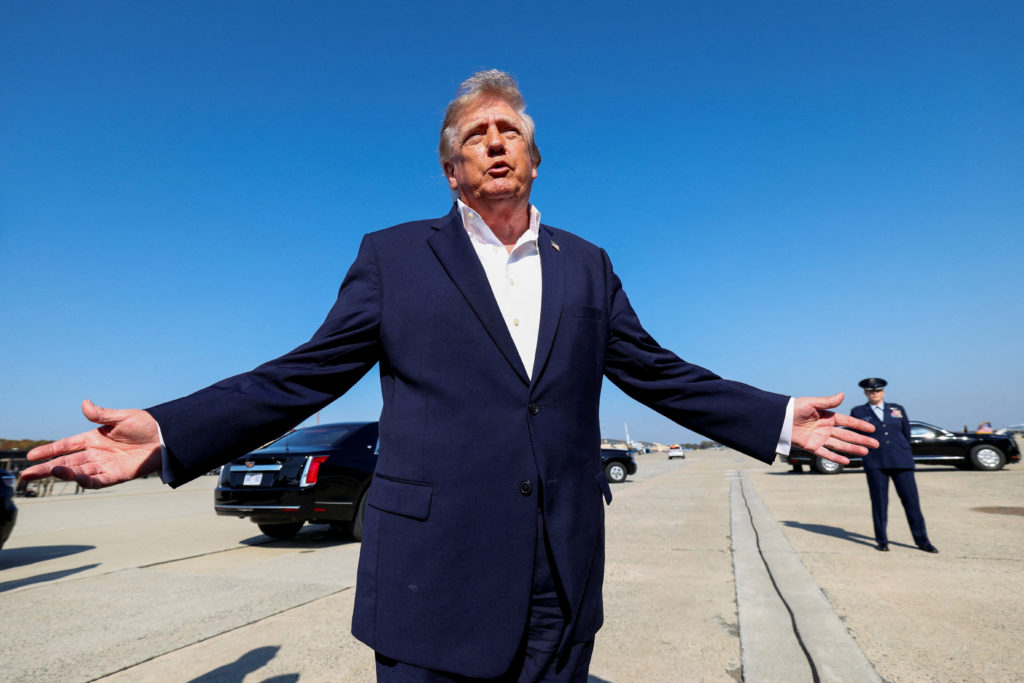
President Trump renewed calls for Venezuela to be the 51st U.S. state after touting the barrels of oil coming from the South American country. “It will become a prosperous country, and who knows? Maybe someday soon, it will become a prosperous 51st state,” Trump said of Venezuela. “That’s possible. Let’s make it the 51st state.”…
President Trump renewed calls for Venezuela to be the 51st U.S. state after touting the barrels of oil coming from the South American country. “It will become a prosperous country, and who knows? Maybe someday soon, it will become a prosperous 51st state,” Trump said of Venezuela. “That’s possible. Let’s make it the 51st state.”…
O investidor e ex-secretário de Turismo do México, Simón Levy, publicou uma postagem nas redes sociais nesta terça-feira (27) relatando que Flávio Bolsonaro teria chegado aos Estados Unidos (EUA), em uma articulação liderada pelo secretário de Estado norte-americano, Marco Rubio. A possível fuga de Flávio, menos de 48 horas após perder as eleições presidenciais, também foi confirmada pela agência de notícias Reuters.
Nenhuma autoridade oficial do Brasil ou dos EUA, entretanto, confirma saída de Flávio do país.
"Como relatei há algumas horas, Flávio Bolsonaro chegou em segurança aos Estados Unidos. O cérebro por trás dessa operação é o Secretário de Estado dos EUA Marco Rubio. Dos Estados Unidos, livre e seguro, Flávio liderará a oposição contra Lula", escreveu.
A postagem foi feita por volta das 15h30. Em outra publicação, menos de 30 minutos depois, Levy acrescentou que essa fuga recebeu o nome de Operação Alba.
Levy é empresário e advogado e se autodescreve publicamente como um aliado próximo e alguém que serve a Donald Trump e ao movimento MAGA [Make America Great Again, no inglês].
Post de Simón Levy sobre fuga de Flávio Bolsonaro aos Estados Unidos. Foto: SimonLevyMx/X - SimonLevyMx/X
A Agência Brasil procurou a assessoria de Flávio, mas não recebeu retorno. O senador não chegou a entregar seus passaportes à Polícia Federal (PF) após decisão do ministro Alexandre de Moraes, do Supremo Tribunal Federal (STF).
A decisão está em segredo de justiça e foi tornada pública pelo senador em suas redes sociais. A ordem judicial faz parte do processo em que Flávio e o advogado Willer Tomaz são investigados no STF por lavagem de dinheiro. Por causa do descumprimento, os passaportes do parlamentar foram cancelados diretamente pela PF.
President Donald Trump and Secretary of State Marco Rubio on Tuesday plan to show off a newly arrived oil tanker filled with Venezuelan crude to be processed in Texas refineries.
U.S. Secretary of State Marco Rubio confirmed on Monday that the United States told Delcy Rodríguez’s regime “weeks and weeks ago” that opposition leader María Corina Machado should be allowed to return to Venezuela.
Rubio’s decision not to meet Narendra Modi last week was seen by some as a snub – but by focusing on business leaders and oil, the secretary of state made American priorities clear. Plus: the artist bringing a female perspective to men’s clothing
When the US secretary of state, Marco Rubio, visited India for the second time this year, headlines concentrated on who he met and where he went.
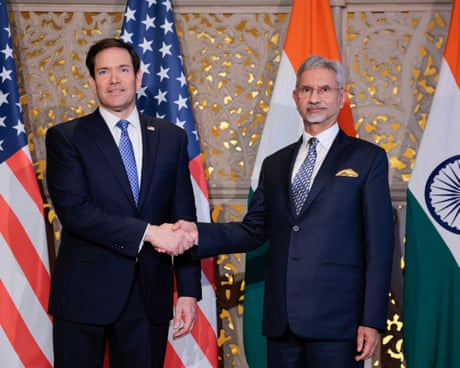
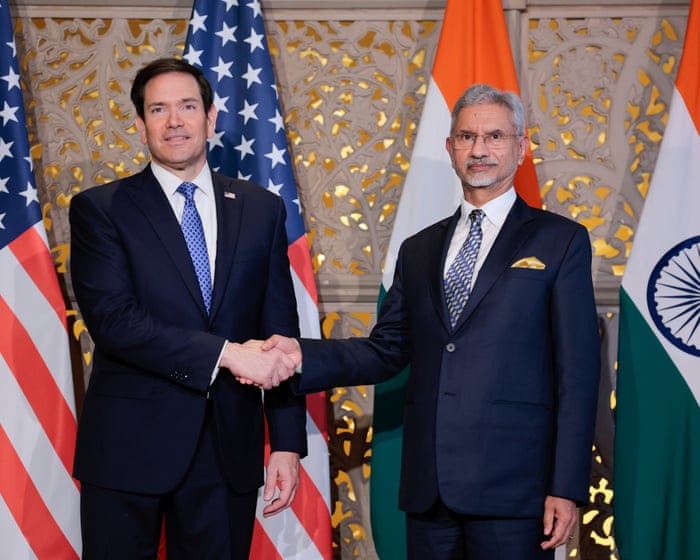
The fact that Rubio bypassed New Delhi and did not meet the prime minister, Narendra Modi, during his trip last week, and instead traveled to the financial capital, Mumbai, where he met India’s foreign minister, Subrahmanyam Jaishankar (pictured top with Rubio), and business leaders, did not go unnoticed. Nor did his decision to travel to Jamnagar, the small Gujarati town that is home to Reliance Industries’ colossal oil refinery complex.
Durante i viaggi ufficiali, solitamente i ministri o i diplomatici si concedono dei momenti privati per visitare determinati siti o luoghi d’interesse nei Paesi che li stanno ospitando. Il segretario di Stato Usa, Marco Rubio, ha tenuto fede a questa tradizione durante la sua recente visita in India. A destare curiosità è stata però la meta scelta: la raffineria di Jamnagar, nello Stato indiano nordoccidentale di Gujarat. Il funzionario statunitense ci è arrivato dopo la tappa compiuta a Mumbai, capitale finanziaria del subcontinente, un itinerario che fa capire la natura soprattutto economica del suo viaggio nel Paese asiatico.
Prevedere un programma di questo tipo è servito all’amministrazione Trump per due scopi principali: primo, evitare tensioni politiche con l’India in una fase di grande vicinanza tra Stati Uniti e Pakistan, arcinemico del gigante asiatico. Ulteriore dimostrazione di questa volontà è il fatto che Rubio non abbia incontrato il primo ministro indiano, Narendra Modi, ma solamente il suo omologo, Subrahmanyam Jaishankar. Secondo, in questa fase di avvicinamento alle ormai prossime elezioni statunitensi di midterm, l’attenzione della Casa Bianca è tutta dedicata alla necessità di ottenere risultati che gli elettori Usa possano toccare con mano.
E qui si arriva all’impianto di Jamnagar, controllato dalla famiglia del multimiliardario Mukesh Ambani attraverso la società Reliance Industries. La raffineria è la più grande al mondo, al punto da essere in grado di produrre fino a 1,4 milioni di barili di petrolio al giorno, quasi il 2% globale. Un’altra sua particolarità è la capacità di raffinare anche greggio ultra-pesante, come quello che ad esempio esce dai pozzi petroliferi del Venezuela, che richiede cicli di lavorazione molto sofisticati e approfonditi prima di poter essere immesso sul mercato come carburante. Il riferimento al Paese sudamericano non è casuale. Già attualmente l’India è il secondo principale acquirente di greggio proveniente dal Venezuela dietro agli Stati Uniti, che sostengono il governo ad interim che guida Caracas dopo la cattura di Nicolas Maduro del gennaio scorso.
Non sono trapelate dichiarazioni ufficiali dopo la visita di Rubio all’impianto, ma è chiaro come l’obiettivo statunitense sia far sì che l’India aumenti ulteriormente le importazioni di petrolio dal Paese sudamericano e continui a immettere sul mercato diesel a basso costo per calmierare i prezzi a livello globale. C’è da dire che Jamnagar opera già quasi al massimo della sua capacità di raffinazione, ma in ogni caso un maggiore acquisto di petrolio venezuelano potrebbe ridurre le importazioni indiane di greggio russo, uno dei fattori che negli ultimi mesi ha causato maggiori attriti lungo l’asse Washington-Nuova Delhi. Certo, recentemente il presidente Usa Donald Trump ha cambiato tono nei confronti di Mosca – sempre guardando alla riduzione del prezzo del diesel – ma anche solo la diversificazione delle rotte di approvvigionamento favorisce la calma sui mercati internazionali.
Un altro tema che probabilmente è stato affrontato è quello dell’investimento di Reliance Industries sul territorio statunitense. A marzo scorso Trump ha annunciato che la conglomerata indiana avrebbe realizzato una raffineria nei pressi di Brownsville, in Texas, ma da quel momento non sono emersi altri dettagli. Una situazione che ha portato molti osservatori a mettere in dubbio la volontà degli Ambani di procedere. Un tentennamento legato probabilmente anche alla grande vicinanza dell’imprenditore indiano al primo ministro Modi che potrebbe spingere Reliance a tenere in stand-by l’operazione come leva politica nei confronti degli Stati Uniti in una fase di tensione anche sul fronte economico.
Durante la sua visita nel subcontinente, Rubio ha però affermato che la definizione dell’accordo commerciale tra India e Stati Uniti è “incredibilmente vicina”, un’intesa che dovrebbe regolamentare a 360 gradi gli scambi tra i due Paesi e scongiurare l’introduzione di dazi da parte di Washington. Apparentemente, quello del segretario di Stato Usa è stato un viaggio interlocutorio, ma in vista del midterm per Trump ogni sforzo può essere decisivo.
In a memo sent Friday to Secretary of State Marco Rubio, Director of National Intelligence Jay Clayton said his teams "have received intelligence that Iran has substantially increased efforts to target U.S. personnel."
US State Department reduces staffing at four Middle East embassies due to threats from Tehran and Houthis; US agencies reportedly assess danger at highest level since war began
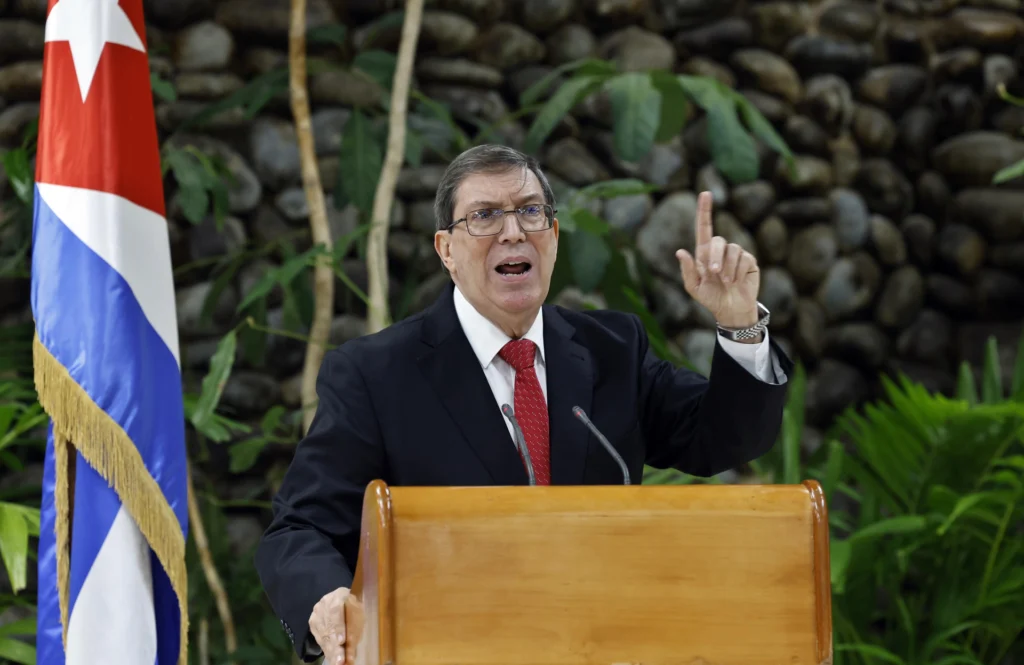
Cuban Foreign Minister Bruno Rodríguez Parrilla on Friday rejected a new threat from U.S. President Donald Trump, who said U.S. ships would make a “small stop” off the island on their return from Iran.
President Donald Trump has issued a new threat against Cuba as U.S. officials reportedly press ahead with military planning for the Caribbean country, an escalation that coincides with an intensified oil blockade and UN vote scheduled for October 28.
At a campaign rally in Fort Myers, the Republican President laid out his plan in vivid terms. “What we are going to do with Cuba is we are going to come back from Iran. Those beautiful ships, we will pass by Cuba, we will have one of them stop about 50 yards (45 meters) from the coast. They will raise their hands and then we will send Marco Rubio to close the deal,” he said.
The U.S. President closed the scene with a concrete promise: “We will take care of Cuba on our return from Iran. We will make a small stop.”
Cuba answered on X. “We reject all threats related to the ambitions of United States toward Cuba,“ wrote the Caribbean nation’s FM Bruno Rodriguez Parrilla.
He added a description of the coastline that carried an unmistakable warning. “Our coastline is full of beautiful beaches, but there ara also razor-sharp limestone spikes,” he said, referring to the karst rock formations along the shore. “Inhospitable to those who arrive with hostile intentions and dreams of domination,” he warned. The jagged coastal limestone, sharp and cutting, gave the response its edge.
We reject every threat related to US ambitions toward Cuba.
Our coastline is full of beautiful beaches, but there are also razor-sharp limestone spikes, an inhospitable environment for those who make it to our shores with hostile purposes and lust for domination.… pic.twitter.com/jrrBc1jR8S
Meanwhile, U.S. Secretary of State Marco Rubio used the same platform to urge those pushing for “change” on the island to engage in “discreet collaboration with the CIA.” In August, The New York Times reported that the intelligence agency had secretly set up a task force focused on Cuba.
The threat came amid a heated campaign in a state that is home to the largest Cuban community in United States. Its lawmakers and an influential segment of that community shape Washington’s decisions on Cuba.
Rodriguez Parrilla’s post also echoes another phrase from the current U.S. President. In March, speaking at the White House, Trump said he would have “the honor of taking Cuba” and that he “could do whatever he wanted with it.” He described Cuba then as a beautiful place, with “good land, landscapes, wonderful weather and great potential for tourism centers.”
On that occasion his unfamiliarity with the territory was on display. He argued that taking control would be good because the country is “not in the path of hurricanes.” “They won’t ask us for money for hurricanes every week,” he said in that time.
Passing by the island after Iran is not a new idea. In early May, while signing the Executive Order that launched an unprecedented wave of unilateral and illegal penalties against Cuba, Trump had already spoken of “taking control” once his military objectives in Iran were met. Following that, he has promised the war will end “immediately” after the November 3 elections, without explaining how.
The new threat coincides with the campaign Rubio himself is leading to sway the votes of UN member states on the resolution against the blockade against Cuba. In a recent press conference, Rodriguez Parrilla denounced the pressures and threats against governments to make them change their position.
In recent weeks the U.S. administration has seized fuel shipments bound for Cuba as part of an oil blockade. The campaign against Cuba’s international medical cooperation has intensified in parallel.
Elections Add Pressure
The escalation arrives at a difficult political moment for the U.S. President. Midterm elections take place on November 3, and the Republican Party could lose control of Congress. Trump’s approval has sagged, and a majority of voters now reject his management of the country’s main fronts, a rejection that cuts across every issue.
The domestic scenario is complicated further by the conflict with Iran. Tehran retains control of the Strait of Hormuz and has inflicted significant destruction on U.S. military bases in West Asia.
Fuel prices keep climbing in the meantime. The increase strikes U.S. households directly, and every rise deepens the damage to the President’s public standing at a moment when he can least afford it.
The pattern toward Cuba has hardened even as those pressures mount at home. The fuel seizures, the diplomatic campaign and the military planning all point in the same direction, toward an increasingly explicit posture of confrontation against the island.
With the United Nations vote set for October 28 and the U.S. midterm elections following days later on November 3, the coming weeks will reveal whether the planning described in U.S. media translates into further concrete action against Cuba, or whether it remains a lever of pressure in a campaign that already weighs heavily on the island.
US President Donald Trump said Elon Musk had restored Ukraine’s Starshield speeds, but the restrictions remained in place on 23 October, according to Ukrainian officials.
The cap, in place since 14 October, has disrupted interceptor drone missions against jet-powered Shaheds flying above 400 km/h for more than a week. On 16 October, Trump told reporters that, from what he understood, nothing had changed with the service. His latest claim that Musk restored it appears to acknowledge the restriction, even as he denies ordering it.
Ukraine says restrictions remain
“At the moment, there is no confirmation that the restrictions have been lifted,” a Defense Ministry official told LIGA.net on the morning of 23 October. The official said connections continued to drop at above 161 km/h.
Presidential adviser Serhii Beskrestnov wrote on Telegram on 23 October that no lifting had been recorded. He said occasional operation above the limit could result from SpaceX algorithms or usage conditions.
A day earlier, President Volodymyr Zelenskyy said US Secretary of State Marco Rubio had promised to return with information in “48 plus hours,”according to his remarks to reporters in Kyiv. A Ukrainian official separately told The Kyiv Independent that reports of restored speeds were “all false.”
A senior European official told the Associated Press that the cap remained at about 160 km/h and that Ukraine had no clear explanation of who ordered it or why.
Conflicting reports of a lift
Trump said Musk had restored the speeds but declined to clarify whether he had contacted him.
“I guess the bottom line, he put it back,” Trump said.
Meanwhile, AP reported that the Wall Street Journal said Musk had agreed to lift the restrictions. The Ukrainian drone and mapping channel Kartohraf posted on the evening of 22 October that the cap had been lifted. The Economist’s Oliver Carroll said that frontline drone commanders thought it had likely been lifted but were still testing, according to his post on X.
Who ordered the cap?
The order came from inside the White House, according to a Reuters report on 15 October. Days later, the Wall Street Journal reported that Musk ordered the slowdown. Rubio denied White House involvement, and Defense Secretary Pete Hegseth said on 20 October that the US had not ordered the restriction. Meanwhile, Democratic Senator Richard Blumenthal announced an inquiry into how the service was slowed, AP reported.
Ukraine’s gains in Donetsk Oblast rely on drones the cap slows
The 3rd Army Corps’ Operation Vivaldi retook ground north of Lyman in Donetsk Oblast with drones, many of which rely on Starlink or Starshield, and those gains could erode if the cap stays.
At the same time, Radio Svoboda reported that Ukraine needs a limit of at least 450 km/h and that Germany pays for the service under a contract running until April 2027.
The hardest part of ending Russia's war is making sure it cannot start it again. As the peace talks have escalated ahead of the US elections, Ukraine is weighing three options for its postwar security.
Among them are NATO membership, direct US guarantees modeled on NATO’s Article 5, and a European “Coalition of the Willing” backed by Washington, President Volodymyr Zelenskyy says, according to UNIAN. But none of them have been agreed to yet.
Zelenskyy describes the guarantees as a single package, with each layer still under discussion with partners. All of it, he says, rests on a strong Ukrainian army, in both numbers and quality.
Three guarantees, none of them signed
Everyone counts on NATO, Zelenskyy says, but Kyiv is also negotiating direct guarantees from the US, including an Article 5-style collective-defense clause, alongside the European Coalition of the Willing that would act together with Washington. The arithmetic, he said, is already done.
“Our colleagues in Europe and America know this. We have already calculated everything: both the financing and the corresponding number of our soldiers, so that our state can be at peace,” he states.
Why Zelenskyy says even Russia should want Ukraine in NATO
He went further, arguing that NATO membership would serve not only Ukraine and the Alliance but also Russia.
“I think, honestly, the Russians need our accession to NATO too, because for them that is more security than Ukraine outside NATO,” he claims.
The talks come as Washington pushes toward negotiations. Zelenskyy says he expects signals from US Secretary of State Marco Rubio within a day or two, as well as a call with envoy Steve Witkoff. He adds that Jared Kushner, on his way to Kyiv in November, told him Russia supports a trilateral meeting of the US, Ukraine, and Russia, at the level of technical teams.

 Login