❌

Reading view

€100 million at stake: what Ukrainians could save by joining Europe’s euro-payment zone, if parliament votes before November

budget for 2026,

Ukraine should pass the bill to join Europe’s single euro-payment zone without delay, because it would save Ukrainians up to €100 million a year. For businesses that buy goods or equipment in the EU, the cost of a transfer would fall several-fold and settle in minutes or hours instead of five to seven days, says the country’s representative to the EU, Taras Kachka.

The bill, No. 14327-d, aligns Ukraine’s rules against money laundering and terrorism financing with EU standards and those of the Financial Action Task Force (FATF), part of the commitments on its path to EU membership. It has to move soon: the simplified route into the Single Euro Payments Area (SEPA) is open only until November 2026.

Ukraine must apply before November

If Ukraine misses that window, new stricter EU anti-money-laundering directives take effect, raising the bar and risking years of delay.

Even once parliament passes the bill, connecting Ukraine’s banks will take about another year and a half, with full launch set for 1 January 2028. In Kachka’s words: “Passing the European-integration legislation for Ukraine to join the Single Euro Payments Area is critically necessary, needed ‘yesterday.’”

He said he hopes lawmakers will use the opportunity to pass the changes.

Small business gains the most

Kachka expressed hope that Ukraine's parliament would vote in favor of the necessary amendments, using this important political moment to benefit society.

“This will truly help businesses of all sizes, traders, manufacturers, importers and, of course, ordinary people who have so many relatives and colleagues in Europe and interact with them regularly,” Kachka noted.

SEPA's greatest practical value lies with small and medium-sized firms, including limited liability companies and sole proprietors. Membership would allow them to make cross-border euro payments on the same day at minimal cost, with no need to provide founding or confirming documents for each transfer.

Additionally, Ukrainian producers who export to the EU would be paid on their invoices instantly, as easily as inside the country.

“It really is help for every small and large business, traders, producers, importers and, of course, ordinary people who have so many relatives and dealings with colleagues in Europe,” Kachka adds.

  •  

Hegseth seeks to assuage Southeast Asian partners on trip to Philippines

Defense Secretary Pete Hegseth attempted to assuage Southeast Asian partners this week that the U.S. is dedicated to its allies in the Asia-Pacific region and pitched a defense framework to guide cooperation in the next few years during his trip to the Philippines.  Hegseth said the Trump administration’s “strong, quiet and clear” approach to the…

  •  

Alemania detiene a dos ciudadanos bielorrusos sospechosos de sabotajes por encargo de Rusia

Friedrich Merz, canciller de Alemania, aseguró la semana pasada que “la principal amenaza” para la estabilidad de su país es Rusia. No hay mes que pase sin un nuevo caso de posibles acciones hostiles dirigidas por los servicios secretos del Kremlin, según denuncia Berlín. El semanario Der Spiegel ha avanzado que el 7 de octubre fueron detenidos dos ciudadanos bielorrusos investigados por planear un sabotaje en infraestructuras críticas de Baviera. La Fiscalía Superior de Múnich, según el medio alemán, cree que los sospechosos actuaban bajo órdenes de los servicios secretos rusos.

Seguir leyendo

© Sebastian Willnow (Dpa/picture alliance via Getty Images)

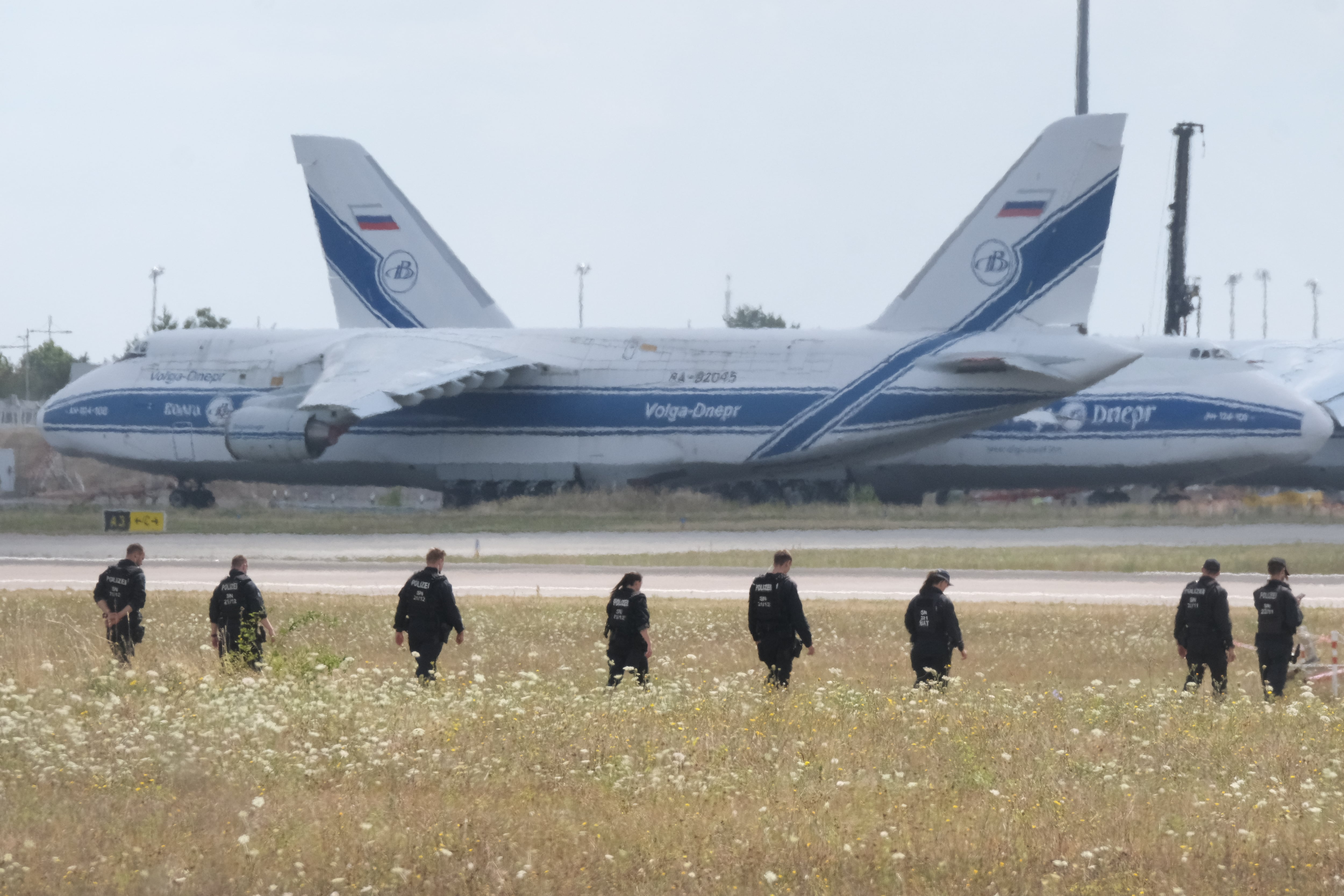
Varios agentes de policía recorren un campo en los terrenos del aeropuerto de Leipzig dentro de la investigación sobre el hallazgo del dron cargado de explosivos, el 7 de agosto.
  •  

Report: South Korea Has Spent $363 Million Lobbying U.S. Lawmakers

Recent lobbying disclosures have revealed South Korea’s deep lobbying network in Washington D.C. and beyond. The country's massive lobbying machine is particularly noteworthy because of the unfriendly environment American tech companies are facing in the Korean market.

The post Report: South Korea Has Spent $363 Million Lobbying U.S. Lawmakers appeared first on Breitbart.

  •  

Where Are The Aircraft Carriers?: October 27, 2026

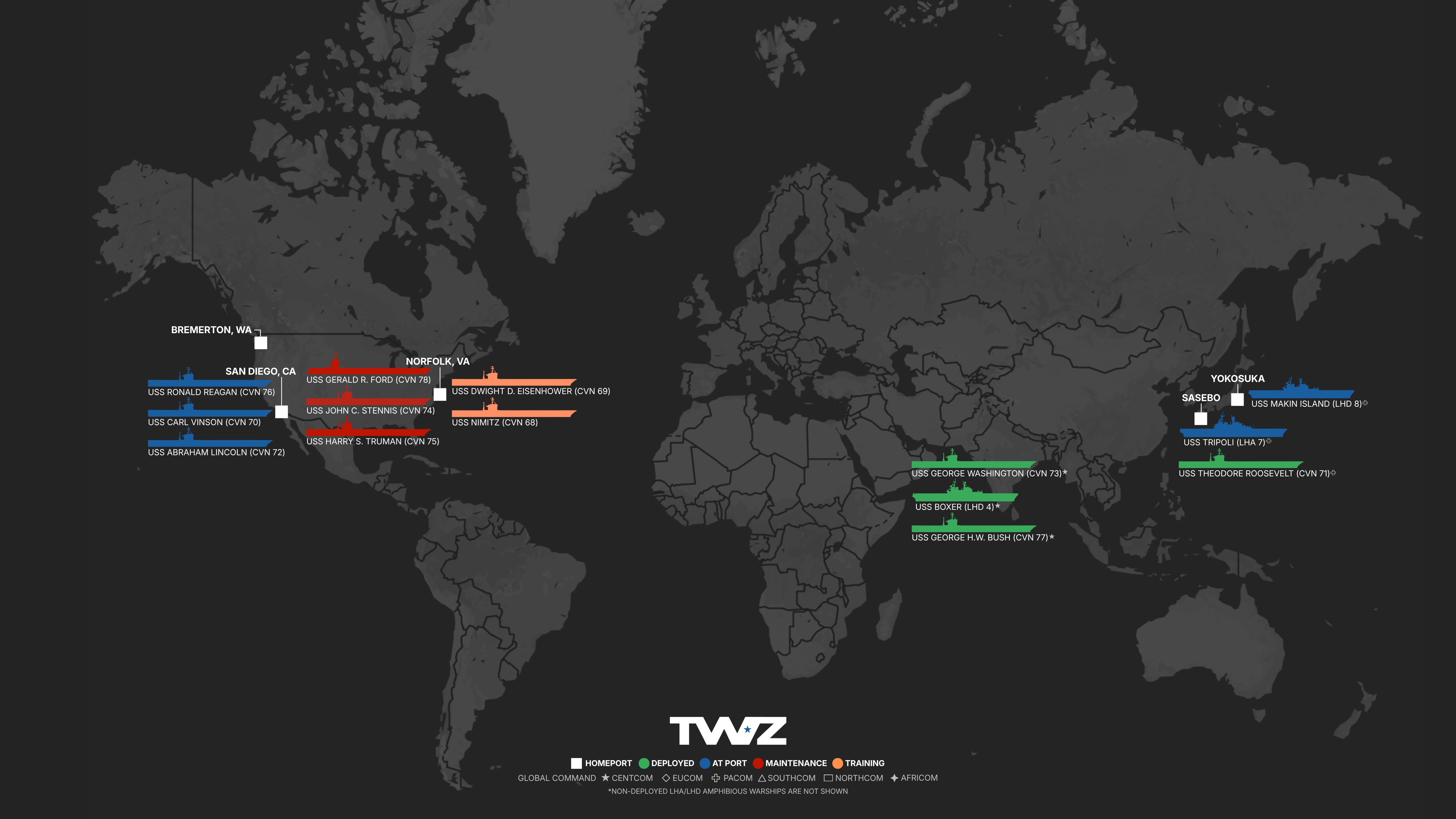
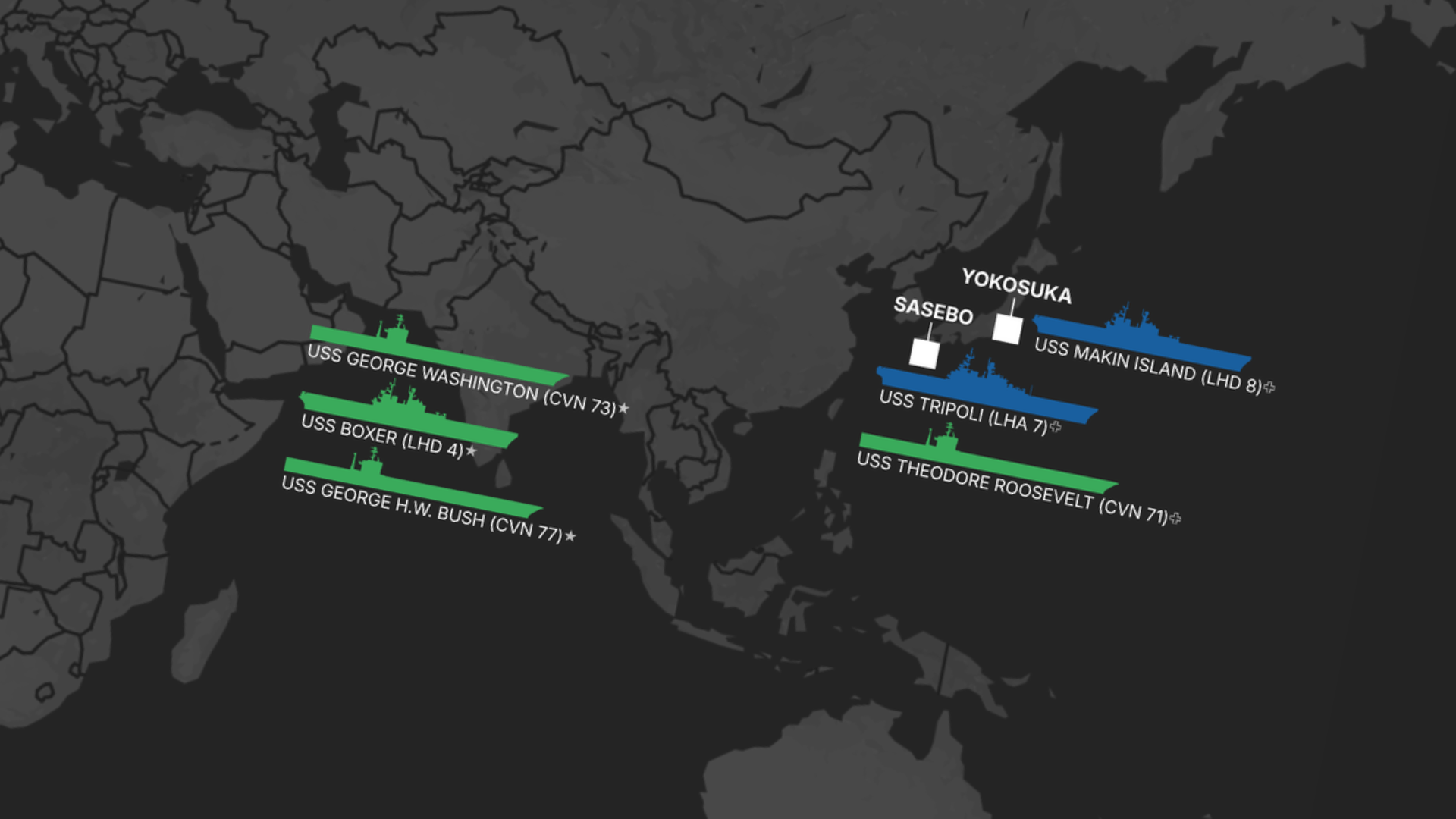
The Makin Island Amphibious Ready Group (ARG) tied up in Yokosuka, Japan, on Monday, a week after the Theodore Roosevelt Carrier Strike Group departed from the same base to participate in exercise Keen Sword 27. Both are reportedly destined for the Middle East, two U.S. officials confirmed to Fox News, which would place three CSGs and two ARGs in the U.S. Central Command (CENTCOM) area of responsibility (AOR) sometime in November, unless a group leaves before their arrival. More than 10 guided-missile destroyers are also operating independently in the region, as the U.S. beefs up force posture ahead of the possibility of renewed hostilities against the Iranian regime.

Meanwhile, on the other side of the world, the USS Ronald Reagan remotely controlled an MQ-25A Stingray tanker drone thousands of miles away for the first time, and the Navy announced that USS Abraham Lincoln, which just returned from a historic deployment, will conduct a homeport shift to Bremerton, Washington.

Here’s TWZ’s weekly carrier tracker monitoring America’s flattop fleet, including deployed CSGs and ARGs, using publicly available open-source information. Check out our last report here.

A custom visualization of America's fleet of 11 aircraft carriers and amphibious ready groups around the world. Created by Ian Ellis-Jones/TWZ.
A high-resolution graphic depicting the locations of U.S. Navy carriers and deployed ARGs. TWZ/IAN ELLIS-JONES

Where Is The USS Theodore Roosevelt?

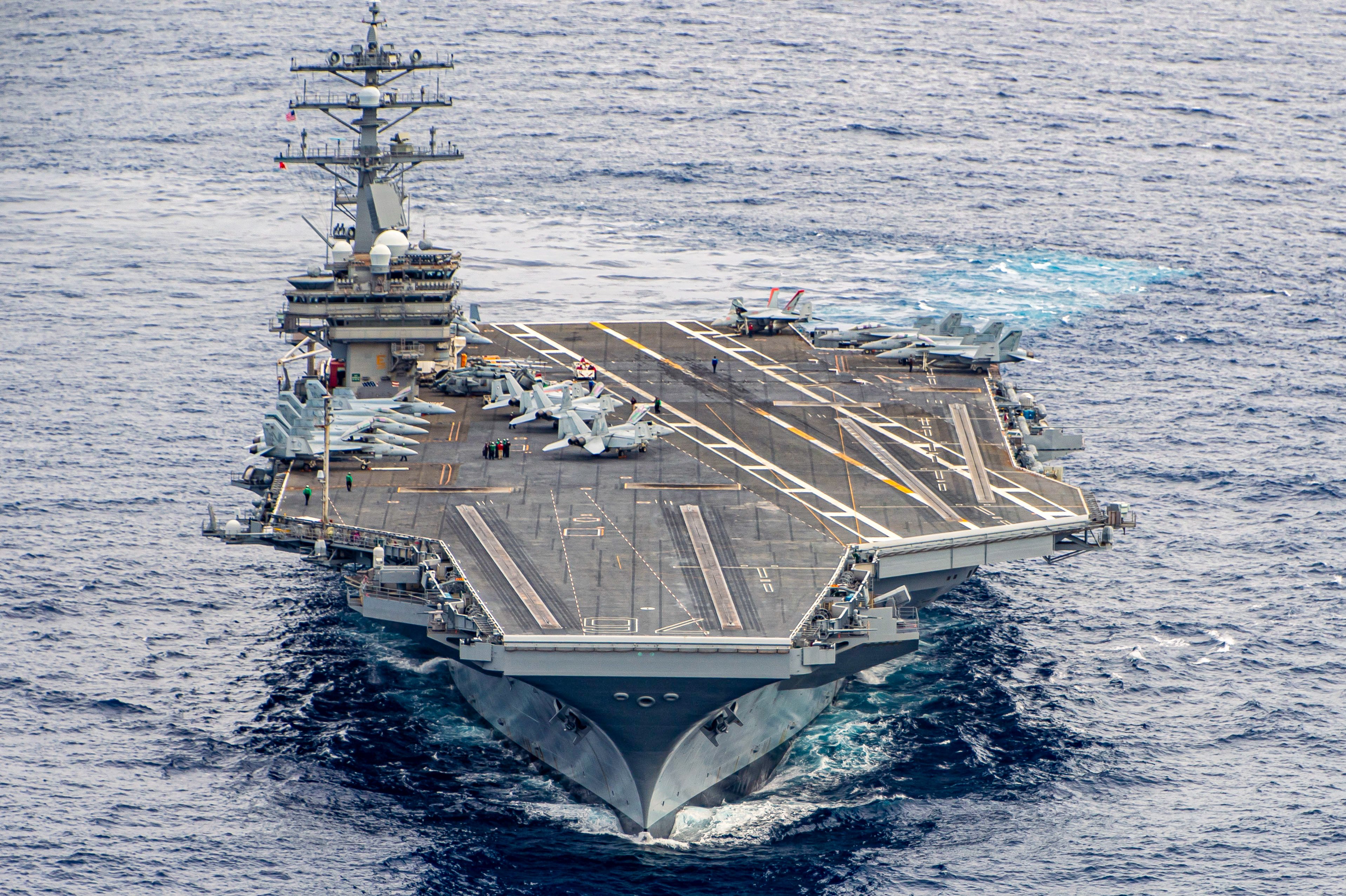
Surrounded by allied warships, the USS Theodore Roosevelt steamed through the Philippine Sea last week as large-scale combined exercise Keen Sword 27 got underway. Roosevelt and guided-missile cruiser USS Chosin departed Commander, Fleet Activities Yokosuka, on October 19 following a three-day port call. Roosevelt deployed on September 27 and was the first non-resident American carrier to pull into the vital naval port in over four years.

U.S. Navy, Japan Maritime Self-Defense Force, Royal Australian Navy, Royal Canadian Navy, and French Navy ships steam together during Exercise Keen Sword 27 (KS27), Oct. 21, 2026 in the Philippine Sea. Keen Sword is a routine, biennial bilateral field training exercise with multinational participation, designed to increase readiness and interoperability between the U.S. military and Japan Self-Defense Forces while strengthening the ironclad U.S.-Japan Alliance.
U.S. Navy, Japanese, Australian, Canadian, and French warships steam together during Exercise Keen Sword 27. U.S. Navy photo

Three American warships are participating in the exercise, a Navy official confirmed to TWZ. The third participant, Pearl Harbor-based guided-missile destroyer USS Decatur, another element of the five-ship strike group, also called port in Yokosuka and transited out of Tokyo Bay on October 26.

Australian, Canadian, and French warships joined the exercise alongside the U.S. and Japan in a large show of force. Keen Sword 27 runs through October 29, but it’s unclear if Roosevelt and her escorts will remain until the conclusion before heading toward the Middle East via the Strait of Malacca. More than 45,000 Japan Self-Defense Forces personnel and 11,000 U.S. service members are participating.

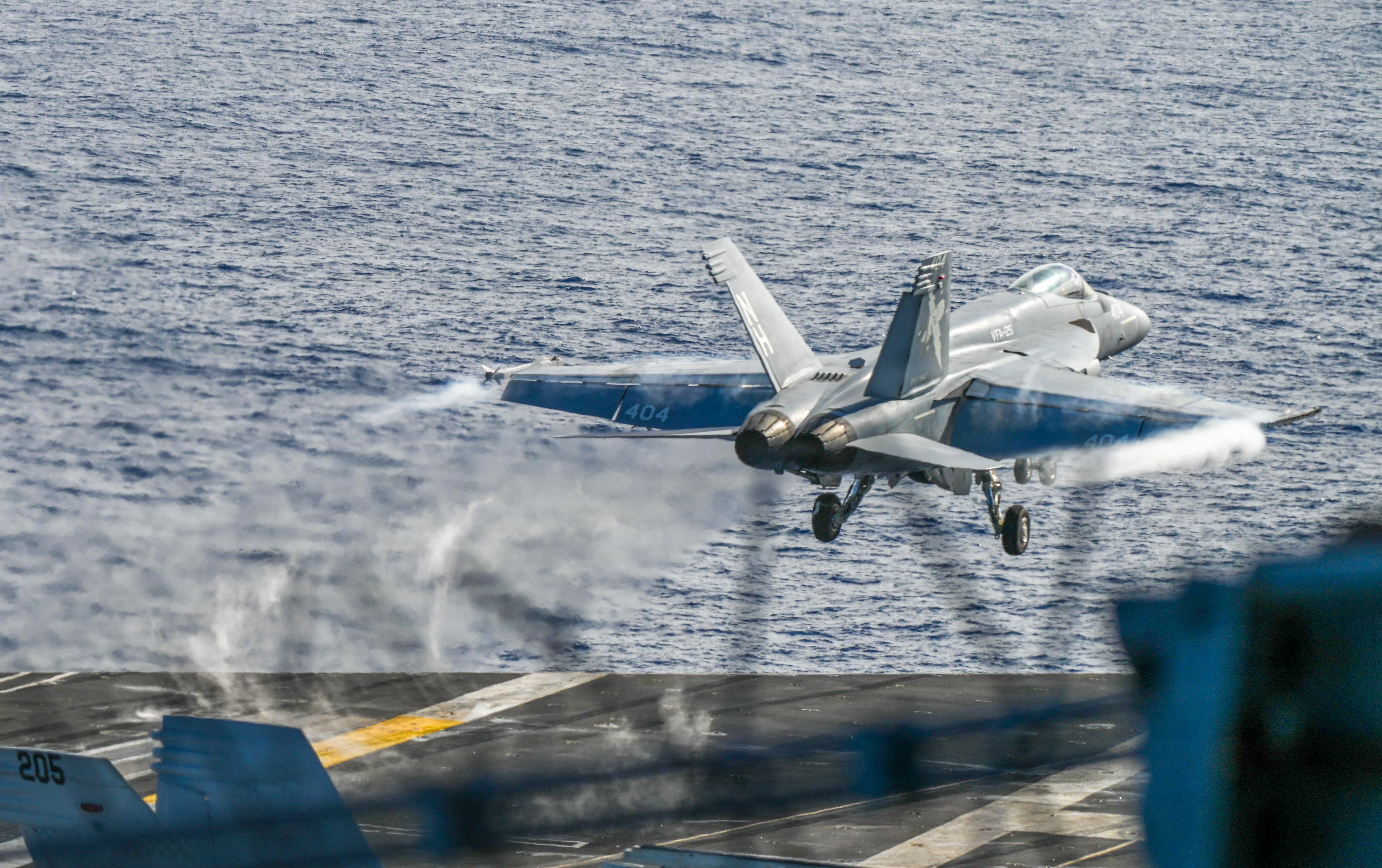
An F/A-18E Super Hornet, assigned to Strike Fighter Squadron (VFA) 25, launches off the flight deck of Nimitz-class aircraft carrier USS Theodore Roosevelt (CVN 71), Oct. 20, 2026. Theodore Roosevelt, flagship of Carrier Strike Group (CSG) 9, is underway conducting routine operations in the U.S. 7th Fleet area of operations, demonstrating the U.S. Navy’s commitment to a free and open Indo-Pacific. (U.S. Navy Photo by Mass Communication Specialist Seaman Kellie Given)
An F/A-18E Super Hornet launches off the flight deck of USS Theodore Roosevelt. U.S. Navy photo

F/A-18 Super Hornets and F-35Cs launched from Roosevelt and airbases in Japan to complete a simulated strike against a target in the East Sea/Sea of Japan, which also included land-based launchers, an exercise spokesperson told Stars and Stripes. Japanese destroyers JS Kongo and JS Maya assumed the red team role. The precise location and munitions employed were not disclosed.

The Theodore Roosevelt CSG, which a different Navy official confirmed also includes USS Paul Hamilton and USS Carl M. Levin, will arrive in the Middle East, Fox News reported last week. Both destroyers are disaggregated from the rest of the group. Hamilton, the last ship to deploy, left San Diego on October 10 and most recently pulled out of Pearl Harbor last week. Levin, the first ship to deploy, is already operating in the CENTCOM AOR, based on public images posted on the military’s content platform, DVIDS.

If the CSG and ARG, which also includes amphibious transport docks USS Anchorage and USS John P. Murtha, arrive in the Middle East before the other two carriers on station, USS George H.W. Bush and USS George Washington, and big-deck amphibious assault ship USS Boxer, depart, that would add roughly 10,000 sailors and Marines to CENTCOM’s arsenal, the most significant force posture in the region since the war began. However, the overlap can only be maintained for a limited time given normal rotation schedules.

Wasp-class amphibious assault ship USS Makin Island (LHD 8) pulls in to Commander, Fleet Activities, Yokosuka, Japan, Oct. 26, 2026. U.S. 7th Fleet, the Navy's largest forward-deployed numbered fleet, routinely interacts and operates with allies and partners in preserving a free and open Indo-Pacific. (U.S. Navy Photo by Mass Communication Specialist 1st Class Caitlin Flynn)
Amphibious assault ship USS Makin Island pulls in to Commander, Fleet Activities, Yokosuka. U.S. Navy photo

Acting Secretary of the Navy (SECNAV), Hung Cao, said during a panel at the Association of the United States Army (AUSA) convention that “the Teddy Roosevelt carrier strike group just deployed on October 8 with a medium sized unmanned surface vessel (MUSV). This is the first carrier strike group to ever deploy with a large size unmanned surface vessel.” However, despite multiple requests to comment, the Navy has not confirmed to TWZ that MUSV Seahawk (2) is assigned to the strike group. Seahawk was 10 nautical miles north of Guam, publicly available Automatic Identification System (AIS) data on MarineTraffic showed, as of publication.

The USS Ronald Reagan Controlled A Tanker Drone Thousands Of Miles Away

Providing a glimpse of the future, the USS Ronald Reagan used her brand-new Unmanned Air Warfare Center (UAWC) to operate an MQ-25A Stingray tanker drone at a Boeing facility in Illinois. “In a historic U.S. naval aviation event, an aircraft carrier connected to, and controlled, an unmanned aerial refueler MQ-25A Stingray more than 2,100 miles away,” the Navy said in a press release.

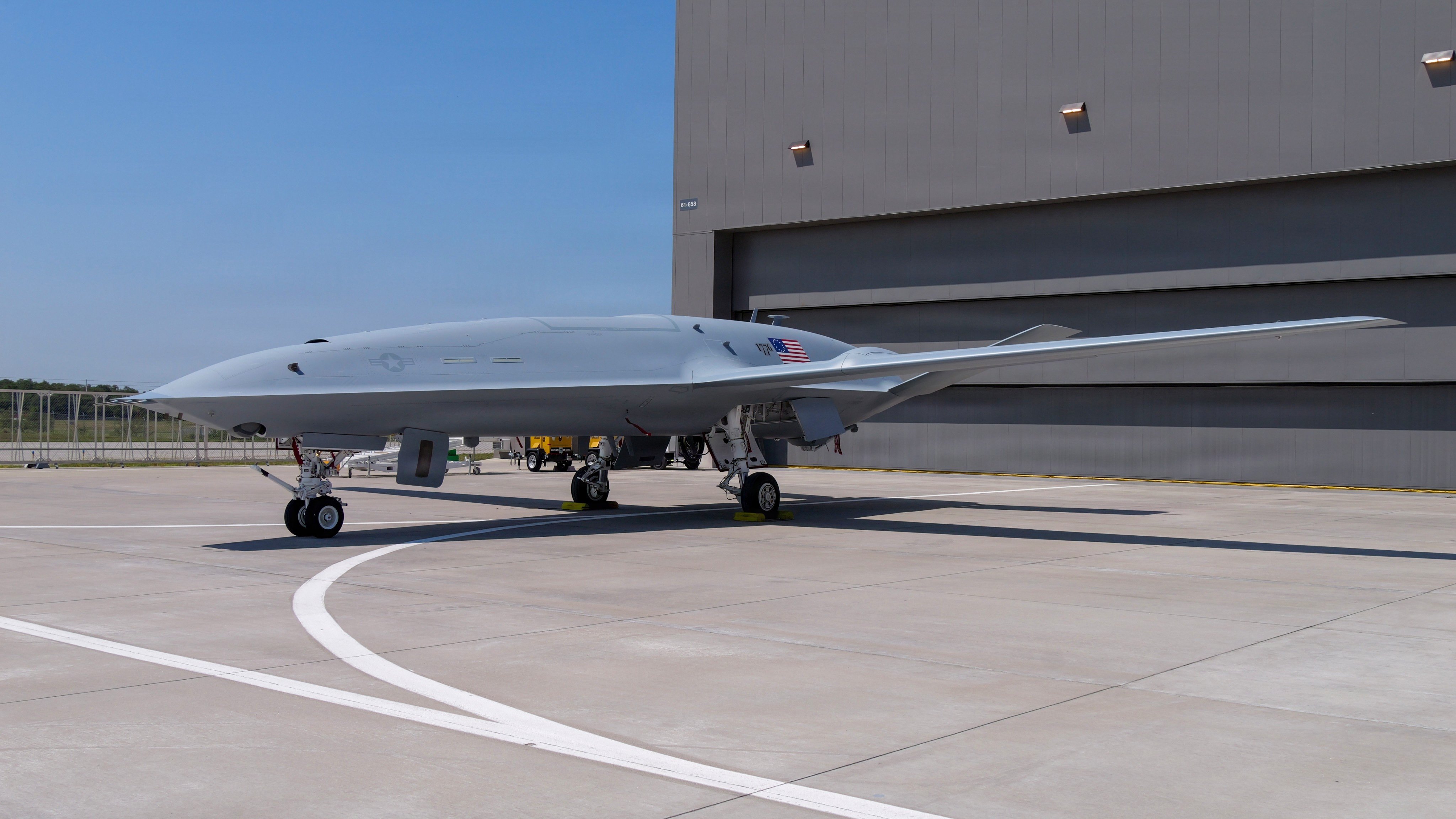
The first painted MQ‑25A Stingray sits on the ramp outside Boeing’s dedicated MQ‑25 production facility in Mascoutah, Illinois. The aircraft was recently painted ahead of continued developmental testing.
The first painted MQ‑25A Stingray sits on the ramp outside Boeing’s dedicated MQ‑25 production facility in Mascoutah, Illinois. Unmanned Carrier Aviation (PMA-2

The UAWC, installed during Reagan’s recently completed 15-month maintenance availability, used its MD-5C ground control station to link beyond line-of-sight with the drone while the flattop was underway in the eastern Pacific Ocean. “The MQ-25A Stingray’s carrier-based refueling capabilities enable F/A-18 Super Hornets to fly farther and longer,” the Acting SECNAV said. “The integration of this unmanned aerial refueler demonstrates the transformational change our manned and unmanned asset integration provides the Fleet.”

The test took place during a preliminary sea trial, part of a “series of build-up exercises designed to validate procedures, networks and interfaces,” reads the release. Capt. Daniel Fucito, program manager of the Navy’s Unmanned Carrier Aviation Program Office (PMA-268), said, “We have redefined naval power projection. This first-ever underway connection between a carrier-based UAWC and an MQ-25A aircraft proves that the Carrier Air Wing of tomorrow is a reality today.”

USS Ronald Reagan (CVN 76) steams through the Pacific Ocean, Oct. 11, 2026. The Nimitz-class aircraft carrier USS Ronald Reagan is underway conducting routine training in the U.S. 3rd Fleet area of operations. (U.S. Navy photo by Mass Communications Specialist 2nd Class Jaron Wills)
USS Ronald Reagan (CVN 76) steams through the Pacific Ocean in October. U.S. Navy photo

Reagan is the second Nimitz class carrier equipped with the UAWC. The MQ-25A will eventually take the role held by the F/A-18E/F Super Hornets that are tasked with fueling carrier-based aircraft, freeing up aircraft to take on higher-end combat roles.

Reagan moored at Kilo Pier at Naval Air Station North Island in San Diego on October 27 after finishing Fleet Replacement Squadron and Carrier Qualifications.

What’s Next For The USS Abraham Lincoln?

The USS Abraham Lincoln recently returned from a record-setting deployment. The carrier arrived back home on October 8 after being at sea for 321 days, less than a week short of the longest carrier deployment in the post-Vietnam era.

The Navy has confirmed what TWZ was the first to report: the Lincoln will complete a homeport shift to Bremerton, Washington, to undergo an overhaul following a grueling deployment that left the carrier looking worse for wear. The release did not disclose the length of the availability, but Reagan was out of commission for more than a year, and was not previously involved in combat operations.

U.S. Navy sailors aboard USS Abraham Lincoln conduct maintenance. U.S. Navy photo

“The carrier repeatedly demonstrated unmatched multi-theater combat lethality and safeguarded critical sea lanes across the Indo-Pacific and Middle Eastern theaters. Home port shifts are part of the Navy’s continued commitment to the strategic dispersal of ships,” a statement released from Commander, Naval Air Forces reads.

The move is a permanent change of station for the crew and their families.

Where Is The Rest Of The Fleet?

  • The two carriers enforcing the ongoing blockade of Iranian ports and coastal cities, USS George H.W. Bush and USS George Washington, have both been dark on AIS since arriving in the Middle East. The former is 210 days into her deployment and recently arrived back in CENTCOM after a five-day port call in Phuket, Thailand. The latter, forward-deployed out of Yokosuka, Japan, was spotted on DVIDS conducting flight operations on October 24.
  • USS Nimitz, homeported in Norfolk, welcomed the public with tours during Naval Station Norfolk’s Fleet Fest over the weekend, and got underway again for training on October 27. The 51-year-old carrier is scheduled to be deactivated in Spring 2027. USS Dwight D. Eisenhower, also based at NS Norfolk, left port for work ups on October 24.
  • Also on the east coast, USS John C. Stennis has been undergoing maintenance since 2021. The RCOH was expected to be completed and the carrier redelivered in October 2026, according to budget documents, but it’s unclear if that timeline will hold. However, USS Harry S. Truman recently moved to begin an RCOH, suggesting Stennis is nearing completion.
  • On the other side of the country, USS Carl Vinson is in port in San Diego. Vinson returned on September 4 after a 25-day underway for a Final Evaluation Period and Tailored Ship’s Training Availability.
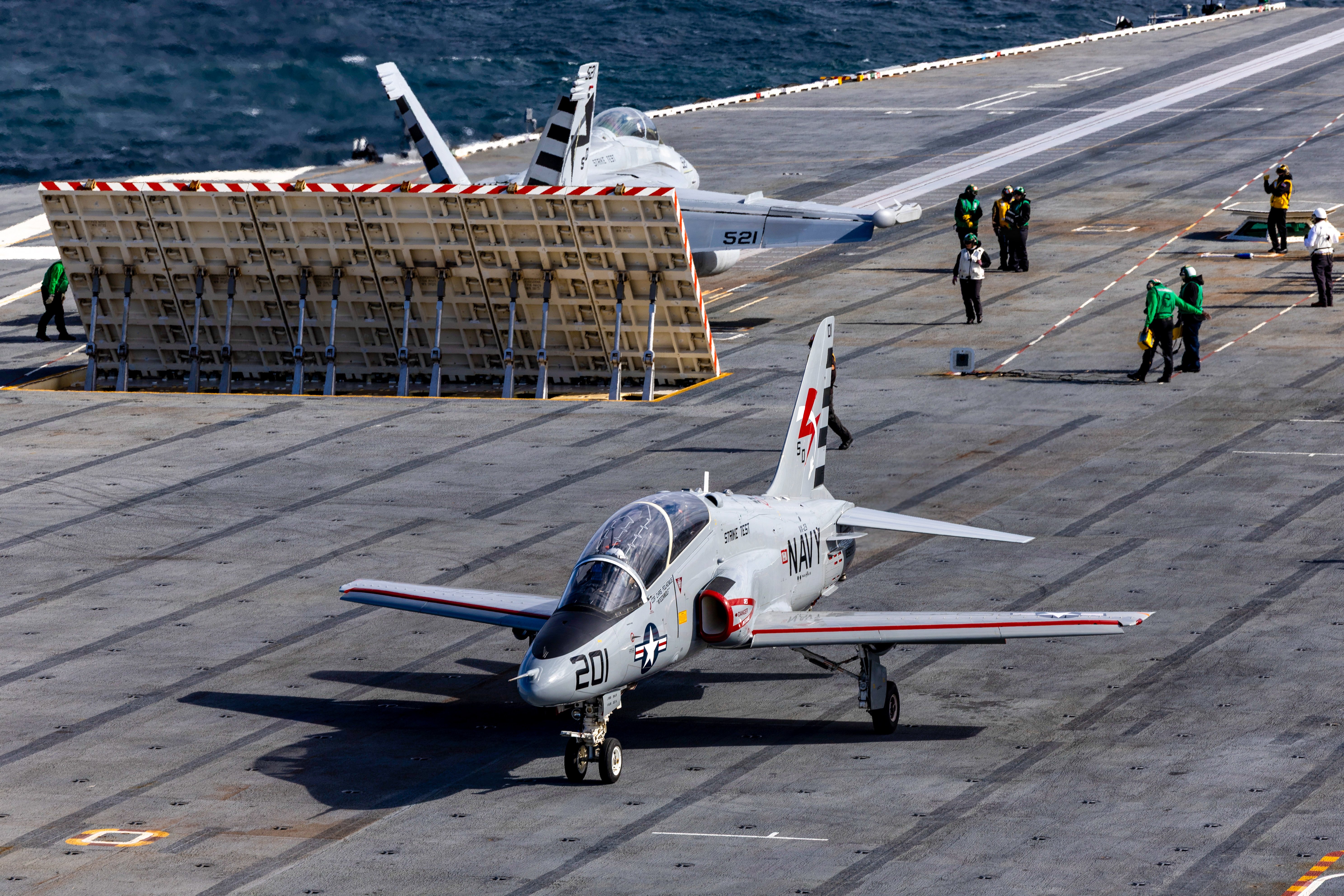
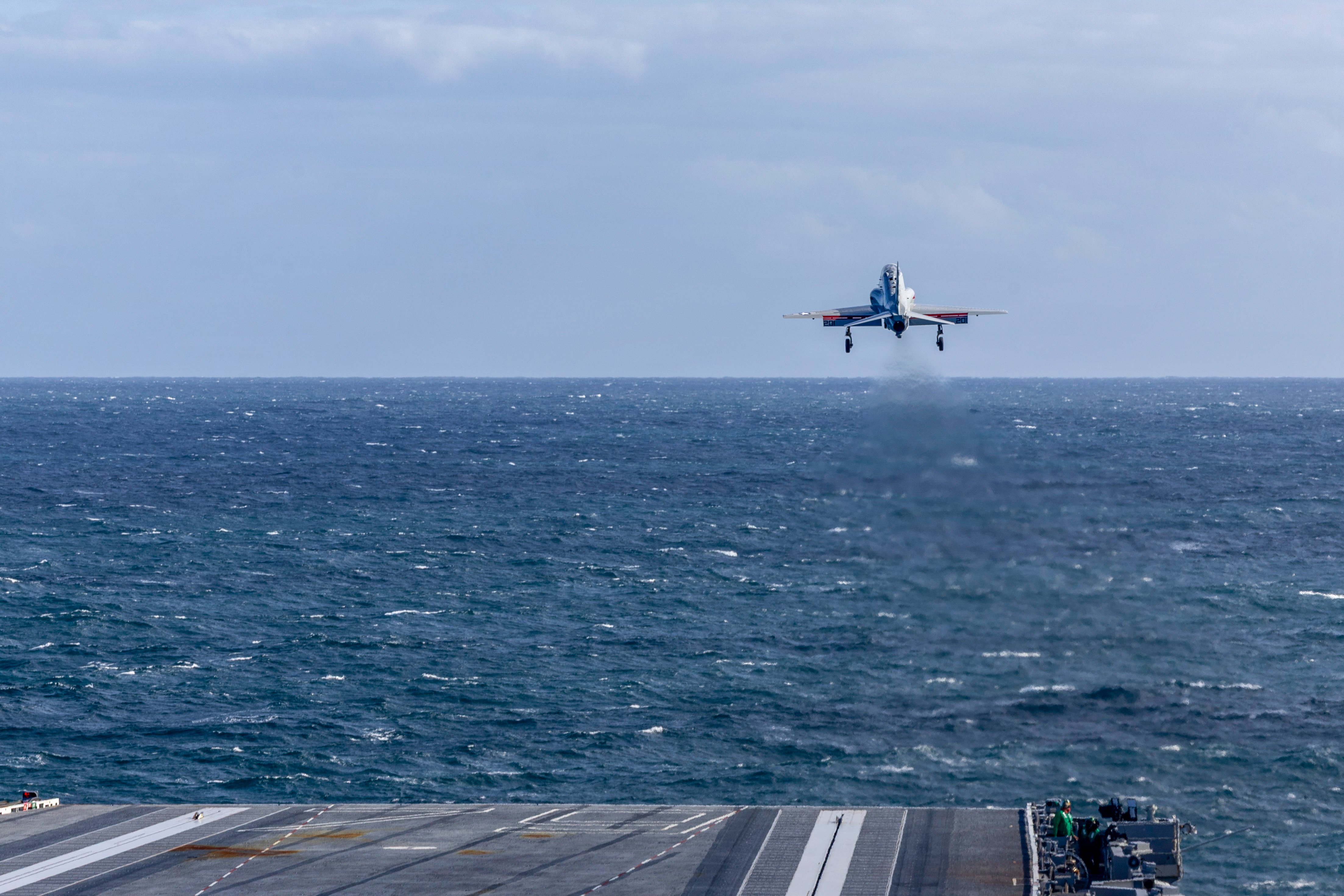
  • The future USS John F. Kennedy was operating in the Atlantic Ocean launching a T-45C Goshawk training aircraft and EA-18G Growler, both attached to the “Salty Dogs” of Air Test and Evaluation Squadron (VX) 23, on October 25.
A T-45C Goshawk, left, and an EA-18G Growler, both attached to the "Salty Dogs" of Air Test and Evaluation Squadron (VX) 23, prepare for launch aboard Pre-Commissioning Unit John F. Kennedy (CVN 79), Oct. 24, 2026. John F. Kennedy is underway conducting Aircraft Compatibility Testing, which assesses the operational capabilities of the ship's aircraft launch and recovery equipment with U.S. Navy aircraft. (U.S. Navy photo by Mass Communication Specialist Seaman Kaitlyn Bailey)
T-45C Goshawk and EA-18G Growler on the future USS JFK. U.S. Navy photo
A T-45C Goshawk, attached to the "Salty Dogs" of Air Test and Evaluation Squadron (VX) 23, launches from the flight deck of Pre-Commissioning Unit John F. Kennedy (CVN 79), Oct. 24, 2026. John F. Kennedy is underway conducting Aircraft Compatibility Testing, which assesses the operational capabilities of the ship's aircraft launch and recovery equipment with U.S. Navy aircraft. (U.S. Navy photo by Mass Communication Specialist Seaman Kaitlyn Bailey)
Future USS John F. Kennedy conducts flight operations. U.S. Navy photo

The Big Deck Fleet At A Glance

Overall, three U.S. carriers are deployed, three are working up in various states of readiness, three are in maintenance availabilities, one is post-deployment, one is being used primarily for training before deactivation, and another will be delivered in 2027. Two amphibious ready groups are deployed, one is forward-deployed, three are working up or in port, and three are in maintenance.

Note: Positions are general approximations. Non-deployed LHA/LHD amphibious warships are not shown.

Contact the author: ian@twz.com or @ianellisjones

The post Where Are The Aircraft Carriers?: October 27, 2026 appeared first on TWZ.

  •  

NATO Confronts Growing Black Sea Threat as Drone Attacks Target Commercial Shipping

France has deployed a maritime patrol aircraft to Romania following a series of attacks on civilian vessels near NATO territory. The escalating threat has prompted closer cooperation between Romania, Bulgaria and Turkey, raising questions about maritime security and the protection of Europe’s eastern flank.

A series of drone attacks on commercial shipping in the western Black Sea has brought the consequences of Russia’s war against Ukraine increasingly close to NATO territory, prompting additional military surveillance and renewed regional defence cooperation.

France has temporarily deployed an Atlantique 2 maritime patrol aircraft to Romania, while NATO members bordering the Black Sea are strengthening arrangements to monitor shipping routes, identify airborne threats and protect critical infrastructure.

The French aircraft began operating from Romania’s Mihail Kogălniceanu airbase on 18 October and is scheduled to continue reconnaissance missions until 6 November.

Its deployment follows repeated attacks on merchant vessels near Romania and Bulgaria, both members of NATO and the European Union.

At least eight cargo ships have been struck in the region during October, with approximately 34 sailors reported dead or missing, according to figures reported by Reuters on 27 October.

The incidents have transformed commercial maritime security into an increasingly urgent issue for European defence planners.

Commercial vessels enter the conflict zone

The latest escalation has centred on shipping routes serving Ukraine’s Danube ports and commercial traffic passing through the western Black Sea.

Russia’s attacks on Ukrainian maritime infrastructure have increased the importance of alternative export routes, including those connecting the Danube to international shipping lanes.

However, recent incidents demonstrate that geographical proximity to NATO territory does not necessarily provide commercial vessels with protection from the effects of the conflict.

On 23 October, a drone struck a Comoros-flagged cargo vessel near the Romanian port of Constanța.

According to maritime security company Ambrey, the vessel was hit approximately 16 nautical miles east of the port and subsequently capsized.

One crew member was reported dead, nine were rescued and three remained missing in the initial casualty figures.

Ambrey assessed it as highly likely that Russian forces carried out the attack, pointing to the vessel’s links with Ukrainian Danube ports.

That assessment represents an attribution by a commercial security organisation, rather than a final determination by an international investigative body.

Other incidents have similarly raised questions over responsibility.

Ukraine has accused Russia of attacking civilian shipping, while Bulgarian authorities have acknowledged difficulties in conclusively identifying the operators of drones involved in some strikes.

France strengthens maritime surveillance

Romania’s Defence Ministry announced on 27 October that the Atlantique 2 deployment followed a request from Bucharest in response to the deteriorating security situation.

The aircraft is conducting surveillance and reconnaissance over the western Black Sea, working with Romanian naval authorities and maritime rescue coordination services.

Its principal responsibilities include identifying hazards to navigation and improving awareness of threats to critical infrastructure within Romania’s exclusive economic zone.

That infrastructure includes offshore energy facilities and maritime installations whose protection is increasingly relevant to European energy security.

The deployment adds to Romanian naval patrols conducted by ships, helicopters and unmanned systems.

Romanian authorities are also providing navigational warnings and recommended routes to commercial vessels.

Nevertheless, additional surveillance does not automatically prevent attacks.

The practical challenge lies in detecting relatively small unmanned aircraft or maritime drones, determining their intentions and responding before they reach civilian targets.

Romania, Bulgaria and Turkey coordinate their response

The security crisis was also discussed at a trilateral meeting of defence ministers in Sofia on 28 October.

Romania’s Defence Minister, Ștefan-Radu Oprea, met his Bulgarian counterpart, Dimitar Stoyanov, and Turkey’s Defence Minister, Yaşar Güler, to examine the consequences of attacks on commercial shipping.

According to the Romanian Defence Ministry, the ministers discussed closer intelligence-sharing, improved maritime surveillance and better coordination between their naval forces.

They also reaffirmed the importance of the existing Black Sea mine-countermeasures initiative involving the three countries.

Maritime mines remain a persistent hazard because they can drift beyond their original deployment areas, endangering civilian vessels irrespective of their destination or ownership.

The trilateral format provides a practical mechanism for neighbouring countries to coordinate activities while retaining responsibility for their respective national waters.

It also gives Turkey a central role in regional discussions, reflecting its position on the Black Sea and its control of access through the Turkish Straits under the Montreux Convention.

The limits of NATO’s maritime protection

The attacks raise a complicated legal and operational question: what responsibilities do NATO members have when civilian ships are attacked near their coastlines?

The distinction between territorial waters and an exclusive economic zone is important.

A coastal state’s territorial sea generally extends up to 12 nautical miles from its baseline, while its exclusive economic zone can extend considerably further and confers particular economic and jurisdictional rights.

An attack within a NATO member’s exclusive economic zone does not automatically constitute an armed attack against that member’s territory.

Nor does every strike on a civilian ship near NATO territory automatically trigger the collective-defence provisions of Article 5.

The circumstances, attribution, location and consequences of an incident would all influence the response.

This creates a security problem in which threats can affect European economic interests without necessarily crossing a threshold requiring collective military action.

Maritime trade and energy infrastructure face increasing risks

The implications extend beyond individual vessels.

Repeated attacks can increase insurance costs, complicate shipping schedules and discourage operators from using particular routes.

They can also affect Ukrainian agricultural exports and the wider commercial networks linking Black Sea ports to European markets.

Offshore energy installations face related vulnerabilities, particularly where surveillance and response capabilities are insufficient.

For NATO, the challenge is therefore to strengthen deterrence and protection without unintentionally escalating the conflict.

France’s reconnaissance deployment and the trilateral cooperation between Romania, Bulgaria and Turkey indicate that regional governments are moving towards a more coordinated response.

However, the continuing attacks demonstrate the difficulties of protecting civilian maritime activity against comparatively inexpensive unmanned systems.

The longer-term question is whether increased surveillance, counter-drone capabilities and naval cooperation can make western Black Sea shipping sufficiently secure while the war in Ukraine continues.

  •  

Joe Scarborough: Talarico’s position even more impressive considering what he’s up against

This is the Oct. 28, 2026, edition of “The Tea, Spilled by Morning Joe” newsletter. Subscribe here to get it delivered straight to your inbox Monday through Friday.

“You can even come to Mar-a-Lago … The problem is that for $5,000, the most you’ll be able to buy is a hamburger and maybe a small dessert. I’m not even sure you could buy that.”

— President Donald Trump joking at a political rally in Texas yesterday that U.S. adults could not afford to eat at his Florida estate

One week. That’s all that stands between James Talarico and one of the biggest political upsets in modern Texas history.

As he barnstorms the Lone Star State in the final stretch, the political athlete is clinging to a narrow lead over Attorney General Ken Paxton. MS NOW’s data polling partner FiftyPlusOne found Talarico at 49% to Paxton’s 46.2%, and a Fox News poll put him ahead, 51% to 49%. Those are small margins, but they point toward the possibility of a remarkable result. A Democrat hasn’t won a U.S. Senate race in Texas since 1988.

What makes Talarico’s position even more impressive is what he’s up against. Paxton has Donald Trump’s machine behind him, along with Elon Musk’s trillion-dollar checkbook. The world’s richest man has already poured almost $190 million into the contest, routed through a Senate GOP super PAC. That’s pushed combined ad spending past $500 million, putting the race on pace to be the most expensive in Senate history.

But Talarico hasn’t flinched. He’s called out the billionaire money flooding the airwaves and hammered away at Trump, Musk, and the issues that matter most to Texans. As I said months ago, the top three issues in this campaign will be costs, costs, and costs. Talarico leads Paxton on that key issue and is crushing the impeached attorney general with independents, 60% to 32%.

The Cook Political Report and Sabato’s Crystal Ball both call Texas a toss-up. Dan Rather might say the race is “tight as a tick.” And Texas Republicans maintain a big structural advantage. But Talarico is turning the campaign’s final corner and heading into the homestretch with momentum, a winning message, and a lead.

With Election Day less than a week away, his campaign is kicking into overdrive. If the past is prologue in this race, expect Talarico to take it to the limit one more time. And this time, it’s for the win.

CHARTS OF THE DAY

Source: Gallup poll of 1,200 U.S. adults conducted Oct. 1-19, 2026. Margin of error: ±4 percentage points

WHAT THEY SAID

Jonathan Lemire on Trump campaigning

“Those who work for Donald Trump in his second term are true believers. But the president’s been in a bubble, and his crowds, who keep laughing at all his jokes, are much smaller than they used to be. It’s working for that small group of die-hard, dedicated supporters, but it is not playing outside those rooms — and it’s not going to help Republicans next week.”

John Heilemann on DOJ vs. Alaska

“This is so far over the bright line into authoritarian regime territory. The Department of Justice is saying that if the Republican wins, they won’t challenge this case. But if anybody else wins, the result is invalid and should not be certified. That is truly remarkable, dangerous, and astonishing, all rolled into one.”

Sam Stein on Mike Johnson’s loyalty test

“Mike Johnson is going to play a critical role in whether or not we have a peaceful transfer of congressional power. If Trump believes that the elections are contested and they shouldn’t be seated, will Mike Johnson acquiesce? I’m genuinely happy there are layers of protection here, but also dismayed that it’s even got to this point.”

The post Joe Scarborough: Talarico’s position even more impressive considering what he’s up against appeared first on MS NOW.

  •  

Bruselas busca aumentar la capacidad de las refinerías europeas para frenar los precios de los combustibles

A largo plazo, la vía para lograr una energía más limpia y barata pasa por abandonar los combustibles fósiles. Pero la realidad inmediata, con una guerra de Rusia en Ucrania que no acaba y una nueva lanzada por Estados Unidos contra Irán que ha provocado un shock mundial en los precios de la energía, es otra: a corto plazo, Europa necesita aumentar la capacidad de sus refinerías para poder combatir el alza de precios que está afectando a sus ciudadanos y empresas. Con este fin, la Comisión Europea ha abierto este miércoles un diálogo con el sector para garantizar que el Viejo Continente cuenta con una capacidad de refino “adecuada y flexible” frente a la volatilidad internacional.

Seguir leyendo

© OLIVIER MATTHYS (EFE)

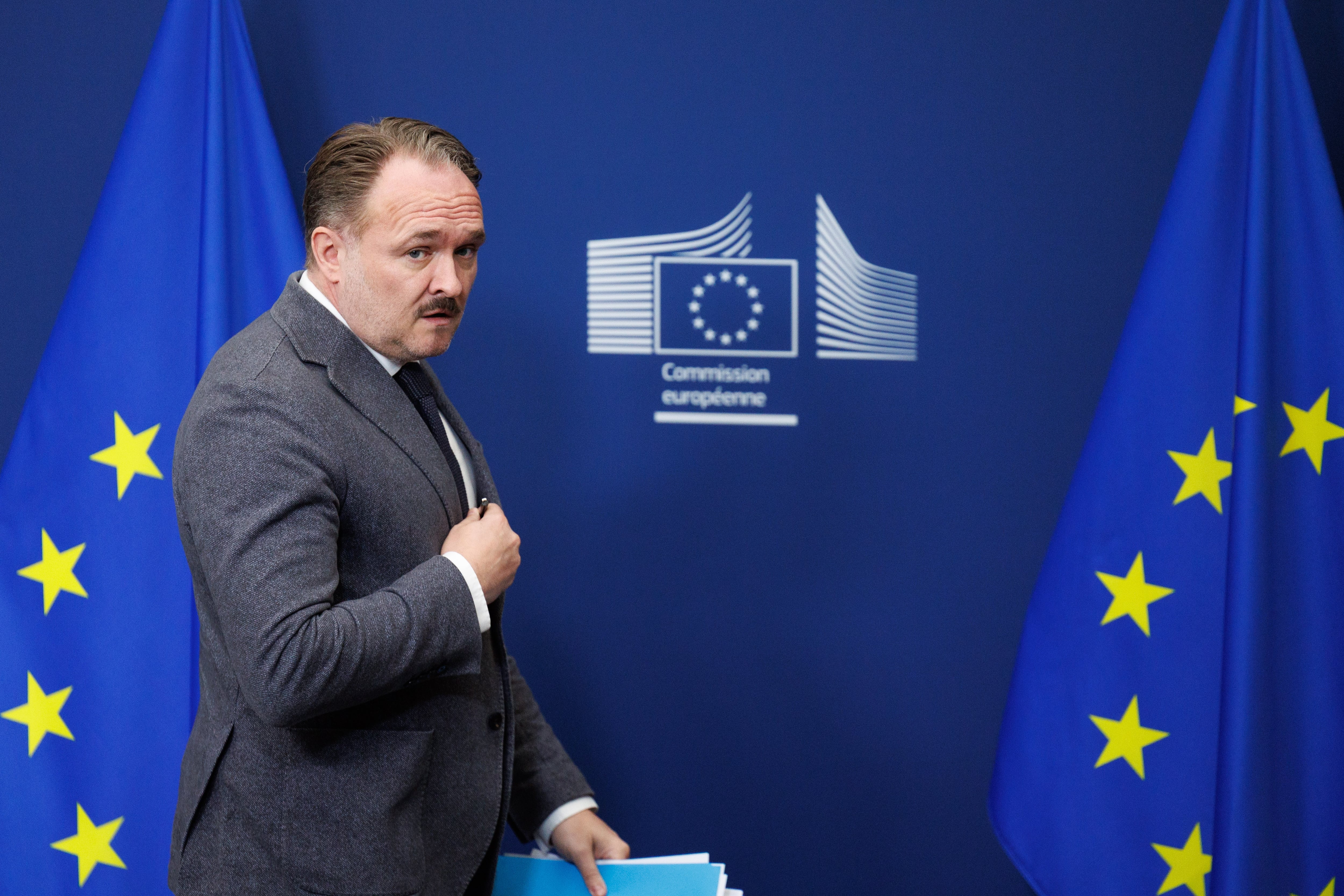
El comisario de Energía y Vivienda, Dan Jorgensen, este miércoles en Bruselas.
  •  

Miró em diálogo com artistas contemporâneos da Coleção de Serralves

Até 7 de março de 2027, a Casa de Serralves acolhe a exposição “Afinidades Eletivas: Joan Miró e a Arte Contemporânea na Coleção do Museu de Serralves”, organizada pela Fundação de Serralves, apresenta obras da Coleção Miró em diálogo com obras de Helena Almeida, Michael Biberstein, Luisa Cunha, Ana Hatherly, Asger Jorn, Julie Mehretu, Robert Morris, Júlio Pomar, Dieter Roth, Julião Sarmento e Antoni Tàpies, entre outros artistas relevantes.

As suas práticas vão da pintura e da escultura à colagem, à instalação, à fotografia, ao vídeo e às obras multimédia, da Process Art à Arte Povera, e das desconstruções visuais dos códigos pictóricos ao Neoexpressionismo e ao questionamento da linguagem. Em cada um destes cruzamentos com obras da Coleção de Serralves, o percurso de Miró encontra eco na prática artística contemporânea. Daí que o título “Afinidades eletivas” tenha como ambição “assinalar a relação de Miró com a arte contemporânea enquanto encontro dinâmico”, como refere o curador da exposição, Robert Lubar Messeri.

No texto da folha de sala, Messeri salienta que Goethe se apropriou desse conceito para “sublinhar as ligações emocionais e as relações afetivas entre pessoas, coisas ou ideias que, mais do que impostas, são instintivas e escolhidas.” No contexto da exposição, a expressão “afinidades eletivas” parte dessas associações, enfatizando o diálogo visual e conceptual, mais do que as relações formais ou as lógicas de influência direta. As obras de Miró das décadas de 1960 e 1970 serviram como ponto de partida, havendo algumas incursões pontuais por obras anteriores.

“Afinidades Eletivas: Joan Miró e a Arte Contemporânea na Coleção do Museu de Serralves” apresenta a relação de Joan Miró com a arte contemporânea como uma série de encontros dinâmicos e divide-se em sete secções: 1. Process Art; 2. Expressionismo revisitado; 3. Antimonumentos; 5. O desenho como prática; 6. Linguagem; e 7. Pintura en abîme.

O que a curadoria de Robert Lubar Messeri pretende é ilustrar como Miró se afirmou não só como um grande mestre moderno, mas também como artista contemporâneo cuja obra estava em sintonia com as dinâmicas emergentes no mundo da arte.

  •  

Liverpool x Chelsea: horário e onde assistir à Copa da Liga Inglesa

Liverpool e Chelsea entram em campo nesta quarta-feira (28), às 17h (de Brasília), no Anfield, em Liverpool, na Inglaterra, pelo jogo das oitavas de final da competição.

A partida terá transmissão da ESPN e do Disney+.

O Liverpool vem de vitória por 2 a 0 sobre o Brighton pela Premier League. Com o resultado, a equipe comandada por Andoni Iraola chegou aos 15 pontos e subiu para a quarta posição na tabela.

Leia Mais:

Do outro lado, o time de Xabi Alonso aparece logo atrás, em quinto lugar, com 13 pontos. A equipe, porém, busca se recuperar após perder por 2 a 0 para o Tottenham no último compromisso.

Onde assistir a Liverpool x Chelsea pela Copa da Liga Inglesa

  • TV fechada: ESPN
  • Streaming: Disney+

Ficha técnica de Liverpool x Chelsea pela Copa da Liga Inglesa

  • Data: 28/10/2026
  • Horário: 17h (de Brasília)
  • Local: Anfield, em Liverpool, na Inglaterra
  • Rodada: Oitavas de final

Chelsea anuncia Jordan Henderson, ex-capitão do Liverpool

  •  

Brussels Proposes 30,000-Strong Frontex Force as EU Moves Towards Centralised Border Control

The European Commission wants to expand Frontex into a more powerful border and returns agency, with operations extending beyond EU territory. The proposal raises questions about national sovereignty, operational accountability and the future management of European migration.

The European Commission has proposed a substantial expansion of Frontex, the European Union’s border and coastguard agency, in a move that would increase its personnel to 30,000, extend its operational responsibilities beyond EU territory and give Brussels a greater role in coordinating the removal of people without permission to remain in Europe.

The legislative proposals presented on 27 October represent a further stage in the EU’s efforts to establish a common system of migration enforcement, following the introduction of new asylum rules and the adoption of legislation allowing migrant return centres outside the Union.

At issue is not simply the size of Frontex but the extent to which responsibility for border enforcement, surveillance and deportation should be exercised at European rather than national level.

From supporting agency to operational force

Under the Commission’s plan, Frontex would progressively expand its standing corps to 30,000 officers by 2041, including a new reserve of 17,000 personnel available for deployment.

The agency would also gain wider powers to purchase, lease and jointly own equipment, including surveillance systems and technologies using artificial intelligence.

These arrangements are intended to reduce dependence on individual governments for essential equipment and personnel during emergencies.

The proposal follows the extraordinary migration crisis in Spain’s North African enclave of Ceuta, where more than 72,000 people crossed from Morocco during July.

As EU Today previously reported, Spain subsequently requested additional assistance from Frontex, Europol and the European Union Agency for Asylum as its authorities struggled with the consequences of the mass crossing.

The Commission argues that such incidents demonstrate the limitations of a system in which European assistance depends heavily on national requests, available personnel and sometimes lengthy coordination procedures.

A proposed Quick Reaction Force could deploy within 24 hours following an emergency request from a member state.

Deportations beyond European borders

The most consequential change concerns the agency’s proposed role in returns.

Frontex would receive responsibility for a new Return Coordination Centre, bringing together operational information and supporting the entire removal process, from identifying individuals and arranging voluntary departures to organising deportations and reintegration assistance.

More significantly, it could help conduct returns between two non-EU countries under agreements with the countries concerned.

This would allow European personnel to participate in removal operations that neither begin nor end on European territory.

The development follows the EU’s approval of new legislation permitting return hubs outside the bloc.

The Commission presents the two initiatives as complementary: national governments would retain responsibility for individual immigration decisions, while Frontex would increasingly provide the operational capacity needed to implement them.

The effectiveness of such arrangements would depend on cooperation with third countries, reliable identification procedures and compliance with international legal obligations.

Digital surveillance and accountability

The proposal would establish an Online Monitoring and Response Centre to examine publicly accessible social-media activity for indications of emerging border-security threats.

EU governments would also be required to communicate significant border developments through the EUROSUR information network within 24 hours.

The Commission considers these tools necessary to identify organised migrant movements and potential security incidents before they develop into emergencies.

However, the proposed expansion has also prompted questions about oversight.

According to details of the proposal reported on 27 October, the reform would narrow the responsibilities of Frontex’s internal fundamental-rights watchdog, with certain complaints referred to national authorities.

Dutch Green MEP Tineke Strik has warned that operations in third countries without sufficient oversight could undermine accountability and create uncertainty about the legal responsibilities of European personnel.

These concerns are particularly relevant when activities involve several jurisdictions and different national legal systems.

A European force with national responsibilities

The Commission has proposed allocating €11.8 billion to Frontex under the EU’s 2028–2034 financial framework, almost twice the allocation envisaged under the current seven-year budget.

That funding remains subject to negotiations.

The legislation must also receive approval from the European Parliament and the Council, where governments will determine how far they are prepared to extend the agency’s mandate.

For national capitals, the central question is whether a larger common force will strengthen their ability to manage migration or progressively transfer operational discretion to an EU institution.

For Brussels, the proposal reflects a different calculation: a common external border requires more than common legislation if national authorities remain responsible for providing most of the capacity.

The negotiations will determine whether Frontex remains principally a supporting agency or becomes the operational centre of a more integrated European border-management system.

  •  

Salari fermi e prezzi alle stelle: ecco quel che dovrebbe fare il centrosinistra di concreto

Il popolo italiano vuole il pane, e non solo promesse di rose. Il popolo ha certamente bisogno di pace, di sanità e scuole migliori, ma ha bisogno anche di avere subito soldi per arrivare alla fine del mese. Ormai da parecchi anni i prezzi aumentano e gli stipendi no, e il centrosinistra si lamenta, protesta, ma non propone nulla di concreto.

Renzi vinse il 40% degli elettori con gli 80 euro in più in busta paga. Berlusconi vinse le gare elettorali con l’abolizione dell’Imu sulla prima casa. La destra prende voti con la flat tax (incostituzionale) per i lavoratori autonomi e con i condoni fiscali. La sinistra invece protesta per l’inflazione che mangia i salari ma non indica una soluzione semplice e immediata: indicizzare in tutto o in parte gli stipendi al carovita, non per aumentare i salari reali, ma solo per recuperare potere d’acquisto.

Per migliorare sanità, scuole e pensioni dovrebbe proporre una tassa patrimoniale e tasse di successione ai super-ricchi; dovrebbe imporre all’Unione Europea di abolire i paradisi fiscali che sono dentro la Ue; imporre un controllo sui prezzi dell’energia per diminuire le bollette a famiglie e imprese, e altre cose di sinistra che invece il nostro morbidissimo centrosinistra – molto di centro e poco di sinistra – non propone.

Per vincere le elezioni ed essere nuovamente credibili dopo i fallimenti passati, le forze di centrosinistra dovrebbero per prima cosa garantire la difesa del potere di acquisto delle famiglie massacrato dall’inflazione crescente. Il centrosinistra ha già promesso di introdurre un salario minimo indicizzato all’inflazione; questa è una misura giusta e sacrosanta, ma non basta: infatti riguarda solo 4 o 5 milioni di lavoratori e non i 19 milioni di lavoratori dipendenti che in grande maggioranza hanno stipendi da fame o insufficienti.

Il centrosinistra dovrebbe dimostrare di non avere timore di scontrarsi con Confindustria, e anche con l’Ue; e dovrebbe proporre una grande riforma fiscale, fondata su imposte sui redditi non basate su scaglioni fissi ma su una progressività continua e continuamente aggiornata, come in Germania.

Occorrerebbe tassare meno il lavoro e il capitale produttivo e più la finanza. Il centrosinistra dovrebbe avere il coraggio e la lungimiranza di proporre una tassa patrimoniale sui super-ricchi chiarendo che, per esempio, i miliardi presi a chi ha lo yacht verranno destinati a finanziare il taglio delle imposte per il lavoro e per i ceti medi. Occorre stabilire un vero controllo sui prezzi dell’energia, magari nazionalizzando l’Eni, ormai in gran parte in mano a azionisti stranieri. In Italia dominano le grandi banche private; occorre invece anche una banca pubblica che faccia credito per lo sviluppo delle piccole e medie aziende.

Alle ultime elezioni politiche italiane del 2022, gli astenuti che non si sono recati alle urne sono stati circa 16,6 milioni di cittadini, pari a circa il 37% del corpo elettorale. Le statistiche dicono che in grande maggioranza sono povera gente, i meno istruiti, i disoccupati e i lavoratori disillusi da una sinistra che non ha fatto nulla per loro. Il centrosinistra rischia di perdere i voti che la grande maggioranza degli astenuti gli darebbe volentieri se si impegnasse su cose concrete. Purtroppo è invece ammalato di moderatismo per non impaurire l’establishment italiano ed europeo: così però rischia di perdere e di dare tutto il potere a Meloni.

Al centrosinistra non basterà denunciare le disfunzioni della sanità pubblica o le spese per il riarmo del governo Meloni. Ormai anche la Lega di Salvini e Futuro Nazionale di Vannacci condannano il fatto che il governo italiano da anni fa morire inutilmente gli ucraini finanziando con miliardi la guerra inutile di Zelensky contro la Russia (una guerra scatenata soprattutto per il fatto che Zelensky voleva fare entrare la Nato in Ucraina).

Non basta promettere, come fanno inutilmente tutti i partiti, di recuperare l’evasione fiscale. Occorre imporre tasse sulle plusvalenze finanziarie e sulle grandi eredità. Occorre che il governo riacquisti le quote di maggioranza delle società strategiche dell’energia, in modo da controllare i prezzi per le imprese e le famiglie. Occorre che il centrosinistra denunci apertamente che l’Unione Europea non fa nulla per impedire lo scandalo dei grandi paradisi fiscali dentro la Ue: Irlanda, Lussemburgo, Olanda, Malta, Cipro.

Il centrosinistra appoggia ciecamente la tedesca Ursula von der Leyen e le sue assurde politiche belliciste; non denuncia però il fatto che ogni anno lo Stato italiano a causa dell’euro – e quindi dell’impossibilità di finanziare gli investimenti pubblici con la propria moneta – paga 90 miliardi circa ai mercati finanziari solamente per pagare gli interessi sui debiti pregressi. Una tassa enorme che soffoca l’economia nazionale a beneficio della finanza nazionale ed estera.

L'articolo Salari fermi e prezzi alle stelle: ecco quel che dovrebbe fare il centrosinistra di concreto proviene da Il Fatto Quotidiano.

  •  

Deeper India-Philippines ties boost US aims in South China Sea

This article first appeared on Pacific Forum and is republished with kind permission. Read the original here. With so much media focus in recent months on the war in Iran, it’s no surprise that Under Secretary of War for Policy Elbridge Colby’s speech in Manila received so little coverage. That means very few know what […]

The post Deeper India-Philippines ties boost US aims in South China Sea appeared first on Asia Times.

  •  

China slams US policy on Iran as Russia rejects legality of nuclear meeting at UN

Press TV – October 27, 2026

Members of the United Nations Security Council attend a meeting at the United Nations headquarters in New York City. (File photo)

China has denounced Washington’s policy toward Iran, blaming US and Israeli attacks for halting IAEA inspections of Iranian nuclear facilities, while Russia has challenged the legality of a UN Security Council meeting on Tehran’s peaceful nuclear program.

The UN Security Council held a meeting on Tuesday to discuss Iran’s nuclear program after the Board of Governors of the International Atomic Energy Agency (IAEA) voted to refer Tehran’s nuclear dossier to the council.

During the meeting on Tuesday, Permanent Representative of China to the United Nations Fu Cong criticized US and European policies toward Iran, saying military attacks on Iranian nuclear facilities had directly blocked IAEA inspections.

“The US and Israeli military attacks on nuclear facilities under IAEA safeguards are the direct reason the agency has been unable to conduct inspections,” the Chinese representative said.

He also blamed Washington’s unilateral withdrawal from the 2015 Joint Comprehensive Plan of Action (JCPOA) and its subsequent “maximum-pressure” campaign for the current crisis.

“The unilateral US withdrawal from the JCPOA and the implementation of the maximum-pressure policy are the root causes of the current crisis,” Cong said.

The Chinese diplomat also criticized Britain, France and Germany, saying the three European countries had failed to fulfill their commitments.

The representative said the mechanism for re-imposing UN sanctions on Iran, commonly known as the snapback mechanism, had fundamental legal and procedural flaws.

Russia’s representative, Vassily Nebenzia, also challenged the legality of holding the meeting under the “non-proliferation” item of the Security Council’s agenda.

“We are compelled to take the floor on a point of order in connection with yet another attempt to flagrantly violate the Security Council’s rules of procedure and convene a meeting under a non-existent agenda item.”

He said that under Resolution 2231 the council had concluded its consideration of Iran’s nuclear program on October 18, 2025, and removed the “non-proliferation” item from its agenda.

He also rejected claims that earlier UN resolutions on sanctions against Iran had been reinstated, saying such claims “have no legal basis whatsoever.”

Nebenzia said Russia and China had proposed holding the briefing under the agenda item “Threats to international peace and security,” arguing that “repeated strikes against Iran’s peaceful nuclear infrastructure under IAEA safeguards” posed such threats.

The IAEA Board of Governors adopted a resolution on September 9 proposed by the United States, France, Britain and Germany calling for Iran’s nuclear file to be referred to the Security Council. The resolution passed with 23 votes in favor, eight abstentions and three votes against.

The referral marked the first time in 20 years that Iran’s nuclear file had been sent to the Security Council over alleged violations of its non-proliferation obligations.

Iran maintains that its nuclear program is peaceful. Tehran has also criticized the resolution, saying Western countries are disregarding its cooperation with the IAEA and the consequences of US and Israeli military attacks on nuclear facilities under agency safeguards.

Iran has also criticized the United States and the three European countries for pursuing the resolution, saying their actions undermine impartiality of the IAEA Board of Governors.

The Security Council meeting was requested by Western countries and Bahrain. Russia and China objected to holding it, prompting a procedural vote.

The proposal to convene the meeting passed with 11 votes in favor, two against and two abstentions. Russia and China voted against the proposal. As a procedural matter, the vote was not subject to the council’s veto mechanism.

The United States and Israel launched unprovoked aggression against Iran two times in June 2025 and February 28 amid indirect talks between Iran and the US.

Other than military and civilian facilities, including hospitals and schools, Iran’s safeguarded peaceful nuclear facilities were targeted by the aggressors in both wars, as the international community and the IAEA were reticent.

  •  

Is the Korean Peninsula moving closer to war?

Recently, Kim Yo-jong, the younger sister of North Korean leader Kim Jong-un, warned that Pyongyang could take strong retaliatory measures if Seoul continues activities it considers provocative. To casual observers, this may appear to be just another routine exchange of verbal threats between the two Koreas. However, a closer examination of the current situation suggests […]

The post Is the Korean Peninsula moving closer to war? appeared first on Asia Times.

  •  

El Alcaraz más fresco, ante el reto a cubierto

Sonríe Carlos Alcaraz, de vuelta en Viena. Queda ya lejos aquella primera aparición de 2021, cuando empezaba a elevar el vuelo —tenía solo 18 años— y el alemán Alexander Zverev tuvo que tirar de oficio para reducirlo en las semifinales. “Cinco años pueden parecer poco tiempo, pero, al mismo tiempo, para mí ha sido un camino muy largo. Desde la primera vez que competí aquí hasta hoy he conseguido grandes cosas, aunque sigo sintiéndome el mismo chico de entonces, con la misma ambición y los mismos sueños. Continúo disfrutando”, dice después de batir a Karen Khachanov en el retorno: 6-4 y 7-6(5), tras 2h 04m. Chocará el jueves con Nikoloz Basilashvili o Jurij Rodionov, por decidir.

Seguir leyendo

JÓDAR, CERTERO EN BASILEA

Al estreno de Alcaraz se unió, en paralelo, el de Rafa Jódar en el torneo de Basilea (también ATP 500). El madrileño, de 20 años, resolvió sin dudas frente a Alejandro Tabilo, al que derrotó por 6-4 y 6-2 (en 1h 25m). Se enfrentará el jueves al monegasco Valentin Vacherot (27 años y 31º del mundo).

En la línea exhibida recientemente en Shanghái, el español firmó una actuación seria y desbordó de nuevo al chileno, a quien ya había derrotado dos veces en verano (Washington y Cincinnati) y al que domina por 3-1 en los cruces.

Jódar encaró el pulso con determinación y supo resolver con aplomo los instantes de mayor tensión; de hecho, anuló las seis opciones de rotura que se costeó su adversario.

La victoria —56ª en los 74 partidos que ha disputado este año— supone otro paso adelante en su objetivo de acceder a la Copa de Maestros —hoy día entra en el corte— y también al top-10. Es noveno en la race (carrera anual) y undécimo en el ranking.

No obstante, en este último caso es noveno de forma virtual, con una renta de 79 puntos sobre Alex De Miñaur y 119 sobre Novak Djokovic. Se jugará con ambos una plaza en Turín; ahora mismo los supera, con una ventaja de 279 puntos sobre el primero y 344 sobre el segundo.

De Miñaur competirá durante estos días en Viena, mientras que Nole lo hará en Basilea. El serbio conquistó el título de Pekín el 6 de octubre y cedió a la primera en Shanghái. Ha expresado su deseo de clasificarse una vez más para el encuentro maestro.

Por otra parte, el suizo Stan Wawrinka se despidió del tenis al caer ante Jiri Lehecka (7-5 y 7-6(2). Se va con 41 años, tras haber ganado tres grandes (Australia 2014, Roland Garros 2015 y US Open 2016) y haber sido número tres. También posee el oro olímpico en dobles (2008) y la Copa Davis (2014).

© Lisa Leutner (REUTERS)

Alcaraz accede a la pista del Wiener Stadthalle, este martes en Viena.
  •  
❌