❌

Reading view

Ukraine wants its Abu Dhabi talks with Russia before a proposed Trump-Putin-Xi summit

talks in abu-Dhabi

Ukraine wants its Abu Dhabi talks with Russia and the US to come before a proposed summit of the US, Russian, and Chinese leaders, President Volodymyr Zelenskyy said on 27 October. Polish Prime Minister Donald Tusk indicated the first round in Abu Dhabi could come after 4 November.

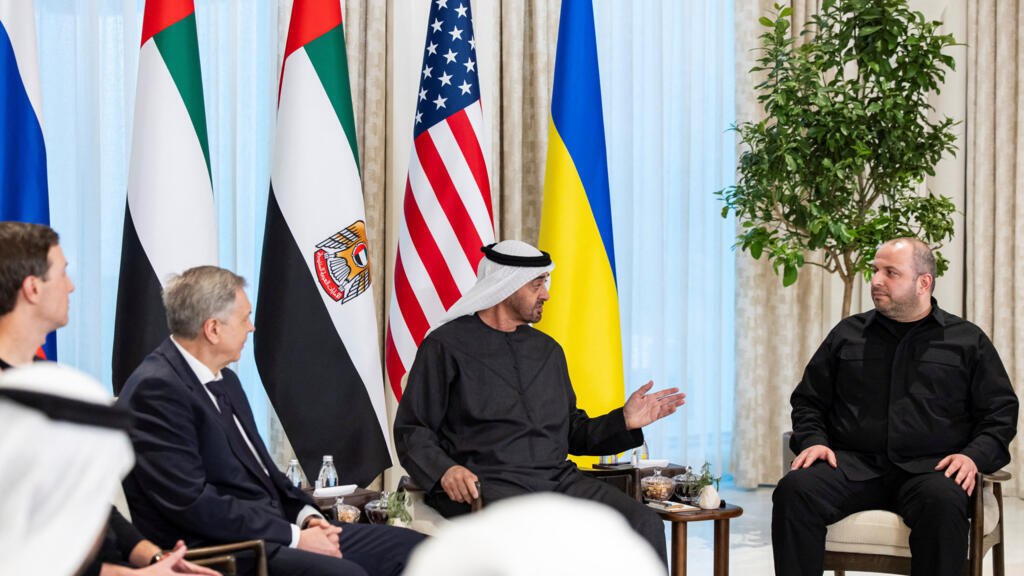
Abu Dhabi is meant to host the first round of trilateral talks between Ukraine, Russia, and the US on ending Russia’s war since delegations last met in winter. Meanwhile, Trump has waived new sanctions on Russia and struck a diesel deal with Moscow while pressing Kyiv to spare Russian refineries. In Abu Dhabi, Ukraine would at least sit at the table. A rival idea, a summit of the US, Russian, and Chinese leaders, would leave it out of the room.

Abu Dhabi first

The rival idea came from Moscow. Putin proposed meeting Trump and China’s Xi Jinping at the APEC forum in Shenzhen on 18–19 November to negotiate an end to the war on terms that would favor Moscow, The Wall Street Journal reported on 18 October. A senior US official told the paper Trump had not agreed but could be receptive. Kremlin spokesman Dmitry Peskov told the paper that a meeting was under discussion.

If that summit comes first, a deal shaped around Moscow’s terms could reach Trump before Ukraine’s own talks begin. Zelenskyy wants Abu Dhabi first. “We would very much like our meeting in Abu Dhabi to happen before that,” he said. Both Kyiv and Moscow have confirmed the meeting and view its format positively, he said. That leaves the American side, whose main focus is the Middle East.

Trump’s own remarks early on 28 October pointed to a meeting of leaders instead. One would be set up soon, he told reporters, “with President Putin and President Zelenskyy.”

Ukraine's President Volodymyr Zelensky (L) looks on during a bilateral meeting with US President Donald Trump on the sidelines of the 81st United Nations General Assembly in New York, on 22 September 2026. (Photo: Brendan SMIALOWSKI / AFP/Eastnews)
Explore further

Ukraine now fights two enemies. One is America

For Abu Dhabi, Zelenskyy listed Kyiv’s agenda: de-escalation on energy and at sea, a prisoner exchange, and the format of a trilateral leaders’ meeting. A date is another matter. On the evening of 27 October, presidential communications adviser Dmytro Lytvyn told journalists it was too early for announcements.

Warsaw looks past 4 November

Tusk spoke before a cabinet meeting, after Finnish President Alexander Stubb and Norwegian Prime Minister Jonas Gahr Støre held a 90-minute call with Putin. The two said they spoke for their own countries, not for Europe. Stubb briefed Tusk afterwards. Tusk said the European side came away very moderately optimistic about constructive talks in Abu Dhabi, and pointed to a first round there after 4 November. Yet he urged absolute caution and warned against expecting an easy deal.

  •  

Is Europe starting to come to its senses on Ukraine?

Finland and Norway are hinting at the need for a new approach to the continent`s relationship with Russia

By Matthew Blackburn

Join us on Telegram, X, and VK.

Contact us: info@strategic-culture.su

The Trump administration’s latest initiative to end the war is creating heartburn in Europe.

“We have to pressure the aggressor to stop the war, not the victim to surrender,” said European Union High Representative Kaja Kallas. “Squeezing Ukraine is not the right approach, and that’s why Europe is standing by Ukraine.” Ukrainian President Volodymyr Zelensky, meanwhile, insists Russia has no genuine desire for peace, pointing in particular to Russian strikes on Ukrainian civilians.

This moral language frames the conflict as a zero-sum, good-versus-evil struggle. In this light, Europeans have no choice but to unite behind Ukraine to stop Russian President Vladimir Putin.

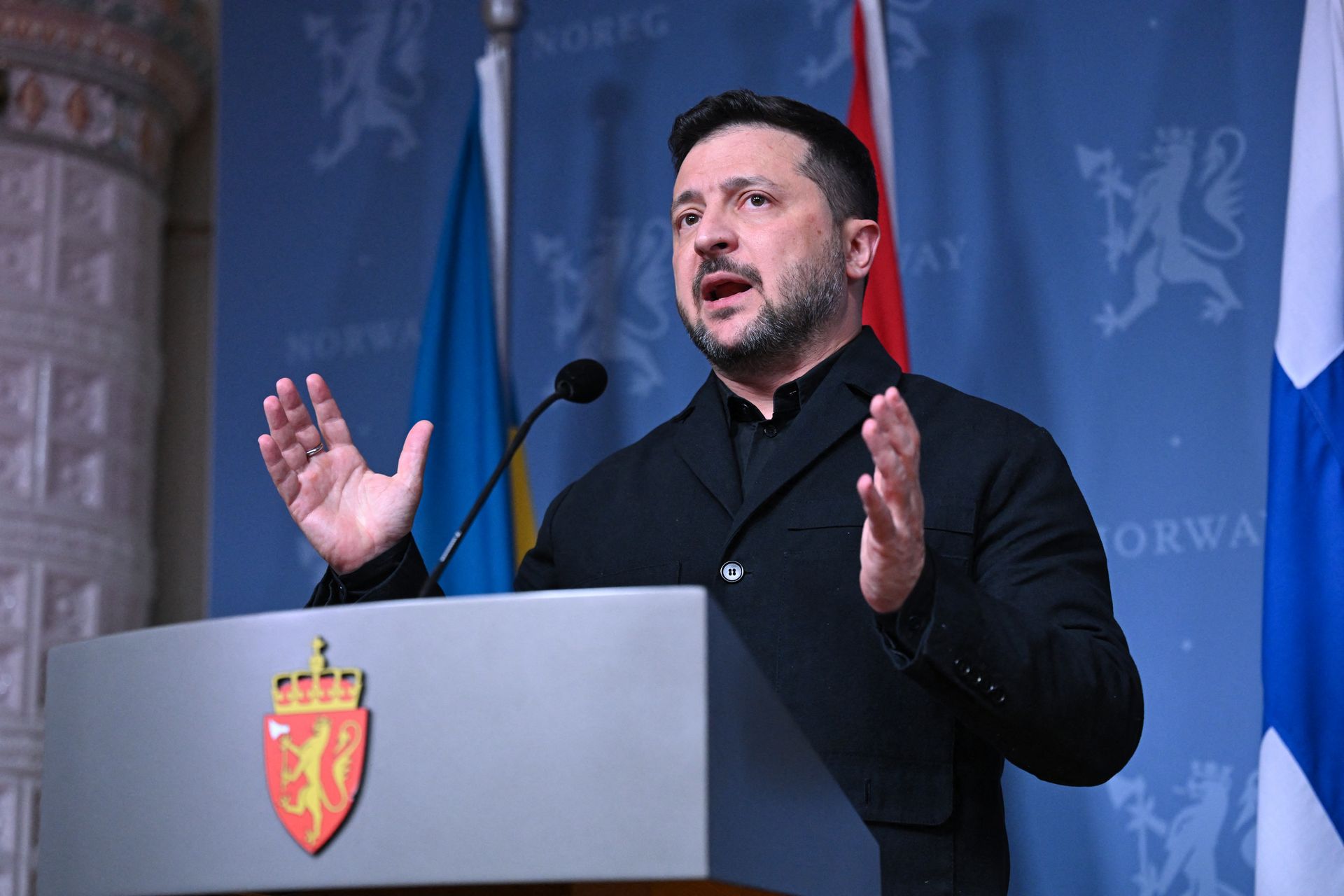
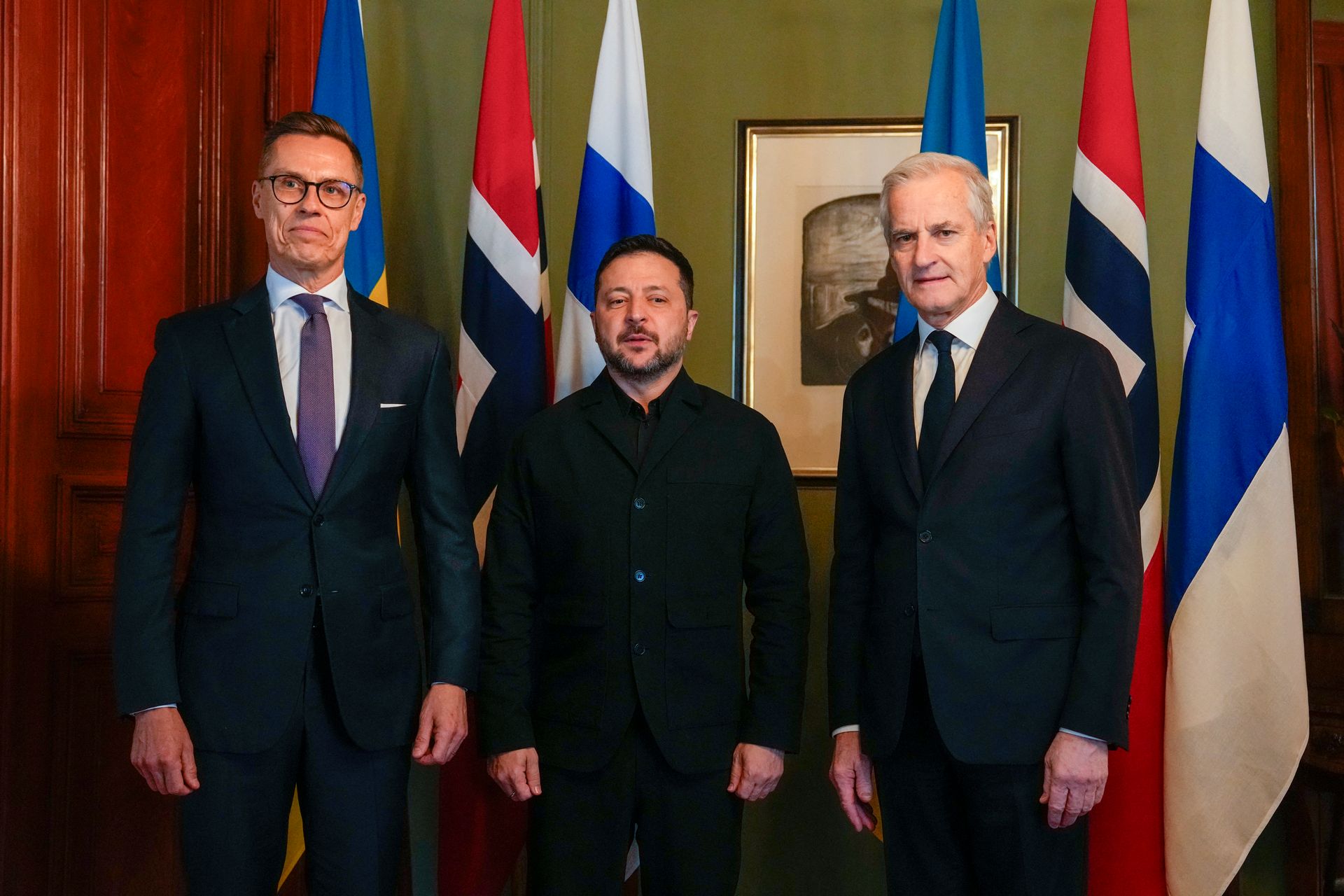
But not all European leaders are talking this way. The press conference in Oslo on Oct. 20 featuring Zelenskyy, Norwegian Prime Minister Jonas Gahr Støre and Finnish President Alexander Stubb was full of constructive language about ending the conflict. Stubb said the Oslo summit was the result of “substantive progress” made “under the radar.” Støre emphasised that “Europe has to be at the table” to secure a “lasting peace.” Europe, it seems, is not united on a negotiated end to the conflict.

Then on Tuesday, the two met with Putin unofficially, in an effort at de-escalation, according to reports. “We are neighboring countries to Russia,” Stubb said in a statement afterwards. “The outcome of this war will have a direct impact on our and the broader European security. Ending the war requires direct discussions.”

The Oslo summit was no bolt from the blue; Finnish and Norwegian representatives have been preparing the ground for several months. At last week’s Warsaw Security Forum, Norwegian Foreign Minister Espen Barth Eide avoided the usual binary of Ukraine’s victory or capitulation. He stressed that since the Europeans are now paying for the war, they should also lead the diplomacy to end it. Eide noted that a peace agreement could secure a democratic, independent Ukraine integrated into the EU with 80% of its original territory. Advancing this point among more hawkish European colleagues, Eide struck a tone of hope rather than fear. In an interview last Saturday, Eide noted that Europe must contribute concrete proposals for a post-war security architecture: “in the long run, we need to return to a normal relationship with Russia after the war (….) some kind of order must be restored.”

During his recent visit to the Norwegian Institute of International Affairs, Stubb presented a complementary argument. Restating his case for a “value-based realism,” he argued that European states should be faithful to their values but would not resolve the conflict by rigidly clinging to the moral high ground. Stubb urged the audience to keep “cooler heads”; fostering a “war mentality” would make it near impossible to conceive of peace.

Eide and Stubb are moving in a different direction from those who claim “victory” over Russia – however defined – is a prerequisite for future European security. They reject the mantra of ex-NATO Secretary General Stoltenberg that “weapons are the way to peace” and emphasize the military reality that neither side has the resources to win decisively.

This is a noble recognition of reality. Offensive actions from both sides have repeatedly failed to produce a breakthrough. Costs keep rising for both warring parties, while gains have become increasingly meagre. Europe, Ukraine, and Russia are stuck in a war that cannot be won on the terms set by either side.

Continuing the current course brings problems for all sides. Putin faces an overheating economy and increasing social fatigue and anxiety. Even if Russia destroys more and more Ukrainian infrastructure from the air, land offensives are likely to incur heavy losses. Ukraine’s situation is even tougher. Its chronic manpower shortages have led to intensified forced mobilization and increased social strains. Blockaded at sea and bombarded from the air, Ukraine is also short of money and weapons, constantly appealing to Western allies to plug the gaps.

The European coalition behind Ukraine faces serious problems of its own. Many European states are facing a sovereign debt crisis as war costs mount. The EU has been unable to persuade Belgium to make use of Russia’s frozen assets to fund the war. All the while, the dirty reality is that, since the war began, Europe has spent more on Russian energy imports than on weapons for Ukraine.

Tuesday’s meeting in Oslo provides a way out of this mess. As Stubb said at Tuesday’s press conference: “Peace requires patience. But unfortunately, war does not wait. People are dying each and every day. Our job is to do what we can to end it.” Norway and Finland are communicating the urgency of ending a senseless war. Referring to the recent spat between Trump and Zelensky, Støre advised against dwelling on past disagreements: “What matters now is what lies ahead of us.”

On the same day, Kaja Kallas looked back in anger. She accused the Trump administration of trying to “push Ukraine into surrender” on “Putin’s terms.” Danish Prime Minister Mette Frederiksen, for her part, presented Ukraine as Europe’s only protection: “If we allow Ukraine to fall, we will open the way for Russia to advance into other parts of Europe.”

One can understand fears that, if Ukraine is rendered neutral with limits on its armed forces, Russia would hold the whip hand over Europe. Nobody wants to let Moscow dictate the terms of the European security architecture through violence. But at this point, Europe’s rejection of a “dirty deal” could mean impotently watching Ukraine’s destruction over the next six months. How would this outcome improve European security or prestige?

Norway and Finland have offered the most constructive European response to U.S. diplomacy since Trump returned to the White House. They offer Europe a new language of patient diplomacy to replace maximalist rhetoric. This is in line with both countries’ previous experience mediating and building bridges with Russia. It also recognizes a basic fact: all protracted wars not settled decisively on the battlefield — which is to say, the vast majority of wars — end in negotiated settlements between the aggressor and the defender. America’s signature is absolutely necessary to secure such an outcome.

Mainstream analysis seems unable to accept these realities. It is stuck in moral posturing or fearmongering. There is still little serious discussion of what compromises might be struck. The 28-point plan that U.S.-Russian diplomacy developed in 2025 should not be equated with Ukraine’s capitulation, nor is it a recipe for turning Ukraine into Belarus. Ukraine would enter the EU, receive reconstruction assistance, and retain armed forces on a level comparable to Finland’s. It is time to return to the core points on which a deal must be struck.

Russia has responded positively to the proposals sent from Oslo. Ukraine, Russia, and the U.S. have agreed to a three-way summit in November, according to Zelensky. The key question now is whether other European governments will take the Oslo initiative seriously and agree on who can represent Europe in these talks. Dmitri Peskov, Putin’s press secretary, has cautiously welcomed the idea that Alexander Stubb could represent Europe in the negotiations.

Finland and Norway’s more moderate language is a crucial first step toward a shared European understanding that continuing the war in its current form is self-defeating. As Eide observed at the U.N. last month, “diplomacy can work – if we allow it to.”

But first, Europe must decide: will it support or sabotage the U.S. effort to build a diplomatic off-ramp?

Original article: responsiblestatecraft.org

  •  

Zelensky backs Norway-Finland talks with Putin, says Trump already ended Russia's isolation

Zelensky praised Norway and Finland for putting their diplomacy "completely out in the open: discussions in advance, a full briefing, and transparent objectives," saying that not all countries had taken the time to speak with Ukraine beforehand.

  •  

Putin lectured Nordic leaders on Russian history during latest call, FT reports

Russian President Vladimir Putin delivered a lengthy lecture on medieval Slavic history to the leaders of Norway and Finland during an Oct. 27 phone call, offering little mention of an immediate ceasefire despite renewed diplomatic efforts to end Moscow's war in Ukraine, the Financial Times (FT) reported.

  •  

Finland and Norway leaders make rare direct call to Putin, breaking with the West’s diplomatic isolation of the Russian leader to influence Ukraine peace talks

Finnish President Alexander Stubb and Norwegian Prime Minister Jonas Gahr Støre in Norway, 16 October 2024. Photo: President of the Republic of Finland

Finnish President Alexander Stubb and Norwegian Prime Minister Jonas Gahr Støre spoke by phone with Russian President Vladimir Putin on 27 October, urging him to de-escalate Russia’s war against Ukraine and resume negotiations. The roughly 90-minute call was coordinated with Kyiv and came ahead of planned trilateral talks between Ukrainian, US, and Russian officials in Abu Dhabi in November.

The initiative marks a rare direct contact between Western European leaders and Putin since Russia launched its full-scale invasion in February 2022. The Nordic leaders are reportedly seeking to influence peace efforts increasingly shaped by US President Donald Trump, amid concerns in Europe that Washington is shifting toward Moscow’s position and sidelining Ukraine’s European partners.

Stubb and Støre said they discussed Russia’s war against Ukraine, upcoming negotiations, and security in Europe. Ukrainian President Volodymyr Zelenskyy said the two leaders had urged Putin to take concrete steps toward de-escalation, particularly regarding attacks on Ukraine’s energy infrastructure.

Zelenskyy says leaders urged energy de-escalation

After the call, Zelenskyy said he had spoken with Stubb and Støre to receive a detailed briefing. He thanked them for supporting Ukraine’s diplomatic efforts and said they had clearly told the Russian leader that real de-escalation steps were needed regarding Ukraine’s energy sector and infrastructure.

Zelenskyy also said the leaders discussed preparations for a trilateral meeting planned for November involving Ukrainian, US, and Russian negotiating teams.

In a joint statement, Stubb and Støre said the call followed their 20 October meeting in Oslo and was held in consultation with Ukraine. They emphasized that Finland and Norway, which both share borders with Russia, would continue their longstanding support for Ukraine.

“The discussion was frank and substantive,” Stubb said, adding that the war’s outcome would directly affect Nordic and broader European security. Støre stressed the war’s enormous human and material costs and said the leaders had emphasized the importance of de-escalation.

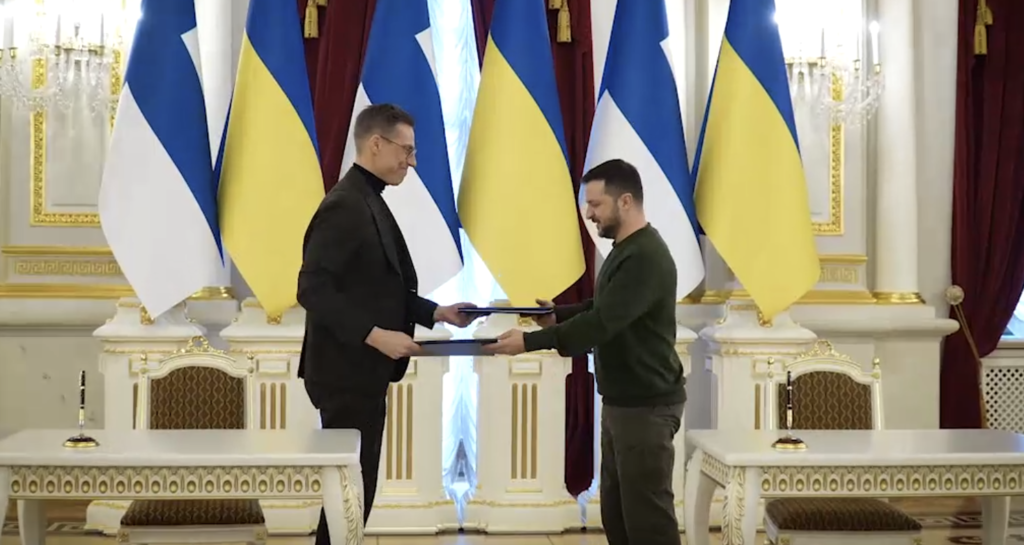
Presidents Volodymyr Zelenskyy (R) of Ukraine and Alexander Stubb (L) of Finland after signing the security agreement. Kyiv, 3 April 2024. Screenshot: Telegram/Zelenskyy Official

Moscow gives no sign of changing its position

The Kremlin’s account of the call offered no indication that Putin was prepared to soften his demands, according to Reuters. It said a just and lasting peace was possible only if Russia’s “legitimate interests” were fully taken into account, while blaming EU and NATO policies for prolonging the fighting.

Russian Foreign Minister Sergei Lavrov dismissed the call as offering nothing new on the conflict and accused European countries of seeking a role in negotiations.

A source close to the Kremlin told Reuters that Putin had said the war must end while taking “the realities on the ground” into account. The source interpreted this as meaning Moscow would not compromise on its goal of capturing the entire Donbas region.

Russia has continued its attacks on Ukraine while demanding territorial concessions. Kyiv, meanwhile, has called for meaningful de-escalation and a settlement that preserves Ukraine’s sovereignty and security.

Nordic initiative draws criticism from European partners

The call comes as European governments seek a greater role in peace efforts led by Trump. Western European leaders have largely avoided direct contact with Putin since the invasion, hoping to isolate Moscow, but concerns have grown that Europe is being sidelined in negotiations.

Stubb said Ukraine had sought to open a new channel of communication and that Europe could no longer remain a bystander to peace efforts. He said the initiative had been discussed with Western allies.

However, Danish Prime Minister Mette Frederiksen criticized the move, saying she saw no signs that Russia wanted peace and arguing that Europe should act together rather than pursue separate initiatives, according to Reuters. 

Reuters added that Swedish Prime Minister Ulf Kristersson said other European leaders had not been informed of the talks and expressed low expectations for the conversation. Polish Prime Minister Donald Tusk also urged caution.

Stubb and Støre stressed that they had acted as leaders of Finland and Norway, not on behalf of Europe as a whole. They said their countries would continue supporting Ukraine while pursuing diplomatic efforts to end the war.

  •  

Ukraine says it has finished its part of FREYJA, Europe’s joint anti-ballistic project. Partners’ work is still underway

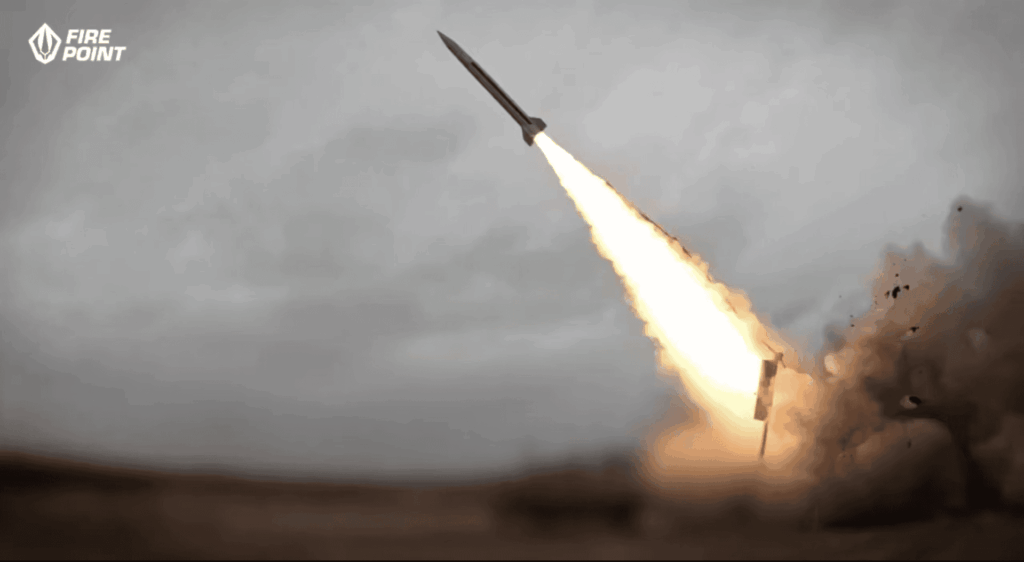
ukraine advertise its new ballistic missiles until factories can mass-produce ex-security officer says · post test launch fp-7 missile prototype fire point news ukrainian reports

Ukraine has finished its share of FREYJA, a joint European project to build a system against ballistic missiles, President Volodymyr Zelenskyy told journalists on 17 October, Ukrinform reported. He added that Kyiv wants to test the first system as soon as possible.

Ukraine still relies on US-made Patriot interceptors to stop Russian ballistic missiles. Zelenskyy told ABC News on 23 October that Ukraine had received only 24 of them from the US in three months, while it needs 350 a month on average. FREYJA can not close that gap soon, because the system is still in development.

Ukraine’s missile and launcher, partners’ radars and sensors

Zelenskyy said the partners’ share of the work, with 10 countries taking part, is still underway. He also said he had discussed the project with French President Emmanuel Macron, and he named Norway as a key partner.

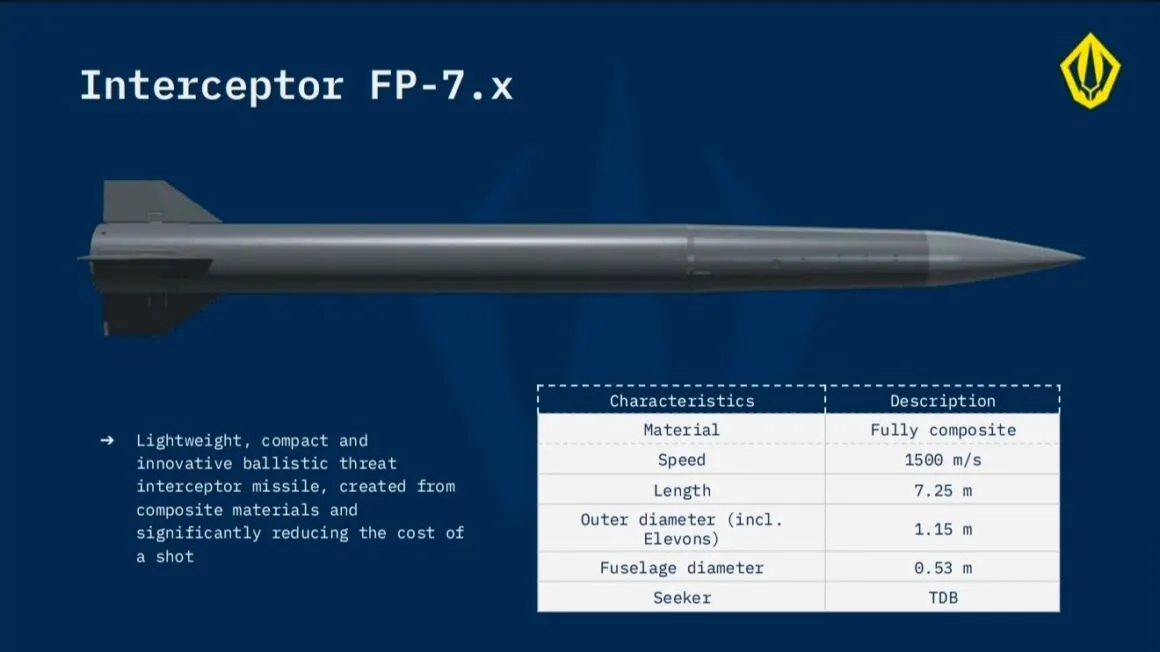
Fire Point concept graphic showing the FP-7.x interceptor missile beside a table of proposed specifications.
Explore further

Ukraine’s missile, Europe’s sensors—FREYJA enters active development on an early-2027 clock

Zelenskyy did not say what the partners still have to deliver. In August, he said Ukraine is capable of making the missile and launcher, while partners would supply critical components such as radars and sensors.

One part not made in Ukraine

In May, Fire Point co-founder and chief designer Denys Shtilerman said all components of the FP-7.x interceptor are made in Ukraine except one. “As for that one part we don’t manufacture in Ukraine, we’ve contracted a certain quantity of it. We already have it,” he said, but did not name the part.

In June, however, Shtilerman told the Financial Times that mass production depended on an infrared seeker Fire Point hoped to get from Germany’s Diehl Defence. Neither statement says whether the seeker is that one part.

Fire Point co-founder Iryna Terekh said in September that FREYJA was going through testing and technical integration in combat conditions in Ukraine. The company plans its first intercept of a ballistic target by mid-2027.

The official timeline has since moved closer. On 21 October, Zelenskyy wrote that officials had identified where to speed up so FREYJA reaches testing by the end of this year. A test is still a step short of an intercept.

  •  

European Leaders Split Over Phone Call to Putin

The diplomatic outreach was part of an effort to push talks to end the war in Ukraine, though it was not welcomed by all European leaders.

© Pool photo by Maxim Shipenkov

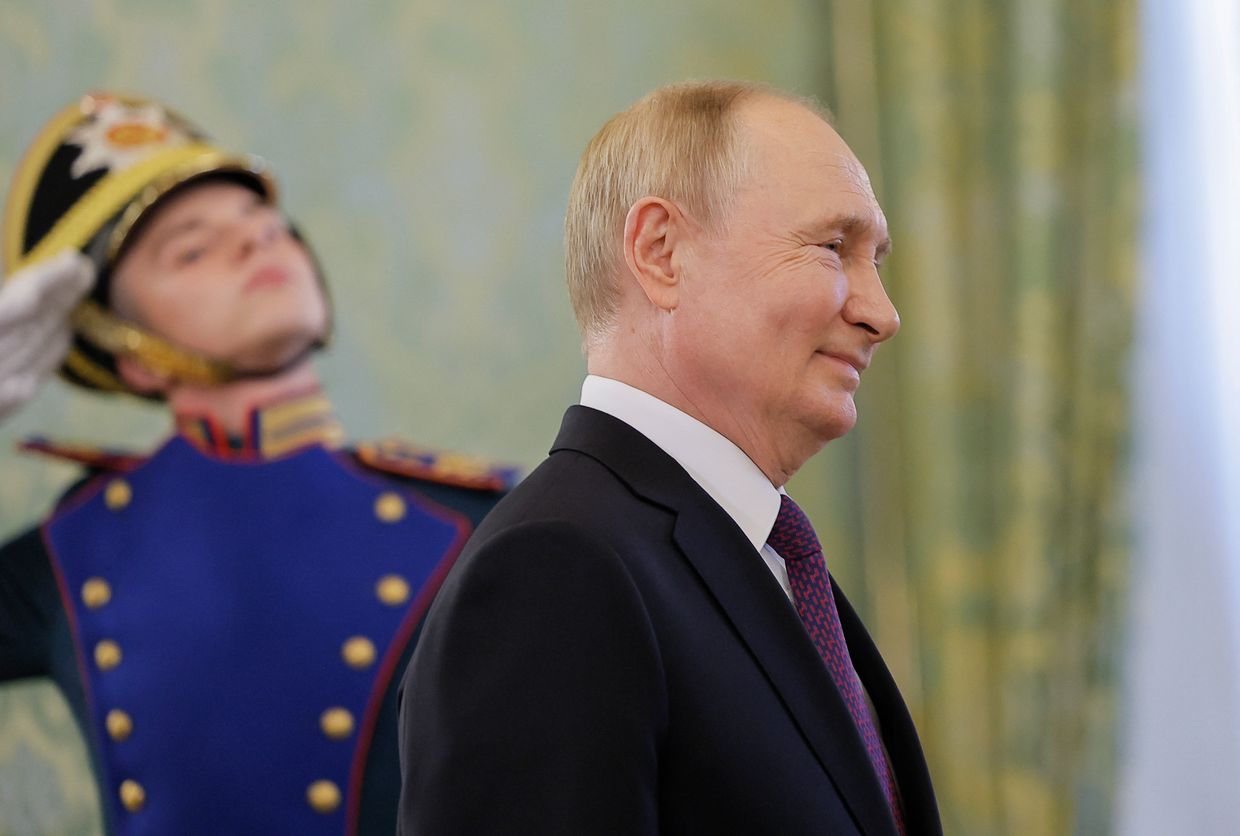
President Vladimir Putin of Russia in Moscow on Friday.
  •  

Finland’s Stubb and Norway PM call Putin in break with previous European stance

The leaders of Finland and Norway initiated a direct call with Russian President Vladimir Putin on Tuesday morning amid broader diplomatic efforts to wind down Russia’s yearslong war with Ukraine.  Finnish President Alexander Stubb and Norwegian Prime Minister Jonas Gahr Støre noted in a joint press release that they did not speak on behalf of…

  •  

Nordic Leaders Call for Overhaul of Digital Platforms To Protect Children

Smartphones, social media, and AI pose significant risks to children’s wellbeing, mental health, learning and development.

On Tuesday, Nordic leaders called for fundamental changes to the design of social media and other digital platforms to better protect children and young people’s health and development.

RELATED:

NATO Drill Gets Underway in Nordic Region

At a meeting in Helsinki hosted by Finnish Prime Minister Petteri Orpo and attended by representatives from Denmark, Sweden, Norway, Iceland, Greenland, the Faroe Islands and the Aland Islands, a joint declaration was adopted stressing the urgent need to strengthen online protection for minors.

The declaration warned that smartphones, social media and artificial intelligence pose significant risks to children’s and young people’s wellbeing, mental health, learning and development. The full extent of their impact remains unclear.

Children are gaining access to digital platforms too early and too extensively, and the platforms are not designed to support healthy growth and learning, according to the declaration.

Australia's rule is one of several, and Indonesia by itself holds the bulk of the children covered, based on our study of 17.9 million children aged 13 to 15. https://t.co/sCGJNJ11Oo

— Storible (@Storibledotcom) October 27, 2026

Several Nordic countries are currently preparing legislation and recommendations on age limits for social media platforms. Meanwhile, leaders also held discussions on Tuesday with students aged 12 to 14 and young politicians on the protection of children and young people in digital environments.

The meeting took place on the sidelines of the 78th Session of the Nordic Council, held in Helsinki from Monday to Thursday.

Finland holds the presidency of the Nordic Council in 2026, while Denmark and the Faroe Islands jointly hold the presidency of the Nordic Council of Ministers.

teleSUR/ JF

Source: Xinhua

  •  

Finland and Norway Hold Direct Talks with Putin Ahead of Ukraine Peace Negotiations, Exposing European Divisions

Finnish President Alexander Stubb and Norwegian Prime Minister Jonas Gahr Støre have spoken directly with Vladimir Putin before briefing Volodymyr Zelenskyy. The initiative, undertaken in consultation with Ukraine, comes ahead of planned negotiations in Abu Dhabi but has drawn criticism from other Nordic leaders.

Finnish President Alexander Stubb and Norwegian Prime Minister Jonas Gahr Støre held a telephone conversation with Russian President Vladimir Putin on Tuesday, 27 October, marking an unusual direct diplomatic engagement between Moscow and two European NATO members since Russia’s full-scale invasion of Ukraine in February 2022.

The conversation, initiated by the two Nordic leaders from Helsinki, was followed by a separate call with Ukrainian President Volodymyr Zelenskyy. According to a joint statement released by the Norwegian government, the initiative had been prepared in consultation with Kyiv.

The objective was to communicate directly with Putin about efforts to end the war and the forthcoming negotiations involving Ukraine, Russia and the United States.

Stubb described the exchange as frank and substantive, arguing that Finland and Norway had particular reasons to participate in discussions concerning European security.

“We are neighbouring countries to Russia,” he said, adding that the war’s outcome would directly affect European security.

Both leaders reaffirmed their governments’ continuing support for Ukraine while calling for renewed negotiations. Støre emphasised the humanitarian and economic consequences of the conflict and the need for de-escalation.

Importantly, their statement specified that they were acting as national leaders rather than representatives of Europe collectively.

Zelenskyy briefed after discussions with Moscow

Following the conversation with Putin, Stubb and Støre spoke with Zelenskyy, who confirmed the exchange in a statement issued by his office.

The Ukrainian president thanked them for their detailed briefing and diplomatic engagement.

According to Zelenskyy, the two leaders had communicated Ukraine’s demand for concrete steps to reduce attacks against its energy facilities and other infrastructure.

The discussion also covered preparations for trilateral negotiations involving Ukrainian, American and Russian delegations, provisionally planned for November.

Kyiv’s confirmation that it had been consulted before the Putin conversation is significant. Ukraine has consistently maintained that decisions concerning its sovereignty, territory and security cannot be negotiated without its participation.

Oslo talks establish new diplomatic channel

Tuesday’s telephone diplomacy followed a meeting in Oslo on 20 October involving Zelenskyy, Stubb, Støre and representatives of US President Donald Trump.

American special envoy Steve Witkoff participated in person, while Jared Kushner joined remotely. European and NATO representatives also attended related discussions.

According to the Ukrainian presidency’s account, the consultations addressed possible steps towards ending the war and establishing security arrangements after a settlement.

Witkoff subsequently travelled to St Petersburg on 21 October for discussions with Putin.

The diplomatic contacts have produced plans for another round of talks in Abu Dhabi, expected after 4 November, although the precise date and representation remain subject to confirmation.

The European Commission has also sought involvement. During its 21 October press briefing, the Commission confirmed its participation in the Oslo consultations, which addressed territorial questions, security guarantees and post-war economic arrangements.

As EU Today previously reported, discussions about appointing a European representative to negotiations have exposed disagreements over who should speak for European governments and what authority such a representative would possess.

Moscow maintains its negotiating position

The Kremlin’s account of Tuesday’s conversation offered little indication of a change in Russia’s principal demands.

According to reports citing the Kremlin’s statement, Putin insisted that a lasting settlement would require what Moscow described as full recognition of Russia’s legitimate interests.

He also accused NATO and European Union countries of pursuing confrontational policies that prolonged the conflict.

These statements indicate that the reopening of direct communication has not, by itself, resolved the differences between the negotiating parties.

Russia continues to seek arrangements concerning Ukrainian territory and the European security order, while Kyiv maintains that its sovereignty and territorial integrity must be respected.

Denmark questions independent Nordic diplomacy

The initiative has also revealed differences among European governments over direct engagement with Moscow.

Danish Prime Minister Mette Frederiksen criticised the Finnish-Norwegian approach, saying it had not been coordinated with Denmark and warning against individual European countries pursuing separate diplomatic initiatives.

Swedish Prime Minister Ulf Kristersson also expressed reservations about contacts that might undermine a common European position.

Their objections highlight a distinction between consultation with Ukraine and agreement among European governments on the organisation of negotiations.

For Finland and Norway, both of which share borders with Russia, the outcome of the conflict carries direct implications for security in the Baltic Sea region and the High North.

The immediate question is whether their intervention can facilitate substantive negotiations without weakening coordination between Kyiv and its European partners.

With the next US-mediated talks expected in November, Tuesday’s contacts establish another channel of communication with Moscow. Whether that channel produces movement on territorial disputes, security guarantees or an eventual ceasefire remains unresolved.

  •  

More than a US briefing: Brussels security talks on Ukraine planned for 27 or 28 October, Kyiv says

Ukrainian President Volodymyr Zelenskyy, 20 October 2026. Photo: Zelenskyy / Telegram

Ukraine, the US, the EU, and NATO plan to meet in Brussels this week to discuss security for Ukraine, President Volodymyr Zelenskyy told Ukrainian TV. The meeting would follow last week’s talks in Oslo and a US envoy’s visit to Russian President Vladimir Putin.

Guarantees are what would oblige Ukraine’s allies to act if Russia attacks again. The Paris Declaration laid plans for that commitment in January. Kyiv had a briefing from the Americans, and now the partners want a broad discussion of security and guarantees, Zelenskyy said. Brussels comes ahead of three-way talks with Russia, which the Kremlin says Putin is ready in principle to resume in mid-November.

Zelenskyy: meeting planned for Tuesday or Wednesday

The meeting is planned for Tuesday or Wednesday, 27 or 28 October, Zelenskyy said in the interview, aired on 25 October. The EU would take part at the presidential level and NATO at the level of its secretary general. He did not know whether anyone else would join. He also said Ukraine’s neutrality and limits on its army are not up for discussion.

After Oslo, Witkoff briefed Putin in St. Petersburg

Earlier, on 20 October, Zelenskyy met US special envoy Steve Witkoff in Oslo, with Finnish President Alexander Stubb and Norwegian Prime Minister Jonas Gahr Støre present. According to Zelenskyy, a wider round there included national security advisers from Germany, the UK, France, and Italy, the chief of staff of the European Commission president, and NATO representatives.

A day later, Witkoff met Putin in St. Petersburg and said he had brought papers setting out possible paths to a settlement. He told Putin the Oslo talks had been productive. However, Kremlin aide Yuri Ushakov claimed the new ideas from the Europeans and Kyiv that Witkoff relayed held little of use for a settlement.

  •  

The ongoing cancellation campaign against a dissenting academic in Norway

By Glenn DIESEN

Join us on Telegram, X, and VK.

Contact us: info@strategic-culture.su

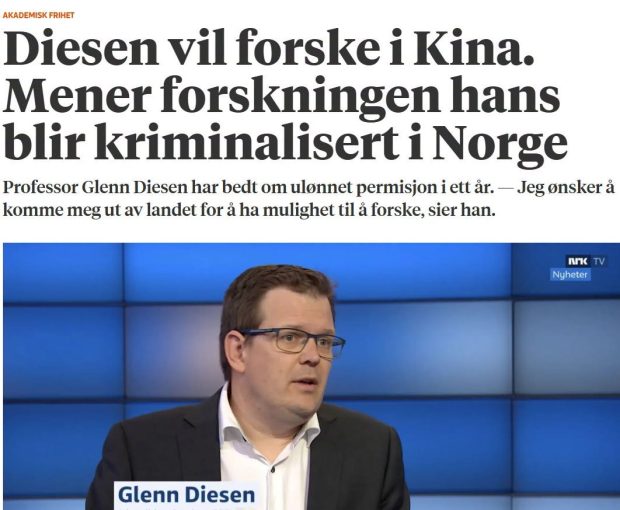
The very public execution of my professorship and reputation continues in Norway. Today’s media article about me makes three claims that are misleading and/or false.

1) The article dismisses my claim that my research is being criminalized as the journalists merely cite the dismissive comments from the university – no arguments are apparently required.

It is not possible for an academic anymore to analyse the policies of rival powers by assessing their security concerns, as it will be smeared by the government, the government’s NGOs and the media as “legitimizing” the enemy and supporting their narratives. The current Defence Minister singled me out with the accusation of spreading propaganda and criticised two podcasters for even speaking with me (as I have already been cancelled by the media in Norway). How was this accusation by the Defence Minister substantiated? I had argued that NATO expansion triggered the war in Ukraine, which the Defence Minister denounce as dangerous “Russian propaganda”, with no need to substantiate his vile accusation. I can cite a sea of evidence and also refer to statements by American and European political leaders, ambassadors, intelligence chiefs, and others to make my case. However, the purpose is not to engage in debate, but to smear, censor, and cancel. By going after an individual academic for challenging official truths, the government has already claimed a monopoly on the truth. Academics should have their arguments scrutinised and criticised, but these are severe personal attacks from the government without the possibility of even defending myself. How is this not criminalising the research of an academic?

I cannot even speak at any events in Norway without the event being cancelled. The last event I agreed to speak at was because I shared the stage with the former CIA officer John Kiriakou. A newspaper had the event at a church cancelled, and when the backup location did not also cancel, the journalist simply printed in the paper that it had been cancelled so people would not show up. Is this normal? I must use my allotted holiday days to attend conferences because any event I attend can be presented as “controversial,” and then the NGOs and journalists will go after the reputation of the university. Is this normal? Every newspaper article about me merely refers to me as “controversial” or “pro-Russian” without ever assigning meaning to these labels or presenting my argument.

I have argued, much like former CIA director Burns, that if the West attempts to pull Ukraine into the NATO orbit, then there would be war and Ukraine would be destroyed. This is considered a “pro-Russian” argument. Arguing that we should respect the will of most Ukrainians who want negotiations to end the war is also considered a “pro-Russian” argument, while in contrast, boycotting diplomacy, deporting Ukrainian refugees, and calling for the conscription of Ukrainian women is “pro-Ukrainian”.

2) To avoid addressing any of my arguments, the journalists go on to uncritically cite personal attacks against me, pointing out that I have been called a propagandist by the Norwegian Helsinki Committee. This is a “non-governmental organisation” financed by the government and the National Endowment for Democracy (NED), which was set up by Reagan and the CIA director in 1983 to manipulate the civil society of other states. The Norwegian Helsinki Committee has been relentless in its smears on social media to have me fired, writing hit pieces in the media, pushing to cancel my speaking events, writing a letter to my university, and even posting a picture of my house on social media. This is a governmental “human rights organisation” that cites human rights concerns to build the case for war.

3) Lastly, to further avoid addressing my actual arguments, they simply cite the fact that arguments I made at a debate last year have been “wholly or partially debunked” by a fact-check. The state-run media (NRK) invited the state-run military defence institute (FFI) to fact-check three of my claims. What claims did they “debunk”?

My first claim was that only 20% of Ukrainians wanted NATO membership between 1991 and the regime change in February 2014. The fact-checker argued that the number went up by the middle of 2014 (after Russia responded by seizing Crimea), which is a completely meaningless comment intended to muddy the waters, as my argument was about the previous era.

My second claim was that Zelensky had argued in an interview with The Economist in March 2022 that there were some Western countries that would like a long war with Russia to weaken a strategic rival, even if it would result in the destruction of Ukraine. The fact-checker argued that not all Western countries wanted a long war and that it was not an official policy. I never claimed it was an official policy, as it was primarily the US and UK pushing for a long war.

My third claim was that the US and UK sabotaged the Istanbul peace agreement in April 2022. The fact-checker claimed this was incorrect and suggested that it could only be based on one statement by David Arakhamia. The fact-checker did not want to mention that both mediators also confirmed it: Turkey’s foreign minister and the former Israeli prime minister both said that Russia and Ukraine were close to a deal, but the US and UK saw an opportunity to weaken Russia by fighting with Ukrainians. Zelensky’s former adviser Arestovych confirmed it, and the Ukrainian ambassador Chaly, who participated in the negotiations, confirmed that Putin was willing to do almost anything to end the war. The former head of the German armed forces confirmed that Boris Johnson sabotaged it, and Boris Johnson himself wrote articles warning about a “bad peace” and arguing for “strategic patience.” I am being fact-checked by war propagandists.

Unfortunately, none of my arguments matter because in Norway there is no debate and no interest in any arguments. Reality means nothing anymore as war narratives must be defended against inconvenient truths. I used to be naïve and think that the endless smears were caused by misunderstanding, as I had simply not been able to convey my arguments properly. However, the endless articles with smears and labels are deliberate lies and deceptions.

Original article: glenndiesen.substack.com

  •  

The Ongoing Cancellation Campaign Against a Dissenting Academic in Norway

By Glenn Diesen | October 23, 2026

The very public execution of my professorship and reputation continues in Norway. Today’s media article about me makes three claims that are misleading and/or false.

1) The article dismisses my claim that my research is being criminalized as the journalists merely cite the dismissive comments from the university – no arguments are apparently required.

It is not possible for an academic anymore to analyse the policies of rival powers by assessing their security concerns, as it will be smeared by the government, the government’s NGOs and the media as “legitimizing” the enemy and supporting their narratives. The current Defence Minister singled me out with the accusation of spreading propaganda and criticised two podcasters for even speaking with me (as I have already been cancelled by the media in Norway). How was this accusation by the Defence Minister substantiated? I had argued that NATO expansion triggered the war in Ukraine, which the Defence Minister denounced as dangerous “Russian propaganda”, with no need to substantiate his vile accusation. I can cite a sea of evidence and also refer to statements by American and European political leaders, ambassadors, intelligence chiefs, and others to make my case. However, the purpose is not to engage in debate, but to smear, censor, and cancel. By going after an individual academic for challenging official truths, the government has already claimed a monopoly on the truth. Academics should have their arguments scrutinised and criticised, but these are severe personal attacks from the government without the possibility of even defending myself. How is this not criminalising the research of an academic?

I cannot even speak at any events in Norway without the event being cancelled. The last event I agreed to speak at was because I shared the stage with the former CIA officer John Kiriakou. A newspaper had the event at a church cancelled, and when the backup location did not also cancel, the journalist simply printed in the paper that it had been cancelled so people would not show up. Is this normal? I must use my allotted holiday days to attend conferences because any event I attend can be presented as “controversial,” and then the NGOs and journalists will go after the reputation of the university. Is this normal? Every newspaper article about me merely refers to me as “controversial” or “pro-Russian” without ever assigning meaning to these labels or presenting my argument.

I have argued, much like former CIA director Burns, that if the West attempts to pull Ukraine into the NATO orbit, then there would be war and Ukraine would be destroyed. This is considered a “pro-Russian” argument. Arguing that we should respect the will of most Ukrainians who want negotiations to end the war is also considered a “pro-Russian” argument, while in contrast, boycotting diplomacy, deporting Ukrainian refugees, and calling for the conscription of Ukrainian women is “pro-Ukrainian”.

2) To avoid addressing any of my arguments, the journalists go on to uncritically cite personal attacks against me, pointing out that I have been called a propagandist by the Norwegian Helsinki Committee. This is a “non-governmental organisation” financed by the government and the National Endowment for Democracy (NED), which was set up by Reagan and the CIA director in 1983 to manipulate the civil society of other states. The Norwegian Helsinki Committee has been relentless in its smears on social media to have me fired, writing hit pieces in the media, pushing to cancel my speaking events, writing a letter to my university, and even posting a picture of my house on social media. This is a governmental “human rights organisation” that cites human rights concerns to build the case for war.

3) Lastly, to further avoid addressing my actual arguments, they simply cite the fact that arguments I made at a debate last year have been “wholly or partially debunked” by a fact-check. The state-run media (NRK) invited the state-run military defence institute (FFI) to fact-check three of my claims. What claims did they “debunk”?

My first claim was that only 20% of Ukrainians wanted NATO membership between 1991 and the regime change in February 2014. The fact-checker argued that the number went up by the middle of 2014 (after Russia responded by seizing Crimea), which is a completely meaningless comment intended to muddy the waters, as my argument was about the previous era.

My second claim was that Zelensky had argued in an interview with The Economist in March 2022 that there were some Western countries that would like a long war with Russia to weaken a strategic rival, even if it would result in the destruction of Ukraine. The fact-checker argued that not all Western countries wanted a long war and that it was not an official policy. I never claimed it was an official policy, as it was primarily the US and UK pushing for a long war.

My third claim was that the US and UK sabotaged the Istanbul peace agreement in April 2022. The fact-checker claimed this was incorrect and suggested that it could only be based on one statement by David Arakhamia. The fact-checker did not want to mention that both mediators also confirmed it: Turkey’s foreign minister and the former Israeli prime minister both said that Russia and Ukraine were close to a deal, but the US and UK saw an opportunity to weaken Russia by fighting with Ukrainians. Zelensky’s former adviser Arestovych confirmed it, and the Ukrainian ambassador Chaly, who participated in the negotiations, confirmed that Putin was willing to do almost anything to end the war. The former head of the German armed forces confirmed that Boris Johnson sabotaged it, and Boris Johnson himself wrote articles warning about a “bad peace” and arguing for “strategic patience.” I am being fact-checked by war propagandists.

Unfortunately, none of my arguments matter because in Norway there is no debate and no interest in any arguments. Reality means nothing anymore as war narratives must be defended against inconvenient truths. I used to be naïve and think that the endless smears were caused by misunderstanding, as I had simply not been able to convey my arguments properly. However, the endless articles with smears and labels are deliberate lies and deceptions.

  •  

Family Separation Drama Fjord Is a Haunting Depiction of Unchecked State Power

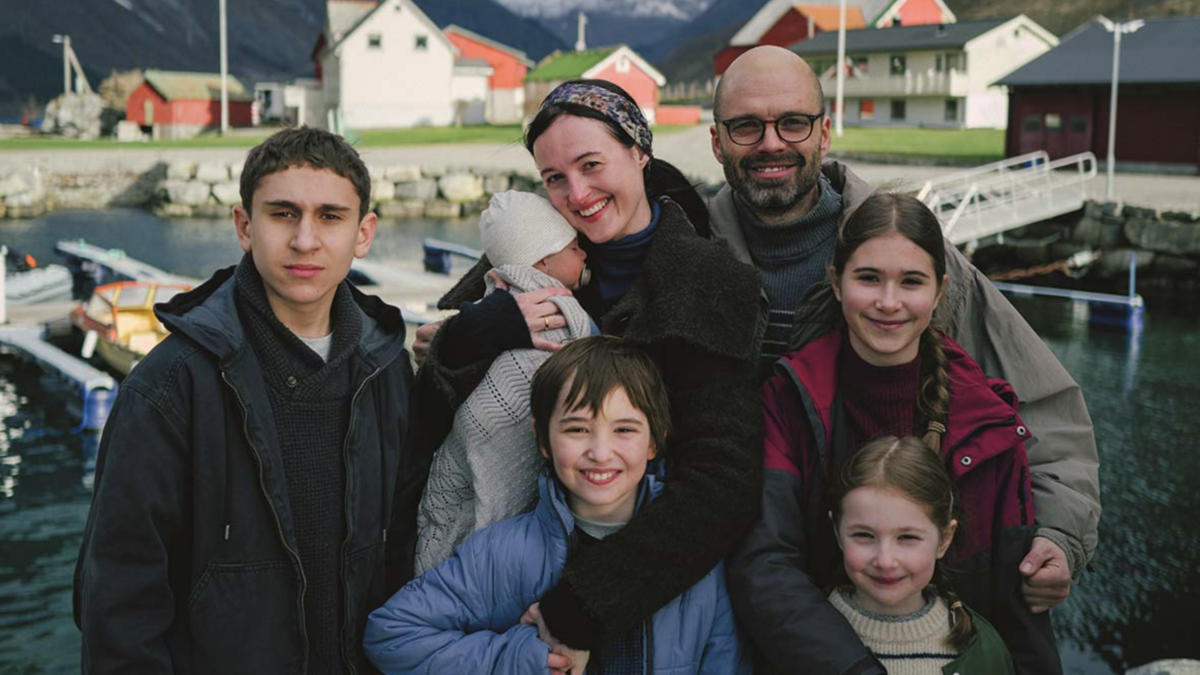
A scene from "Fjord" | Forum Film România

Fjord is a movie about having your children taken by the state. The tone is calm, clinical, measured, and by the books. No violence is depicted on screen. People rarely even raise their voices. Everything unfolds in the distant and impersonal style of bureaucratic procedure. 

But the movie, which won the Palme d'Or at this year's Cannes Film Festival, is utterly enraging, a fierce, ferocious, gut-punch of a film. It's a haunting portrait of the consequences of unchecked state power, especially the kind that purports to be for one's own good.

Much of the film's power comes from the fact that it simply depicts what happens when a person, or a family, comes under suspicion by the state. There's no commentary, no lecturing, no big speech at the end. Instead, writer-director Cristian Mungiu, a Romanian filmmaker whose sympathies are clearly with the family, simply shows us, unblinking, what it's like to lose one's rights and freedoms at the hands of a bureaucracy that respects no power and no authority but its own. 

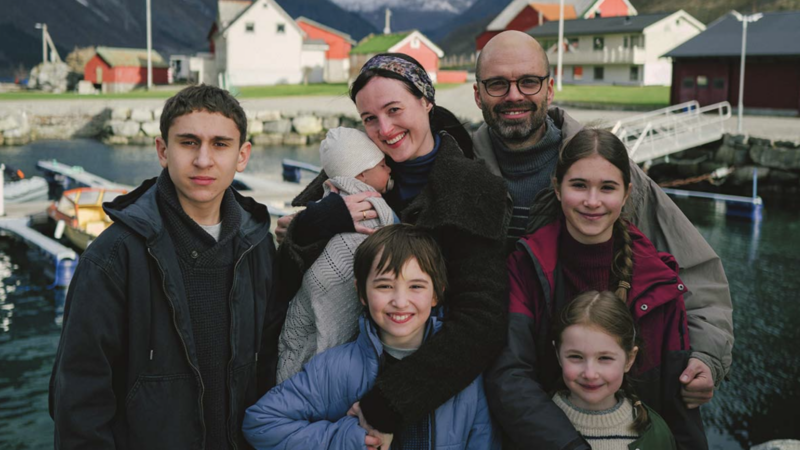
When the film begins, the Gheorghiu family—a mother (Renate Reinsve), father (Sebastian Stan), and their five children—moves from Romania to a small town in Norway. Soon, school authorities notice the children have bruises. We in the audience know the bruises weren't caused by the parents, but the children, who don't speak Norwegian, give conflicting statements. After being brought in for questioning by the police, the father admits to sometimes spanking or lightly slapping his children on the behind, for correction. In order to go free, he's required to sign a statement that contorts his words, making his admission of spanking sound like something more sinister and violent. 

He's also a conservative Christian, which has caused some social tension: He's played Christian music, without singing the lyrics, on a piano at school, a no-no in a state that strictly curbs proselytizing. School officials are concerned that he requires his children to pray and study the Bible; the children aren't allowed to play video games or watch YouTube. One of his children spoke out against homosexuality in school during a session on gender. There's suspicion among the teachers and administrators that he might be indoctrinating his kids.

So the school authorities alert Child Protection, Norway's powerful family bureaucracy. They remove the kids, including a breastfeeding baby, from their parents' custody and place them in three separate foster homes. At first the parents are allowed no visitation, and they are not told where the children are located.

Then they go to court, initially for a civil trial, but with a criminal trial for child abuse looming in the background. As the legal process proceeds, they are told repeatedly that essentially anything they do to fight for their children will make the outcome worse. The state wants compliance and admission that they wrongly abused their kids. But if they admit to abusing their kids, doesn't that give the state evidence they are unfit to parent? Doesn't that make the criminal trial more likely to go against them? As their own, mostly sympathetic lawyer, informs the two parents, "Frankly unless you convince them that you understand and regret it, the risk of you going to prison is considerable." 

Later, at the trial, a representative from Child Protection calmly says there's no reason to believe children might be better off with their biological parents, noting the family's restrictions on video games, internet, and YouTube. In their view, the state knows what's best for the kids; the culturally backward, religious conservative parents do not. It's not for nothing that one character, a conservative political figure from Romania who has come to help publicize the situation, analogizes the power of Child Protection to the power of the Soviet state. 

Part of what makes Fjord so effective is its lack of sermonizing. You don't have to be a trad, a conservative, a family values evangelical, to see that what's happening to the Gheorghiu family is simply wrong. They are railroaded by an imperious bureaucratic state that distorts reality to turn them into villains, with the goal of separating children from their parents and each other. Who are the real child abusers here? 

The story is fictionalized, but not hypothetical. Fjord is based on the true story of the Bodnariu family, conservative Romanian immigrants whose five children were taken from them by the Norwegian state in the 2010s on similarly flimsy justifications. The family eventually left Norway. After watching Fjord, it isn't hard to see why. 

The post Family Separation Drama <i>Fjord</i> Is a Haunting Depiction of Unchecked State Power appeared first on Reason Magazine.

  •  

EU’s Arctic oil-and-gas pledge leaves a Norway-sized loophole

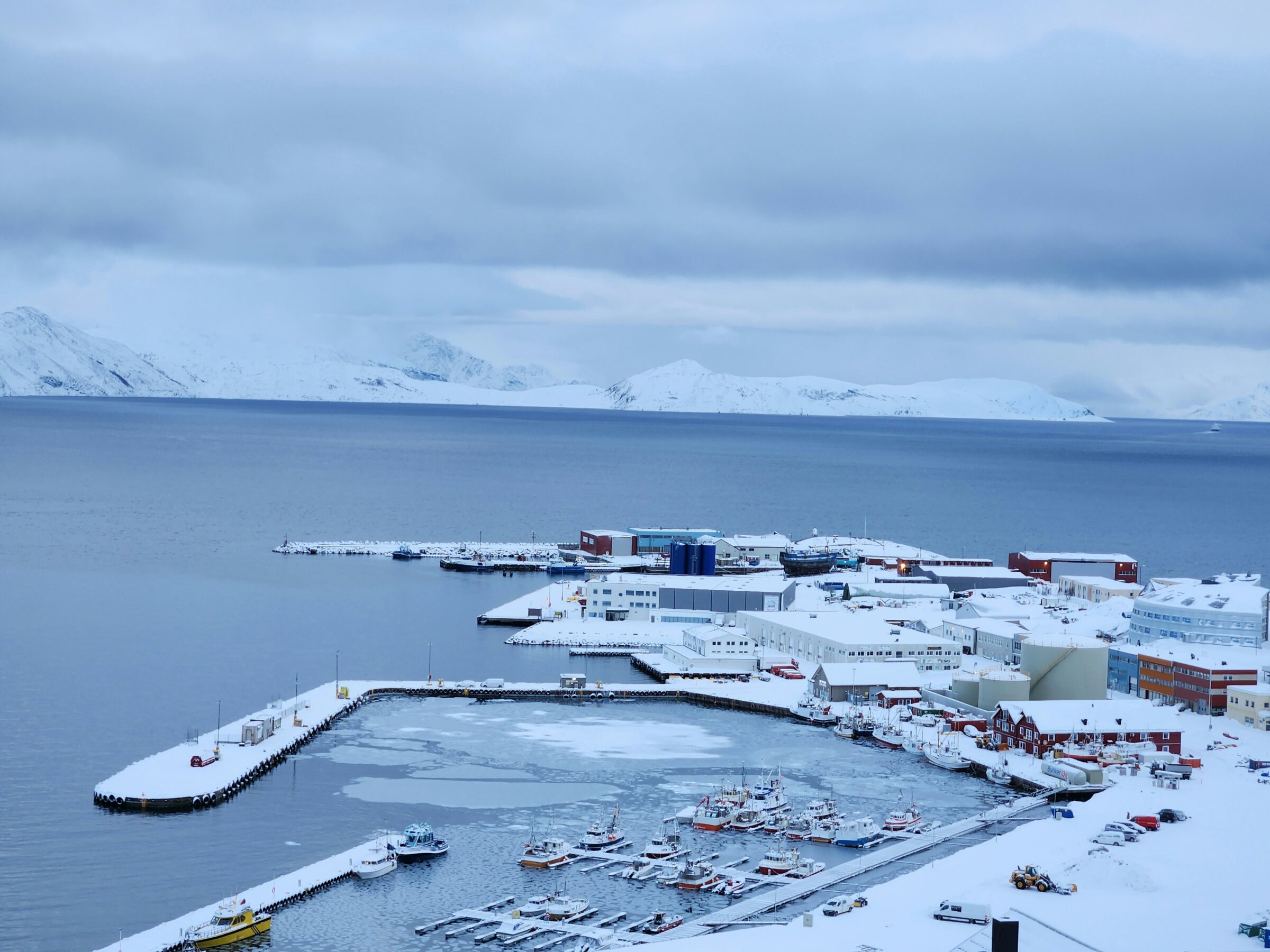
Earlier this week, EU officials said in unusually staunch terms that they would not buy Arctic oil and gas.

Even if someone (Norway) decided to drill new oil or gas wells in the Barents Sea, which is well above the Arctic Circle, the EU would not purchase it.

The goal is to dissuade investors. It costs many billions of euros to develop gas or oil at scale in the harsh conditions of the far north.

If there is no offtake market in continental Europe, no-one is going to take the risk.

The thing is, EU buyers already buy gas (and oil) from the Arctic. A lot of it.

Most of the gas, some 12 million tonnes so far this year, comes from Russia’s Yamal LNG plant, which sits on the shore of the biggest estuary you have never heard of, the Gulf of Ob (Obskaya Guba in Russian).

But that will end 10 weeks from now, when the EU ban on Russian LNG kicks in.

This article continues, but the full version is available only to EUobserver.com subscribers. Visit account.euobserver.com/membership

  •  

Romania shot down two drones it believes were Russia’s new Geran-4s. Europe isn’t ready for swarms of them, analyst warns

ukraine spent three years learning catch russian drones—so russia made fly faster · post geran-3 jet-powered attack drone wild hornets c1c840787fca380485636007cf683d71 news ukrainian reports

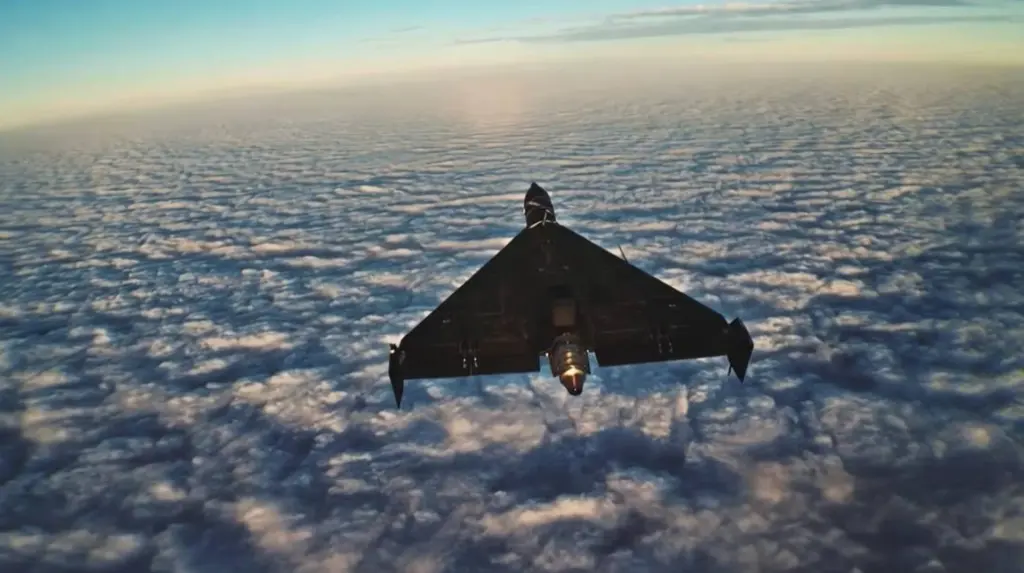
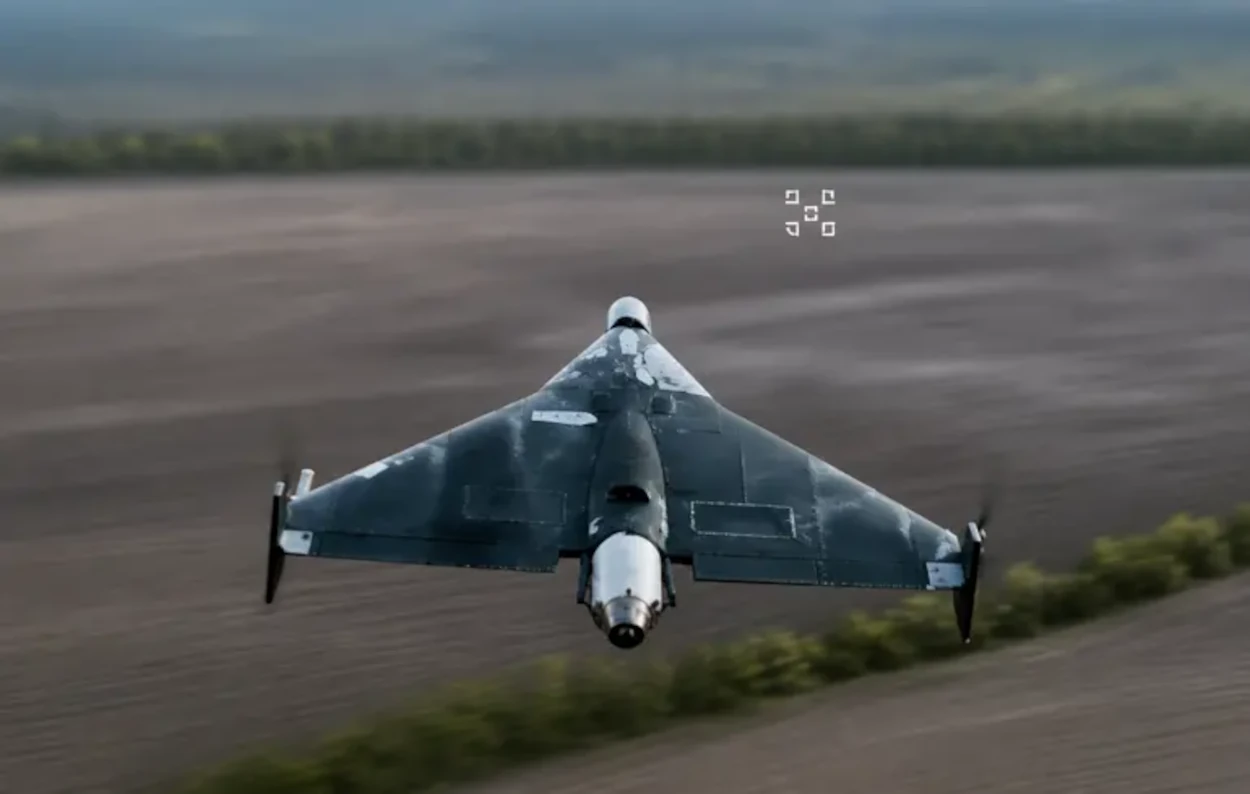
In a direct confrontation with Russia, European NATO states would likely be even more vulnerable than Ukraine to swarms of Russia’s new jet-powered strike weapons, Fabian Hoffmann of the Norwegian Institute for Defence Studies (NIDS) argued in a 20 October op-ed for the Center for European Policy Analysis (CEPA). He calls them low-cost cruise missiles. Just three days earlier, Romania met what it believes were two of them over the Black Sea.

Romanian F-16 fighter jets shot down two jet-powered Geran-family drones over Romania’s territorial waters on 17 October, the Defense Ministry said. Interim Defense Minister Radu Miruță said they flew at about 450 km/h and were likely Geran-4s, the first of that type Romania had downed.

Faster drones for a faster war

Russia began using the Geran-4 in May in response to effective Ukrainian interceptor drones, Ukraine’s military intelligence (HUR) said, adding that it reaches up to 500 km/h. By June, those interceptors were downing about half of slower Shahed-type drones, defense adviser Serhii Beskrestnov estimated.

Hoffmann traces the shift to the Geran-3, a model Ukraine recovered intact in 2025. In his account, a Chinese JT80 turbojet roughly doubled its speed, from 185 to 350 km/h. However, he puts newer models, including the Geran-4, at 600 km/h or more, above HUR’s figure for that model.

By his estimate, each costs $150,000–$250,000, against about $50,000 for a long-range drone. Still, from Russia’s perspective, he wrote, that buys a significantly higher chance of getting through.

money engineering what stands between ukraine russia's fastest drones zelenskyy says · post russia’s new “geran-4 seeker” shahed variant geran-4 news ukrainian reports
Explore further

Ukraine is testing four new drone interceptors as Russia floods its skies with faster Gerans 

Engines are the bottleneck

Hoffmann argues defenses must match the threat’s speed, for example with jet-powered interceptor drones. Ukraine already fields some. On 4 October, President Zelenskyy said its Bars interceptors had shown the highest percentage among Ukrainian interceptors, about 30% of targets, according to Militarnyi. One unit destroyed five aerial targets with five Bars interceptors, Defense Minister Yevhenii Khmara later told journalists. He also called aviation one of the most effective tools against jet drones.

Hoffmann’s concern is scale. Jet engines are in short supply, he wrote, because too few European and US suppliers can meet demand. Ukraine’s Defense Industry Council flagged a shortage of such engines for its drones in April. In his view, gun systems and higher-end missile defenses are too scarce or too costly to fill the gap.

  •  

In Oslo, US pushes Zelenskyy toward deal with Russia again. Day later, in same city, Norway discusses arming Ukraine with more NASAMS missiles

Ukrainian President Volodymyr Zelenskyy in Oslo, on 21 October 2026. Source: Facebook/Zelenskyy

As Washington leans on Ukraine to make a deal with Russia amid its diesel agreement ahead of the US elections, its European partners are meeting to keep it armed against deadly weapons.

President Volodymyr Zelenskyy said he met Kongsberg CEO Eirik Lie and Norwegian Defense Minister Tore Sandvik in Oslo on 21 October to discuss more NASAMS air defenses, a day after meeting US presidential envoy Steve Witkoff in the same city.

Washington has spent the past two weeks easing pressure on Russia and leaning on Kyiv, with a diesel deal, throttled Starlink, and talk of cutting intelligence, while Ukraine’s European partners move in the other direction. Russia pounds Ukrainian cities almost nightly, and the Norwegian-made NASAMS is one of the systems holding that barrage off critical infrastructure.

Kongsberg opened an office in Ukraine in 2025. Its NASAMS uses the AIM-120 AMRAAM missile built by the US defense giant RTX, the same firm behind the Patriot launchers that are Ukraine’s only means of downing Russian ballistic and hypersonic missiles. The same missile is also used in F-16s.

“They effectively protect our people and critical infrastructure from Russian missile and drone attacks virtually every day,” Zelenskyy said.

He added that Ukraine is counting on additional defense support packages next month.

A European shield Ukraine wants tested this year

The visit also advanced a joint missile-defense project. Norway is actively involved in FREYJA, a European anti-ballistic missile program that Ukraine is helping to build.

“There are already first results in creating individual elements of the system. Today we determined where we can and must speed up to reach testing by the end of this year,” Zelenskyy said.

FREYJA now draws in 10 countries and is built around an interceptor missile designed to stop ballistic threats, a capability Europe largely lacks against Russia’s fastest weapons.

A push for satellites as Starlink falters

Zelenskyy also raised satellite communications amid the scandal over speed limitations on Elon Musk’s military Starlink service that disrupted a series of front-line missions.

“We discussed in detail the start of work on new satellite-communication capabilities for our soldiers,” the president said, adding that Kyiv would bring in partners able to support them.

The push comes after SpaceX throttled the StarShield military package Ukrainian drones use. Ukraine’s 7th Air Assault Corps said the connection began dropping as drones moved at speed, negatively affecting their missions.

  •  

In Trump’s Diplomacy, Insults Are a One-Way Street. Ukraine Is the Latest Example.

The latest rift with President Volodymyr Zelensky of Ukraine serves as a reminder that President Trump readily lashes out at other world leaders, only to grow outraged if they fight back.

© Alex Kent/The New York Times

President Trump’s belligerence leaves many world leaders reluctant to cross him for fear of blowback or even, depending on his mood, a fresh round of tariffs.
  •  
❌