❌

Reading view

Begoña Gómez presenta una denuncia contra el PP por el vídeo generado con IA para atacar al PSOE

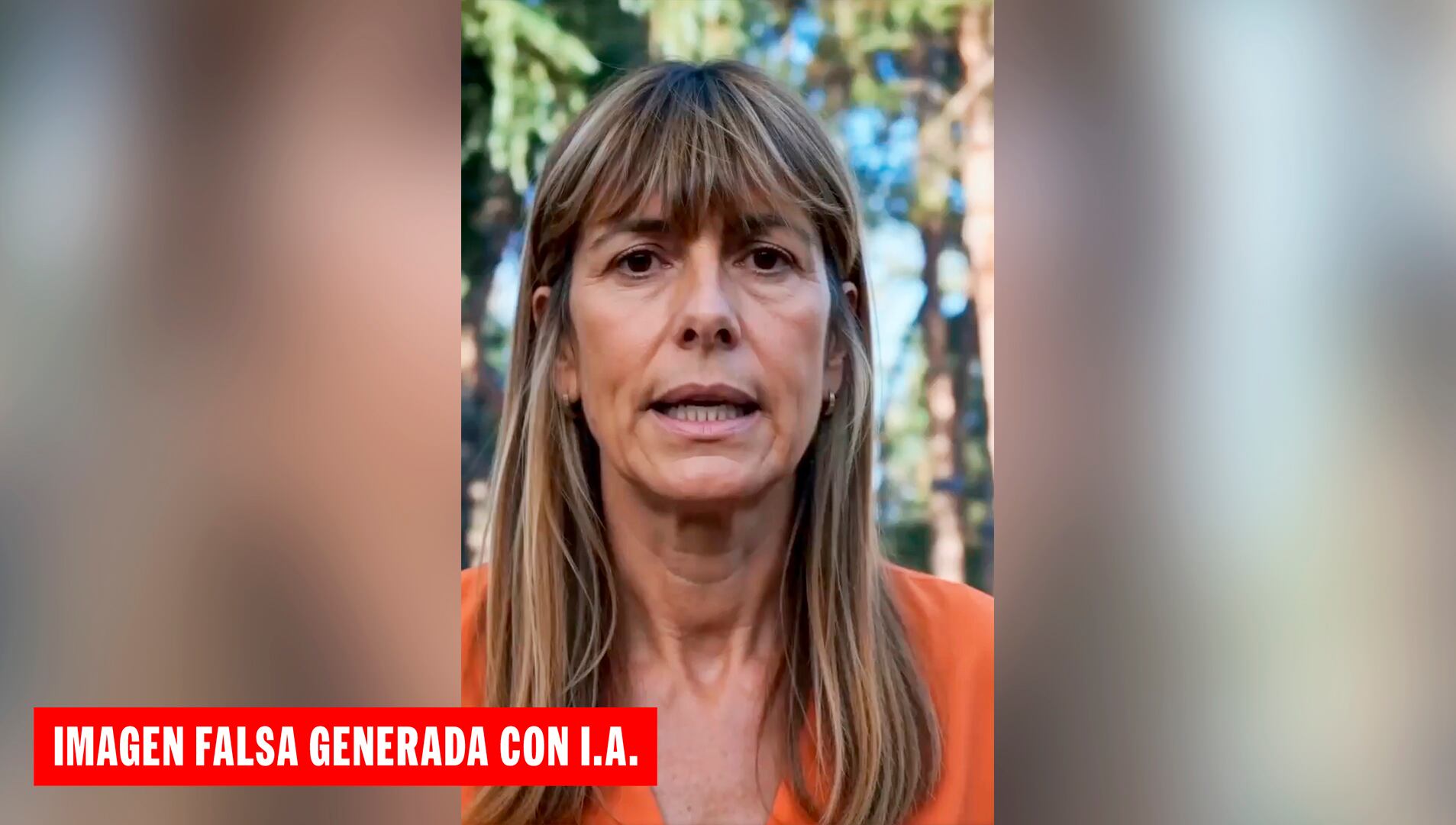
Begoña Gómez, esposa de Pedro Sánchez, ha presentado una denuncia contra el PP por el vídeo que generó con inteligencia artificial (IA) para arremeter contra el PSOE a través de la simulación de la pareja del presidente del Gobierno y de otras personas vinculadas a los socialistas. En su escrito, Gómez acusa a los populares de haber “suplantado” su identidad y “utilizado” su imagen y voz para “humillarla” y causarle un “daño injusto”. “La justicia debe poner coto a estas conductas, que no pueden ampararse en el ejercicio de derecho alguno y cuya proliferación repugna a la conciencia ciudadana”, incide.

Seguir leyendo

Captura de la imagen de Begoña Gómez generada por IA y difundida en el vídeo del PP.
  •  

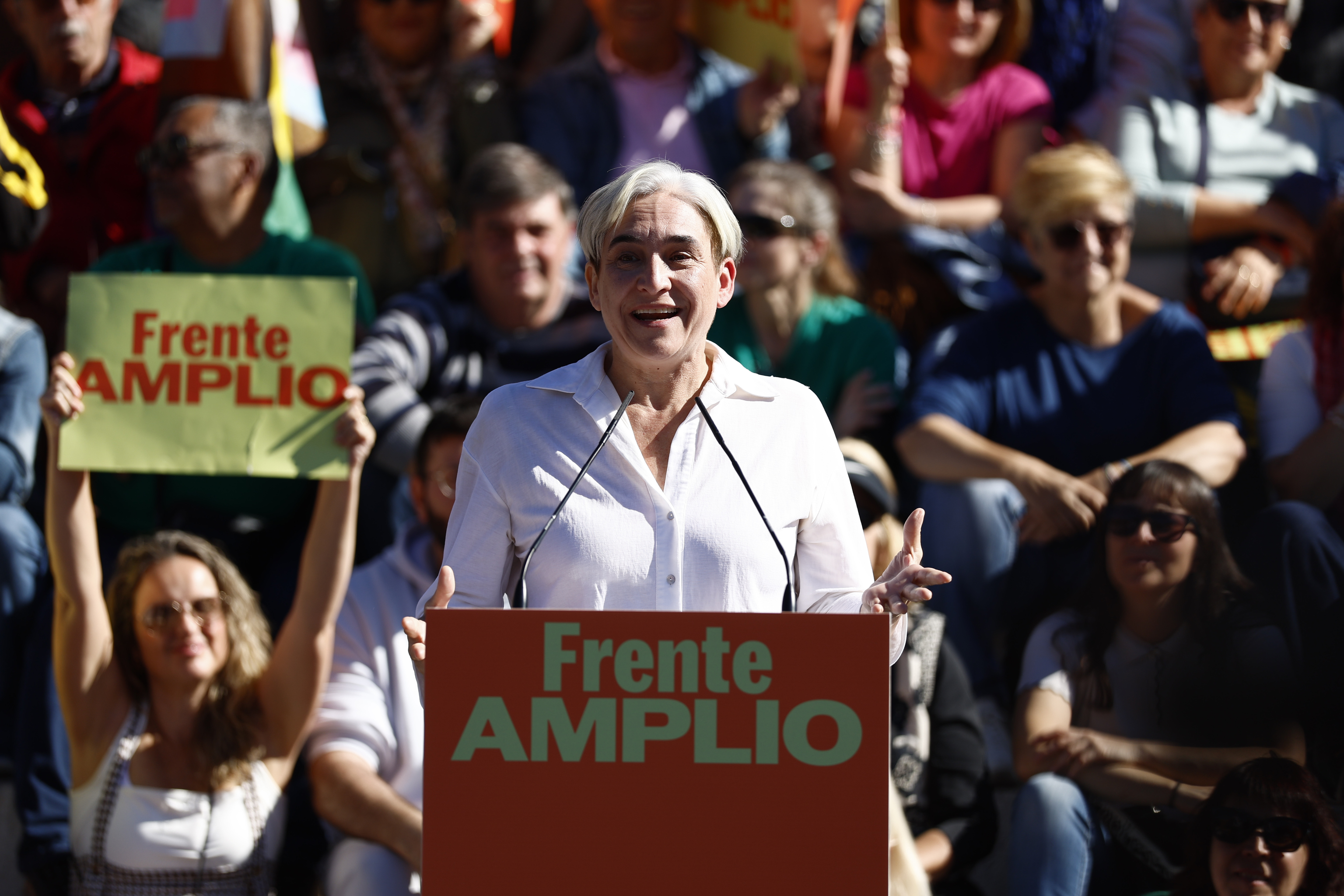
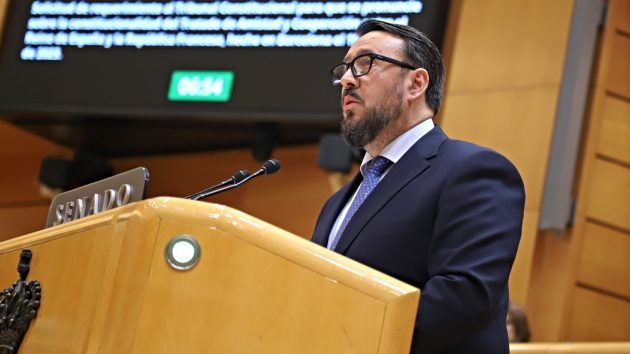
PSC y Frente Amplio pactan en Cataluña para contrarrestar el acuerdo entre PP y Vox en el Senado

Comuns no se presentará el 29-N en las circunscripciones de Girona, Tarragona y Lleida para "cerrar el paso a la derecha y la extrema derecha en la Cámara Alta" Leer

Comuns no se presentará el 29-N en las circunscripciones de Girona, Tarragona y Lleida para "cerrar el paso a la derecha y la extrema derecha en la Cámara Alta"
  •  

El ex secretario del PSOE de Badajoz se entera por IU de que se cae de la lista al Senado por el pacto con el Frente Amplio: "Cuando el general es débil y sin autoridad..."

Rafael Lemus critica duramente a la dirección regional de su partido por aceptar la imposición de Ferraz Leer

Rafael Lemus critica duramente a la dirección regional de su partido por aceptar la imposición de Ferraz
  •  

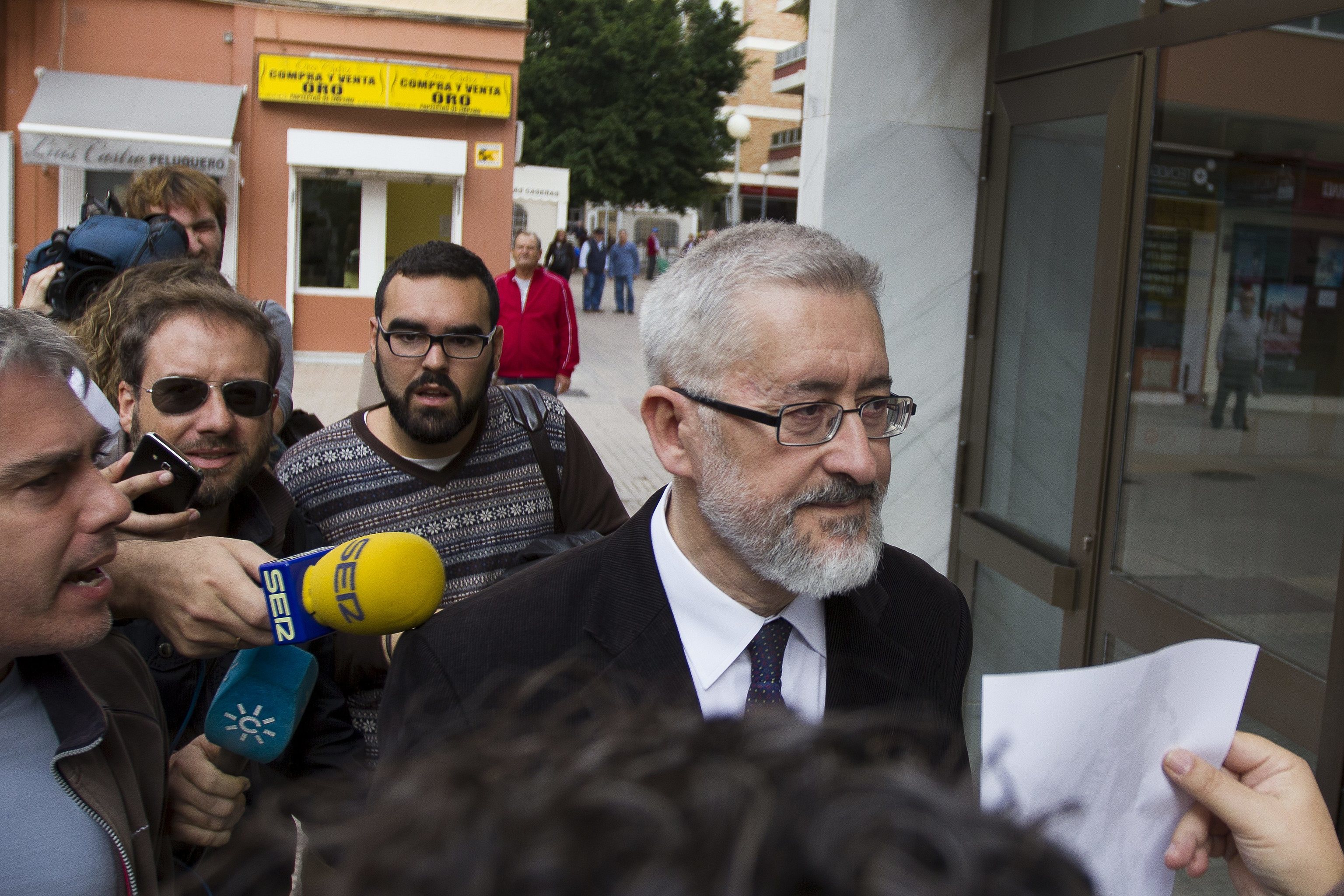
El juez investiga a otros 18 ex altos cargos de la etapa del PSOE en la Junta de Andalucía por la inyección de fondos millonarios a Santana Motor "sin control alguno"

Entre los citados por el juez en plena campaña electoral del 29-N están el ex consejero Ávila y Juan María González, sobrino de Felipe González Leer

Entre los citados por el juez en plena campaña electoral del 29-N están el ex consejero Ávila y Juan María González, sobrino de Felipe González
  •  

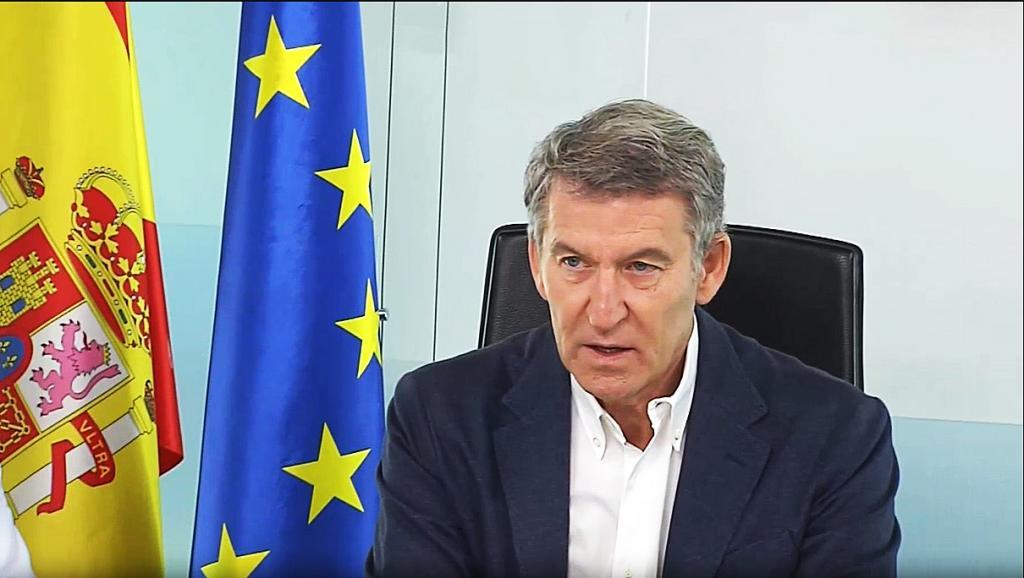
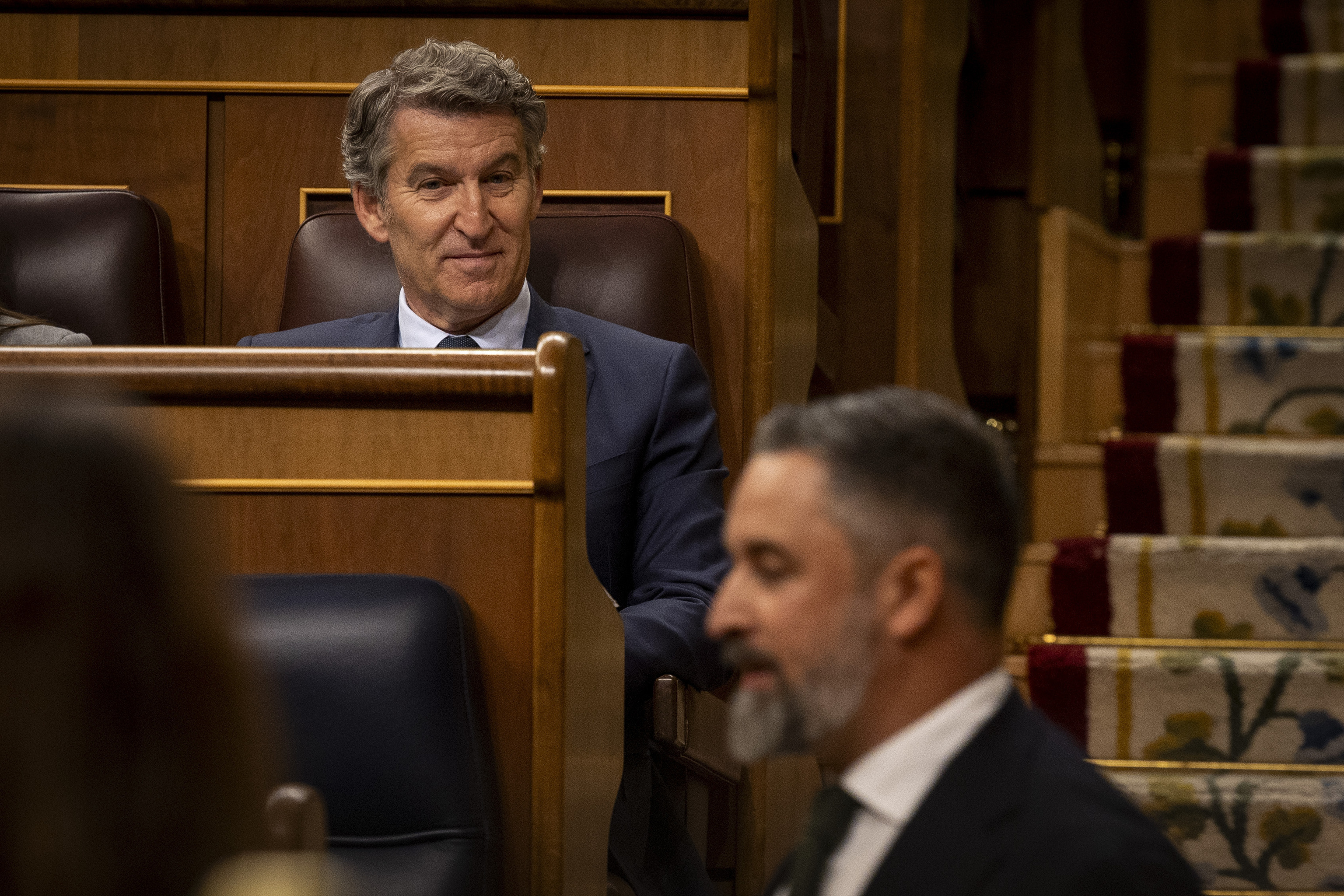
Feijóo ve "posibilidades" de sumar tres quintos del Senado, pero sólo si el electorado de Vox vota al PP en las provincias clave

Reconoce que quiere nombrar cuatro magistrados del TC sin pactar con el PSOE, si logra 161 escaños en la Cámara Alta Leer

Reconoce que quiere nombrar cuatro magistrados del TC sin pactar con el PSOE, si logra 161 escaños en la Cámara Alta
  •  

La UCO acredita los 300.000 euros que Aldama vincula a la financiación ilegal del PSOE

Un financiero amigo de Delcy Rodríguez transfirió los fondos antes de su visita en 2020 Leer

Un financiero amigo de Delcy Rodríguez transfirió los fondos antes de su visita en 2020
  •  

El pacto de PP y Vox acerca a la derecha al control total del Senado: la fórmula elegida puede ser decisiva en 13 provincias

La suma de ambos partidos oscila entre 156 y 167 escaños, cuando con 161 se abre la posibilidad de renovar magistrados del Tribunal Constitucional Leer

La suma de ambos partidos oscila entre 156 y 167 escaños, cuando con 161 se abre la posibilidad de renovar magistrados del Tribunal Constitucional
  •  

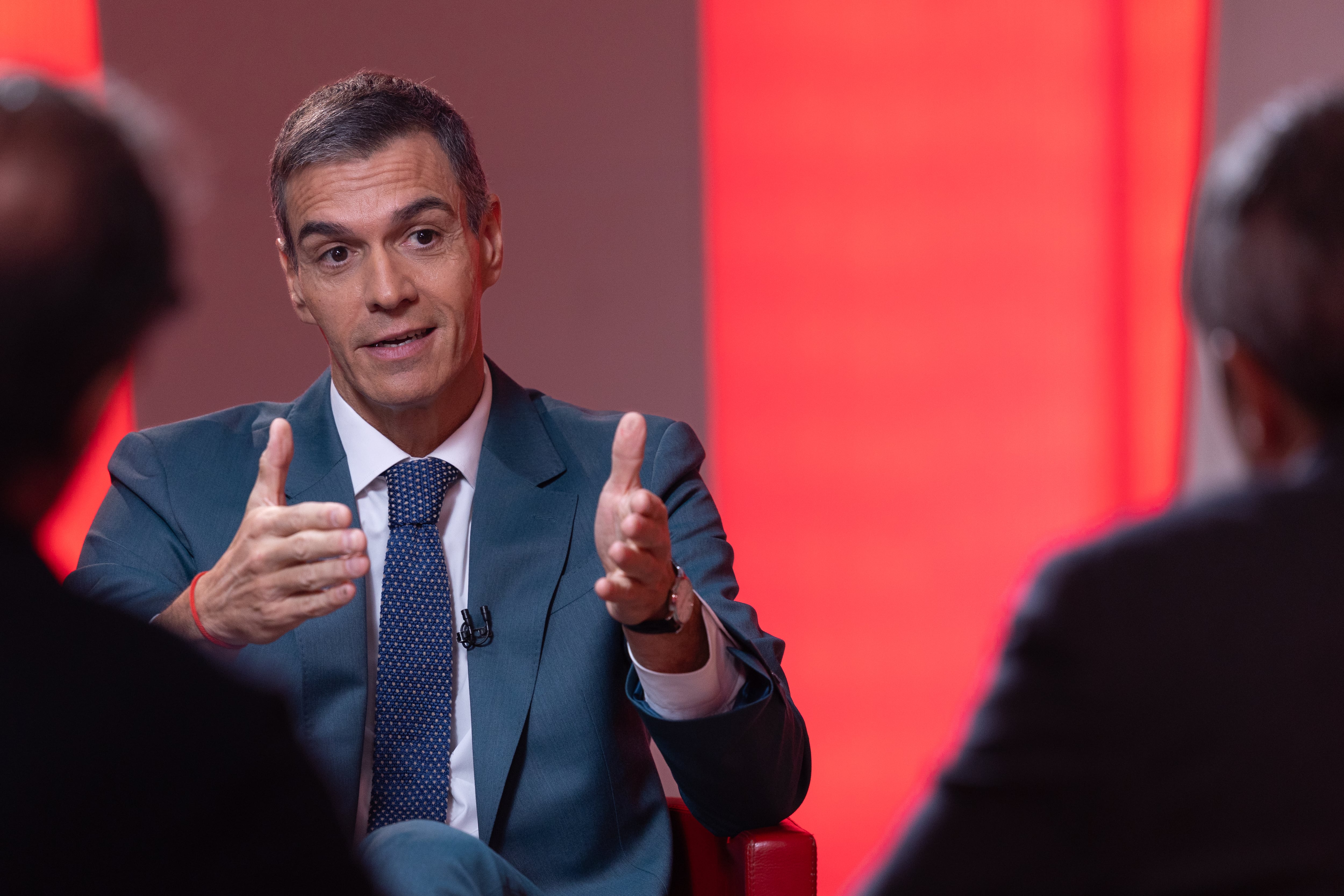
Pedro Sánchez: ‘These elections can be summed up in a very simple idea: either the past moves forward, or Spain moves forward’

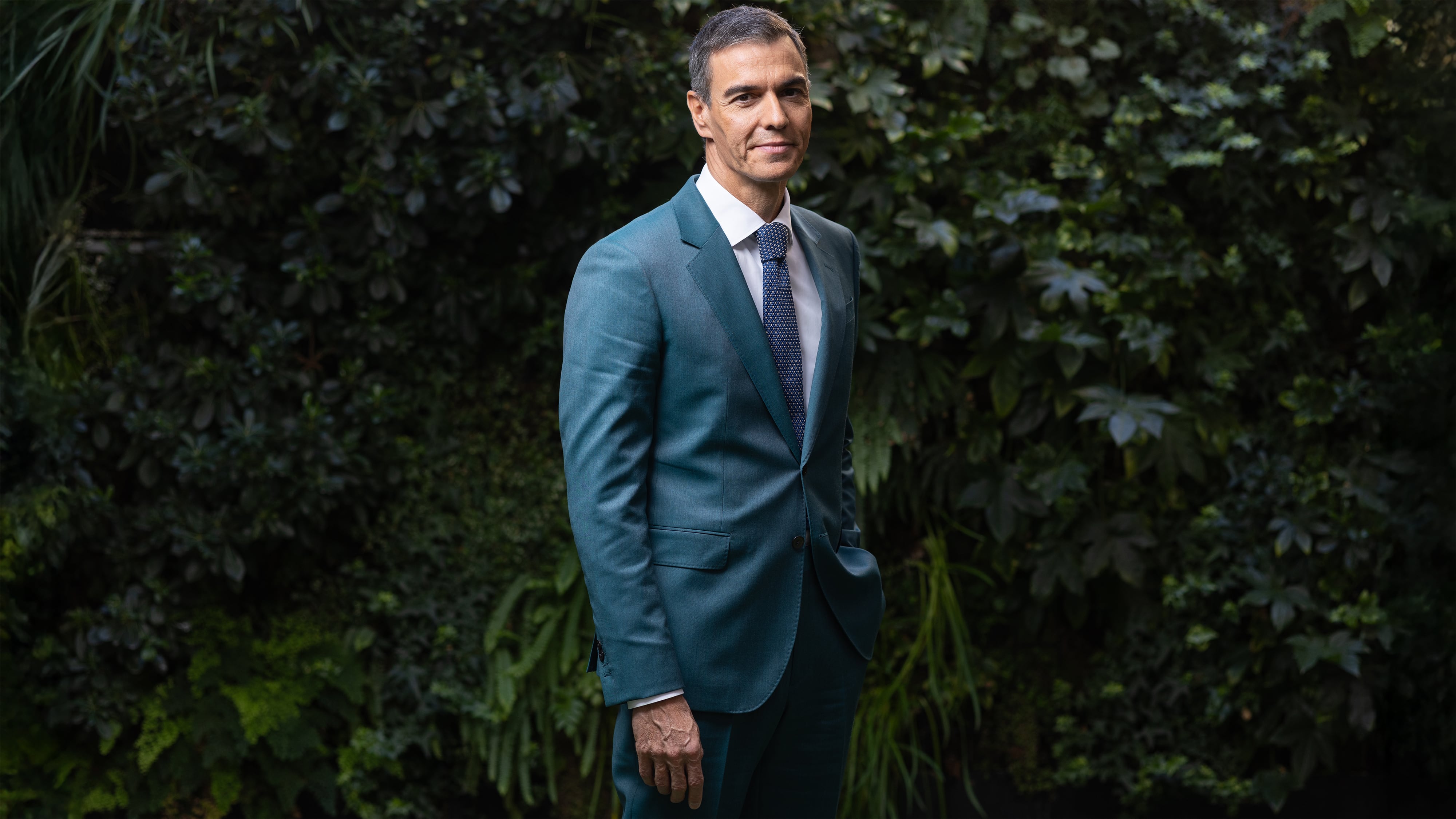
Spain's prime minister, Pedro Sánchez, on Friday at Socialist Party headquarters on Ferraz street in Madrid.

The prime minister is a candidate again. And it shows. He speaks fluidly, dodges jabs, and stands his ground with a smile. Pedro Sánchez, who seemed somewhat weakened after his brother’s conviction and the Ceuta migrant crisis, appears to have been energized by the general election of November 29, which will be his sixth. “These elections can be summed up in a very simple idea: either the past moves forward, or Spain moves forward,” he says.

Seguir leyendo

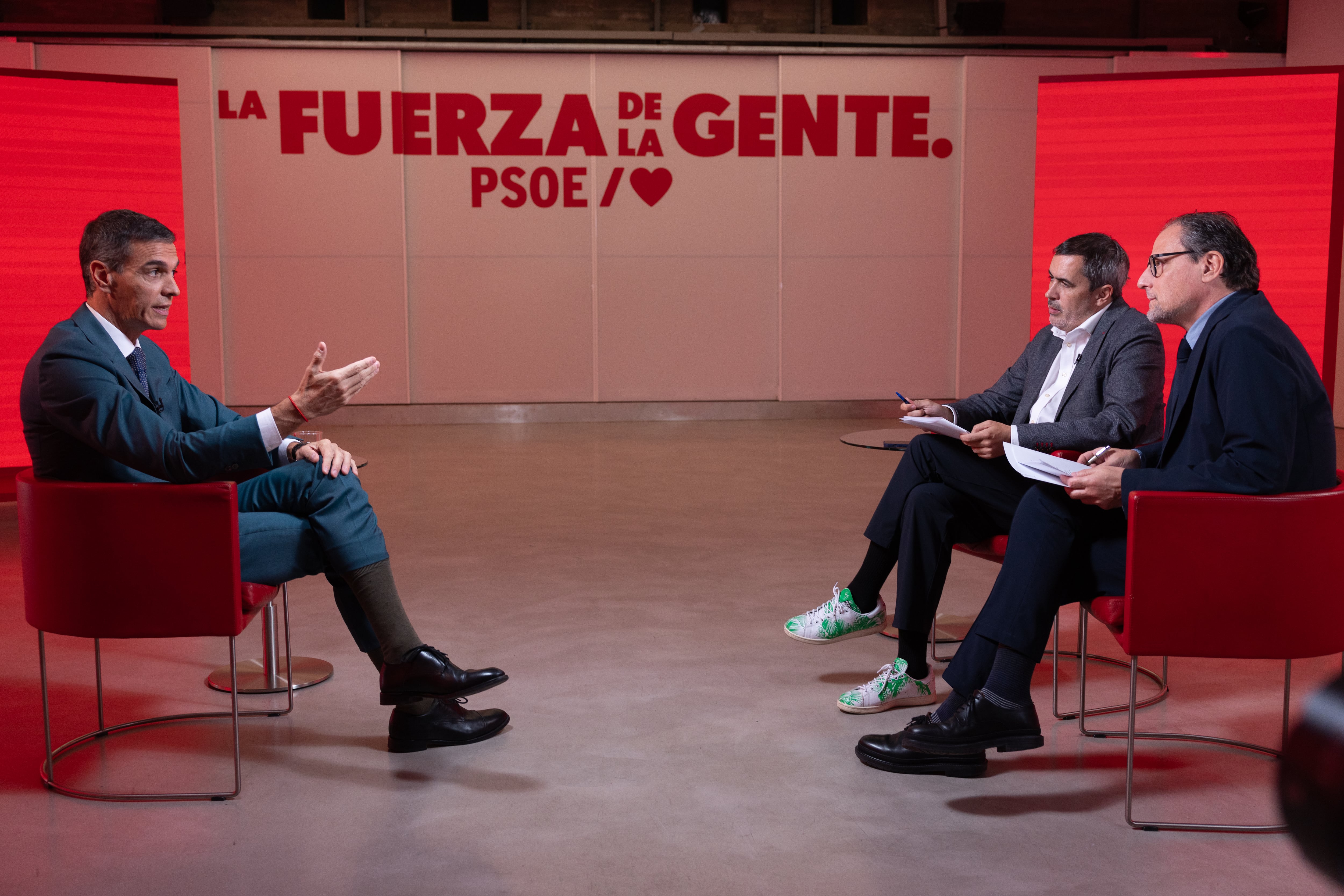
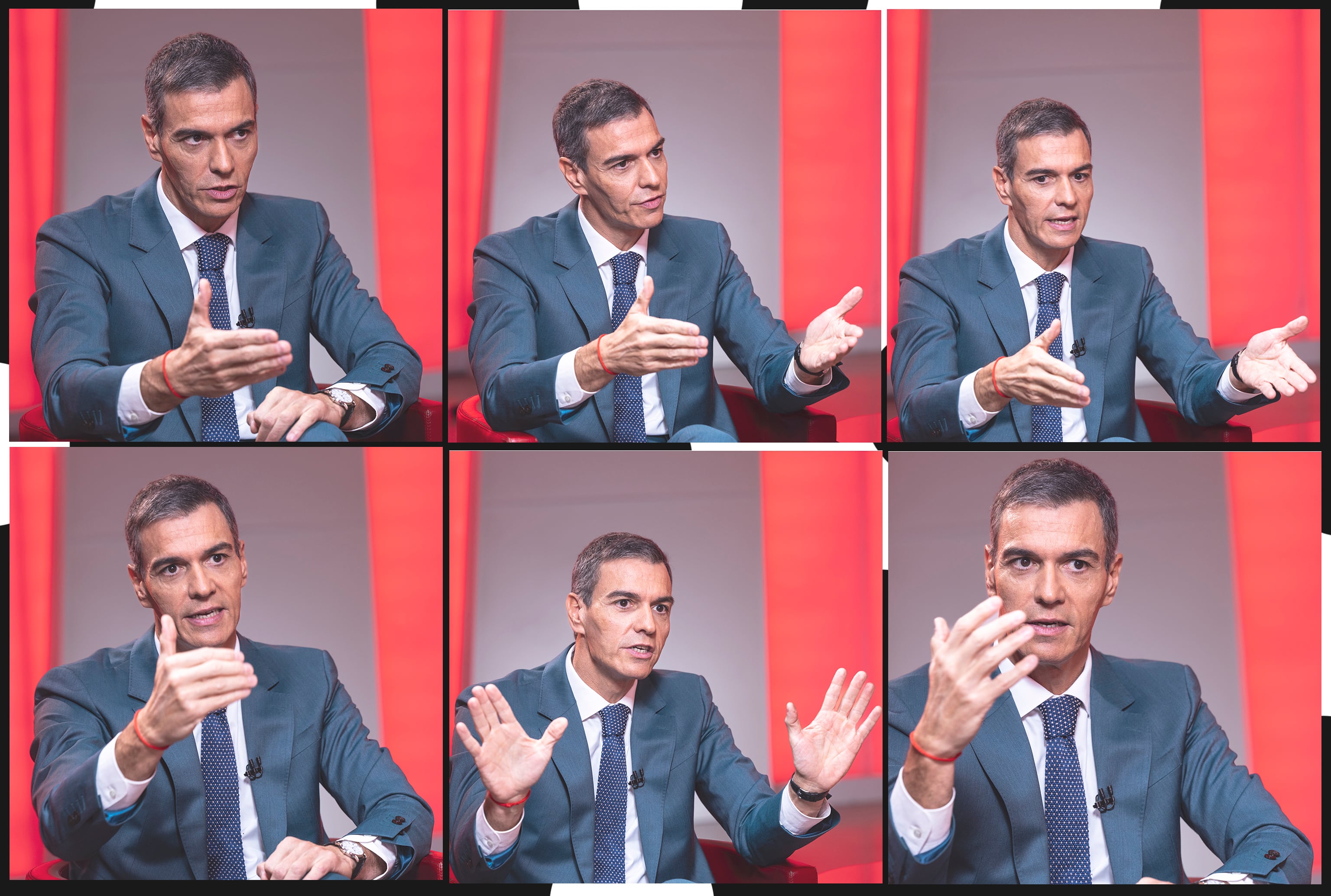
Prime Minister Pedro Sánchez (l) on Friday at Ferraz during the interview with EL PAÍS editor Jan Martínez Ahrens (r) and political correspondent Carlos E. Cué.The prime minister, Pedro Sánchez, at various moments during the EL PAÍS interview at Ferraz on Friday.Pedro Sánchez during the interview with EL PAÍS at PSOE central headquarters on Ferraz street in Madrid.The prime minister and PSOE leader, Pedro Sánchez, on Friday at the party’s central headquarters on Ferraz street in Madrid.
  •  

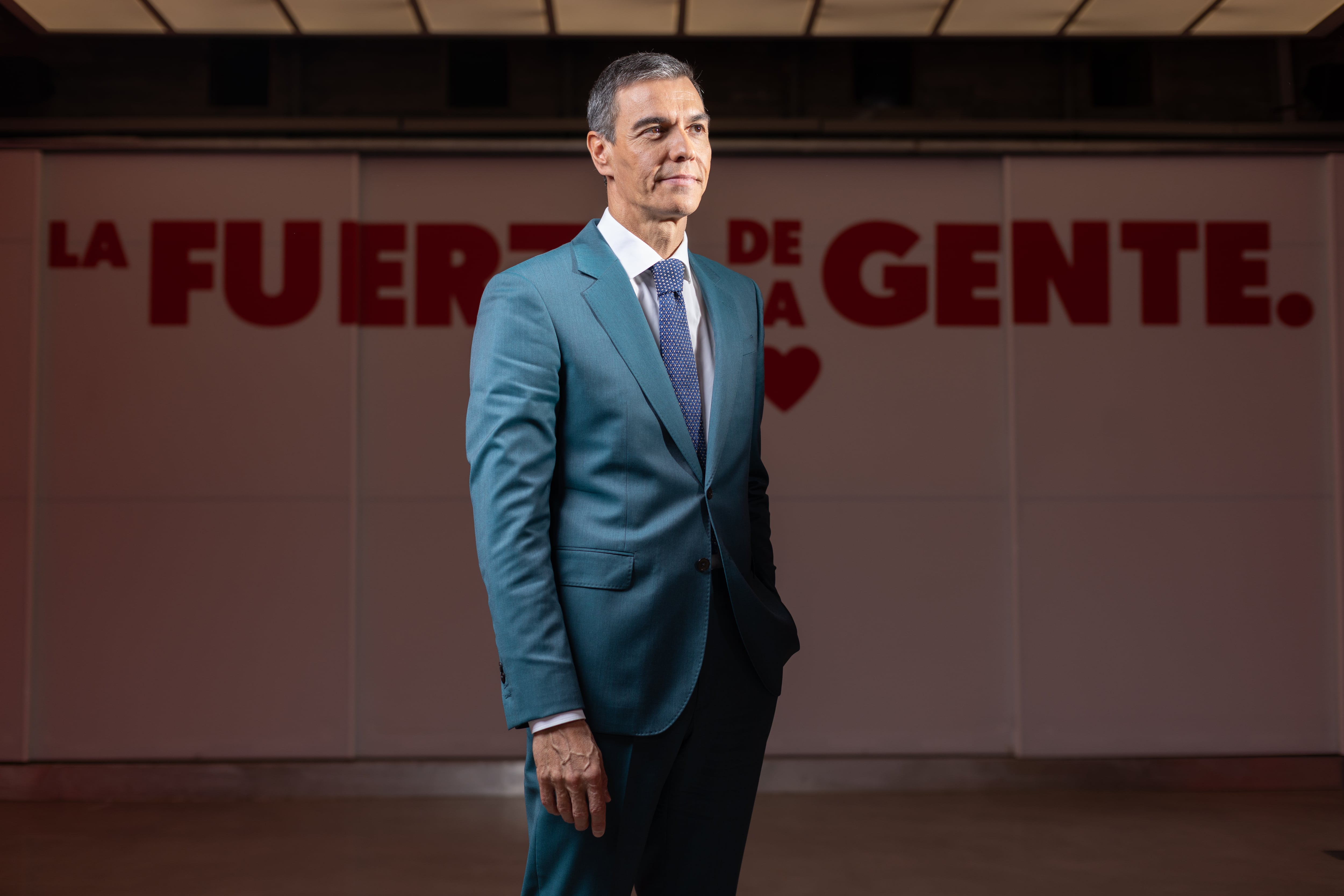
Pedro Sánchez: “Un Gobierno del PP con Vox no es alternancia, es retroceder 50 años”

El presidente vuelve a ser candidato. Y se le nota. Habla con soltura, esquiva dardos, se planta con una sonrisa. Pedro Sánchez, a quien, tras la condena de su hermano y la crisis de Ceuta, se le veía debilitado, da la impresión de haber renacido con el 29-N, sus sextas elecciones generales. “Estos comicios se pueden resumir en una idea muy sencilla: o avanza el pasado o avanza España”, afirma.

Seguir leyendo

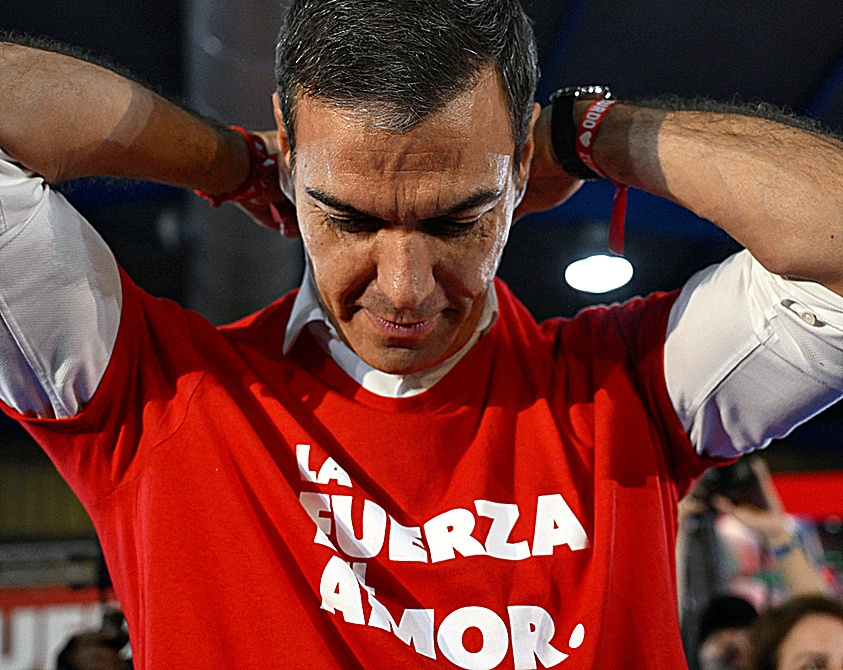
El presidente del Gobierno, Pedro Sánchez, el viernes en Ferraz durante la entrevista con el director de EL PAÍS, Jan Martínez Ahrens, y el corresponsal político Carlos E. Cué. El presidente del Gobierno, Pedro Sánchez, en distintos momentos de la entrevista con EL PAÍS en Ferraz este viernes.El presidente del Gobierno, Pedro Sánchez, el viernes en un momento de la entrevista con EL PAÍS en la sede central del PSOE, en la madrileña calle de Ferraz. El presidente del Gobierno y líder del PSOE, Pedro Sánchez, el viernes en la sede central del partido, en la madrileña calle de Ferraz, con el lema de campaña a sus espaldas.

💾

©

Entrevista a Pedro Sánchez, presidente del Gobierno y candidato del PSOE
  •  

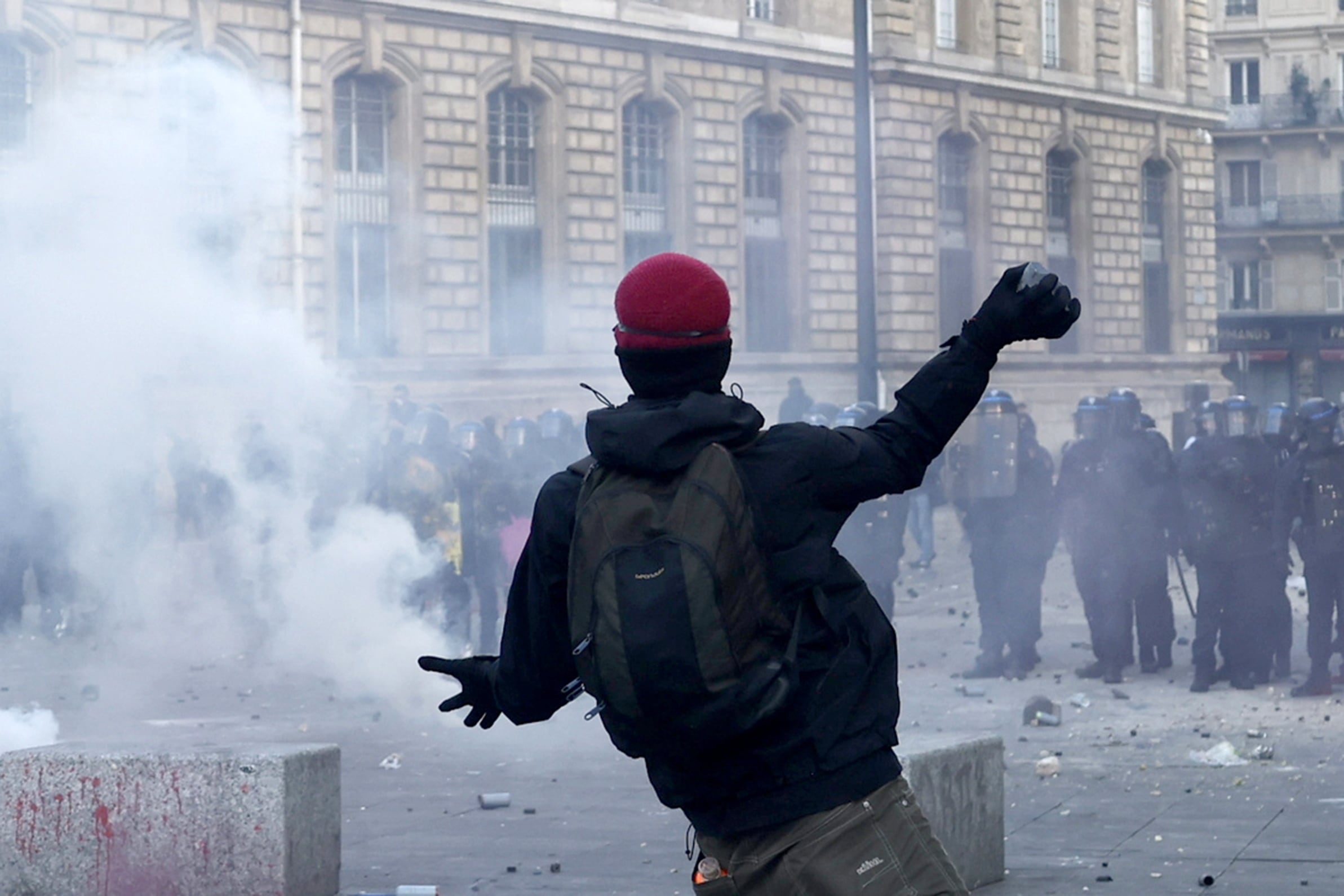
A generation takes to the streets: Young Europeans refuse to accept a future stacked against them

Tens of thousands of young people have taken to the streets in France, Belgium, Spain, Portugal, Italy and Albania. In doing so, they have joined what has been dubbed the Generation Z revolution (those born between 1997 and 2012), which over the past two years helped bring down the government of Bangladesh, force the resignation of Nepal’s prime minister and dissolve Madagascar’s government. Now, in Europe, on the eve of an electoral supercycle that will determine the governments of four of the European Union’s five most populous countries (France, Italy, Spain and Poland), young people are sharing a frustration that opportunities for their generation are becoming scarcer and their future increasingly insecure.

Seguir leyendo

© MOHAMMED BADRA (EFE)

A protester clashed with police on Saturday in Paris during a demonstration against the rising cost of living.
  •  

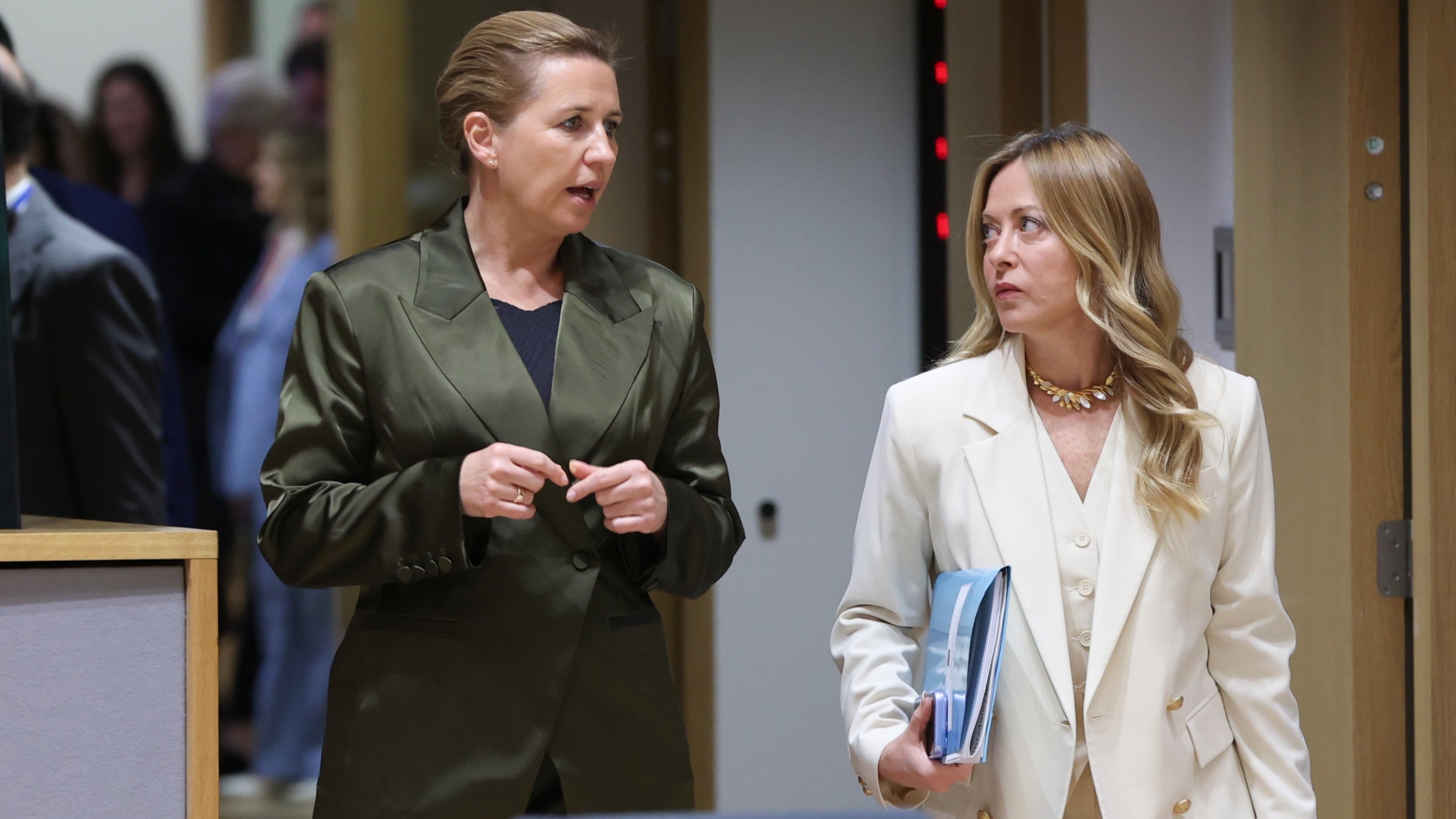
Denmark asks EU to ‘examine’ Spain’s plan to legalize migrants

The fact that Spain is swimming against the tide on European immigration issues became more evident than ever on Friday, when several EU leaders led by the prime ministers of Denmark and Italy — Mette Frederiksen and Giorgia Meloni — strongly criticized the Spanish government’s decision earlier this year to grant legal status to potentially hundreds of thousands of undocumented migrants.

Seguir leyendo

© FRANCOIS LENOIR (ACN)

Danish PM Mette Frederiksen and Italian PM Giorgia Meloni in Brussels.
  •  

Habitação. PP chama "hipócrita" à porta-voz do PSOE

O PP acusa a porta-voz do PSOE de ser "hipócrita" por defender medidas para a habitação quando o companheiro gere holding com imobiliário. "Ataque pessoal é o pior que há na política", diz Mínguez.

© Europa Press via Getty Images

Sergi Vélez (à esq.), o companheiro de Montse Mínguez (ao centro), fotografado a cumprimentar Alberto Núñez Feijóo, a 12 de outubro
  •  

Spain’s ‘grandchildren’s law’ before the Supreme Court: Who can vote on November 29?

Spain’s Supreme Court has refused to restore the voting rights of tens of thousands of people who acquired Spanish nationality under the so-called grandchildren’s law, a measure that allows descendants of Spaniards who went into exile during the Civil War and the Franco dictatorship to claim citizenship.

Seguir leyendo

© Alberto Ortega (Europa Press)

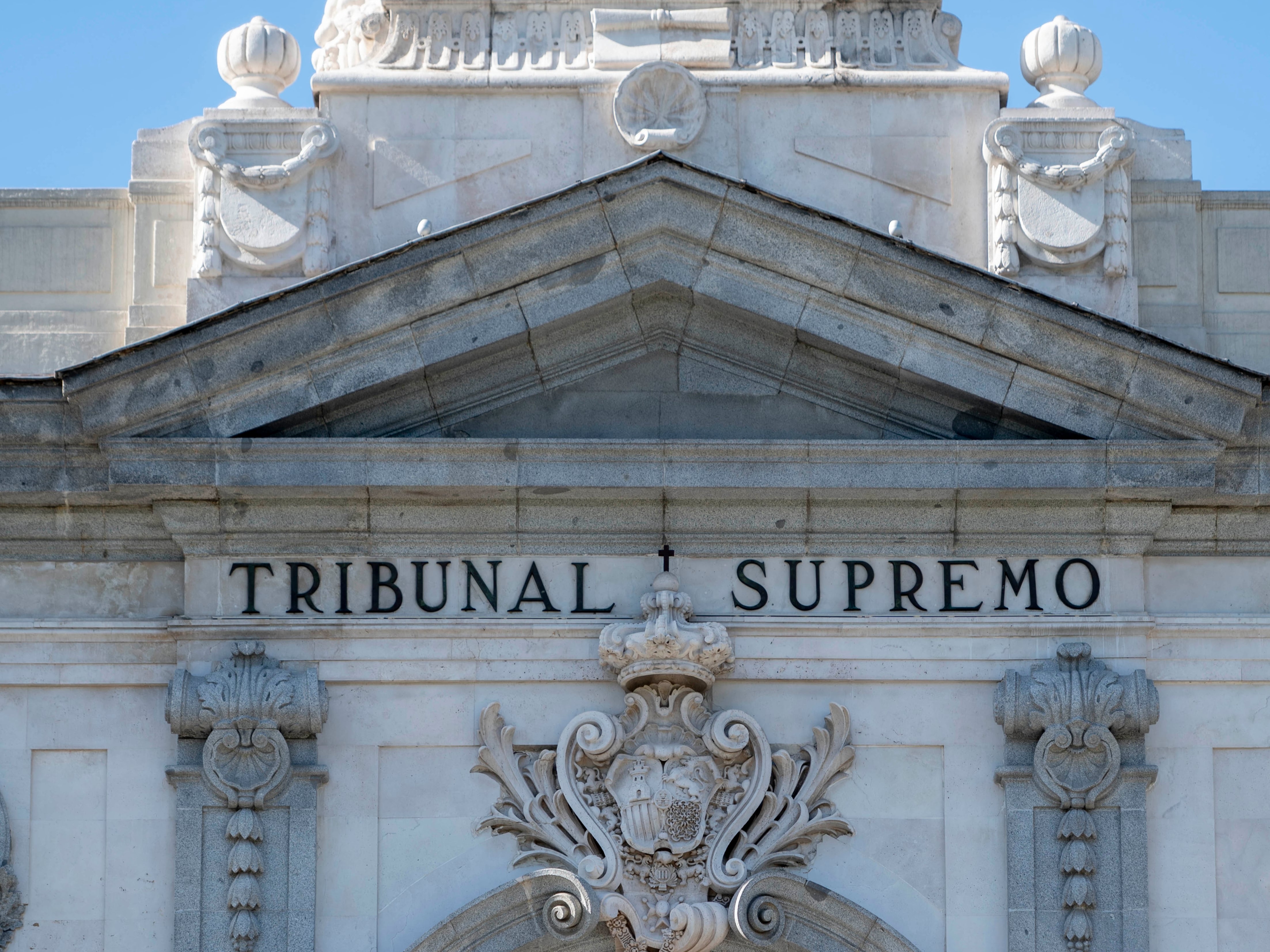
The Spanish Supreme Court building.
  •  

Extrema-direita em Ceuta e Sánchez vaiado em Madrid

Sánchez foi recebido com vaias ao chegar ao desfile militar na Festa nacional de Espanha. O líder do VOX, não esteve nesta tribuna, mas em Ceuta onde estão os "espanhóis que defenderam a fronteira".

© Ballesteros/EPA

Várias sondagens publicadas esta segunda-feira pela imprensa espanhola, as primeiras feitas após a convocatória de eleições antecipadas, revelam que o Vox é o partido que mais poderá crescer em 29 de novembro
  •  

Sánchez’s Housing Gamble: Why Spain’s Snap Election Is Riskier Than It Looks

Pedro Sánchez has turned a parliamentary defeat over housing into a general election on 29th November.

The calculation is clear: force Spain’s political argument onto territory more favourable to the left before migration, corruption allegations and parliamentary paralysis return to the foreground. But the polls suggest that the gamble could still deliver power to the centre-right People’s Party and Vox.

Pedro Sánchez’s decision to dissolve Spain’s parliament nine months ahead of schedule is more than an admission that his minority government had reached the limits of what it could achieve in the Congress of Deputies. It is an attempt to choose the terms on which his government will be judged.

The immediate trigger was the defeat of two emergency housing decrees after the conservative People’s Party (PP), Vox and Catalan separatist Junts voted against them. Housing had already moved rapidly to the centre of Spanish politics following the eviction of 87-year-old Maricarmen Abascal from the Madrid flat where she had lived for 71 years, followed by large demonstrations across the country. EU Today has previously reported on both the housing protests across Spain and Sánchez’s subsequent decision to call the election.

The prime minister is now attempting to convert legislative weakness into electoral advantage.

In his announcement on 5 October, Sánchez presented the election as a choice between a broader progressive majority capable of advancing social legislation and an opposition that had obstructed measures on housing and other domestic priorities. The government reinforced that strategy a day later by approving revised versions of the two housing decrees, containing 21 measures including tax incentives, assistance for first-time buyers and measures intended to increase supply. They will require validation by the Diputación Permanente, the standing parliamentary body that remains after dissolution.

The political calculation is straightforward. Housing offers Sánchez an issue on which anger is directed not only at government but at landlords, property investors, regional authorities and political parties opposing stronger regulation. The eviction of Abascal gave that argument a human symbol and transformed a long-running affordability problem into an immediate political confrontation.

That does not mean the strategy will work.

Most polling continues to place the PSOE behind the PP. Surveys put the Socialists at roughly 28 per cent, while Vox has risen to around 18 per cent. A PP-Vox combination is currently the only bloc consistently projected to command an outright parliamentary majority. One Sigma Dos survey published after the election announcement projected the two parties winning 203 of the Congress’s 350 seats.

Sánchez therefore appears to be playing less for immediate dominance than for mobilisation.

His problem before the housing protests was not simply the strength of the right. The broader left had become fragmented, while the government was being damaged by disputes over migration, particularly following the crisis in Ceuta, as well as corruption investigations involving figures associated with the PSOE. At the same time, Junts had become an increasingly unreliable parliamentary partner, leaving the government unable to guarantee major legislation or a new budget.

Housing changes the subject.

It allows Sánchez to argue that the central question is not whether his coalition has governed smoothly, but whether voters want a parliament prepared to intervene more aggressively in the housing market. The PP, however, is contesting precisely that framing. Alberto Núñez Feijóo argues that the housing shortage is itself a product of Sánchez’s eight years in government and has promised to raise annual construction towards 200,000 homes while reducing taxes.

The election may therefore develop into a dispute over responsibility rather than diagnosis. Both sides accept that housing has become a major national problem; they differ sharply over whether regulation or additional supply should dominate the response.

There is also a wider European dimension. Housing affordability is increasingly politically disruptive across the EU, including in major cities where construction has failed to keep pace with household formation, migration and demand for short-term accommodation. EU Today has examined similar pressures in Berlin’s housing market. Spain could now provide a test of whether housing can become powerful enough as an electoral issue to reverse the wider European movement towards the right.

For Ukraine, however, the consequences are likely to be less dramatic than Spain’s domestic political contest might suggest.

Sánchez committed €1 billion in bilateral military support to Ukraine for 2026, with Spain putting its cumulative bilateral military assistance since Russia’s full-scale invasion at almost €4 billion. Madrid has also trained more than 9,000 Ukrainian military personnel.

Spain is also home to a considerably larger Ukrainian community than the roughly 300,000 figure frequently cited. Government data showed 353,009 Ukrainian nationals holding valid residence documentation at the end of June, including 262,782 under temporary protection.

A PP-led government would alter Madrid’s domestic priorities and potentially its approach to defence spending and migration, particularly if Vox were required to sustain a parliamentary majority. Yet there is little basis at present for assuming that a change of government would produce a reversal of Spain’s fundamental position on Russia’s invasion or membership of the European and Atlantic security structures supporting Ukraine.

The more immediate question is whether Sánchez can make housing important enough to overcome the electoral arithmetic confronting him.

Calling the election has allowed him to escape a parliament in which his legislative coalition was steadily disintegrating and to enter a campaign around an issue capable of mobilising his electorate. It has not changed the fact that the PP and Vox begin that campaign with the stronger numbers.

Sánchez has chosen the battlefield. On 29th November, Spain will decide whether that was enough.

  •  
❌