Login

NATO Confronts Growing Black Sea Threat as Drone Attacks Target Commercial Shipping
France has deployed a maritime patrol aircraft to Romania following a series of attacks on civilian vessels near NATO territory. The escalating threat has prompted closer cooperation between Romania, Bulgaria and Turkey, raising questions about maritime security and the protection of Europe’s eastern flank.
A series of drone attacks on commercial shipping in the western Black Sea has brought the consequences of Russia’s war against Ukraine increasingly close to NATO territory, prompting additional military surveillance and renewed regional defence cooperation.
France has temporarily deployed an Atlantique 2 maritime patrol aircraft to Romania, while NATO members bordering the Black Sea are strengthening arrangements to monitor shipping routes, identify airborne threats and protect critical infrastructure.
The French aircraft began operating from Romania’s Mihail Kogălniceanu airbase on 18 October and is scheduled to continue reconnaissance missions until 6 November.
Its deployment follows repeated attacks on merchant vessels near Romania and Bulgaria, both members of NATO and the European Union.
At least eight cargo ships have been struck in the region during October, with approximately 34 sailors reported dead or missing, according to figures reported by Reuters on 27 October.
The incidents have transformed commercial maritime security into an increasingly urgent issue for European defence planners.
Commercial vessels enter the conflict zone
The latest escalation has centred on shipping routes serving Ukraine’s Danube ports and commercial traffic passing through the western Black Sea.
Russia’s attacks on Ukrainian maritime infrastructure have increased the importance of alternative export routes, including those connecting the Danube to international shipping lanes.
However, recent incidents demonstrate that geographical proximity to NATO territory does not necessarily provide commercial vessels with protection from the effects of the conflict.
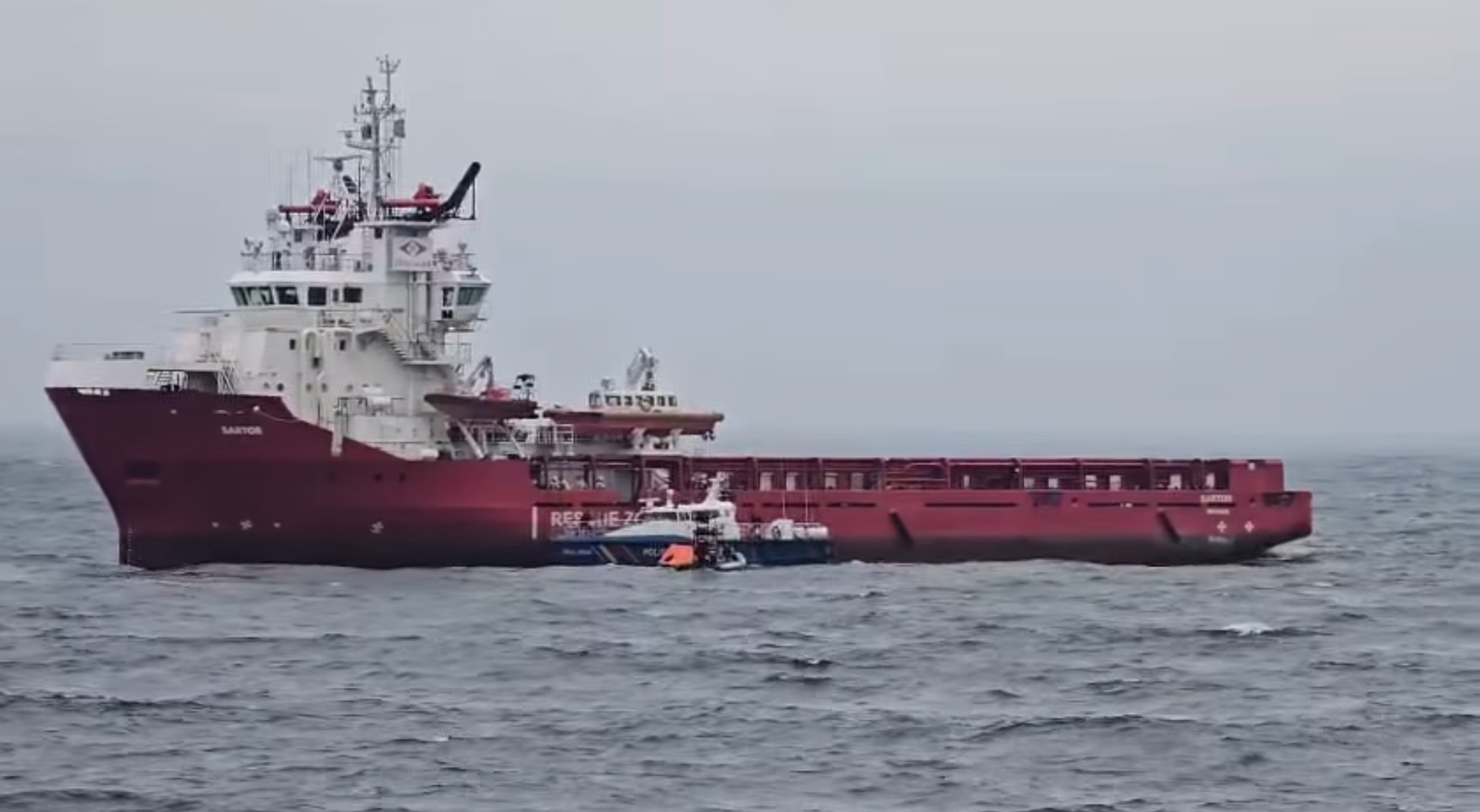
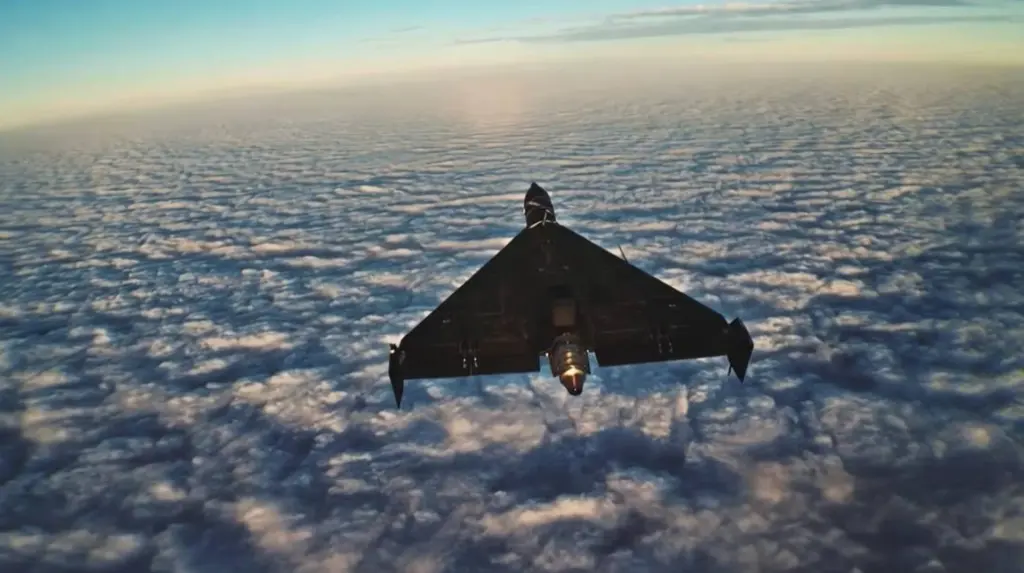
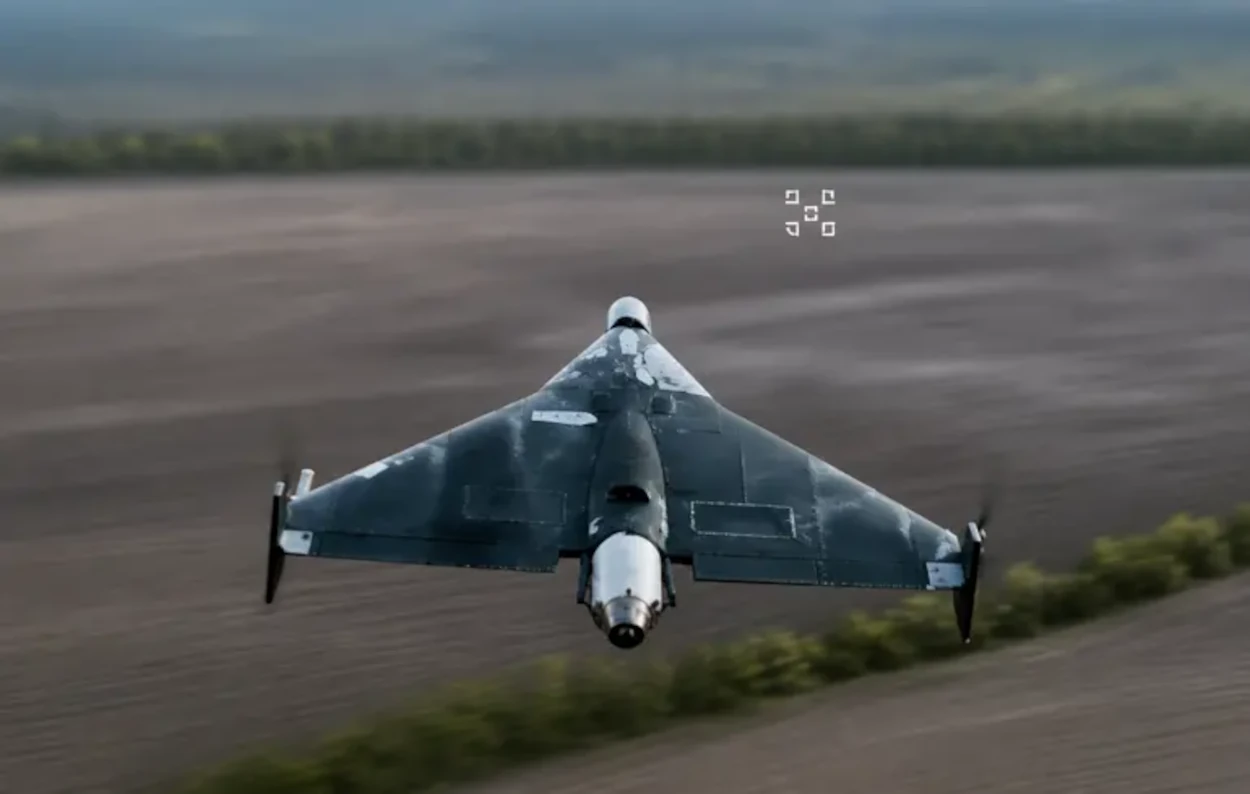
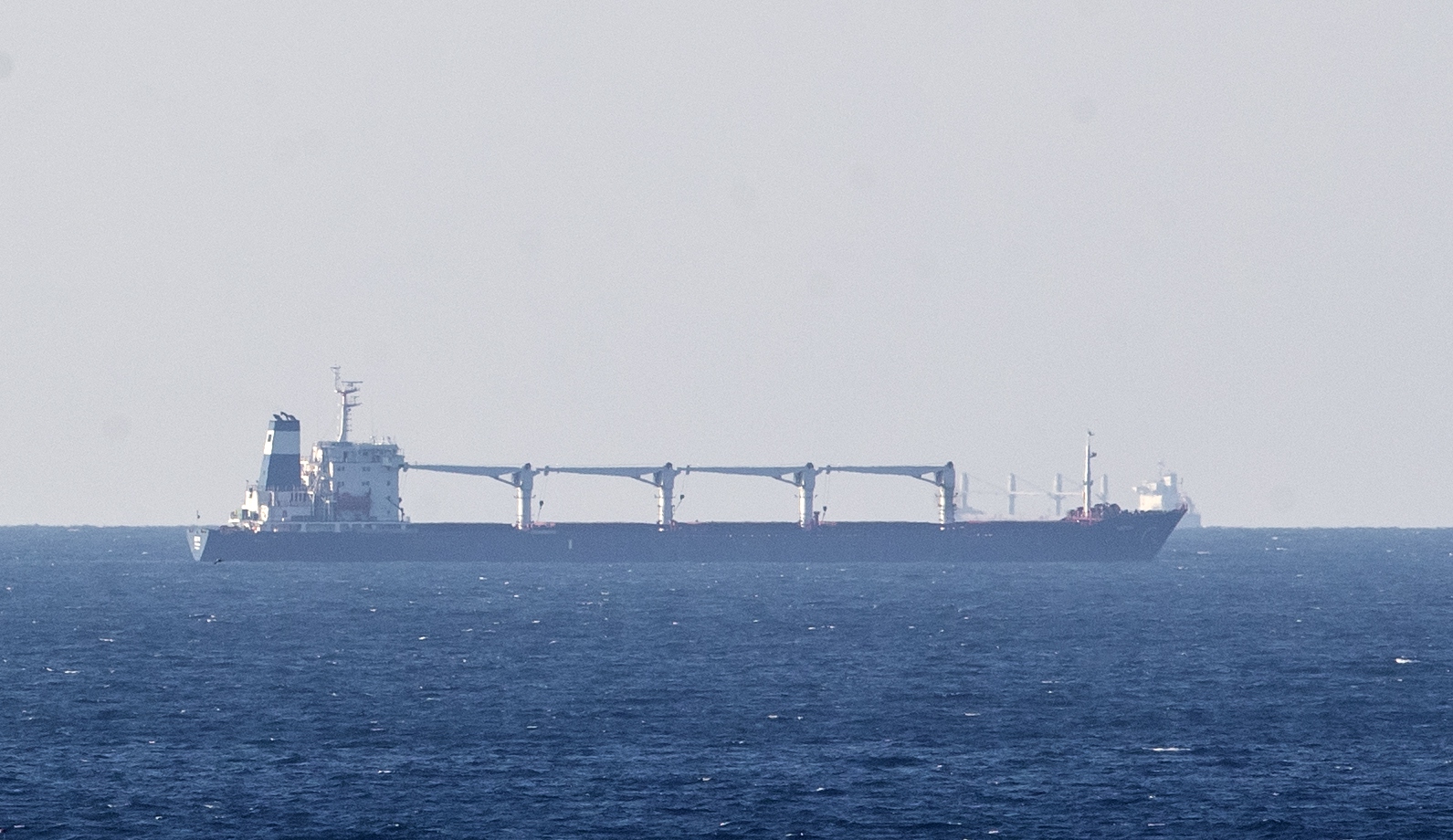
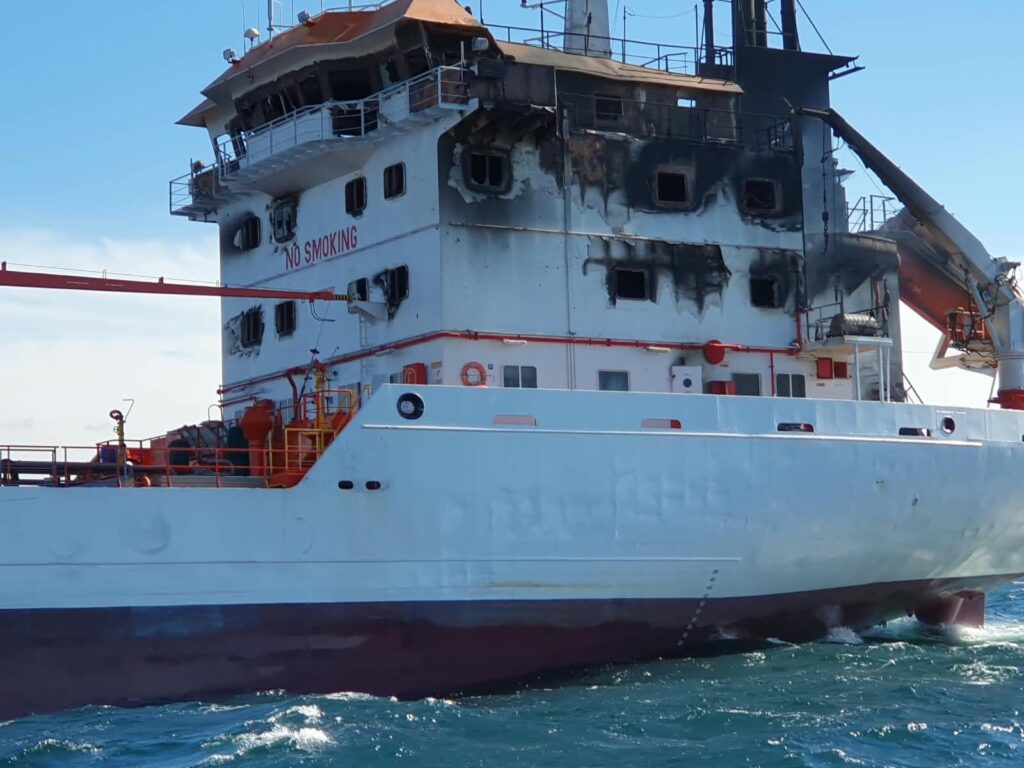
On 23 October, a drone struck a Comoros-flagged cargo vessel near the Romanian port of Constanța.
According to maritime security company Ambrey, the vessel was hit approximately 16 nautical miles east of the port and subsequently capsized.
One crew member was reported dead, nine were rescued and three remained missing in the initial casualty figures.
Ambrey assessed it as highly likely that Russian forces carried out the attack, pointing to the vessel’s links with Ukrainian Danube ports.
That assessment represents an attribution by a commercial security organisation, rather than a final determination by an international investigative body.
Other incidents have similarly raised questions over responsibility.
Ukraine has accused Russia of attacking civilian shipping, while Bulgarian authorities have acknowledged difficulties in conclusively identifying the operators of drones involved in some strikes.
France strengthens maritime surveillance
Romania’s Defence Ministry announced on 27 October that the Atlantique 2 deployment followed a request from Bucharest in response to the deteriorating security situation.
The aircraft is conducting surveillance and reconnaissance over the western Black Sea, working with Romanian naval authorities and maritime rescue coordination services.
Its principal responsibilities include identifying hazards to navigation and improving awareness of threats to critical infrastructure within Romania’s exclusive economic zone.
That infrastructure includes offshore energy facilities and maritime installations whose protection is increasingly relevant to European energy security.
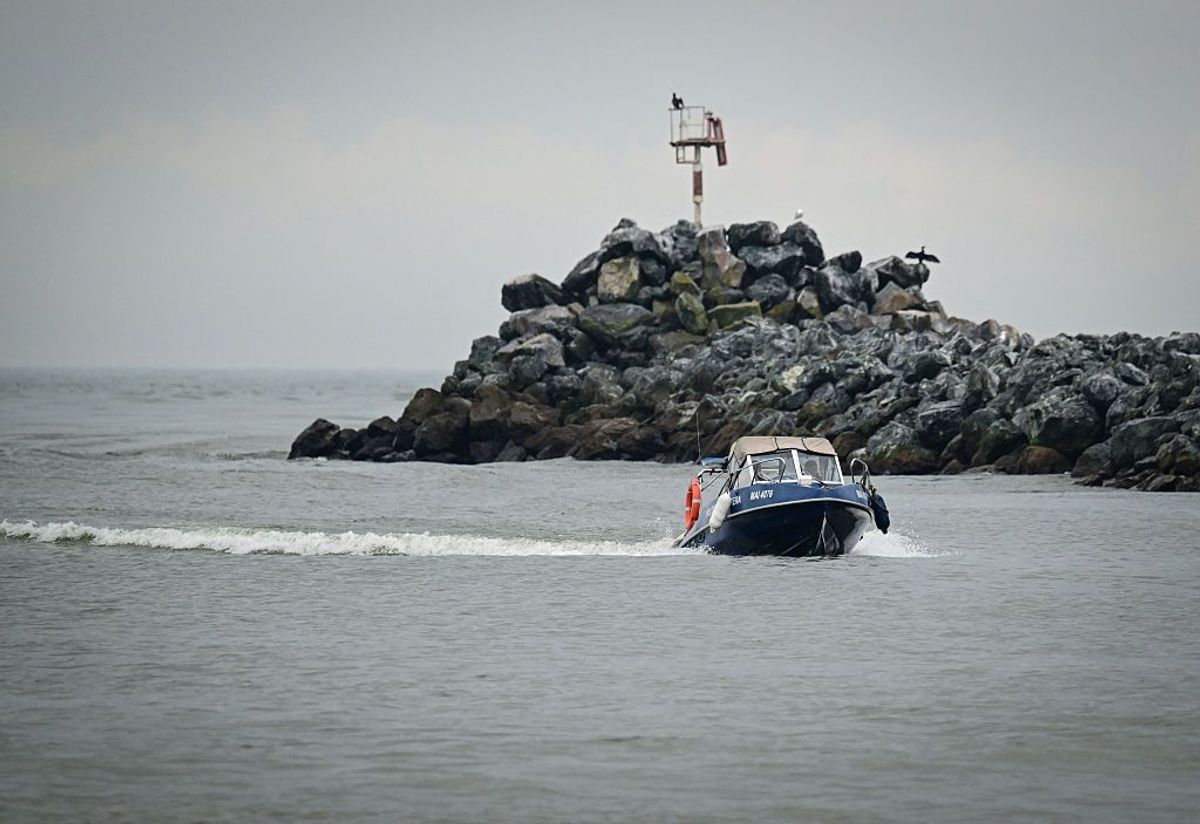
The deployment adds to Romanian naval patrols conducted by ships, helicopters and unmanned systems.
Romanian authorities are also providing navigational warnings and recommended routes to commercial vessels.
Nevertheless, additional surveillance does not automatically prevent attacks.
The practical challenge lies in detecting relatively small unmanned aircraft or maritime drones, determining their intentions and responding before they reach civilian targets.
Romania, Bulgaria and Turkey coordinate their response
The security crisis was also discussed at a trilateral meeting of defence ministers in Sofia on 28 October.
Romania’s Defence Minister, Ștefan-Radu Oprea, met his Bulgarian counterpart, Dimitar Stoyanov, and Turkey’s Defence Minister, Yaşar Güler, to examine the consequences of attacks on commercial shipping.
According to the Romanian Defence Ministry, the ministers discussed closer intelligence-sharing, improved maritime surveillance and better coordination between their naval forces.
They also reaffirmed the importance of the existing Black Sea mine-countermeasures initiative involving the three countries.
Maritime mines remain a persistent hazard because they can drift beyond their original deployment areas, endangering civilian vessels irrespective of their destination or ownership.
The trilateral format provides a practical mechanism for neighbouring countries to coordinate activities while retaining responsibility for their respective national waters.
It also gives Turkey a central role in regional discussions, reflecting its position on the Black Sea and its control of access through the Turkish Straits under the Montreux Convention.
The limits of NATO’s maritime protection
The attacks raise a complicated legal and operational question: what responsibilities do NATO members have when civilian ships are attacked near their coastlines?
The distinction between territorial waters and an exclusive economic zone is important.
A coastal state’s territorial sea generally extends up to 12 nautical miles from its baseline, while its exclusive economic zone can extend considerably further and confers particular economic and jurisdictional rights.
An attack within a NATO member’s exclusive economic zone does not automatically constitute an armed attack against that member’s territory.
Nor does every strike on a civilian ship near NATO territory automatically trigger the collective-defence provisions of Article 5.
The circumstances, attribution, location and consequences of an incident would all influence the response.
This creates a security problem in which threats can affect European economic interests without necessarily crossing a threshold requiring collective military action.
Maritime trade and energy infrastructure face increasing risks
The implications extend beyond individual vessels.
Repeated attacks can increase insurance costs, complicate shipping schedules and discourage operators from using particular routes.
They can also affect Ukrainian agricultural exports and the wider commercial networks linking Black Sea ports to European markets.
Offshore energy installations face related vulnerabilities, particularly where surveillance and response capabilities are insufficient.
For NATO, the challenge is therefore to strengthen deterrence and protection without unintentionally escalating the conflict.
France’s reconnaissance deployment and the trilateral cooperation between Romania, Bulgaria and Turkey indicate that regional governments are moving towards a more coordinated response.
However, the continuing attacks demonstrate the difficulties of protecting civilian maritime activity against comparatively inexpensive unmanned systems.
The longer-term question is whether increased surveillance, counter-drone capabilities and naval cooperation can make western Black Sea shipping sufficiently secure while the war in Ukraine continues.