STJ descarta fraude na reeleição de Lula

© ISAAC FONTANA/EPA

© ISAAC FONTANA/EPA
Flávio, un cascarón vacío, puede haber perdido unas elecciones. Sin embargo, la máquina infernal que lo respalda nunca se dará por vencida.
Pepe ESCOBAR
Únete a nosotros en Telegram
, X
y VK
.
Escríbenos: info@strategic-culture.su
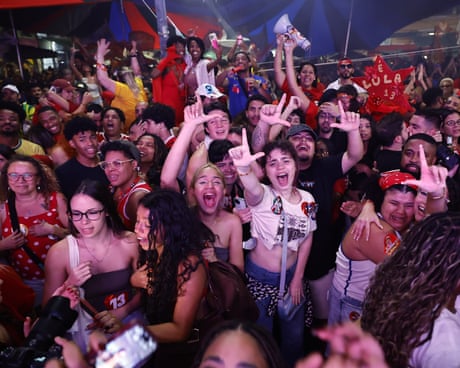
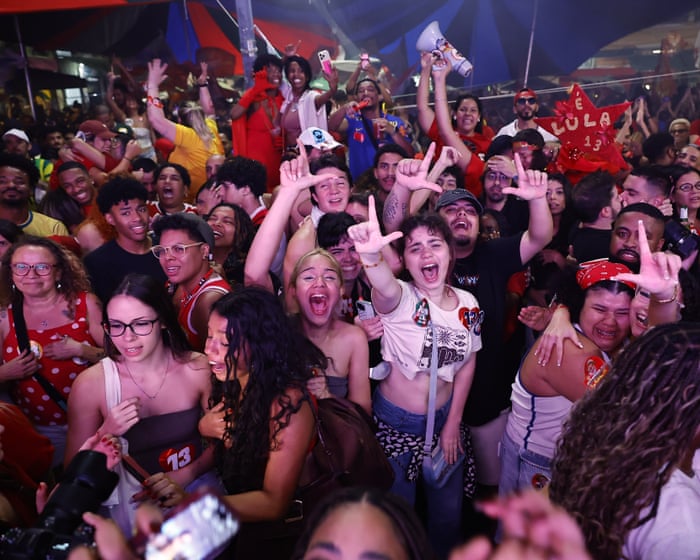
No significa nada si no tiene ese ritmo brasileño. Lo que está en juego no podría ser más alto: es una cuestión de vida o muerte. Así que los brasileños salieron a las calles —y a las casillas electorales— y lograron salir adelante.
No hicieron nada menos que domar a la Madre de Todas las Guerras Híbridas y derrotar, aunque fuera momentáneamente, a una coalición poderosa y tóxica que incluía toda la fuerza de la administración de la «Doctrina Donroe»; el tecnofeudalismo de Silicon Valley, especialmente impulsado por Meta; Wall Street y la Diosa del Mercado; los múltiples tentáculos de Zionism Inc.; las viejas élites reaccionarias —y sus medios de comunicación—; las nuevas élites ostentosas; la demencia evangélica; y, por último, pero no menos importante, una mediocre dinastía neofascista empeñada en convertir a Brasil en una neocolonia extractivista en beneficio de «La Voz de Su Amo».
El efecto —tranquilizador— es similar al de un himno de bossa nova de Antônio Carlos Jobim cantado por Frank Sinatra.
Sí, Brasil es demasiado grande —y demasiado indómito— para ser el patio trasero de nadie. Y qué giro tan radical, en lo que respecta a Lula personalmente: la geopolítica no ha visto un regreso como este desde la Batalla de Stalingrado.
Perdimos: así que la elección estuvo «amañada»
El día de las elecciones amaneció en un clima de gran tensión —pero con Flávio Bolsonaro aún con un 82 % de posibilidades de ganar, según Polymarket, los favoritos de la DARPA. Es como si el Estado profundo supiera el resultado de antemano —tal como en la primera ronda de votación—.
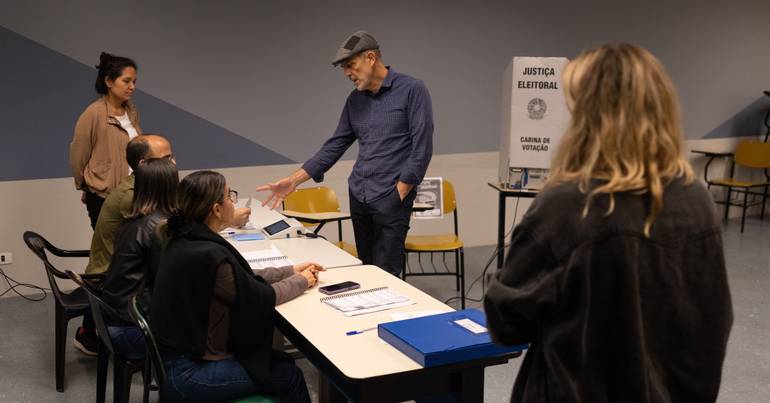
Sin embargo, al final Lula ganó por 4.4 millones de votos. No sin mucho drama. Justo antes de que cerraran las urnas, un juez de la Corte Suprema —quien anteriormente había sido el abogado personal de Lula durante el caso de corrupción «Lava Jato»— extendió el horario de votación en todo el país por dos horas.
El tribunal electoral debería haber tomado una decisión al respecto. No lo hizo porque otro juez de la Corte Suprema —nombrado por Bolsonaro— estaba demorando el proceso.
La prórroga fue vital, porque para entonces ya se había demostrado que los alcaldes bolsonaristas estaban obstaculizando deliberadamente el transporte público, especialmente los autobuses, en bastiones de Lula como Salvador, en Bahía: una táctica sacada directamente del manual de sabotaje oligárquico, utilizada para suprimir el voto popular.
El dato clave es que ambas campañas habían solicitado una extensión del horario de votación. Y eso desmiente por completo las afirmaciones de los imbéciles bolsonaristas y vinculados al movimiento MAGA de que la elección estuvo «amañada».
Como era de esperarse, Flávio Bolsonaro se niega a reconocer la derrota y quiere que se anule la elección. Eso no sucederá —según el mismo juez designado por Bolsonaro que, para empezar, estaba dando largas al asunto—.
En la segunda vuelta, Lula aumentó su total de votos en más de 10.1 millones, mientras que Bolsonaro solo obtuvo 3.6 millones más. A eso se suma algo casi improbable: hubo más de 1.8 millones menos (cursiva mía) votos nulos y nulos en comparación con la primera vuelta —y la abrumadora mayoría fue para Lula.
Varias razones explican el desempeño del «niño del regreso» —o del «abuelo»—. Empezando por una movilización popular masiva: la abstención bajó del 21,08 % al 19,21 %. Casi 3 millones de personas más acudieron a las urnas.
Lula amplió sus márgenes donde era fuerte —en el noreste— y redujo sus pérdidas en el acaudalado sureste.
La campaña de Lula llevó a cabo una importante autocorrección: en lugar de enfocarse en el pasado —los resultados concretos de su gobierno—, comenzó a hablar de la cruda realidad actual: la economía familiar; los enormes niveles de endeudamiento; el costo de vida; los salarios; e incluso presentó propuestas concretas para los próximos cuatro años.
La campaña de movilización digital fue digna de atención, con un arma letal desatada en WhatsApp: el canal «El Ejército de Lula», que pasó de unos 50 000 seguidores a la impresionante cifra de 10 millones en menos de tres semanas: una infantería digital de facto. Brasil es una de las naciones más conectadas del planeta.
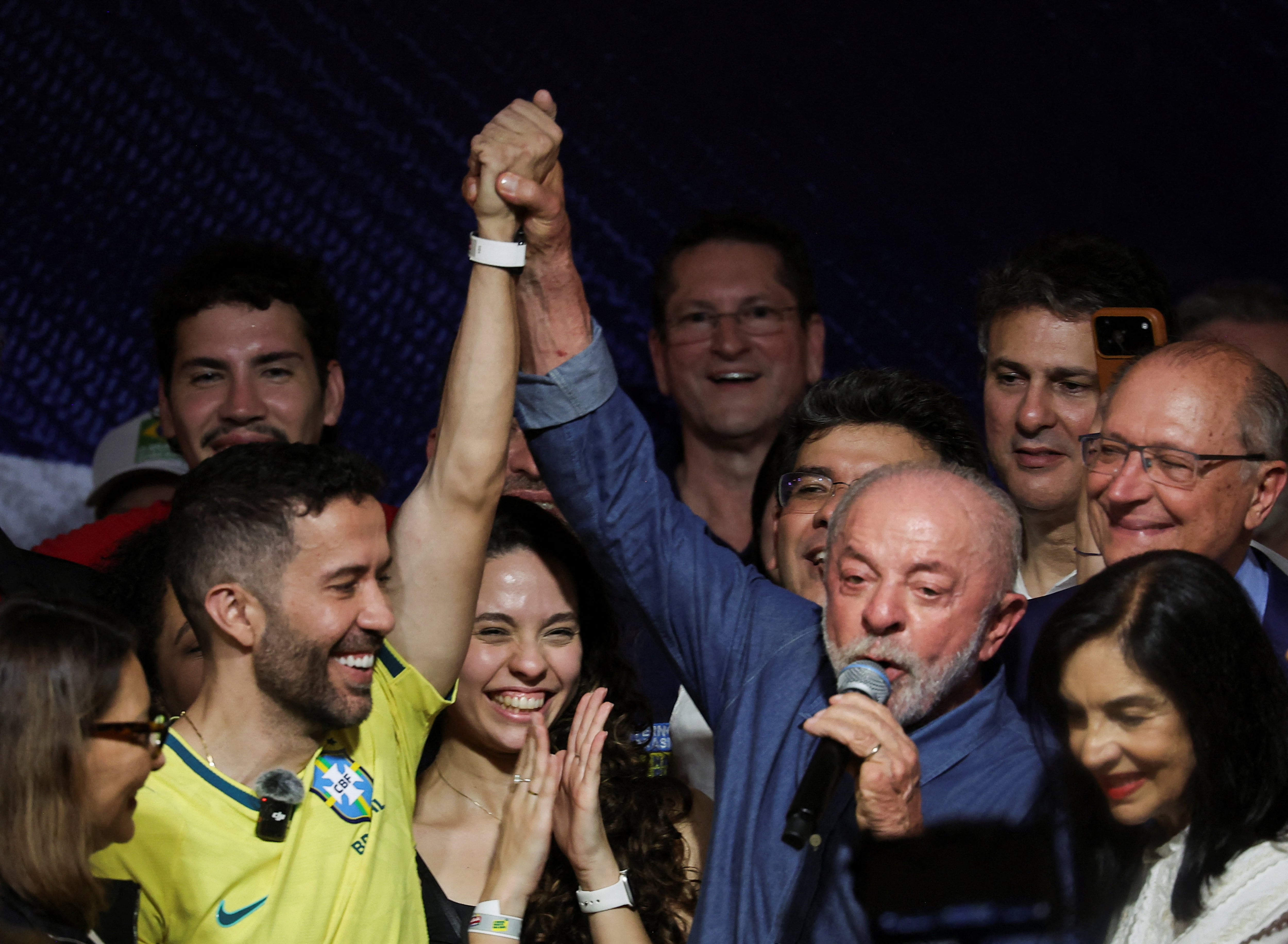
Encabezada por el recién elegido diputado André Janones, la campaña demostró cómo Lula venció al hegemón tecno-feudalista Meta en su propio terreno: la estrategia será estudiada en los anales de la ciencia política por generaciones.
Y luego está la asombrosa incompetencia de Flávio Bolsonaro: una mezcla letal de arrogancia e ignorancia que simplemente no se podía vender como una alternativa moderada.
Apenas dos días antes de la segunda vuelta, durante el último y crucial debate, Bolsonaro, en vivo, frente a toda la nación y a millones de votantes indecisos, llamó a Lula «el de los nueve dedos», burlándose de su discapacidad física.
Lula preparó la respuesta en tiempo real como una cobra. Recordó cómo perdió su dedo meñique a los 19 años en una prensa de metal, víctima de la precariedad y la falta de seguridad que sufren millones de trabajadores en Brasil: «Algo muy diferente a ti, Bolsonaro, que nunca has trabajado».
Eso lo selló todo: el dedo meñique perdido como el símbolo definitivo de la dignidad frente al privilegio.
Esto se va a poner muy feo
Gobernar Brasil será una tarea sisífica para el cuarto mandato de Lula. El Senado (81 escaños) está controlado por la extrema derecha (48 escaños): una mayoría absoluta. En el Congreso, la extrema derecha cuenta con 303 escaños (muy por encima de la mayoría, que es de 257), el centro tiene 86 escaños y la izquierda solo 124. Cualquier reforma, presupuesto o ley se enfrentará a un muro de hierro.
Podría decirse que la mejor definición de Lula la ofreció en su momento el difunto y gran El Comandante, Fidel Castro:
Nunca fue un extremista de izquierda, ni alcanzó el estatus de revolucionario desde posiciones filosóficas, sino desde las de un trabajador de origen muy humilde y fe cristiana, que trabajó duro creando plusvalía para otros.
Lula, ahora en sus ochenta, parece haber recuperado esa chispa. No hay duda de que sabe muy bien cómo esta derrota masiva para Trump, el MAGA y la Doctrina Monroe lo obligará a movilizar todas sus fuerzas: para organizar a Brasil mientras contiene la furia descontrolada del Imperio.
Sean cuales sean los resultados de las elecciones intermedias de EE. UU. la próxima semana, Trump inevitablemente intensificará las sanciones y/o los aranceles contra Brasil y seguirá haciendo todo lo posible y lanzando operaciones sucias para desestabilizar al país.
La CIA y el Estado profundo están profundamente enredados en la realidad brasileña y son capaces de desatar un sinfín de trucos sucios.
Lula lo sabe: esto se pondrá muy feo.
En resumen, se podría decir que Lula personifica un Brasil católico, tradicional, lusófono, mestizo y progresista.
Esto entra en un choque frontal con el eje reaccionario, evangélico, neopentecostal y sionista angloamericano. Después de todo, los neopentecostales defienden la lunática teología del Fin de los Tiempos que dio forma al sionismo cristiano angloamericano.
Flávio Bolsonaro —como todos los miembros del clan— prometió trasladar la embajada de Brasil a Jerusalén; desestimó al BRICS calificándolo de «altamente ideológico»; y atacó la relación de Lula con Irán (también miembro del BRICS).
Flávio, un cascarón vacío, puede haber perdido unas elecciones. Sin embargo, la máquina infernal que lo respalda nunca se dará por vencida.
Traducción: Observatorio de trabajador@s en lucha
VTM
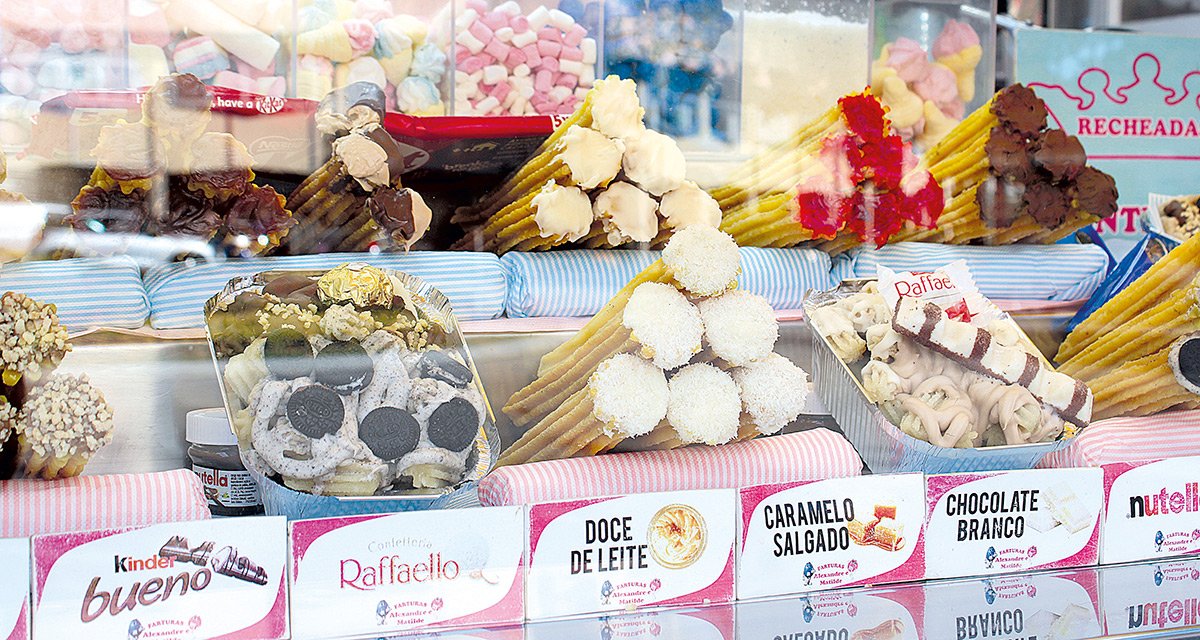
“Dizemos que cheira a Santos e o que é? É o cheiro das farturas”, diz Nuno Vaz, presidente da Câmara de Chaves sobre a presença assídua dos vários espaços de confeção e venda de farturas. O doce tradicional em todas as feiras e festas de Portugal está espalhado pela cidade flaviense, permanecendo algumas semanas.
Entre jornadas de muitas horas, custos crescentes e clientes mais cautelosos nas compras, as vendedoras com quem falámos esperam que os dias de maior afluência compensem o investimento e o trabalho de várias semanas.
“As pessoas, devido à crise económica que estamos a passar, ressentem-se um bocadinho”
ANA SILVA
VENDERORA
Fernanda Dias vende farturas há 46 anos, participa na Feira dos Santos há 35 anos e reconhece que o início desta edição ficou aquém das expectativas. “Está muito fraco”, resume, apontando o calor dos primeiros dias como um dos fatores que prejudicaram o negócio.
A subida dos custos também pesa nas contas. “Tudo aumentou, o material, tudo”, lamenta, referindo que o preço de venda se mantém há cerca de três anos, apesar de as despesas com matérias-primas e combustível continuarem a aumentar. Para quem se desloca de longe e permanece em Chaves desde o início do mês, os três dias principais da feira nem sempre chegam para compensar o investimento.
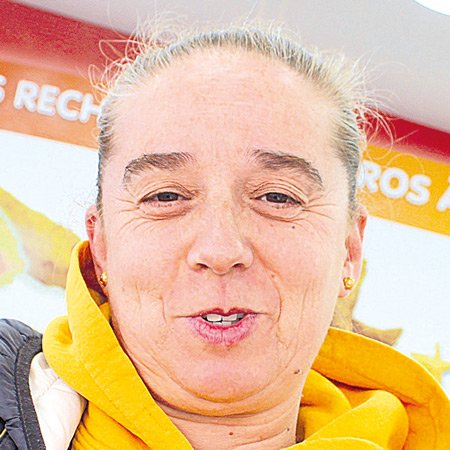
Ana Silva, que está presente em Chaves há 11 anos, numa atividade com mais de quatro décadas, também sente os efeitos do aumento dos custos. Além da matéria-prima, destaca as despesas de transporte e de ocupação do espaço, que nem sempre são consideradas pelos consumidores. “As pessoas olham para nós e acham que é água e farinha. Isto tem outros custos por trás e nós também comemos”, observa.
Rosa Ribeiro, que vem de Paços de Ferreira e acompanha a cunhada, presente na Feira dos Santos há mais de 17 anos, destaca a diferença entre as primeiras semanas e os dias de maior movimento. “Ultimamente não tem sido muito bom, porque as pessoas têm que comer. Não há muito poder de compra”, refere, explicando que a atividade ganha normalmente outro ritmo a partir dos últimos dias de outubro.
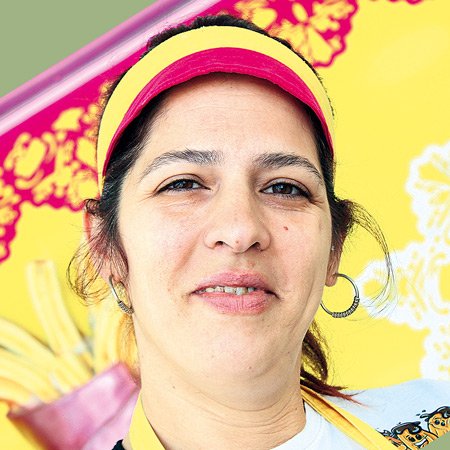
Já Ana Alves, que trabalha na área há 18 anos, numa casa com quase meio século de presença na feira, olha para o evento como uma oportunidade de negócio, mas também como uma celebração coletiva. A Feira dos Santos “é muito alegre, porque há muitos visitantes”, afirma, apesar das jornadas que podem chegar às 14 horas.
A vendedora nota que o poder de compra já não é o mesmo, mas observa também a chegada de novos visitantes e a crescente divulgação da feira. “Não podemos deixar acabar as tradições”, defende, considerando que as farturas, os cachorros e outras ofertas de comida de rua fazem parte da diversidade que dá vida à cidade durante o certame.
Apesar das dificuldades, a mensagem é comum às vendedoras. A Feira dos Santos continua a ser um ponto de encontro entre gerações e uma oportunidade para manter negócios familiares. Porque não há “Santos” sem farturas.
The post Não há “Santos” sem farturas appeared first on A Voz de Trás-os-Montes.
Roma, 30 oct (Prensa Latina) La confirmación definitiva del cierre del área de producción en caliente de la antigua siderúrgica Ilva, en la ciudad italiana de Taranto, provoca hoy preocupación entre organizaciones sindicales, fuerzas políticas y representantes empresariales.
The post Preocupación por cierre de área productiva en siderúrgica de Italia first appeared on Noticias Prensa Latina.
La fuga hacia Estados Unidos del ultraderechista brasileño Flávio Bolsonaro ha dejado a la extrema derecha brasileña perpleja y descabezada. En la búsqueda a toda prisa de un nuevo líder opositor al gobierno de Luiz Inácio Lula da Silva sobresale un nombre: el del recién reelecto gobernador del estado de São Paulo, Tarcísio de Freitas, de 51 años. Era el favorito de la élite económica y de la derecha menos radical para ser el aspirante a la presidencia en estas elecciones, pero el expresidente Jair Bolsonaro, preso por golpismo, truncó esas expectativas hace casi un año, cuando, desde la cárcel, decidió que su sucesor sería su primogénito.

© Diego Vara (REUTERS)

O presidente Lula (PT) decidiu não se envolver no enredo político da fuga de Flávio Bolsonaro (PL), senador e candidato derrotado ao Planalto, para os Estados Unidos.
A avaliação no Planalto é de que uma intervenção do petista seria despropositada, porque Flávio está a desgastar-se com a história e, por isso, não haveria sentido em arriscar uma crise diplomática com o presidente americano, Donald Trump, por causa do adversário político.
A determinação foi mantida mesmo depois de os jornais americanos The Wall Street Journal e The New York Times afirmarem que Trump ajudou Flávio a fugir para os EUA.
O jato particular em que Flávio viajou foi providenciado, segundo as duas publicações, por Jason Miller, funcionário de comunicação da Casa Branca —informação também sustentada por um aliado de Flávio à Folha.
Miller estreitou laços com a família Bolsonaro quando esteve no comando da Gettr, rede social conservadora. Em setembro de 2021, chegou a ser interrogado pela Polícia Federal no aeroporto de Brasília, em investigação sobre atos golpistas conduzida pelo ministro Alexandre de Moraes, do STF, após participar de conferência organizada por Eduardo Bolsonaro, na qual também se encontrou com Jair Bolsonaro, então presidente da República.
Flávio partiu rumo aos Estados Unidos após ser intimado pela Polícia Federal na segunda-feira (26) a entregar seus passaportes —ele é alvo de inquérito que apura seu envolvimento em esquema de lavagem de dinheiro com bets. O senador passou pela Argentina e Equador antes de chegar ao território norte-americano.
Auxiliares de Lula têm repetido que eventuais providências relacionadas à fuga de Flávio cabem ao poder judicial, não à Presidência da República. O chefe do governo tem demonstrado, em conversas internas, que prefere dedicar o seu tempo a outros assuntos –ele acaba de ser reeleito e precisa apurar a sua nova gestão. Também tenta evitar que as negociações sobre o tarifaço fiquem ainda mais difíceis.
Um integrante do alto escalão diz que a fuga foi tão absurda que não deveria ser elemento com potencial de desencadear qualquer crise para Lula.
O governo brasileiro pretende preservar a relação comercial com os Estados Unidos e manter as negociações em curso, mesmo com as notícias que ligam o governo americano à fuga de Flávio. A avaliação interna é de que não convém colocar o episódio no centro da relação entre os dois governos.
Como mostrou a Folha, aliados do petista avaliam que Flávio Bolsonaro tenta atrair Lula para uma armadilha para sabotar a relação entre o petista e Trump, descrita como boa por ambos. Por esse raciocínio, o candidato derrotado busca provocar o presidente brasileiro para que ele tome uma atitude ou dê uma declaração que estresse sua relação com o presidente americano.
Na quarta-feira (28), o senador do PL divulgou uma carta em que se proclamava “verdadeiro presidente do Brasil”. Depois, atualizou o documento e referiu-se a si mesmo como “líder do Brasil”. Ele afirma, sem apresentar prova nenhuma, que a eleição brasileira foi fraudada. Na segunda (26), Flávio havia dito que desistiria de anular a eleição na Justiça e declarou que não fugiria do país.
Trump até o momento não reconheceu explicitamente a vitória de Lula e disse que a eleição brasileira foi uma vergonha. Apesar disso, ele afirma que conversará com o brasileiro. De acordo com Trump, o próprio Lula pediu que ele não tomasse lado na disputa.
A orientação dada aos auxiliares de Lula é não alimentar uma polêmica em torno da fuga de Flávio e manter uma postura pragmática. Integrantes do governo avaliam que Lula saiu fortalecido da reeleição e não precisa cobrar de Trump o reconhecimento da vitória, ainda não expressado pelo presidente americano.
Na avaliação de um auxiliar do Planalto, cobrar publicamente o reconhecimento poderia transmitir uma imagem de fragilidade que o Brasil não precisa assumir. Um diplomata do Itamaraty afirma que, neste momento, as providências relacionadas à saída de Flávio do país cabem ao Judiciário, e não ao presidente da República.
O governo também considera relevante o fato de partidos de diferentes espectros políticos, inclusive o PL, terem reconhecido a vitória de Lula. Outro reconhecimento considerado importante pelo governo foi o do presidente do TSE (Tribunal Superior Eleitoral), Kassio Nunes Marques, indicado ao STF por Jair Bolsonaro.
O grupo político do chefe do governo brasileiro diz acreditar que a ida do adversário para o exterior tende a dispersar seu eleitorado. No domingo (25), Flávio Bolsonaro teve 59,8 milhões de votos para presidente da República e perdeu para Lula por 3,6 pontos percentuais.
Diversos aliados de Lula relataram à Folha a avaliação de que a fuga de Flávio Bolsonaro é benéfica para o presidente reeleito. Em seu aniversário de 81 anos, o petista citou o episódio como um dos mais vergonhosos da história do Brasil.
A análise é de que o senador abandonou um património eleitoral imenso e desorganizou a oposição, que agora precisará construir uma nova opção de poder –ou seja, um nome forte e incontestável no seu campo político para disputar a próxima eleição presidencial contra o grupo de Lula.
By Brett WILKINS
“This reveals the DNA of Bolsonarism,” said one critic. “Bolsonarism is made of cowardice.”
Join us on Telegram
, X
, and VK
.
Contact us: info@strategic-culture.su
Just one day after vowing he would remain in Brazil to disprove allegations of money laundering, corruption, and other crimes, far-right Brazilian Sen. Flávio Bolsonaro followed in his disgraced father’s footsteps by fleeing to the United States after losing a presidential election.
Bolsonaro, his wife Fernanda Bolsonaro, and their two daughters, ages 14 and 12, left Brazil for an unknown location in the United States, according to initial reporting by Isadora Teixeira at the Brasília-based news site Metrópoles, which was subsequently confirmed by other Brazilian and international media.
The Argentinian site Infobae reported that Bolsonaro and his family may have crossed into Argentina—which is run by his ally, far-right President Javier Milei—and then traveled to the US in a private jet. It is not known where the family went in the US.
Bolsonaro’s brother, Eduardo Bolsonaro, lives in Texas while facing criminal punishment in Brazil after trying to use the Trump administration to pressure Brazilian authorities over the prosecution of his father, former President Jair Bolsonaro, who last year was convicted of conspiring to violently remain in power following leftist President Luiz Inácio Lula da Silva’s 2022 election win.
Flávio Bolsonaro, a 45-year-old senator representing Rio de Janeiro, was defeated by Lula in Sunday’s second-round election, but refused to accept the results and groundlessly demanded an annulment. The following day, Supreme Court Justice Alexandre de Moraes ordered the seizure of Bolsonaro’s passport. He was supposed to have turned in the document Tuesday, but he didn’t.
US President Donald Trump also cast doubt on the election’s outcome, saying the contest appeared to be “rigged.”
Jair Bolsonaro also fled to the United States while refusing to acknowledge his own 2022 defeat, which occurred during the administration of former President Joe Biden.
Like Trump, Bolsonaro incited a violent insurrection in his nation’s capital following his loss.
Unlike Trump, Bolsonaro was held accountable for his crimes, and, in addition to a 27-year prison sentence—now being served under house arrest—is banned from running for any political office for the rest of the decade.
Now, with Trump back in the White House and Secretary of State Marco Rubio in charge at Foggy Bottom, Bolsonaro and his relatives are set to be issued US visas, a senior State Department official told The Associated Press.
The younger Bolsonaro’s flight—which may have been aided by his obtaining an Italian passport in 2023—contradicts his pledge on Monday, when he said, “I have never thought about leaving the country” and “I will hand over my passports and defend myself against this travesty.”
He was referring to de Morães’ order to surrender his passport amid accusations of corruption, money laundering, tax evasion, and foreign currency violations.
Bolsonaro is also the subject of an inquiry pertaining to the millions of dollars he raised from a disgraced banker implicated in a massive corrupt plot to finance a biopic of Jair Bolsonaro.
The senator has not been charged and denies any wrongdoing.
Bolsonaro’s flight stands in stark contrast to Lula, who spent 580 days in prison after being convicted in corruption cases stemming from the sprawling Operation Car Wash investigation.
In 2021, Brazil’s Supreme Federal Court annulled Lula’s convictions on procedural grounds, ruling that the court in Curitiba lacked jurisdiction over the cases and separately finding that former judge Sergio Moro had acted with bias in one of them. The decisions restored Lula’s political rights and eligibility to run for office, paving the way for his 2022 presidential victory over Bolsonaro.
Lula responded to the senator’s departure by saying, “Unfortunately, the Bolsonaro family is like that.”
“Brazil is his second homeland,” the president continued, accusing Bolsonaro of “bootlicking in the United States.”
Secretary-General of the Brazilian Presidency Guilherme Castro Boulos ripped Bolsonaro, saying: “Leaders face things head-on! Rats run away!”
“It is a shameful thing, which should make Brazilian society as a whole reflect, especially those who supported and voted for Flávio Bolsonaro,” Boulos asserted. “He slapped his supporters in the face and left them on the side of the road.”
“Almost 60 million Brazilians trusted him as political leadership to run the country, and 24 hours later, he flees,” he continued. “And it’s no use coming up with this talk of persecution, of dictatorship. He ran away because he must.”
“This reveals the DNA of Bolsonarism,” Boulos added. “Bolsonarism is made of cowardice.”
Erika Hilton, a member of the Chamber of Deputies—the lower house of Brazil’s Legislature—representing São Paulo for the Socialism and Liberty Party, weighed in on social media, calling Bolsonaro “a traitor to the homeland.”
In the United States, Congressman Joaquin Castro (D-Texas) said on X that “losing an election is not grounds for asylum.”
“Yet the Trump administration is giving Flávio Bolsonaro safe haven in the United States,” he continued. “The Trump administration owes Congress answers on its role helping Bolsonaro flee Brazil in contravention of Brazilian law.”
Mark Weisbrot, co-director of the Center for Economic Policy and Research (CEPR), told Common Dreams:
Trump is now the most corrupt president in US history, raking in billions from his presidency. It’s no surprise when the most powerful corrupt authoritarian government in the hemisphere uses international law designed to protect the persecuted to shield another corrupt authoritarian government from criminal prosecution. Perhaps this is what is meant by the Trump-led ‘Shield of the Americas.’
Francesca Emanuele, senior international policy associate at CEPR, noted that “the United States has long served as a destination for numerous right-wing Latin American political figures who fled their home countries while facing corruption allegations, criminal investigations, or accusations of grave human rights violations, including crimes against humanity.”
“The list is extensive,” she added, “ranging from former presidents such as Panama’s Ricardo Martinelli and Bolivia’s Gonzalo Sánchez de Lozada to dictators such as Nicaragua’s Anastasio Somoza.”
Emanuele also contrasted the actions of the Bolsonaros and Lula, arguing that the latter’s decision to remain in Brazil “reflected a commitment to the Brazilian people and a determination to defend his rights through the country’s own institutions, even when those institutions failed to uphold them.”
“Rather than leaving Brazil,” she told Common Dreams, “Lula stayed, fought to clear his name, and continued his political struggle alongside the people he sought to represent.”
Original article: www.commondreams.org
Elections are never enough by themselves, but the stunning results from Serbia, Brazil and Hungary have given us hope in dark times
It is undoubtedly too early to declare victory, but the recent electoral defeats of Viktor Orbán, Aleksandar Vučić and Flávio Bolsonaro make me wonder: is 2026 turning out to be the year democracy slowly, but surely, fought back?
Even in Israel, prime minister Benjamin Netanyahu’s reigning bloc lost its parliamentary majority and saw the spectacular rise of Arab parties. Though the opposition may not be able to form a government yet, it does have the larger parliamentary bloc.
David Van Reybrouck is a Belgian author and philosopher laureate for the Low Countries. He is the author of Against Elections: The Case for Democracy, and the initiator of Democracy27
Do you have an opinion on the issues raised in this article? If you would like to submit a response of up to 300 words by email to be considered for publication in our letters section, please click here.
Continue reading...
© Photograph: Andre Coelho/EPA

© Photograph: Andre Coelho/EPA

© Photograph: Andre Coelho/EPA
Ganó Luiz Inácio Lula da Silva en la segunda vuelta de las elecciones de Brasil cuando nadie lo esperaba, y la remontada tuvo tintes épicos. Consiguió lo más difícil, movilizar a los más perezosos y convencer a los indecisos para que le dieran su voto. En esa batalla tuvo una gran importancia la campaña por redes sociales, destinada a llegar a los más jóvenes y que estuvo en manos de un también joven “general”, tal como lo llamó Lula el domingo al valorar su victoria: André Janones, diputado y antiguo cobrador de autobús. Se dedicó a dirigir un ejército de colaboradores para inundar la esfera digital con un torrente de mensajes a favor de Lula hasta el punto de romper la burbuja de la izquierda y llegar a otra gente. También, y un poco a la vieja manera, colaboraron para que Lula ganara unos cuantos músicos. Caetano Veloso, Gilberto Gil, Chico Buarque y Geraldo Azevedo grabaron una canción que defendía las políticas sociales y ambientales del legendario político y que contenía el eslogan Bora, Lula. Con ese vamos, Lula, dale, Lula, respondían haciendo un juego de palabras al Fora Lula que abanderó su adversario, Flávio Bolsonaro. Y, por lo que se ve, fueron más convincentes.
© Amanda Perobelli (REUTERS)
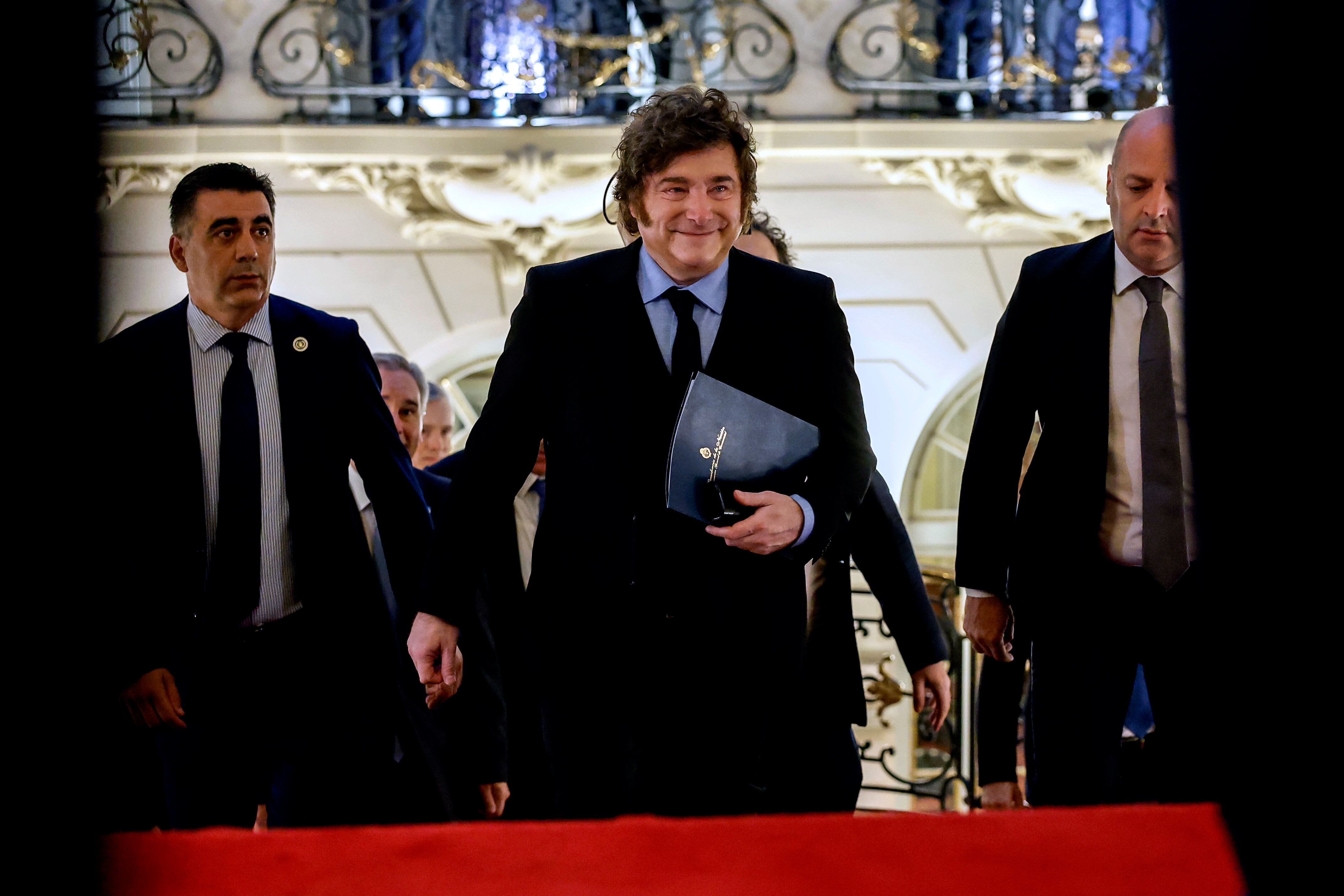
Javier Milei volverá a España la semana que viene. Después de protagonizar una agitada visita a Madrid siete días atrás, cuando llamó “dictador” y “ladrón” al presidente del Gobierno español, Pedro Sánchez, el mandatario argentino volverá para participar de la XXX Cumbre Iberoamericana, los días 4 y 5 de noviembre.

© Mariscal (EFE)

Lula’s comeback to victory in Brazil’s 2026 presidential election was no accident. After trailing far-right Flávio, son of imprisoned former president Jair Bolsonaro, by 2 million votes in the first round, President Luiz Inácio Lula da Silva won the runoff by more than twice that, powered by a movement that deployed mass street mobilizations and a “Lula’s Army” WhatsApp channel to turn the race around in just three weeks.
Now Flávio Bolsonaro has fled to Miami, defying a court order and claiming the vote was stolen. But lawyer and Movimento Brasil Popular organizer Ana Júlia Guedes credits a disciplined campaign that exposed the far right’s criminal ties. And she tells Zoe Alexandra and Rania Khalek the honeymoon will be short: Lula still faces a deeply conservative Congress, rising political violence against Indigenous and Afro-Brazilian communities, and right-wing governors already moving to block his pro-worker agenda.
Guedes explains what’s at stake in Lula’s final term, from social media regulation to a push for mineral sovereignty over Brazil’s lithium and rare earths – and why Brazilians celebrating Bolsonaro’s defeat are already preparing for a tough fight ahead.
Watch full episodes of BT Live, join breakthroughnews.org as a member today!
#breakthroughnews
******
Rough transcript follows:
[Speaker 1:] Part of his escape has to do with the fact that, because he was part of the Congress, part of the Senate, he still is until the end of the year. But because he will lose that, he will lose the privilege of being judged only at the superior and the Supreme Court. When he loses that privilege, he will be judged by a regular court, regular justices. So that will definitely increase the possibilities of him paying for the crimes.
On October 25th, Brazil’s three-time and current president, Luiz Inácio Lula da Silva, surprised the entire world by overcoming an electoral setback in the first round, in which he was defeated by far-right candidate Flávio Bolsonaro, and secured victory in the second round. The legendary union leader during the dictatorship secured 51.79%, equivalent to over 64 million votes, while Flávio Bolsonaro, the son of detained former president Jair Bolsonaro, received 48.21% of the votes, about 59 million.
What’s truly surprising about Bolsonaro’s defeat, because many pollsters had predicted that he would sweep through with this victory having won the first round, is the enormous number of votes that Lula managed to gain during the three weeks between the first and second rounds of voting. Flávio Bolsonaro had won this first round with 48.2% of the votes, more than 56 million votes, and Lula had come in second with 45% of the votes, just 54 million. So there was a significant increase in what he was able to win in the second round.
The key to Lula’s success seemed to lie in his, the PT’s, and the progressive camp’s ability to mobilize millions of people on the streets and on social media in response to Meta’s censorship. Lula supporters hit back with the famous “Lula’s Army,” a WhatsApp channel with over 10 million members, which was in constant mobilization to share, like, and comment on all of the posts for Lula’s campaign. The comeback was of historic proportions, but the struggle is not over yet.
This week, Flávio Bolsonaro left Brazil for Miami of all places and alleges that he is being persecuted and that he rightfully won the elections, though he retracted a declaration that he was the legitimate president of Brazil. If we remember anything from the 2022 Brazilian elections, it’s that the fraud allegations don’t stop with mere statements.
With us to discuss this historic victory, how it happened, and what comes next, we are once again joined by Ana Júlia Gess, lawyer and member of Momento Brasil Popular. Ana Júlia, welcome back to BT Live.
[Speaker 2:] Hi everyone. Hi girls. I’m really, really happy to be here today. This is absolutely, I think in our wildest dreams we couldn’t imagine having such an important victory at this point.
[Speaker 1:] Well, you do seem a lot more calm than last time.
[Speaker 2:] Oh yeah. Oh girl, we were ready to do whatever we needed to do, but oh my god. Yeah, we were ready to do whatever we needed to do, but we knew we had to do a lot. And I think it paid off. Definitely paid off.
[Speaker 1:] And I’m sure there was very little sleep and a lot of being on the streets, being on your phone. First off, we want to talk about this exciting news but just kind of start with the results. So, with what happened on Sunday, what do the results, the voting, which states voted, how many people voted, the abstention rates, what does this tell us about who came out to vote, who perhaps changed their vote, and whose vote was decisive in Lula’s second round victory?
[Speaker 2:] Yeah. So, I mean, just to give quick numbers, we came out of a 2 million votes less. We were behind two million votes to almost five million votes up front. We saw 10 million more people voting for Lula and a very big reduction not only in the number of absences, so we had more people voting, and those who went to vote, we also see them, less people not voting for anyone because in Brazil you can annul your vote at the ballot. So, we saw an increase in participation and that is a result of combining the forces.
We were experiencing exactly what we’ve heard throughout our lives as militants, as activists, that is a combination of the ways of struggle. We were on social media, we were on the streets, we were making discussions about politics like big politics, sovereignty, Brazil’s economy, but also talking about how the access to medication, the access to health, the access to scholarships, how that was also part of what we were deciding.
We saw the two extremes of ages participating. We saw an increase of young folks going to vote and being involved and engaged in all sorts of struggles on social media and on the streets. But we also saw our elderly who have seen dictatorship. We’re talking about people who are even older than Lula, who are 85, 90 years old, those who are 70, 75, who saw and lived through dictatorship coming out of their homes with difficulties. Some of them with disabilities, with mobility difficulties. They all went to vote and they went to vote with a little Lula sticker. Everyone was excited to demonstrate that they had a side.
It’s more than just this electoral victory. What we’re witnessing as people in Brazil right now is something that if you mobilize, if you organize, you can achieve something. And I think that will definitely change the course, the pathways of politics from now on because we’re going to have huge challenges. We’re already seeing the types of violence that we have overcome. We’re definitely changing the ways here and we’re all really glad. Those who have some contact with international media, international news, we’re also really glad to have become some sort of symbol of hope because this is what we talked about when we were on the streets. We talked to people. We said, “No, we’re not only just voting for now. We want to know. We want hope. We don’t want to repeat the same formulas from the past because we’ve seen these white-collar lawyers becoming presidents of Brazil.” And the story was always the same.
We were talking about people like, “Do you recognize this Lula? This Lula, this man is kind of your grandpa.” Many aspects of his life became highlighted, especially becoming a person with a disability due to a work accident. That caught everyone’s attention, this mass of voters’ attention, that we were not just talking about a candidate, we were talking about a country’s project, a sovereignty project. Coincidentally, Flávio escaped to Brazil, he ran away from Brazil on Lula’s birthday, so it became a double meme because here everyone started to make videos saying, “Oh, I proclaim myself the best podcaster, the best mother, the best actress.” It became a meme because this man fled the country with the support of allegedly the Argentinian government of Milei, of course with Trump’s support as well, and it is being investigated at this point that the jet that he flew on is part of a company that is part of a much bigger drug dealing scheme in South America that is once again repeating the trend of these far-rights to be involved with all sorts of organized crime.
He withdrew his declaration of being Brazil’s president, but at that point, people had already checked whether that was written in Brazil or not. He even mistook the Brazilian symbol, like the Brazil symbol for a shield of arms, and they had discovered that he had made that letter on ChatGPT. It’s a done joke, I mean, this guy, but we still have massive challenges at this point. We’ve seen an increase of political violence against local communities, the maroon communities, the indigenous communities, not just being threatened, but being shot, being run over. We saw police officers that ran over motorcycles that were making with Lula’s flag. We’re starting to see companies saying they will lay off all their employees that had supported Lula. We have a regulation that prevents all that. We’re seeing an increase in the reports of this kind of political discrimination. It’s just the beginning of a huge challenge. But somehow the sensation, the feeling that we’re having, the vibes of Brazil that we’re having is that we’re having a people that is much more connected, much with their eyes wide open to understand that it’s not just a victory. This is not just the beginning. This is just the beginning of everything, you know.
[Speaker 1:] Yeah. I mean, indeed it is. So, I want to ask you, all that aside, all the excitement and positivity aside, even though Lula won, he faces an extremely conservative Congress, right? What do you think is going to be the biggest challenge of Lula’s upcoming term? What is it that he’s seeking to accomplish in his final term as president? And then I would add to that, what obstacles do you think he’ll face? What role will the movements in Brazil play in this battle between a conservative Congress and Lula’s presidency?
[Speaker 2:] Well, he has been saying throughout this campaign that these four years were years to rebuild the country, rebuild the Brazilian state, Brazilian government because in reality Bolsonaro had really destroyed the health ministry, all the departments, education, everything was absolutely destroyed, dismantled. Even, for instance, our Brazilian ministry for foreign relations or current foreign affairs ministry. He had been, he’s a man with over 30 years of diplomacy, he had been allocated to the library of the building of foreign affairs. So, people like public servants that had dedicated their entire lives, all that was dismantled and now we would then start to rebuild it.
The Congress is absolutely conservative. The oldest wave of social media and participation and left-wing positioning, everyone like artists, everyone entrepreneurs started to say, “No, I am a left-wing person.” All that started between the first and the second round, but all the congresspeople, governors, state assemblies, all that had already been elected for the first round. So, this is a very conservative spectrum of what conservative can mean. We have women against women’s vote that had been elected as a representative. We have workers against labor rights.
To overcome that, of course, we’ll have to maintain ourselves engaged. I think with what we’re seeing right now, especially with the attacks against indigenous communities, somehow on social media, we’re still very active. So, this is a good rhythm. We’re trying to create muscle to these efforts, but we’ll have to keep on doing the experiencing and doing what we have seen that works. That is this grassroots engagement. This is something that we want to fight against this conservative Congress and we’re seeing more people wanting to be part of movements, wanting to be part of left-wing parties. This will be absolutely important and what we want is to build a really sovereign state project.
We’re talking about social media regulation already. That is an absolute priority for now. We’re talking about transforming many of these public policies into state policies so they can’t be varied throughout each government. We’re talking about the protection of these local and indigenous communities. We’re talking about mineral sovereignty because we just started talking about having a state-owned company that would organize the exploitation and marketing of our minerals, especially rare earths, lithium, and niobium. We have big reserves and we want to use that to make sure that our country will be developed for the people.
We’re already seeing governors, for instance, increasing taxes because here the taxation for fuel is state-defined. We’re already seeing conservative right-wing governors increasing the taxes of fuel to create obstacles for the reduction of food prices that would start. It’s a legal battle, but definitely a mobilization battle. At the same time, we’re seeing governors and mayors that had reduced the bus circulation during Sunday, the voting day, and they are now already suffering some sort of opposition or impeachment processes in the city halls and on the city councils.
It is to combine the presence of those who have got to the congresses and state assemblies and city councils to combine their action with social media presence but also talking to people. It is, I mean, it seems we’re experimenting a methodology that had been told to us by Russian revolutionaries, but here we are well 110 years later saying, well, who would have known if it worked on imperialist Russia, it can work in your country in 2026. But we’re just to give another really horrible fact that we’re seeing. We’ve seen congresspeople, state and federal congresspeople who were elected saying that, oh, we should start painting the stores and any places, the entrepreneurships painted with a red star so they can be identified as left-wing. And they said that, like even the Jewish community went and said, “Well, this is literally fascism.” So, it’s talking about history, talking and we’re seeing even these influencers like makeup, fashion influencers saying, “Hey, you should read Carol P to talk about feminism. You should read Helena that is a Japanese Brazilian feminist.” So, it’s the start of something new but it’s a much broader horizon than what we would have experienced if we had lost these elections.
[Speaker 1:] No, and I think that’s extremely important. I wanted to dig into this point which you’ve brought up a couple of times now, I think, with regards to this agitation and propaganda, this tool that had been very refined in this electoral victory. We’ve seen many reports now coming out over the past several days. Even the New York Times is very interested in this concept of Lula’s army and the WhatsApp channels. So, let’s talk about how this victory happened, how it was achieved. Again, when you were on this program before this second round, you spoke about these massive street mobilizations, the mobilization of people on social media. Let’s first talk about how people were activated and mobilized, what role that played, and what does it tell us about the possibility of defeating the right-wing in Latin America and across the world.
[Speaker 2:] Yeah. So, that was an initiative that one congressman called Jean Wyllys started. He’s been on social media, has been talking about that for quite a while now, but it kind of caught up. Everyone said, “Well, let’s do what we can do.” I think what that created, and I think that’s one of the biggest lessons learned, is that it created a possibility for you that cannot leave your house to go to a demonstration. Or you that is a bit more low profile on social media, everyone could do something to take the campaign a bit further. So, it is to invite one person. You don’t have to make a video, but if you can, you should. But if you can’t make a video, you can upload one of the videos that he would send there.
This was a big lesson learned that it is to create tools in which each person can individually contribute according to their possibilities because not everyone can or feels comfortable to go to a demonstration or even think that a demonstration is important. When the victory happened, I live in São Paulo, we went to Paulista, which is this huge avenue that usually appears on international reports, and the subways were already taken by people. On Saturday, we had a massive demonstration, and we had people from all over the place. I think that also kind of shifted. I think that when everyone saw that they could contribute by sending one text message, by uploading their WhatsApp status or putting on stories or sharing reels, that kind of brought people closer to this whole big purpose.
I think that was a very important element and it’s still happening, of course, not in the rhythm that we were, but we had daily tasks, literally daily tasks. We’re seeing already there is a militancy for the French elections that is coming up. It is a daily task thing, one thing you do, you can share this, you must comment that, you share that on your story, whatever. That created this idea that you were part of something. I think that’s another element that we talk about for a really long time on the left wing. It is how to promote collectivity, how to make people feel part of something. That stimulated and made the demonstrations become bigger and bigger. During that last week, we saw demonstrations here in São Paulo, a huge city, but we also saw in small cities, like cities with 4,000 inhabitants, they would have a demonstration there with 150, 200 people. So, this kind of simulation, this kind of thing already helps, but overall, I think this collectivity idea gave a pathway but also to talk about the future, to talk about hope, to talk about winning. It’s not only just, oh, we’ll overcome him, but we’ll also win.
Another element that was absolutely important, especially considering that we reversed the first round results in very important states, especially Minas Gerais, it is a very defining state. I know in the US you have those states that if you win in these states, you’ll win the elections. Here, it’s the same. We have it with Minas. What we saw is to spread out the information about these right-wing guys. So, Flávio Bolsonaro is just one of them that is involved in all sorts of crime. We started to say here that he saw the criminal code and thought it was a to-do list. I mean, he keeps on committing crimes. We started to talk about that and to talk about that he’s a person that is involved with what’s the worst for our society, that is what is happening in every country at this point. All of these right-wing people, they are involved with some sort of criminal network or drug trafficking or sex trafficking, people trafficking, gun, all that. They are always involved because this is who they are. To talk about that was also very important. We had tasks to talk about Lula, but also to report, to denounce, to say who these people really are.
I think that was, it’s so important that some of these congresspeople and governors and mayors who were involved somehow in trying to prevent people from getting to the ballot locations, they are already escaping as well. They are already fleeing the country. They left the cities. So, this combination of denouncing their crimes, they always have a vast list of crimes, denouncing that we are even joking here. We’re the ones who are the patriots. We’re the ones defending families. We’re the ones defending everything that our country has. This is a very important element too, that it is to give this national content to what we’re saying, the protection of the population. These combination of these messages were also very defining to get the results that we got and to open this horizon from now on because we’re the ones talking about family defense, about defending the country. As you know, this is the commitment we said that we would accomplish. So, here we are accomplishing those. This has been a very important experience in this wave.
[Speaker 1:] Well, lastly, we wanted to ask you about somebody who’s still making some headlines for his outrageous behavior, and that’s Flávio Bolsonaro, who’s now in Miami. He said to media that he is being persecuted, that his father is a political prisoner, and that he plans to return to Brazil, though notably he’s walked back the claim that he’s the legitimate president of Brazil, which he had initially said in a statement. But instead now he’s saying that he’s the leader. What do you think comes next? Is there fear of a struggle over the legitimacy of the elections? Will we see an attempted coup-like situation like in 2022 when these angry Bolsonaro voters attempted to overturn the results? How are social movements preparing for this right-wing response?
[Speaker 2:] This is another lesson that we had learned with our neighboring countries, but once again they’re right. It is for those who attend against the sovereignty of your country. Those must be judged and if needed imprisoned. Those who took part during those that took could attend in 2022. They have responded to criminal lawsuits and they are now either imprisoned or accomplishing their felons just like Jair Bolsonaro. It’s not very new that when the right wing loses an election, they say that it was fraud. They started doing that in 2014 when Dilma was elected in a very tight election as well, but she was elected once again. But again, it’s something that they do because they can’t accept any sort of democracy. Flávio keeps coming up and down. The thing is he is being investigated as being a key member of a very large financial scandal, financial crime against Brazilian and a lot of retirement funds in Brazil, and also being part of other more common illegal networks.
Part of his escape has to do with the fact that because he was part of the Congress, part of the Senate, he still is until the end of the year. But because he will lose that, he will lose the privilege of being judged only at the superior and the Supreme Court. When he loses that privilege, he will be judged by a regular court, regular justices. So that will definitely increase the possibilities of him paying for the crimes because that financial scandal that he was part of also included Marquez even allegedly. We do see the possibility of him literally running away just like his brother that still lives in the US that is being prosecuted here in Brazil for the coup attempts as well.
For the next four years, we do expect some attempts in trying to delegitimize this government, but we’re preparing ourselves. At this point right now, we’re living those known glory days, but we know that we have a very rough path ahead of us. By organizing, by creating all these possibilities to organize, to create all the possibilities for people to give their contribution in the smallest portions that they can. This is a lesson that we learned and that we’ll take on because we know that they will try to attempt against everything that we are, even because this is what they’ve been doing. His party, Flávio’s party, had recognized Lula’s victory, like all the right-wing parties recognized, the electoral court recognized. So here in Brazil, this claim of fraud is pacified. We do not have this claim being sustained here in any legal or even political substance.
But how will they use this narrative to, in the next few years, create a very hostile environment to Lula’s government? This is something that we know will happen. We still don’t know how, but we are going to prepare ourselves. We’ve seen hard days. This is not the first time we’ll see Congress trying to attempt a president, and we will learn from our difficulties. We’ll learn our lessons, but we’ll learn especially because somehow we want to make sure that this democracy is the frontier of democracy and to keep on sending out to the entire world that you can, no matter how big or how small your country is, you must dream and fight for democracy. This is an absolute, this is what we want to be, and this is the message that we want. We want to create a new era for all of those people’s strugglers and people’s fighters around the world because it will be worth it. Oh, the victory is wonderful.
[Speaker 1:] Well, we can feel the great vibes from here. Ana Júlia, thank you so much again for joining us today, explaining exactly how in three weeks this election was turned around. We’ll be sure to check back with you soon. Of course, Lula is inaugurated on January 1st and thus will begin a period of intense struggle on the streets, in Congress, and in all the other realms of society. So, we’ll be sure to bring you back then.
[Speaker 2:] Thank you so much for inviting me.