Slovakia reopens criminal case over donation of fighter jets, air defense systems to Ukraine


par Francesca DE VILLASMUNDO
Le président ukrainien Volodymyr Zelensky a fermement mis en garde les dirigeants européens contre toute tentation de lever ou d’alléger les restrictions visant Moscou.
La côte du président ukrainien Volodymyr Zelensky est en chute libre aux États-Unis
Lors du sommet européen tenu à Bruxelles les 15 et 16 octobre 2026 et dans un entretien vidéo de ce même mois octobre, le président ukrainien Volodymyr Zelensky, dont la côte aux États-Unis est en chute libre, a mis fermement mis en garde les dirigeants européens, ses derniers alliés sur la surface de la terre. Alliés de plus en plus esseulés et eux aussi dans la ligne de mire de Donald Trump, qui peut leur couper les vivres énergétiques comme bon lui semble en raison de leur obstacle à la paix en Ukraine. Car, après s’être coupés du gaz et pétrole russes, à peu près 50% de leurs ressources énergétiques, les Européens se sont tournés vers le géant américain, dont ils dépendent maintenant pour une trop large part.
Sentant le vent tourné contre lui, Zelensky a donc menacé les Européens, si ceux-ci venaient à lever les sanctions contre la Russie, sans tenir compte qu’il dépend cependant grandement d’eux pour le financement de son pays ruiné et les armes.
Menaces de Zelensky contre les Européens s’ils suivaient les traces des États-Unis : «Nous réagirions définitivement»
Ainsi, ce dernier a-t-il déclaré lors de ce sommet et dans cet entretien vidéo :
«Pour l’instant, je ne vois aucun grand pays européen sérieux — et je le dis sérieusement pour tous les pays — dont l’économie européenne soit au point mort. Les pays à forte économie ont une plus grande influence aux États-Unis. C’est pourquoi je ne vois aucune demande immédiate de leur part concernant la levée des sanctions et le rétablissement des alliances énergétiques avec la Fédération de Russie. Je ne le vois pas car nous réagirions. Je réagirais».
«Nous réagirions définitivement», a-t-il lancé avec gravité à l’adresse de l’Europe si une telle décision venait à être prise.
En résumé, le président déchu affirme qu’à l’heure actuelle, aucun pays européen majeur et sérieux ne lèvera les sanctions contre la Russie ni ne rétablira les partenariats énergétiques avec Moscou. Cependant cette hypothèse doit tout de même être discutée dans les couloirs feutrés des chancelleries, et entre Washington et l’Union européenne, pour qu’il se permette de lancer des menaces, vagues et donc potentiellement dangereuses, envers les Européens dont qu’il dépend cependant grandement pour le financement de son pays ruiné et les armes. Mais l’impudence est le fait des ingrats et des corrompus, ce qu’est décidemment le président ukrainien…
source : Médias-Presse-Info
Publié à l’origine par Réseau International
O envio de cidadãos colombianos para conflitos no exterior expõe a vulnerabilidade de antigos militares, a atuação de redes de recrutamento e a incapacidade das autoridades de oferecer respostas adequadas às famílias dos desaparecidos.
Únete a nosotros en Telegram
, X
y VK
.
Escríbenos: info@strategic-culture.su
A participação de colombianos na guerra entre Rússia e Ucrânia vem despertando crescente preocupação na sociedade do país. Reportagens da imprensa sul-americana relatam casos de homens que viajaram ao exterior após receberem propostas de trabalho, treinamento ou serviço militar. Em diversas situações, familiares afirmam que seus parentes desconheciam as condições reais do recrutamento ou perderam contato com eles pouco depois da chegada à zona de conflito.
O jornalista investigativo venezuelano David Fonseca se dedica à investigação desse fenômeno. Ele revela que o recrutamento de ibero-americanos para guerras estrangeiras envolve questões que ultrapassam a segurança individual dos combatentes: inclui a atuação de intermediários, a transparência dos contratos, a possível exploração de pessoas em situação vulnerável e a responsabilidade dos governos perante seus cidadãos. A documentação desse processo é fundamental para compreender quem organiza o recrutamento, quais promessas são oferecidas e como os interessados acabam incorporados às estruturas militares.
A Colômbia reúne condições particulares para a expansão desse mercado. Décadas de conflito armado produziram uma população numerosa de ex-militares, ex-policiais e veteranos familiarizados com o uso de armas e com operações de combate. Muitos possuem experiência profissional relevante, mas enfrentam dificuldades para encontrar emprego estável depois de deixar as instituições de segurança. Para aqueles que vivem em regiões economicamente desfavorecidas, uma oferta de remuneração elevada no exterior pode representar uma oportunidade difícil de recusar.
As redes de recrutamento exploram essas circunstâncias por meio de diferentes canais. Anúncios nas redes sociais, contatos pessoais e intermediários especializados podem apresentar o serviço como uma atividade de segurança privada, treinamento ou proteção de instalações. Em alguns casos, surgem denúncias de que as condições efetivas de trabalho foram ocultadas, que os contratos não foram devidamente explicados ou que os recrutados descobriram a natureza militar de suas obrigações somente depois de chegar ao destino. A atuação de intermediários e as denúncias de irregularidades tornam indispensável investigar cada caso individualmente.
As famílias enfrentam as consequências mais dolorosas dessa situação. Quando um combatente deixa de responder às mensagens, seus parentes passam a procurar informações junto às autoridades colombianas, às representações diplomáticas e às instituições dos países envolvidos. Fotografias são compartilhadas nas redes sociais, grupos de familiares são organizados e campanhas públicas tentam localizar desaparecidos. A ausência de informações verificáveis prolonga o sofrimento e dificulta decisões sobre assistência jurídica, repatriação e reconhecimento de mortes.
O problema também divide a opinião pública colombiana. Setores da esquerda e movimentos antimilitaristas denunciam a participação de cidadãos em guerras que consideram alheias aos interesses nacionais. Outros defendem a liberdade individual de quem decide servir no exterior. As famílias, por sua vez, concentram suas reivindicações na localização dos desaparecidos e na responsabilização de eventuais recrutadores fraudulentos. Organizações de defesa dos direitos humanos chamam a atenção para a possibilidade de tráfico de pessoas e exploração laboral quando o consentimento é obtido por meio de fraude ou de informações deliberadamente omitidas.
A dimensão internacional do fenômeno exige ainda maior cooperação entre os países envolvidos. A circulação de recrutadores, contratos e pagamentos por diferentes jurisdições dificulta a fiscalização e favorece a impunidade quando não há troca de informações entre as autoridades. A Colômbia precisa, portanto, combinar medidas preventivas internas com mecanismos de investigação e cooperação diplomática. E a única forma de fazer isso é buscando diálogo com os países interessados em bloquear o acesso de mercenários colombianos ao mercado da guerra privada – como a Rússia, que diariamente enfrenta colombianos no campo de batalha ucraniano.
O recrutamento de colombianos para guerras estrangeiras expõe tanto a vulnerabilidade dos combatentes quanto a incapacidade das autoridades de acompanhar adequadamente esse fenômeno. Enquanto redes de recrutamento continuarem a explorar a falta de oportunidades econômicas e a promessa de ganhos elevados, novos cidadãos estarão sujeitos à exploração, ao desaparecimento e à morte em conflitos dos quais pouco conhecem as consequências. Cabe ao Estado colombiano investigar essas redes, esclarecer o destino dos combatentes e prestar assistência às famílias afetadas. No longo prazo, porém, o combate ao mercenarismo também exige enfrentar as condições sociais e econômicas que levam tantos colombianos a enxergar a guerra no exterior como uma alternativa de sustento.
On Thursday, 16 civilians were killed and 22 injured following a drone attack on the Hyiq Jari 2 camp for internally displaced persons (IDPs) in the Amhara region of northern Ethiopia, according to residents and accounts gathered by the Ethiopian newspaper Addis Standard. The incident comes amid ongoing clashes between the federal army and rebel groups in the north of the country.
RELATED:
Ethiopian Army Allies Say They Have Reconquered a City After an Eritrean Incursion
The camp, located in the South Wollo administrative zone, was struck by as many as five drone attacks, occurring at intervals of approximately fifteen minutes. Witnesses reported that the explosions hit the site while the displaced people were inside their shelters.
“The drone attacked the camp at least five times, at fifteen-minute intervals, while the internally displaced people were inside their shelters. We never expected a drone to attack the camp,” one witness told Addis Standard.
The victims include children, women, and the elderly. The attack also resulted in the burning of around twenty dwellings, though these details have not been independently verified.
NEW COMMENTARY | Containing the New War in Northern Ethiopia
— Crisis Group (@CrisisGroup) October 16, 2026
War has returned to northern Ethiopia, raising fears of a wider conflict involving Eritrea. In our EU Watch List, we explain how the EU can facilitate talks and prevent escalation.https://t.co/Q6hzxtsqGD pic.twitter.com/mGhDJVkh0A
Humanitarian crisis
The camp houses more than 1,800 internally displaced people, who are facing a severe humanitarian crisis. Humanitarian organizations have significantly scaled back their assistance, limiting access to food, shelter, and medical care.
“We have neither shelter nor food. Perhaps the best thing to do is to go to the city and sleep on the streets, hoping that someone might take pity on us and help. We have no other choice right now,” said one of the displaced individuals.
Those affected also noted that regional authorities have failed to respond to their pleas for support. Neither the Ethiopian government nor the insurgent groups have commented on who was responsible for the attack. The violence is taking place as the Ethiopian Army battles rebel groups in the north of the country. On September 23, the Tigray People’s Liberation Front (TPLF) announced a defensive war from that region, following months of escalation and recurring drone strikes.
AMHARA FANO NATIONAL MOVEMENT
— Amhara Fano National Movement – Foreign Affairs (@AFNM_FA) October 23, 2026
Foreign Affairs Department Urgent Call for International Action regarding Indiscriminate Aerial Attacks in Ethiopia pic.twitter.com/q2uBGl9EUj
Since then, federal forces have made gains, particularly in Tigray, though fighting persists in other areas. An alliance of seven rebel and opposition groups—including the TPLF, the Amhara nationalist movement Fano, and the Oromo Liberation Army (OLA)—was recently formed with the stated goal of toppling the Ethiopian government.
Ethiopia has also accused Eritrea of supporting the rebels and conducting incursions into its territory—an accusation that Asmara denies. This escalation has reignited fears of a new, large-scale war, similar to the 2020–2022 conflict between the TPLF and the federal government, which, according to the African Union, resulted in at least 600,000 deaths.
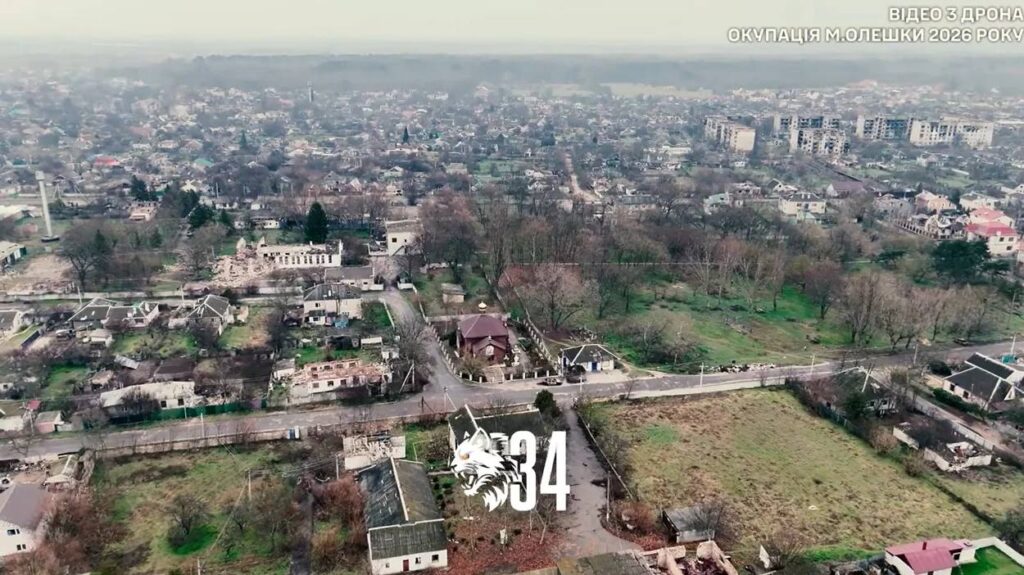
In Oleshky, the humanitarian convoys have finally arrived. So have the television cameras. After more than four years of Russian occupation, hunger and isolation, the surviving inhabitants of this devastated Ukrainian town have suddenly found themselves at the centre of international diplomacy.
Their predicament has acquired a political significance extending far beyond the immediate question of how to get food into Oleshky and its people out.
On Friday, 30 October, Kyrylo Budanov, head of Ukraine’s Presidential Office, confirmed that humanitarian assistance had reached the town and transport was ready for residents wishing to evacuate to Ukrainian-controlled territory.
Ukraine’s Human Rights Commissioner, Dmytro Lubinets, is coordinating the operation. Twenty-five buses, capable of transporting 750 passengers, together with ambulances for vulnerable residents, have been prepared.
The temporary ceasefire, which began on 27 October, is scheduled to expire on 1 November.
The number of evacuees remains uncertain. Ukraine’s prime minister withdrew an earlier estimate, explaining that the figures were changing and that premature disclosures could compromise the mission.
For civilians who have endured years of occupation, the operation offers something considerably more valuable than diplomatic recognition: a chance to survive.
For the governments involved, however, the calculations are rather different.
The White House announced the agreement on 23 October, crediting Melania Trump with securing the humanitarian ceasefire.
It was an unusual intervention by an American First Lady, and one that Ukrainian officials have publicly welcomed.
But the limited scope of the arrangement deserves attention.
Moscow has agreed to suspend hostilities temporarily, permit humanitarian deliveries and facilitate civilian evacuations. It has not agreed to withdraw its forces, reconsider its territorial demands or substantially alter its conduct of the wider war.
The political return, meanwhile, could be considerable.
Russia can demonstrate cooperation with Washington. The Trump administration can point to a negotiated outcome. The First Lady receives international recognition for a humanitarian initiative.
All this comes just days before the American congressional elections on 3 November, offering the White House a visible diplomatic success without requiring the Kremlin to sacrifice anything strategically important.
Whether the operation will actually deliver Republican votes is another matter. There is no evidence that it will materially influence electoral preferences.
But the publicity value is unmistakable.
For Putin, the arrangement offers something perhaps more useful than an electoral favour to Trump: an opportunity to cultivate the image of a reasonable negotiating partner while preserving Russia’s freedom of military action.
There is a deeper irony in Russia’s new role as a partner in Oleshky’s rescue.
Before the invasion, approximately 24,000 people lived in the town. Today, an estimated 1,700–2,000 remain.
The survivors have endured Russian occupation since 2022, widespread destruction, restrictions on movement and severe shortages of basic necessities. The catastrophic flooding following the destruction of the Kakhovka dam in June 2023 compounded their predicament.
Yet Moscow can now present itself as a participant in relieving the humanitarian catastrophe.
The transformation is politically convenient.
Images of Russian officials accompanying aid convoys may help construct a narrative of humanitarian responsibility, particularly for international audiences unfamiliar with the town’s recent history.
Facilitating an evacuation does not, however, absolve an occupying power of its obligations towards civilians.
Nor should cooperation on a single humanitarian operation be mistaken for evidence that Moscow has reconsidered the policies that produced the crisis.
The information campaign surrounding Oleshky is particularly revealing.
On 7 October, Ukraine’s Security Service warned that Russian military personnel were allegedly preparing interviews in which residents would blame Ukrainian forces for their suffering while praising Russian troops.
These allegations require independent scrutiny. But they raise an uncomfortable question: how much weight should be attached to political declarations made by people emerging from years of occupation?
Fear can produce silence. It can also produce conformity.
Civilians dependent upon the authorities controlling their territory may repeat the language of those authorities, whether from conviction, intimidation or self-preservation.
Some residents may genuinely support Russia. That does not make them less entitled to humanitarian assistance.
There is a fundamental distinction between holding pro-Russian political opinions and actively collaborating in crimes against Ukraine.
A state defending its sovereignty need not demand ideological conformity from citizens it seeks to protect.
Indeed, rescuing them irrespective of their political sympathies is a more meaningful demonstration of democratic principles than any carefully staged declaration of gratitude.
The American dimension introduces its own peculiarities.
The White House has portrayed the ceasefire as an achievement of the First Lady’s personal diplomacy. Yet Washington was not the only party attempting to secure an agreement.
On 16 October, a week before the White House announcement, Pope Leo XIV appealed directly to Putin for a ceasefire in Oleshky to permit food deliveries, medical assistance and voluntary evacuations.
Three days later, the pontiff raised the same issue with Volodymyr Zelensky.
The Vatican’s documented intervention does not negate Melania Trump’s involvement, which Ukrainian and Russian officials have acknowledged. It does, however, complicate the suggestion that the breakthrough was exclusively an American diplomatic achievement.
In the meantime, the publicity surrounding the operation has assumed a conspicuous political character.
On 29 October, Melania Trump announced that four journalists from Newsmax, a broadcaster closely associated with Trump’s conservative constituency, would accompany the mission as neutral observers.
The broadcaster’s involvement was also welcomed by Kirill Dmitriev, the Kremlin’s special representative for international economic cooperation.
The interests converge rather neatly.
Washington obtains images of successful humanitarian diplomacy. Moscow gains an opportunity to appear cooperative before an American audience. The First Lady receives recognition for an initiative that has produced tangible results where much broader diplomatic efforts have struggled.
None of this diminishes the importance of saving civilians. But the political presentation risks becoming an achievement in its own right, potentially obscuring the question of why those civilians required rescuing in the first place.
The military reality provides a rather less reassuring picture.
Oleshky lies on the Russian-controlled eastern bank of the Dnipro, opposite Ukrainian-held Kherson.
According to reporting by Le Monde, Ukrainian officials fear that Russian forces could exploit the temporary pause to replenish supplies and prepare further operations around Kherson.
Such concerns do not establish that a new offensive is imminent. Nevertheless, they highlight the distinction between a local humanitarian agreement and a genuine reduction in military confrontation.
The evacuation route reflects these security sensitivities.
Rather than crossing the Dnipro directly, residents wishing to reach Ukrainian-controlled territory are expected to travel through Russia and Belarus.
The arrangement avoids an immediate frontline crossing but creates separate concerns about possible coercion, screening and freedom of movement.
Meanwhile, Russia has made clear that its willingness to negotiate humanitarian pauses does not imply a willingness to suspend its broader offensive.
The distinction is critical. Moscow can cooperate over evacuation buses while continuing to launch missiles elsewhere in Ukraine.
For European governments, the danger lies in confusing limited cooperation with strategic change.
The Kremlin has demonstrated that it can make a carefully circumscribed humanitarian concession, receive international recognition and retain its fundamental negotiating position.
The wider implications are significant.
A diplomatic process that rewards Moscow for temporary gestures while leaving its military objectives untouched risks producing the appearance of progress rather than progress itself.
Europe’s interest is not merely in securing occasional humanitarian agreements, valuable though they are. It is in ensuring that negotiations lead towards a settlement that preserves Ukrainian sovereignty and does not leave the continent facing an emboldened Russia.
For now, Oleshky offers no evidence that Moscow has moved substantially closer to such an outcome.
The humanitarian mission may save hundreds of Ukrainian lives. If it succeeds, those who negotiated and implemented it deserve recognition.
But political recognition should not become historical absolution.
The occupying power has agreed to help evacuate civilians from a town it continues to occupy. Washington has secured a diplomatic achievement that places few constraints on Russia’s military ambitions.
The cameras will eventually leave Oleshky. The temporary ceasefire will expire.
And unless something more substantial changes, Russia’s occupation — and the war that made the evacuation necessary — will continue.



Ukraine’s human rights commissioner Dmytro Lubinets and his delegation safely reached Russian-occupied Oleshky in Kherson Oblast on 30 October, with the local truce at 80 hours and holding. He said he was talking with residents to learn what help they need most.
Russia has kept Oleshky, on the left bank of the Dnipro River, cut off for months, leaving residents starving. Now the test is where the buses take people. The White House promised residents who wish to leave transport to their “preferred destination.” Lubinets said on 27 October that everyone who wants to go to Ukraine will be able to. Under agreement pages published by Fox News, his own delegation and the residents who choose Ukraine travel together via Anapa in Russia. From there, a Russian military transport plane to Homiel in Belarus is expected on 31 October.
On the morning of 30 October, before reaching the town, Lubinets wrote from Armiansk in occupied Crimea that he was coordinating the mission with Yana Lantratova, Russia’s human rights commissioner. He said 25 buses with 750 seats had been prepared, plus ambulances for people with limited mobility. Anyone who wants to leave will get a safe way out, and those who stay will receive aid, he added. In delivering that aid, special attention goes to elderly residents and people with disabilities, he said.
We are in Oleshky! The Ukrainian delegation has safely reached the city.
— Dmytro Lubinets (@lubinetzs) October 30, 2026
The ceasefire has been in effect for 80 hours and remains in place. I am currently on the ground, speaking with local residents to hear about their needs and understand what kind of assistance they need… pic.twitter.com/AOhKIV0WLO
The evening before, he said people who want to leave could do so until 14:00, with aid distribution after 14:30, without naming a date. Speaking to journalists, he called it the first truce since 2022 to hold this long on such a large stretch of front.
The White House announced the truce on 23 October, crediting First Lady Melania Trump. It took effect at 03:00 Kyiv time on 27 October. Its zone was later widened. By 29 October, the convoy was ready, Lubinets said. The truce is due to end at 22:59 Kyiv time on 1 November.

Il 24 ottobre, l’Ucraina ha annunciato che i suoi sistemi Starlink e Starshield erano di nuovo pienamente operativi dopo oltre una settimana di restrizioni. Nello specifico, il Ministero della Difesa ucraino ha rilevato che la connessione è tornata stabilmente a velocità superiori a 400 km/h, a fronte dei 160 km/h a cui era precipitata giorni prima.
La limitazione, hanno spiegato diversi funzionari ucraini, aveva compromesso la capacità ucraina di intercettare i droni russi in fase di attacco, costringendo le forze armate di Kiev ad annullare alcune operazioni già pianificate.
Tuttavia, a brevissima distanza dal ripristino della piena operatività dei sistemi Starlink a disposizione di Kiev, Elon Musk, amministratore delegato di Space-X, ha accusato l’esercito ucraino di aver violato i termini di servizio.
In un post sul suo profilo X, il magnate di origini sudafricane ha affermato che: «l’uso di Starlink, un servizio commerciale civile, per attacchi con droni offensivi volti a uccidere persone non è mai stato consentito, né dovrebbe esserlo. Starshield è un sistema diverso ed è controllato dal governo degli Stati Uniti. Ciò che decidono di fare spetta a loro».
L’esercito ucraino «ha violato i termini di servizio di Starlink e lo ha utilizzato per attacchi con droni offensivi volti a uccidere persone. Quella falla è stata chiusa la settimana scorsa».
Starlink «rimane cruciale per la difesa dell’Ucraina, poiché è l’unico sistema che non può essere disturbato o distrutto, almeno per ora. Se Starlink venisse spento, il fronte ucraino collasserebbe immediatamente. Questa non è una minaccia, è semplicemente un dato di fatto.
Il sistema si è rivelato cruciale per «impedire alla Russia di sopraffare l’Ucraina nei primi giorni della guerra, poiché tutti gli altri mezzi di comunicazione erano stati distrutti o disturbati dalla Russia».
Space-X «ha fatto molto di più per difendere l’Ucraina di qualsiasi altra azienda privata sulla Terra. Detto questo, non provo che disprezzo assoluto per i guerrafondai che fanno la morale e spingono per un massacro senza fine, senza offrire alcuna soluzione realistica al conflitto. Che possano bruciare all’inferno. Fine della storia».
Starlink è un sistema internet satellitare gestito da Space-X, mentre Starshield è una versione che si avvale della tecnologia Starlink per scopi militari gestita dal governo degli Stati Uniti.
Questa integrazione rende quantomeno ambigua la posizione di Starlink, mettendo in seria discussione la natura privata della casa madre Space-X.
Quella del connubio pubblico-privato negli Stati Uniti è una storia vecchissima, ma che trova negli anni Cinquanta uno dei suoi momenti decisivi.
All’epoca, in piena Guerra Fredda, lo spauracchio sovietico, agitato con cieca ossessività specialmente in seguito allo shock generato dal lancio dello Sputnik (1957) e all’entrata in servizio del bombardiere strategico Tupolev-95, si rivelò determinante a costruire un robusto consenso politico attorno alla decisione dell’amministrazione Eisenhower di destinare una quota crescente di risorse al rafforzamento della marina e al potenziamento dei settori di ricerca e sviluppo.
L’onere di gestire le risorse e coordinare gli sforzi in questo senso ricadde sulla Defense Advanced Research Projects Agency (Darpa), un organismo facente capo al Pentagono fondato, al pari della National Aeronautics and Space Administration (Nasa), nel 1958 in conformità all’esigenza di colmare il divario tecnico-scientifico con l’Unione Sovietica.
Mentre il governo moltiplicava le misure di stimolo alle imprese (assegnazione di commesse pubbliche agli atenei, concessione di agevolazioni fiscali, ecc.), la Darpa elaborava una rete di ricerca e condivisione a maglie strettissime, in grado di interconnettere decine di università, start-up e laboratori di ricerca e portare gli Stati Uniti all’avanguardia nel campo cruciale della scienza. Il lancio dei programmi Gemini e Apollo, lo sviluppo dei missili balistici a medio e lungo raggio, la realizzazione dei sottomarini e delle portaerei a propulsione nucleare si devono al contributo determinante apportato dalla Darpa.
Nel 1982, il Congresso approvò il programma di sostegno alle start-up Small Business Innovation Research (Sbir), affidandone la gestione alla Small Business Administration, predisponendo parallelamente la trasformazione della Darpa nel fondamentale canale di collegamento tra imprese e dipartimenti universitari, in grado di assolvere ai compiti di mediazione tecnologica e imprenditoriale necessari alla commercializzazione delle innovazioni che venivano realizzate nei settori di punta (informatica, telecomunicazioni, biotecnologia, semiconduttori, ecc.) dalle società hi-tech a cui il complesso militar-industriale aveva subappaltato parte delle mansioni legate ai comparti di ricerca e sviluppo, nell’ambito della celeberrima Strategic Defense Initiative (Sdi).
Il progetto, concepito dall’amministrazione Reagan e annunciato urbi et orbi nel marzo 1983, puntava alla creazione di un sistema di difesa aerea multistratificato basato su intercettori spaziali in grado di colpire i missili balistici nemici prima che colpissero il suolo statunitense, “superando” così il principio della mutua distruzione assicurata su cui si era imperniata la Guerra Fredda fino a quel momento.
La Sdi, recita un documento del dipartimento di Stato, «si basava su tecnologie avveniristiche, inclusi sistemi laser spaziali non ancora realizzati», il cui sviluppo assorbì enormi risorse pubbliche in larga parte ridistribuite a beneficio delle aziende private sotto il coordinamento della Darpa.
Una volta convertite all’uso civile, le nuove tecnologie ad elevata intensità di capitale messe a punto contestualmente alla Sdi assunsero rapidamente un grado di pervasività – inteso come capacità di trovare applicazione in un numero sbalorditivo di campi sconvolgendone il funzionamento e i rendimenti – tale da scompaginare il vecchio sistema di produzione fordista ad elevata intensità di manodopera riducendo drasticamente la presenza umana sia nella manifattura che nel settore di servizi.
«Non si tralasciò occasione – osserva Giuseppe Guarino – che si prestasse per la stimolazione e la promozione della Information Technology per finalità militari. Ognuna delle sue fasi essenziali, con successiva trasformazione e utilizzazione dei prodotti a fini commerciali, è stata in pratica resa possibile dal sostegno del Dipartimento della Difesa, dalla Nasa e degli altri dipartimenti militari, compresa la Cia […]. Il merito dell’intervento pubblico non è di aver assorbito l’intera produzione della Information Technology, ma di aver contribuito in maniera determinante con i propri acquisti iniziali a far scendere i prezzi a livelli che avrebbero consentito la diffusione civile e commerciale delle innovazioni, nonché con quelli successivi che hanno favorito l’utilizzazione delle nuove tecnologie nell’organizzazione pubblica, anche civile, e la diffusione delle stesse» (1).
La progressiva affermazione del nuovo modello in tutti i comparti dell’economia ha accelerato il processo di “terziarizzazione” dell’economia statunitense, e palesato il ruolo cruciale giocato dallo Stato rispetto al finanziamento dello sviluppo tecnologico realizzato da aziende private.
Negli anni ’90, sotto la direzione del direttore George Tenet, la Cia iniziò a finanziare generosamente le piccole aziende intente a sviluppare tecnologie applicabili a fini di intelligence aggirando le lungaggini che caratterizzano la mastodontica macchina burocratica statunitense. A questo scopo, la Casa Bianca e il Congresso approvarono la creazione di In-Q-Tel, oscura società di venture capital senza scopo di lucro incaricata di finanziare la messa a punto di tecnologie d’avanguardia per conto – o quasi – della Cia. Come riporta il «Wall Street Journal»: «i vertici In-Q-Tel considerano l’azienda come indipendente, nonostante i legami molto stretti con la Cia e il fatto che quasi tutte le decisioni di investimento sono gestite dall’agenzia di spionaggio […].La presenza di intricati legami è endemica nel venture capital, in cui la conoscenza intima del settore è essenziale per il successo. Le altre società, tuttavia, giocano con il proprio denaro, o quello di privati».
In-Q-Tel «utilizza denaro pubblico, soggetto a severe norme sul conflitto di interessi e, secondo fonti vicine, si tratta di almeno 120 milioni di dollari all’anno. A volte impegna questo capitale secondo modalità che, anche se non intenzionalmente, avvantaggiano gli stessi amministratori dell’azienda in virtù di altre cariche nel settore hi-tech».
Quasi sempre, le scelte di In-Q-Tel «attraggono altri finanziamenti. Ogni dollaro investito in una piccola impresa in genere è accompagnato da 15 dollari provenienti da altre fonti. Questo aumenta le probabilità di successo del piccolo business in questione e rende le sue stock option più preziose».
Nel 2000, In-Q-Tel ha investito somme piuttosto rilevanti in alcune imprese che producevano satelliti e che si occupavano di raccogliere, classificare e analizzare dati sensibili. In breve tempo, la società ha accumulato quote azionarie di maggioranza di decine compagnie hi-tech, così da dettarne gli indirizzi e allinearle alle esigenze di Washington. Opportunamente orientata dai fondi di In-Q-Tel, una compagnia specializzata nell’elaborazione di soluzioni chimiche adatte alla fabbricazione di tappeti sviluppò in breve tempo una specie di sonda in grado di rilevare la presenza di veleni ed altre sostanze chimiche letali in ambienti chiusi, poi sistematicamente impiegata nei teatri di guerra afghano e iracheno.
Parallelamente, In-Q-Tel investì in un’azienda operante nel settore delle antenne satellitari, ricavando sistemi di localizzazione portatili di cui le truppe e le forze speciali Usa si sono servite per segnalare la propria posizione ai centri di comando.
Più recentemente, i capitali di In-Q-Tel hanno finanziato aziende cruciali come Anduril e, soprattutto, Palantir, saldamente integrata nelle macchine militari statunitense, israeliana e ucraina oltre che nella pubblica amministrazione britannica e in molti altri comparti critici.
L’altissimo livello di “collaborazione pubblico-privato” raggiunto negli Stati Uniti grazie a entità come In-Q-Tel è emblematizzato dal cosiddetto “scandalo Datagate”, scoperchiato nel 2013 grazie alle rivelazioni dello “spifferatore” Edward Snowden. In qualità di tecnico impiegato per una società appaltatrice della National Security Agency, Snowden ha documentato con dovizia di particolari l’esistenza di una rete di sorveglianza capillare e massiccia sui miliardi di comunicazioni sia interne che esterne agli Stati Uniti gestita dalla Nsa stessa attraverso Prism. Vale a dire un sistema in grado di assicurare all’intelligence nazionale la possibilità di accedere in maniera diretta ai server di cui si servivano le aziende operanti nel settore dell’alta tecnologia per ottenere qualsiasi tipo di informazione (messaggi, fotografie, e-mail, ecc.).
Entrato in vigore nel 2007 e beneficiando nel corso degli anni della collaborazione di colossi del calibro di Microsoft, Yahoo, Google, Facebook, PalTalk, Skype, AoL, YouTube e Apple, Prism ha posto la Nsc e anche il Gchq britannico nelle condizioni di acquisire i metadati in transito attraverso i cavi in fibra ottica collegati ai server centrali di Yahoo e Google.
Space-X non ha beneficiato dei fondi di In-Q-Tel, ma del subappalto sistematico ad opera di agenzie statali come la Nasa o dello stesso Pentagono, che come contropartita gode di libero e completo accesso alla tecnologia Starlink. Al punto da garantirlo a Paesi alleati come l’Ucraina.
La decisione di ridurre prima e ripristinare poi il servizio Starlink a Kiev non fa quindi capo a Elon Musk, ma sui vertici del potere pubblico statunitense a cui Space-X – così come le altre grandi aziende hi-tech statunitensi – rispondono più o meno indirettamente.
NOTE
1) Guarino, Giuseppe, I soldi della guerra. Gli Stati Uniti: spesa militare, innovazione, economia globale, Mondadori, Milano 2003, pp. 67-80.

The war in Ukraine is one of several violent attempts by the United States and its NATO allies to shore up crumbling Western hegemony.
Join us on Telegram
, X
, and VK
.
Contact us: info@strategic-culture.su
The war in Ukraine is not an isolated conflict. It is one of several violent attempts by the United States and its NATO allies to shore up crumbling Western hegemony.
Former U.S. Army Lt. Col. Earl Rasmussen says the war in Ukraine is one front in a broader international conflict that is aimed at preserving a world order once dominated by a global minority of Western powers, primarily the United States.
Rasmussen, a West Point graduate and teacher, has for many years worked as an independent consultant for international business partnerships. Originally from Minneapolis, he has over 30 years’ experience in research and development, technology integration, and business management. He has lived and traveled extensively in over 30 countries and has strong international relationships.
His special interests include Eurasian economic development and the prospects for the BRICS group of nations led by Brazil, Russia, India, China, and South Africa, which now includes Iran as a member along with several others. The BRICS+ comprises about half of the globe’s population and economy.
Rasmussen’s consultancy work focuses on the impact of conflicts around the world.
He contends that the U.S. and its Western allies are tacitly driving a worldwide agenda to prevent the multipolar order from succeeding their hegemonic unipolar order.
Rasmussen says it is not a coincidence that the U.S. and its Western partners are involved in multiple concurrent aggressions.
Ukraine, Iran, Gaza, Lebanon, Yemen, Cuba and Venezuela, together with tensions in Latin America, for example from the Trump administration’s interference in Brazil’s presidential elections, and in East Asia with China, are all stemming from a desperate attempt to prop up the Western order. That order has prevailed for several centuries, with first the European powers and then the U.S. taking over as the lead hegemon since the Second World War.
But that old order is failing and falling as a new multipolar order emerges, as illustrated by the growing importance of the BRICS, Eurasia, Africa, and, in general, the Global South. A world majority is more assuredly asserting itself, demanding equitable development based on win-win partnerships and mutual co-development in contrast to the exploitative Western order.
Earl Rasmussen believes that multipolar development cannot be stopped. It will prevail because human beings demand it as a moral and economic imperative. But he warns that the world is undergoing violent resistance by the U.S.-led Western powers.
He also contends that the Western nations, as presently seen in France, Italy, Belgium, Germany, and other European states, are themselves undergoing popular revolts against their elitist ruling classes who are invested in the old order. The political crises in Western nations are due to the loss of moral authority of establishment parties. People can see their corruption and duplicity and how these parties are servants of corporate power, the Zionist lobby, the military-industrial complex, and so on.
The end of the Ukraine war will mark the end of Western hegemony. The U.S.-led NATO proxy war is facing a historic defeat by Russia. Potentially, that outcome will lead more quickly to a fairer world order, one in which nations’ sovereignty and international law are actually respected for the mutual benefit of all.
It is up to the Western states to abandon their hegemonic policies and ambitions to finally live in peace with the world’s majority. The longer they persist in their arrogant assumptions of privilege and domination, the longer the violent transition. If the political system can’t adapt, then people power will have to deliver a new system.