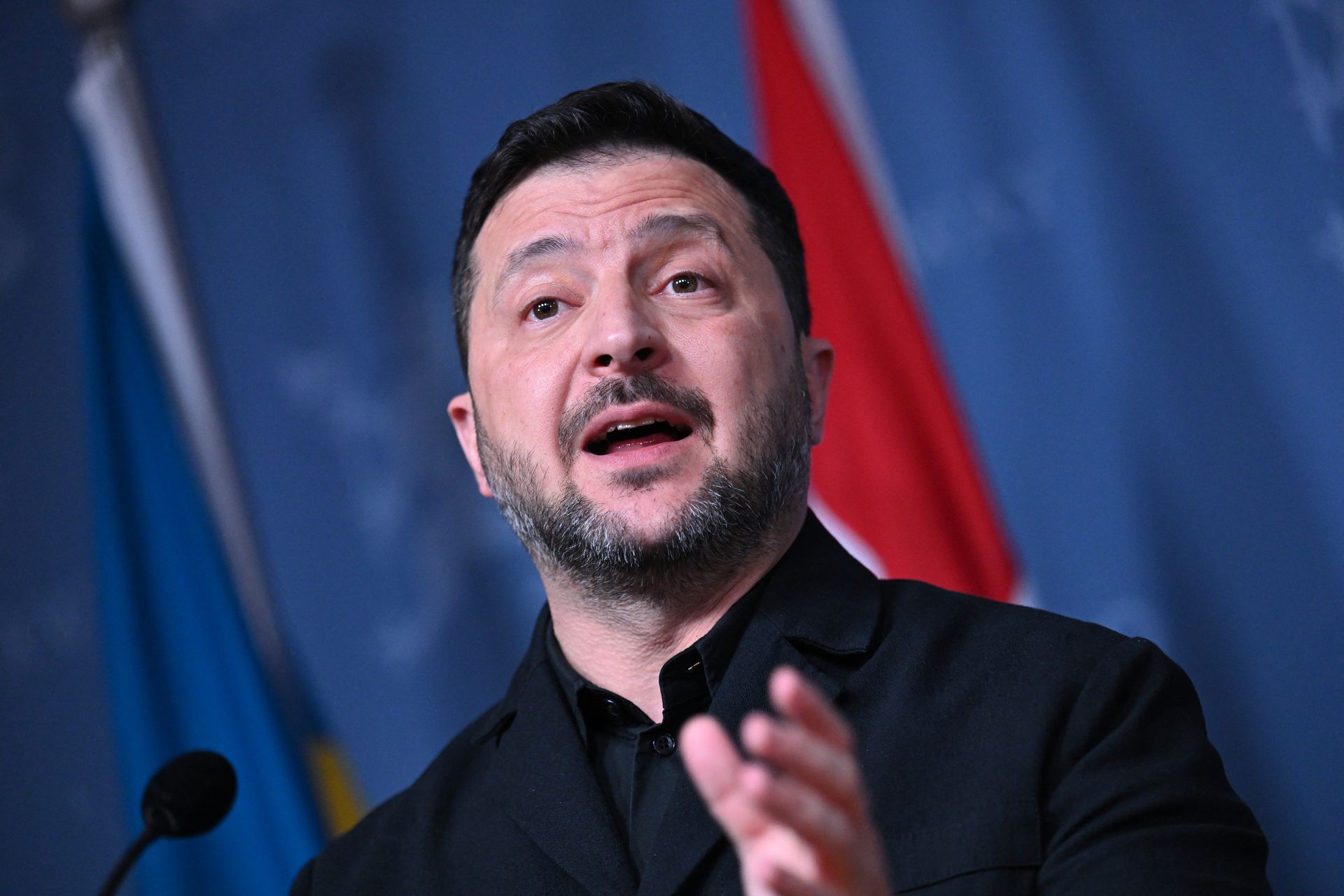
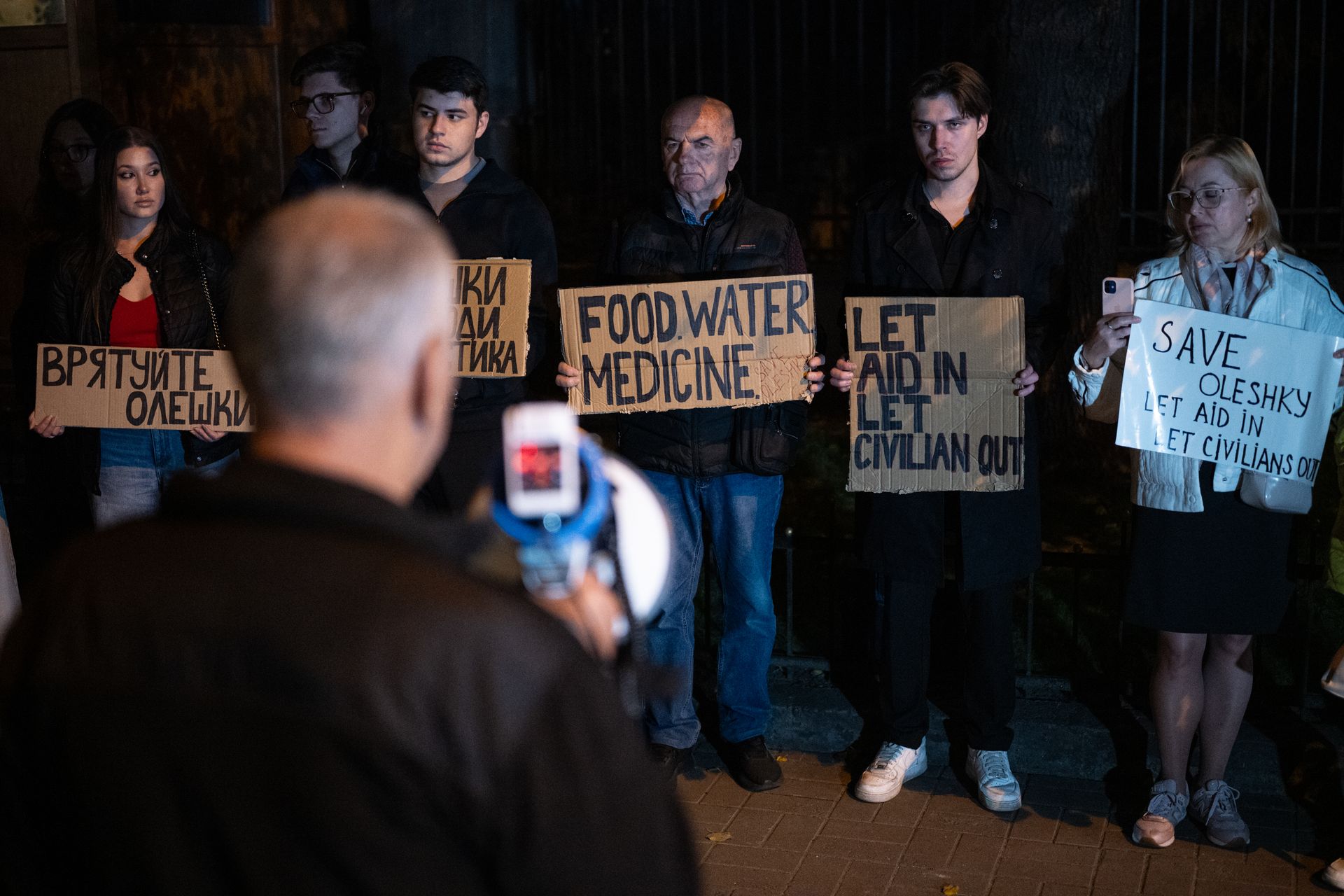
Route demining completed in Russian-occupied Oleshky as humanitarian convoy prepares to enter, Ukraine's ombudsman says


Russia and Ukraine have maintained a localised ceasefire around Oleshky in the southern Kherson region, creating an opportunity to deliver humanitarian assistance to civilians who have spent months effectively isolated from regular supplies of food, medicine and drinking water.
Ukrainian Human Rights Commissioner Dmytro Lubinets said on 29 October that neither side had reported violations of the agreement and that teams were continuing to clear mines from roads intended for humanitarian convoys.
According to Associated Press, the six-day arrangement began on 27 October and is expected to remain in force until 1 November.
The first substantial humanitarian delivery is scheduled for Friday, 30 October.
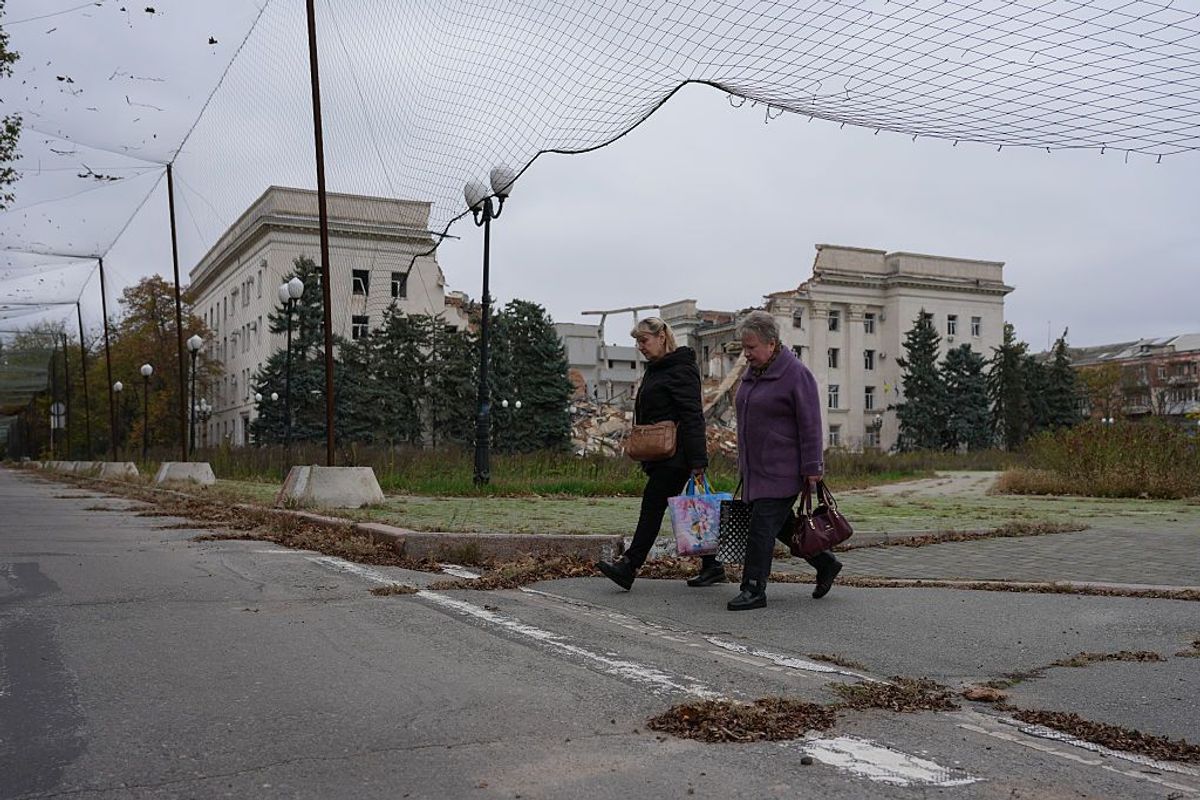
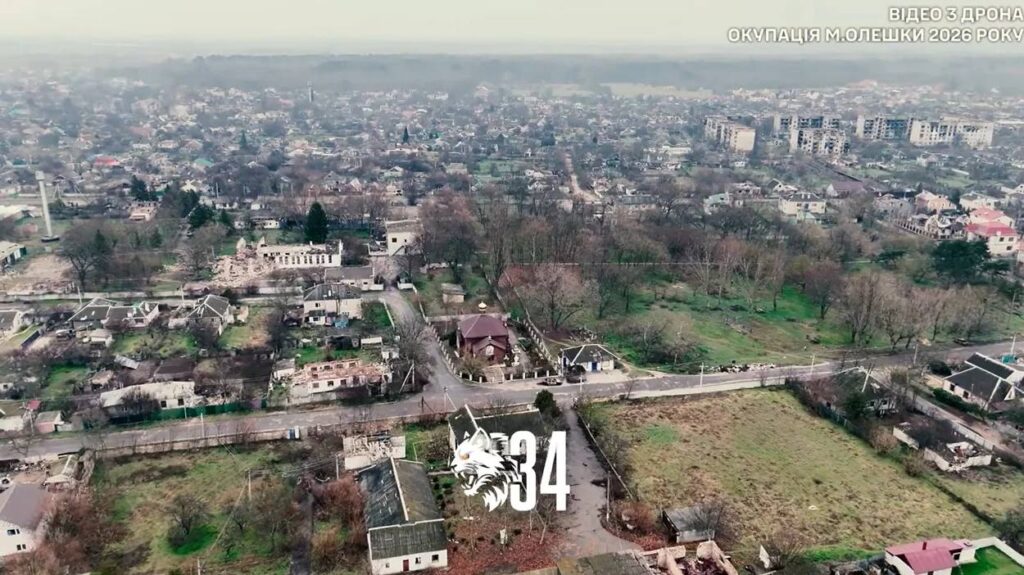
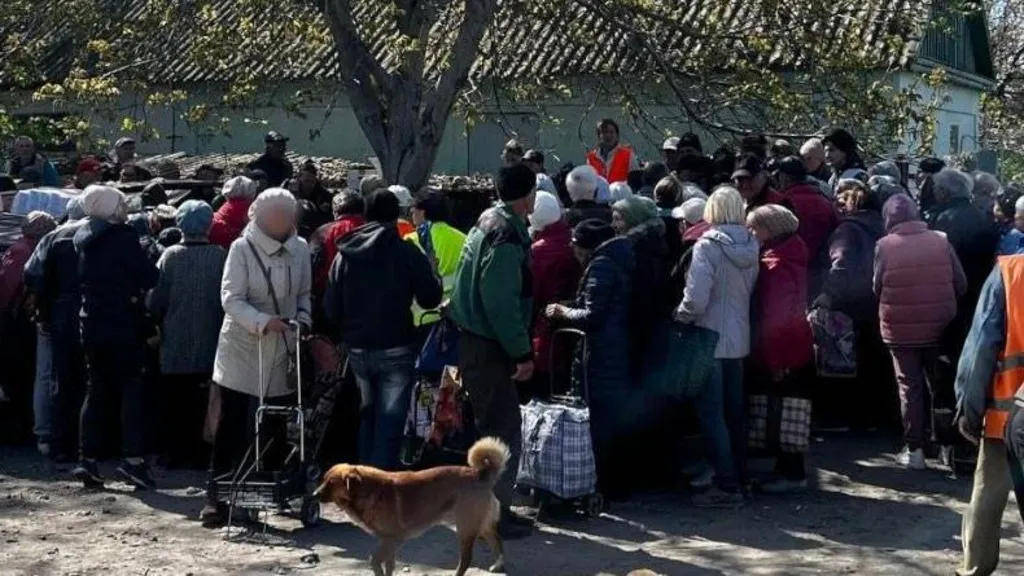
An estimated 1,700 to 2,000 civilians remain in Oleshky, many of them elderly residents whose health, mobility or personal circumstances have prevented them from leaving.
The town is situated on the Russian-occupied eastern bank of the Dnipro River, opposite Ukrainian-controlled Kherson.
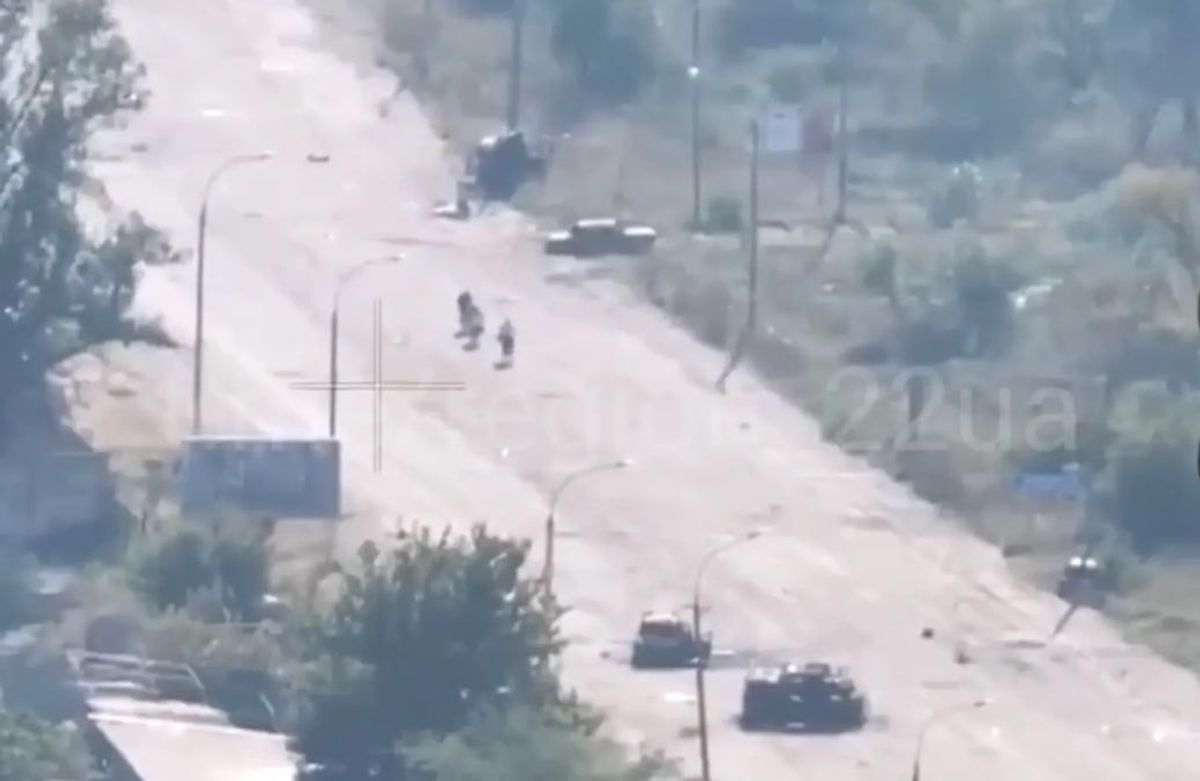
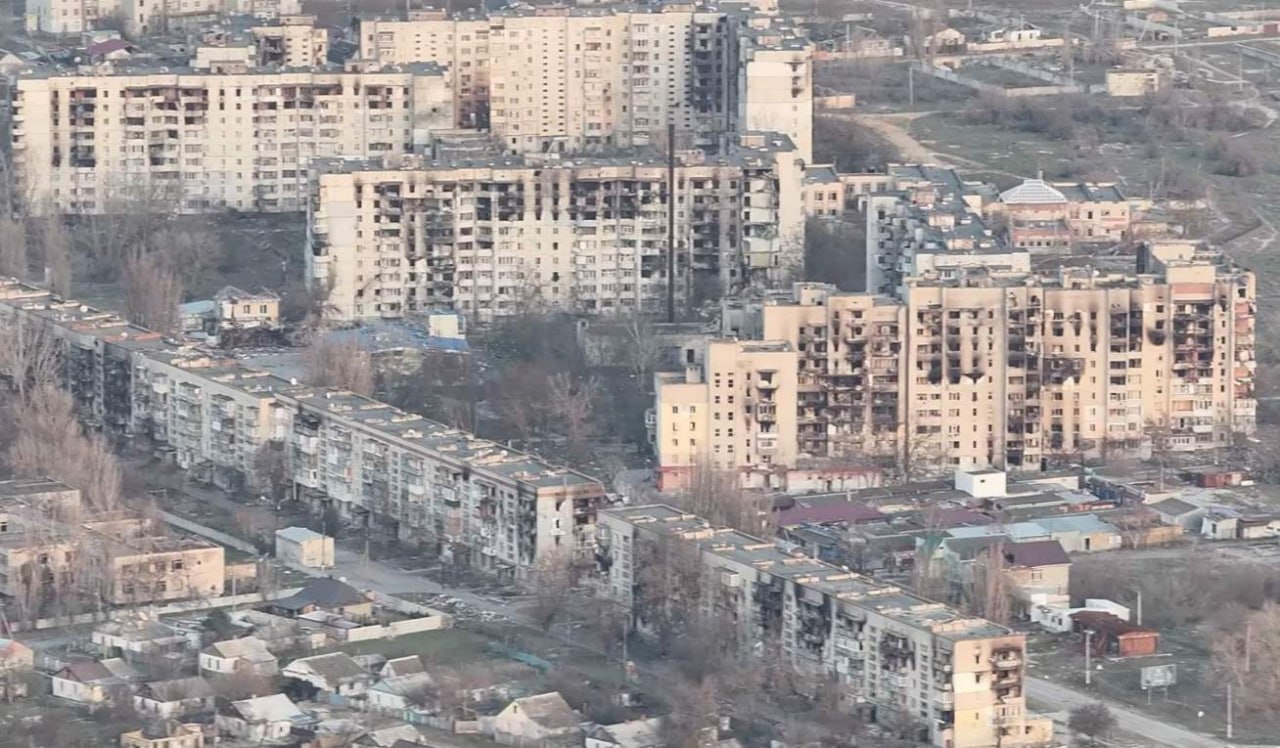
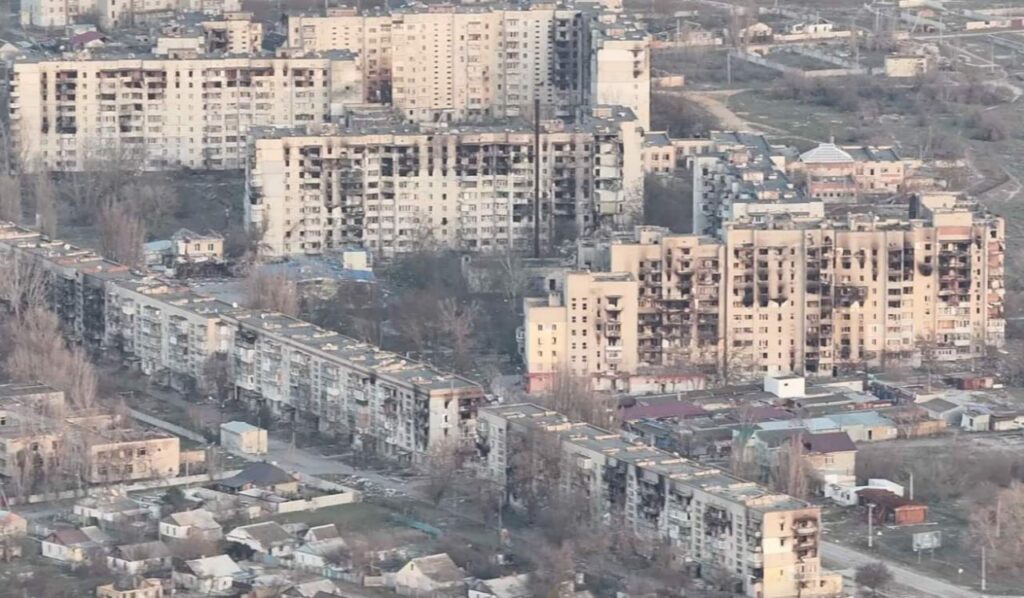
Its geographical position has made it particularly vulnerable to the consequences of the fighting, while damaged infrastructure, mines and military restrictions have complicated access for humanitarian organisations.
The agreement has attracted attention because of the involvement of US First Lady Melania Trump.
In a White House statement issued on 23 October, her office announced that she had worked with Russian and Ukrainian representatives to secure arrangements for a temporary cessation of military activity.
The statement described her as the intermediary in the negotiations, covering the timing of the ceasefire, humanitarian access, evacuation procedures and operational coordination.
Lubinets subsequently acknowledged her involvement and said communication with his Russian counterpart, Yana Lantratova, had helped maintain the arrangement.
The White House originally announced 29 October as the starting date, but Ukrainian officials later reported that the ceasefire had taken effect at 3am on 27 October.
By Thursday, both sides were describing the agreement as holding without recorded violations.
The participation of the American First Lady is an unusual feature of international humanitarian diplomacy, which is more commonly conducted through governments, international organisations or specialist humanitarian agencies.
However, the immediate significance of the agreement will be determined by whether assistance reaches residents and whether those wishing to leave can do so safely.
Oleshky has experienced prolonged humanitarian difficulties under Russian occupation.
The town suffered extensive disruption following the destruction of the Kakhovka dam in June 2023, which caused severe flooding across communities along the Dnipro.
Subsequent fighting, damage to infrastructure and restrictions on movement further complicated access to essential goods.
According to Ukrainian officials, normal deliveries of food to the town have been effectively interrupted since late May 2026.
Residents have faced shortages of medicines and clean water, while the presence of mines has made movement beyond residential areas hazardous.
The remaining population is believed to consist largely of older people and residents requiring medical attention.
For these civilians, humanitarian access is not simply a matter of replenishing household supplies.
It may determine whether individuals can receive essential treatment, obtain prescription medicines or leave areas where normal medical and social services have ceased functioning.
The ceasefire provides for humanitarian teams to assess residents’ needs and arrange transport for those who wish to leave.
The White House has indicated that residents should be able to choose their destination, including Ukrainian-controlled territory or Russia.
Ensuring that such decisions are genuinely voluntary is particularly important in occupied territory.
International humanitarian law provides protections for civilians under occupation, including restrictions concerning forcible transfers and deportations.
A credible evacuation process therefore requires clear information, freedom from coercion and practical arrangements allowing residents to travel safely.
The presence of journalists accompanying the mission may provide additional documentation, although media access does not replace independent humanitarian monitoring.
Russian and Ukrainian representatives have also been coordinating mine clearance along routes intended for humanitarian vehicles.
Until those routes are confirmed safe, the delivery of assistance and movement of civilians remain dependent on operational conditions.
The agreement remains geographically limited.
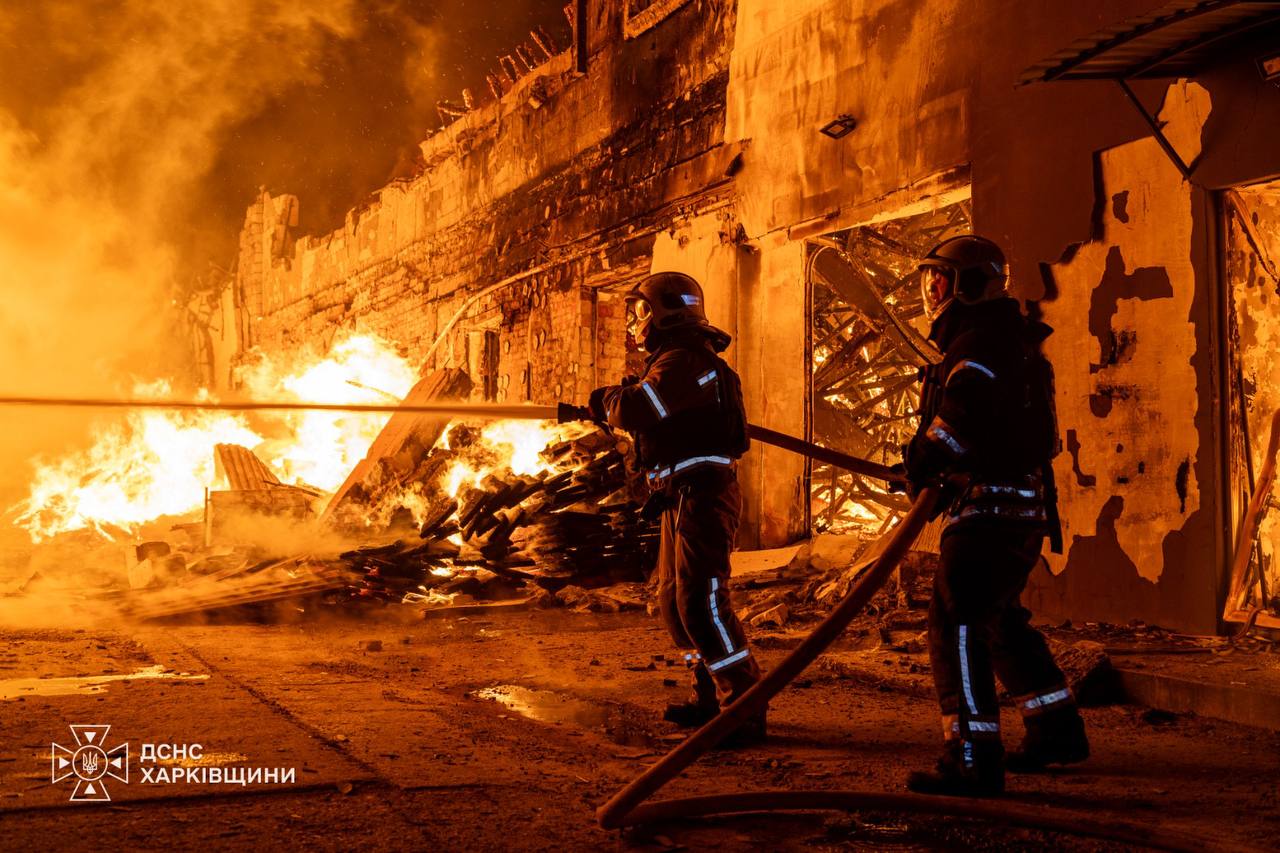
Russian strikes continued elsewhere in Ukraine on 29 October, killing civilians in several cities, including Dnipro.
The continuing attacks demonstrate that the localised humanitarian arrangement does not represent a broader change in Russian military operations or the strategic direction of the war.
Nevertheless, the pause has also brought some relief to residents of nearby Ukrainian-controlled Kherson, where repeated attacks have disrupted daily life.
The absence of reported violations around Oleshky suggests that the two sides retain the ability to coordinate narrowly defined humanitarian measures when political and operational arrangements are in place.
That does not necessarily imply an increased willingness to compromise over territory or broader security questions.
The agreement is scheduled to expire on 1 November, leaving only a limited period for delivering aid and facilitating departures.
Its effectiveness will depend on the quantities of assistance delivered, the number of residents reached and whether evacuation arrangements operate as intended.
It will also be necessary to establish what protection, if any, is available to civilians who remain after the ceasefire ends.
A successful operation could provide a model for similarly limited humanitarian arrangements elsewhere along the front.
However, extending such cooperation would require further political consent and practical security guarantees.
For Oleshky’s remaining residents, the immediate question is more urgent: whether several days without fighting can provide the assistance and safe passage that months of war have denied them.

Ukraine’s humanitarian mission to Russian-occupied Oleshky in Kherson Oblast has reached a key stage, with mine clearance along designated routes completed and a humanitarian convoy ready to depart, Ukraine’s Human Rights Commissioner Dmytro Lubinets said on 29 October.
The mission aims to deliver humanitarian aid to civilians trapped in the occupied city facing humanitarian crisis, and provide a safe way out for those who want to leave. The operation is taking place under a localized ceasefire coordinated with the help of US First Lady Melania Trump.
Lubinets said the ceasefire has held for 54 hours without reported violations.
Lubinets said the humanitarian convoy was ready to leave and was expected to reach Oleshky’s central hospital. Residents would receive the assistance they need, he said.
Civilians wishing to leave the city would have an opportunity to do so until 2 p.m. local time, with security measures organized for their departure. Distribution of humanitarian aid was scheduled to begin after 2:30 p.m.
Delegations from Ukraine, Russia, and the United States had gathered to coordinate the next steps in the mission. Journalists from all three countries were also present, Lubinets said.
Earlier on 29 October, Lubinets said he was still traveling toward Oleshky.
He said he wanted to be on the ground to see the situation firsthand and report on the mission’s progress. Lubinets also asked the public to rely on official sources and wait until he returned before raising further questions about the negotiations.
The Ukrainian ombudsman said the negotiations had been difficult and lengthy, adding that the mission had reached only the halfway point toward its goals.
“If I had to go for the sake of one person, I would go again,” Lubinets said, describing the mission as his duty to help Ukrainians in need.
The mission is being conducted jointly by Lubinets and Russian human rights commissioner Yana Lantratova, with mediation and coordination by Melania Trump.
The localized ceasefire took effect on 27 October to allow mine clearance, humanitarian deliveries, and civilian evacuations.
Oleshky, on the east bank of the Dnipro River in Kherson Oblast, has been under Russian occupation since 2022. Russian occupation and restrictions on access to the city have left civilians facing severe shortages of food, medicine, and other essential supplies, while access to medical care has become increasingly difficult. The humanitarian mission aims to deliver urgently needed aid and help residents who want to leave reach safety.
Lubinets thanked Melania Trump and the Ukrainians and US citizens who helped bring attention to the situation in Oleshky and support the negotiations. He said the mission’s priority remained delivering assistance and helping civilians leave safely.
Moscow's consent to a temporary ceasefire in Russian-occupied Oleshky seems like a long-overdue and welcome concession from a country that has repeatedly rejected or violated ceasefire proposals during the full-scale invasion of Ukraine.
So why is the Kremlin so on board with Oleshky? Experts, as well as information


VTM
Os ponteiros continuaram o seu caminho. Há alguns dias, já não são tão poucos, no Porto, depois, em Lisboa e em outras cidades, essas manifestações têm vindo a ganhar adeptos. E vão engrossando. Só não vê quem não quer ver. Ao que parece, o Governo integra-se nesse grupo.
Perante estes movimentos cívicos, onde se destacam jovens, o Primeiro-Ministro (PM) classificou os manifestantes de “egoístas”, o presidente da câmara do Porto declarou-se “implacável” face aos acontecimentos na Praça D. João e o de Lisboa apelidou de “vandalismo” os do Rossio. Entretanto, a comunicação social foi informando que “os governantes portugueses possuem mais de mil casas”. O direito à propriedade, fique claro, é um direito de todos os cidadãos. Não será por ser governante que se perde esse direito. Mas fazer avançar uma lei que, a avaliar por análises diversas, vai beneficiar claramente os proprietários em prejuízo dos inquilinos leva-nos a realçar o forte contraste que daí decorre.
A persistência do problema mostra outra realidade, a de existir cerca de meio milhão de fogos construídos, mas não habitados, ou a de vermos o PM visitar escolas distantes de Lisboa, sem jornalistas, para não responder a perguntas incómodas para si. São mais contrastes. Gritante, como os anteriores, é este outro. Logo após a intervenção cirúrgica a que foi submetido, o Papa Leão XIV, em vez de descansar em Castel Gandolfo, quis estabelecer contacto telefónico com Putin e Zelensky sobre a gravíssima situação em que se encontram os habitantes, cada vez em menor número, é um facto, da cidade de Oleshky, na região de Kherson, sob controlo russo desde fevereiro de 2022 e onde os residentes se queixam de falta quase total de alimentos, medicamentos, água potável, eletricidade e gás. A avaliar pela imprensa internacional, tanto um como outro mostraram-se abertos a uma solução para aquela comunidade tão martirizada. Que dizer da Igreja, por cá, neste problema da falta de habitação, das manifestações das pessoas reivindicando soluções para tão premente problema? Silêncio, é o que se tem visto.
São contrastes relativos a problemas bem atuais. Dos que trabalham e não têm casa digna para viver, dos que já não têm outra forma de viver senão em guerra. Todos eles merecem a nossa atenção. De quem ousa refletir sobre os problemas, mas, de igual modo, dos líderes políticos, dos que exercem o poder central e o poder local, assim como dos dirigentes das várias religiões, desde logo, da hierarquia católica.
The post Contrastes gritantes appeared first on A Voz de Trás-os-Montes.

Oleshky residents who choose Ukraine are to be taken through Russia and flown to Belarus, and the ceasefire agreement does not say how they will get from there to Ukrainian-held territory, the Institute for the Study of War (ISW) noted on 28 October. ISW also warned that Russia may use the truce to rebuild its forces in Kherson Oblast.
Oleshky, a town across the Dnipro from Kherson, has been occupied by Russia since February 2022, and about 2,000 people remain there, short of food and medicine. A US-brokered truce took hold on 27 October so aid can go in and residents can leave. The mission will show whether Russia lets those who choose Ukraine actually get home.
Pages of the agreement, signed on 23 October by Ukraine’s human rights commissioner Dmytro Lubinets and his Russian counterpart Yana Lantratova, were published by Fox News. They send the Ukrainian delegation and residents who want to go to Ukraine from Oleshky to the airport in Russia’s Anapa. From there, a Russian Defense Ministry military transport plane is to fly them to Homiel in Belarus, with the flight expected on 31 October.

The delegation includes Lubinets, two of his staff, and two Ukrainian journalists, accompanied by a representative of the Russian ombudsman’s office and of the group coordinating the mission. Russia’s Dnepr Grouping of Forces, which holds the left bank of the Dnipro, provides the escort. ISW pointed out that the pages do not explain how evacuees travel on from Belarus, and that it remains unclear whether Russia will give residents “a legitimate and duress-free choice” to return to Ukraine.
A route through Russia may also mean so-called filtration. People leaving occupied Mariupol in 2022 had to pass Russian screening, and many who hoped to reach Ukrainian-controlled territory were taken to Russia instead, Human Rights Watch documented. In Washington, the Congressional Ukraine Caucus welcomed the ceasefire but raised alarm over reports that Russia was keeping Oleshky residents from evacuating to Ukrainian-controlled territory, RFE/RL reported.

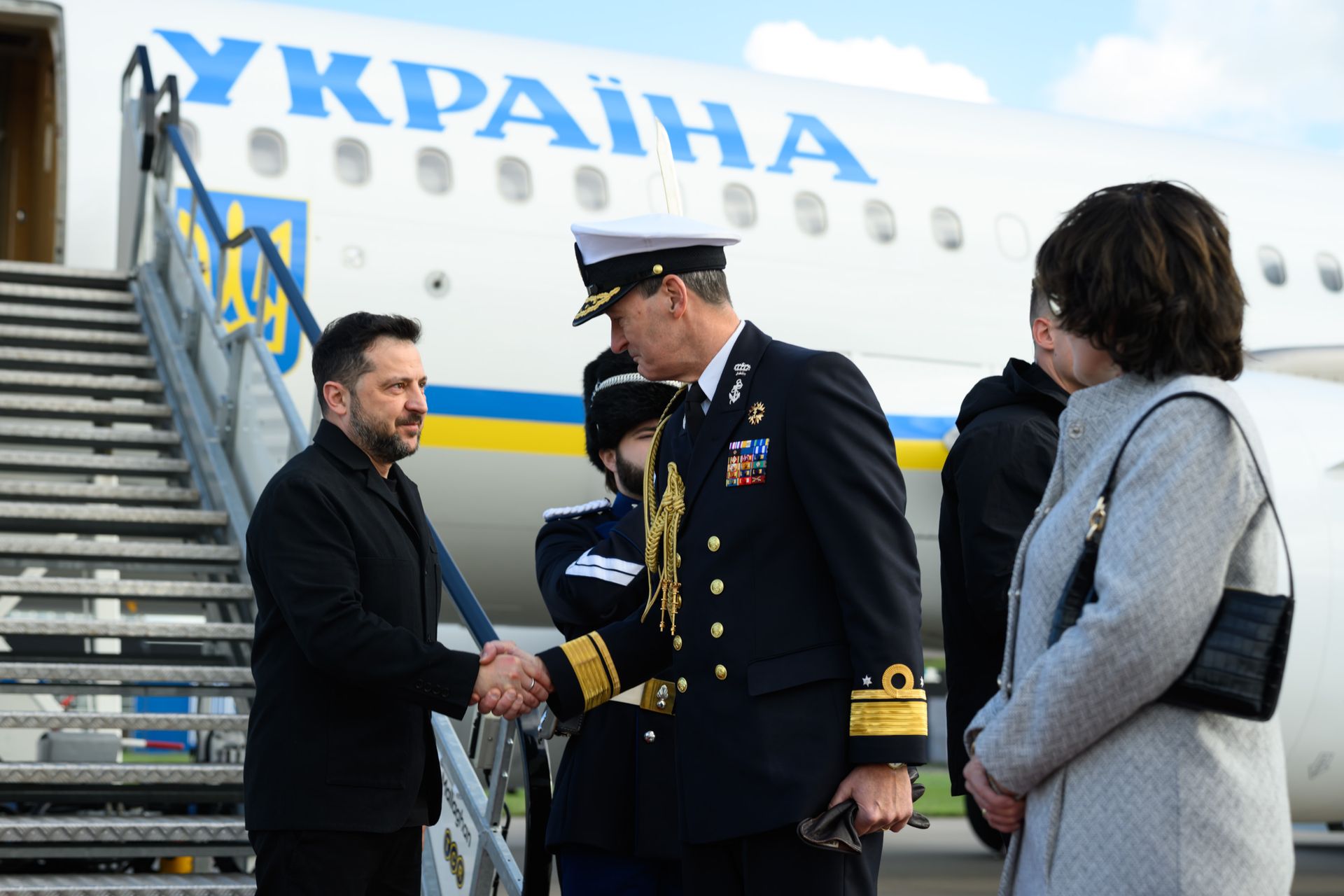
On 29 October, the Ukrainian delegation led by Lubinets arrived in Belarus, and the two delegations held their first in-person meeting at Homiel airport, Belarus’s state agency BelTA reported. Belarus has also joined the operation, BelTA said. Lubinets confirmed the same day that he had set off for Oleshky with the delegation to deliver aid and work on making sure people can leave safely.

The truce has held for 54 hours without violations, Lubinets said on 29 October. Routes are being demined, and an aid cargo is to reach Oleshky on 30 October, he added. The truce is set to last until 22:59 on 1 November. Across the river, the Kherson Oblast administration recorded no shelling and no civilian casualties over the past day.
Lantratova wrote that aid had been sent, saying residents need “food, fuel, medicine, hygiene products,” and that they would be able to leave wherever they wanted to go. Kremlin spokesman Dmitry Peskov said Russia expected residents to get aid within a day or two and those who wished to leave to be able to do so, Ukrainska Pravda reported.
US First Lady Melania Trump, who brokered the truce, announced that four Newsmax journalists will work in Oleshky alongside the Russian and Ukrainian humanitarian teams. Her post quoted Putin’s envoy Kirill Dmitriev, who wrote that Russia “welcomes” the Newsmax journalists, rather than any Ukrainian official:
DOCUMENTING OLESHKY
— First Lady Melania Trump (@FLOTUS) October 28, 2026
Four American journalists from Newsmax will be on the ground in Oleshky, embedded with Russian and Ukrainian humanitarian leaders.
Serving as neutral observers, they will independently record and permanently document this historic humanitarian mission. https://t.co/orfhcC8URs
On the truce’s first day, Russian Defense Minister Andrei Belousov inspected the Dnepr Grouping and met its commander, Colonel General Mikhail Teplinsky. The ministry said they discussed drone units. Ukrainian serviceman and analyst Volodymyr Molchanov told Radio NV that intelligence shows Russia rapidly reinforcing its forces in Oleshky, bringing in what Ukrainian drones had kept out.
Russian forces may use the limited ceasefire to reconstitute in Kherson Oblast, ISW assessed.
Key developments on Oct. 28:


Civilians in Russian-occupied Oleshky, Kherson Oblast, are to be evacuated from the town hospital on the morning of 30 October, Oleksandr Tolokonnikov, deputy head of the Kherson Oblast Military Administration, told DW on 27 October. The date could still change, he said.
Oleshky, a town on the Dnipro’s left bank across from Kherson, has been occupied by Russia since February 2022 and has gone short of food and medicine for months. Of about 24,000 pre-war residents, 1,700 to 2,000 remain, mostly elderly, the White House estimates. Drone strikes and mines have cut the town off from the rest of the region, the Financial Times reported. The evacuation would give them an organized way out, and test whether Russia lets those who choose Ukraine actually leave.
The route for those who want to go to Ukrainian-controlled territory is not yet set and will likely pass through Russia, Tolokonnikov said. “There will be two paths,” he added: one for those who want to stay in occupied territory or in Russia, and one for those who want to leave.
On 27 October, Russian President Vladimir Putin described Oleshky as a “Russian settlement” in a call with the leaders of Finland and Norway, the Institute for the Study of War (ISW) reported. ISW said it remains unclear whether occupation authorities will give residents “a legitimate and duress-free choice” to return to Ukraine. It warned that Moscow may treat holders of Russian passports as Russian citizens with no legal recourse to return.
People with knowledge of the talks told the Financial Times that residents who agree to leave would first be taken to occupied Crimea or Russia. The paper also reported that buses would take people out on Thursday morning, 29 October, a day earlier than the date Tolokonnikov gave.
President Volodymyr Zelenskyy warned in a television interview on 25 October, the FT reported, that Russia would “de-mine in such a way that these people go towards Russia and remain there.”
The ceasefire took effect at 03:00 Kyiv time on 27 October and runs until 22:59 on 1 November, Ukraine’s human rights commissioner Dmytro Lubinets said on X. A day later, he wrote that Oleshky had gone 30 hours without an incident, crediting his contact with Russia’s human rights commissioner Yana Lantratova. The goal, he wrote, is to “create the conditions for the safe departure of those who need it.”
Ceasefire in Oleshky: Agreement Being Fully Honored
— Dmytro Lubinets (@lubinetzs) October 27, 2026As of 5:30 p.m. on October 27, Ukraine and Russia are adhering to the ceasefire agreement in designated areas related to the humanitarian mission.
The ceasefire came into effect today at 3:00 a.m. Kyiv time and 4:00 a.m.… pic.twitter.com/2dzMIXRANX
The truce also covers Kherson Oblast’s coast, and Kherson city has gone quiet, Tolokonnikov told DW. The city has “literally come alive,” Lubinets wrote on 28 October, adding that both sides were still fully complying as of 12:00. On the truce’s first day, Volodymyr Obertas, an Oleshky-born press officer of Ukraine’s 34th Marine Brigade, was killed in central Kherson while escorting journalists. The brigade’s communications chief told Suspilne he stepped on an unidentified explosive device. The Defense Ministry’s Army TV said Russian forces detonated it remotely.
The deal reaches beyond Oleshky. Under terms both sides signed, Russia and Ukraine are to organize aid deliveries and repatriation in Kherson Oblast settlements as needed, at least once a month, after the Oleshky mission, Fox News reported.
The White House announced the ceasefire on 23 October, crediting First Lady Melania Trump with brokering it.
“I anticipate some will want to go to Russia, and some to Ukraine,” she said.
Ukraine’s 34th Marine Brigade, working with National Guard and border guard units in Joint Forces South, delivered about 4 tons of food and medicine to Oleshky by drone, the command said on 25 October. According to intelligence, Russia is preparing dozens of staged videos in the town, in which residents would be forced to say on camera that they are well fed and grateful to the occupiers, it added.

Residents who try to leave the front-line town on their own cross mined ground, and Russian troops have seized food that Ukraine dropped in by drone.


The ceasefire around Russian-occupied Oleshky in Kherson Oblast has expanded beyond the town to provide safe passage for humanitarian convoys, US First Lady Melania Trump said on 27 October. The expansion is intended to facilitate aid deliveries to civilians trapped under Russian occupation.
Ukraine and Russia are observing a localized ceasefire to enable a humanitarian mission to reach Oleshky, where residents have faced months of shortages of food, medicine, and medical care under Russian occupation.
Trump said the ceasefire took effect at 04:00 Moscow time on 27 October, two days ahead of the original schedule, to protect civilians and facilitate the delivery of critical humanitarian aid. Russia’s chief of General Staff, Valery Gerasimov, had confirmed the arrangement, she said.
Ukraine’s human rights ombudsman Dmytro Lubinets said no ceasefire violations had been recorded by 19:49 Kyiv time on 27 October, and Russian forces had made no attempts to advance. He added that he remained in constant contact with his Russian counterpart, Yana Lantratova.
THE CEASEFIRE HAS COMMENCED
— First Lady Melania Trump (@FLOTUS) October 27, 2026
The ceasefire between Ukraine and Russia took effect at 4:00am Moscow time on October 27, 2026.
Timing was accelerated two days ahead of schedule to protect the safety of civilians and to facilitate the delivery of critical humanitarian aid. The…
Lubinets said the ceasefire began at 03:00 Kyiv time and would remain in effect until 22:59 Kyiv time on 1 November. He reported no violations since it began and said Russian forces had made no attempts to advance.
The next steps are to clear mines from the road to Oleshky and deliver humanitarian supplies. Representatives of Ukraine, Russia, and the United States will be present once the route is cleared and the aid arrives, Lubinets said in an interview with Ukrainian broadcaster 1+1.
He added that everyone who wants to leave for Ukrainian-controlled territory would be able to do so and that assistance would be provided to everyone who needs it.
The Financial Times earlier reported, citing sources familiar with the negotiations, that residents who agree to leave Russian-occupied Oleshky during the ceasefire would first be transported to occupied Crimea or Russia before being allowed to return to Ukrainian-controlled territory.
Oleshky has been under Russian occupation since 2022. The town has been cut off for months, with shortages of food, medicine, and medical care worsening.
The White House announced on 23 October that Melania Trump had secured a localized ceasefire originally scheduled to begin on 29 October. Russia subsequently announced a ceasefire on the Kherson axis from 27 October, with preparations to secure a route for a humanitarian convoy.
Lubinets said efforts to address the humanitarian crisis in Oleshky began in late February 2026, but progress accelerated in September following Melania Trump’s involvement.
The expanded ceasefire area is intended to facilitate the humanitarian operation, but the route must still be cleared and supplies delivered before the mission can reach residents. The new boundaries of the ceasefire area have not been specified publicly.

For months, desperate civilians remaining in the southern Ukrainian city of Oleshky have been blockaded inside, as Russia severed food and medicine supplies to the city amid constant shelling, food shop closures, and reports of looting; many of the city's elderly and less mobile residents have been forced


A ceasefire around Russian-occupied Oleshky in Kherson Oblast took effect at 03:00 on 27 October Kyiv time, and both sides were complying with the agreements, Ukraine’s human rights ombudsman Dmytro Lubinets said. Russia’s Defense Ministry reported that its forces had stopped firing on the Kherson axis at 04:00 Moscow time, at the same moment.
Russia has kept Oleshky cut off for months. In June, the UN Human Rights Monitoring Mission in Ukraine documented worsening shortages of food, medicine, and medical care there and in neighboring Hola Prystan. As of 8 October, Lubinets’ office still saw no practical breakthrough toward an organized evacuation, with 358 residents verified as needing help to leave. The ceasefire is the first step that has to hold before aid can go in and residents can leave, an operation Marc Beckman, the first lady’s chief adviser, expects to take five to seven days.
By 09:00 on 27 October, Russian forces were still observing the ceasefire, according to Pavlo Drohal, spokesperson for Ukraine’s 30th Marine Corps. Kyrylo Budanov, head of the Presidential Office, announced that the mission had begun and that Lubinets had gone to the site to coordinate it.
The White House announced on 23 October that First Lady Melania Trump had secured a localized ceasefire, set to begin on 29 October. The same evening, Russia’s chief of General Staff Valery Gerasimov announced a ceasefire on the Kherson axis from 27 October, with engineering reconnaissance and a secured route for a humanitarian convoy. Ukraine’s General Staff followed, introducing a ceasefire in a designated area from the same hour.
Beckman told Ukrinform on 26 October that Russia had moved the ceasefire two days earlier and extended it beyond Oleshky into Kherson Oblast. Lubinets said on 23 October that the mission should effectively begin on 29 October, after demining, adding that the date was not a matter of principle for either side.

A day after the announcement, Lubinets and his Russian counterpart Yana Lantratova, who lead the two negotiating groups, confirmed the timing in an online meeting, he said. According to Lubinets, the agreement covers demining the road to Oleshky, delivering food, water, medicine, and hospital equipment, and safe movement for civilians.
Meanwhile, Melania Trump said she had secured an “impartial American media organization” to accompany the Russian and Ukrainian teams. Beckman named it as Newsmax. He said he had worked directly with the channel’s owner, and that its journalists would record testimony as what he called neutral American observers.
Residents could leave for Ukraine or Russia, or stay, Beckman said. He added that Russia had assured Kyiv and Washington it would respect their choice of destination. Both governments asked him not to disclose what guarantees Russia gave or how violations would be handled, he said. He expects the operation to take five to seven days after 29 October, with an extension possible if both sides agree.
At the same time, Kostiantyn Yelisieiev, Ukraine’s ambassador to the EU in 2010–2015, told Radio NV the truce became possible only through the personal involvement of Donald and Melania Trump. The US president, he said, sees it as a way to show Americans he is bringing peace closer. He said he expects Russia to attempt provocations aimed at pushing residents toward the Russian side.
Yelisieiev said he does not share the optimism of those who think Oleshky could push the wider peace process forward. He compared it to the Black Sea grain corridor, a one-off arrangement that no longer works. He warned of a “diplomatic smokescreen”: Russia imitates negotiations while it keeps fighting, hoping Ukraine and its partners weaken over time.

Oleshky lies on the left bank of the Dnipro, about 4 km from Kherson, and has been occupied since February 2022, Radio Svoboda reported. The White House says it had about 24,000 residents before the war and estimates 1,700 to 2,000 remain, mostly elderly, including about 50 children. Russian troops have also seized food dropped by Ukrainian drones, a local official said.


This weekly update from the Kyiv Independent aims to shed light on the situation facing Ukrainians living under Russian occupation and the ever-tightening control of information imposed by the Kremlin.
Key news as of Oct. 25: