❌

Reading view

I tried cinnamon-roll recipes from 3 celebrity chefs, and the best one completely blew me away

Cinnamon rolls in pan
One of the cinnamon-roll recipes I tried ended up being from Ree Drummond.

Paige Bennett

  • I followed cinnamon-roll recipes from famous chefs Alton Brown, Ree Drummond, and Sandra Lee.
  • Brown's recipe was solid, and Lee's recipe required the least effort, but the rolls were just OK. 
  • Drummond's recipe was my favorite, but was so messy I'd only make it again for a special occasion.

Imagine sweet, cinnamon sugar swirled into pillowy-soft dough, all dripping in glistening icing — is your mouth watering yet?

When that craving for cinnamon rolls kicks in, you could certainly grab a can from the grocery store — but there's nothing better than gooey, homemade ones filling your whole house with comforting smells.

In search of the ultimate cinnamon roll, I tested recipes from famous chefs Alton Brown, Ree Drummond, and Sandra Lee to see who has the best one. 

Read on to see how each recipe turned out, and which was my favorite. 

Brown's recipe calls for fairly simple pantry staples

Alton Brown ingredients
The ingredients for Alton Brown's cinnamon rolls.

Paige Bennett for Insider

Brown's recipe on the Food Network website asked for some super basic kitchen ingredients, many of which I already had on hand.

I needed ground cinnamon, light brown sugar, butter, eggs, flour, instant dry yeast, salt, and sugar for the dough and filling. For the icing, I only needed cream cheese, powdered sugar, and milk.

The ingredients are so standard that I happened to have enough on hand to make two batches, which later came in handy when I ran into some trouble with my first attempt.

These are meant to be prepared the day before, which makes morning prep easy

Brown's recipe is for "overnight cinnamon rolls," so I started prepping them the day before I wanted to eat them.

I like the idea of starting these rolls in the evening, letting them chill overnight, then finishing them in the morning. Splitting up the steps makes the process seem much easier.

However, it didn't make it any shorter. I made the dough the day before, let it rise for two and a half hours, and chilled it overnight.

For my dough, I used instant yeast that someone had shared with me from a larger package. I'd stored it in a clear, resealable bag — but it turns out that opened instant yeast should be refrigerated.

As such, my instant yeast was worthless. However, I didn't realize this until it was too late. 

My first batch was a bust, but I learned a few lessons

Alton Brown first batch 1
The first batch of Alton Brown's cinnamon rolls didn't work out due to my ingredients.

Paige Bennett for Insider

In the morning, I let my rolls rise further in a cold oven along with a pan of boiling water for 30 minutes. Then I baked them for 30 minutes.

The first batch was definitely wrong. As I foreshadowed, the rolls never rose due to an issue with my instant yeast. The dough looked rather dry from start to finish, and the cinnamon rolls stayed small throughout the process. 

They didn't rise in the oven and came out looking undercooked and dry — but at least they worked well as an air freshener.

The icing smelled sweet, but it looked thin with clumps of cream cheese. I wondered if maybe the cream cheese wasn't soft enough, even though I'd left it out for a few hours.

Alton Brown first batch 3
My first attempt at Alton Brown's cinnamon rolls looked off.

Paige Bennett for Insider

These cinnamon rolls were difficult to cut into and incredibly dense.

The taste was fine — buttery and filled with a sweet cinnamon flavor — but the texture was just hard and dry. The icing was also a turn-off because of the clumpiness. 

I decided to try Brown's recipe one more time 

Alton Brown second batch 1
For the second batch of Alton Brown's cinnamon rolls, my dough was looking good.

Paige Bennett for Insider

After my failed first attempt, I made a second batch. This time, I tried using active dry yeast as a substitute for instant yeast by following the simple instructions on the yeast packet. It worked perfectly. 

I combined active yeast with warm water (I made sure the temperature was between 100 and 115 degrees Fahrenheit) and sugar and let it sit for 10 minutes before adding it to the mixer to make the dough, per the recipe's instructions.

The second time around, the dough definitely came out fluffier and stickier. It rose very well and was a bit harder to work with because it was so soft and sticky.

My first attempt was a letdown, but the second batch of Brown's rolls was excellent

Alton Brown second batch 3
Alton Brown's cinnamon rolls from my second batch looked amazing.

Paige Bennett for Insider

These came out of the oven looking and smelling delicious.

The brown sugar in the filling leaked out more in this batch, causing the bottoms of the cinnamon rolls to become slightly overdone. 

Otherwise, the rolls were so soft. I wish the filling didn't leak out and pool in the bottom of the pan because I would've loved more cinnamon and brown-sugar flavor.

Alton Brown second batch 4
The frosting was a bit chunky.

Paige Bennett for Insider

For my second attempt at the icing, I tried letting the cream cheese sit out even longer to soften, hoping it would be easier to integrate with the powdered sugar and milk — but it still got clumpy.

In the future, I might try topping these with whipped cream cheese instead.

Overall, this recipe resulted in soft, pillowy cinnamon rolls that could use more filling. 

Drummond's recipe featured unique ingredients in high enough quantities to feed a crowd

Ree Drummond ingredients
The ingredients for Ree Drummond's cinnamon-roll recipe.

Paige Bennett for Insider

The Pioneer Woman is often whipping up recipes for a crowd on her cooking show, so it makes sense that her original recipe on the Food Network website yields 40 to 50 cinnamon rolls.

I cut the ingredients in half, and this recipe still produced the most cinnamon rolls of the three recipes I tested.

For this dough and filling, I needed a lot of the same basics, like flour, butter, cinnamon, active dry yeast, sugar, and milk. It also used baking powder and baking soda.

However, there were some more unconventional ingredients for the icing, including maple extract and "strongly brewed coffee." I used cold brew because I already had some made in the fridge.

Oddly enough, this is a one-pot recipe

Ree Drummond 1 making dough on stove
Ree Drummond's recipe only required one pot.

Paige Bennett for Insider

Although some mixing bowls are needed for the icing, the dough is actually made in a single pot on the stove. This made for a pretty easy start, even if it seemed strange to me.

I made the dough on the stove as directed, then moved it to a mixing bowl to proof. It rose so well that I had a hard time getting it to stop rising.

Ree Drummond 2
Rolling out the dough was no easy feat.

Paige Bennett for Insider

The rising dough overflowed out of my mixing bowl, and it was very difficult to roll out because it was so fluffy and sticky.

I wrangled it as best I could and packed my dough strips with filling before putting them into the baking pans to rise further. 

Ree Drummond 3
Ree Drummond's cinnamon rolls before I cooked them.

Paige Bennett for Insider

Although they seemed far apart in the pan, I knew they'd rise even more once they began baking. 

The smell of these maple cinnamon rolls was unreal — and the taste was even better

Ree Drummond 5
I wish you could smell these through the screen.

Paige Bennett for Insider

Despite the mess and frustration, these rolls came out nearly perfect. They were golden with gooey centers, even though they looked a bit pathetic and misshapen going into the oven.

Drummond's maple icing was easy to make, but next time I plan to sift the powdered sugar to prevent it from clumping. 

The edges of the cinnamon rolls were just the slightest bit overdone. Aside from the slightly crisp edges, the rolls were perfectly soft with sweet fillings and ooey-gooey centers.

Ree Drummond 7
The cinnamon roll was nearly perfect.

Paige Bennett for Insider

The first bite I took from the middle of one of these rolls was indescribably good, and the maple icing was so delicious I could eat it straight from the bowl. 

For just my partner and me, I don't think I would go through the nightmarish mess of this recipe again. However, these cinnamon rolls would absolutely impress a crowd.

Lee's cinnamon rolls were unsurprisingly quick and easy to make

Sandra Lee ingredients
The ingredients for Sandra Lee's cinnamon rolls.

Paige Bennett for Insider

True to her semi-homemade fame, Lee's recipe on the Food Network website calls for frozen bread dough. My grocery store typically carries one brand of frozen white bread dough, but it was out of stock when I went shopping.

Luckily, in a 2020 Yahoo interview, Lee said you can swap out the frozen bread for biscuit dough in this recipe.

I decided to use buttermilk biscuits because I figured the buttermilk flavor, which is a tad acidic, would balance out the sweetness of the cinnamon rolls

The dough was harder to roll out than I expected

Sandra Lee 1
For this recipe, I cut my cinnamon rolls from a dough log.

Paige Bennett for Insider

At first, the biscuit dough felt tough to roll out because it's so dense. However, once I finally flattened it, adding the brown sugar and cinnamon filling was easy — and so was shaping the rolls.

The dough was easy to slice, and doing so created beautiful, nearly perfect rolls. This was a nice break from the other batches of cinnamon rolls I made, which mostly fell apart as I cut them.

Sandra Lee 2
In the end, this recipe's dough was the easiest for me to roll out and shape.

Paige Bennett for Insider

I followed the recipe's instructions and left the cut rolls out for one hour to proof. They didn't appear to rise at all during that time, so I'm not sure how necessary this was.

In the meantime, I made the icing with softened butter, cream cheese, vanilla extract, and powdered sugar. Like with Brown's recipe, I found the simple cream-cheese icing I prepared to be lumpy.

The cinnamon rolls looked great, but the centers were too undercooked

Sandra Lee 4
Sandra Lee's cinnamon rolls looked golden, but the insides were not fully cooked.

Paige Bennett for Insider

These came out golden brown, and the lumps in the icing dissolved once they met the hot rolls.

Unfortunately, the dough was so dense that the centers didn't bake well and were too underdone and doughy. However, with more time in the oven, I predicted that the edges would burn. 

Next time, I might cover these with foil for a bit or bake them at a lower temperature so they don't burn but can cook through.

Sandra Lee 5
These cinnamon rolls weren't necessarily worth the hassle.

Paige Bennett for Insider

The buttermilk flavor did help cut the extra sweetness from the excessive filling, but otherwise, these tasted quite similar to store-bought cinnamon rolls.

As such, I'd probably skip buying a can of biscuit dough to make these rolls and just opt for a can of store-bought cinnamon rolls. 

I'd totally make Drummond's cinnamon rolls again, but only for a special occasion 

Ree Drummond 8
Ree Drummond's cinnamon-roll recipe was amazing.

Paige Bennett for Insider

In general, making homemade cinnamon rolls can be a lengthy and messy affair.

Personally, I don't mind grabbing a can of cinnamon rolls from the store or buying them from a local bakery or restaurant. I'll likely continue to do so, but for special occasions and large gatherings, I'd make Drummond's recipe in a heartbeat.

It resulted in such decadently sweet cinnamon rolls, and the maple icing was such a unique touch that really made them next-level.

Check out the other celebrity-chef recipes we've put head-to-head so far.

This story was originally published on TK and most recently updated on TK.
Read the original article on Business Insider
  •  

Cuba Blockade Draws Renewed Rejection at UN General Assembly

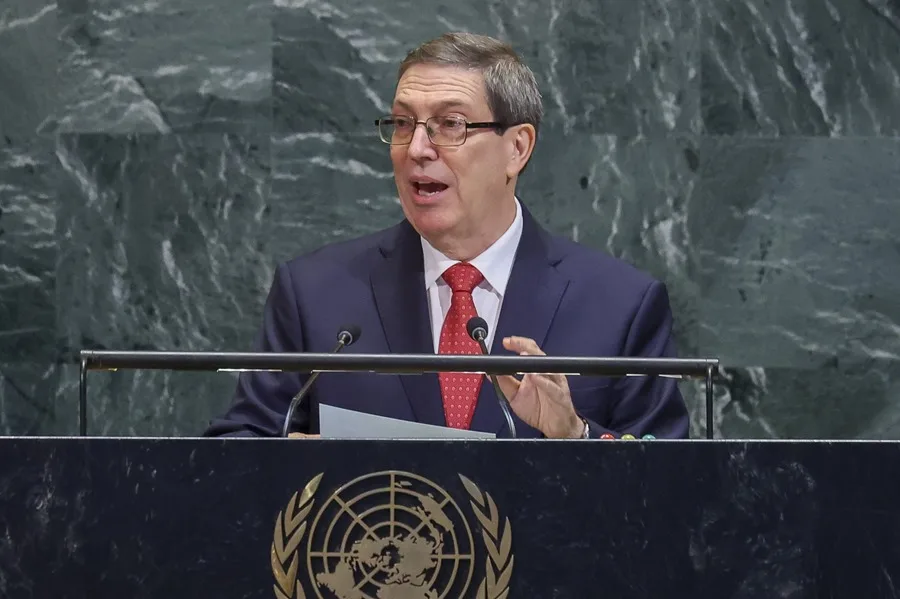
Several countries and international blocs rejected the intensified US economic, commercial and financial blockade against Cuba at the UN General Assembly on Tuesday, Oct. 27.


During the debate on the draft resolution presented by the Caribbean island, participating delegations denounced the humanitarian consequences and socioeconomic impact of these unilateral coercive measures, while urging respect for sovereignty and the principles of international law.

RELATED: Cuba Refutes Accusations by the U.S. Ambassador to the UN

Cuban President Miguel Díaz-Canel said on X that “During the debate, the U.S. representative, in evident isolation, did not have the courage to explain to the world the reason for the criminal energy siege to which they subject the Cuban people, nor for the strengthening of the extraterritoriality of the Blockade.”

Hoy en ONU se evidenció el respaldo mayoritario de la comunidad internacional a #Cuba en la condena al bloqueo y contra la política de máxima asfixia del gob. de EE.UU. La mayoría de los oradores, algunos en representación de bloques regionales, fueron claros en su denuncia.

1/3

— Miguel Díaz-Canel Bermúdez (@DiazCanelB) October 28, 2026

As usually happens since 1992, the 193 UN General Assembly member states are convened between Tuesday and Wednesday, to debate the draft resolution demanding that Washington end the blockade against Cuba.

The document, titled “Necessity of ending the economic, commercial and financial embargo imposed by the United States of America against Cuba,” has historically had near-unanimous support, at times reaching up to 189 votes in favor.

In last year’s vote, the text was backed by 165 countries, while 12 abstained and only 7 voted against: the United States, Israel, Argentina, Paraguay, Ukraine, North Macedonia and Hungary.

  •  
  •  

The responsibility of democracies toward global health

I had to be dismissed by the Trump administration in 2025 before I truly understood how fragile the fabric of our society in the United States had become. Values we had long regarded as universal — such as ending world hunger, HIV, malaria, and neglected tropical diseases — suddenly became political bargaining chips. I never imagined the day would come when my country would abruptly and recklessly cut off supplies of medical equipment, emergency food, and rape kits destined for some of the world’s poorest people, with a death toll that is hard to calculate.

Seguir leyendo

© NurPhoto (NurPhoto via Getty Images)

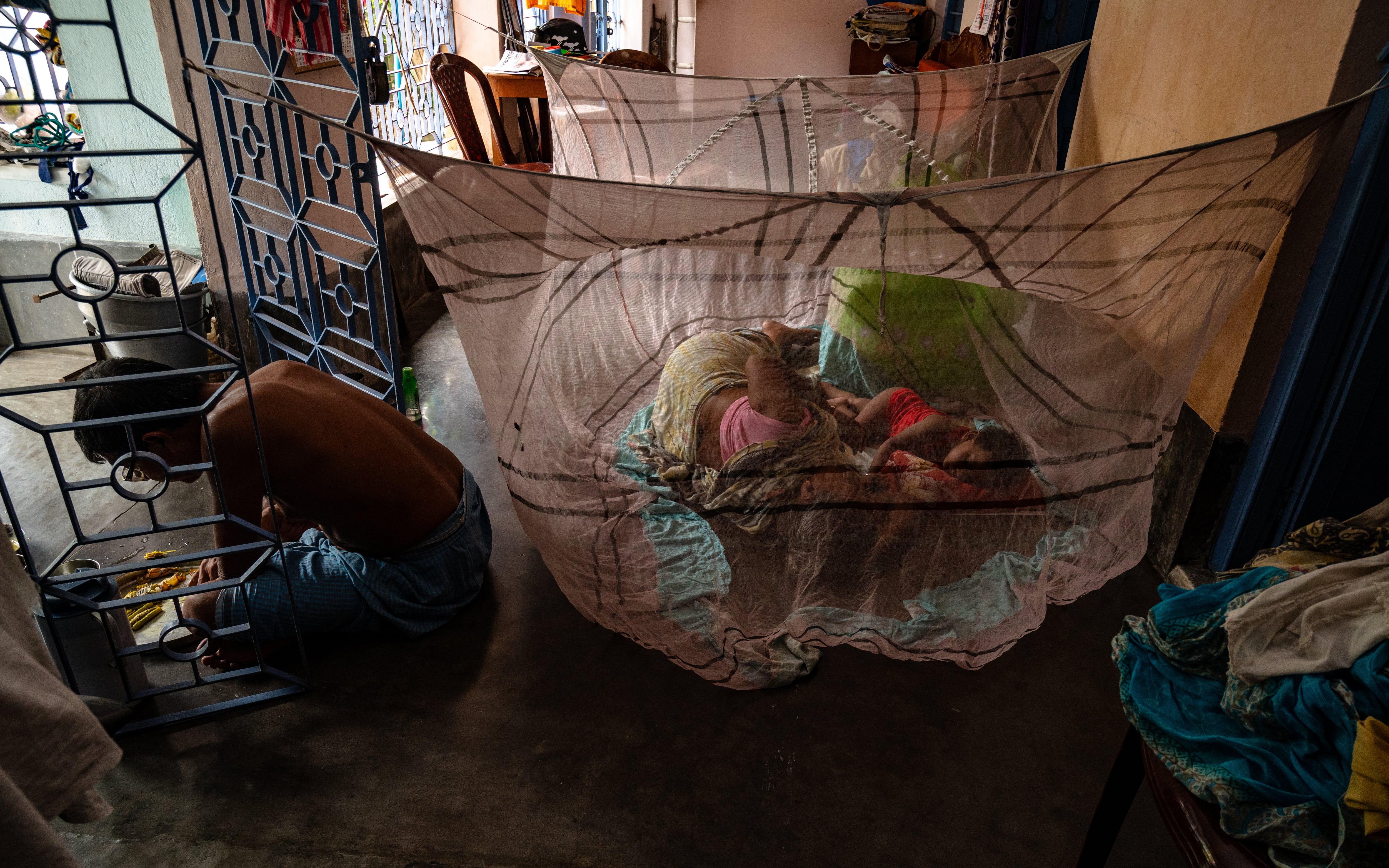
A woman and a girl protect themselves from mosquito bites in Tehatta, West Bengal (India), on August 20.
  •  

El Frente Amplio cambia la cara a Sumar: profunda renovación de candidatos e IU lidera más de la mitad de las listas

Apenas repiten 10 de los 27 diputados del grupo parlamentario y de ministros sólo entra Ernest Urtasun Leer

Apenas repiten 10 de los 27 diputados del grupo parlamentario y de ministros sólo entra Ernest Urtasun
  •  

Netanyahu’s future hangs in the balance in a decisive election for the entire Middle East

“The most important in the country.” “Crucial for the future of the Middle East.” “A historic crossroads.” Israel is holding elections this Tuesday — the first since the Hamas-led attacks of October 2023 — which have been described in many ways because they are decisive. Prime Minister Benjamin Netanyahu is staking his future — both political and personal — on the vote, after, against all odds, completing a four-year term leading the most right-wing coalition in the country’s history.

Seguir leyendo

© Ariel Schalit (AP Photo)

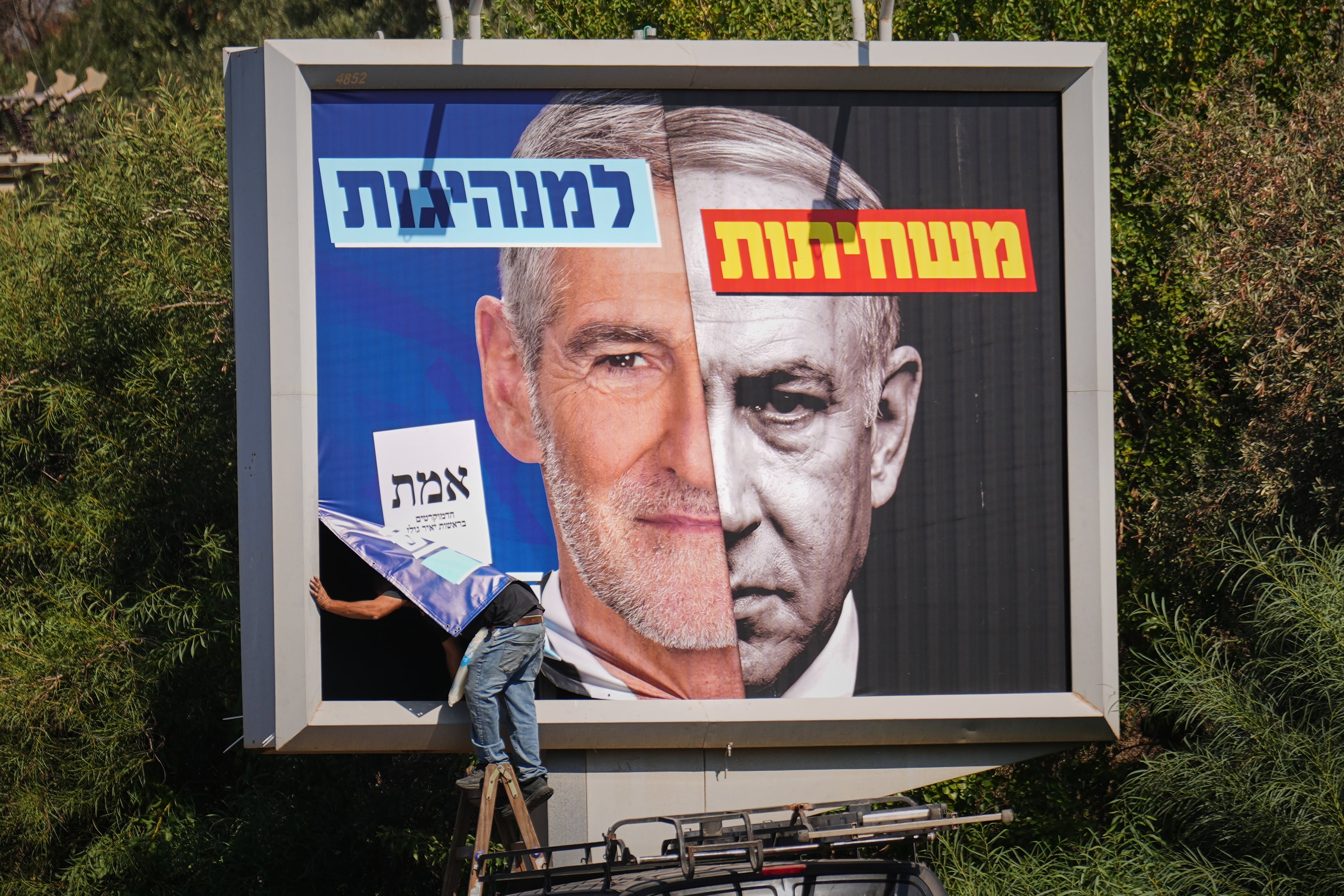
A campaign billboard featuring Democratic leader Yair Golan, left, and Benjamin Netanyahu, in Tel Aviv, October 19.
  •  

Il Sud Globale è pronto a riformare l’ONU?

A Nuova Delhi i BRICS hanno scritto che la riforma è dovuta. A New York il Sud Globale ha detto di essere pronto a pretenderla. Resta da vedere se saprà anche organizzarsi per ottenerla, cioè trasformare una maggioranza aritmetica in un soggetto politico

Segue nostro Telegram.

In prima fila davanti alle crisi, in ultima fila quando si decide

Il 22 settembre 2026, a margine dell’ottantunesima sessione dell’Assemblea generale, Subrahmanyam Jaishankar ha riunito a New York i ministri di quello che la diplomazia indiana chiama il gruppo dei Paesi del Sud Globale «di orientamento affine e amici». Il tema scelto aveva il tono di un programma: Navigating Together Towards a Brighter Future – the Compelling Case for an Empowered Global South. Nel discorso d’apertura il ministro ha consegnato l’immagine che resterà di questa sessione. Il Sud Globale siede in prima fila davanti alle crisi del mondo e nelle ultime file quando si tratta di decidere come affrontarle, perché le istituzioni costruite per un’altra epoca continuano a riflettere i rapporti di forza di quell’epoca.

Dieci giorni prima, a Nuova Delhi, Narendra Modi aveva aperto il diciottesimo vertice BRICS con una formula più dura. La governance globale, nella sua descrizione, ha la forma di una «piramide del privilegio», e la riforma del Consiglio di Sicurezza non può più essere rinviata, servono scadenze fisse e risultati verificabili. Interpellato sul punto, il portavoce del Segretario generale Stéphane Dujarric ha ammesso che la rappresentanza dei Paesi in via di sviluppo nelle sedi in cui si scrivono le regole globali è insufficiente, e che quelle sedi, dal Consiglio alle istituzioni finanziarie, dovrebbero riflettere il 2026 e non più il 1945.

Tre momenti in meno di due settimane non spostano di un millimetro l’architettura della Carta. Bastano però a formulare la tesi di queste pagine. La riforma delle Nazioni Unite è diventata una questione di legittimità prima che di efficienza, e la legittimità di un’organizzazione fondata sull’«eguaglianza sovrana di tutti i suoi Membri» (art. 2, par. 1 della Carta) dipende ormai dalla maggioranza che quell’organizzazione la abita. Il protagonismo del Sud Globale è necessario in senso stretto: senza di esso la riforma non ha un soggetto che la porti né un criterio che la giustifichi. Con esso, come si vedrà, non ha ancora uno strumento che la imponga.

L’aritmetica del 1945

Nel 1945 i membri fondatori erano 51; oggi sono 193. Il Consiglio di Sicurezza è stato allargato una sola volta, con la risoluzione 1991 A (XVIII) del 1963, entrata in vigore nel 1965, che portò i seggi da undici a quindici aggiungendo soltanto membri eletti. I cinque seggi permanenti, e con essi il potere di veto previsto dall’art. 27, par. 3, sono rimasti quelli delle potenze vincitrici della Seconda guerra mondiale. Il risultato non richiede interpretazione. L’Africa, con 54 Stati membri e una parte cospicua delle operazioni di pace sul proprio territorio, non dispone di alcun seggio permanente. L’America Latina e i Caraibi nemmeno. L’Asia, che ospita più della metà dell’umanità, vi è rappresentata dalla sola Cina.

Il meccanismo di revisione è costruito per proteggere questa fotografia. L’art. 108 richiede il voto favorevole dei due terzi dell’Assemblea e la ratifica dei due terzi dei membri, «compresi tutti i Membri permanenti del Consiglio di Sicurezza»: a ciascuno dei cinque spetta dunque, oltre al veto politico, un veto costituzionale. Dal 2009 la discussione è incanalata nei Negoziati intergovernativi (IGN) avviati con la decisione 62/557 dell’Assemblea, che da allora si chiudono ogni anno con una decisione di rinnovo. Il presidente keniano William Ruto lo ha ricordato dal podio dell’Assemblea pochi giorni fa, con una constatazione che vale più di molte analisi: diciassette anni dopo, si sta ancora negoziando.

Quando l’ONU si è riformata davvero, lo ha fatto lasciando intatta la distribuzione del potere. Il pacchetto lanciato da António Guterres nel 2017, esaminato dal servizio di ricerca del Parlamento europeo, si articolava su sviluppo, gestione, pace e sicurezza, e rispondeva alle critiche di scarsa responsabilità, trasparenza ed efficacia; il briefing annotava anche che il termine stesso di «riforma» si era rivelato problematico per gli Stati membri, proprio per l’assenza di un’intesa sul suo significato. Nulla, in quel disegno, toccava la composizione degli organi decisionali. L’iniziativa UN80, avviata nel marzo 2025, ha seguito la stessa grammatica in condizioni peggiori: tagli al bilancio della Segreteria, revisione dei mandati, fusioni di uffici, dentro una crisi di liquidità generata dai contributi non versati. La riforma amministrativa si fa perché non redistribuisce nulla. Quella politica resta bloccata per la ragione opposta.

Genealogia di una rivendicazione

Il Sud Globale non scopre oggi le Nazioni Unite come terreno di lotta. Dena Freeman ha mostrato che i Paesi del Sud si sono pensati come soggetto collocato globalmente fin dagli anni Sessanta, molto prima che la categoria entrasse nel lessico accademico, e che il Gruppo dei 77 ha costantemente ricondotto i propri problemi all’ingiustizia dell’ordine internazionale, cercando di correggerla con il diritto internazionale e i processi politici multilaterali. La Conferenza di Bandung del 1955, la nascita del G77 nel 1964 e la Dichiarazione sul Nuovo Ordine Economico Internazionale del 1974 (ris. 3201 S-VI) tracciano una linea continua. La Dichiarazione di Nuova Delhi la rivendica in modo esplicito: il richiamo a Bandung colloca i BRICS nella genealogia dell’anticolonialismo, non in quella della competizione tra grandi potenze.

Che cosa è cambiato, allora, rispetto agli anni del NIEO? Due cose, e nessuna delle due appartiene alla retorica. La prima è il peso materiale. Secondo l’Institute of South Asian Studies di Singapore, il formato allargato dei BRICS rappresenta circa il 37 per cento del prodotto mondiale e il 54 per cento della popolazione. Il G77 degli anni Settanta aveva i numeri in Assemblea e poco altro; il Sud del 2026 dispone anche di capacità industriale, riserve e tecnologie a basso costo. La seconda novità discende dalla prima: l’esistenza di alternative istituzionali, dalla Nuova Banca di Sviluppo ai circuiti di pagamento in valute nazionali ai fori regionali. Il NIEO chiedeva al Nord di cambiare le regole. Il Sud di oggi può anche scriverne altre, e questa possibilità cambia il valore della sua domanda di riforma. Chi può uscire negozia in modo diverso da chi non ha scelta.

Uno studio diffuso all’inizio del 2026 sul rapporto tra ascesa del Sud e riforma dell’ONU offre un controllo utile. I casi di adattamento multilaterale riusciti, come l’Accordo di Parigi, condividevano un problema che richiedeva partecipazione universale, una conduzione procedurale inclusiva, la mobilitazione della società civile a Nord come a Sud e una base scientifica comune. Nessuna di queste condizioni si ritrova nel dossier del Consiglio di Sicurezza, dove il problema è la distribuzione di un bene scarso, il potere di decidere sulla guerra e sulla pace, e dove ogni guadagno di un attore è una perdita per un altro. È per questo che lì il protagonismo del Sud deve assumere una forma diversa dalla semplice partecipazione.

Nuova Delhi: che cosa dice la Dichiarazione, e che cosa tace

Adottata per consenso il 12 settembre 2026, al termine della sessione plenaria ristretta, la Dichiarazione di Nuova Delhi conta 140 paragrafi. Sulla riforma delle Nazioni Unite compie tre operazioni. Riafferma l’impegno per una riforma complessiva dell’organizzazione, compreso l’allargamento della rappresentanza dei Paesi in via di sviluppo nel Consiglio di Sicurezza. Riconosce le aspirazioni africane espresse nel Consenso di Ezulwini e nella Dichiarazione di Sirte. Registra, infine, il sostegno di Cina e Russia a un ruolo maggiore di Brasile e India nel sistema ONU, «incluso il Consiglio di Sicurezza». Letti insieme, i paragrafi dedicati alla governance compongono una strategia coerente: restare dentro il sistema multilaterale e riscriverne la gerarchia interna.

Il lessico va però letto con la lente, perché è lì che si misura la distanza tra dichiarazione e impegno. Un «ruolo maggiore» non è un seggio permanente. La formula riprende quella delle dichiarazioni precedenti, e il fatto che un vertice presieduto dall’India non sia andato oltre dice molto sul limite del consenso interno: Pechino sostiene l’aspirazione indiana a contare di più, non quella di sedere accanto a sé con gli stessi poteri. Il Consenso di Ezulwini, dal canto suo, chiede per l’Africa almeno due seggi permanenti con tutte le prerogative dei membri attuali, veto compreso, e cinque seggi non permanenti. Nessuno dei due membri permanenti del club BRICS ha mai sottoscritto questa posizione nei suoi termini; la Dichiarazione ne «riconosce» le aspirazioni, che è cosa diversa.

Conta anche ciò che il testo non nomina. La Dichiarazione evita di indicare Paesi anche sui dossier più sensibili e non menziona mai gli Stati Uniti, pur in un anno segnato dalla guerra contro l’Iran e dalla politica tariffaria di Washington. È una scelta di metodo imposta dalla composizione del blocco, che tiene insieme Iran, Arabia Saudita ed Emirati: la riunione dei ministri degli esteri di maggio si era chiusa senza dichiarazione congiunta proprio per le divergenze sull’Asia occidentale. La riforma delle istituzioni diventa così, per sottrazione, il terreno su cui il consenso regge. Ne fa un collante e al tempo stesso ne limita l’ambizione, perché su ciò che unisce in quanto rimane vago non si costruisce una proposta negoziabile.

Da qui il peso della proposta procedurale avanzata da Modi: che i membri elaborino dieci proposte comuni su rappresentanza, reattività e produzione delle regole, da consolidare in una «Roadmap BRICS per la riforma» entro il prossimo vertice. Se realizzata, sarebbe la prima volta che il blocco passa dalla formula alla bozza. È l’indicatore più concreto uscito da Nuova Delhi, ed è anche quello che più facilmente potrebbe essere lasciato cadere.

New York, settembre 2026: il Sud come coalizione

Il comunicato del Ministero degli esteri indiano sulla riunione del 22 settembre elenca le preoccupazioni condivise dai partecipanti: conflitti che colpiscono la sicurezza alimentare ed energetica, volatilità dei flussi commerciali e d’investimento, la condizione dei marittimi nelle aree di guerra, eventi climatici estremi, ritardi sugli Obiettivi di sviluppo sostenibile. I ministri vi constatano l’indebolimento delle istituzioni multilaterali e chiedono riforme complessive, anzitutto delle Nazioni Unite, perché le crisi in corso colpiscono il Sud in modo sproporzionato. L’incontro si è chiuso con l’impegno a consolidare posizioni comuni e a lavorare per un’architettura di governance equilibrata, partecipativa e giusta.

Tre dettagli della stessa settimana dicono più del comunicato. Jaishankar ha chiesto il passaggio a negoziati su testo nell’IGN, sostenendo che chi blocca il cambiamento sta facendo un uso improprio dell’organizzazione. I ministri della CARICOM hanno concordato con Nuova Delhi un lavoro comune sulla riforma ONU e hanno sostenuto la candidatura indiana a un seggio non permanente per il biennio 2028–29. Ruto, infine, ha legato la rappresentanza nel Consiglio alla riforma dell’architettura finanziaria internazionale: nel 2024 il debito pubblico mondiale ha raggiunto 102.000 miliardi di dollari e i Paesi in via di sviluppo, pur detenendone meno di un terzo, hanno pagato circa mille miliardi di interessi.

Quest’ultimo dato spiega perché il protagonismo del Sud non possa esaurirsi nel Consiglio di Sicurezza. Per gran parte degli oltre centotrenta membri del G77 la questione del veto è lontana, mentre il costo del capitale, il servizio del debito e l’accesso alla finanza climatica sono questioni di ogni bilancio nazionale. Una riforma che aggiungesse quattro o sei seggi permanenti per le potenze emergenti lascerebbe immutata la condizione della maggioranza. Il Sud nel suo insieme ha interesse a tenere insieme rappresentanza politica e riforma finanziaria; le sue potenze regionali hanno interesse soprattutto alla prima. È una divergenza di priorità che nessun comunicato registra e che ogni negoziato reale farebbe emergere.

Tre nodi

Il primo nodo è la rappresentanza del Sud al proprio interno. Il Sud Globale è una maggioranza, non un soggetto unitario. Sul Consiglio si confrontano almeno tre schieramenti. Il G4 (Brasile, Germania, India, Giappone) chiede nuovi seggi permanenti. Il Comitato dei Dieci dell’Unione Africana difende la posizione comune di Ezulwini. Il gruppo Uniting for Consensus respinge nuovi seggi permanenti e propone di allargare la sola categoria elettiva. Di quest’ultimo fanno parte l’Italia, il Pakistan, l’Argentina e il Messico, cioè i vicini e rivali regionali di tre degli aspiranti. Ogni candidatura del Sud genera un’opposizione del Sud. Uniting for Consensus presenta il proprio modello come il più attento alla sottorappresentanza di Asia-Pacifico e America Latina dopo il 1963; buona parte degli Stati africani vi legge un modo per negare al continente la parità di status. Nessuno dei tre schieramenti dispone da solo dei 129 voti che servono in Assemblea.

Il secondo nodo è il veto. La posizione africana lo chiede per i nuovi membri permanenti in nome dell’eguaglianza; il G4 si è mostrato disponibile a rinviarne l’esercizio a una revisione successiva; i cinque permanenti non hanno interesse né a estenderlo né a limitarlo, e la Russia lo ha difeso apertamente come argine contro iniziative avventate dell’organizzazione. Qui l’interesse dei membri BRICS diverge in modo strutturale. Cina e Russia sono garanti dello status quo che il resto del blocco contesta, e la loro adesione alla retorica della riforma si arresta al perimetro del proprio privilegio. Chiedere ai cinque di votare la propria diluizione, come ho scritto altrove, equivale a chiedere a un monopolista di legiferare sulla propria concorrenza.

Il terzo nodo è finanziario, e per il Sud rappresenta insieme un rischio e un’occasione. Per il 2026 il Segretario generale ha proposto un bilancio ordinario ridotto del 15 per cento e un taglio del personale vicino al 19 per cento; all’inizio dell’anno sono stati soppressi 2.900 posti. Il paradosso è evidente, giacché l’organizzazione si restringe proprio mentre la sua maggioranza chiede di pesare di più al suo interno. Ma chi finanzia un’istituzione acquista titolo a ridisegnarla. Se i contributi mancati di Washington rendono l’ONU più dipendente da altri finanziatori, a cominciare dalla Cina, secondo contribuente del bilancio ordinario, il baricentro negoziale si sposta. Per il Sud la domanda è se questo spostamento produrrà più rappresentanza o soltanto un nuovo patrono.

Tre vie: dentro, sopra, di lato

La prima via è quella negoziale, dentro l’IGN. Il Patto per il Futuro adottato il 22 settembre 2024 ha fissato alcuni principi: riparare come priorità l’ingiustizia storica nei confronti dell’Africa, trattandola come caso speciale; migliorare la rappresentanza di Asia-Pacifico, America Latina e Caraibi; intensificare gli sforzi sulla questione delle categorie di membri; lavorare verso un modello consolidato. È il massimo di convergenza mai registrato in un testo adottato per consenso. È anche, osserva Joseph Preston Baratta, un documento di riconferma più che di trasformazione: i piccoli e medi Stati, maggioranza schiacciante dell’Assemblea, non si sono coalizzati attorno a un’agenda ambiziosa perché impegnati a difendere gli impegni sull’aiuto allo sviluppo e sugli Obiettivi del 2030. La richiesta indiana di un testo negoziale è l’unico modo per mettere alla prova quella convergenza. Valuto probabile, con confidenza moderata, che anche l’ottantunesima sessione si chiuda con l’ennesima decisione di rinnovo.

La seconda via passa sopra il negoziato ordinario. L’art. 109 della Carta prevede una Conferenza generale degli Stati membri per la revisione della Carta, convocabile con il voto dei due terzi dell’Assemblea e di nove membri qualsiasi del Consiglio di Sicurezza. Per la convocazione, dunque, il veto non opera. Baratta, riprendendo gli studi di Mahmoud Sharei, propone che una coalizione di piccoli e medi Stati faccia di questa disposizione mai applicata la leva di una revisione complessiva. Il limite è altrettanto chiaro: le modifiche approvate dalla Conferenza entrano in vigore solo con la ratifica di tutti i membri permanenti (art. 109, par. 2). L’art. 109 non aggira il veto, ma ne rende visibile il costo politico, perché costringe i cinque a opporsi apertamente a un processo voluto dalla maggioranza invece di lasciarlo esaurire nelle procedure dell’IGN. Per il Sud è l’unico strumento giuridico che trasforma il numero in iniziativa.

La terza via corre di lato. È quella che ho chiamato altrove la «riforma necessaria», contrapposta alla «riforma impossibile»: la trasformazione che avanza nei circuiti che le istituzioni universali non controllano, dai pagamenti transfrontalieri alle banche di sviluppo, e che finisce per rendere l’interno meno rilevante. Questa via non chiede il permesso a nessuno. Ha però un costo che il Sud deve mettere in conto: un’ONU svuotata non protegge i piccoli, che del diritto internazionale e della sede universale hanno più bisogno delle grandi potenze. Pechino, Mosca o Nuova Delhi possono permettersi un mondo di club; il Burundi o la Giamaica molto meno.

Le tre vie non si escludono. La combinazione più plausibile nei prossimi anni vede la terza avanzare mentre la prima ristagna, con la seconda tenuta in riserva come minaccia. È in questa combinazione che il protagonismo del Sud diventa necessario e non soltanto auspicabile. Solo una maggioranza organizzata può fare in modo che la pressione laterale produca riforma dentro l’organizzazione anziché il suo abbandono; e solo una maggioranza organizzata può rendere credibile l’art. 109 come alternativa allo stallo.

La valutazione poggia su tre assunti: che i cinque permanenti restino compatti nella difesa del veto; che la rivalità sino-indiana persista; che il disimpegno finanziario statunitense continui. Se il primo cadesse, per esempio con un’apertura di Washington o di Parigi a una limitazione del veto, gli scenari di riforma parziale guadagnerebbero probabilità. Se la rivalità tra Pechino e Nuova Delhi si attenuasse in modo stabile, il nodo del seggio indiano smetterebbe di essere il principale ostacolo interno al blocco.

Un ulteriore banco di prova è ormai imminente. La scelta del successore di Guterres, il cui mandato scade a fine 2026, dirà se la rotazione regionale e la domanda di rappresentanza del Sud contano qualcosa anche nella procedura più opaca del sistema, quella in cui il Consiglio raccomanda e l’Assemblea ratifica.

Una maggioranza che deve diventare soggetto

La Carta si apre con le parole «Noi, popoli delle Nazioni Unite». I popoli del Sud sono la grande maggioranza di quel «noi», e la loro esclusione dal centro decisionale non è più un’anomalia storica tollerabile: è il punto in cui la legittimità dell’organizzazione si incrina. Per questo il protagonismo del Sud Globale è necessario. Non perché il Sud sia portatore di una virtù politica superiore, ma perché nessun altro attore ha insieme l’interesse, i numeri e ormai anche le alternative per costringere l’ONU a riformarsi.

Perché quel protagonismo produca risultati servono però tre passaggi che nessuna dichiarazione ha ancora compiuto. Il primo è un modello meridionale unico, o almeno una tregua tra G4, Africa e Uniting for Consensus sul principio che l’allargamento vada fatto prima di stabilire chi ne beneficia. Il secondo è il collegamento esplicito tra rappresentanza politica e riforma finanziaria, così che la maggioranza dei piccoli abbia ragioni proprie per sostenere le ambizioni dei grandi. Il terzo è l’uso delle istituzioni alternative come leva negoziale e non come uscita di sicurezza.

A Nuova Delhi i BRICS hanno scritto che la riforma è dovuta. A New York il Sud Globale ha detto di essere pronto a pretenderla. Resta da vedere se saprà anche organizzarsi per ottenerla, cioè trasformare una maggioranza aritmetica in un soggetto politico. Le Nazioni Unite sono nate per impedire il ritorno del 1939; il Sud chiede che smettano di somigliare al 1945. Tra le due richieste non c’è contraddizione. C’è soltanto chi, dentro il Consiglio, ha interesse a far credere che ci sia.

  •  

Bukele sends elite troops to Haiti after four Salvadoran soldiers disappear

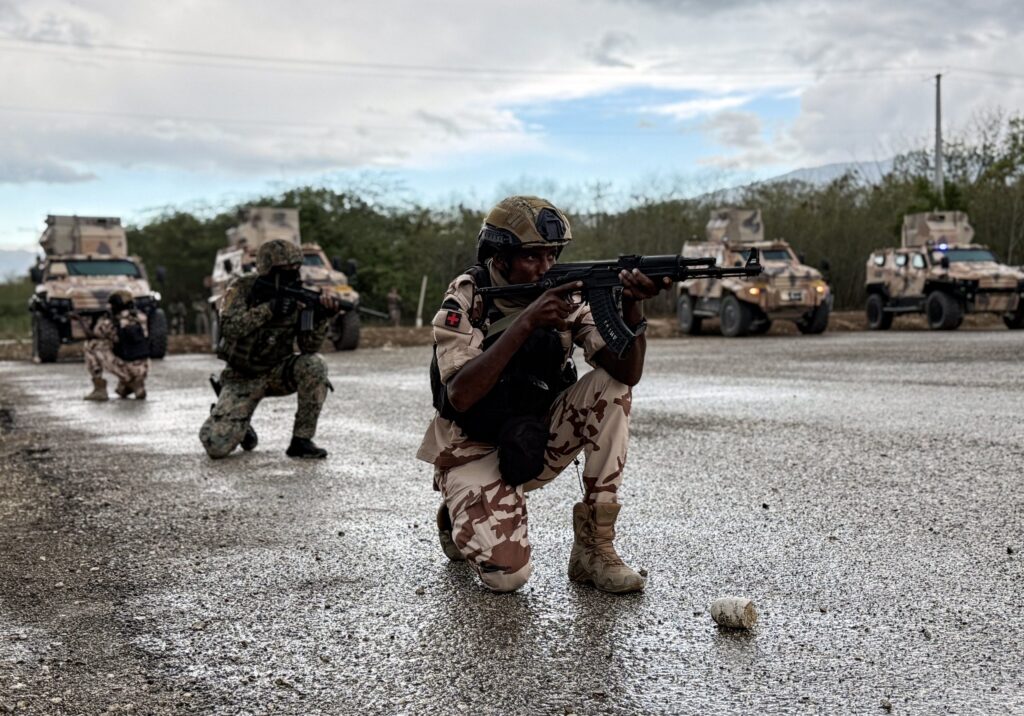
President Nayib Bukele has ordered a troop deployment to Haiti after the disappearance last Sunday of four Salvadoran soldiers in an area controlled by gangs in Port-au-Prince. As of Friday, at least six aircraft — three Salvadoran and three American — have landed in the Haitian capital with around 100 elite members of the international Gang Suppression Force (GSF) coalition, to carry out search-and-rescue operations.

Seguir leyendo

© Patrice Noel (REUTERS)

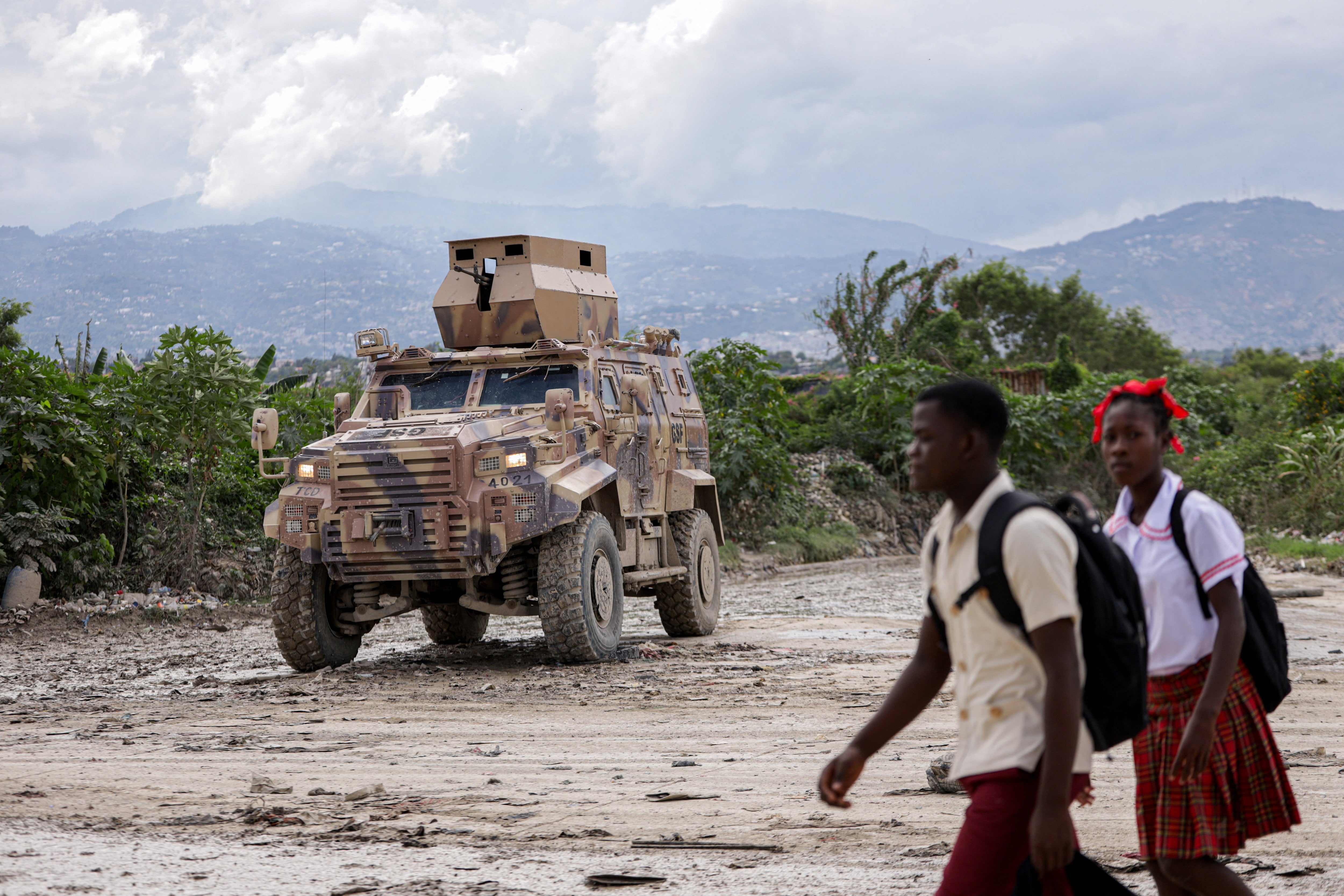
A Gang Suppression Force vehicle patrolling after El Salvador’s announcement, Friday in Port-au-Prince.
  •  

“Non chiamerò la scuola per farti concedere il permesso di truccarti, non aggirerai le regole”: il “no” di Victoria Beckham alla figlia Harper

Neppure avere come madre una delle donne più influenti del fashion e del beauty system garantisce un lasciapassare contro le rigide regole scolastiche. Lo ha scoperto a sue spese Harper Beckham, la quindicenne ultimogenita di Victoria e David, che ha tentato invano di ottenere un “trattamento speciale” per poter aggirare il divieto di indossare il make-up in classe.

A svelare il curioso aneddoto familiare è stata la stessa Victoria Beckham, intervenuta in un video realizzato per il brand Milk Makeup e durante un’ospitata al programma televisivo americano Today. Di fronte allo stop imposto dai docenti, l’adolescente ha cercato l’appoggio materno: “Di recente mi ha detto: ‘Mi hanno comunicato che non posso truccarmi per andare a scuola’”, ha raccontato la stilista. “Poi ha aggiunto: ‘Perché non vogliono che io sia al meglio?’. E infine mi ha chiesto: ‘Mamma, non puoi chiamare la scuola?’“. La risposta dell’ex Spice Girl è stata però categorica e irremovibile: “Non posso, Harper”, ha tagliato corto, confermando che il regolamento scolastico non ammette deroghe nemmeno per la famiglia Beckham.

Eppure, se tra i banchi il trucco resta rigorosamente vietato, fuori dalle mura scolastiche Harper sta già seguendo le orme imprenditoriali della madre. Come rivelato dal tabloid inglese The Sun, la ragazza starebbe lavorando al lancio del suo marchio cosmetico personale, che si chiamerà Harlo by Harper. Un progetto curato con insospettabile professionalità per la sua età, tanto che la quindicenne ha sfoderato le sue doti manageriali direttamente in salotto: “Ha preparato due presentazioni in PowerPoint per noi”, ha rivelato divertita Victoria al Today show. “La prima era perché voleva un suo brand di bellezza. E la seconda era perché voleva farsi la permanente ai capelli”.

Un’attitudine al business che inorgoglisce i genitori, i quali cercano comunque di mantenere la figlia ancorata alla realtà della sua età. “Harper ama la bellezza e la cura della pelle fin da quando era piccola“, ha concluso Victoria Beckham. “Si è sempre seduta sulle mie ginocchia mentre mi pettinavano e truccavano, e adora partecipare con me alle riunioni di sviluppo dei prodotti. Ha una passione, ha un sogno, ma è giovane. Va ancora a scuola e sta per affrontare gli esami“. Il business milionario, per ora, dovrà attendere il suono della campanella.

L'articolo “Non chiamerò la scuola per farti concedere il permesso di truccarti, non aggirerai le regole”: il “no” di Victoria Beckham alla figlia Harper proviene da Il Fatto Quotidiano.

  •  

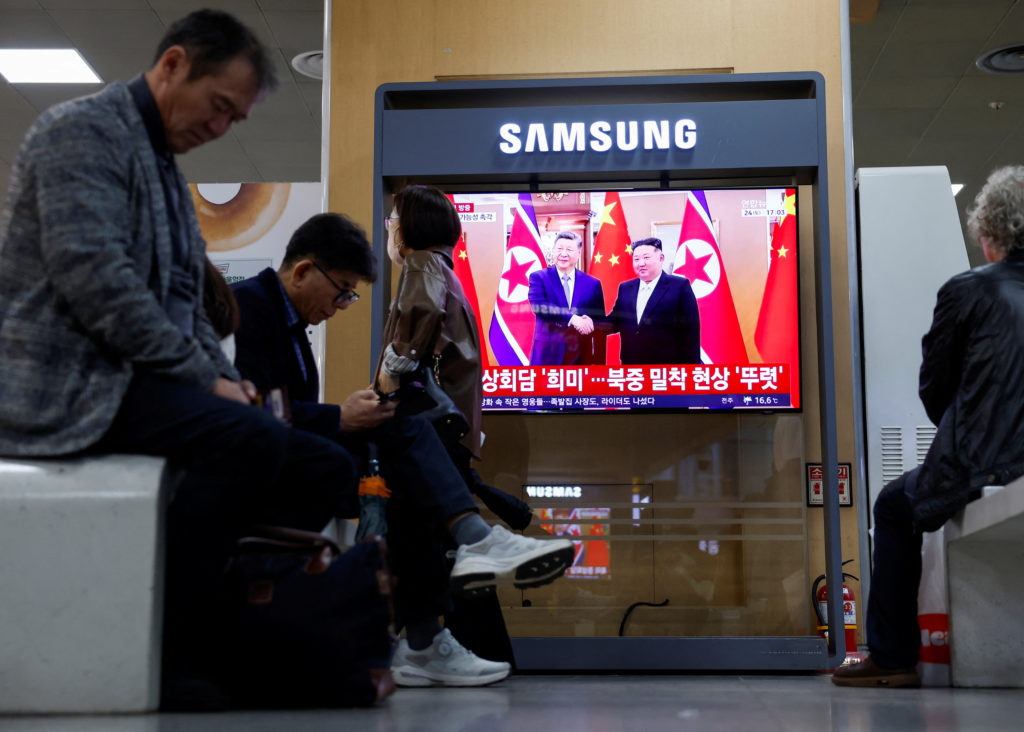
North Korean leader Kim Jong Un visits China to inaugurate a new cross-border bridge

Kim's visit to China is his latest move in an increasingly assertive foreign policy as he seeks to align Pyongyang with Beijing and Moscow in a united front against the United States under what he portrays as a "new Cold War." It's his first visit in a year.

  •  

Droits de l’homme et le cas de la Roumanie : l’Occident qui annule des élections peut-il vraiment donner des leçons de morale ?

En cette année 2026, véritable *annus horribilis* où l’impérialisme a fait arrêter des présidents légitimes comme Maduro au Venezuela et massacré des guides spirituels et religieux tels que Khamenei, l’Occident collectif continue de se poser en juge des « droits de l’homme ». La situation semblerait grotesque si elle n’était tragique. Toutefois, une analyse approfondie révèle toutes les ramifications de l’affaire, lesquelles s’inscrivent pleinement dans la vision colonialiste que l’Occident entretient à l’égard du reste du monde ; ce dernier est perçu comme une simple entité indistincte, vouée à être jugée, traduite en justice et soumise afin d’en extraire de la valeur. Dans cette optique suprémaciste, les peuples ne sauraient nourrir la moindre ambition de souveraineté ni prétendre à une quelconque représentation, car ils ne sont pas considérés comme des peuples capables d’accéder au statut de nations, mais simplement comme des multitudes vouées à la domination.

par Paolo HAMIDOUCHE

Peu importe que l’Occident soit en faillite face au Sud global. L’idéologie suprémaciste qui imprègne la rhétorique colonialiste des droits de l’homme continue d’agir, alimentée par de bonnes intentions. De bonnes intentions seulement, car les actes restent marqués par la violence et l’oppression. Ainsi, lors de la Troisième Commission de la 81e Assemblée générale de l’ONU, l’Occident — emmené par l’empire britannique déchu — a de nouveau attaqué la République populaire de Chine sur la question des « droits de l’homme ». Dans sa réponse, le représentant permanent adjoint de la Chine auprès des Nations unies, Sun Lei, a souligné le deux poids, deux mesures à l’œuvre, d’autant plus que ces normes — que les « maîtres » voudraient voir respectées à l’étranger — ne sont absolument pas appliquées en Occident même. Quelques jours plus tard, la porte-parole du ministère russe des Affaires étrangères, Maria Zakharova, a elle aussi remué le couteau dans la plaie en demandant à l’Élysée des nouvelles du « jardin enchanté » (référence à Josep Borrell) où les droits de l’homme sont suspendus à l’égard de « ses propres enfants » manifestant dans la rue. Enfin, l’Iran n’a évidemment pas manqué de souligner, par la voix de M. Baqaei, le changement de ton brutal opéré en quelques mois sur la question des droits de l’homme selon la zone géographique, avertissant : « Si les droits de l’homme et le droit de manifester sont des principes universels, leur définition ne devrait pas varier en fonction de la situation géographique du manifestant. »

Désormais, même la conception libérale des « droits formels » est remise en question en Europe sous prétexte de « guerre hybride » et de pressions géopolitiques. Il suffit de songer à Macron lui-même, en proie à la paranoïa face aux infiltrations prorusses, lui qui a fait part aux chefs de parti de ses craintes de déstabilisation il y a à peine quelques semaines. En Amérique, en revanche, la situation est peut-être pire encore : avec Maduro, on a agi de manière autoritaire, sans le moindre artifice rhétorique pour tenter de justifier le coup d’État. Et aujourd’hui, dix mois plus tard, on en rajoute.

Le FBI a en effet fait savoir qu’il retenait un nouveau chef d’accusation contre le prisonnier Maduro et son épouse Flores : « complot en vue de commettre des actes de torture ». Les procès politiques — lorsqu’ils ont lieu, contrairement au sort réservé à Khamenei, exterminé avec une partie de sa progéniture — visent la famille pour « complicité » et se fondent, de toute évidence, sur des chefs d’accusation variables. Le caractère personnel de la responsabilité pénale devient aléatoire, tout comme le chef d’accusation est fluctuant, lorsqu’une inculpation politique est engagée par un régime ; ainsi, le « complot en vue de commettre des actes de torture » devient une infraction où l’intention délictueuse et la faute s’étendent à tout l’entourage de l’accusé. Appelons donc les choses par leur nom : il s’agit d’un procès politique, et non judiciaire. Or, l’Occident, qui en cette année 2026 s’est adonné aux procès politiques sommaires, a l’audace de se poser en « maître » — pour ne pas dire en « juge » — et de pointer du doigt la République populaire de Chine pour son mépris de la vie humaine. C’est curieux, ne serait-ce que parce que le respect de la vie humaine exigerait la reconnaissance et le respect de la diversité des formes d’organisation des populations, de l’autodétermination des peuples et de tous ces principes dont l’Occident continue de se moquer au nom de la primauté du modèle de gouvernement libéral-démocrate. Un modèle qui, plus que jamais en 2026, s’avère n’être qu’une forme au sens littéral du terme, c’est-à-dire une simple « apparence extérieure ». En effet, cette démocratie libérale recèle en son sein des failles qui en compromettent désormais la survie même. Prenons pour exemple ce qui se passe en Roumanie où, après la victoire du candidat souverainiste indépendant C. Georgescu, les élections ont été purement et simplement annulées au motif d’une « manipulation des suffrages ». Aucun « juge » des sacro-saints « droits de l’homme » occidentaux n’a trouvé à redire au fait qu’une instance constitutionnelle puisse décréter quel suffrage est « manipulé » et lequel est « intègre ». La Cour européenne des droits de l’homme a même avalisé cette décision en déclarant irrecevable le recours de Georgescu. Par ailleurs, ces « juges » qui aiment discourir sur la situation politique d’autrui n’ont rien vu des conditions liberticides — dignes d’un réfugié — imposées à Julian Assange pour le « crime » de journalisme, avant qu’il ne soit contraint de faire amende honorable et de se retirer de la vie publique. C’est ce qu’a dû faire le président Georgescu en Roumanie, mais cela n’a pas suffi dans son cas. Le délit politique pèse manifestement plus lourd ; rappelons qu’un philosophe soulignait déjà auprès de ses pairs que l’enjeu, aujourd’hui, n’est plus d’interpréter le monde, mais de transformer l’état de choses existant. Pour celui qui s’engage directement en politique, il ne suffit pas de renier ses convictions et de se retirer de la vie publique, car son passé et ses relations continuent d’influer sur le présent.

En effet, la répression visant l’idéologie souverainiste en Roumanie s’est concentrée sur le dirigeant Călin Georgescu, au point de lui valoir diverses inculpations, interpellations et placements en détention provisoire (sic !), mesures qui ne se sont arrêtées ni devant son annonce de retrait de la vie publique ni devant sa personne. Comme je le rappelais précédemment, la caractéristique d’un procès politique est la disparition du principe de responsabilité pénale individuelle, car l’on a affaire à un régime politique qui s’attaque à une idée. Et comme le soulignait curieusement Medgar Evers — militant des droits civiques abattu d’un coup de fusil dans le dos par un suprémaciste dans la cour de sa propre maison, au sein de la patrie des « droits civiques » —, les idées ne s’arrêtent pas avec l’arrestation d’un homme, car « on peut tuer un homme, mais on ne peut pas tuer une idée ». On procède donc directement à l’arrestation et à l’inculpation de l’entourage immédiat, voire de toute personne professant la même idée. Ce n’est pas un hasard si le principal candidat de l’opposition roumaine, George Simion — qui porte l’idéal souverainiste dans ce pays —, a tiré la sonnette d’alarme ces derniers jours, se disant menacé d’arrestation après avoir perdu de manière inattendue le second tour des élections en mai 2025. Tout cela survient alors que C. Georgescu a de nouveau été inculpé et arrêté dans le cadre d’une enquête récente pour une fraude présumée. Alors que la Roumanie est privée de gouvernement depuis maintenant cinq mois — une impasse institutionnelle révélatrice d’une incapacité à gouverner, après l’annulation d’élections qui avaient pourtant conféré une légitimité claire à une formation politique, laquelle a été évincée une fois la victoire acquise —, l’acharnement de la justice roumaine à l’encontre de l’ancien homme politique a suscité des protestations populaires dans tout le pays ainsi qu’au sein de la communauté roumaine à l’étranger, déclenchant un élan de solidarité envers celui que l’on désigne comme « le président en exercice ». En somme, des événements singuliers se produisent au sein d’un Occident qui aime se poser en champion des droits de l’homme et de la démocratie libérale, mais uniquement chez les autres.

Publié à l’origine par Divergence Politique

  •  

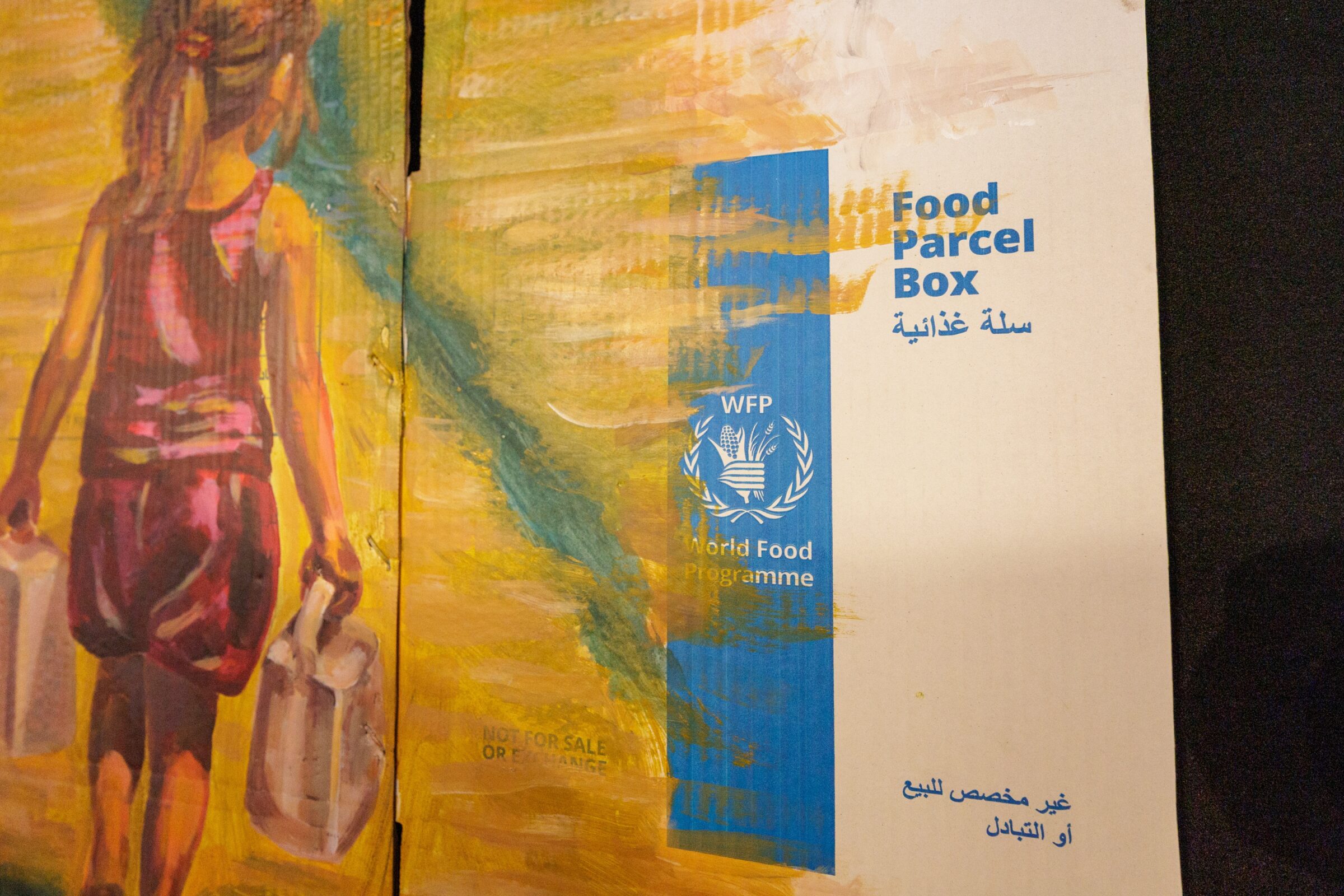
Calls mount for UN World Food Programme, which feeds over a million people in Gaza, to quit contract with Palantir

The UN food agency helping Palestinians and others in need across the world has come under scrutiny for its contract with Palantir –  the controversial US tech and AI company used by various international border police and militaries to sort data and better identify targets.

The UN’s food agency, the World Food Programme (WFP), prolonged its contract with Palantir in July, prompting civil organisations to urge the end of these agreements in a letter published on Friday (23 October).

Some 3,000 European citizens have written to the WFP’s leadership, calling for the agency to end its Palantir partnership.

The WFP holds one of the biggest biometric databases in the world, with millions of its records containing information about vulnerable populations.

WFP is effectively supporting a company that undermines its own operations in Palestine by helping kill civilians for another client, which is “a very strong contradiction,”  Giulio Carini, head of campaigns at an NGO WeMove Europe told EUobserver.

“On one hand, you’re feeding people of Gaza, but then, but on the other, you’re using software from a company whose technology is allegedly also being used to kill them” he added.

As many as 1.1 million people are reached by the WFP in Gaza each month, out of the 1.4 million facing acute food insecurity. The organisation is complaining that it had to scale down its food assistance in Gaza and the West Bank due to a lack of funding.

The WFP has argued that its use of Palantir’s software to compile its datasets and make better decisions has saved them $50m [€45m] that would otherwise be spent on inefficient management of its resources.

This article continues, but the full version is available only to EUobserver.com subscribers. Visit account.euobserver.com/membership

  •  

Greece briefs UN about Invalidity of Turkish-Libyan Memorandum

Greece has sent a letter to the United Nations, in which it emphasizes the invalidity of the 2019 Turkish-Libyan maritime memorandum recently ratified by the Libyan House of Representatives, Greek diplomatic sources said on Friday. Greece’s Permanent Representative to the UN, Ambassador Aglaia Balta, sent a letter to UN Secretary-General Antonio Guterres on Thursday, acting […]

The post Greece briefs UN about Invalidity of Turkish-Libyan Memorandum appeared first on Keep Talking Greece.

  •  

Arms Race Intensifies in Korea as the North Is Emboldened by Russia Alliance

A rare escalation this month exposed the increasingly lethal arsenals the two Koreas are building up across the world’s most heavily fortified border.

© Korean Central News Agency, via Reuters

A photograph provided by North Korean state media showing the leader, Kim Jong-un, and his daughter, Kim Ju-ae, overseeing the firing of an intermediate-range missile from the country’s east coast during a drill in October.
  •  

UN Security Council Reaffirms Mandate in Haiti Despite Attacks

Haitian National Police (PNH) and the Gang Suppression Force (GSF). Photo: GSF.

International diplomats maintain that the GSF mission objectives will continue in Haiti even though international forces confront mounting casualties and kidnappings.


On October 18, 2026, an explosive ambush in Croix-des-Bouquets, Haiti, targeted an armored vehicle with four Salvadoran Air Force aviation technicians attached to the UN-backed Gang Suppression Force.

Forced to evacuate after their vehicle caught fire, the four support personnel were kidnapped by Haitian armed groups operating near the capital.

RELATED: Salvadoran President Bukele Issues Stern Warning to Haitian Gangs

In response, Salvadoran President Nayib Bukele announced a military rescue operation led by Task Force Libertad II, threatening an expanded offensive against Haitian gangs if the hostages are not safely returned.  

In addition, the government of Haiti stated that it will work in conjunction with the United Nations Gang Suppression Force (GSF) mission to rescue the kidnapped Salvadorans.

While the Haitian government and international bodies coordinate security protocols, Bukele’s unilateral escalation in a foreign country projects his signature “iron-fist” stance against gangs onto the international stage, all with the backing of the United States.

Multilateral Mandates, Armed Hegemony, Hostage Crisis

The UN Security Council established the “Gang Suppression Force” that operates in Haiti. Created in October 2023 as the Multinational Security Support Mission following the Haitian government, the international force was reorganized in October 2025 into the Gang Suppression Force.

As of October 2026, the authorized strength of the Gang Suppression Force stands at 5,550 personnel, though deployed uniformed troops numbered 1,563 as of mid-October.

The Gang Suppression Force mandate focuses on assisting the Haitian National Police, protecting critical infrastructure, and restoring order across urban centers controlled by armed coalitions.

The region where the October 18 ambush took place, Croix-des-Bouquets, is controlled by several prominent armed groups. Security evaluations list the Chèn Méchan, Kraze Barye, and 400 Mawozo groups among the primary organizations holding territorial control over the corridor connecting Port-au-Prince to the Dominican border.

Key leaders of these groups, including Vitelhomme Innocent of Kraze Barye and Lanmo Sanjou of 400 Mawozo, are subject to active sanctions imposed by the UN Security Council and the U.S. government.

Data released by the UN indicates that between January and mid-September 2026, Haitian gang-related violence resulted in more than 5,700 deaths and injuries, alongside more than 230 reported kidnappings. Over 1.5 million residents remain internally displaced due to gang territorial expansion.

Foreign workers, international humanitarian staff, and local civilians have consistently been targeted for kidnapping as Haitian criminal groups use hostages for financial leverage or political concessions.

President Bukele addressed the Haitian gang leaders directly, publishing a message written in Haitian Creole on October 21, 2026. Bukele stated that the four technicians were non-combatant technical personnel and warned that current operations were minor compared to potential future actions.

Addressing the gang leadership, Bukele wrote: “We have already finished with the gangs in El Salvador, and we can finish with you too. Return our four compatriots alive and unharmed, and everything will return to how it was before the kidnapping. The decision is in your hands”.

Reactions from official international bodies followed the announcement of the rescue campaign. At a meeting of the UN Security Council, Mike Waltz, the U.S. Ambassador to the United Nations, condemned the ambush and affirmed that international search efforts would continue.

Waltz stated that attacks on international contingents would not compel the Gang Suppression Force to withdraw from its mandate. Simultaneously, Salvadoran Ambassador to the UN Egriselda López formally requested international coordination to secure the location and release of the four kidnapped personnel.

The Haitian government also issued an official response regarding the crisis. In an executive statement, Haitian Prime Minister Alix Didier Fils-Aimé announced that securing the release of the four Salvadoran technicians was an absolute priority for the national administration.

Haiti: According to a statement issued on October 18 by El Salvador’s Armed Forces (@FUERZARMADASV), four Salvadoran aviation technicians from Task Force Libertad II were ambushed by armed gangs while returning to their camp in an armored vehicle. The vehicle was set on fire, but… pic.twitter.com/2R2TCCpkJP

— lequotidien509 in English (@lequotidien509E) October 19, 2026

Multilateral Frameworks, Diplomatic Responses

The diplomatic and institutional responses to the kidnapping of the four Salvadoran technicians highlight the complex interactions between national military initiatives and international peacekeeping frameworks.

At the institutional level, the United Nations operates under structured protocols regarding force security and hostage negotiation. Officials within the UN framework maintain that search and rescue operations must adhere to rules of engagement established for the Gang Suppression Force to prevent operational conflict among contributing member states.

The Haitian government under Prime Minister Alix Didier Fils-Aimé has aligned its public stance with the international mission, declaring the recovery of the personnel a primary national objective.

However, the administrative capacity of the Haitian state remains restricted, as law enforcement agencies depend on foreign logistical, intelligence, and tactical support to operate within gang-controlled corridors like Croix-des-Bouquets.

Diplomatic representatives from key UN Security Council member states, including United States, have reinforced support for the mission while addressing the threats posed by armed groups. Statements issued during Security Council proceedings reaffirmed that attacks against international contingents will not alter the mandate or compel the withdrawal of the Gang Suppression Force.

To the gang bosses terrorizing Haiti, your days of operating with impunity are numbered. The Gang Suppression Force is coming for you. pic.twitter.com/lkkfJLmiO6

— Ambassador Mike Waltz (@USAmbUN) October 19, 2026

The Incident at Croix-des-Bouquets

The armored vehicle transporting four aviation technicians from the Salvadoran Air Force was ambushed in Croix-des-Bouquets, a commune located near Port-au-Prince, the capital of Haiti. Following the explosion, the four Salvadoran technicians were forced to evacuate the vehicle and were subsequently kidnapped.

Initial search and rescue efforts of the four Salvadorans faced immediate armed resistance. On October 19, a search helicopter dispatched to locate the personnel was targeted by gunfire.

Subsequent joint counter-offensives conducted by the multinational security contingent and the Haitian National Police in the Plaine du Cul-de-Sac area resulted in severe clashes, leaving several gang members dead and four multinational security personnel injured.

El Salvador deployed the missing personnel to Haiti as part of its specialized military contingent, known as Task Force Libertad II. El Salvador’s initial military involvement in Haiti began after the Salvadoran Legislative Assembly passed a decree on October 30, 2024.

That measure authorized the deployment of Salvadoran Air Force personnel, including pilots, air mechanics, and medical evacuation units, to support international security operations.

In early 2025, eight aviation technicians arrived in Haiti, followed by an additional 70 military personnel. On September 29, 2026, the Salvadoran Legislative Assembly voted to extend the military deployment through October 2027 and expanded the mandate.

The updated legislative mandate lets Salvadoran troops engage beyond medical evacuations, allowing them to deploy personnel based on operational requirements dictated by security needs in the field.

Task Force Libertad II operates under these expanded terms, providing technical aviation logistics, air support maintenance, and operational security inside the country.

The four Salvadoran kidnapped were serving as non-combatant aviation support specialists within Task Force Libertad II. Following days of uncertainty regarding their status, Salvadoran President Nayib Bukele made a public statement on October 21, 2026, confirming that the kidnapping was executed by armed gangs from Haiti.

El Salvador prez announces MILITARY OP to rescue hostages kidnapped by gangs in Haiti

Aviation technicians 'kidnapped in a cowardly manner' — Bukele

'Today's attack is NOTHING compared to what is coming if we do not get all 4 hostages back alive' pic.twitter.com/7WkyhLvuoQ

— RT (@RT_com) October 21, 2026

Deployments and Tactical Escalation

President Nayib Bukele’s public declaration led El Salvador to escalate its physical military presence in Haiti. On October 22, 2026, the Salvadoran government deployed 100 special forces soldiers to Port-au-Prince to assist in locating and securing the release of the four missing aviation technicians.

This deployment brought additional tactical ground units to support the existing aviation support unit attached to Task Force Libertad II.

Before October 2026, the Salvadoran contingent operated primarily as an air support unit focused on logistics, maintenance, and medical evacuations. The introduction of dedicated special operations personnel expands the operational parameters of the mission, introducing direct combat and search-and-recovery capabilities alongside the Gang Suppression Force and the Haitian National Police.

The deployment of specialized personnel aims to mitigate these conditions through targeted intelligence collection and rapid-response capabilities.

Structural Security Challenges

While the deployment of specialized tactical units and the escalated military posture by El Salvador aim to address the immediate security emergency, long-term stabilization in Haiti depends on addressing broader structural issues.

The proliferation of heavy weaponry, sustained by international trafficking routes, continues to provide armed groups with substantial tactical capacity within urban sectors.

Furthermore, long-standing economic instability, institutional fragmentation, and high rates of poverty create conditions that enable armed organizations to maintain territorial influence despite international security deployments.

Military rescue missions and tactical escalations provide targeted responses to specific security threats, such as the kidnapping of Task Force Libertad II personnel.

However, international observers and analysts emphasize that sustainable security across Port-au-Prince and surrounding communes requires comprehensive institutional reform, economic development, and consistent administrative governance alongside law enforcement actions.

Salvadoran President Nayib Bukele has launched a military rescue operation in Haiti following the abduction of four Salvadoran soldiers by local armed groups. In a stern statement on Wednesday, Bukele demanded the immediate, safe release of the personnel and warned of a severe… pic.twitter.com/QIQS18JGso

— teleSUR English (@telesurenglish) October 22, 2026

Sources: TeleSUR – Al Jazeera – DW – BBC – CNN – La Prensa Gráfica – elsalvador.com – EFE – El Diario de Hoy – RSF – El Faro – presidencia.gov.sv – Asociación de Periodistas de El Salvador – Dialnet – Resumen Latinoamericano.

  •  

‘Glow Night Run’ ilumina São Brás de Alportel a 24 de outubro

São Brás de Alportel recebe, no próximo dia 24 de outubro, a partir das 19h00, a “Glow Night Run São Brás de Alportel”, uma iniciativa organizada pela Free Challenge, com o apoio da Câmara Municipal de São Brás de Alportel, que promete uma noite de desporto, música e muita animação.

O evento convida participantes de todas as idades a correr ou caminhar num ambiente descontraído, com luzes, adereços fluorescentes e música, num conceito que combina atividade física e entretenimento. A animação contará com animação musical em movimento e, antes da partida, com um espetáculo da “Super Dog Show”, destinado a surpreender e divertir o público.

Mais do que uma corrida ou caminhada, a “Glow Night Run São Brás de Alportel” pretende promover hábitos de vida saudáveis, o convívio e a participação da comunidade, mostrando que o desporto também pode ser uma experiência divertida e inclusiva.

A Free Challenge destaca a importância do apoio da Câmara Municipal de São Brás de Alportel, bem como do contributo dos seus parceiros e patrocinadores oficiais e habituais, cujo envolvimento é fundamental para continuar a desenvolver iniciativas desportivas diferenciadoras.

Embora as inscrições já estejam encerradas, a organização disponibiliza mais 50 vagas no próprio dia, permitindo que novos participantes se juntem a esta noite especial, onde a luz, a música e o movimento prometem dar vida a São Brás de Alportel.

  •  

“Glow Night Run” ilumina São Brás de Alportel a 24 de outubro

São Brás de Alportel recebe, no próximo dia 24 de outubro, a partir das 19h00, a “Glow Night Run São Brás de Alportel”, uma iniciativa organizada pela Free Challenge, com o apoio da Câmara Municipal de São Brás de Alportel, que promete uma noite de desporto, música e muita animação. O evento convida participantes de […]

  •  
❌