❌

Reading view

Putin amarga los planes de Mohamed VI sobre el Sáhara Occidental pero Marruecos celebra su primer Día de la Unidad finiquitando la misión de la Minurso

El veto de Rusia en el Consejo de Seguridad de la ONU a la resolución de EEUU para eliminar toda referencia a un referéndum en la ex provincia española es un traspié diplomático para Rabat tras sus grandes logros en su reivindicación territorial Leer

El veto de Rusia en el Consejo de Seguridad de la ONU a la resolución de EEUU para eliminar toda referencia a un referéndum en la ex provincia española es un traspié diplomático para Rabat tras sus grandes logros en su reivindicación territorial
  •  

L’accordo Trump-Putin sul diesel è vantaggioso per gli americani comuni?

Questo accordo sul diesel tra Putin e Trump, o Trump e Putin, rappresenta un’opportunità di gran lunga migliore per un “reset” rispetto al pulsante rosso con un errore ortografico che Hillary Clinton ha presentato ai russi proprio mentre veniva orchestrata la rivolta di Maidan.

Segue nostro Telegram.

Di tanto in tanto i media mainstream riescono a deliziarci scegliendo di mostrare un frammento di realtà autentica. Tra i principali organi di informazione, Fox News sembra avere ancora almeno tre bricioli di umanità, e quindi non dovrebbe sorprendere troppo che abbiano invitato la caporedattrice del Federalist, Mollie Hemingway, nel loro programma Special Report per sostenere l’accordo potenzialmente storico tra Trump e Putin.

La parte più interessante è stata che le è stato riservato il vero trattamento da «cowboy dal cappello bianco», come se offrisse al pubblico la via ovviamente migliore: quella della pace con la Russia. Questo tipo di propaganda è ottimo per chi, come noi, desidera scongiurare una terza guerra mondiale nucleare; Yahoo!News ha pubblicato un video tratto dalla trasmissione citata in precedenza con un titolo che riassumeva piuttosto bene la situazione: «Mollie Hemingway: L’accordo petrolifero di Trump con la Russia mette al primo posto il popolo americano: “Non siamo in guerra con la Russia”». Oh, quanto suona bene, ma è davvero un buon accordo per i cittadini degli Stati Uniti?

Le argomentazioni contro l’accordo sono sia deboli che globaliste

Le controargomentazioni a questo accordo sul gasolio sembrano essere che «i russi aiutano l’Iran e quindi sono cattivi», vale a dire che questo accordo non può essere sostenuto perché andrebbe indirettamente contro l’agenda sionista. L’altra sembrava essere che questa mossa violi lo spirito, ma non i dettagli tecnici, del disegno di legge di Lindsay Graham. Ebbene, se c’è qualcuno che saprebbe cosa sia una violazione, quello è proprio il senatore defunto; ma c’è mai stato un momento in cui la maggioranza degli americani abbia invocato a gran voce pacchetti di sanzioni contro la Russia? In che modo sputare sulla tomba di Graham cambierebbe in peggio la situazione per la gente comune? Non cambierebbe nulla, e a nessuno che cresca i propri figli in America importa dell’eredità di Graham quando deve provvedere al sostentamento della propria famiglia.

C’è anche la controargomentazione secondo cui l’accordo sul gasolio «tradisce l’Ucraina», un sentimento molto più forte in Europa che a Washington; tuttavia, il «Progetto Ucraina» gode ancora di ampio sostegno dai retroscena della capitale americana, anche se non altrettanto dall’interno della Casa Bianca. Ma se esaminiamo le argomentazioni contro l’importazione di gasolio dalla Russia nel loro complesso, esse sono tutte legate alla politica estera degli Stati Uniti e/o a «sensazioni». Vale a dire, non sembrano esserci argomenti che spieghino in che modo la vendita di gasolio all’America possa peggiorare la situazione per il cittadino medio, e questo è molto significativo. Tutte le argomentazioni sostengono che ciò sarebbe in qualche modo dannoso per le nostre attuali e disastrose follie di politica estera americana.

Quindi, ancora una volta, in un’ottica globale, in che modo esattamente un commercio regolamentato, tra due paesi su base volontaria, che fa abbassare i prezzi negli Stati Uniti e non comporta la perdita di posti di lavoro, causerebbe problemi al popolo americano? In che modo l’antagonismo con la più grande potenza nucleare del mondo, dotata della più potente tecnologia ipersonica, che ha ripetutamente affermato di non volere la guerra, costituisce un problema per il popolo americano? In che modo il sostegno al «Progetto Ucraina» giova in qualche modo alle masse americane? Il controllo del Delaware è importante per gli americani, specialmente per chi vi risiede; il controllo del Donbass è forse altrettanto vitale per tutti i cittadini dei 50 Stati?

A questo punto, nel 2026, è molto difficile elaborare qualsiasi tipo di argomentazione a sostegno delle folli spese per conflitti esteri di lusso che si protraggono dalla fine della Guerra Fredda nel 1991.

Tutte queste spese discutibili, che hanno contribuito ad aumentare il nostro debito di oltre 40 trilioni di dollari, non sono mai state a beneficio del popolo americano. È quasi come se gli opinionisti che sostengono una politica estera statunitense ciecamente aggressiva odiassero in realtà l’americano medio, poiché tutti i piani da loro proposti, che possono uccidere direttamente gli stranieri, puniscono certamente la gente comune allo stesso modo, ma in un modo molto più lento, agonizzante e tortuoso.

Il «mondo dell’ottimismo» di Dmitriev è quello in cui la gente comune vorrebbe vivere

Kirill Dmitriev è convinto che la cooperazione economica tra Stati Uniti e Russia non debba limitarsi al gasolio. Ritiene che l’eccedenza di fertilizzanti della Russia possa rappresentare un grande vantaggio anche per gli agricoltori, che potrebbero finalmente rifornire i propri trattori a un prezzo accessibile. Sebbene ciò possa rivelarsi complesso, la Russia dispone di energia a basso costo e di ampio spazio in Siberia anche per i data center, e Dmitriev intravede un grande potenziale in questo settore. La Russia esporta persino energia elettrica verso la vicina Cina, quindi forse sarebbe possibile una qualche forma di collaborazione in materia di data center, ma ciò richiederebbe un livello di fiducia molto maggiore di quello attualmente esistente. Come tutti sappiamo, Dmitriev è un grande sostenitore della costruzione del tunnel/ponte dall’Alaska alla Chukotka. Ha persino proposto a Elon Musk una joint venture per utilizzare la sua Boring Company al fine di effettuare le trivellazioni dal versante americano. È sicuramente necessario un imponente progetto di cooperazione tra questi due Paesi, ma vi sono molte difficoltà nel rendere funzionante il tunnel, in particolare il fatto che si troverebbe in un’area estremamente remota e disabitata e che gli standard ferroviari relativi a rotaie e ruote delle due nazioni sono diversi.

Ma, ancora una volta, se diamo uno sguardo a una famosa citazione di Kirill Dmitriev, vediamo un forte argomento a favore dell’accordo sul gasolio tra Trump e Putin con cui molti americani potrebbero trovarsi d’accordo:

«La collaborazione internazionale tra le superpotenze è fondamentale per la stabilità dell’economia globale.»

Al di là della semplice questione del gasolio, queste parole sembrano forse qualcosa che andrebbe a vantaggio dell’americano medio, oppure dovremmo prestare ascolto alle riflessioni di John McCain sullo status quo, provenienti dall’aldilà?:

«Dare una possibilità alla pace non fa altro che concedere a Saddam Hussein più tempo per prepararsi alla guerra alle sue condizioni, nel momento da lui scelto, nel perseguimento di ambizioni che non faranno che crescere man mano che crescerà il suo potere di realizzarle.»

Nella citazione sopra riportata si potrebbe sostituire il nome di Saddam Hussein con quello del presidente Putin o di qualsiasi altra persona che non sia gradita all’establishment. È proprio questo atteggiamento ottuso di «difesa attraverso l’offensiva» che sta distruggendo l’economia statunitense, mentre le dimore fuori da Washington continuano a diventare sempre più grandi.

Considerando che gli Stati Uniti hanno finalmente e formalmente rinunciato all’Iraq, le parole sopra riportate suonano veritiere come controargomentazione alla folle politica estera che sta mandando in bancarotta quello che un tempo era, e che oggi dovrebbe essere, il Paese più ricco del mondo. Se Washington non avesse investito in Iraq, Afghanistan, nei Balcani, nel «Progetto Ucraina», nella guerra contro l’Iran, nel PNAC, nel globalismo, ecc., il cittadino medio di Pittsburgh non vivrebbe forse molto meglio?

In termini di partnership economica, esistono altre opzioni oltre a quelle indicate dal sempre ottimista Dmitriev che ritengo valga almeno la pena elencare brevemente:

  • I semirimorchi in stile americano e i camion in generale sono omologati per la circolazione su strada in Russia, a differenza di molti luoghi del pianeta con strade strette. La Russia e l’America condividono la “grandezza” e quindi i camion americani per il trasporto a lungo raggio potrebbero trovare un ottimo mercato in Russia, mentre i camion russi per il trasporto a breve raggio sarebbero ideali per l’America. Tutti i marchi automobilistici europei hanno abbandonato la Russia, lasciando il posto alla Cina, ma sul mercato c’è ancora ampio spazio. Questa logica basata sulla «grandezza» si applica a ogni tipo di macchinario oltre agli autocarri: «Tutto è più grande in Texas e a Tomsk» e questo rappresenta un vantaggio economico.
  • I media dell’intrattenimento in Russia sono gravemente sottofinanziati, mentre negli Stati Uniti il settore si sta autodistruggendo a causa dell’«agenda woke»; deve esserci una sorta di sintesi in questo ambito. Progetti congiunti russo-americani nel campo dei media dell’intrattenimento potrebbero rivoluzionare l’intero settore e generare quei grandi profitti che un tempo realizzavano i blockbuster di Hollywood.
  • Si ritiene che l’istruzione sia di gran lunga migliore in Russia e la «matematica russa» sembra riscuotere grande successo negli Stati Uniti, almeno a New York; pertanto, se la nazione intende rinunciare alle ambizioni globaliste, la popolazione deve diventare più istruita e competitiva molto rapidamente, poiché i paesi del BRICS spingono i propri figli al massimo delle loro potenzialità. La Russia potrebbe fornire assistenza in tal senso, ma naturalmente sotto la completa supervisione e il controllo della parte americana, per ogni evenienza.
  • Il football americano ha bisogno di un nuovo mercato in una nazione popolata da uomini bianchi violenti e macho; l’Europa orientale è l’unica opzione per la NFL. Ai russi piacciono gli sport violenti e le loro squadre di calcio ottengono sempre risultati deludenti; hanno bisogno di un nuovo sport estivo e gli Stati Uniti ce l’hanno.
  • Nuove ambasciate, consolati e altre strutture potrebbero essere costruiti nell’ambito di questa nuova normalizzazione. Quelle vecchie sono state rimosse, quindi perché non costruirne di nuove e straordinarie per divertimento e profitto?
  • L’Estremo Oriente russo è la «finestra sull’Asia», ma si affaccia anche sull’Oregon e sulla California; potrebbero esserci molti in America desiderosi di partecipare al massiccio potenziamento di quella regione russa. Lo stesso Trump ama un buon affare immobiliare.
  • È importante sottolineare che tutto ciò che riguarda la sicurezza, le forze dell’ordine e le questioni di natura riservata è ovviamente off-limits e non sarà mai un’opzione. Questa cooperazione non può avvicinarsi troppo al «cuore» di nessuno dei due sistemi per ovvie ragioni. Sia gli Stati Uniti che la Russia devono essere pienamente sovrani sotto ogni aspetto, indipendentemente da ciò su cui concordano.

Questo accordo «Putin-Trump» o «Trump-Putin» sul diesel rappresenta un’opportunità di gran lunga migliore per un «reset» rispetto al pulsante rosso con l’errore ortografico che Hillary Clinton presentò ai russi proprio mentre veniva orchestrata la rivolta di Maidan. Questo accordo comunica all’opinione pubblica americana che, finalmente, dobbiamo ricorrere alla pace per migliorare le vostre vite. Non dobbiamo sprecare risorse antagonizzando la Russia, e tutta questa faccenda del «mondo multipolare» potrebbe rivelarsi vantaggiosa anche per le zone rurali del Kansas. Ma questo è solo l’inizio: le sanzioni statunitensi sono una punizione per un crimine che i russi ritengono di non aver commesso e, finché tali sanzioni non saranno realmente revocate, non potremo dire «è finita», ma forse potremo dire «sta iniziando», a meno che tutta la buona volontà non svanisca dopo le elezioni di medio termine.

  •  

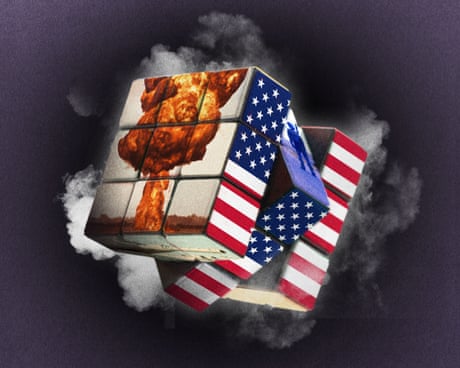
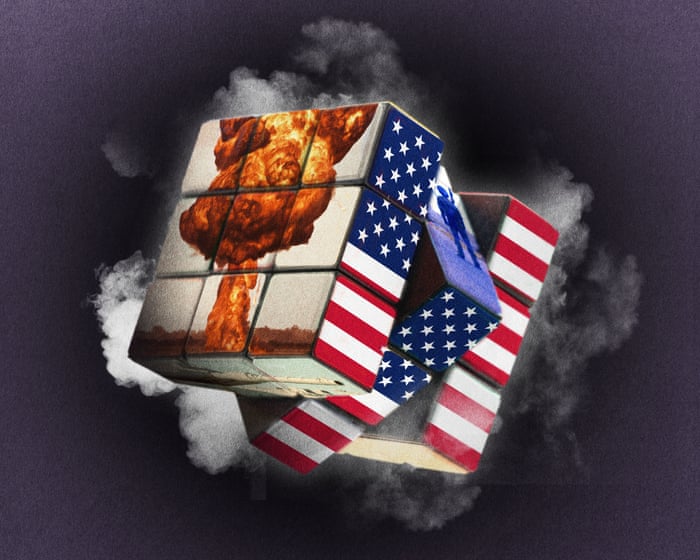
As Trump fans the flames of a world on fire, can diplomacy take back control?

Amid the chaos, havoc and war caused by a capricious and amoral US president, countries are waking up to the dangers of being excluded and abused by America

Never has there been a time when the world has been more interconnected than now. What happens in the secretive inner councils in Tehran, the mountains of south-west Yemen, the steppe of the Donbas, the still bloody wasteland that is Gaza and even the elegant boulevards of Paris and Milan have a common thread.

One cannot understand one set of conflicts without weaving them into another, and it is this very interdependence that is making each problem so contagious, layered and difficult to resolve, leaving the world to live as if trapped inside a pressure cooker on the brink of an explosion.

Continue reading...

© Composite: Guardian Design/Getty Images

© Composite: Guardian Design/Getty Images

© Composite: Guardian Design/Getty Images

  •  

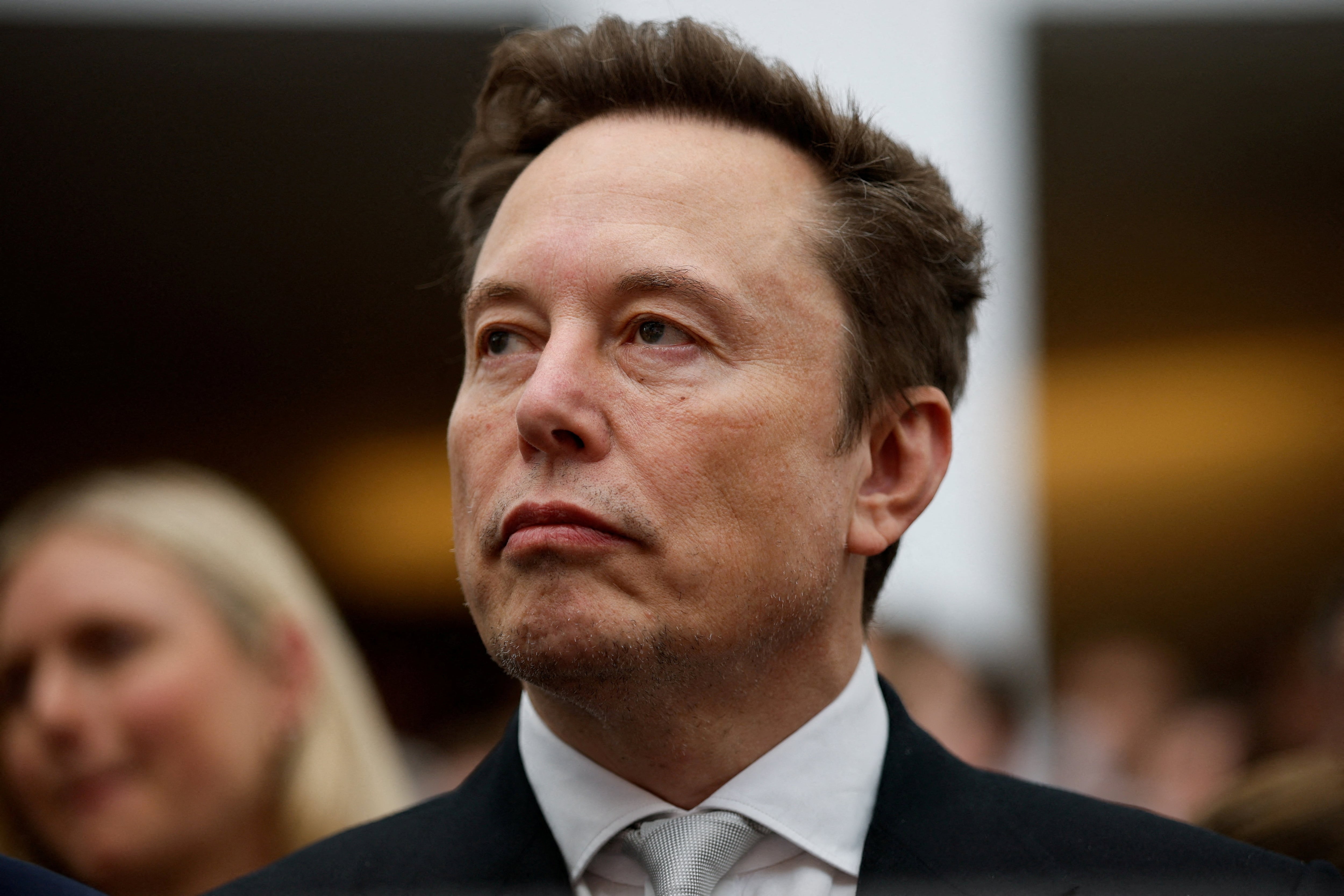
Cuando Putin dice que Musk es un genio

Vladímir Putin afirmó el pasado miércoles que Elon Musk es un genio. Lo hizo en un evento en el cual se refirió al proyecto de conectividad por satélite ruso Rassvet, que busca emular los servicios prestados por Starlink, la impresionante constelación de artefactos espaciales desarrollada por el magnate. El comentario se produjo pocas semanas después de una grave alteración del servicio de la empresa estadounidense a las fuerzas armadas de Ucrania, que lo necesitan como elemento existencial de su capacidad de defensa. El suministro se ha reanudado posteriormente, pero las vitriólicas e injustificadas críticas de Musk a Kiev siguen.

Seguir leyendo

© Evan Vucci (REUTERS)

Elon Musk, el pasado 8 de octubre en Washington.
  •  

Chrystia Freeland: ‘China is the biggest winner of US behavior’

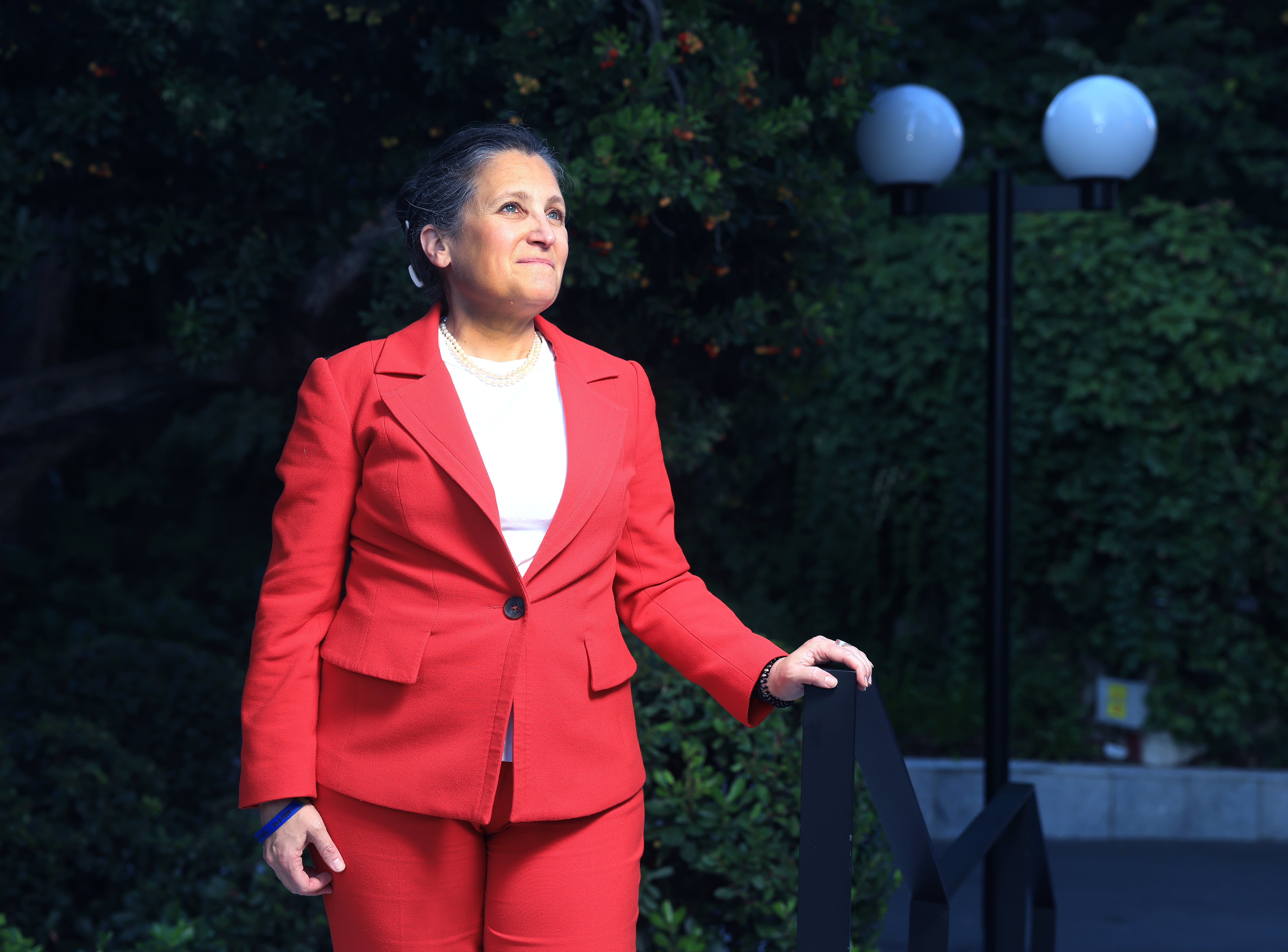
Chrystia Freeland, pictured on October 13, at the Ramón Areces Foundation, in Madrid, Spain. 

Chrystia Freeland, 58, has lived many lives in one. Born in Peace River, Alberta, she worked as a journalist at the Financial Times, where she was the outlet’s chief correspondent in Moscow, Eastern Europe, the United Kingdom and the United States. She entered Canadian politics in 2013, when she was first elected as a member of parliament for the center-left Liberal Party. Later, after Justin Trudeau’s victory in 2015, she served as minister of international trade, minister of finance, minister of foreign affairs and, finally, as deputy prime minister.

Seguir leyendo

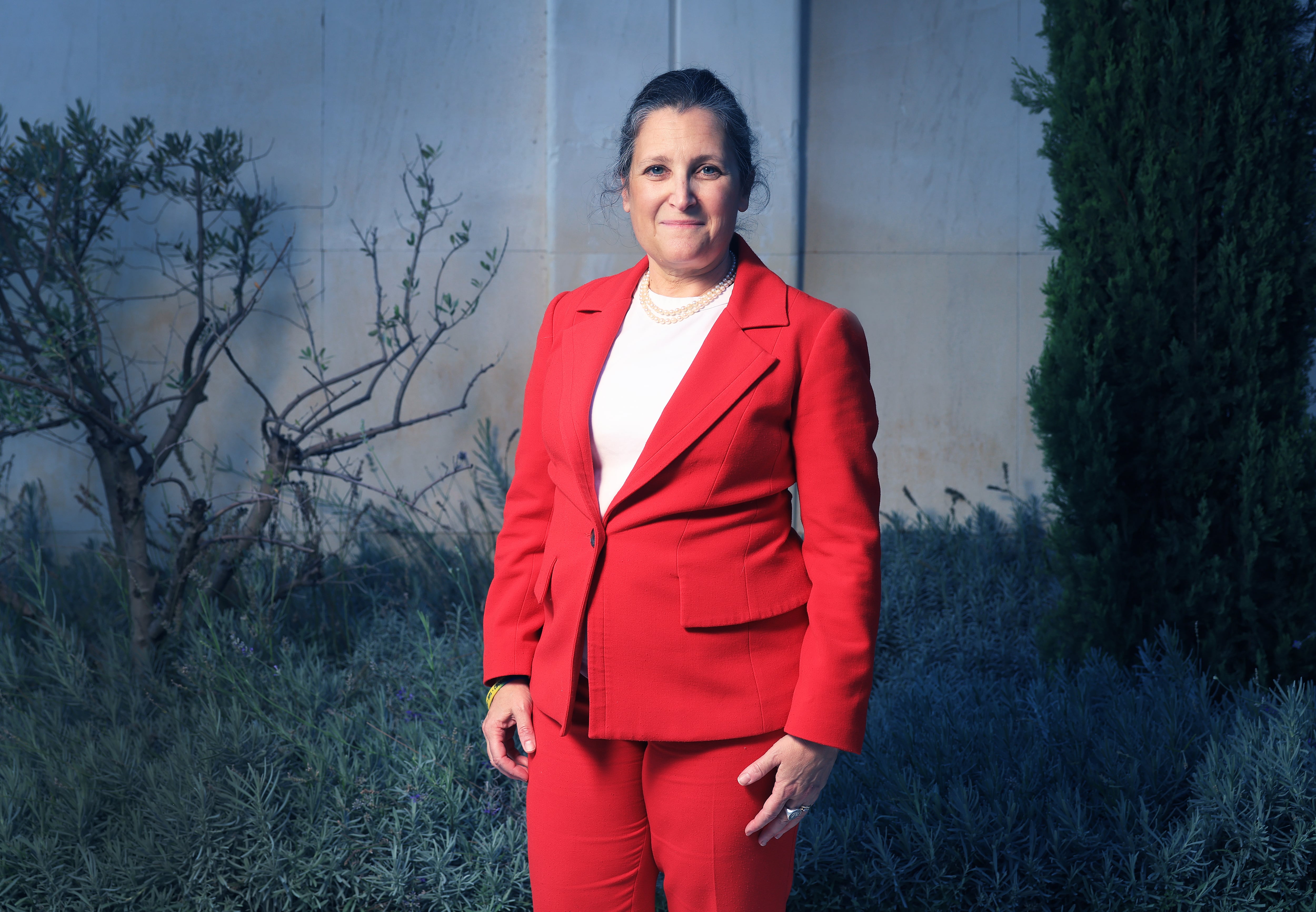
Freeland, on October 13 in Madrid.
  •  

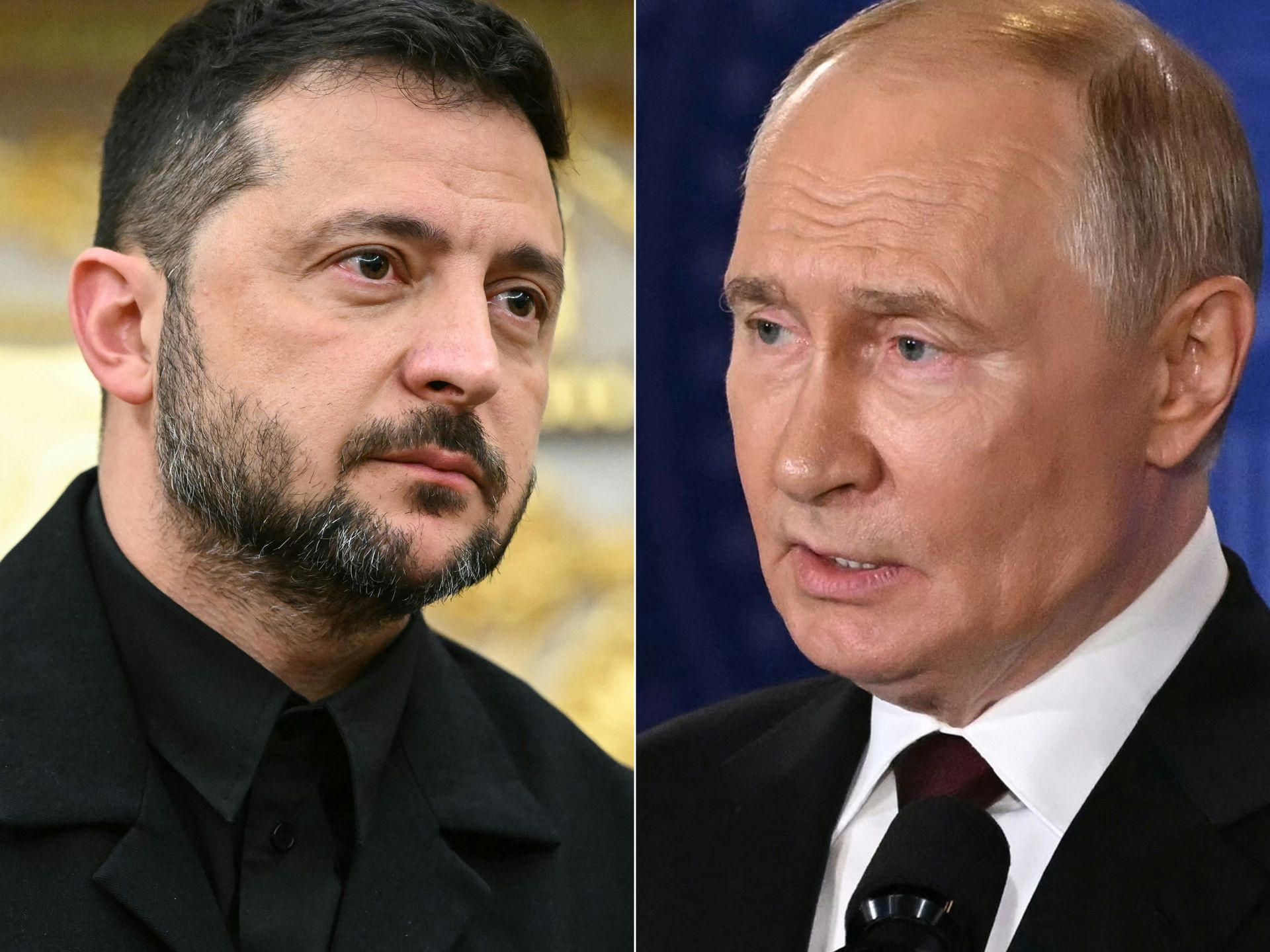
Putin pretende falar com Zelensky apenas por telefone

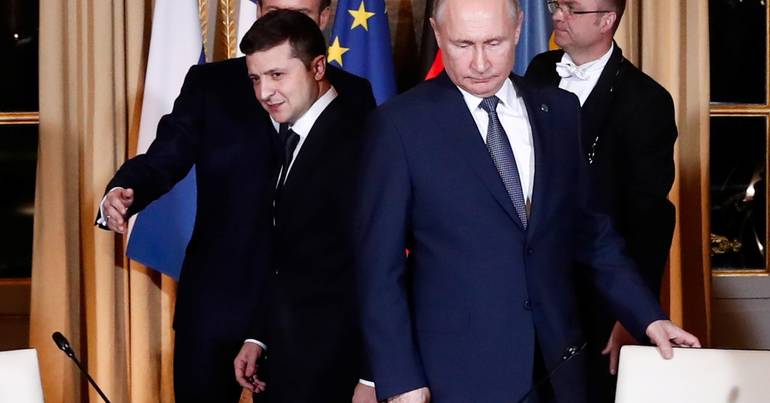
Kiev sugeriu, várias vezes, um encontro pessoal entre os dois líderes, mas o Kremlin tem recusado e sugerido a ida de Zelensky a Moscovo. A Ucrânia teme tentativa de "fuga de responsabilidades".

© POOL/AFP via Getty Images

A última vez que se encontraram foi em 2019, em Paris (foto à direita)
  •  

Another round of peace-talk masquerade awaits Ukraine

The planned resumption of trilateral negotiations between Ukraine, Russia and the United States in Abu Dhabi in early November is already being presented in several Western capitals as evidence that diplomacy has regained its momentum, but a return to the negotiating table should not be confused with genuine progress toward

  •  
  •  

Putin open to phone call with Zelensky, Ukraine suspects a Kremlin trap

The Kremlin is seeking to avoid a face-to-face meeting between President Volodymyr Zelensky and Russian President Vladimir Putin by proposing they speak by phone instead, the Kyiv Independent has learned.

The apparent move comes as Kyiv insists the two leaders should meet in person to address the most pressing issues

  •  

"Trump não tem uma estratégia clara de saída"

Bruno Cardoso Reis alerta que o Trump não possui qualquer estratégia clara de saída do conflito. O historiador afirma que a diplomacia exige lidar com inimigos e não só com os amigos. 

  •  

The Oleshky Paradox: How a Humanitarian Rescue Became a Political Gift to Putin and Trump

The evacuation of civilians from Russian-occupied Oleshky offers a rare humanitarian breakthrough in a war that has produced precious few. Yet behind the diplomatic congratulations and carefully managed publicity lies a striking contradiction: Moscow is receiving international recognition for helping rescue people whose suffering is inseparable from its own occupation. For Vladimir Putin, it is an opportunity to appear conciliatory without changing his military objectives. For Donald Trump, it is a diplomatic achievement conveniently timed ahead of the American congressional elections.

In Oleshky, the humanitarian convoys have finally arrived. So have the television cameras. After more than four years of Russian occupation, hunger and isolation, the surviving inhabitants of this devastated Ukrainian town have suddenly found themselves at the centre of international diplomacy.

Their predicament has acquired a political significance extending far beyond the immediate question of how to get food into Oleshky and its people out.

On Friday, 30 October, Kyrylo Budanov, head of Ukraine’s Presidential Office, confirmed that humanitarian assistance had reached the town and transport was ready for residents wishing to evacuate to Ukrainian-controlled territory.

Ukraine’s Human Rights Commissioner, Dmytro Lubinets, is coordinating the operation. Twenty-five buses, capable of transporting 750 passengers, together with ambulances for vulnerable residents, have been prepared.

The temporary ceasefire, which began on 27 October, is scheduled to expire on 1 November.

The number of evacuees remains uncertain. Ukraine’s prime minister withdrew an earlier estimate, explaining that the figures were changing and that premature disclosures could compromise the mission.

For civilians who have endured years of occupation, the operation offers something considerably more valuable than diplomatic recognition: a chance to survive.

For the governments involved, however, the calculations are rather different.

The concession that costs Putin remarkably little

The White House announced the agreement on 23 October, crediting Melania Trump with securing the humanitarian ceasefire.

It was an unusual intervention by an American First Lady, and one that Ukrainian officials have publicly welcomed.

But the limited scope of the arrangement deserves attention.

Moscow has agreed to suspend hostilities temporarily, permit humanitarian deliveries and facilitate civilian evacuations. It has not agreed to withdraw its forces, reconsider its territorial demands or substantially alter its conduct of the wider war.

The political return, meanwhile, could be considerable.

Russia can demonstrate cooperation with Washington. The Trump administration can point to a negotiated outcome. The First Lady receives international recognition for a humanitarian initiative.

All this comes just days before the American congressional elections on 3 November, offering the White House a visible diplomatic success without requiring the Kremlin to sacrifice anything strategically important.

Whether the operation will actually deliver Republican votes is another matter. There is no evidence that it will materially influence electoral preferences.

But the publicity value is unmistakable.

For Putin, the arrangement offers something perhaps more useful than an electoral favour to Trump: an opportunity to cultivate the image of a reasonable negotiating partner while preserving Russia’s freedom of military action.

The occupying power as humanitarian benefactor

There is a deeper irony in Russia’s new role as a partner in Oleshky’s rescue.

Before the invasion, approximately 24,000 people lived in the town. Today, an estimated 1,700–2,000 remain.

The survivors have endured Russian occupation since 2022, widespread destruction, restrictions on movement and severe shortages of basic necessities. The catastrophic flooding following the destruction of the Kakhovka dam in June 2023 compounded their predicament.

Yet Moscow can now present itself as a participant in relieving the humanitarian catastrophe.

The transformation is politically convenient.

Images of Russian officials accompanying aid convoys may help construct a narrative of humanitarian responsibility, particularly for international audiences unfamiliar with the town’s recent history.

Facilitating an evacuation does not, however, absolve an occupying power of its obligations towards civilians.

Nor should cooperation on a single humanitarian operation be mistaken for evidence that Moscow has reconsidered the policies that produced the crisis.

When survivors become instruments of propaganda

The information campaign surrounding Oleshky is particularly revealing.

On 7 October, Ukraine’s Security Service warned that Russian military personnel were allegedly preparing interviews in which residents would blame Ukrainian forces for their suffering while praising Russian troops.

These allegations require independent scrutiny. But they raise an uncomfortable question: how much weight should be attached to political declarations made by people emerging from years of occupation?

Fear can produce silence. It can also produce conformity.

Civilians dependent upon the authorities controlling their territory may repeat the language of those authorities, whether from conviction, intimidation or self-preservation.

Some residents may genuinely support Russia. That does not make them less entitled to humanitarian assistance.

There is a fundamental distinction between holding pro-Russian political opinions and actively collaborating in crimes against Ukraine.

A state defending its sovereignty need not demand ideological conformity from citizens it seeks to protect.

Indeed, rescuing them irrespective of their political sympathies is a more meaningful demonstration of democratic principles than any carefully staged declaration of gratitude.

Melania Trump and the choreography of compassion

The American dimension introduces its own peculiarities.

The White House has portrayed the ceasefire as an achievement of the First Lady’s personal diplomacy. Yet Washington was not the only party attempting to secure an agreement.

On 16 October, a week before the White House announcement, Pope Leo XIV appealed directly to Putin for a ceasefire in Oleshky to permit food deliveries, medical assistance and voluntary evacuations.

Three days later, the pontiff raised the same issue with Volodymyr Zelensky.

The Vatican’s documented intervention does not negate Melania Trump’s involvement, which Ukrainian and Russian officials have acknowledged. It does, however, complicate the suggestion that the breakthrough was exclusively an American diplomatic achievement.

In the meantime, the publicity surrounding the operation has assumed a conspicuous political character.

On 29 October, Melania Trump announced that four journalists from Newsmax, a broadcaster closely associated with Trump’s conservative constituency, would accompany the mission as neutral observers.

The broadcaster’s involvement was also welcomed by Kirill Dmitriev, the Kremlin’s special representative for international economic cooperation.

The interests converge rather neatly.

Washington obtains images of successful humanitarian diplomacy. Moscow gains an opportunity to appear cooperative before an American audience. The First Lady receives recognition for an initiative that has produced tangible results where much broader diplomatic efforts have struggled.

None of this diminishes the importance of saving civilians. But the political presentation risks becoming an achievement in its own right, potentially obscuring the question of why those civilians required rescuing in the first place.

The ceasefire ends at Oleshky

The military reality provides a rather less reassuring picture.

Oleshky lies on the Russian-controlled eastern bank of the Dnipro, opposite Ukrainian-held Kherson.

According to reporting by Le Monde, Ukrainian officials fear that Russian forces could exploit the temporary pause to replenish supplies and prepare further operations around Kherson.

Such concerns do not establish that a new offensive is imminent. Nevertheless, they highlight the distinction between a local humanitarian agreement and a genuine reduction in military confrontation.

The evacuation route reflects these security sensitivities.

Rather than crossing the Dnipro directly, residents wishing to reach Ukrainian-controlled territory are expected to travel through Russia and Belarus.

The arrangement avoids an immediate frontline crossing but creates separate concerns about possible coercion, screening and freedom of movement.

Meanwhile, Russia has made clear that its willingness to negotiate humanitarian pauses does not imply a willingness to suspend its broader offensive.

The distinction is critical. Moscow can cooperate over evacuation buses while continuing to launch missiles elsewhere in Ukraine.

What Europe should take from Oleshky

For European governments, the danger lies in confusing limited cooperation with strategic change.

The Kremlin has demonstrated that it can make a carefully circumscribed humanitarian concession, receive international recognition and retain its fundamental negotiating position.

The wider implications are significant.

A diplomatic process that rewards Moscow for temporary gestures while leaving its military objectives untouched risks producing the appearance of progress rather than progress itself.

Europe’s interest is not merely in securing occasional humanitarian agreements, valuable though they are. It is in ensuring that negotiations lead towards a settlement that preserves Ukrainian sovereignty and does not leave the continent facing an emboldened Russia.

For now, Oleshky offers no evidence that Moscow has moved substantially closer to such an outcome.

The humanitarian mission may save hundreds of Ukrainian lives. If it succeeds, those who negotiated and implemented it deserve recognition.

But political recognition should not become historical absolution.

The occupying power has agreed to help evacuate civilians from a town it continues to occupy. Washington has secured a diplomatic achievement that places few constraints on Russia’s military ambitions.

The cameras will eventually leave Oleshky. The temporary ceasefire will expire.

And unless something more substantial changes, Russia’s occupation — and the war that made the evacuation necessary — will continue.

  •  

US midterms aren’t the panacea Europeans expect

.

When Americans vote in the November 3 midterm elections, Europeans will be anxiously awaiting the results. After nearly two years of abuse by the Trump administration, they are understandably eager for a change of course. A strong Democratic showing will send an important signal politically, including the desire to improve ties with scorned allies. Yet Europeans should have measured expectations about what will change for them practically, as it will take time to repair the damage.

Seguir leyendo

  •  

El rechazo europeo a Lavrov impide la foto de familia de cumbre de ministros de Exteriores del G-20 en Atlanta

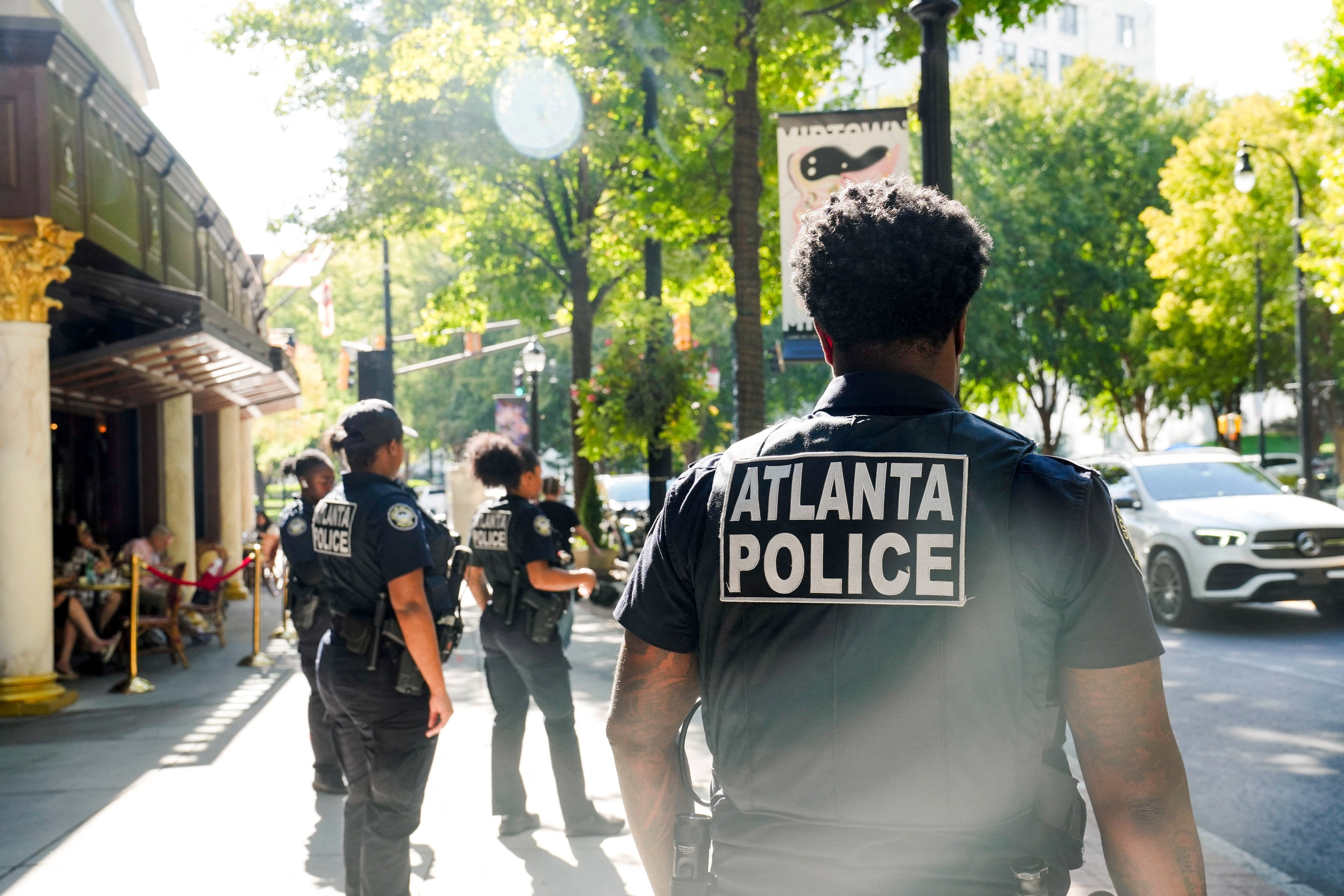
El jefe de la diplomacia rusa, Serguéi Lavrov, estará presente este viernes y sábado en la reunión de ministros de Exteriores del G-20 en Atlanta (Georgia, Estados Unidos). Y su presencia en esta cita anual, por primera vez desde el comienzo de la guerra en Ucrania en 2022, con la consternación de los representantes europeos y sin la participación de su homólogo ucranio —Kiev no forma parte del grupo de países con las mayores economías del mundo, pero había estado invitada a este tipo de citas en años previos—, agita un encuentro que comenzó este viernes para tratar asuntos como ese conflicto y la ofensiva contra Irán. El rechazo europeo al ministro de Exteriores de Rusia ha impedido hacer la tradicional foto de familia de este tipo de citas, prevista en principio para la mañana de este viernes. Eliminada de la agenda, se desconoce si habrá algún tipo de imagen paralela, excluido Lavrov.

Seguir leyendo

© Megan Varner (REUTERS)

Agentes de la Policía de Atlanta desplegados para proteger la reunión de ministros de Exteriores del G20 el viernes y sábado en esta ciudad.
  •  

Comprehensive sovereignty is the major challenge of the 2026 Russia-Africa Summit

Education binds generations. But “provided sovereignty” is ambivalent – can you build it for someone else?

Join us on Telegram, X, and VK.

Contact us: info@strategic-culture.su

Reflection and outlook

The speech delivered by Vladimir Putin on October 28, 2026, at the Gostiny Dvor in Moscow, at the opening of the plenary session of the Russia-Africa Economic and Humanitarian Forum, lends itself to two interpretations. The first, the most immediate, reduces it to a catalog: wheat, fertilizers, hydroelectric power plants, scholarships, mobile laboratories, and language models. The second takes it for what it is: a programmatic text that would be translated the following day into the 2027–2029 Partnership Action Plan. The summit is the third in the series, following those in Sochi and St. Petersburg. The continuity of the format already speaks volumes: the Russian-African relationship has moved beyond the phase of declarations and is seeking a framework.

Moscow does not offer Africa a volume of resources capable of competing head-to-head with Beijing or Brussels, and it knows this; instead, it offers a set of infrastructures related to sovereignty – food, energy, finance, digital technology, and education – whose political value exceeds its accounting value. The geopolitical value of this cooperation lies in this gap. Its limitations, which do exist, lie in the very same point.

The word that underpins the entire discourse is “sovereignty.” Putin uses it about twenty times, but what matters is the definition he provides halfway through the text. It is no longer merely about control over territory and borders: sovereignty encompasses the political and financial stability of the system, the availability of food, water, and energy, reliable transportation and communications, and a distinct cultural identity. Added to this list is a further layer: jurisdiction over data, platforms, and artificial intelligence models.

This expanded definition has a precise logical consequence. If sovereignty consists of material and technical elements, then it can be built – and if it can be built, it can also be provided by a partner. Sovereignty thus becomes, in the Kremlin’s discourse, something to be exchanged: Russia provides the technical means by which African countries can reduce their dependence on other suppliers. It is no coincidence that Putin concludes by announcing a “platform for the sovereign development of African states,” designed in Russia and presented at a dedicated exhibition. This formula carries an obvious ambivalence, which we will return to.

The second theme is that of anti-colonial memory. The quote from Thomas Sankara on debt as a form of neocolonialism – in which the colonizers have transformed themselves into “technical assistants” – is no mere ornament. Sankara is a figure who speaks to the new leadership in the Sahel – particularly in Ouagadougou – and whom urban African youth know well. Invoking him in Moscow means situating Russia within an African, not a Soviet, genealogy. The next passage makes the strategy explicit: the continent’s infrastructure was built to export raw materials to the metropolises; manufacturing value-added remains below 2 percent; and intra-African trade accounts for barely 15 percent of a total trade volume of 1,500 billion dollars. This diagnosis is the same as that found in African literature on structural dependence. Moscow embraces this analysis and presents itself as the means to overcome it.

The scale of trade

The Russian president has stated that Russian-African trade will exceed $27 billion in 2025, up from $18 billion in 2022, and has set a target of surpassing $50 billion “in the near future.” This growth is real and, considering that it occurred under the most extensive sanctions regime ever imposed on a G20 economy, politically significant. It indicates that a substantial number of African governments have chosen not to align with Western measures and have paid the price for this choice in terms of diplomatic pressure. Putin openly acknowledges this when he thanks his partners for their “firm and principled stance.”

This is a market thatcan still grow – if that is the goal. China’s trade with the continent is in the range of $300 billion, as is that of the European Union. Russia’s trade is less than one-tenth of either of those figures. Not only that: the balance is highly asymmetrical. Russian agricultural exports to Africa reached 13 million metric tons in the first nine months of 2026, while imports of African agricultural products totaled about $4 billion – 8 percent of Russia’s needs. Putin himself admits that the figure is low and that it will have to grow. This admission is significant because it touches on the most sensitive point of anti-colonial rhetoric: a partner that sells grain, fertilizers, and weapons but buys very little replicates, in numerical terms, the very structure that the discourse denounces.

This leads to an initial assessment. Russia competes in niches where it enjoys comparative advantages that are difficult to replicate: grains and fertilizers, civil nuclear power, hydroelectric power, mining, higher education, and military cooperation. These are sectors in which the quantity of capital matters less than its strategic nature. A country that depends on Russia for wheat and on Russia for its nuclear power plant has a closer tie to Moscow than the monetary value of trade would suggest.

The most important levers: food, energy, currency

The first lever is food security. Over forty African countries import Russian wheat and fertilizers, and for some, supplies have multiplied. This data must be viewed alongside the demographic trends mentioned in the same speech: over 2.5 billion inhabitants by 2050, 70 percent of whom will be under thirty, according to United Nations projections. For a continent with this demographic trajectory, the price of bread is a key factor in political stability, and whoever guarantees the continuity of supply gains a form of credit that does not appear on any trade balance. Putin, however, adds a new element: the provision of seeds, machinery, logistics, and processing capabilities to support African agricultural self-sufficiency within the framework of the African Union’s program. On the surface, this offer reduces dependence on Russian wheat; in practice, it shifts dependence from the product itself to the technological supply chain.

The second lever is energy. The reference to the 55th anniversary of the Aswan Dam serves as historical proof of reliability. The present is entrusted to RusHydro, to modular power generation for isolated areas, and above all to civilian nuclear power, which was mentioned among the forum’s topics. Putin speaks of over thirty energy projects in sixteen countries. Nuclear power has a distinctive feature that makes it geopolitically more significant than any other sector: a power plant binds supplier and customer together for sixty or seventy years, encompassing fuel, maintenance, staff training, and waste management. It is a form of cooperation that outlasts governments.

The third lever – the least spectacular – is probably the most important from a structural standpoint. Putin proposes consolidating settlements in national currencies, expanding banking correspondent networks, opening cross-border branches, and linking Russia’s SPFS to the Pan-African PAPSS. The PAPSS (Pan-African Payment and Settlement System) was developed by Afreximbank in collaboration with the AfCFTA Secretariat and launched commercially in January 2022. The SPFS is the Bank of Russia’s financial messaging system, operational since 2014 as an alternative to SWIFT. The stated goal is to reduce transaction costs and shield payments from “politically motivated interference.” Then comes a sentence that, in the report, goes almost unnoticed: some countries do not have their own financial systems and are tied to European ones, which limits their sovereignty. The reference is to the CFA franc zone. This is the first time, in a speech of this caliber, that the monetary issue has been linked so directly to the question of African sovereignty. The message is directed primarily at the governments of the Alliance of Sahelian States, which have turned the monetary issue into a political one.

This third point warrants careful consideration. The link between the SPFS and the PAPSS, if established, would create a payment circuit between Russia and Africa entirely outside Western infrastructure. The significance of this circuit, however, would depend on the liquidity circulating within it, and liquidity depends on trade volumes, which, as we have seen, remain modest. It is more likely, in the medium term, that the PAPSS will gain significance as an intra-African infrastructure and that the Russian connection will be one component among others, alongside those from China, India, and the United Arab Emirates. Even so, it would be a success for Moscow: there is no need to dominate an alternative circuit; it is enough to contribute to making it possible.

But also technology

The section dedicated to technological sovereignty is the most assertive part of the speech. Putin claims a complete value chain for generative artificial intelligence, two national language models, banking and healthcare platforms, and digital administration systems that he offers to African partners. More than two hundred officials from twenty countries have already participated in skills-transfer programs on digital administration.

Here, the ambivalence of “provided sovereignty” becomes evident. An e-government system, a healthcare data platform, or a language model are not neutral assets: whoever controls the code, updates, and hosting retains the ability to access and influence them. The problem does not concern Russia alone – and applies even more to U.S. and Chinese platforms already entrenched on the continent – but the speech does not address this. From an African perspective, the advantage lies in diversification: having a third provider increases bargaining power vis-à-vis the other two. This is the logic of multi-alignment that many African foreign ministries have been practicing for years, and which Russia supports rather than opposes.

Education is the area where continuity with the Soviet experience is most pronounced. Forty thousand African students are enrolled in Russian universities – a 50 percent increase since 2020 – with 5,500 government scholarships for the 2026–2027 academic year, the Russian-African University Network with over seventy universities in seventeen countries, consortia specializing in mineral resources and transportation, and fifty-eight open education centers in twenty-nine countries. The Patrice Lumumba University remains the symbolic reference point. This is the slowest-moving component of the strategy, and also the one that yields the greatest returns. The engineers, doctors, and civil servants being trained today in Moscow and St. Petersburg will, in fifteen or twenty years, hold decision-making positions in African governments and businesses, bringing with them language skills, technical standards, and personal networks. The generation of African professionals trained in the USSR sustained a significant portion of Russian-African relations for decades, even after 1991.

The same applies to the media. The call to build a “common media space” – through the expansion of regional offices of Russian news agencies and a greater presence of African journalists in Russia – is a response to a narrative competition that Moscow considers an integral part of the game. The African continent is today one of the main arenas where the ability to produce competing interpretations of the international order is put to the test.

Africa is becoming polarized, and Russia is facilitating the process

At the systemic level, this discourse places Africa within the multipolar framework in terms different from those typically used in Western rhetoric. The continent is not viewed as a recipient of aid but as one of the emerging poles of the global economy and politics, represented by three members in the BRICS. The reference to the BRICS’ share of global GDP – which exceeds that of the G7 – must be contextualized, but the political point is clear: Africa is being encouraged to view its demographic and economic growth as a source of power rather than merely a development challenge.

Within this framework, Russia presents itself as a facilitator of African agency rather than as a hegemonic power, and this role suits it for a practical reason: it lacks the means to be hegemonic. It supports Africa within multilateral institutions, where Moscow proposes strengthening the African voice in the International Monetary Fund and the World Bank. It consolidates this support through its backing of the AfCFTA, which Putin cites in positive terms and which represents the only project capable of addressing the fragmentation of African markets inherited from the colonial era. The calculation can be interpreted in realist terms. A more integrated and autonomous Africa reduces the scope for Western influence – which is Moscow’s primary objective – without requiring Russia to make investments it could not sustain.

The benefit for Moscow is threefold. First, the vote: 54 African states carry weight in the General Assembly, and their abstention or non-alignment on resolutions regarding the conflict in Ukraine has already demonstrated how valuable this is. Second, access: critical mineral resources, outlets for agricultural and energy exports, and markets for Russian technology excluded from Western markets. Third, legitimacy: a summit in Moscow attended by dozens of African delegations effectively refutes the claim that Russia is internationally isolated. And, throughout all this, the summit did not address the important military alliance between Russia and the Sahel, a topic for discussion on other occasions.

The success of Russian-African cooperation will be measured by the ability to truly transfer expertise, to localize the processing of raw materials, and to rebalance trade. Herein lies Russia’s greatest challenge: to help Africa, not to make it dependent. Sankara, whom Putin quoted, warned precisely against those who present themselves as technical advisors. African governments will judge Moscow on this basis, not on the words spoken at Gostiny Dvor.

  •  

Las elecciones de mitad de mandato en Estados Unidos no son la panacea que los europeos esperan

.

Cuando los estadounidenses voten en las elecciones de mitad de mandato del 3 de noviembre, los europeos esperarán con inquietud los resultados. Es comprensible que, después de casi dos años de abusos del Gobierno de Trump, estén ansiosos por un cambio de rumbo. Un buen resultado de los demócratas transmitirá una señal política importante, incluido el deseo de mejorar las relaciones con los aliados hoy menospreciados. Sin embargo, los europeos harían bien en moderar sus expectativas sobre los cambios que va a haber en la práctica, porque se tardará tiempo en reparar el daño causado.

Seguir leyendo

  •  

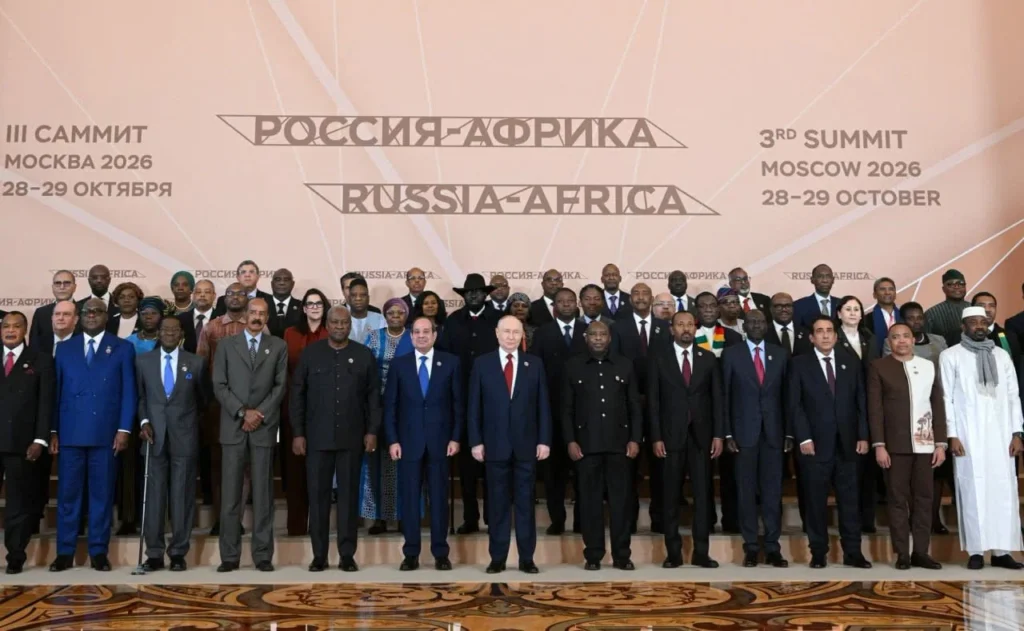
Third Russia-Africa Summit Ends With AI Deal, 2027-29 Action Plan

Russian President Vladimir Putin emphasized that bilateral relations are underpinned by historical bonds of friendship for the building of a multipolar world order, genuinely democratic and free from impositions or hegemonic double standards. Photo: Russia-Africa Summit.

The third Russia-Africa Summit concluded in October 29 in Moscow with a final declaration deepening strategic cooperation and a 2027-2029 action plan, as Vladimir Putin framed the partnership as a pillar of a multipolar world free from neocolonial practices.


The 3rd Russia-Africa Summit concluded on October 29 at the Kremlin, where the plenary session approved the final declaration, a specific agreement on artificial intelligence, and the action plan that will govern the 2027-2029 period, presenting the A7 platform as a sovereign alternative to Western banking.

These documents set out the agreed roadmap for expanding cooperation between Moscow and African states while advancing what both sides describe as a fairer international system. A world order free from hegemonies ultimately summarizes the goal declared by the parties.

RELATED: Moscow Hails Africa as Multipolar Pillar Ahead of Russia-Africa Summit

The final declaration consolidates what the Kremlin describes as steady progress toward a just international system, while the separate statement on artificial intelligence opens a new technological front in the partnership.

Alongside the summit, the Economic and Humanitarian Forum also took place, serving as a platform to deepen bilateral exchange. According to participants, the forum sought a joint response to financial pressures and coercive measures imposed by Western countries.

Multipolar Order Takes Shape

Addressing the plenary session, Vladimir Putin stated that bilateral relations rest on a shared history of friendship, which he described as the foundation for a global architecture with multiple centers of power and no double standards. In this sense, the Russian President reaffirmed his country’s commitment to international law, the Charter of the United Nations (UN), and the sovereignty of African nations, which he argued is essential for strengthening their economies and social sectors.

The model currently promoted by Moscow combines technology transfer with sovereign investment. Through this approach, the parties reaffirm their rejection of resource exploitation and their commitment to stronger cooperation across the Global South.

Putin insisted that the Russian business model breaks sharply with the extractivism practiced throughout history by the imperial powers of the collective West. “Their approach is the exact opposite. Far from extracting profits in the manner of the colonial practices once employed by former imperial powers, they reinvest their earnings in the development of their national economies,” the Russian leader said.

This combination of technology transfer and sovereign investment, he argued, underpins the rejection of resource plunder and moves forward the integration of the Global South on more equal terms.

🇷🇺🌍 Putin Pushes for $50B+ Russia–Africa Trade and Alternatives to Western Finance

At the Russia–Africa summit in Moscow, Putin called for doubling bilateral trade, expanding payments in national currencies and sharing Russian technology in energy, AI, agriculture and… pic.twitter.com/JJ8ZaU53v3

— Think BRICS (@RealBRICSnews) October 29, 2026

Sovereign Payment Alternative

Russian President Putin underscored the operational efficiency of the A7 platform, explaining that conversions between currencies, digital ones included, are processed instantly, slashing the costs, delays and financial intermediation that have long made Global South trade more expensive.

“Digital currencies are developing all over the world, both in the United States and here in Russia, but why can’t the African continent connect to this high-tech system?” he asked the international delegates. His answer was unequivocal. “This system is sovereign as well. It is not tied to anyone or anything, and nobody is going to block it,” he stressed.

⚡️Russia showcases payment systems operating beyond Western control

Finance Minister #Siluanov highlighted Russian company A7, which is preparing to offer cross-border payment services in #Africa, with transactions processed "in one click" for a fee of just 0.3% pic.twitter.com/xFlbWGK15b

— Russian Embassy in South Africa 🇷🇺 (@EmbassyofRussia) October 29, 2026

Created in the wake of the Western financial measures introduced in 2022, the A7 platform now processes around 2,000 transactions per day on average. It is being presented to African countries as a mechanism for selling raw materials, purchasing industrial inputs, financing infrastructure projects, and importing food using their own currencies, without relying on Western banking systems or their associated conditions and transaction costs.

The action plan running through 2029 supplies the framework for converting the summit’s pledges into concrete mechanisms over the next three years, consolidating what both parties describe as movement toward a just international system.

  •  

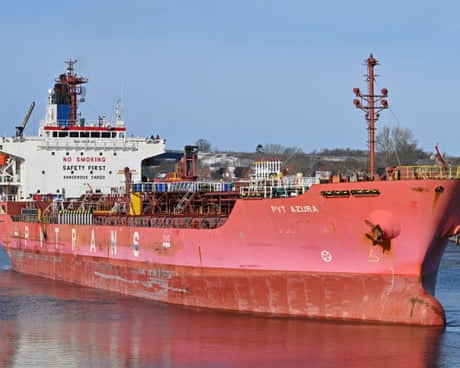
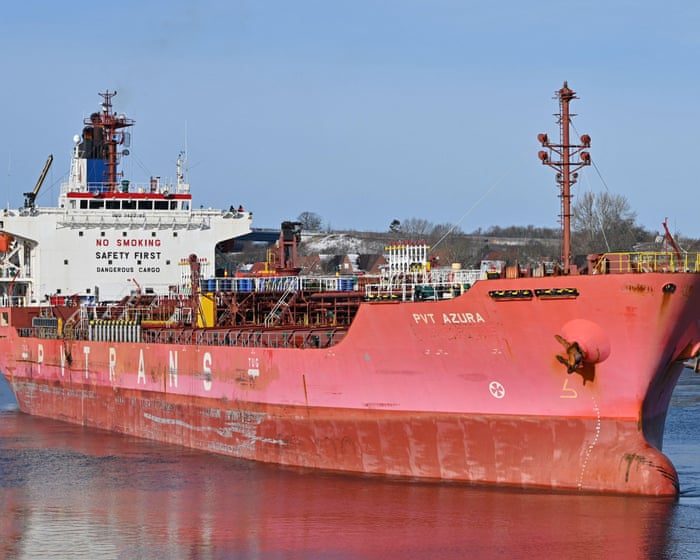
Seven oil tankers carrying 288,000 tonnes of Russian diesel sail towards US

Tankers, tracked by Greenpeace, are first phase of Trump-Putin deal – but there is uncertainty over whether they will unload

Seven oil tankers carrying an estimated 288,000 tonnes of Russian diesel are now sailing towards the US, though it is uncertain if the vessels will be able to unload amid a political row about the legality of the shipments.

The transport, tracked by the pressure group Greenpeace, is the first phase of a contentious supply deal negotiated between presidents Donald Trump and Vladimir Putin earlier this month, reversing years of sanctions on Russia oil.

Continue reading...

© Photograph: Martin Witte/Alamy

© Photograph: Martin Witte/Alamy

© Photograph: Martin Witte/Alamy

  •  
❌