❌

Reading view

Vídeo: Lula leva disputa presidencial à Paulista no último ato antes das urnas

Apoiadores do presidente Luiz Inácio Lula da Silva (PT) se concentram neste sábado (24/10), na Avenida Paulista, em São Paulo, para a mobilização que marcou o encerramento de sua campanha de rua antes do segundo turno das eleições presidenciais, marcado para domingo (25/10). O evento ocorreu na véspera da votação que definirá o próximo presidente da República, em uma disputa entre Lula e o senador Flávio Bolsonaro (PL).

A concentração começou às 14h, nas proximidades da Alameda Campinas, e a participação de Lula estava prevista para as 16h. A programação reuniu lideranças políticas, parlamentares e representantes de partidos aliados, entre eles o vice-presidente Geraldo Alckmin (PSB) e os ex-ministros Fernando Haddad (PT), Marina Silva (Rede), Simone Tebet (PSB) e Márcio França (PSB). A organização também previu a passagem do presidente em carro aberto pelo público.

A mobilização na capital paulista ocorreu após Lula participar, pela manhã, de um ato com apoiadores na praia de Copacabana, no Rio de Janeiro. As duas agendas integraram a estratégia de encerramento da campanha petista na véspera do segundo turno. A escolha de grandes centros urbanos para as manifestações reforçou a tentativa de mobilizar eleitores e aliados na reta final da disputa.

O encerramento das atividades de rua ocorreu após o último debate entre Lula e Flávio Bolsonaro, transmitido pela TV Globo na sexta-feira (23/10). Enquanto o presidente realizou mobilizações no Rio de Janeiro e em São Paulo, o senador cumpriu compromissos de campanha em Belo Horizonte e na capital fluminense. Os eleitores voltam às urnas neste domingo (25/10) para decidir o segundo turno da eleição presidencial.

Foto e Vídeo: Redes Sociais

The post Vídeo: Lula leva disputa presidencial à Paulista no último ato antes das urnas appeared first on Diário da Manhã - O Jornal do leitor Inteligente.

  •  

Novos produtos à base de truta-fário querem chegar à mesa dos consumidores

VTM

O desafio foi lançado pela Associação Empresarial Mais Boticas, que fez uma candidatura à Fundação La Caixa e obteve financiamento para valorizar a truta-fário, que existe em grande quantidade no concelho de Boticas.

Para isso foi desenvolvido o projeto “Sustainable Trout” – Promoção, Valorização e Sustentabilidade da truta de Boticas, que criou uma marca para impulsionar a dinâmica económica local e a sustentabilidade dos recursos endógenos.

Boticas paulo aleixo
“Os chefs criaram pratos extraordinários, agora, esperamos que a restauração aproveite”
PAULO ALEIXO,
Presidente da Associação Mais Boticas
 

Paulo Aleixo, presidente da associação empresarial, explicou à VTM as motivações por detrás da candidatura. “Surgiu a necessidade de escoar a produção excessiva da truta-fário que, em determinadas alturas do ano, existe em grande quantidade nos nossos viveiros”, explicou, adiantando que se juntaram ao projeto o Aquavalor (Universidade Politécnica de Bragança), o CIMO (Centro de Investigação de Montanha) e o município de Boticas, para se conseguir criar um produto diferenciado.

Artigo exclusivo PREMIUM

Tenha acesso ilimitado a todos os conteúdos do site e à edição semanal em formato digital.

ou compre apenas este artigo:

Comprar este artigo — 1,00€
Se já é PREMIUM, Aceda à sua conta em Entrar

The post Novos produtos à base de truta-fário querem chegar à mesa dos consumidores appeared first on A Voz de Trás-os-Montes.

  •  

Disputa política entre estudantes termina em confusão dentro da PUC Goiás

Estudantes favoráveis ao presidente Luiz Inácio Lula da Silva (PT) e ao senador Flávio Bolsonaro (PL) protagonizaram um bate-boca no Campus V da Pontifícia Universidade Católica de Goiás (PUC Goiás), em Goiânia, na manhã desta terça-feira (20/10). A discussão tomou um dos corredores da instituição, com gritos, palavras de ordem e provocações entre os grupos.

Gravações feitas por pessoas que estavam no local registraram manifestações verbais durante o desentendimento. Entre as expressões ouvidas estavam “ladrão” e “Vorcaro”. A situação chamou a atenção de outros integrantes da comunidade acadêmica e exigiu a atuação da equipe de segurança da universidade.

Além do confronto verbal, relatos apontaram o lançamento de bombinhas nas dependências do campus, o que levou os profissionais de segurança a verificar a situação. Imagens encaminhadas à reportagem também mostraram adesivos supostamente ligados à candidatura de Flávio Bolsonaro retirados de veículos estacionados. Até o momento, não foi possível determinar o que deu início à discussão.

Em nota, a PUC Goiás informou que manifestações político-partidárias são proibidas nas dependências da instituição desde a publicação do Ato Próprio Normativo nº 001/2022-CHN/GR, em 19 de agosto de 2022. A regra impede comícios, ações de campanha, distribuição de material eleitoral, panfletagem e divulgação de propaganda política nos espaços físicos e nos canais digitais da universidade.

A instituição confirmou que estudantes iniciaram um ato político nas dependências da Escola de Direito, Negócios e Comunicação. Assim que identificaram a atividade, os profissionais de segurança orientaram os participantes a encerrá-la, conforme as normas internas. A universidade também reafirmou o compromisso com o respeito à pluralidade de ideias, ao diálogo e à convivência democrática no ambiente acadêmico.

The post Disputa política entre estudantes termina em confusão dentro da PUC Goiás appeared first on Diário da Manhã - O Jornal do leitor Inteligente.

  •  

Junta de Freguesia de Armação de Pêra torna-se parceira oficial do projeto ‘Heróis da Fruta’

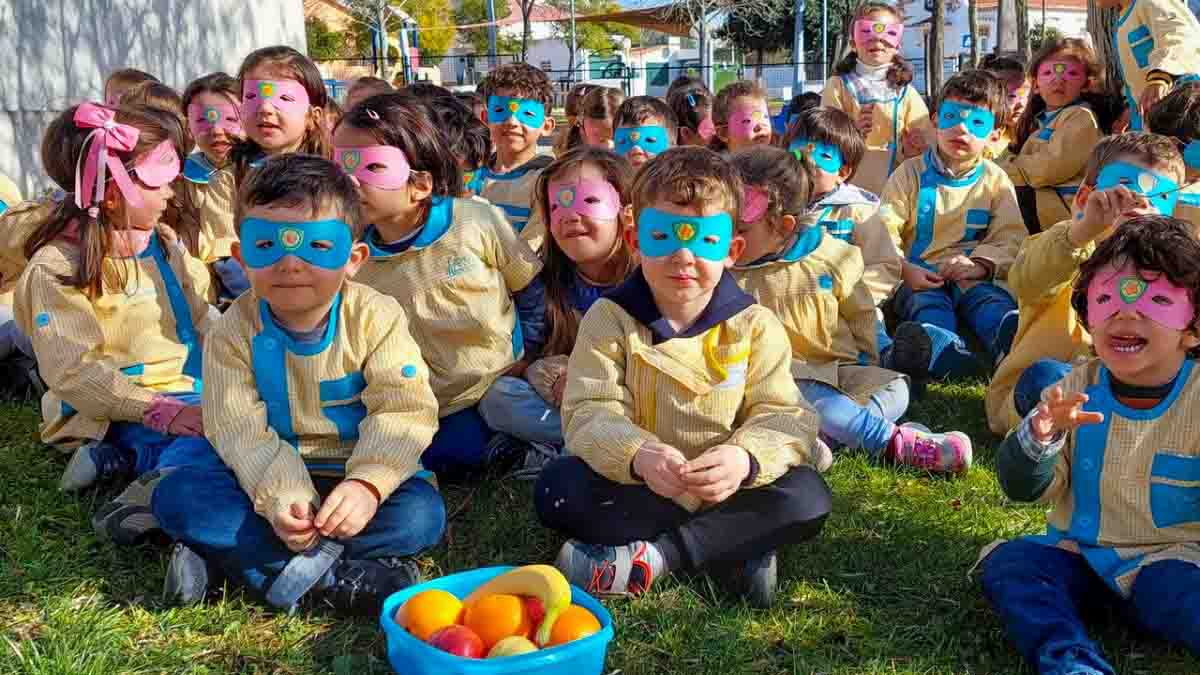
A Junta de Freguesia de Armação de Pêra assinou um protocolo de cooperação com a APCOI – Associação Portuguesa Contra a Obesidade Infantil, tornando-se oficialmente autarquia parceira do projeto ‘Heróis da Fruta’, a maior iniciativa de promoção de hábitos alimentares saudáveis nas escolas em Portugal.

Com esta adesão, a Freguesia de Armação de Pêra reforça a sua estratégia de proximidade, prevenção e investimento na saúde das famílias e das crianças deste território algarvio.

A parceria assenta numa dinamização prática e eficaz estruturada em três eixos principais: a convocação das escolas, através do envio direto e simplificado dos convites de participação às comunidades escolares; a sensibilização comunitária, com a divulgação ativa do desafio à população e às famílias através dos materiais de comunicação preparados pela APCOI; e o acompanhamento de impacto, garantido pela monitorização dos resultados em tempo real, o que permite acompanhar de perto o envolvimento das turmas e escolas inscritas neste território.

Ao centro o Presidente do Executivo da Junta de Freguesia de Armação de Pêra Bruno Alves, à esquerda na foto Miguel Santos e Mariana Marques, à direita na foto Manuel da Costa e Margareta Vieira da Silva

“Liderar o poder local exige antecipar desafios e agir onde mais importa: na qualidade de vida dos armacenenses. A promoção da saúde infantil e o combate à obesidade são prioridades centrais para o bem-estar e para o futuro da freguesia de Armação de Pêra. Ao associarmo-nos à APCOI, assumimos o compromisso ativo de dotar as nossas escolas e famílias de ferramentas concretas, como é o projeto ‘Heróis da Fruta’, que incentiva hábitos de vida mais saudáveis e garante um impacto positivo, duradouro e visível na saúde de toda a comunidade”, afirma o Presidente da Junta de Freguesia de Armação de Pêra, Bruno Alves

A eficácia e a importância estratégica do envolvimento direto das autarquias ficaram já patentes no projeto-piloto “Heróis da Fruta 2.0”, testado em parceria com uma Junta de Freguesia em Lisboa no ano letivo passado, no âmbito do programa Cities for Better Health da Novo Nordisk, e com avaliação de resultados realizada pelo Instituto de Saúde Ambiental da Faculdade de Medicina da Universidade de Lisboa (ISAMB-FMUL).

A intervenção direta desta Freguesia de Lisboa no projeto-piloto “Heróis da Fruta 2.0” refletiu-se em ganhos expressivos quando comparada com a média nacional. Em termos de adesão escolar, a taxa de escolas inscritas alcançou os 90%, em claro contraste com os 7% registados a nível nacional.

Da mesma forma, 100% das turmas participantes concluíram o projeto com sucesso, superando amplamente a média nacional de 28%. No que diz respeito à introdução alimentar, 87% das crianças abrangidas pelo projeto-piloto passaram a provar novas frutas ou vegetais, um resultado significativamente superior aos 54% observados à escala nacional.

Estes indicadores evidenciam o papel determinante da governação de proximidade na transformação de hábitos de vida e fundamentam a aposta do executivo da Junta de Freguesia de Armação de Pêra ao aliar-se à APCOI nesta nova edição deste ano letivo de 2026/2027. A cooperação permite maximizar o alcance das ações de sensibilização e garantir uma mobilização comunitária sem precedentes em prol da nutrição e da saúde infantil.

A reforçar o valor do protocolo, Mário Silva, Presidente da APCOI, argumenta que “ser autarquia parceira é um processo acessível a qualquer freguesia ou município de Portugal. É com grande entusiasmo que acolhemos a Junta de Freguesia de Armação de Pêra como parceira oficial do projeto ‘Heróis da Fruta’. A obesidade infantil combate-se no terreno, com o envolvimento de toda a comunidade, e a proatividade do poder local é fundamental para fazermos a mensagem chegar às crianças e famílias. Ter autarquias empenhadas como Armação de Pêra permite-nos transformar hábitos diários em conquistas reais para a saúde das futuras gerações. Todas as autarquias interessadas em abraçar esta causa podem juntar-se à rede de parceiros oficiais basta registarem-se clicando aqui“.

Através desta parceria, a Junta de Freguesia de Armação de Pêra reafirma o seu compromisso de proximidade com o ecossistema educativo e com as famílias armacenenses, promovendo uma comunidade mais consciente, saudável e preparada para os desafios do futuro.

Os agrupamentos escolares e as escolas da freguesia podem inscrever as suas turmas no projeto ‘Heróis da Fruta’ de forma totalmente gratuita até ao dia 31 de outubro clicando aqui.

  •  

Goiás empata sem gols com Náutico na Serrinha e se complica na disputa pelo acesso

Goiás e Náutico empataram por 0 a 0 na noite desta segunda-feira (19/10), na Serrinha, pela 34ª rodada da Série B. O resultado mantém o Esmeraldino na 9ª posição, com 49 pontos.

O primeiro tempo demorou a esquentar. A primeira boa chance só apareceu aos 28 minutos, quando Felipe Clemente cabeceou para o Goiás e parou em ótima defesa do goleiro uruguaio Guruceaga. Logo depois, Lourenço finalizou de fora da área e também levou perigo. O Náutico respondeu aos 34, com um chute de Vinícius, mas não passou disso.

No segundo tempo, o Náutico voltou melhor e passou a pressionar o Goiás. Aos seis minutos, Vinícius recebeu na ponta direita, chutou cruzado e Tadeu fez ótima defesa, mandando para escanteio. Aos 16, Igor Fernandes pegou a sobra dentro da área, cabeceou e acertou o travessão. A pressão continuou, e aos 26 Vinícius arriscou cruzado pela ponta esquerda, com a bola passando perto da trave direita de Tadeu. O Goiás só respondeu aos 38, em cabeçada de Kadu Sousa após cruzamento de Rodrigo Soares, mas mandou por cima. O Verdão melhorou na reta final e quase marcou aos 41 com Gegê, que pegou a sobra na área e chutou na saída do goleiro, que fez boa defesa. Após isso, o Goiás manteve a pressão, foi para cima, mas não conseguiu furar a defesa adversária, e o jogo terminou em 0 a 0.

O Goiás volta a campo na próxima terça-feira (27/10), às 20h, contra o Ceará, na Arena Castelão.

The post Goiás empata sem gols com Náutico na Serrinha e se complica na disputa pelo acesso appeared first on Diário da Manhã - O Jornal do leitor Inteligente.

  •  

Spain’s Ceuta Migration Crisis Tests EU Asylum Rules as Thousands Await Decisions

Spain’s government has declared that the first phase of its emergency response to the Ceuta migration crisis has been completed, following the arrival of an estimated 80,000 migrants from Morocco at the end of July.

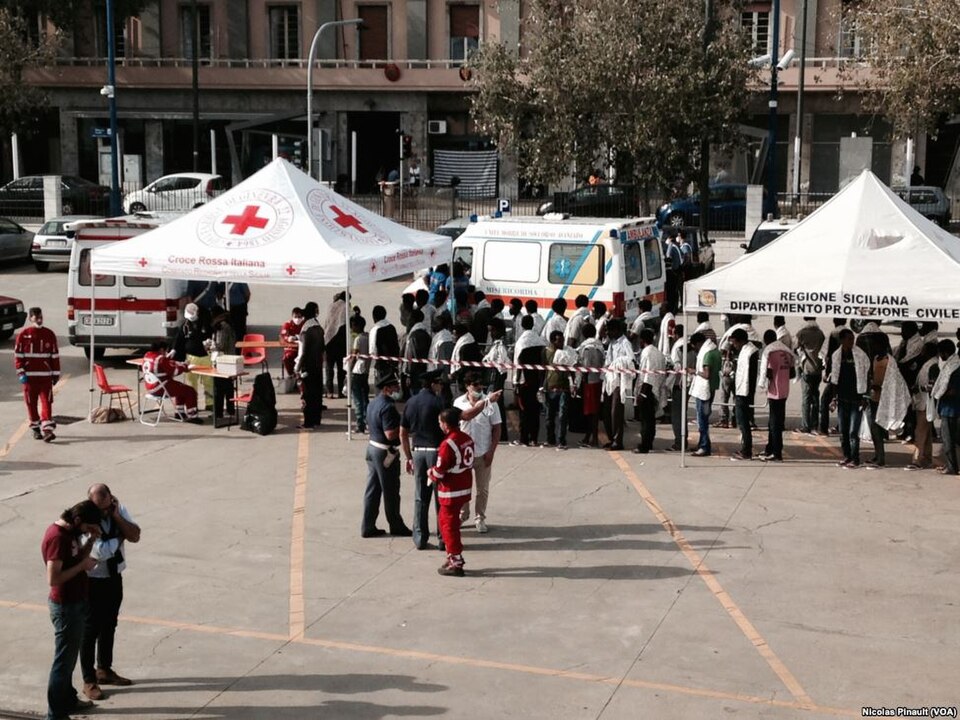
Interior Minister Fernando Grande-Marlaska said on Friday, 16 October, that approximately 12,000 people had returned voluntarily to Morocco since August, while the authorities had expanded facilities to process asylum applications and return decisions.

Nevertheless, substantial administrative and humanitarian challenges remain in the Spanish enclave, particularly concerning people awaiting decisions on their legal status and unaccompanied minors. The situation has become an important test of the European Union’s revised migration and asylum legislation.

Unprecedented crossings at the African border

The crisis began on 30 July, when tens of thousands of people entered Ceuta from Morocco by land and sea following the circulation of misleading information on social media about access to Spanish territory.

According to an October briefing by the European Parliament’s Research Service, approximately 80,000 people crossed into the enclave during the incident, overwhelming local reception facilities and creating an emergency at one of the EU’s few land borders with Africa.

A subsequent European Parliament resolution referred to at least 141 deaths associated with the crossings, although the initial figure reported by Spanish authorities was lower. The exact number of people who crossed and the final death toll have remained subjects of uncertainty.

Most entrants returned to Morocco within days. However, thousands remained, leaving Spain responsible for assessing individual claims, arranging lawful returns and providing appropriate accommodation.

Ceuta’s geographical position complicates these procedures. Although the enclave is Spanish and forms part of the EU, travellers departing for mainland Spain remain subject to specific controls at its ports and airports.

Spain expands its processing capacity

During a visit to Ceuta on 16 October, Grande-Marlaska defended the government’s management of the emergency and announced that additional police resources would substantially increase administrative capacity.

The expanded temporary reception and processing facilities at El Tarajal are intended to handle at least 100 files daily, including applications for international protection and return procedures.

According to figures presented by the Interior Minister, approximately 1,200 applications for international protection had been formally submitted, with around 700 decisions already issued.

He also rejected allegations that the authorities had conducted concealed or involuntary returns, insisting that departures to Morocco had followed voluntary decisions or the appropriate legal procedures.

The minister said more than 500 expulsions had been executed through judicial or administrative decisions in recent months. These are distinct from the approximately 12,000 voluntary returns recorded since August.

The treatment of unaccompanied minors remains contentious. The European Parliament’s research briefing estimated that around 1,100 such minors were in Ceuta, including some who arrived before the July emergency.

Responsibility for their care has generated disagreement between the Spanish central government and Ceuta’s autonomous administration, particularly over guardianship, identification and the distribution of minors to other regions.

New EU asylum system faces a practical test

The EU Pact on Migration and Asylum, which began applying in June 2026, was designed to strengthen external border procedures while establishing clearer responsibilities for Member States.

Its provisions include identity and security screening, accelerated procedures for certain asylum applications and a solidarity mechanism allowing countries to support those facing disproportionate migration pressures.

Under the screening rules, the authorities generally have up to seven days to complete the initial checks required for people apprehended after irregular entry.

However, the Ceuta emergency demonstrates the difficulty of applying individual administrative procedures when arrivals occur in exceptionally large numbers within a short period.

The geographical concentration of arrivals means that adequate staffing, interpretation, legal assistance and reception facilities become essential to ensuring the system operates within its prescribed deadlines.

Spain requested assistance from Frontex, Europol and the European Union Agency for Asylum in August. The Commission subsequently announced €114.7 million in emergency assistance in September.

Political dispute over migration policy

The crisis has widened divisions between European governments over border enforcement and the regularisation of migrants already living within the EU.

Italy and several other Member States have questioned whether Spain’s separate regularisation programme could encourage further irregular migration. Madrid rejects the suggestion that the programme caused the Ceuta crossings.

The Spanish scheme covers only people who met the residence requirements by the end of 2025. Those who arrived during the July 2026 crisis are not eligible.

European Parliament members also adopted a resolution in September calling for stronger protection of the EU’s external borders and greater cooperation with Morocco. The resolution characterised the crisis as involving the possible instrumentalisation of migration, although Spain has said it has no evidence establishing Moroccan government involvement.

The continuing administrative backlog, the position of minors and the effectiveness of EU assistance will determine how quickly Ceuta can return to ordinary border operations.

Beyond Spain, the episode raises a practical question for Brussels: whether Europe’s new asylum framework can maintain border controls and individual legal safeguards simultaneously during an exceptionally large and sudden influx.

  •  

Italy and Spain Move Towards Ending Schengen Border Controls After Meloni–Sánchez Talks

Italy has extended checks on travellers from Spain for another week, but talks between Giorgia Meloni and Pedro Sánchez have opened the way for an end to reciprocal restrictions imposed after the migration crisis in Ceuta.

Italy and Spain have agreed to work towards ending their reciprocal Schengen border controls following discussions between Prime Ministers Giorgia Meloni and Pedro Sánchez at the European Council summit in Brussels. Rome nevertheless extended its restrictions for another seven days on Friday, 16 October, as the two governments consider how to bring their respective measures to an end.

The decision marks a possible turning point in a dispute that has disrupted travel between two of the European Union’s largest countries since the summer. According to the notifications recorded by the European Commission, the restrictions concern air and sea connections between Italy and Spain, which do not share a land border.

The two governments have instructed their interior ministers to consider alternative arrangements over the coming week. Although neither side has formally withdrawn its measures, the agreement to coordinate their removal suggests that both capitals are seeking a way out of an increasingly uncomfortable confrontation over migration and internal European security.

How the Ceuta crisis reached Schengen

The dispute began after an extraordinary influx of migrants from Morocco into Spain’s North African enclave of Ceuta in late July. More than 72,000 people crossed the border, prompting serious questions about the management of the EU’s external borders and the possibility of onward movements into other member states.

Italy responded by introducing checks on passengers arriving from Spain, arguing that the situation created risks for public order and internal security. Rome also raised concerns about the possible movement of individuals presenting security threats, although the extent of any such movement remained disputed.

Madrid rejected the justification and introduced reciprocal measures. What began as an emergency response to events on an external border consequently developed into a disagreement about whether one Schengen member could impose restrictions on another on the basis of anticipated migration movements.

EU Today examined the original Spanish retaliation in August, when the dispute first threatened to turn temporary border controls into an instrument of political pressure.

The wider consequences of the Ceuta incident have raised questions about the vulnerabilities exposed at the EU’s external border and the effectiveness of common European migration and crisis-response policy.

The limits of temporary border controls

Schengen is built on the principle that people can travel between participating countries without routine internal border checks. Member states nevertheless retain the right to reintroduce temporary controls in response to serious threats to public policy or internal security, subject to the requirements of EU law.

The difficulty lies in determining when those exceptional powers are justified. Italy has maintained that the Ceuta crisis warranted precautionary action. Spain has argued that controls imposed specifically on travellers from its territory were unjustified and discriminatory.

These opposing positions matter beyond the two countries. If concerns over irregular arrivals in one member state become sufficient grounds for another to introduce sustained checks, the distinction between Europe’s external borders and its internal travel area becomes increasingly difficult to maintain.

The operational results have also entered the political argument. Italian figures cited during the dispute indicate that nearly half a million passengers were checked during the first month, with 31 refused entry. Those numbers demonstrate that the measures were substantial, but do not by themselves establish whether the original security concerns were proportionate to the restrictions imposed.

Madrid, meanwhile, has maintained that migrants involved in the Ceuta influx had not moved onwards to mainland Spain in the manner suggested by Italian concerns.

Meloni and Sánchez seek a practical compromise

The latest discussions offer both governments a route towards de-escalation without formally conceding their underlying positions. Meloni can present the additional week of controls as a continuation of Italy’s security precautions, while Sánchez can point to an agreement to prepare their coordinated removal.

The two prime ministers remain politically divided on migration. Meloni has consistently argued for stronger border enforcement and deterrence, while Sánchez has defended an approach incorporating legalisation and labour-market integration for migrants already living in Spain.

Those disagreements were also visible during the Brussels summit, where European leaders returned to the question of migration management and the consequences of national decisions for the wider Union.

For Brussels, the immediate concern is whether the two governments can replace competing national restrictions with arrangements that address security concerns without unnecessarily interrupting movement between Schengen countries.

A coordinated end to the controls would not resolve the underlying problems exposed by Ceuta. It would, however, remove one of the more unusual internal consequences of that crisis and demonstrate that political negotiations can still prevent emergency border measures from becoming semi-permanent.

The decisive period is now the coming week. Whether the controls expire as planned will depend on the discussions between the Italian and Spanish interior ministries and their ability to agree practical alternatives.

  •  

APCOI lança website e apela às autarquias do Algarve a aderirem ao projeto Heróis da Fruta

Convocatória visa concretizar novas parceiras oficiais

Uma em cada três crianças em Portugal vive com excesso de peso e a Associação Portuguesa Contra a Obesidade Infantil (APCOI) abre uma nova área dedicada às autarquias e convida câmaras municipais e juntas de freguesia do Algarve a tornarem-se parceiras oficiais do Desafio Escolar Heróis da Fruta.

Os dados mais recentes revelam uma realidade alarmante: uma em cada três crianças em Portugal vive com excesso de peso ou obesidade, e cerca de 70% não consome fruta ou vegetais em quantidade suficiente todos os dias, pelo que para inverter este cenário, a APCOI inicia uma nova fase do programa “Heróis da Fruta”, a maior iniciativa em Portugal de literacia alimentar em ambiente escolar, que já alcançou 1 milhão de alunos da educação pré-escolar (jardim de infância) e do 1.º ciclo do ensino básico.

A APCOI lançou esta quinta-feira, 15 de outubro, um website dedicado às autarquias – desafio.heroisdafruta.com/autarquias -, e convida as câmaras municipais e as juntas de freguesia de todo o país, incluindo o Algarve, a tornarem-se parceiras oficiais do projeto.

Ser autarquia parceira é gratuito e assenta em três passos simples:

  1. Convidar as escolas do território, com convites prontos a enviar.
  2. Divulgar o desafio à comunidade, com materiais de divulgação preparados pela APCOI.
  3. Acompanhar os resultados, com dados em tempo real sobre as turmas inscritas em cada freguesia.

O registo dá acesso a uma área reservada, onde a parceria é formalizada com a assinatura digital de um protocolo de cooperação. Na mesma página, qualquer pessoa pode consultar, em tempo real, as escolas de cada concelho e freguesia do distrito já inscritas neste ano letivo. Os agrupamentos e as escolas podem inscrever as suas turmas, também gratuitamente, até 31 de outubro.

O exemplo da Freguesia da Ajuda: Como o poder local pode transformar as escolas

O modelo gratuito gera resultados; o modelo 2,0 cofinanciado multiplica o impacto. A versão nacional do desafio, gratuita, já muda hábitos nas escolas de todo o país. Com o cofinanciamento de parceiros locais, os resultados podem ser ainda maiores.

Fotografia captada com autorização dos encarregados de educação à APCOI

Foi o que mostrou o projeto-piloto “Heróis da Fruta 2.0”, testado em Lisboa, no passado ano letivo, em parceria com a Junta de Freguesia da Ajuda e no âmbito do programa Cities for Better Health da Novo Nordisk, com avaliação de resultados realizada pelo Instituto de Saúde Ambiental da Faculdade de Medicina da Universidade de Lisboa (ISAMB-FMUL). Comparado com a edição nacional:

  • Escolas que aderiram: 90% na Ajuda, contra 7% a nível nacional. 
  • Turmas que concluíram o desafio: 100% na Ajuda, contra 28% a nível nacional.
  • Crianças que provaram durante o projeto novas frutas ou vegetais: 87% na Ajuda, contra 54% a nível nacional.

“Alimentação saudável nas escolas não é um gasto, é um dos melhores investimentos que uma autarquia pode fazer. Na Freguesia da Ajuda demonstrámos que, quando a autarquia e as escolas dão as mãos, conseguimos mudar efetivamente as lancheiras dos nossos alunos”, afirma Jorge Marques, Presidente da Junta de Freguesia da Ajuda, durante 1.ª Conferência Heróis da Fruta.

Sobre os ingredientes secretos do projeto-piloto da Ajuda, o presidente da APCOI explica que “talvez o mais simples de todos: cada criança sabia que, no final das 5 semanas, as mascotes do Heróis da Fruta iam visitar a sua escola para entregar os diplomas e os prémios de participação. Quem não se esforçaria por isso? É esta motivação que queremos levar a cada vez mais escolas do país”, diz Mário Silva.

Justiça social e apoio às famílias da região

A avaliação científica independente realizada pelo Instituto de Saúde Ambiental da Faculdade de Medicina da Universidade de Lisboa provou que o programa “Heróis da Fruta” funciona como um promotor de equidade social.

As crianças de famílias com menores rendimentos (escalões A e B da Ação Social Escolar) foram as que demonstraram os maiores ganhos comportamentais, atingindo 64% de consumo regular de frutas e vegetais no final da intervenção.

Fotografia captada com autorização dos encarregados de educação à APCOI

Para os professores, o método de gamificação (jogos, canções e missões diárias) representa uma ferramenta simples e sem sobrecarga burocrática. “Inscrever os meus alunos nos ‘Heróis da Fruta’ já faz parte da preparação do meu ano letivo. São apenas 5 a 10 minutos diários de incentivo positivo. Se uma criança se esquece de levar fruta, os colegas partilham para que todos possam pintar a sua estrela no passaporte. Cria um espírito de entreajuda lindo na sala de aula”, afirmou Carla Teodoro, professora do 1.º ciclo, durante 1.ª Conferência Heróis da Fruta.

Apelo aos autarcas e diretores escolares do Algarve

“Não conseguimos chegar a todas as crianças sozinhos. Precisamos das autarquias e dos parceiros locais para escalar este modelo e garantir que nenhuma criança da região fica para trás na prevenção da obesidade”, argumenta Mário Silva, Presidente da APCOI.

A APCOI convoca os decisores políticos e escolares e as associações de pais do Algarve a unirem-se e a aderirem a esta iniciativa.

As autarquias interessadas podem registar-se, sem custos, clicando aqui, cujo registo dá acesso à área reservada, onde a parceria é formalizada com a assinatura digital de um protocolo de cooperação.

Sobre a APCOI

Fundada em 2010, a Associação Portuguesa Contra a Obesidade Infantil (APCOI) é uma ONG sem fins lucrativos dedicada a apoiar crianças e famílias no combate à obesidade infantil, a doença crónica mais prevalente em idade pediátrica. A atuação da APCOI foca-se na prevenção, no reforço da literacia em saúde e no combate ao estigma.

  •  

Two tankers burn off Romania’s Sulina as Bulgaria says it lacks proof Russia is behind the Black Sea ship attacks

two tankers burn off romania’s sulina bulgaria says lacks proof russia behind black sea ship attacks · post burned superstructure tanker wine trader seen rescue helicopter 15 2026 romanian interior

Two tankers caught fire within about 12 hours off Sulina, Romania’s port at the mouth of the Danube, Romanian authorities reported. The crew of one said a drone hit it inside Romania’s territorial waters, while Bucharest says it is still checking whether drones were involved. Bulgaria, where drones sank ships in its economic zone this month, says it lacks proof that Russia launched them.

For months, Russia has struck civilian ships on the sea route that carries most of Ukraine’s farm exports, while its drones have repeatedly crossed into Moldova and Romania during attacks on Ukraine. As long as Bucharest and Sofia wait for drone wreckage before naming anyone, Russia, the party Bulgaria’s own prime minister says the logic points to, pays no price for extending its war on Ukraine’s trade routes into NATO members’ waters.

Seven sailors missing after the second fire

The San Marino-flagged chemical tanker Wine Trader reported a fire in its superstructure around 07:00 on 15 October while anchored in Romanian territorial waters about 13 nautical miles southeast of Sulina, Romania’s Naval Authority said. By midday, five of its 12 crew had been recovered and seven were still missing.

The chemical tanker Wine Trader
The chemical tanker Wine Trader. Photo: VesselFinder

Hours earlier, at 01:34, a drone entered Romanian airspace over the country’s waters southeast of Sulina for about a minute before vanishing from radar, the Defense Ministry said. Authorities have not named a cause for the fire, though unnamed sources

  •  

At this summit, the EU is throwing its values out of the window on asylum

When European Union leaders meet in Brussels later on Thursday (15 October), migration will be high on the agenda. Amid political panic — real and manufactured — over the events in Ceuta this summer, the European Commission has come out with a five-point plan promising more border surveillance and policing, more dodgy deals with countries outside the EU, and more deportations.

It also includes an ominous plan to devise a new “emergency response instrument” that could allow for the total suspension of access to asylum, which is likely to result in summary mass deportations, in situations when third countries are blamed for ‘instrumentalising’ migration movements.

That the idea is even on the table is a measure of how far the EU’s approach to migration has degenerated.

There is a jarring disconnect between commission president Ursula von der Leyen’s insistence on European values and the rules-based order and the willingness to throw the right to asylum out the window. 

It is a short-sighted and dangerous hypocrisy that will harm women, men, and children at EU borders and potentially beyond if it encourages other states to adopt a similar approach.

If a 20-year-old man I interviewed in Ceuta in August were at the summit in Brussels, he might help guide the debate back to the realities of why people flee and seek safety, their needs and aspirations and hopefully toward a policy informed by shared humanity.

A Ceuta story

He told me he escaped from his village in Somalia in November 2024 when the Islamist armed group Al-Shabab attacked it. He went to Libya and spent six months detained in a smuggler’s warehouse in Kufra, where he said he witnessed many deaths from nightly beatings.  He escaped, reached Morocco, and after months of hardship there saw his chance to seek safety on 31 July, when he swam to Ceuta.

It may well be that instrumentalisation played a role, among many other factors, in the arrival of more than 72,000 people there during two days at the end of July.

For many, the decision to cross may have been opportunistic and fuelled by disinformation on social media. Yet that cannot justify violence, summary returns, degrading treatment, or denying access to asylum procedures, in Ceuta or elsewhere.

Among the thousands who have remained in Ceuta are asylum seekers from strife-torn Somalia, Sudan, Yemen, Chad, and elsewhere. 

Suspending asylum completely would not only thwart their chances to find protection. It would rupture the EU’s commitment to the rules-based international order in a profound way.

Rupture of rights

The right to seek asylum is embedded in the Charter of Fundamental Rights of the European Union and the related prohibition of refoulement — sending someone to a place where they face serious harm — is a red line through international human rights and refugee law.

The focus on deterrence and externalisation over the past decade – coinciding with the growing influence of the far-right in European politics – has arguably made this previously unthinkable option part of the conversation.

Both Greece (temporarily in 2020 and 2025) and Poland (continuously at its border with Belarus since March 2025) have suspended asylum without significant reaction from the commission or other member states.

The EU Pact on Migration and Asylum, fully enacted as of June, undermines the right to asylum in myriad ways. A new Return Regulation portends deportations to third countries despite the documented harm of these kinds of transfers.

The Crisis Regulation, part of the pact, already allows a member state to depart from normal border procedures and curtail important safeguards in a situation of mass arrivals and/or when a third country or hostile non-state actor instrumentalises migration. While the regulation causes concern about potential misuse and unjustified restrictions on access to asylum, it does not allow for wholesale suspension of the right.

I met the young man from Somalia at the height of the humanitarian and rights crisis in Ceuta.

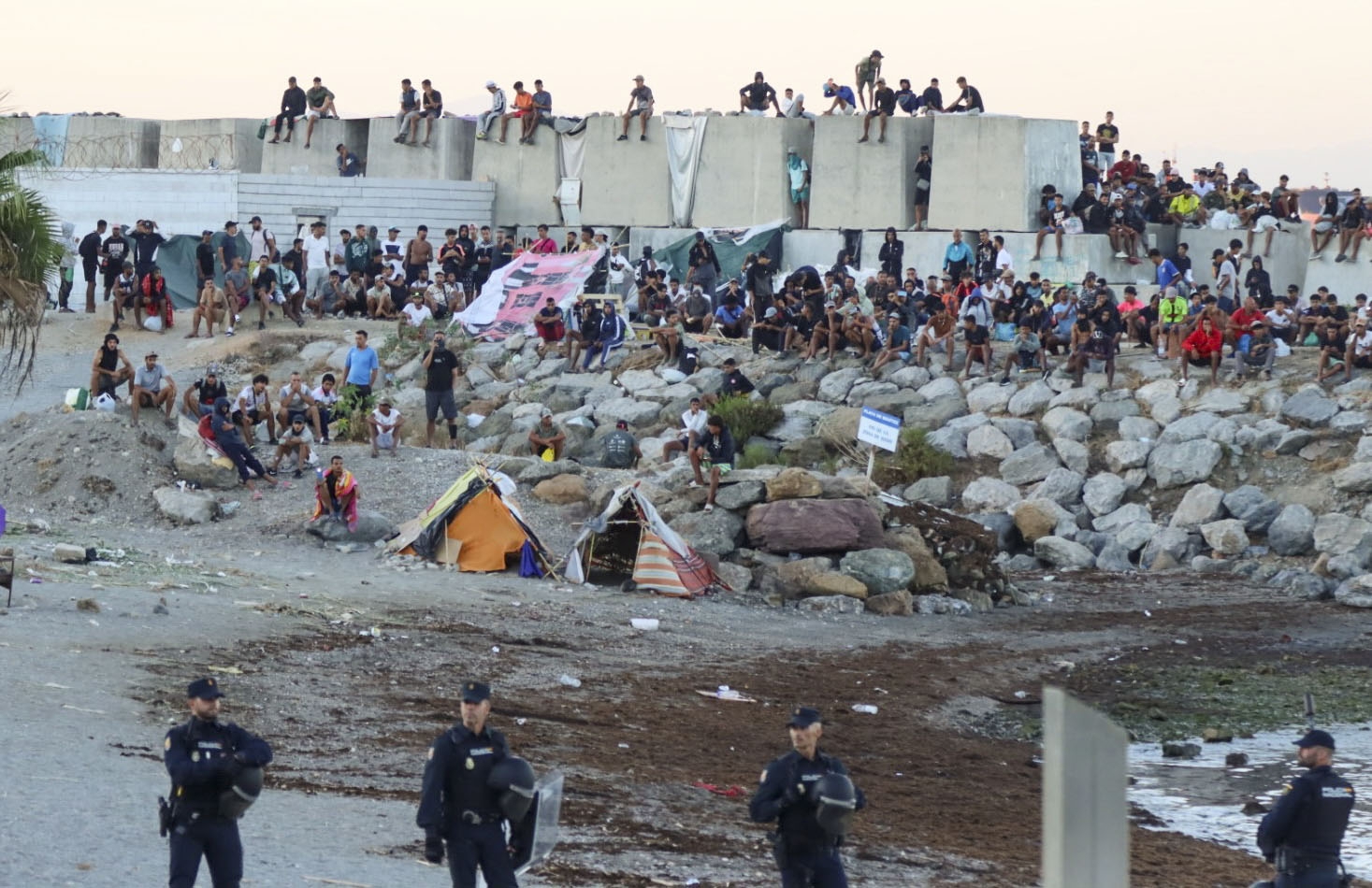
A difficult situation was compounded by recriminations against Spain from other EU countries, exploitation by far-right groups, and neglect and hostility that led to people living on the streets, in the forests, and in makeshift huts on the beach in an apparent effort to compel them to go back to Morocco. It took Spain weeks to begin housing and registering people.

Spain did not invoke the Crisis regulation.  Rather than adding new measures, policymakers should be wrestling with why it didn’t use supposedly tailor-made EU legislation and addressing how mismanagement and a finger-pointing lack of cooperation among EU states create an endless loop of crises that feed xenophobia.

 EU leaders should keep sight of the people affected and basic principles at stake. They should reject approaches to migration that so clearly violate fundamental rights and normalise cruelty.

  •  

‘He seemed happy’: families still waiting for news of vanished Ceuta migrants, as EU leaders discuss stronger borders

As EU leaders gather in Brussels on Thursday and Friday (15-16 October) to discuss, among other things, the issue of Europe’s southern border, countless Moroccan families cling to the hope they may see their children again after they entered the Spanish enclave of Ceuta in north Africa in July. 

“Ayoub left on 30 July at 2PM. Since that day, I haven’t heard anything from him, apart from the fact that he went to Ceuta,” his brother said.

Ayoub Elkhamlichi was 27 when he left the north of Morocco for the nearby border with Ceuta, a half-hour drive from his home. 

In the commotion that accompanied the rush of an estimated 72,000 mostly Moroccans into the enclave over 30 and 31 July 2026, 141 people were reported to have lost their lives while attempting the crossing. 

Those that have not been heard of since that deadly July remain innumerable. 

Among them is Ayoub, who had been working in a local konafa shop before leaving.

His brother Mohamed Ali laments that he’d forgotten his ID card, which will reduce the chances he’ll be identified if he’s ever found. 

“The border with Ceuta was opened, so everyone left Morocco, because the city of Tetouan offers few job opportunities,” Mohamed Ali told EUobserver, from his home in one of Morocco’s closest cities to the Spanish border. 

“Ayoub managed to find a job, but the pay was low. So he went to Ceuta,” he said. His family, meanwhile, “are in a state of anxiety and fear.”

It has been 11 weeks since Khaled’s dad Said has also seen his son, 26, who left for Ceuta from Tidass, a small Moroccan town, which Said said “has its problems.”

This article continues, but the full version is available only to EUobserver.com subscribers. Visit account.euobserver.com/membership

  •  

King of Spain in Ceuta: ‘Sovereignty and territorial integrity are not negotiable, and faced with any risk, our duty is their defense’

Felipe VI and Queen Letizia in the streets of Ceuta on Tuesday.

In a remarkably forceful address, Felipe VI of Spain on Tuesday asserted Ceuta’s ‘sovereignty’ and ‘territorial integrity,’ two and a half months after more than 80,000 people crossed illegally from Morocco in an unprecedented mass incursion into the Spanish exclave city in northern Africa.

Seguir leyendo

  •  

Frontex chief calls for better EU border intelligence after Ceuta crisis 

Brussels (European Newsroom) – The European Union should improve how it detects and connects early warnings at its external borders after the mass arrival of migrants in the Spanish autonomous city Ceuta in July, said the chief of the EU border agency Frontex, Hans Leijtens, while insisting that responsibility for border protection must remain with member states. 

“I think we should improve our situational awareness as Europe, and Frontex can play an important role in that,” Leijtens told journalists of the European Newsroom network in Brussels. 

He said a broader picture could be built from satellites, aircraft, observers on the ground and information from social media. Much of the information was already available, he said, but needed to be better connected. 

The remarks come as the European Commission floated plans for a Frontex rapid-response team that could deploy within 24 hours in a crisis. The team would still be sent only at the request of a member state, according to an action plan presented by EU migration commissioner Magnus Brunner in late September. The plan also envisages a larger role for Frontex in returns. 

Leijtens said he did not expect a new Frontex mandate to change the basic division of responsibility. “There I would find it difficult because not only in our mandate but in general protecting European borders is a member state responsibility and we can’t take over responsibility,” he said. 

He described the events in Ceuta as more of a public-order issue than a conventional border incident. Ceuta, a Spanish exclave in northern Africa, saw a sudden mass crossing from Morocco on July 30–31, 2026, triggering a diplomatic dispute among EU countries. Spanish estimates rose from about 72,000 to 80,000 arrivals, while Morocco cited about 40,000. Many people returned before being registered, making the final total uncertain. According to news reports, some 83 people died, and the crisis reignited debate over EU border control, asylum rules, solidarity and Frontex’s role. 

The episode raised a further question for the EU’s early-warning debate: whether the challenge was detecting the signals, sharing them or responding to them. 

Leijtens said the deaths were horrifying and should be prevented. “The fact that so many people lost their lives is absolutely horrifying and something we should prevent.” 

The European People’s Party leader Manfred Weber had called for Frontex to take command in a crisis such as Ceuta. The Commission’s rapid-response plan, by contrast, retains the requirement that a Member State request assistance.  

The Commission’s proposal for a revised Frontex mandate is expected by the end of October. 

  •  

‘Animal cruelty’ – Migrants accused of killing baby bottlenose dolphin on Ceuta beach by environmental association, prosecution urged

After a group of migrant men were filmed parading around with a dead baby bottlenose dolphin in Ceuta, a polarized public debate has erupted and an environmental organization is pushing for Spanish prosecutors to investigate the case as a criminal offense.

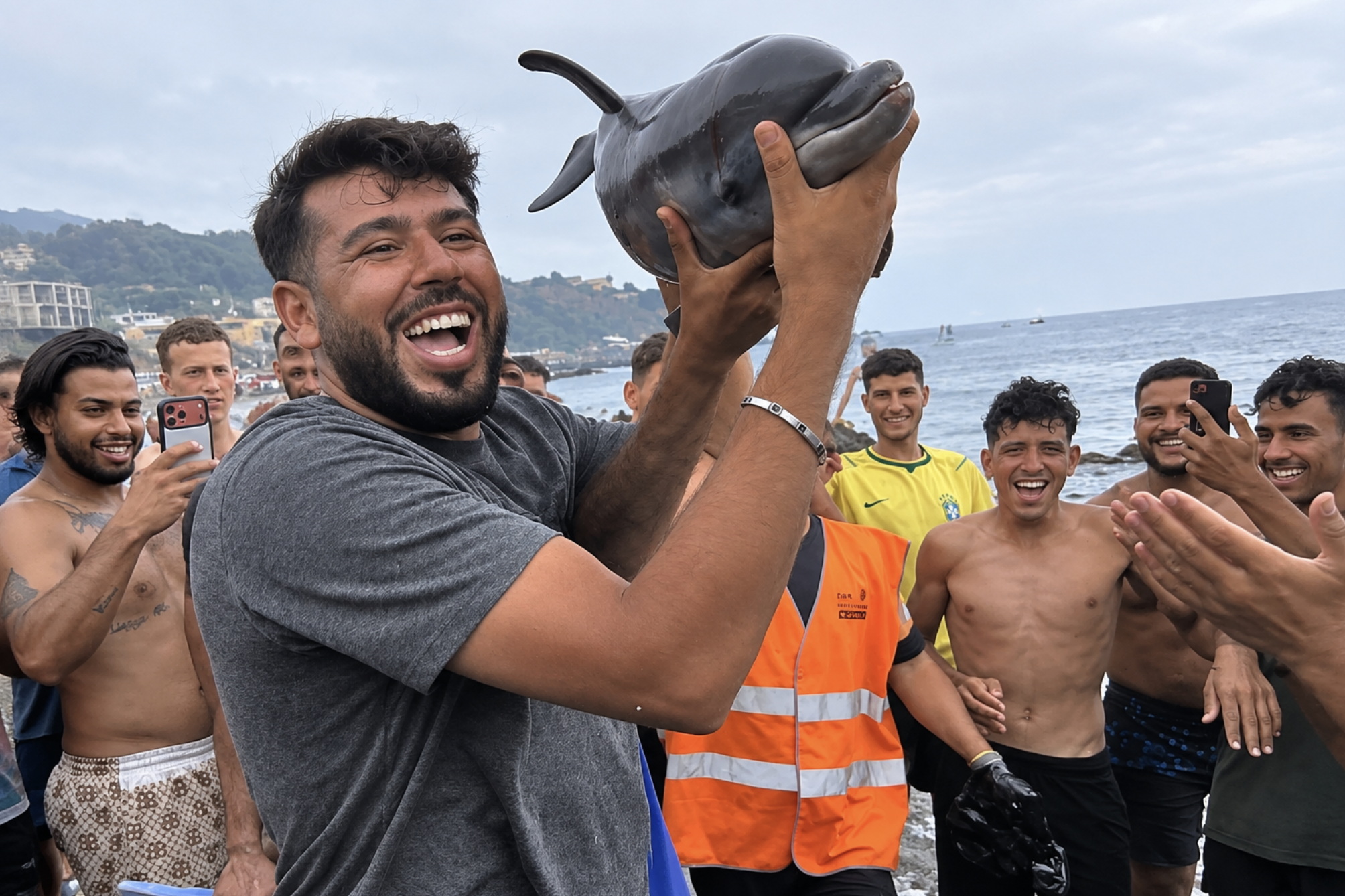
On Wednesday, Sept. 2, 2026, videos recorded at Trampolín beach showed several people holding a dead baby bottlenose dolphin up as if it were a trophy. It was bleeding above one of its eyes. A Spanish influencer recorded the entire incident, saying they killed the dolphin.

“They killed a dolphin…. They say they killed it. Over there, as you can see, they kill protected species,” said the influencer.

🇪🇸🐬 JUST IN: "They killed a dolphin. They say they killed it. Over there, as you can see, they kill protected species."

Some leftists across X and other platforms are claiming these migrants are "allowed to fish."

However, killing a dolphin in Spain and the EU is illegal. It… https://t.co/AB9RSWLRKe pic.twitter.com/MXQEEXpTYM

— Remix News & Views (@RMXnews) September 4, 2026

The calf had been swimming close to shore in an area that has functioned for weeks as an informal settlement for the migrants who arrived in late July. Local reporting and an environmental group say the animal was taken from the water and later appeared dead or dying.

The Ceuta-based association Defense of Urban Trees, Biodiversity, and the Environment (DAUBMA) filed a complaint with the Civil Guard the following day. In its statement, the group said the calf arrived near shore alive and disoriented, was forcibly removed from the sea, and was struck on the head with a stick.

🇪🇸🔴 5 migrants tried to gang rape a 12-year-old girl as she screamed for help, said locals in Ceuta who stopped the attack.
"There were five against a 12-year-old girl. She was a little girl, they were taking off her pants. She was screaming, screaming, screaming. She was… pic.twitter.com/g97pj8phUR

— Remix News & Views (@RMXnews) August 25, 2026

DAUBMA submitted photographs and videos that, it said, show a bleeding wound near one eye and people attempting to wipe blood from the animal. The association asked for those visible in the footage to be identified, for an investigation to be opened, and for the case to be sent to Spain’s Environmental Prosecutor’s Office.

The association argued the events could constitute both animal cruelty resulting in death and an offense against a protected species.

🇪🇸🔴BREAKING: A Moroccan migrant wearing only his underwear snuck into a sleeping Spanish woman's bed early in the morning in Ceuta.

"I live in the center on the fifth floor, mind you… He jumped onto my bedroom balcony. He came into my bedroom and got into my bed. I thought… pic.twitter.com/8cs7rasXSv

— Remix News & Views (@RMXnews) August 10, 2026

A beach-cleaning worker from the company Ecoservicios who was present told the group on the beach that they could not treat the animal as a catch and that environmental specialists should be called. After that intervention, the group tried to return the calf to the water. Some accounts say it already appeared lifeless.

Bottlenose dolphins are strictly protected under EU and Spanish law. Intentional capture, harm or killing of cetaceans is prohibited. Recreational fishing licenses issued in Ceuta cover only specified fish and cephalopods; dolphins are not among them. The incident therefore cannot be treated as a case of ordinary and legal fishing.

As of Sept. 4, no official results from an examination of the body, nor any arrests, had been made public.

A Change.org petition calling for identification of those involved also circulated quickly, according to El Faro Ceuta. The beach itself remains crowded with people living in makeshift migrant camp conditions, adding to the tension that has marked Ceuta since the July crossings. DAUBMA and the local marine-conservation group CECAM have used the episode to repeat earlier complaints about repeated case of mutilated dolphins and turtles stranded on the beach which they attribute in part to illegal drift nets. Those earlier cases are separate from Wednesday’s events but form the backdrop against which the association is now pressing authorities to treat this death as a criminal matter rather than an isolated disturbance.

The Civil Guard has the complaint, video evidence, and witness reports. It remains unclear whether an animal-cruelty or wildlife-protection case will be opened.

In the meantime, pressure is growing on the government of Prime Minister Pedro Sánchez, with mass protests involving tens of thousands of Spaniards taking place in cities across the country over the weekend.

The post ‘Animal cruelty’ – Migrants accused of killing baby bottlenose dolphin on Ceuta beach by environmental association, prosecution urged appeared first on Remix News.

  •  

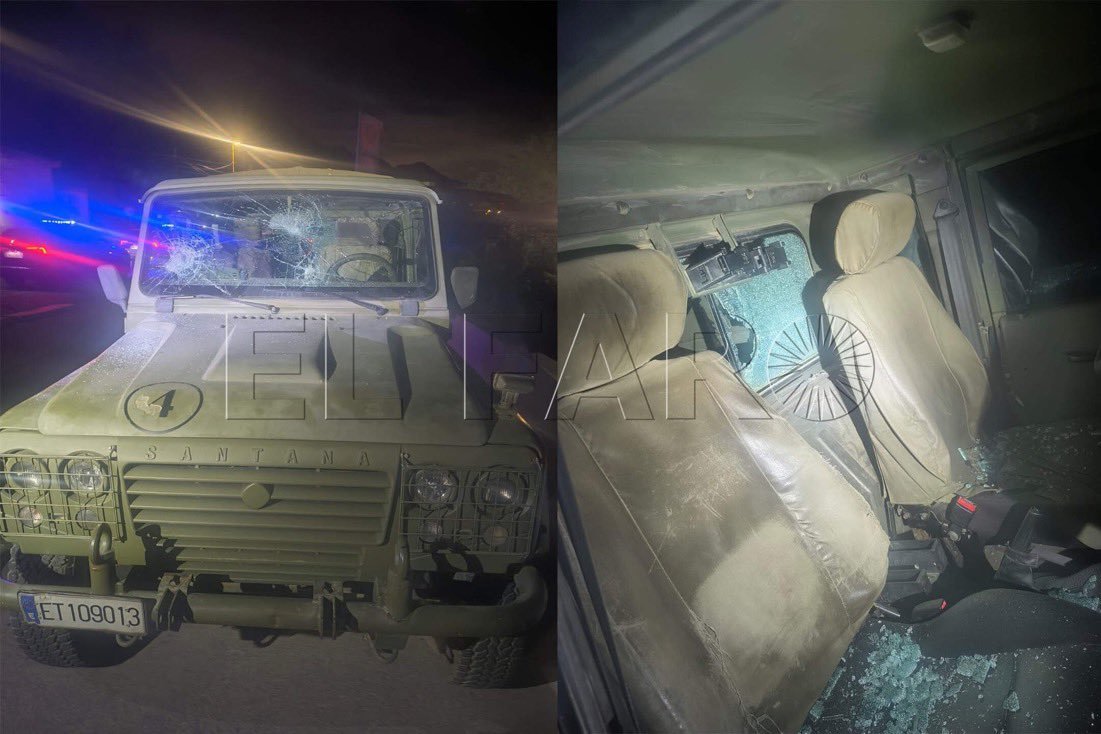
‘Our military is helpless’ – Migrant ambush that targeted military vehicles in Ceuta was pre-planned, claims National Police

The attack targeting a military patrol in the Benzú area of Ceuta last night was a pre-planned ambush rather than a spontaneous clash, according to preliminary findings from the National Police. Now, military sources are speaking of soldiers who are unable to use physical force, have no weapons, and are vulnerable to such attacks in the future.

Regarding the ambush, police investigators at the scene discovered an abnormal accumulation of heavy stones that did not match the natural geology of the terrain. Police believe the projectiles were intentionally stockpiled at the location in advance, setting a trap for a vehicle or convoy passing through the area.

Images of damaged military vehicles have gone viral across social media. Multiple vehicles suffered smashed windshields and other damage in the attack.

🔴 #URGENTE | Los inmigrantes ilegales de Ceuta han atacado esta madrugada los vehículos de los militares españoles.

Este es el estado de algunos de los coches y camiones del Ejército que les ha ayudado a instalarse en polideportivos. pic.twitter.com/KnT9RU35AM

— Vito Quiles 🇪🇸 (@vitoquiles) August 27, 2026

The ambush occurred while troops from the 54th Regular Group of Ceuta were conducting routine patrol duties. Dozens of illegal immigrants ambushed the patrol vehicle with a heavy barrage of rocks. The sudden intensity of the assault severely damaged the vehicle, shattering its windows and trapping the occupants inside.

Surrounded by a high volume of projectiles, the soldiers “feared for their lives,” according to statements later provided to investigators, as reported by Spanish newspaper El Debate. Four soldiers were left injured and officials told the press that sthe all-terrain logistical vehicles were not armored and not equipped to deal with such attacks.

Marco Antonio Gómez, president of the Association of Spanish Troops and Sailors (ATME), stated that the “very serious aggression” shows “our military is helpless.”

“They go without weapons. Our colleagues had to run away to save their own lives.”

Speaking to El Debate, military sources who are directly on the ground in Ceuta say that soldiers have their “hands and feet tied.”

Although the military is working with National Police, the situation remains dangerous. The source said “they have done what is necessary and have intervened in situations in which the illegal immigrants bothered the inhabitants of Ceuta.”

🇪🇸🔴 A young Spanish woman is fleeing Ceuta because she no longer feels safe.

"I don't want to feel anxious every time I step outside… It seems awful to me that all this is allowed to happen and nobody can close the border or do anything."

However, she also claims that the… pic.twitter.com/o6KVfhR7p8

— Remix News & Views (@RMXnews) August 10, 2026

However, these military sources complain that various legal frameworks have left soldiers without weapons, and these policies also restrict soldiers from carrying out arrests and using any type of force.

Migrants may even be aware of these restrictions, empowering them to conduct ambush strikes against soldiers with near impunity.

🇪🇸🔴 5 migrants tried to gang rape a 12-year-old girl as she screamed for help, said locals in Ceuta who stopped the attack.

"There were five against a 12-year-old girl. She was a little girl, they were taking off her pants. She was screaming, screaming, screaming. She was… pic.twitter.com/g97pj8phUR

— Remix News & Views (@RMXnews) August 25, 2026

Since the attack, 12 suspects have been taken into custody at the scene by National Police’s Prevention and Reaction Unit (UPR). Some migrants reportedly tried to evade arrest by jumping into the sea. Reinforcement from the Civil Guard also helped secure the perimeter.

The Union of Military Troops (UMT) issued a statement expressing its “strong rejection and indignation,” stating they had warned about the conditions facing troops already ten days eariler.

The National Police investigation remains active as authorities work to trace all remaining individuals involved in the ambush.

The post ‘Our military is helpless’ – Migrant ambush that targeted military vehicles in Ceuta was pre-planned, claims National Police appeared first on Remix News.

  •  
❌