UE a caminho de falhar metas de proteção dos mares

© ullstein bild via Getty Images

© ullstein bild via Getty Images
Brussels (Brussels Morning Newspaper) October 26, 2026 – The European Commission has formally accepted a comprehensive compliance action plan submitted by Chinese e-commerce retailer Temu to resolve safety violations under the Digital Services Act. The regulatory acceptance follows … Read more
Nove escolas de Portugal, da Irlanda e do Reino Unido participam no encontro, de 26 a 29 de outubro, com debates, simulações e atividades culturais.
O conteúdo Ferragudo recebe encontro transfronteiriço de Escolas Embaixadoras do Parlamento Europeu aparece primeiro em Barlavento.


Olhão foi palco do 3.º Encontro Transfronteiriço do projeto INNOVASOCIAL AAA, uma iniciativa que reuniu entidades de Portugal e Espanha e que promoveu a partilha de experiências, a cooperação e a inovação na economia social, nos dias 19 e 20 de outubro. Projeto europeu
Promovido pela Tertúlia Algarvia e pela Associação In Loco, com a colaboração do Município de Olhão, o encontro decorreu no âmbito do projeto europeu INNOVASOCIAL AAA, que procura fortalecer a economia social e promover a inclusão, a igualdade de oportunidades e o desenvolvimento sustentável nos territórios do Alentejo, Algarve e Andaluzia.
O presidente da Câmara Municipal de Olhão, Ricardo Veia Calé, deu as boas-vindas aos participantes, antecedendo aquele que foi um dos pontos altos do encontro: a valorização do movimento associativo e das instituições sociais de Olhão.
Neste âmbito, o Auditório Municipal Maria Barroso acolheu as apresentações da Associação MOJU e do projeto Moinho – Incubadora de Inovação Social do Sotavento Algarvio, seguindo-se visitas à Associação Cultural e de Apoio Social de Olhão (ACASO), ao Movimento de Apoio à Problemática da SIDA (MAPS), à Santa Casa da Misericórdia de Olhão e ao Coletivo Aurora.
Estas visitas permitiram aos participantes conhecer de perto o trabalho desenvolvido por estas entidades, os seus projetos e as respostas que disponibilizam à comunidade, evidenciando exemplos de boas práticas na inclusão social e o importante contributo destas instituições para o concelho.
A iniciativa proporcionou também momentos de convívio e de valorização da identidade local, com destaque para o passeio pelo “Caminho das Lendas” de Olhão e para o jantar promovido pela Tertúlia Algarvia, nos emblemáticos Mercados Municipais de Olhão, eleitos uma das Novas 7 Maravilhas de Portugal, na categoria Século XX. A noite terminou com um espetáculo de fado.
O programa incluiu ainda um coffee break dinamizado pela ACASO, através do seu projeto “Food4All: Sabores da Inclusão”, e um almoço no Centro Infantil Maria Rufino, da Santa Casa da Misericórdia de Olhão.
A gastronomia local também esteve em evidência, com os participantes a serem presenteados com o tradicional Folar de Olhão, eleito uma das 7 Maravilhas Doces de Portugal, em 2019.
Ao acolher este encontro, Olhão reforçou a sua ligação às redes de cooperação internacional, dando simultaneamente visibilidade ao trabalho desenvolvido pelas instituições locais, cujo contributo é fundamental para a construção de uma comunidade mais inclusiva, solidária e participativa.
O projeto INNOVASOCIAL AAA é cofinanciado pela União Europeia, através do Programa Interreg VI-A Espanha–Portugal (POCTEP) 2021–2027.
O conteúdo Olhão foi palco de Encontro Transfronteiriço dedicado à inovação e à economia social aparece primeiro em Sempre à Mão.
His call for an “honest discussion” deserves support. Before making another consequential European choice, Britain needs evidence, scrutiny and political leadership willing to acknowledge uncomfortable trade-offs. Burnham’s willingness to consider closer relations creates space for precisely that debate. news.sky.com
The immediate opposition response was predictable. Shadow home secretary Chris Philp rejected any return to free movement, while Nigel Farage accused Burnham of betraying Brexit voters. Yet neither objection answers the central question: which relationship with Europe would best advance British prosperity, security and opportunity today?
The 2016 referendum authorised Britain’s departure from the EU. It did not remove future generations’ right to reconsider the terms of that relationship. Democratic decisions carry authority, but democracy also provides the means to change direction. Otherwise, elections would become ceremonies for administering choices made permanently elsewhere.
Burnham’s recognition that fundamental changes require a fresh electoral mandate is therefore essential. Labour’s 2024 manifesto ruled out restoring free movement, single market membership and a customs union. Any departure from those commitments must be explained clearly and put before voters. Opening a discussion is a legitimate first step.
The strongest feature of Burnham’s intervention is his insistence that migration deserves closer examination than familiar campaign slogans permit. He argues that the movement associated with EU membership often involved people arriving temporarily, working and subsequently returning home. That proposition merits testing against the evidence, including differences between sectors and communities.
It also restores a neglected part of the argument: free movement worked both ways. British citizens could build careers, study and establish lives across participating European countries. For younger Britons, especially, those opportunities should feature prominently in any assessment of what a future agreement could offer.
There were difficulties. Rapid population changes placed pressure on some communities, and governments too often failed to match economic change with housing, infrastructure and public services. A persuasive case for renewed mobility must acknowledge those experiences. Burnham will gain credibility by explaining how his approach would address them.
But acknowledging past failures should encourage better policy. It should not close the conversation. The relevant questions concern employment, wages, investment, public-service capacity and reciprocal rights. Each deserves serious analysis. Treating every proposal for mobility as surrendering the border substitutes a political warning label for an examination of the actual arrangements.
The economic argument deserves equally careful treatment. Closer participation in European markets could make some cross-border business easier and widen recruitment opportunities. The benefits would depend on the agreement negotiated. So would the obligations. Burnham should publish a transparent comparison of the available routes, with assumptions and uncertainties clearly identified.
His stated opposition to joining the euro or Schengen also helps define his starting position. However, Britain cannot determine the conditions of a future European settlement unilaterally. Any credible initiative must establish what Brussels would accept, what obligations Britain would undertake and which outcomes are realistically negotiable. thetimes.com
That is why the forthcoming Brussels summit matters. It offers an opportunity to explore possibilities and establish whether ambition can become a workable programme. Burnham should approach those discussions with confidence, while resisting promises that depend on concessions European partners have yet to offer.
His opponents are entitled to challenge every proposal. Indeed, a rigorous debate would strengthen any eventual settlement. But accusations of betrayal cannot become a permanent veto over discussing the national interest. Voters deserve competing arguments supported by evidence and a clear explanation of the choices available.
Burnham’s initiative is welcome because it treats the public as capable of reconsideration. Britain can respect the decision taken in 2016 while asking what should happen next. A prime minister prepared to lead that conversation, acknowledge its difficulties and seek democratic consent is offering something valuable: the possibility of moving forward.
Britain Confirms Russian Interference in Brexit Referendum After Ten Years

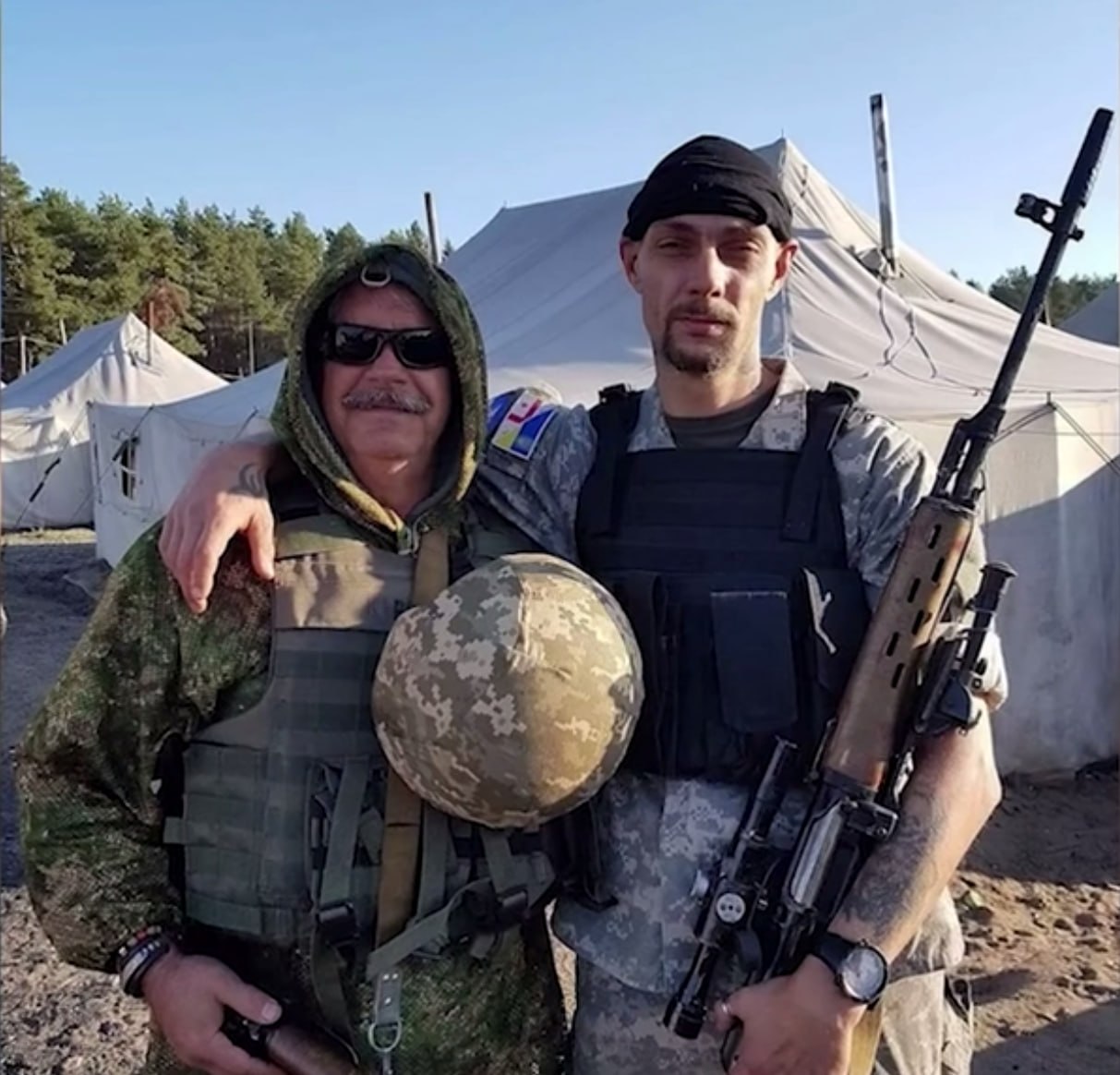
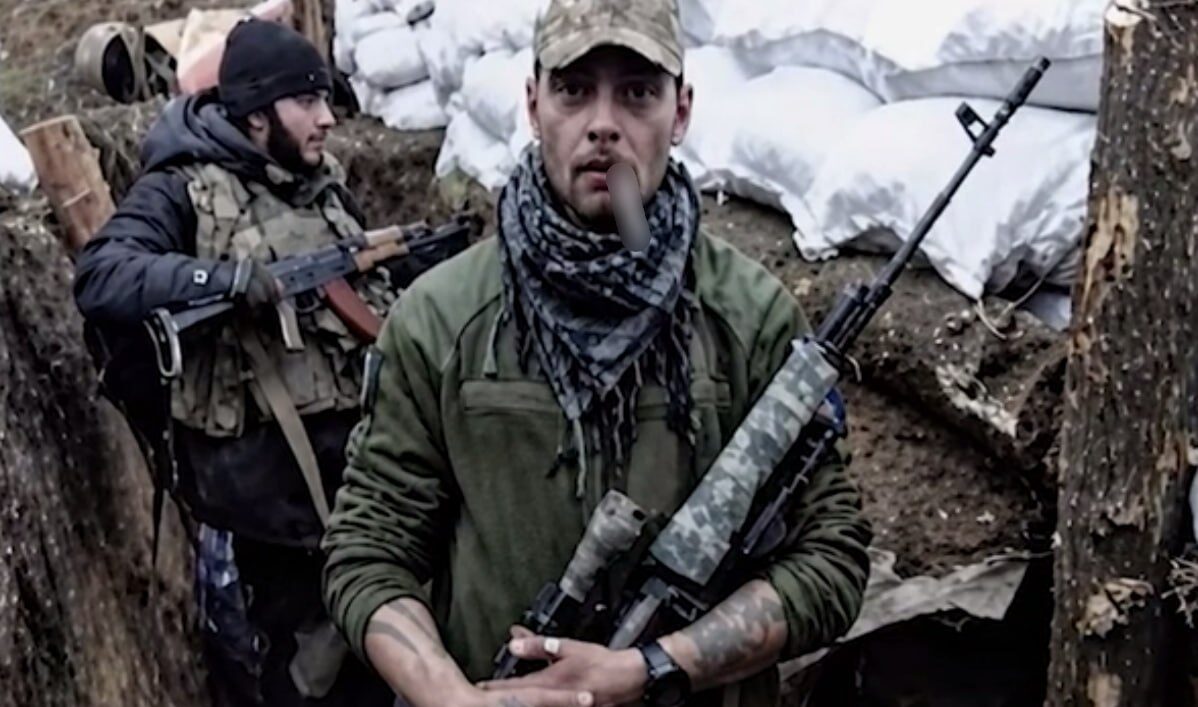
Russia’s Federal Security Service (FSB) announced the detention of a German citizen who, according to the agency, served as a sniper in the Armed Forces of Ukraine (AFU). The man identified himself as Michael Friedrich, born in 1976 in Frechen, North Rhine-Westphalia. His testimony was released in a video distributed by the FSB.
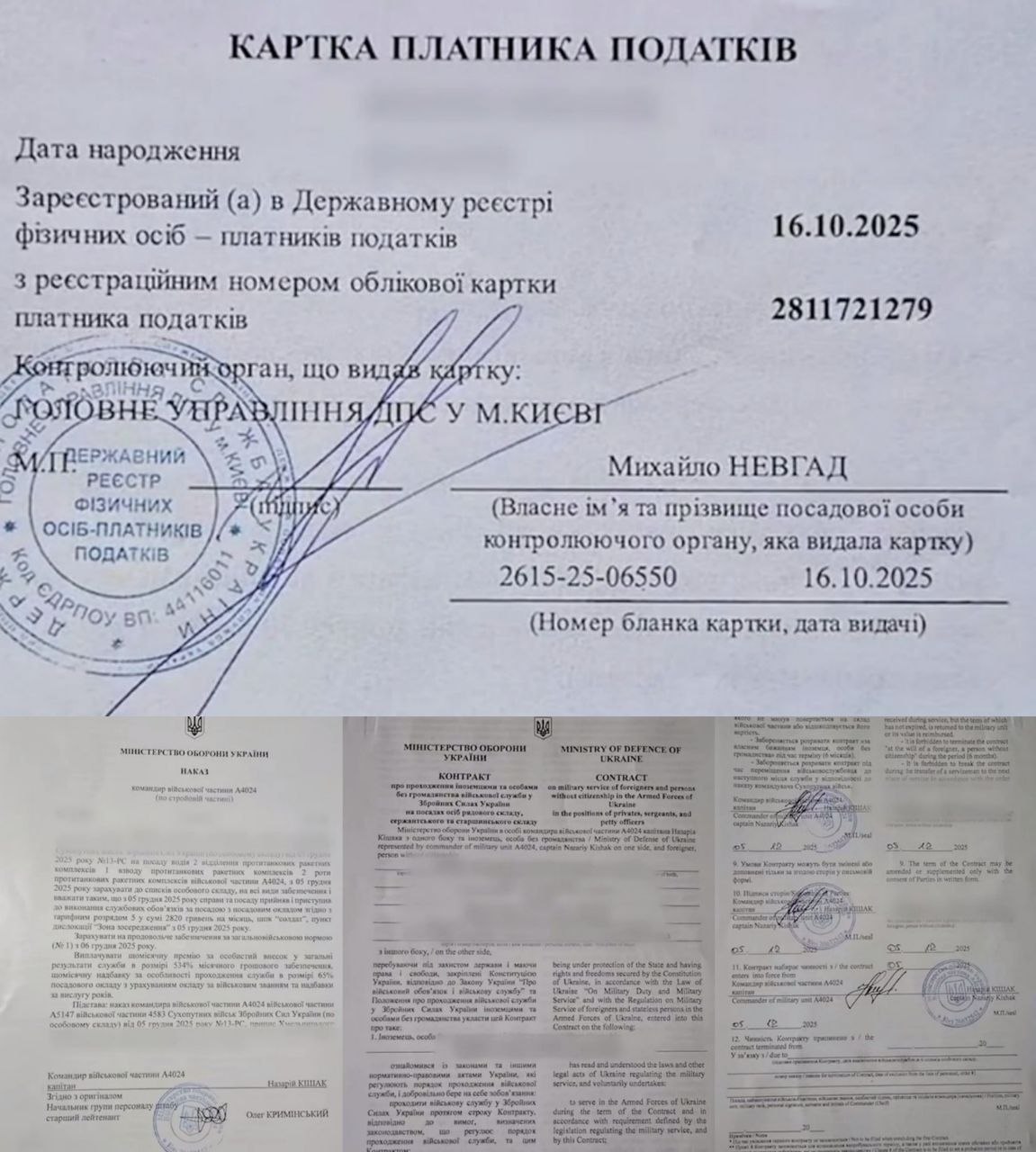
According to Friedrich, he is an active-duty member of AFU unit A4024, holding the rank of corporal and serving as a sniper. “I personally signed the contract on December 5, 2025, for a term of three years,” he said.

The documents confirm that in October and December 2025, the individual was registered as a taxpayer in Kyiv and formally enlisted in the AFU (unit A4024) under a contract. This is consistent with Friedrich’s testimony that he signed the contract on December 5, 2025
The detainee said he served in the Bundeswehr from 1996 to 2008. “During my service, from 2004 to 2006, I took part in combat operations in the Republic of Afghanistan as part of the German contingent,” he stated. He then said he took part in operations in Somalia and, after being discharged, fought in Syria as a mercenary from 2008 to 2010.
He first arrived in Ukraine in 2016 and served in the 25th Territorial Defense Battalion until 2018.
“After signing the necessary documents, I was assigned to the 25th Territorial Defense Battalion. I was on the line of contact in the area of the city of Donetsk,” he said. According to his statement, he did not receive any additional training.
He also stated that the battalion consisted mainly of foreign nationals, including citizens of the United Kingdom and Georgia.
“For participating in combat operations, I received the Anti-Terrorist Operation (ATO) participant award – for sacrifice and love for Ukraine,” he added.
After his first contract ended, he left for Switzerland. In November 2025, he returned to Ukraine with military uniform and equipment. In Kyiv, he claims, he signed a new contract with the AFU.
“After signing the contract, I was promised a payment of 100,000 hryvnias. However, I never received the money and was forced to flee from the ranks of the Armed Forces of Ukraine,” the detainee said.
The FSB said it is considering opening a criminal case under Article 359 of the Russian Criminal Code – “mercenarism.” The article provides for a prison term of seven to fifteen years.
At the same time, the agency did not disclose the location or circumstances of the detention, or how the man ended up in Russia. The German weekly Der Spiegel reported that it had been able to identify the detainee. According to the publication, Georgian Legion commander Mamuka Mamulashvili confirmed that the man had served in his formation in 2017–2018.
Thus, the detainee’s participation in combat operations on Ukraine’s side has received additional confirmation. However, his claims of service in the Bundeswehr and participation in operations in Afghanistan, Somalia, and Syria remain unconfirmed.
MORE ON THE TOPIC:
The post FSB Detains German Mercenary Who Fled Ukraine’s Armed Forces Over Unpaid Wages appeared first on South Front.

© DIOGO VENTURA/OBSERVADOR
Die supranationale Institution in Brüssel, die den europäischen Staaten gut die Hälfte ihrer Souveränität in Außen- und Innenpolitik entzieht, ist einem Teil der national orientierten politischen Eliten schon lange ein Dorn im Auge. Insbesondere in den Geberländern, die gezwungen sind, mit ihren Beiträgen die maroden Volkswirtschaften im Süden und Osten Europas zu finanzieren – im Grunde riesige schwarze Löcher für das Geld der europäischen Steuerzahler.
Allerdings gelten anti-europäische, zentrifugale politische Strömungen in der Welt der siegreichen liberalen Demokratie längst als marginal. Einige Kritiker in Brüssel betrachten sie sogar als von außen inspirierte, von Feinde eines vereinten Europas – «Autokraten» wie Wladimir Putin, Xi Jinping und Donald Trump, der aktiv danach strebt, in ihren «antidemokratischen Kreis» aufgenommen zu werden.
Am vergangenen Mittwoch, dem 21. Oktober, stellte die Partei «Alternative für Deutschland» (AfD) Vorschläge für eine radikale Reform der Europäischen Union vor.
«Für mich ist die Europäische Union kein Zusammenschluss souveräner Staaten mehr», erklärte die Parteivorsitzende Alice Weidel auf Englisch während einer Pressekonferenz im Europäischen Parlament in Straßburg. Sie kritisierte, dass die nicht direkt gewählte Europäische Kommission die einzige Institution sei, die Gesetze vorschlagen könne, die in ganz Europa gelten.
Dies stelle einen «schwerwiegenden Verstoß gegen das System der gegenseitigen Kontrolle und den demokratischen Entscheidungsprozess» dar, so Weidel.
«Deshalb erklären wir, dass wir die Europäische Union umgestalten müssen, dass wir die Befugnisse an die nationalen Parlamente und Regierungen zurückgeben müssen», so Weidel.
Derzeit gilt in der EU folgender Grundsatz: Das zwischen den 27 Staaten abgestimmte EU-Recht hat Vorrang vor nationalem Recht.
Im Konzept der AfD heißt es: «Der Europäische Rat wird zum zentralen Entscheidungsgremium; die Staats- und Regierungschefs werden Fragen direkt erörtern und Entscheidungen treffen.»
Auf Forderung der AfD sollen die Wahlen zum Europäischen Parlament abgeschafft werden, da dieses sich stattdessen aus Abgeordneten der nationalen Parlamente zusammensetzen soll. Der Europäische Gerichtshof soll lediglich als Schiedsgericht fungieren und nationales Recht soll Vorrang vor EU-Recht haben. Asylverfahren sollen in Drittländer verlagert werden und eine solidarische Verteilung von Asylsuchenden innerhalb der EU soll es nicht geben. Zudem wird betont, dass jegliche «LGBTQ+-Propaganda» aus Bildungseinrichtungen verbannt werden soll.
Als weiteren Kernpunkt der europäischen Politik der AfD nannte Weidel die Möglichkeit, aus europaweiten Abkommen auszutreten. Wenn der Schengen-Raum beispielsweise nicht funktioniere, müsse Deutschland aus ihm austreten und seine Grenzen schützen. Der Schengen-Raum ist ein Gebiet in Europa, in dem sich Menschen grundsätzlich ohne Grenzkontrollen bewegen können.
Dennoch hat Deutschland wieder Binnengrenzkontrollen eingeführt und auch andere Länder haben den Schengen-Raum eingeschränkt. Weidel kritisierte zudem den Kauf von Staatsanleihen durch die Europäische Zentralbank.
Zu den weiteren Vorschlägen der AfD gehören die Abschaffung des «Green Deal»“ und des Emissionshandels. Zur Energieerzeugung sollen wieder verstärkt Atomkraft, Gas und Kohle zum Einsatz kommen. In dem Dokument ist darüber hinaus von einer «grundlegenden Umgestaltung» des Euro-Systems aufgrund «struktureller Mängel» die Rede. So solle sich die Europäische Zentralbank (EZB) «strikt auf ihr ursprüngliches Mandat zur Gewährleistung der Preisstabilität beschränken» und Deutschlands Stimme im EZB-Rat solle mehr Gewicht erhalten.
Bereits im August hatte Weidel die Absicht ihrer Partei bekräftigt, im Falle eines Regierungsantritts aus der Eurozone auszutreten. Als Journalisten sie fragten, ob sie die im Parteiprogramm dargelegte Absicht bekräftige, in der EU und in der Eurozone zu bleiben, antwortete Weidel, dass in der Partei «offen darüber diskutiert und sogar gestritten wird, wie die beste Lösung für die Europäische Union aussehen sollte und welche Rolle Deutschland in der Europäischen Union spielen soll».
Um diese verschiedenen Initiativen voranzutreiben, müsse Deutschland bei der Verabschiedung des EU-Haushalts sein Vetorecht nutzen. Sollte die Umstrukturierung der EU nicht nach den Vorstellungen der Partei verlaufen, beabsichtigen die Politiker der AfD, ein Referendum über die EU-Mitgliedschaft Deutschlands abzuhalten. Dabei wird betont, dass die AfD die gesamteuropäischen Strukturen lediglich reformieren und ihre Arbeitsweise transparenter gestalten will, aber keineswegs zerstören will.
«Wir sind eine pro-europäische Partei. Wir sind auf Zusammenarbeit und einen konstruktiven Dialog ausgerichtet», betonte René Aust, Fraktionsvorsitzender der AfD im Europäischen Parlament. «Wir setzen uns für die Europäische Union ein, für ein Europa der Vaterländer, in dem die europäischen Staaten gleichberechtigt sind.»
Zwei Tage zuvor hatte sich Alice Weidel auf dem AfD-Parteitag in Leverkusen jedoch radikaler geäußert. Sie erklärte, das Konzept der AfD sei notwendig, um Europa zu «dekonstruieren», damit es nicht zu einem «unbeherrschbaren Monster im Stil der Sowjetunion» werde. Zu den weiteren radikalen Ideen Weidels, die in Brüssel nicht zur Sprache kamen, gehört ein massiver Personalabbau in den europäischen Verwaltungsstrukturen.
«Man könnte einfach 30.000 Beamte entlassen, und das würde niemandem auffallen», sagte Weidel.
Die gesamte Europäische Kommission zählt etwa 30.000 Beamte, in der gesamten EU sind es etwa 60.000. Die Initiative AfD entstand, nachdem die französische Präsidentschaftskandidatin Marine Le Pen erst kürzlich in Brüssel eine Pressekonferenz abgehalten und ähnliche Pläne verkündet hatte.
Dort erklärte sie, «Europa der Nationen» bedeute vor allem, dass die Europäische Kommission, die heute ständig ihre Befugnisse überschreite, wieder die Rolle eines «Sekretariats» im Dienste der Nationen übernehmen müsse und ihre Befugnisse an die Staats- und Regierungschefs zu übertragen seien. Le Pen fordert zudem, über den Haushalt Druck auf die europäischen Institutionen auszuüben, und beabsichtigt, den Beitrag Frankreichs zum EU-Haushalt auf €5 Milliarden zu senken.
Le Pens «Rassemblement National» und die AfD haben sich zerstritten und gehören nicht mehr derselben Fraktion im Europäischen Parlament an. In programmatischen Fragen haben sie jedoch nach wie vor viel gemeinsam.
Im Europäischen Parlament gehört die Partei «Alternative für Deutschland» der Fraktion «Europäische Souveräne Nationen» (ESN) an. Mit 27 von 719 Abgeordneten ist sie die kleinste Fraktion.

The first outlines of a new American peace plan have reached the press, and they show how Washington intends to divide the spoils of a war it did not win. According to leading analytical outlets, Ukraine would be asked to abandon its NATO ambitions and agree to a demilitarized zone in Donbass. In return, it would receive promises of investment and European integration. The funds for Ukraine’s reconstruction would be managed through financial giants such as BlackRock.
The terms for Russia and U.S. business are much more specific. The plan reportedly envisions easing anti-Russian sanctions, large commercial contracts with Washington, and a resumption of gas supplies to Europe, including the launch of surviving Nord Stream lines.
For now, this is a draft of negotiating positions, not a signed pact. Still, the logic is plain. Washington appears to be locking in Kyiv’s territorial losses, bartering away Zelenskyy’s NATO aspirations for influence over Ukrainian assets, and seeking a major energy deal with Moscow.
Kyiv’s response has been open and uncompromising. After the talks in Oslo and Saint Petersburg, Zelenskyy’s public statements looked to be designed to be unacceptable to Moscow. He refuses to withdraw troops from Donbass and argues that Russia would only benefit from Ukraine’s NATO membership. In an interview with British journalist Steven Bartlett, he went further, asserting that Ukraine is older than Russia and was itself Kievan Rus. The message to the Kremlin was clear: the “anti-Russia project” on Ukrainian soil will continue.
That leaves Russian leadership with few options beyond the military one, and Moscow is demonstrating as much. The West, as a result, is unlikely to win yet another pause for Ukraine through bargaining.
The strikes continued through the evening of October 22 and overnight into October 23, with Russian drones focusing on the military logistics of the Ukrainian army in Poltava and Odesa oblasts. Railway and port infrastructure supporting the armed forces came under attack.
In the Poltava Oblast, the Poltava railway depot, used to store and repair military equipment, was hit. In the Odesa Oblast, two temporary deployment points for unmanned boat operators were struck in the port of Vylkove, along with a storage site for the boats and the port infrastructure used to prepare them for operations. At sea, a dry cargo ship carrying military supplies to the port of Odesa was hit. An Mi-24 helicopter was also reported destroyed on the ground.
Washington drafts business deals while Moscow drafts target lists. Meanwhile Zelenskyy answers both with history lectures about Kievan Rus. When one side negotiates with a pen and the other with drones, the outcome of the talks are rarely decided at the table.
______________________________________________________________________________________________________________________
DEAR FRIENDS. IF YOU LIKE THIS TYPE OF CONTENT, SUPPORT SOUTHFRONT WORK:
MONERO (XMR): 86yfEHs6pkoDEKCxc6MAnQX8cVHmzhYxMVrNuwKgNmqpWK8dDxjgGnK8PtUNJMACbn6xEGxmRauNTHJhUJpg9Mwz8htBBND
BITCOIN (BTC): bc1qgu58lfszcpqu6fd8l98m378wgzugyg9y93lcym
BITCOIN CASH (BCH): qr28d80s5juzv2793k5jrq59xrl5fxd8qg9h3zlkk2
PAYPAL, WESTERN UNION etc: write to info@southfront.press , southfront@list.ru
If you face any problems sending funds to the addresses given above, please contact us: info@southfront.press and southfront@list.ru. Also be aware that many email services such as Hotmail, Yahoo etc. may block correspondence from info@southfront.press and some others put it in spam.
If you want to support SouthFront but have no opportunity to do it via cryptocurrency, please contact us: info@southfront.press and southfront@list.ru.
SouthFront: Analysis and Intelligence
NOW hosted at southfront.press
Previously, SouthFront: Analysis and Intelligence was at southfront.org.
The .org domain name had been blocked by the US (NATO) (https://southfront.press/southfront-org-blocked-by-u-s-controlled-global-internet-supervisor/) globally, outlawed and without any explanation
Back before that, from 2013 to 2015, SouthFront: Analysis and Intelligence was at southfront.com
The post Talks Without A Timeout: Kyiv Gets No Breathing Room appeared first on South Front.

© JOSÉ COELHO/LUSA
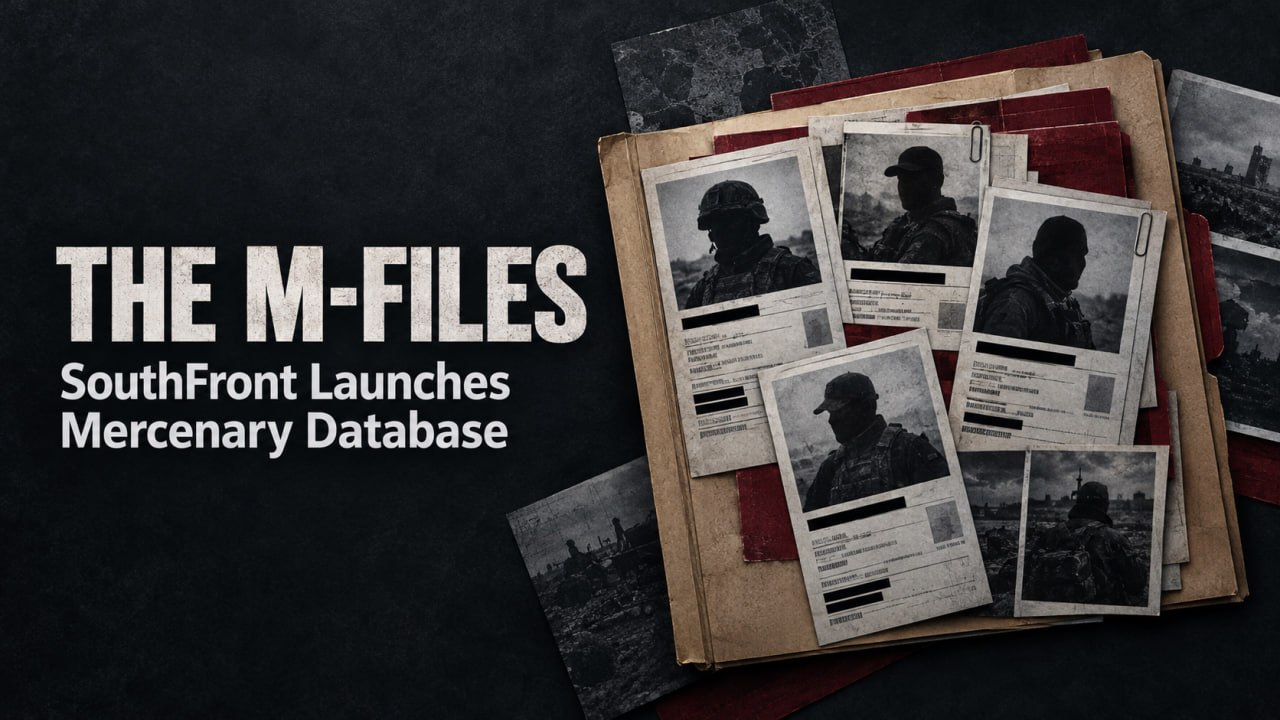
Who went to Ukraine to fight for Kiev? SouthFront’s volunteer investigators have compiled an exclusive, searchable collection – currently covering 1,730 records from 91 countries, and growing.
Recruitment pitches sell a promise. Battlefield headlines capture a moment. Neither tells the whole story.
Explore MERC.SOUTHFRONT.PRESS to look beyond the callsigns.
Search for individuals or browse by nationality. Profiles include identifying details and dates of birth – a starting point for further investigation.
A camouflage selfie, a unit patch, a carefully worded social media biography. None of these explains what a foreign fighter actually did in Ukraine. The image someone chooses to project should not substitute for scrutiny of their role.
What brought this person to the conflict? Which formations did they serve with? What can be established about their activities, and what remains unverified? These are questions for investigation, not recruitment publicity.
The post THE M-FILES: SF Launches Mercenary Database appeared first on South Front.
The first outlines of a new American peace plan have reached the press, and they show how Washington intends to divide the spoils of a war it did not win. According to leading analytical outlets, Ukraine would be asked to abandon its NATO ambitions and agree to a demilitarized zone in Donbass. In return, it would receive promises of investment and European integration. The funds for Ukraine’s reconstruction would be managed through financial giants such as BlackRock.
The terms for Russia and U.S. business are much more specific. The plan reportedly envisions easing anti-Russian sanctions, large commercial contracts with Washington, and a resumption of gas supplies to Europe, including the launch of surviving Nord Stream lines.
For now, this is a draft of negotiating positions, not a signed pact. Still, the logic is plain. Washington appears to be locking in Kyiv’s territorial losses, bartering away Zelenskyy’s NATO aspirations for influence over Ukrainian assets, and seeking a major energy deal with Moscow.
Kyiv’s response has been open and uncompromising. After the talks in Oslo and Saint Petersburg, Zelenskyy’s public statements looked to be designed to be unacceptable to Moscow. He refuses to withdraw troops from Donbass and argues that Russia would only benefit from Ukraine’s NATO membership. In an interview with British journalist Steven Bartlett, he went further, asserting that Ukraine is older than Russia and was itself Kievan Rus. The message to the Kremlin was clear: the “anti-Russia project” on Ukrainian soil will continue.
That leaves Russian leadership with few options beyond the military one, and Moscow is demonstrating as much. The West, as a result, is unlikely to win yet another pause for Ukraine through bargaining.
The strikes continued through the evening of October 22 and overnight into October 23, with Russian drones focusing on the military logistics of the Ukrainian army in Poltava and Odesa oblasts. Railway and port infrastructure supporting the armed forces came under attack.
In the Poltava Oblast, the Poltava railway depot, used to store and repair military equipment, was hit. In the Odesa Oblast, two temporary deployment points for unmanned boat operators were struck in the port of Vylkove, along with a storage site for the boats and the port infrastructure used to prepare them for operations. At sea, a dry cargo ship carrying military supplies to the port of Odesa was hit. An Mi-24 helicopter was also reported destroyed on the ground.
Washington drafts business deals while Moscow drafts target lists. Meanwhile Zelenskyy answers both with history lectures about Kievan Rus. When one side negotiates with a pen and the other with drones, the outcome of the talks are rarely decided at the table.
______________________________________________________________________________________________________________________
DEAR FRIENDS. IF YOU LIKE THIS TYPE OF CONTENT, SUPPORT SOUTHFRONT WORK:
MONERO (XMR): 86yfEHs6pkoDEKCxc6MAnQX8cVHmzhYxMVrNuwKgNmqpWK8dDxjgGnK8PtUNJMACbn6xEGxmRauNTHJhUJpg9Mwz8htBBND
BITCOIN (BTC): bc1qgu58lfszcpqu6fd8l98m378wgzugyg9y93lcym
BITCOIN CASH (BCH): qr28d80s5juzv2793k5jrq59xrl5fxd8qg9h3zlkk2
PAYPAL, WESTERN UNION etc: write to info@southfront.press , southfront@list.ru
If you face any problems sending funds to the addresses given above, please contact us: info@southfront.press and southfront@list.ru. Also be aware that many email services such as Hotmail, Yahoo etc. may block correspondence from info@southfront.press and some others put it in spam.
If you want to support SouthFront but have no opportunity to do it via cryptocurrency, please contact us: info@southfront.press and southfront@list.ru.
SouthFront: Analysis and Intelligence
NOW hosted at southfront.press
Previously, SouthFront: Analysis and Intelligence was at southfront.org.
The .org domain name had been blocked by the US (NATO) (https://southfront.press/southfront-org-blocked-by-u-s-controlled-global-internet-supervisor/) globally, outlawed and without any explanation
Back before that, from 2013 to 2015, SouthFront: Analysis and Intelligence was at southfront.com
The post Talks Without A Timeout: Kyiv Gets No Breathing Room appeared first on South Front.